Read & learn
Written guides.
Understand Jev, one idea at a time. Walkthroughs, recipes, and writeups — our notes first, the original next.
Learn, build, and play with Jev — from deep technical guides to creative experiments.
Read & learn
Understand Jev, one idea at a time. Walkthroughs, recipes, and writeups — our notes first, the original next.
Watch & learn
See an idea take shape. Tutorials, demos, and deep dives, organized by topic and credited to their creators.
Make & explore
See what builders made with Jev. Games, tools, repositories, articles, and more — traced to their sources.
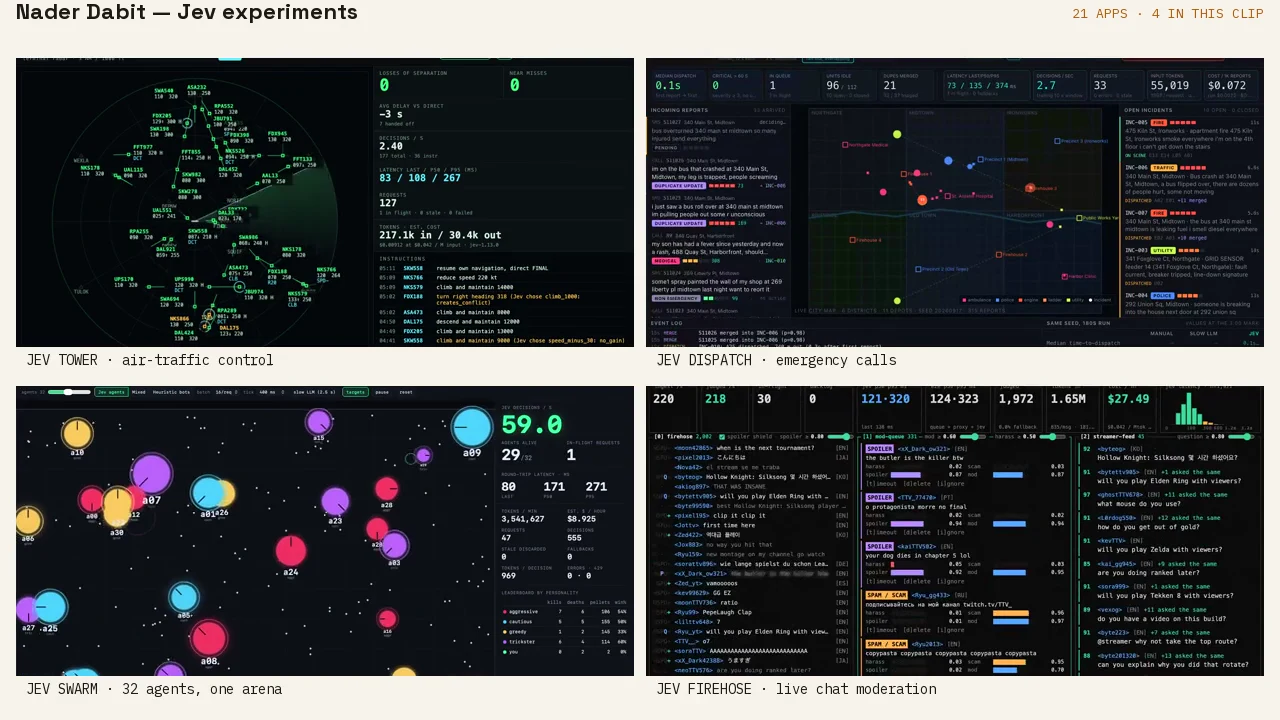
Every category, from games and tools to repositories and writeups, traced to a primary source.
Same ideas.
Different paths.
This is the full registry, not just the featured picks. Figures like speed, cost, and stars are maker-reported or captured snapshots, not JevMade measurements.
309 experiments · showing 1–60
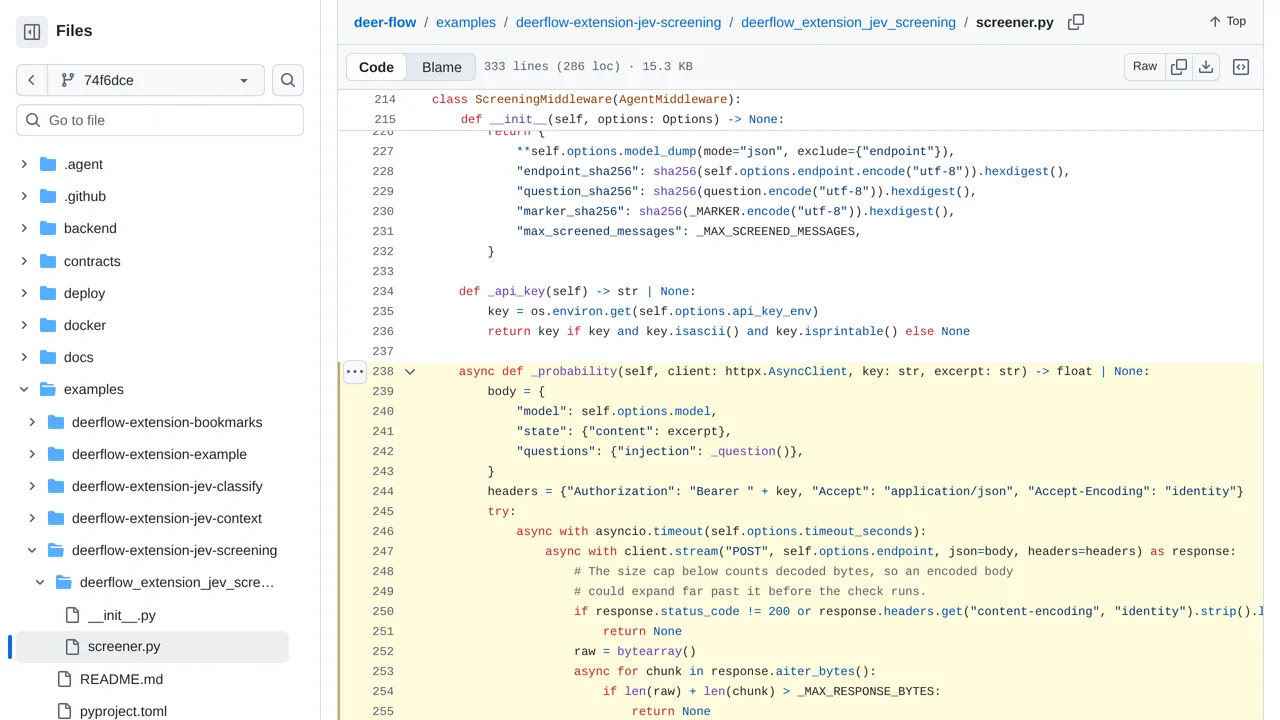
DeerFlow includes opt-in Jev extensions for text classification, prompt-injection screening, and pruning old tool results.
Keep what you find. Notes stay private.
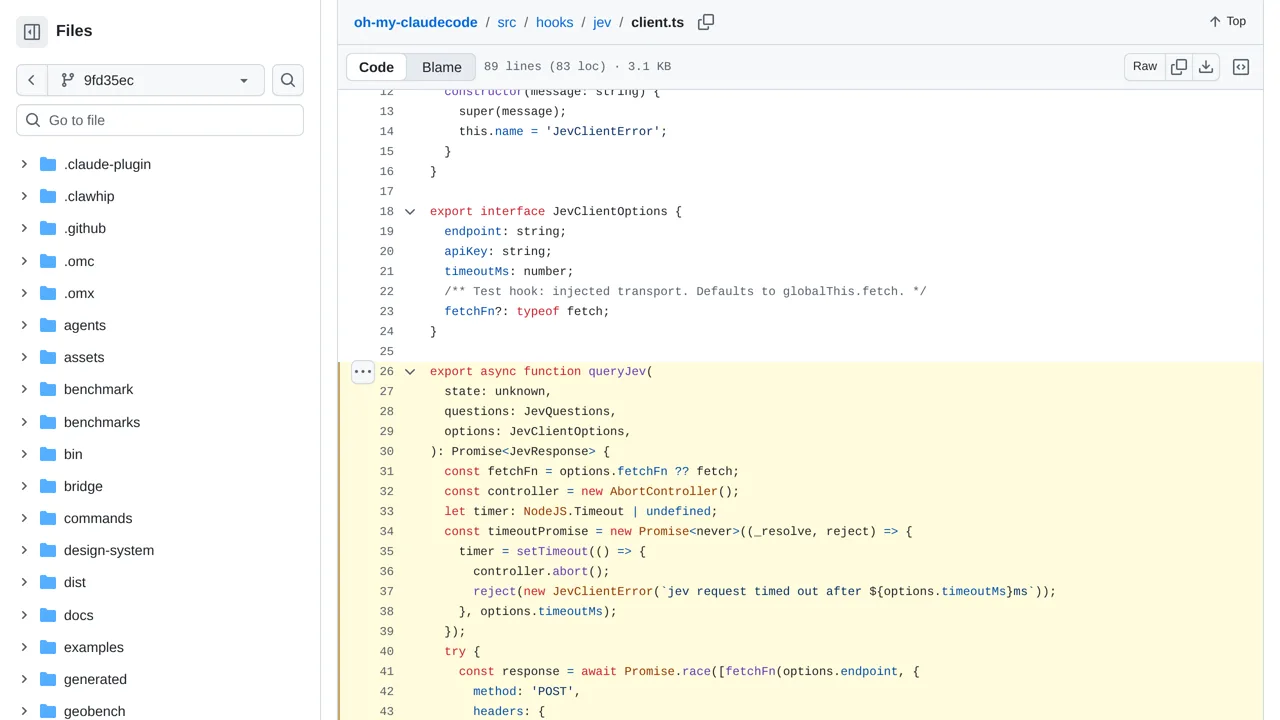
Oh My ClaudeCode can compare Jev with its existing coding-agent heuristics in shadow mode, then optionally let Jev make those decisions while retaining the original behavior as a fallback.
Keep what you find. Notes stay private.
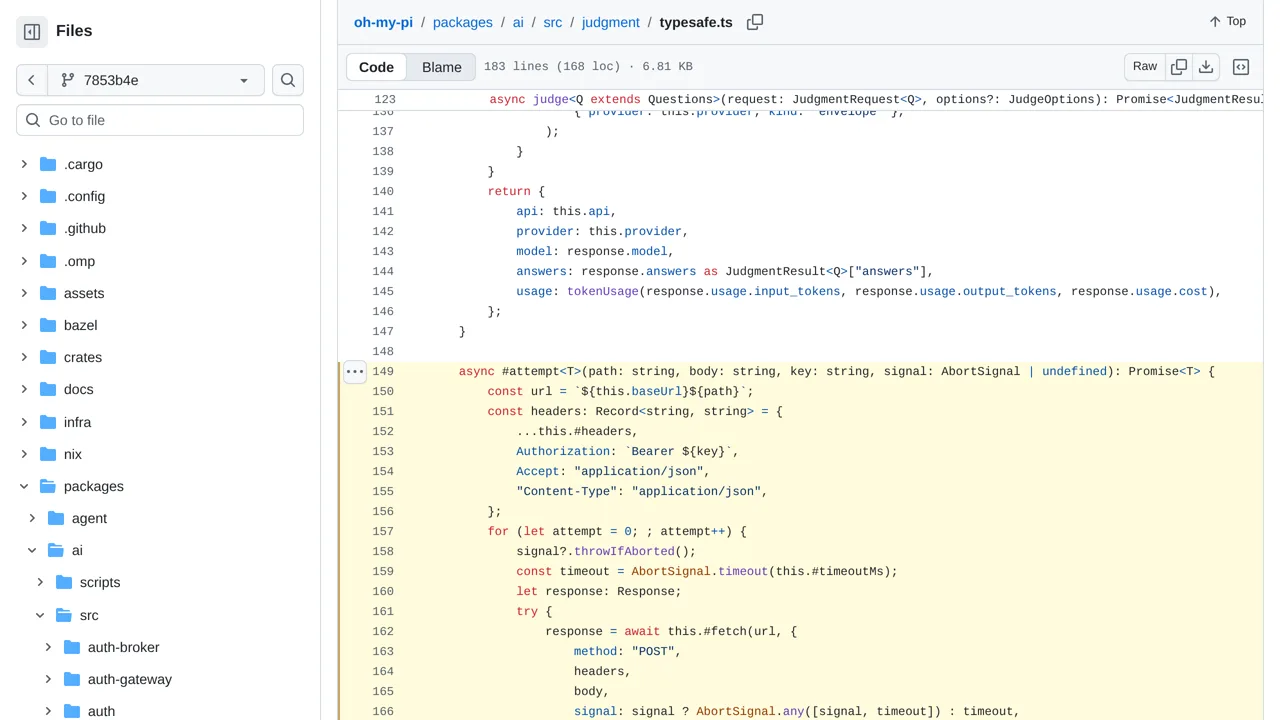
Oh My Pi lets coding agents use Jev for structured decisions such as choosing an option or scoring a candidate.
Keep what you find. Notes stay private.
jcode lets its fast browser agent ask Jev to choose the next move from the actions currently on screen.
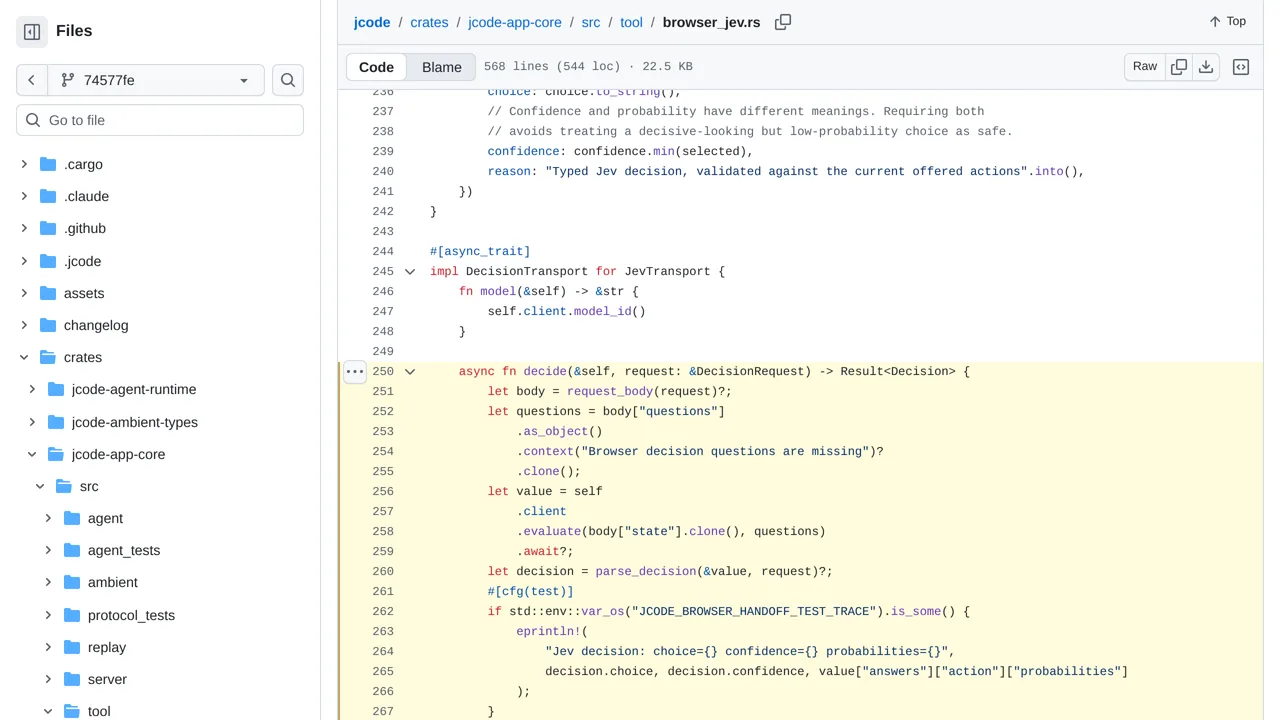
Keep what you find. Notes stay private.
OpenChamber asks Jev to choose a model for Auto sessions and, when enabled, flag risky tool permissions for human review.
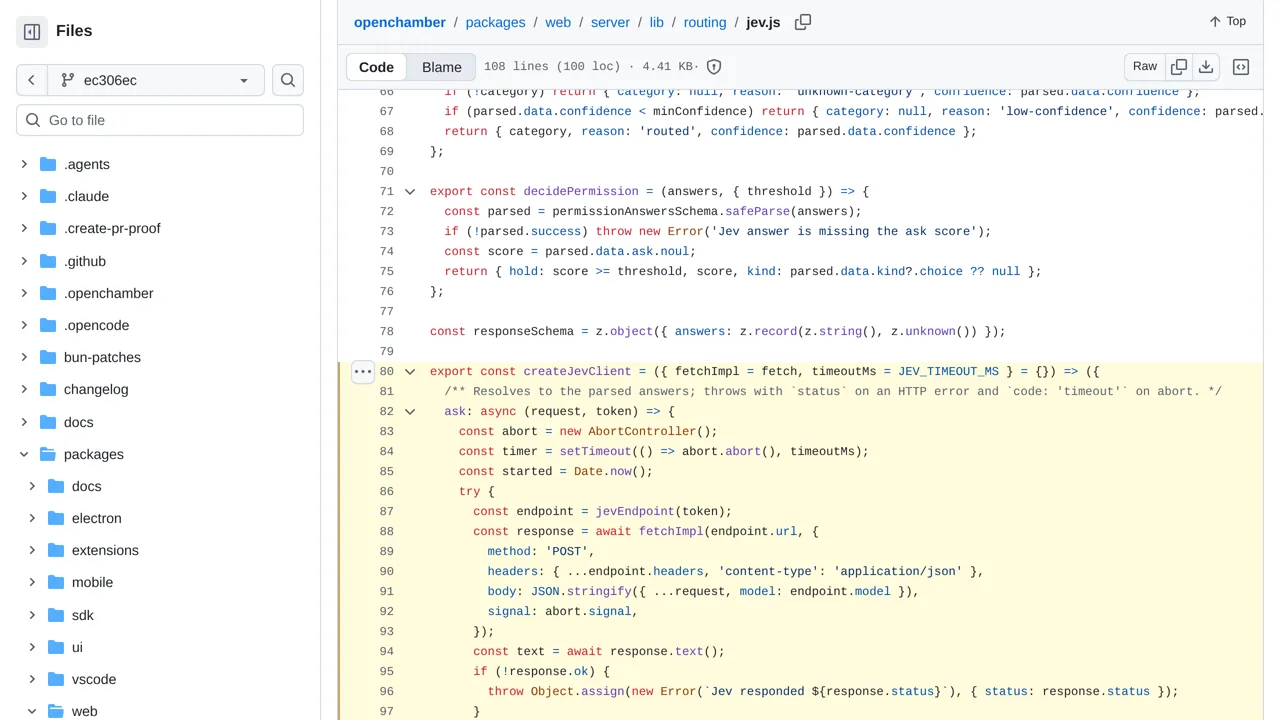
Keep what you find. Notes stay private.
Sure can ask Jev to sort bank transactions into a family's categories and benchmark those choices against labeled examples.
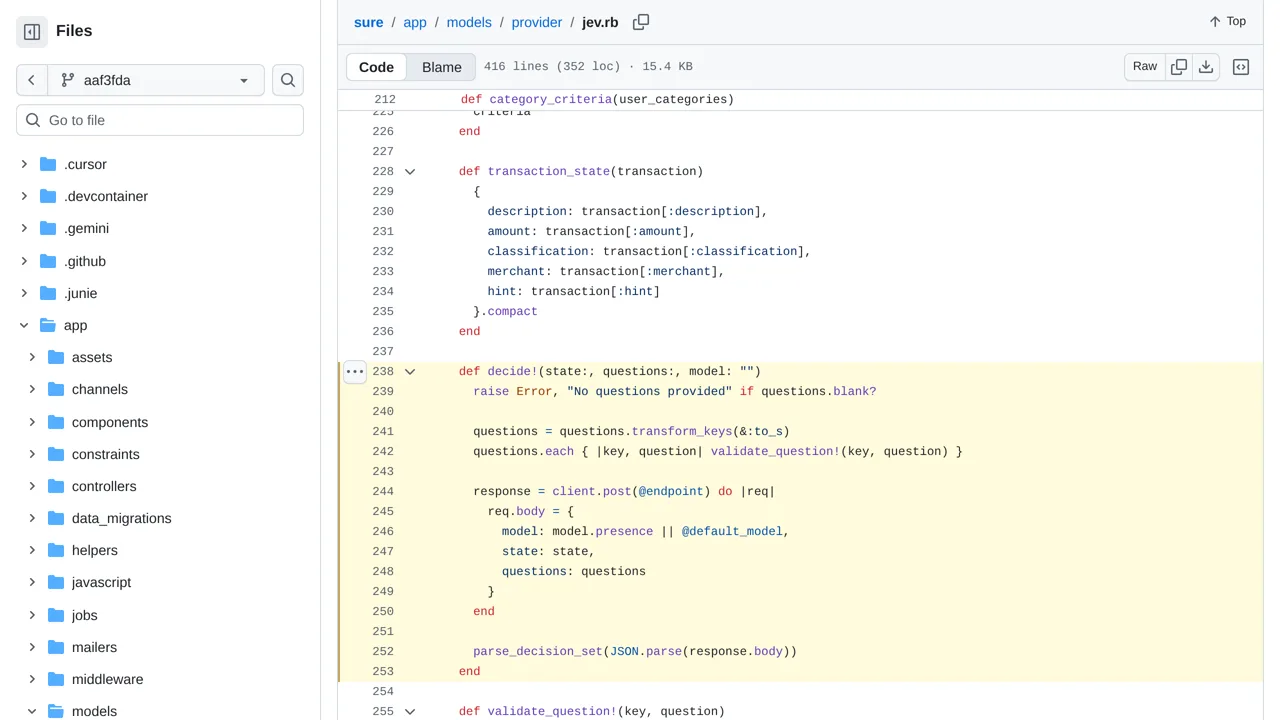
Keep what you find. Notes stay private.
Qlty Slop One asks Jev to score code-quality traits in source excerpts, then rolls those scores into per-file reports.
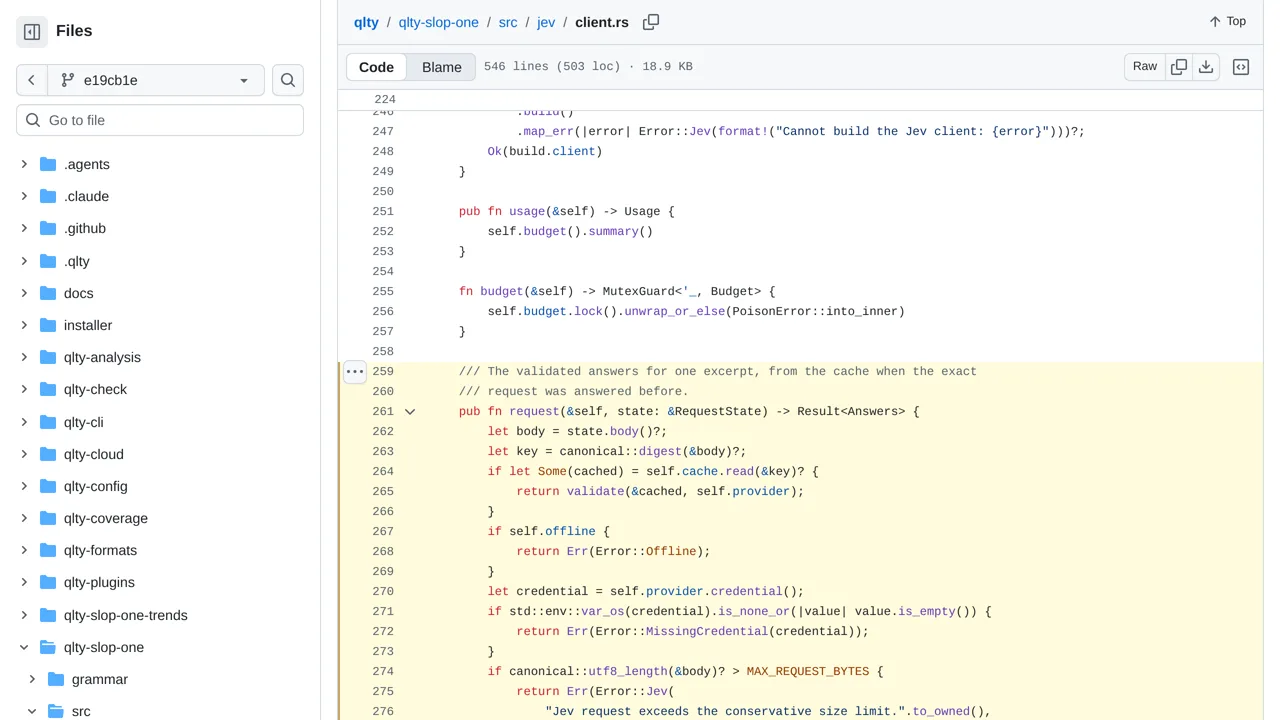
Keep what you find. Notes stay private.
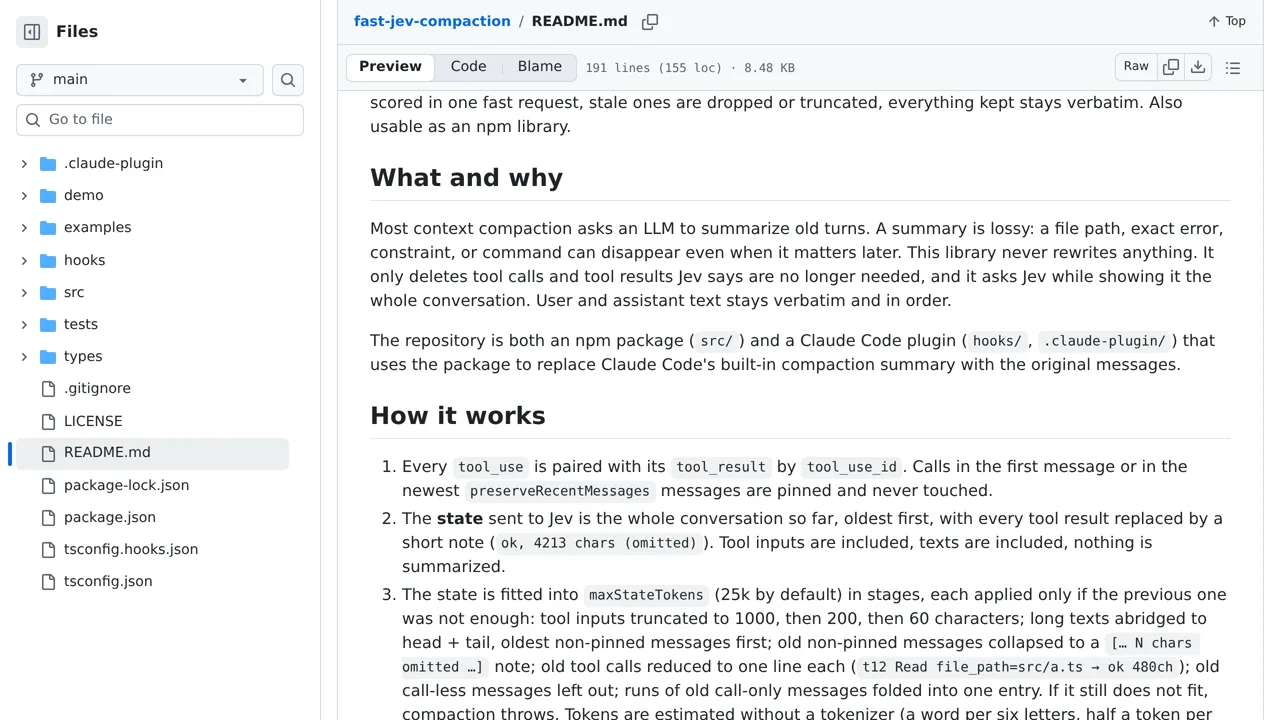
A Claude Code plugin that uses Jev to decide which context survives compaction.
Keep what you find. Notes stay private.
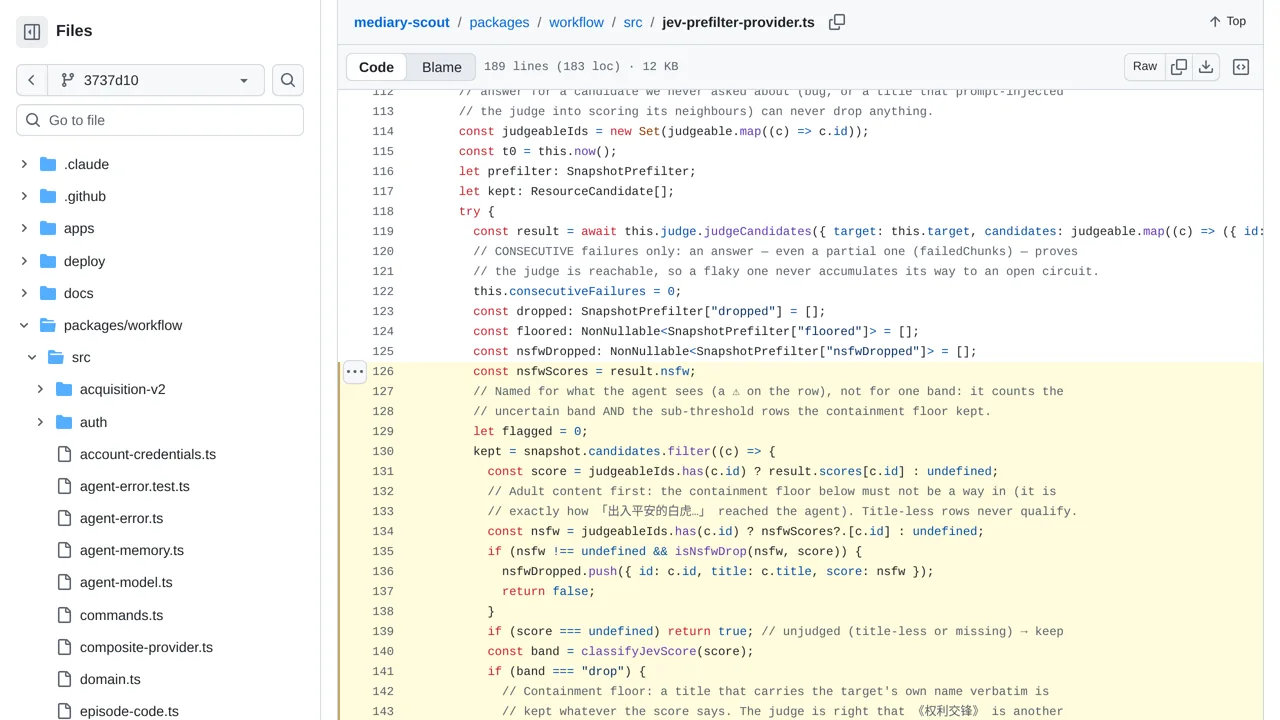
Mediary Scout filters irrelevant and adult-content media before those candidates reach more expensive workflow stages.
Keep what you find. Notes stay private.
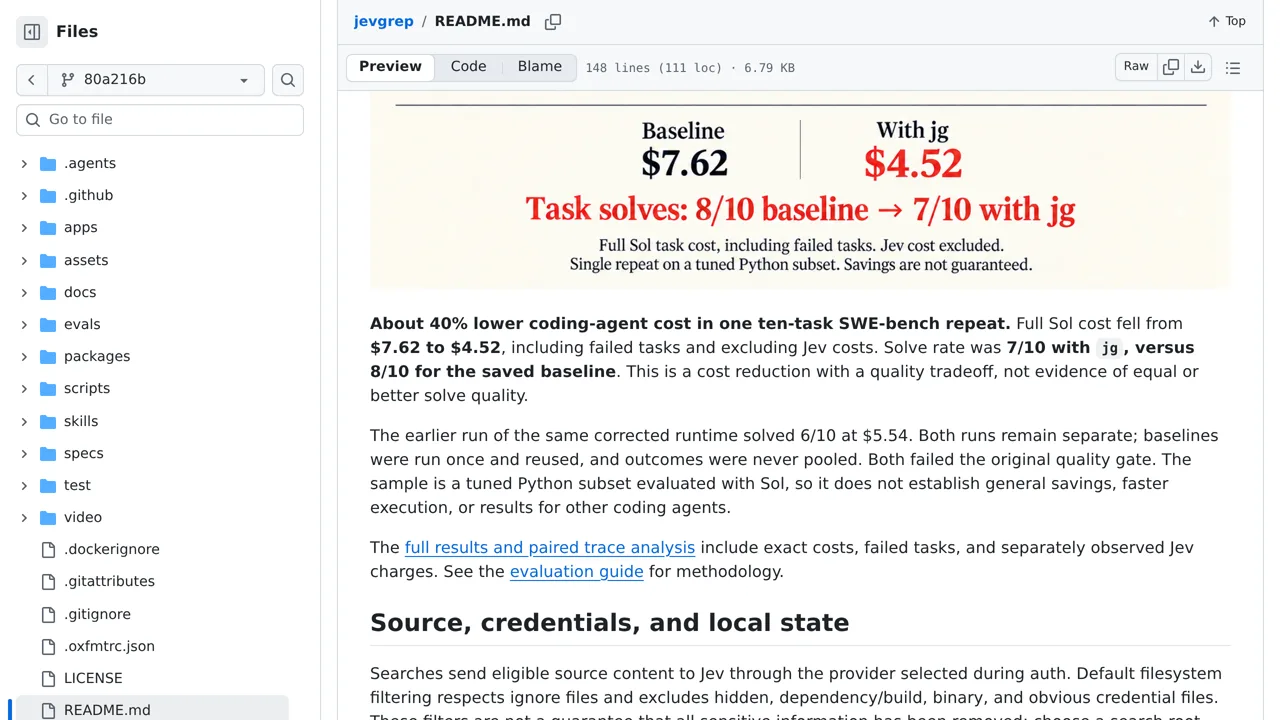
Ask what code does and `jg` returns file locations, reading leads and source excerpts for a coding agent.
Keep what you find. Notes stay private.
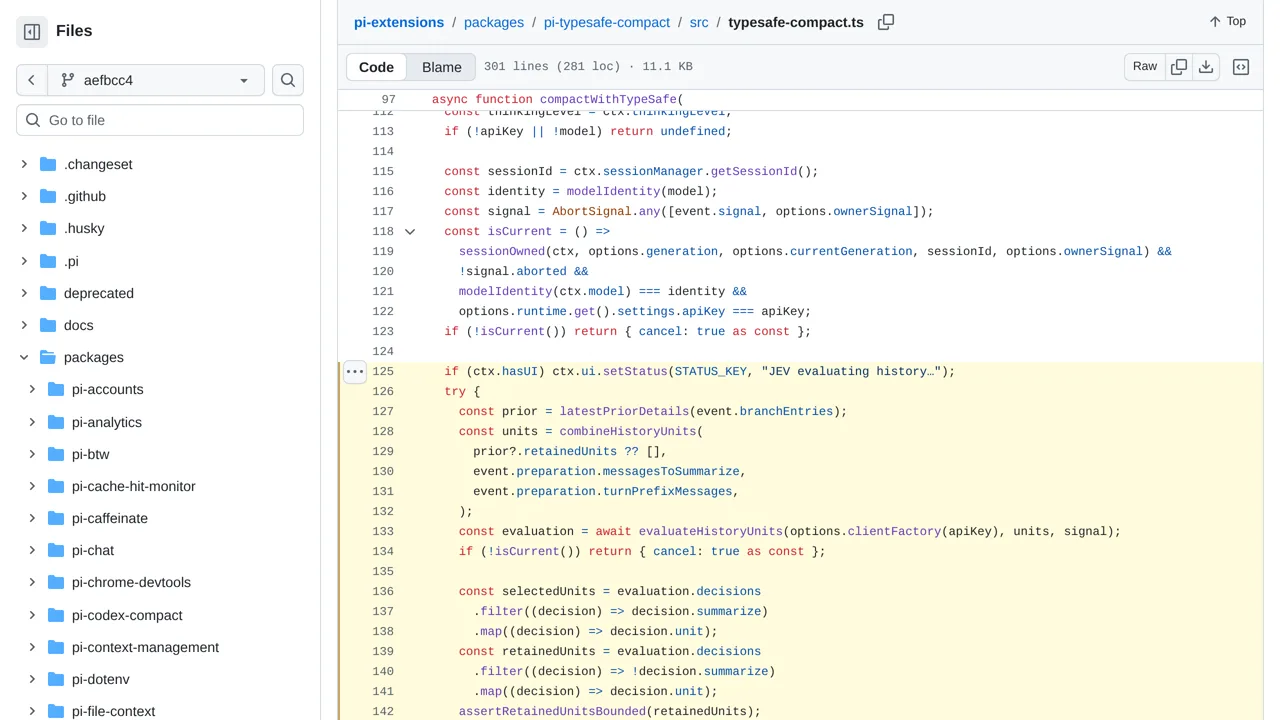
Pi Typesafe Compact asks Jev which parts of a coding conversation deserve space in the compacted summary.
Keep what you find. Notes stay private.
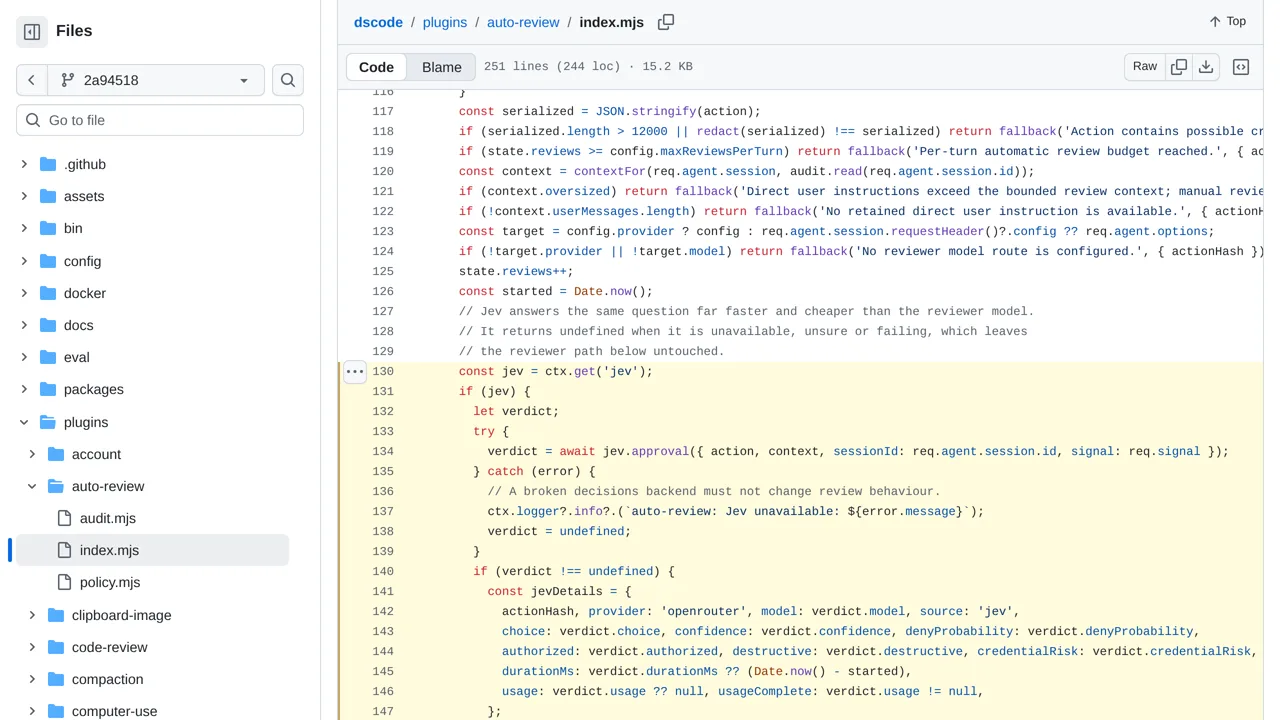
DSCode asks Jev whether a coding agent's risky action should proceed, stop or receive a fuller review.
Keep what you find. Notes stay private.
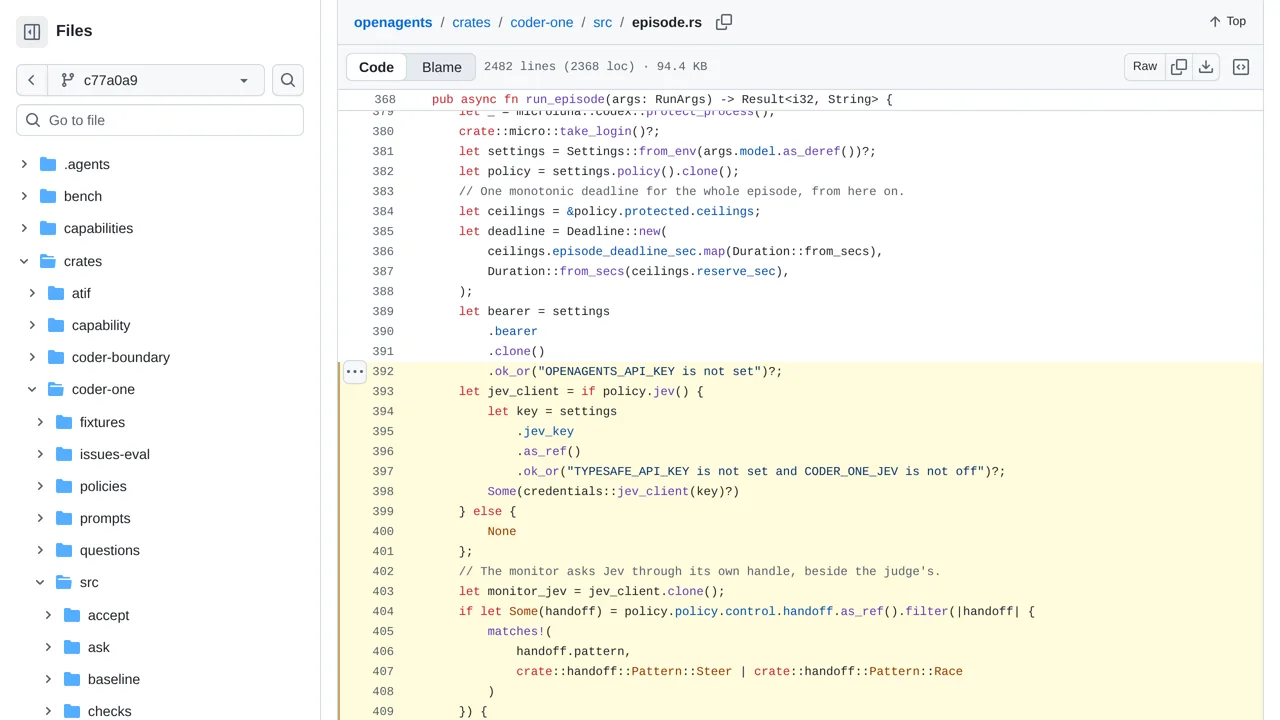
Coder One uses Jev to steer and check bounded autonomous coding sessions.
Keep what you find. Notes stay private.
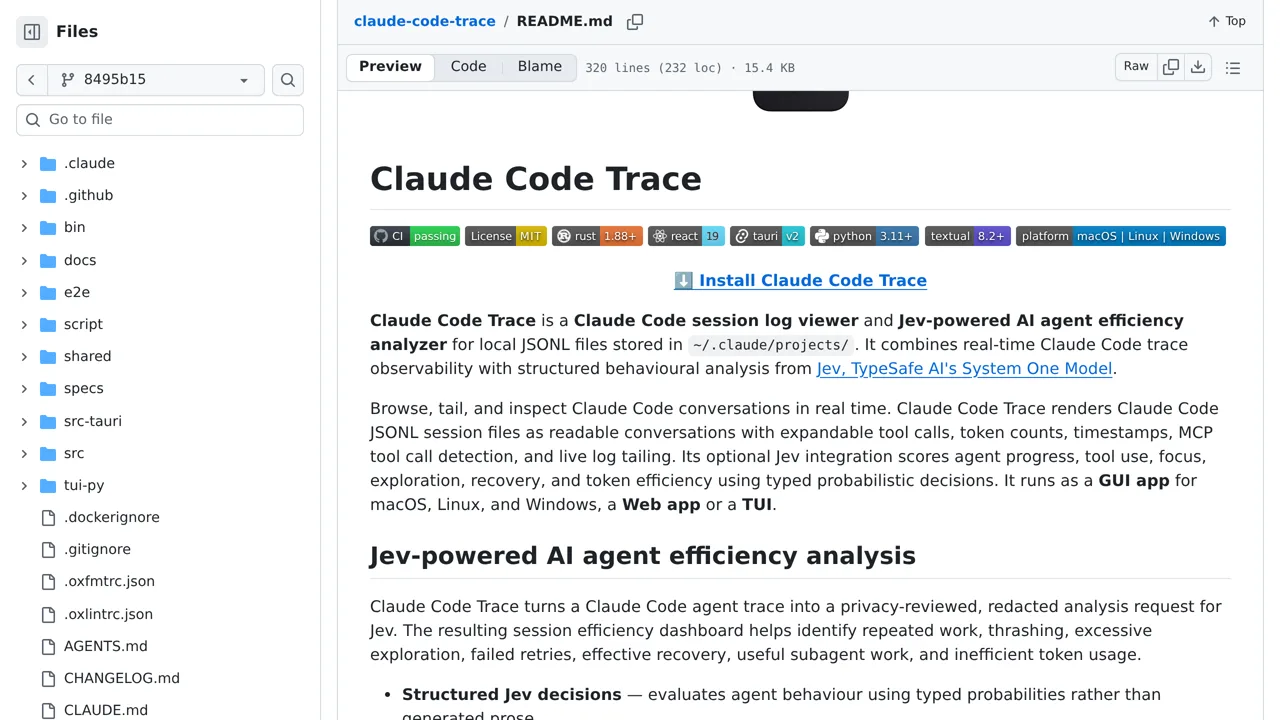
See where a Claude Code session made progress and where it went in circles, with Jev reviewing a redacted trace.
Keep what you find. Notes stay private.
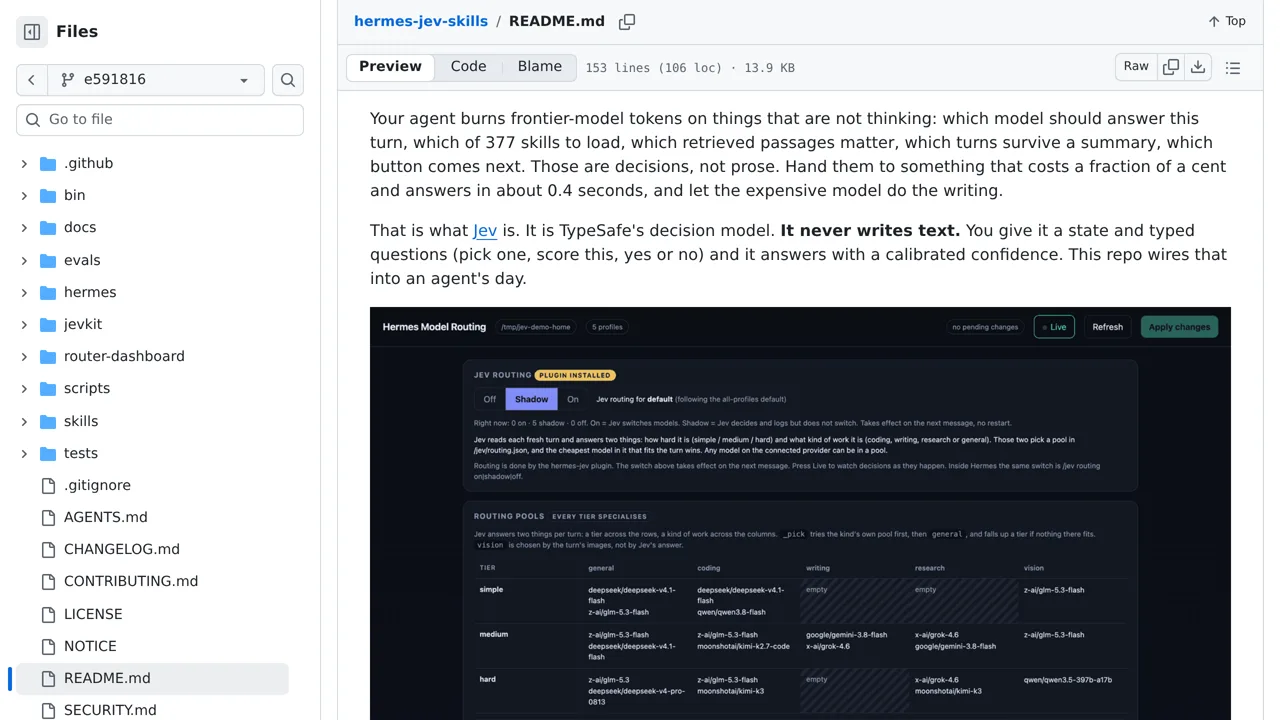
A Hermes toolkit for model routing, retrieval triage, memory, skill selection, context trimming and interface decisions.
Keep what you find. Notes stay private.
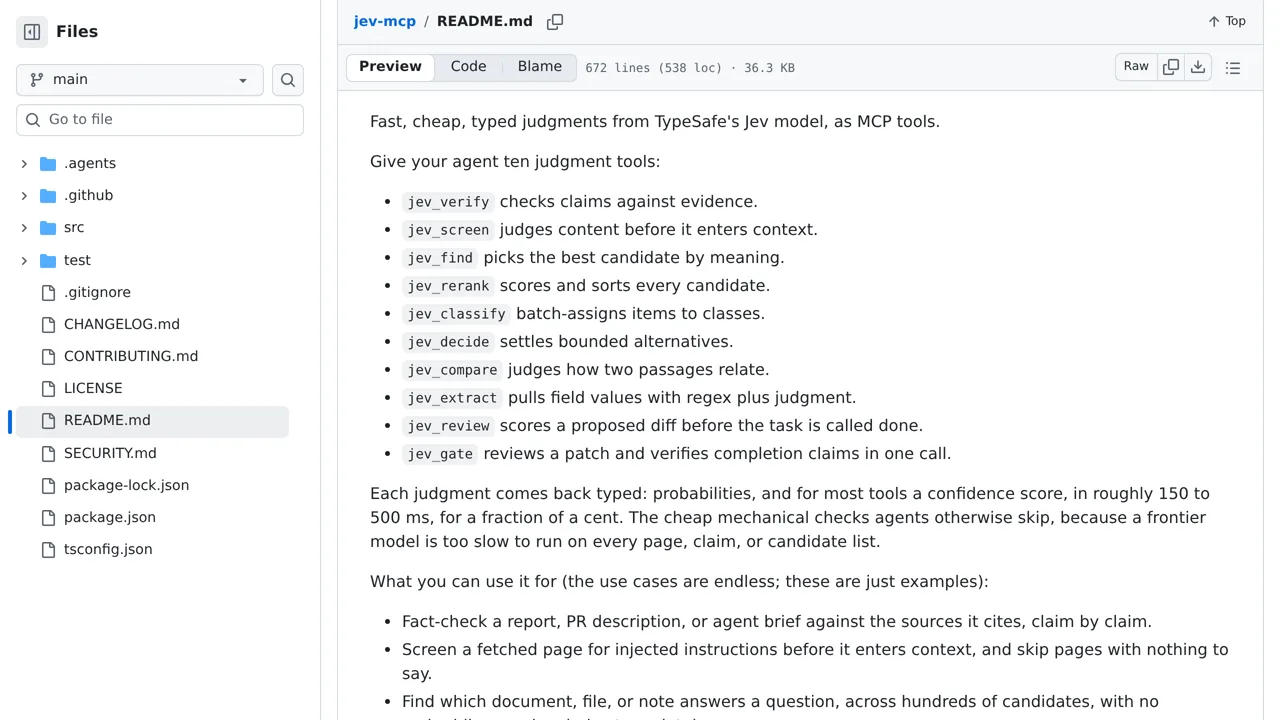
An MCP server that lets a coding agent ask Jev whether a claim is supported, a page is worth reading, or its own patch is safe.
Keep what you find. Notes stay private.
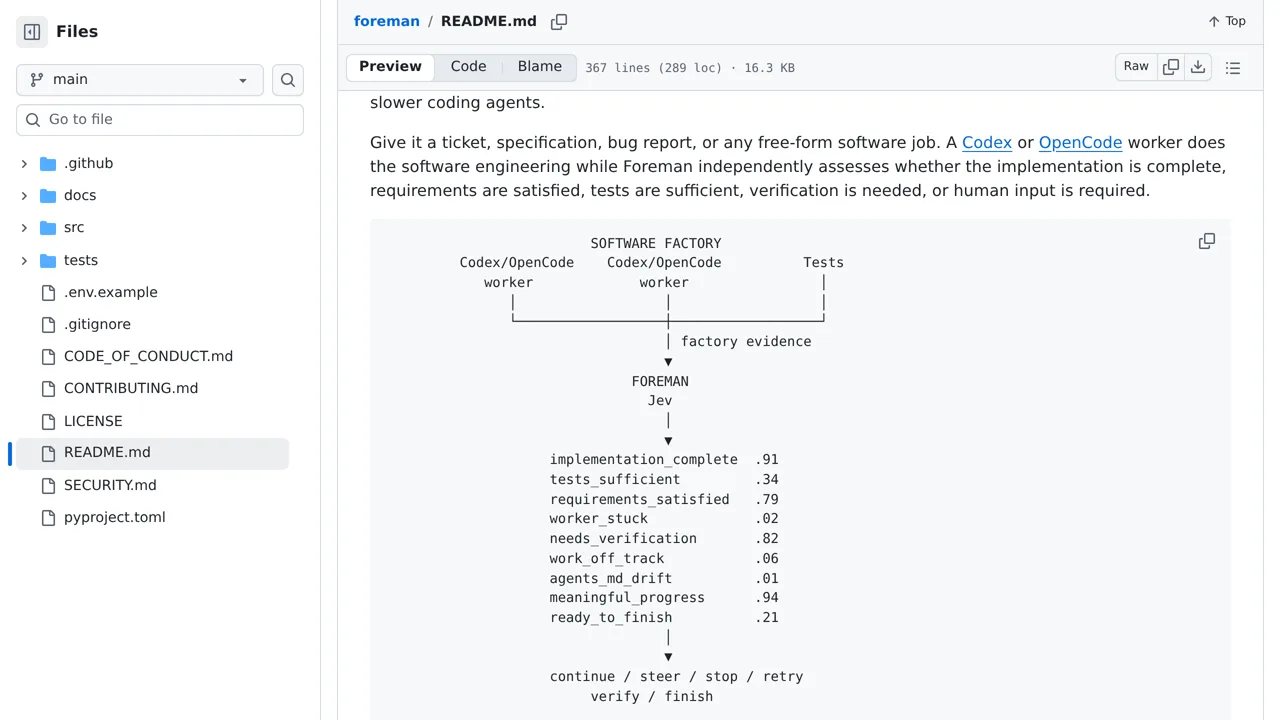
A software-factory foreman built around TypeSafe's Jev model.
Keep what you find. Notes stay private.
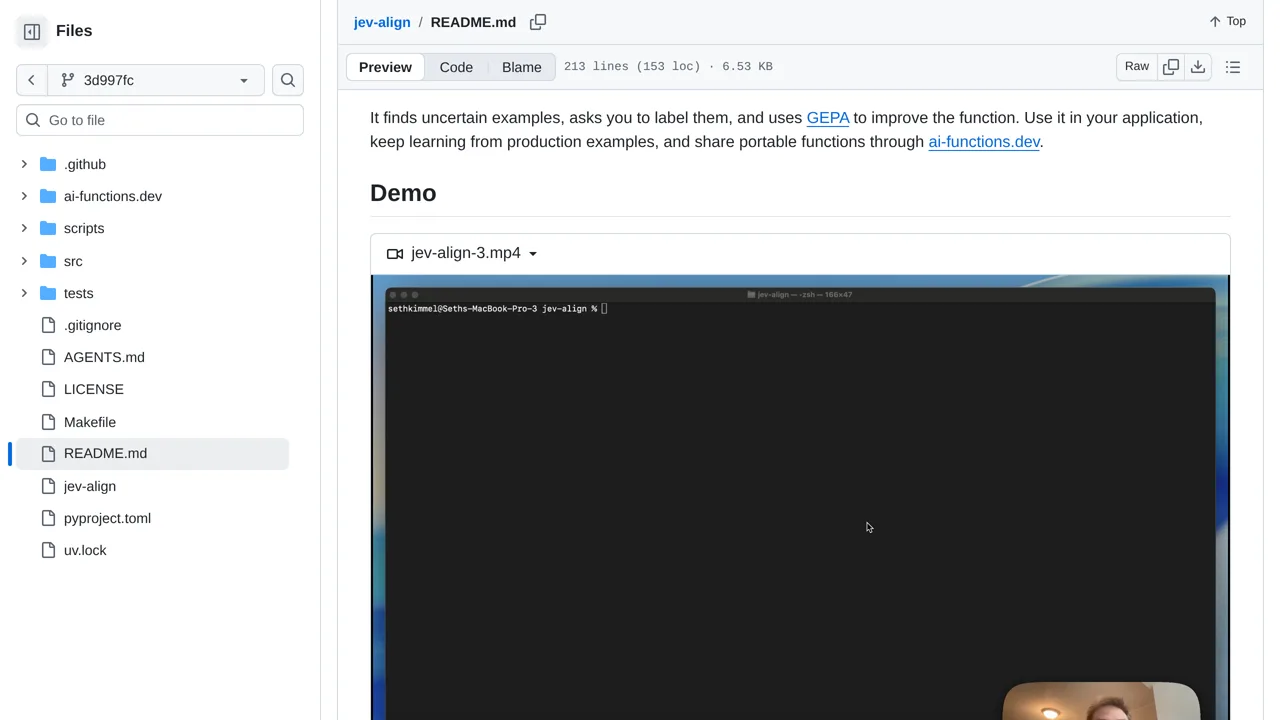
Tunes Jev decision functions from labelled examples by surfacing uncertain cases and proposing revised definitions through GEPA.
Keep what you find. Notes stay private.
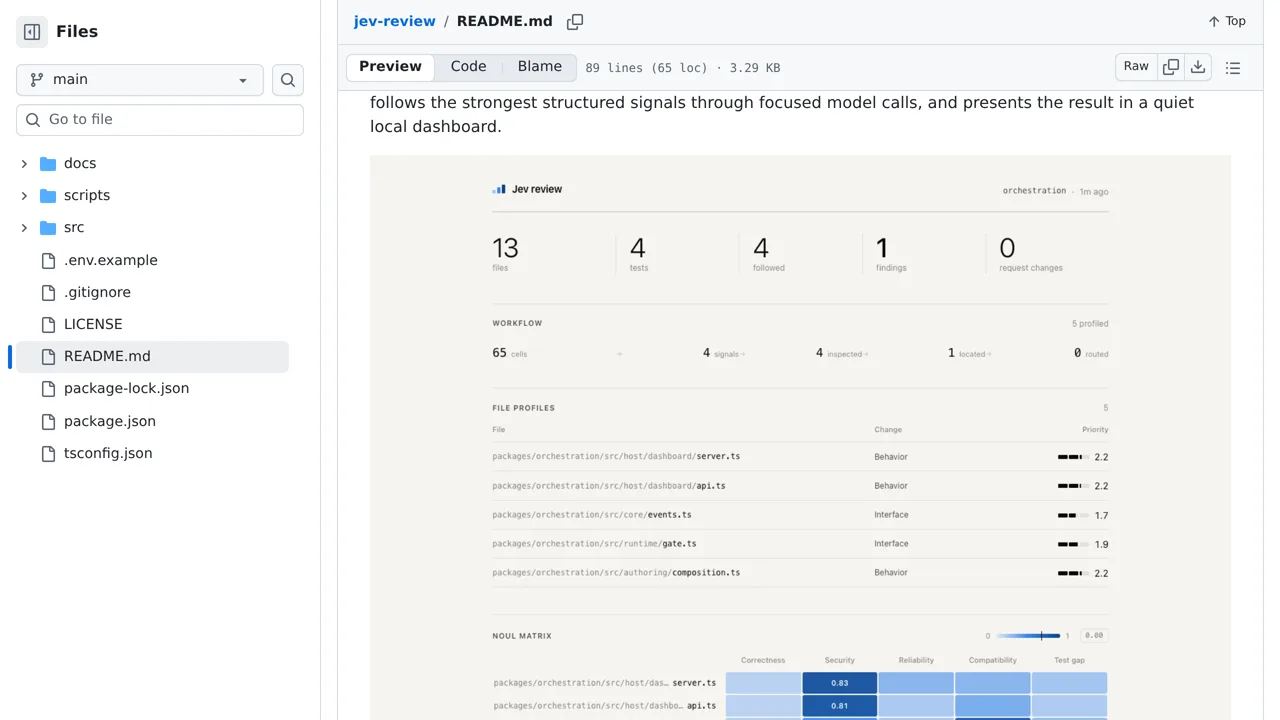
A staged Jev code-review workflow with a local dashboard.
Keep what you find. Notes stay private.
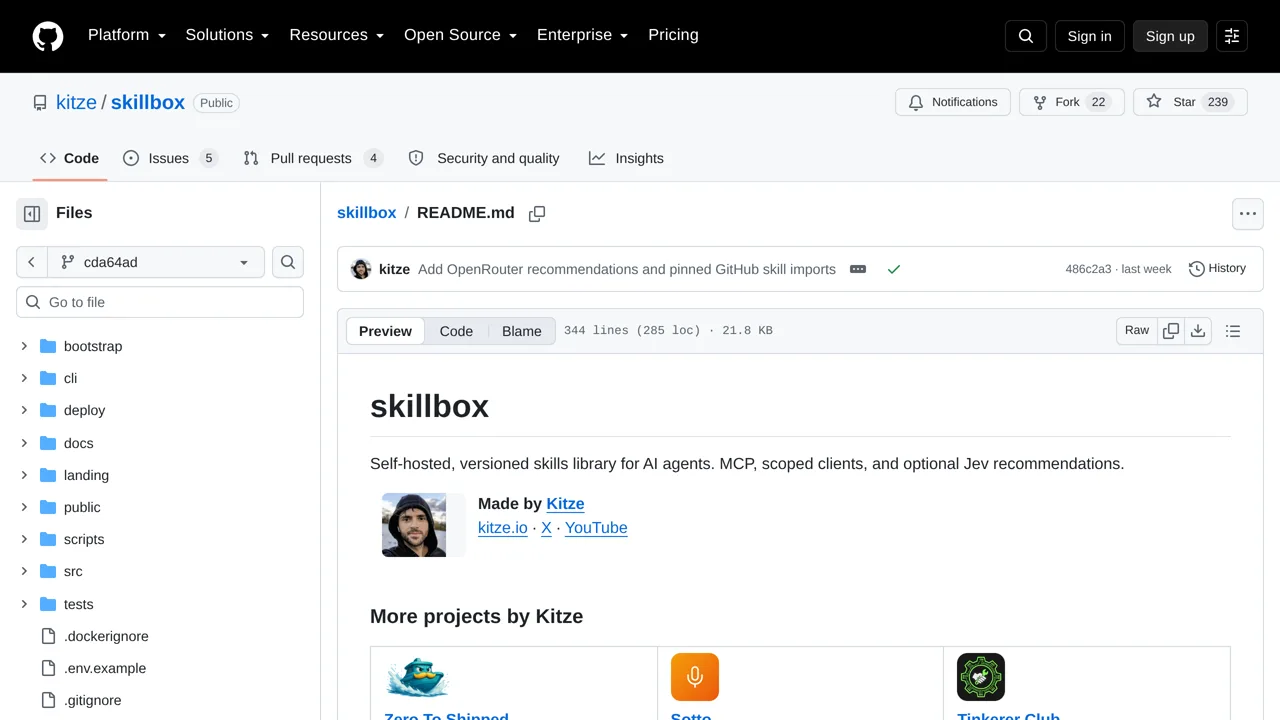
skillbox is a self-hosted, versioned Agent Skills library with MCP access, scoped clients, and optional Jev recommendations.
Keep what you find. Notes stay private.
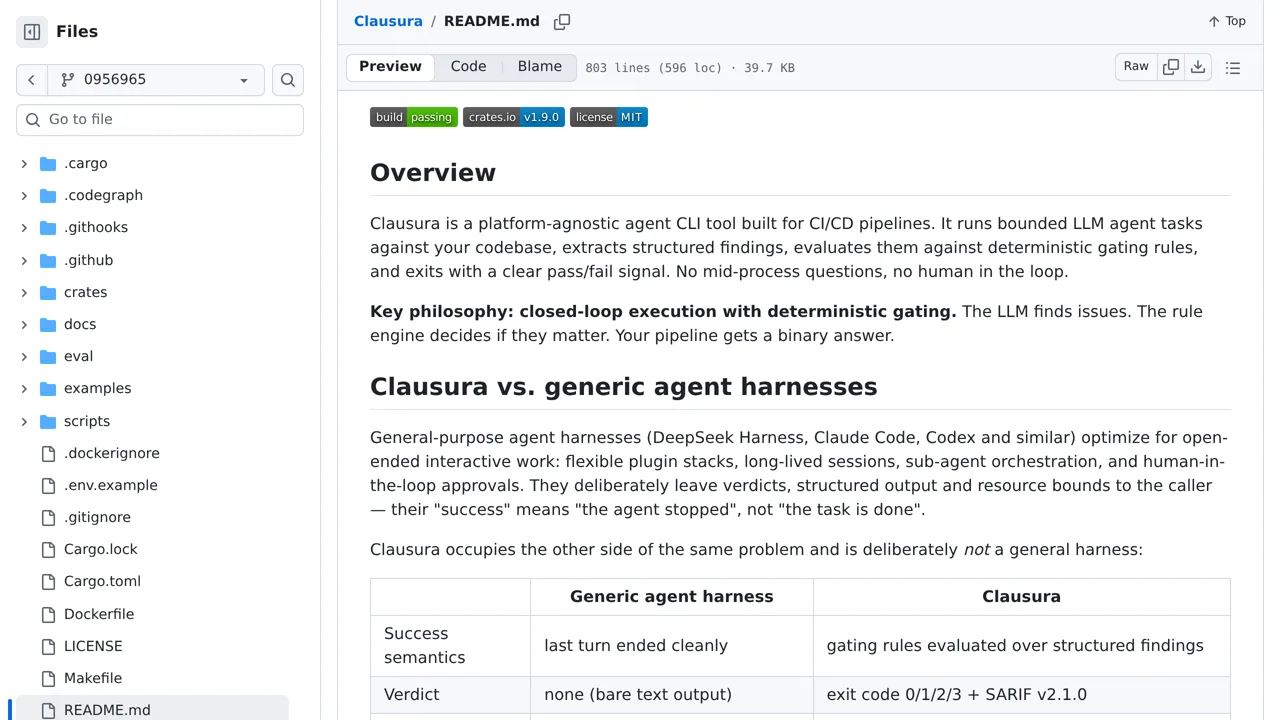
Audits each LLM code-review finding with one credibility question before deterministic CI rules decide whether to fail.
Keep what you find. Notes stay private.
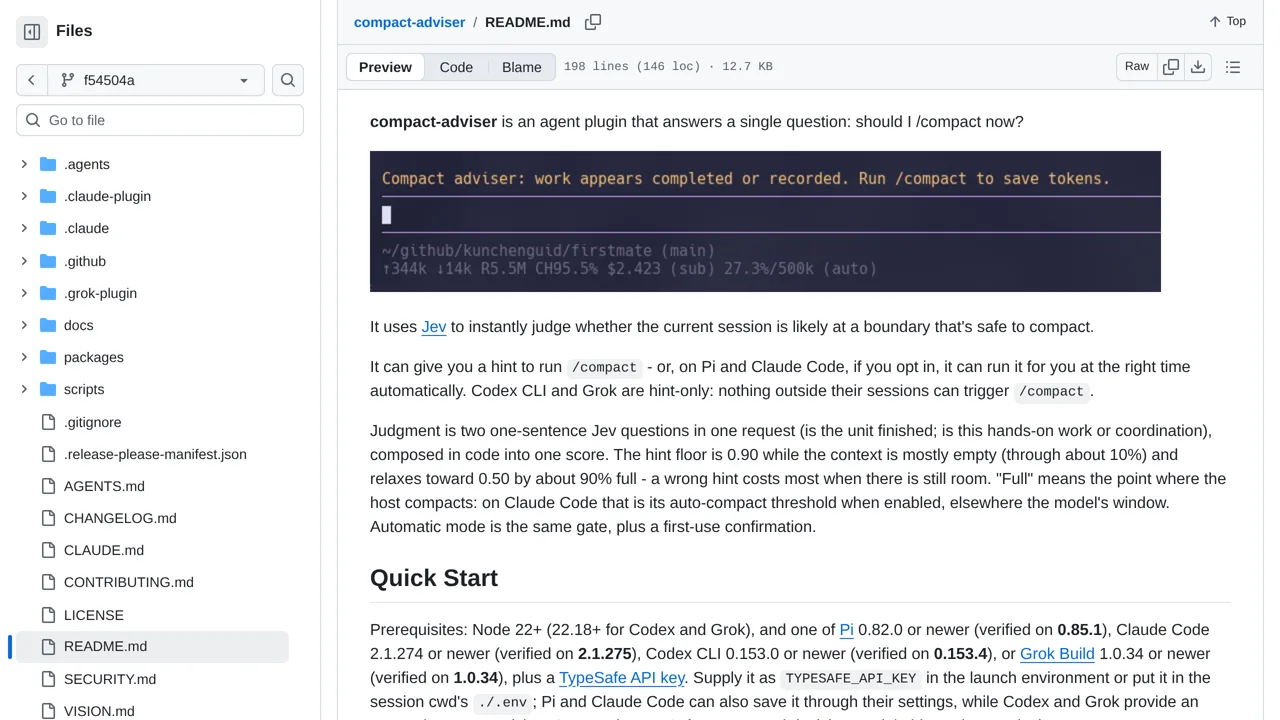
Suggests a safe moment to compact an agent session by combining two Jev judgments with context usage.
Keep what you find. Notes stay private.
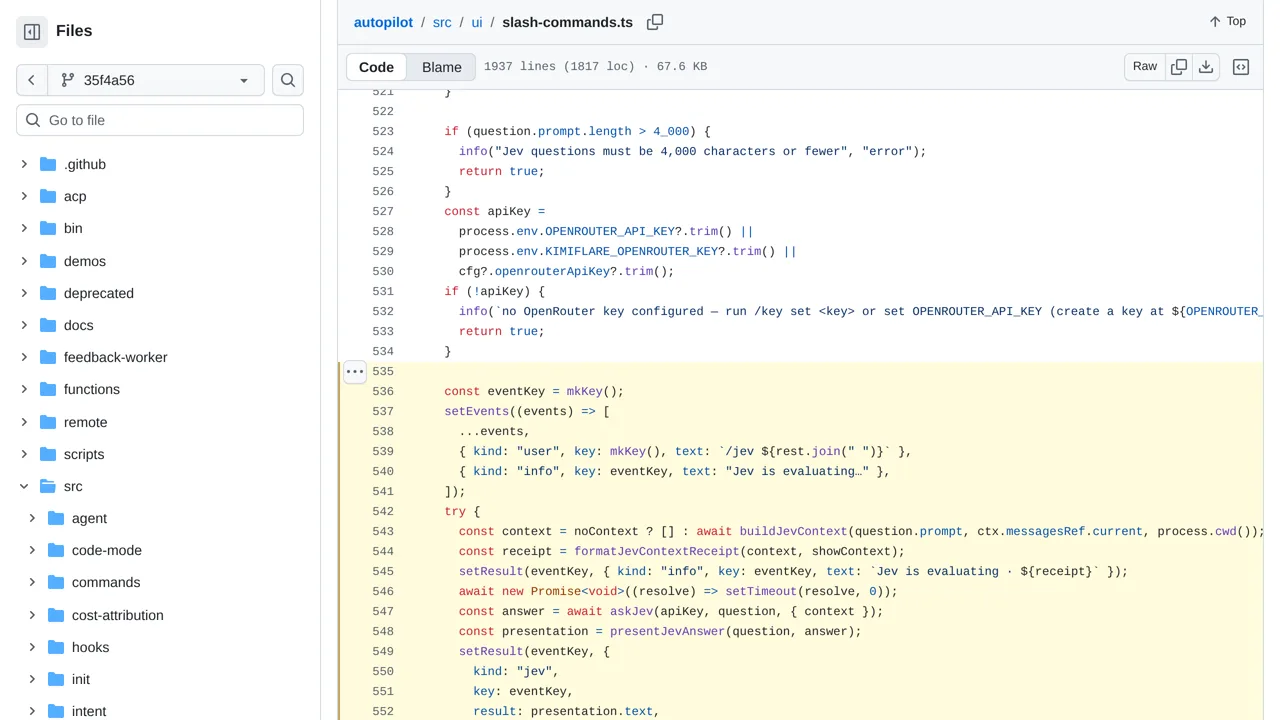
Autopilot's /jev command asks typed yes-or-no, choice or score questions about the current coding session.
Keep what you find. Notes stay private.
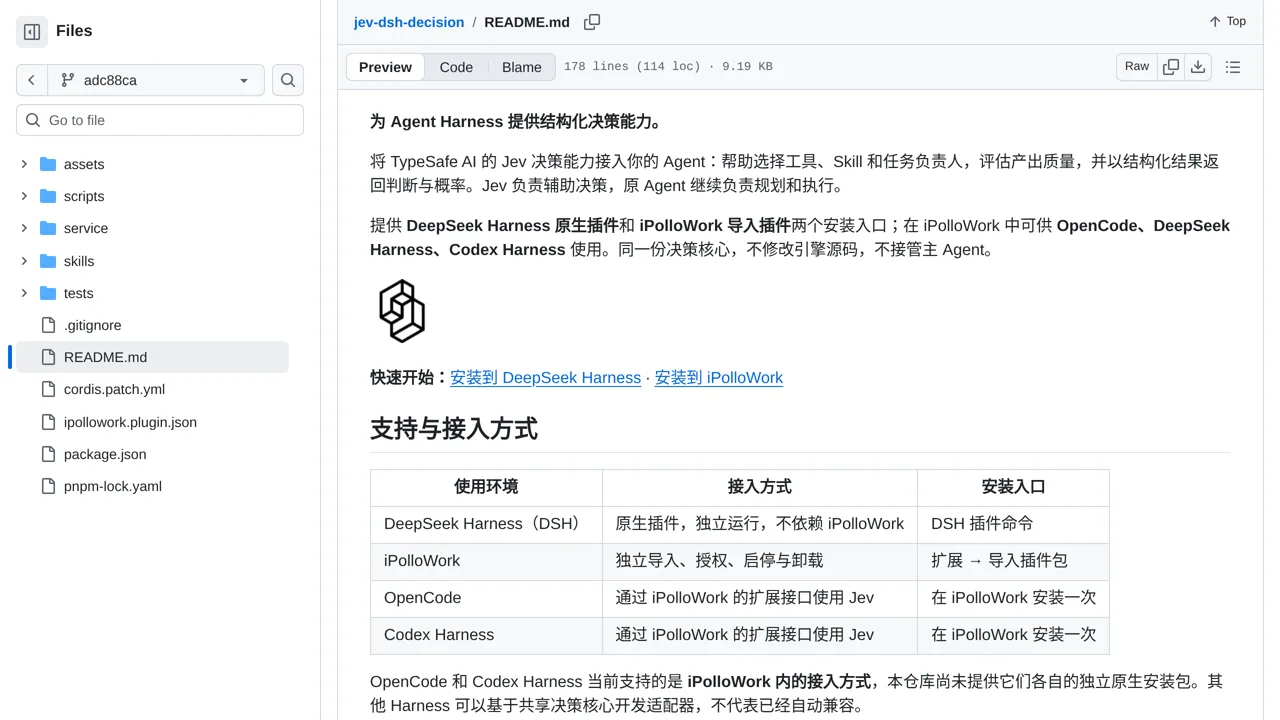
Adds typed tool, skill, owner, and quality decisions to agent harnesses without taking over their planning or execution.
Keep what you find. Notes stay private.
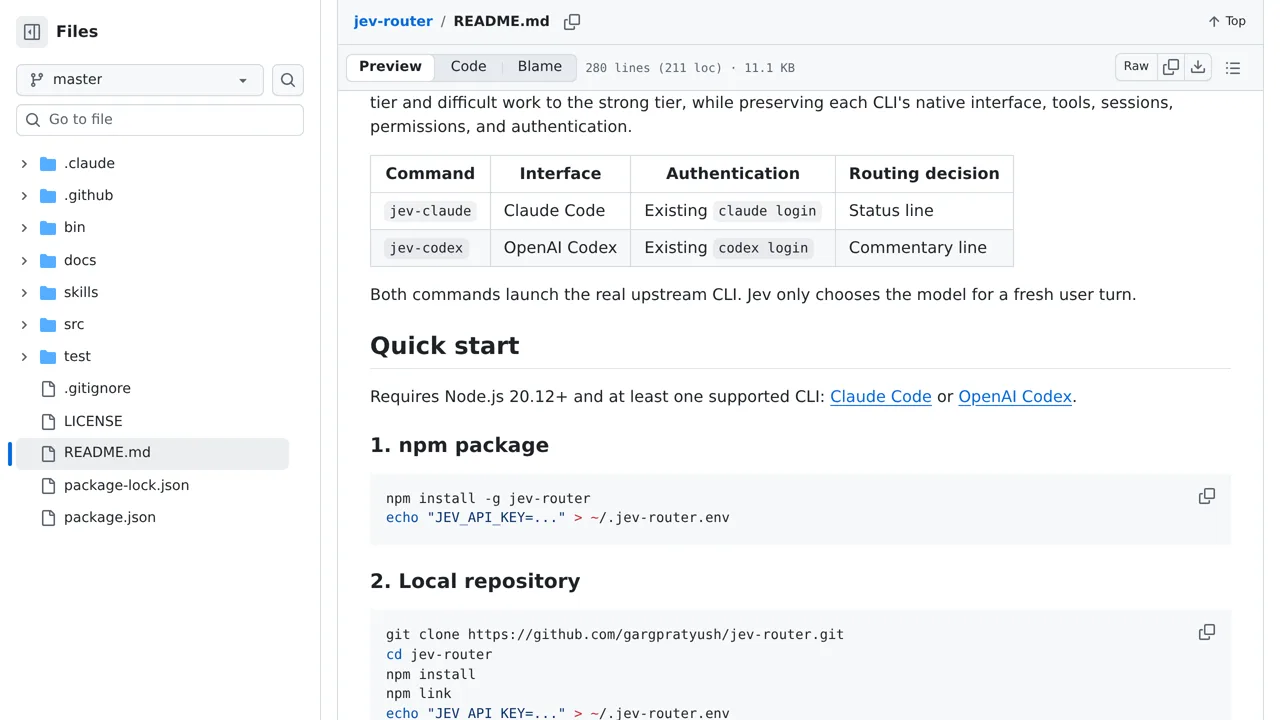
A Claude Code router that uses Jev to choose the cheapest suitable model for each task.
Keep what you find. Notes stay private.
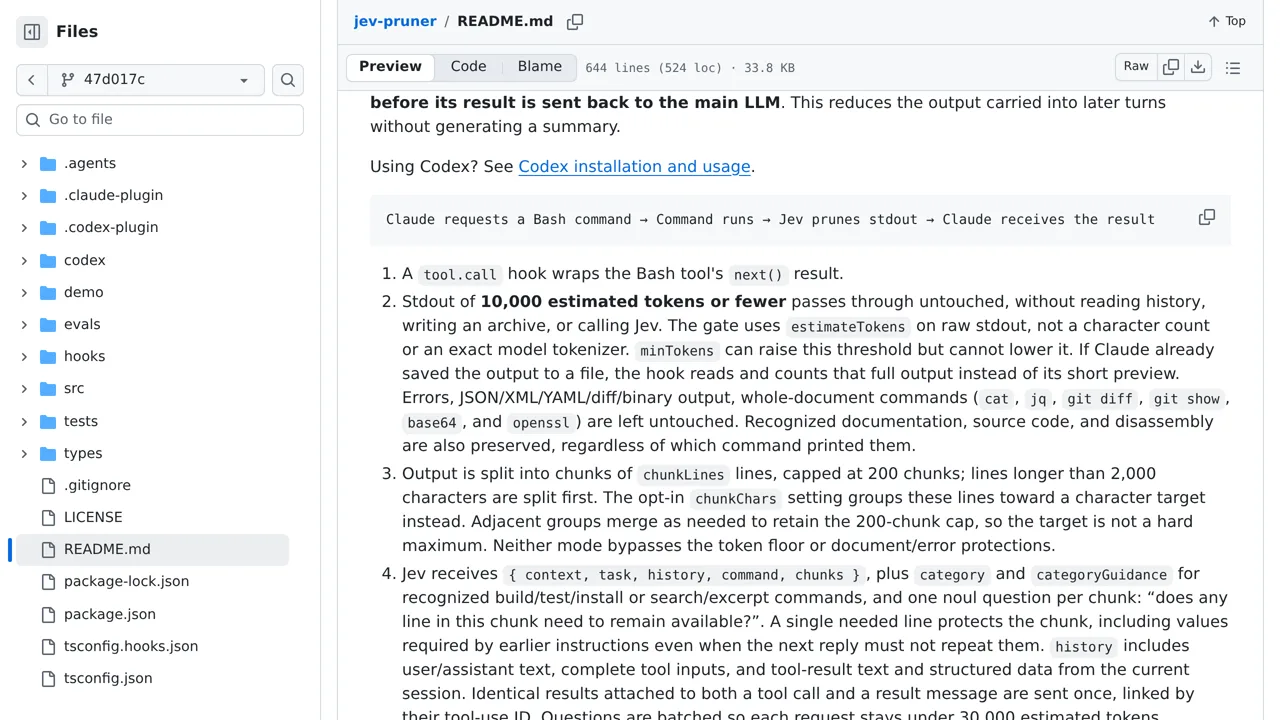
Filters oversized Bash output into verbatim chunks before Claude Code or Codex has to read it.
Keep what you find. Notes stay private.
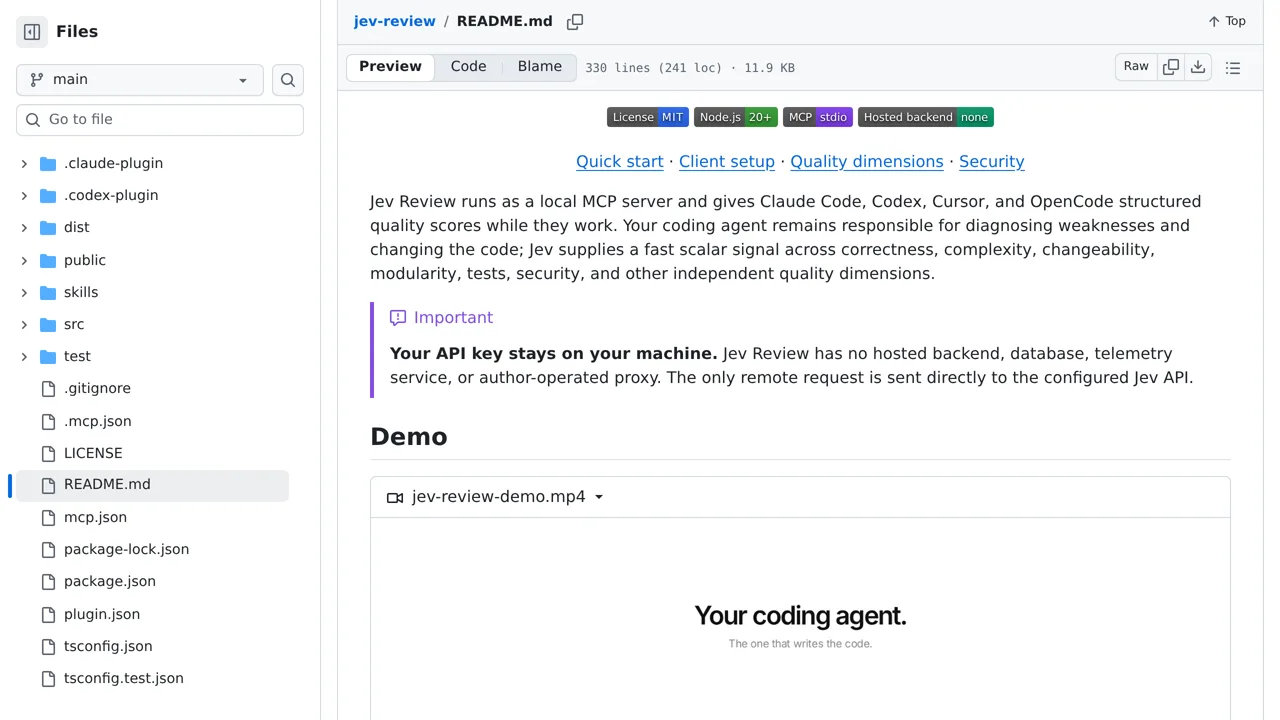
A local-first MCP plugin for continuous software-quality reviews by coding agents.
Keep what you find. Notes stay private.
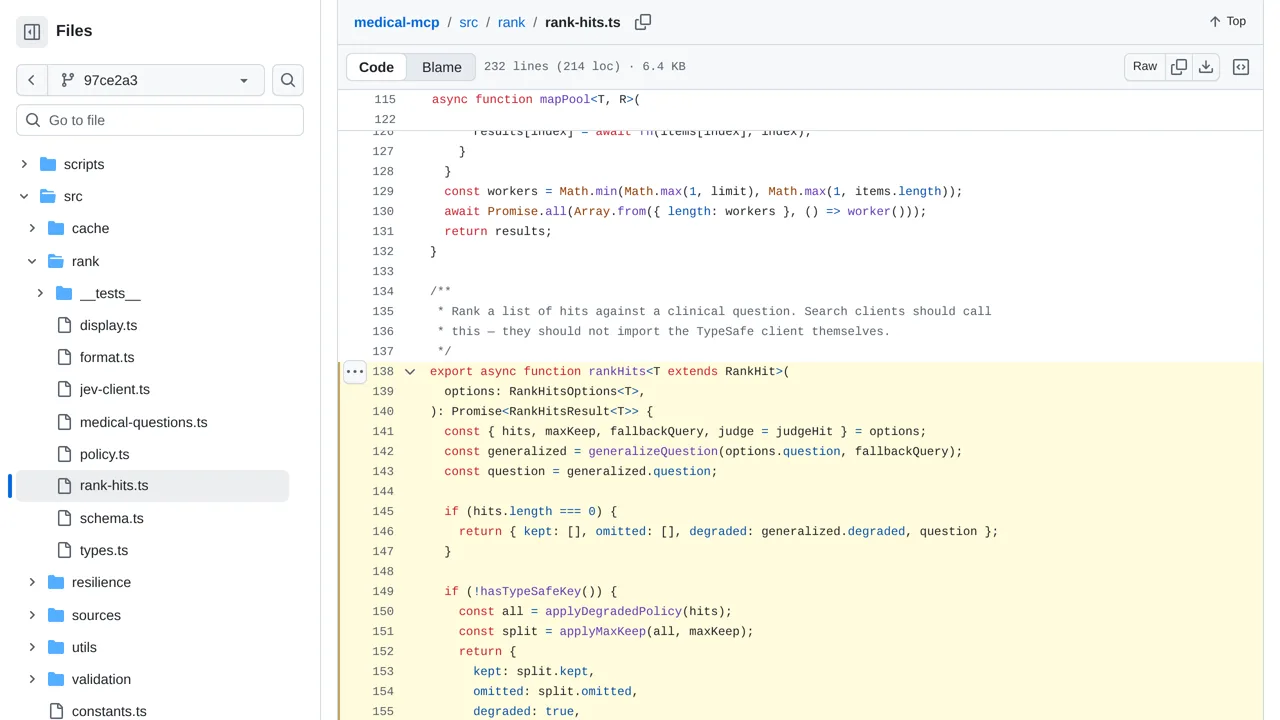
Medical MCP asks Jev to rank fetched clinical literature against a research question.
Keep what you find. Notes stay private.
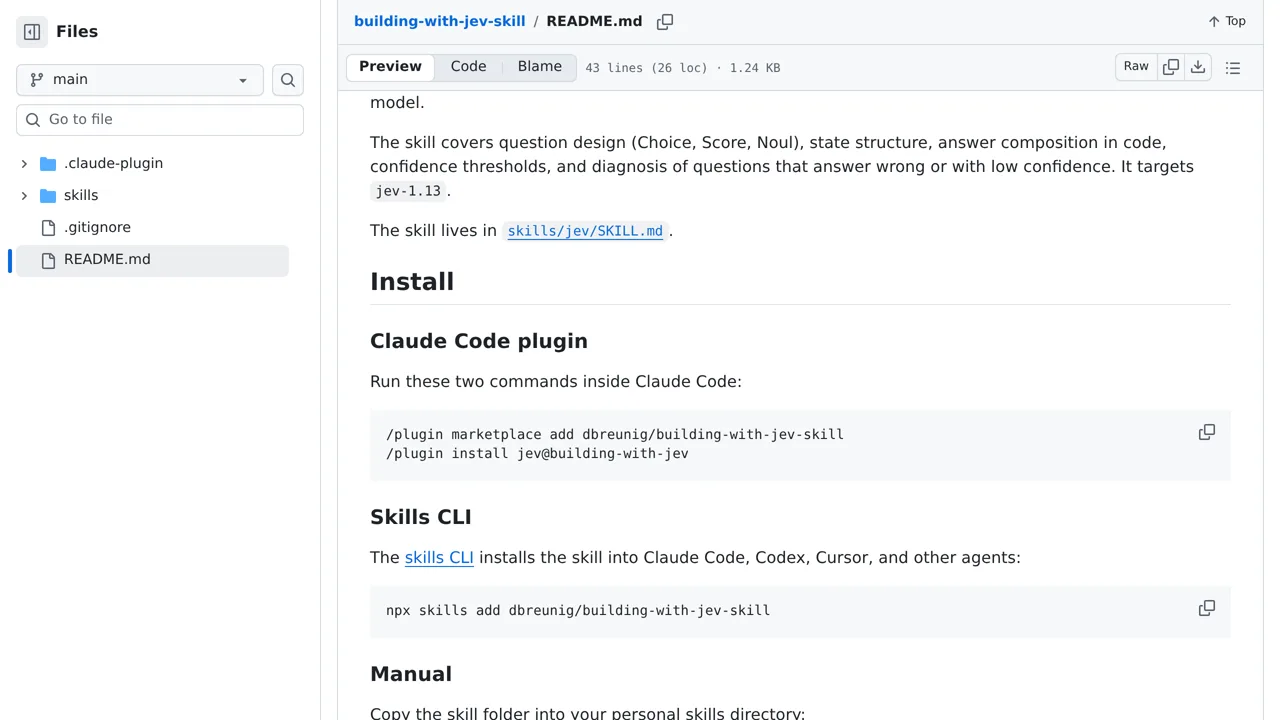
An agent skill for writing and improving programs that call Jev.
Keep what you find. Notes stay private.
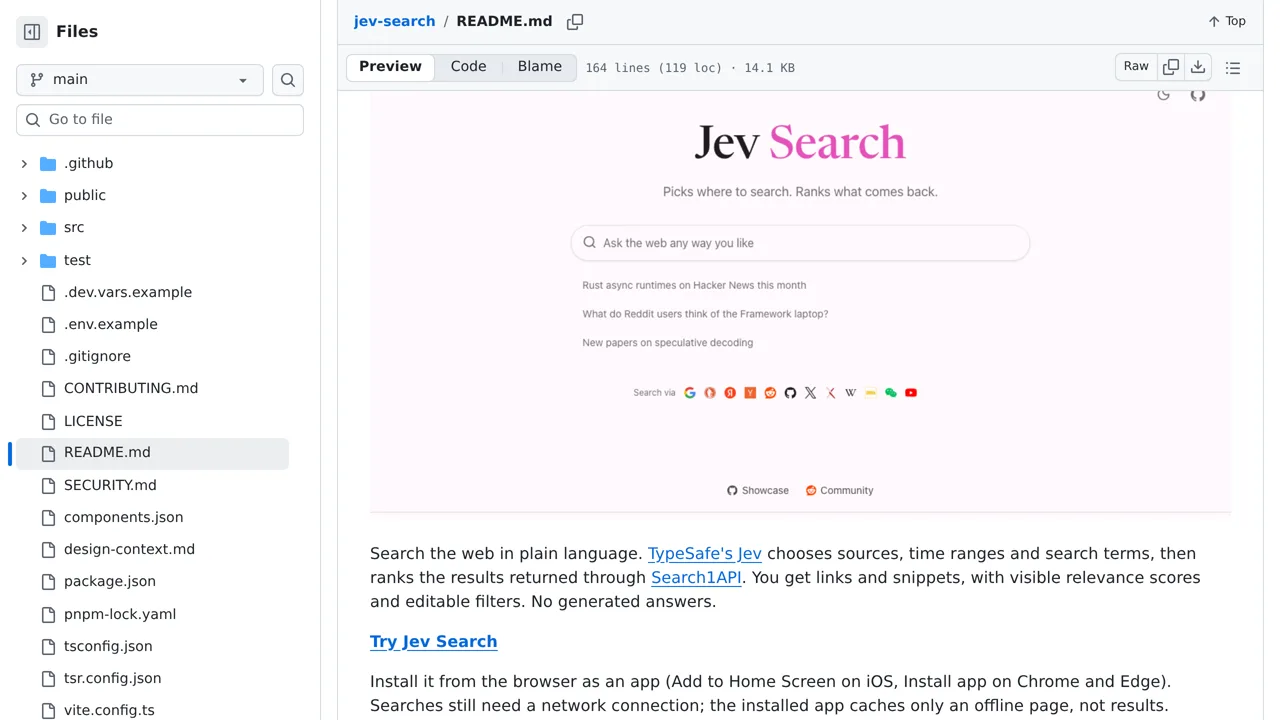
A web-search tool that uses Jev for query interpretation, source selection, and relevance ranking.
Keep what you find. Notes stay private.
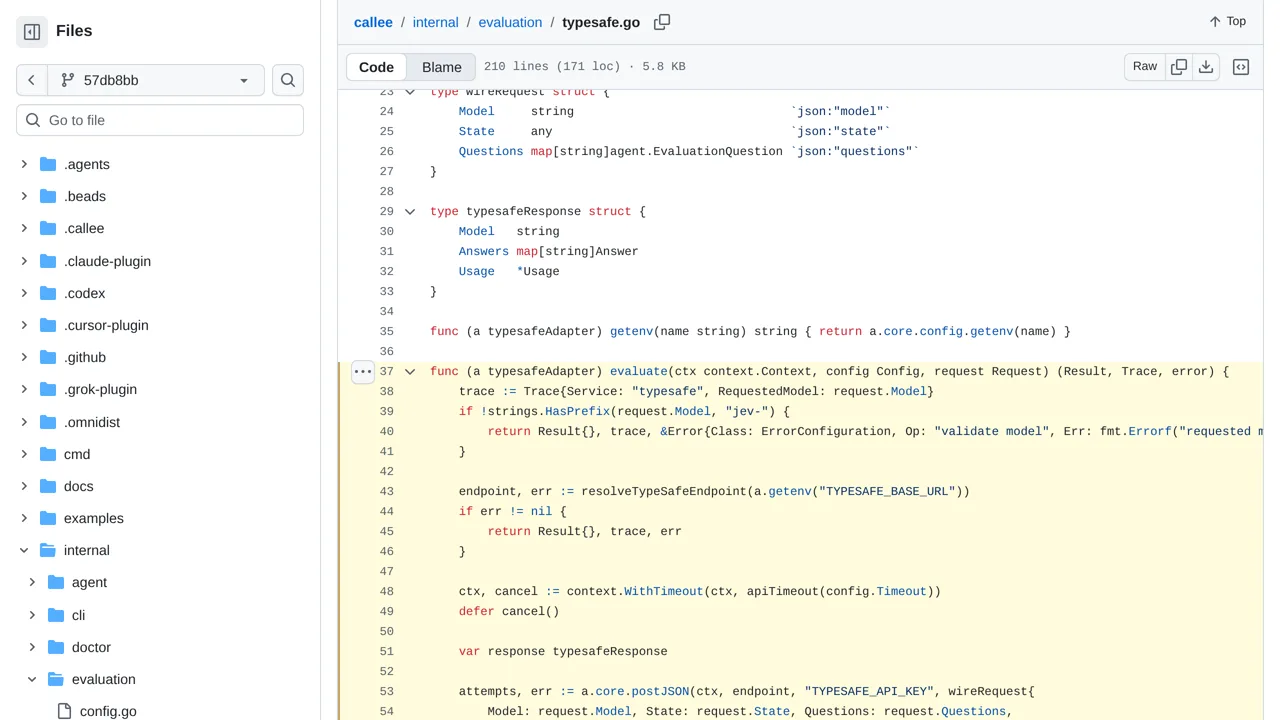
Callee lets repository-defined agent workflows run reusable Jev evaluations and carry the answers into later steps.
Keep what you find. Notes stay private.
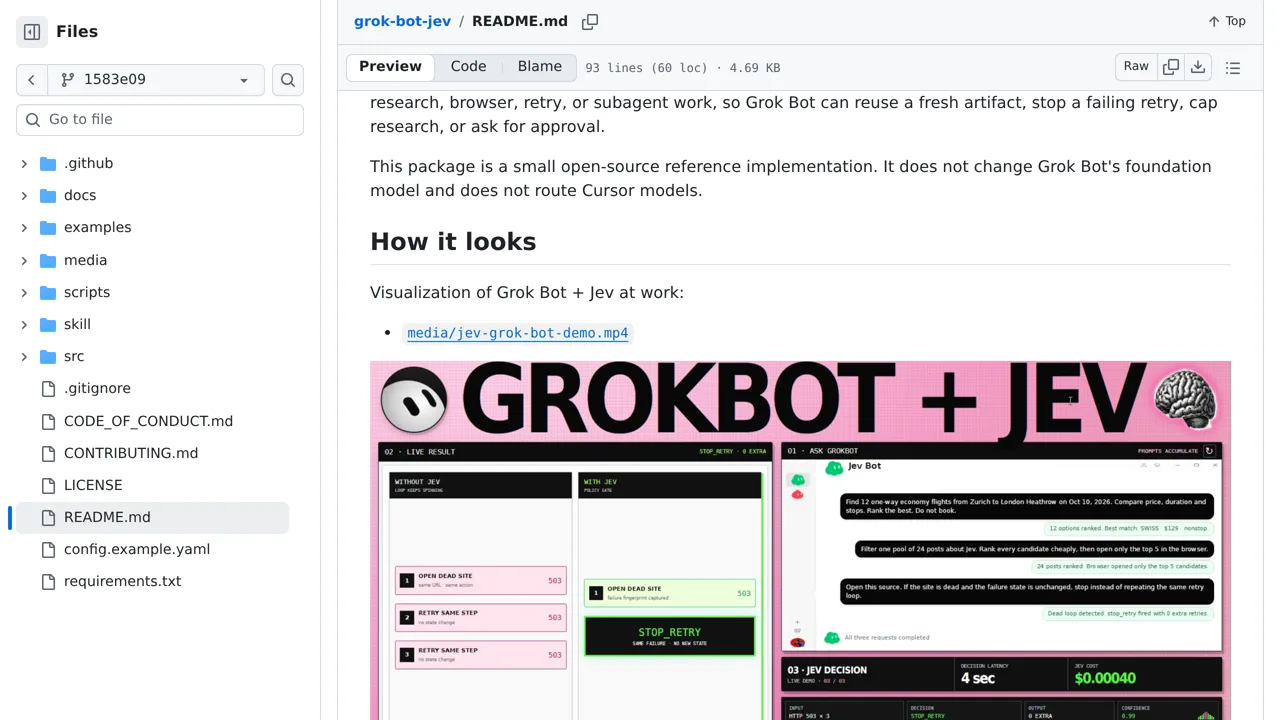
Helps a Grok bot decide when to reuse work, stop retrying, limit research, delegate or bring in a person.
Keep what you find. Notes stay private.
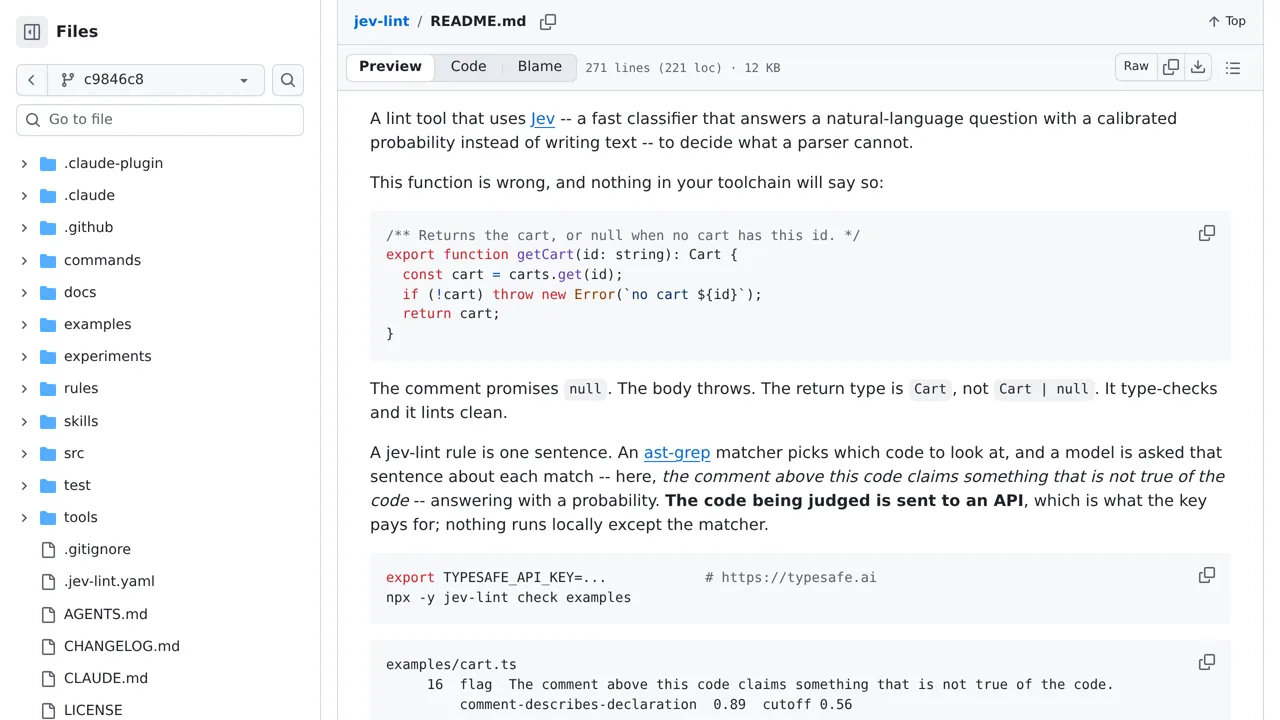
A linter for mistakes that pass the type checker, like a comment promising null while the function throws.
Keep what you find. Notes stay private.
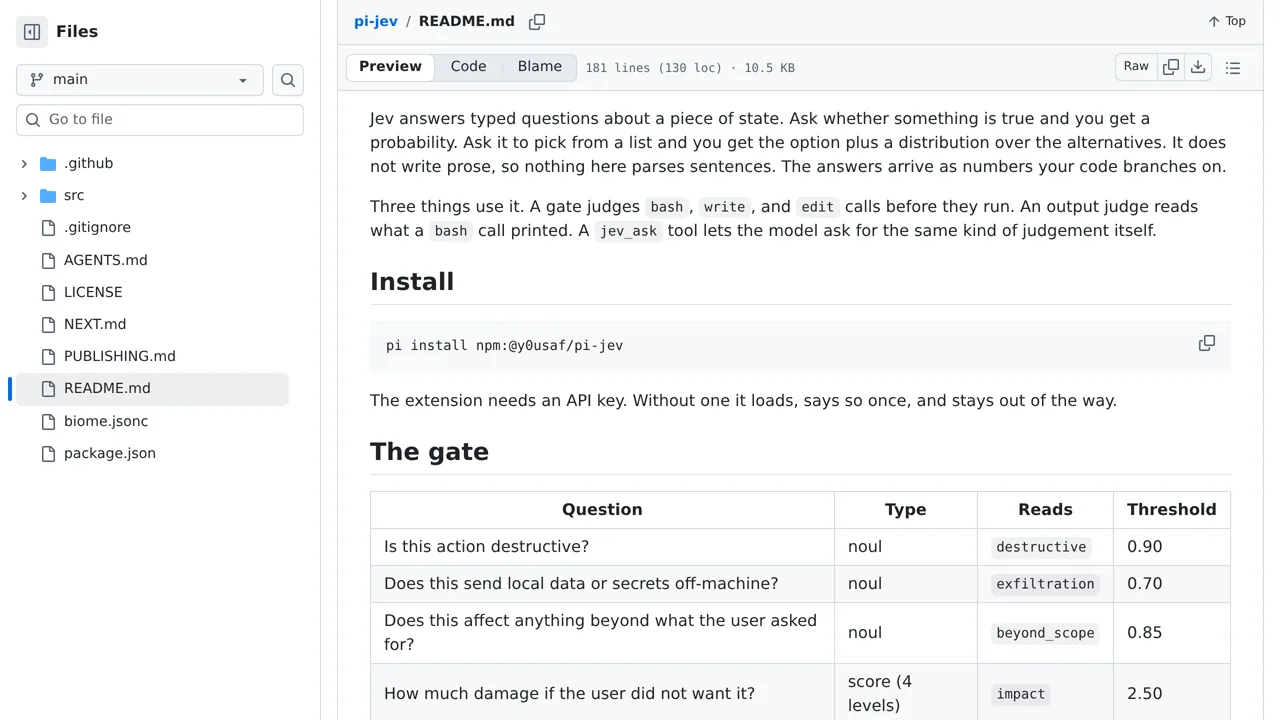
Let Jev check a Pi agent's proposed tool calls before they run.
Keep what you find. Notes stay private.
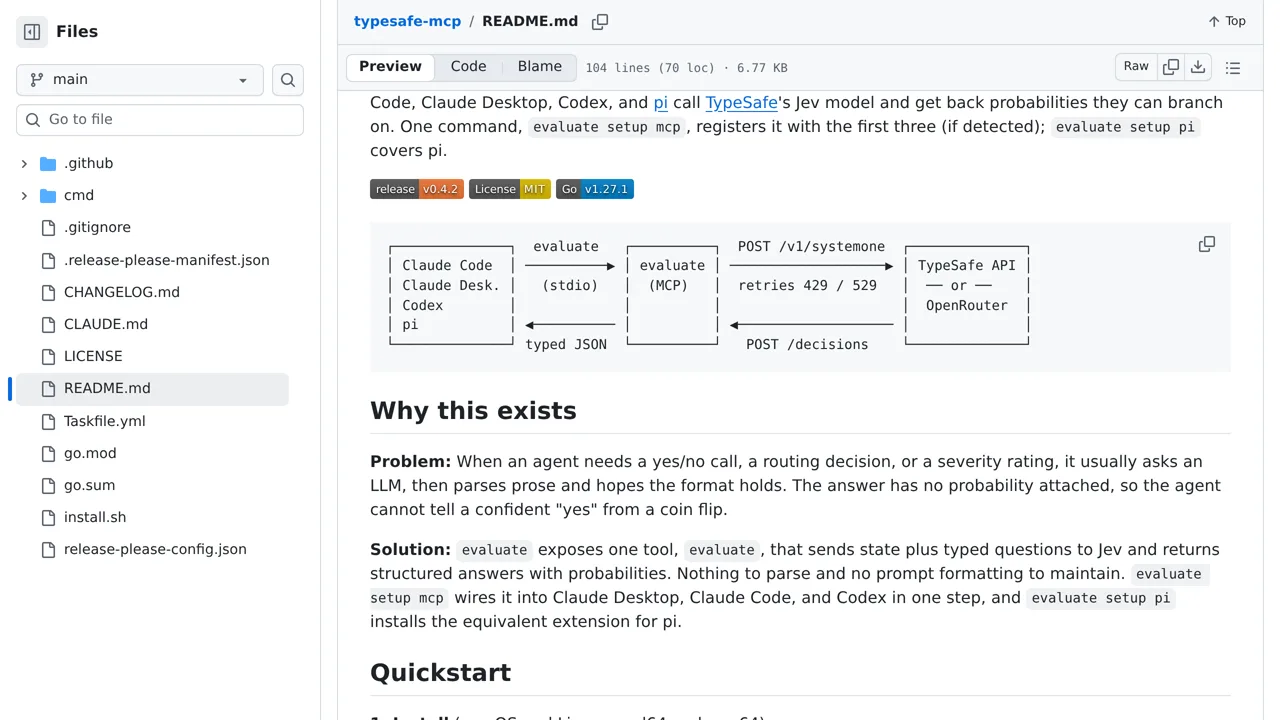
A Go MCP connector that gives AI agents direct access to Jev.
Keep what you find. Notes stay private.
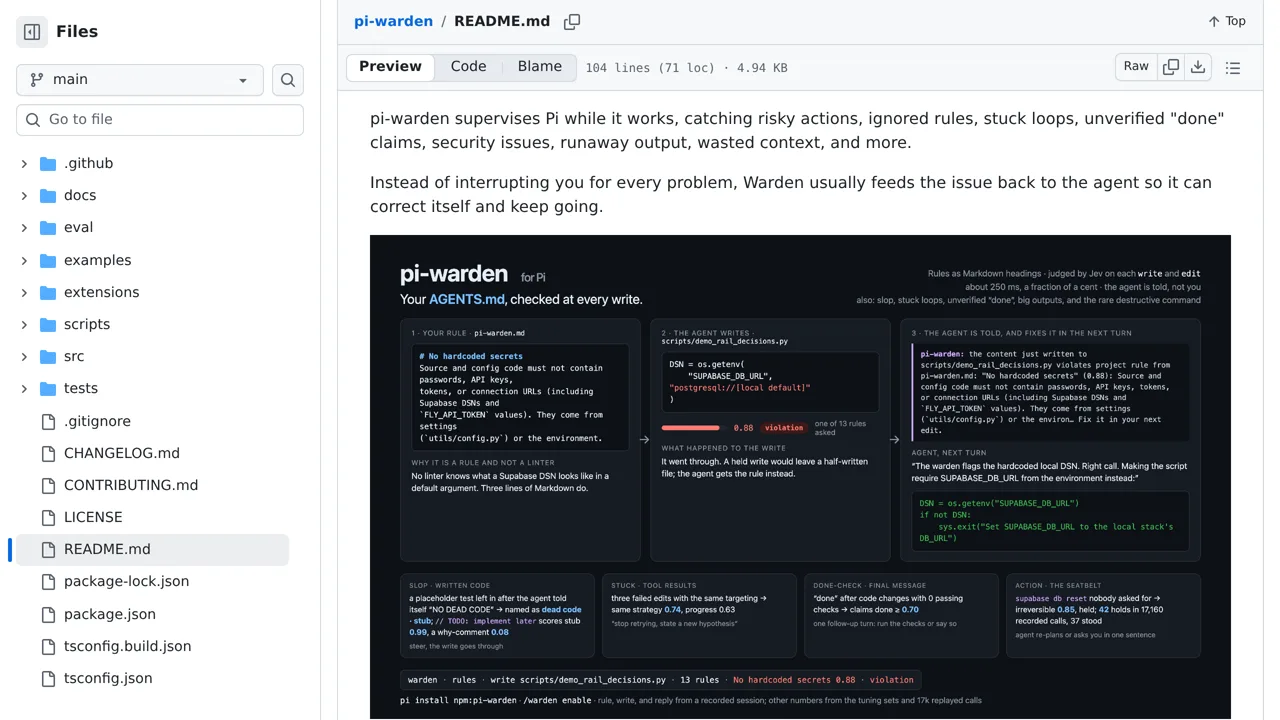
A Pi guardrail that steers agents away from risky, irrelevant, or low-quality tool use.
Keep what you find. Notes stay private.
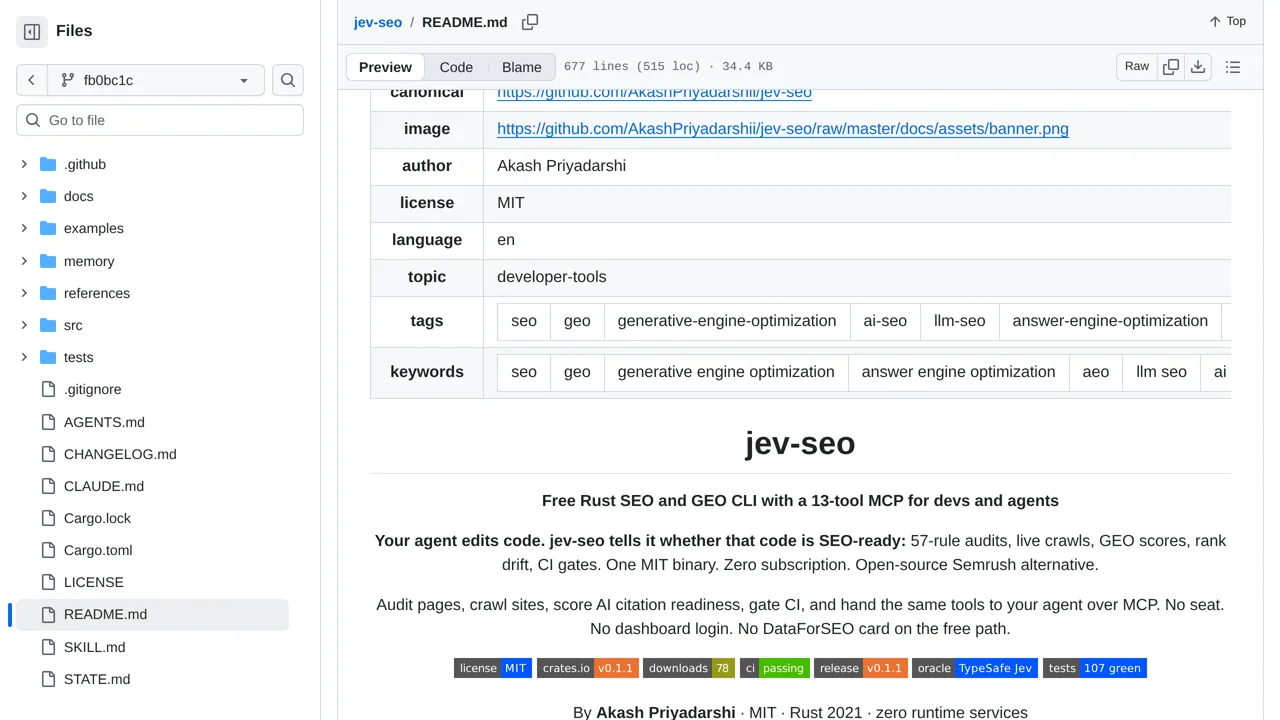
Gives coding agents a Rust CLI and MCP server for deterministic SEO checks, live crawls, and optional Jev judgements.
Keep what you find. Notes stay private.
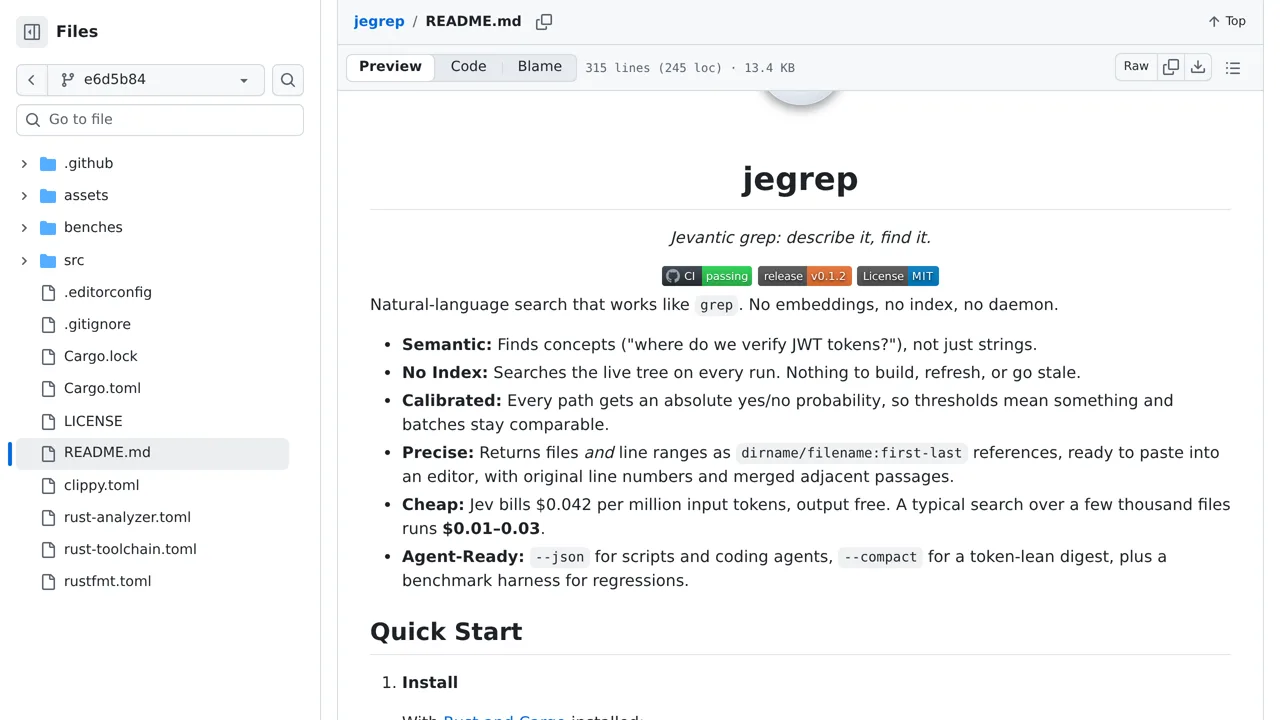
Runs semantic grep over a live source tree and returns scored matches with their file and line ranges.
Keep what you find. Notes stay private.
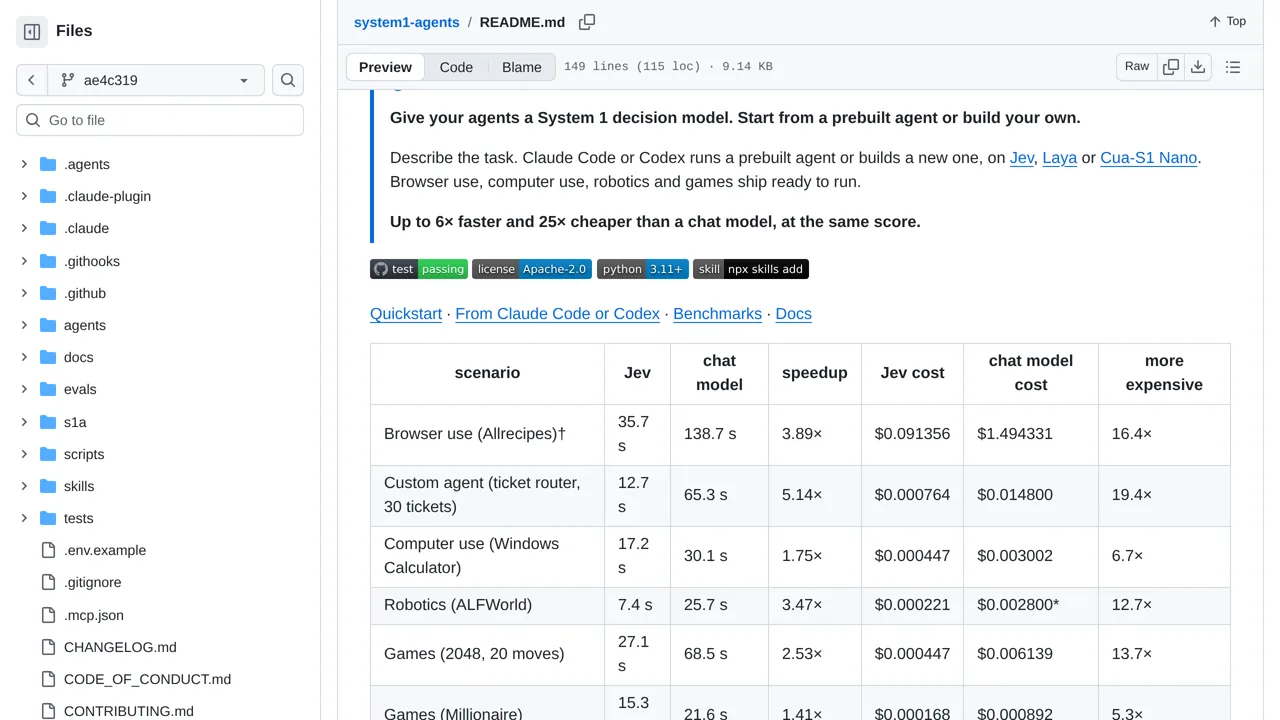
Run browser, computer-use, game, and robotics agents through one interface for Jev, Laya, and Cua-S1.
Keep what you find. Notes stay private.
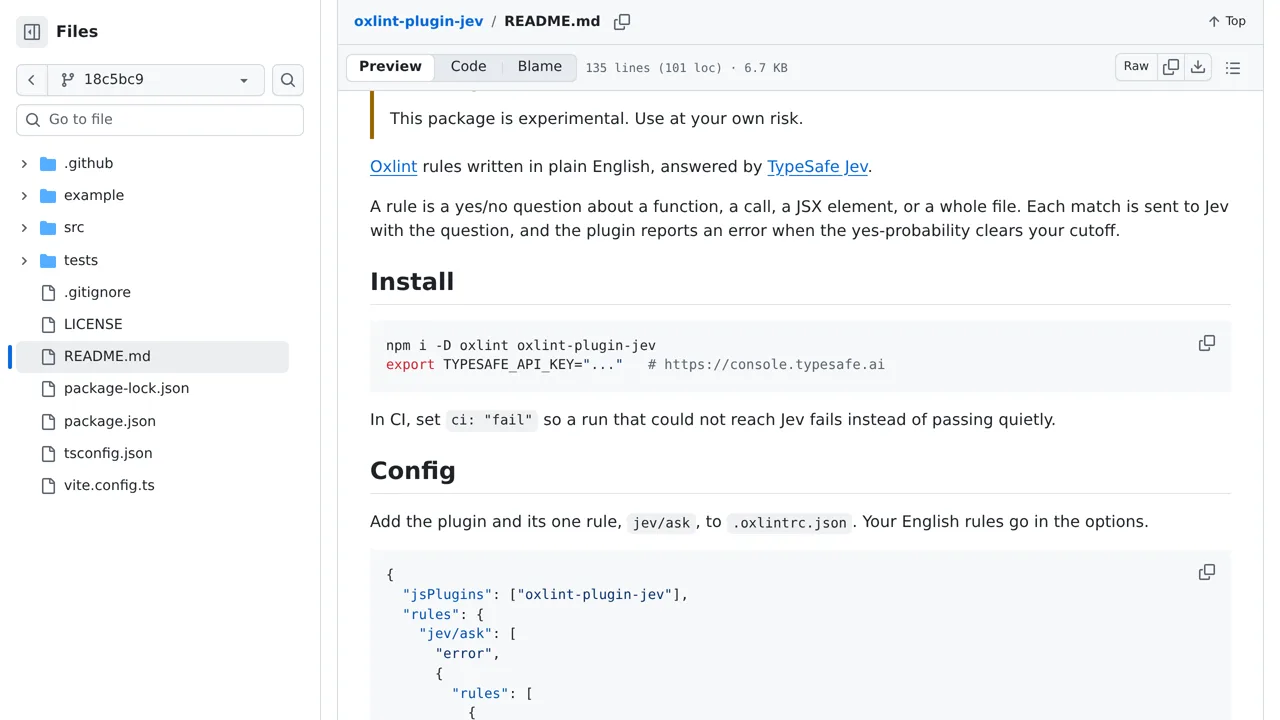
Add plain-English rules to Oxlint and have Jev flag the code that appears to break them.
Keep what you find. Notes stay private.
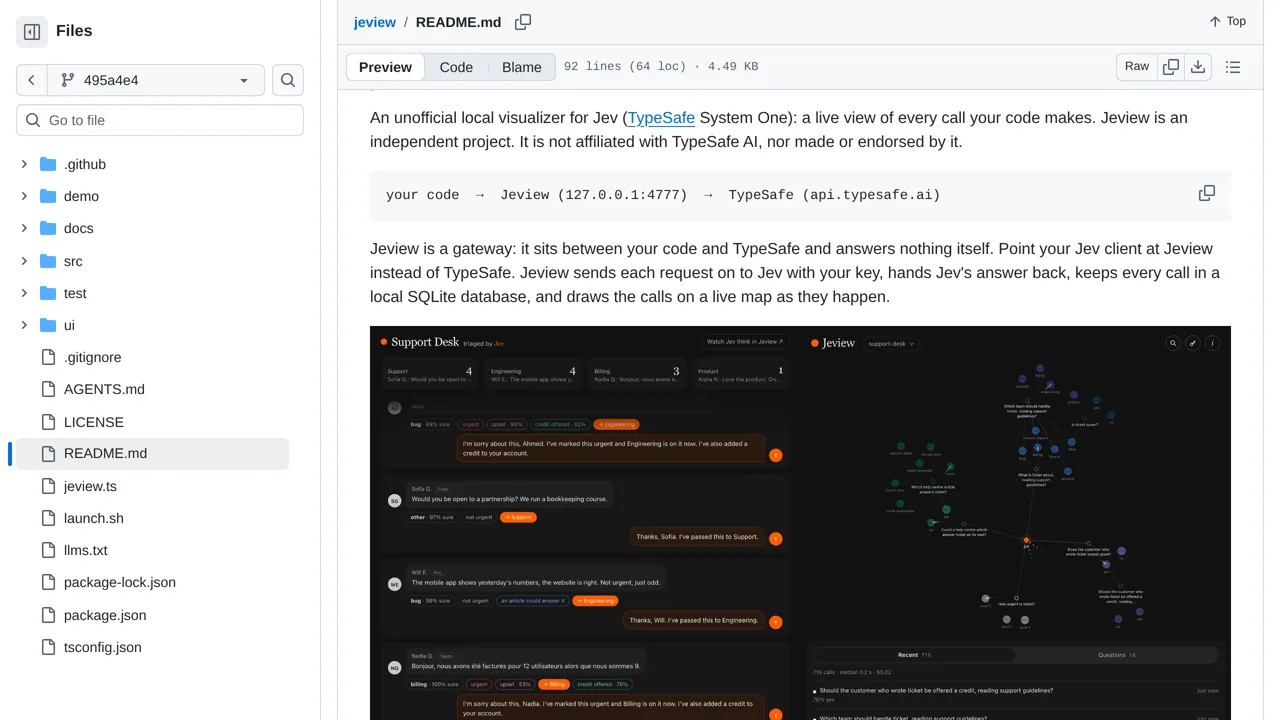
Inspect Jev calls locally as they arrive, with requests, typed answers, timing and usage collected in a live visualizer.
Keep what you find. Notes stay private.
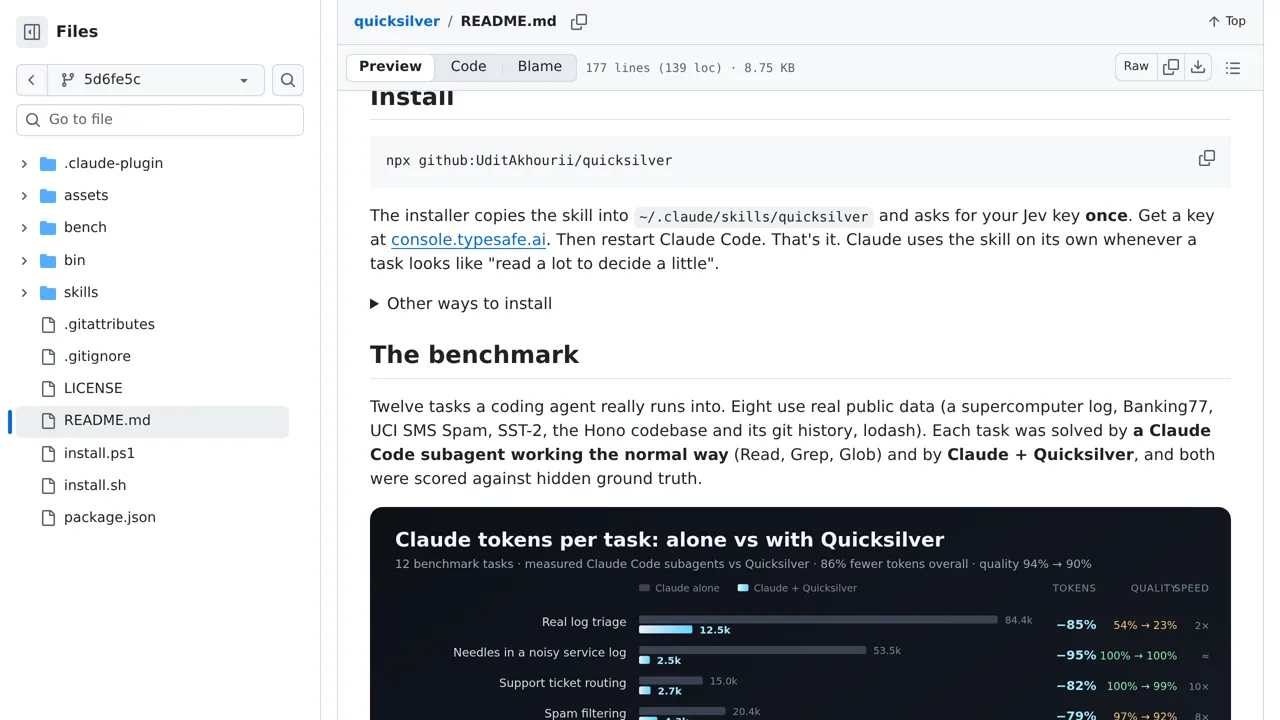
Find likely code files, log failures, or ticket labels with Jev before Claude spends context reading the survivors.
Keep what you find. Notes stay private.
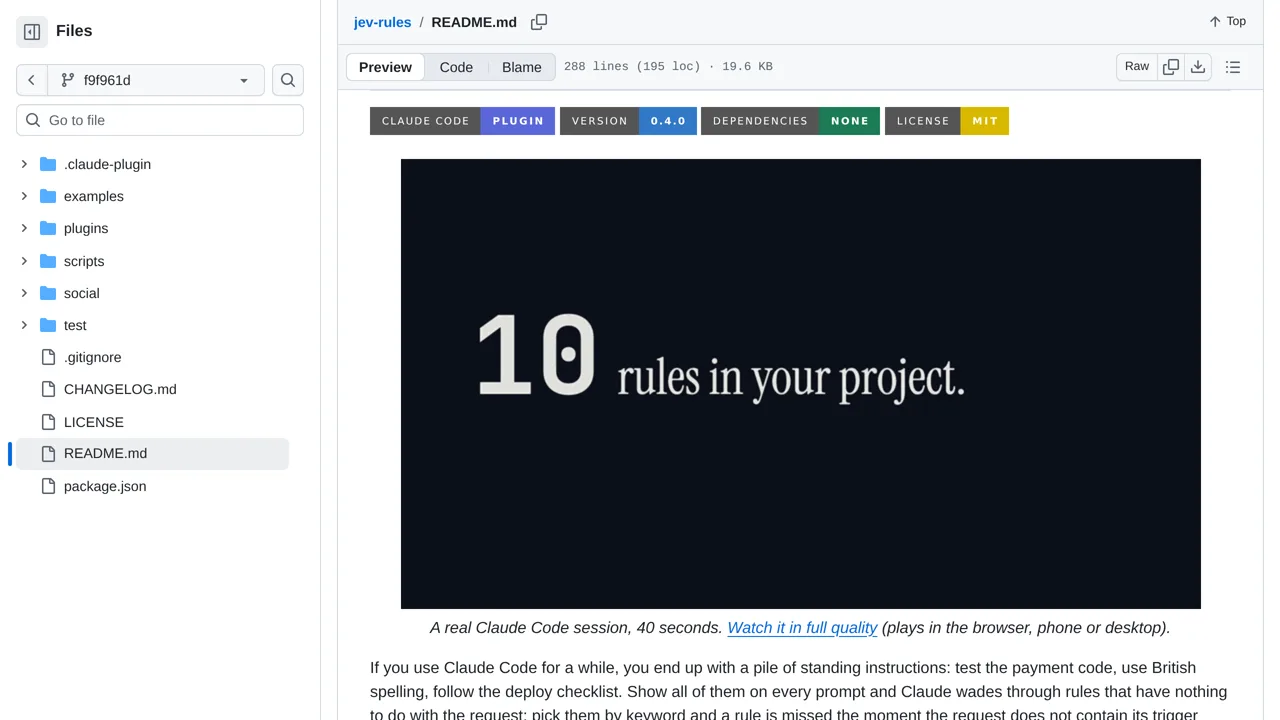
Selects the project rules relevant to a Claude Code prompt or edited file, keeping unrelated instructions out of context.
Keep what you find. Notes stay private.
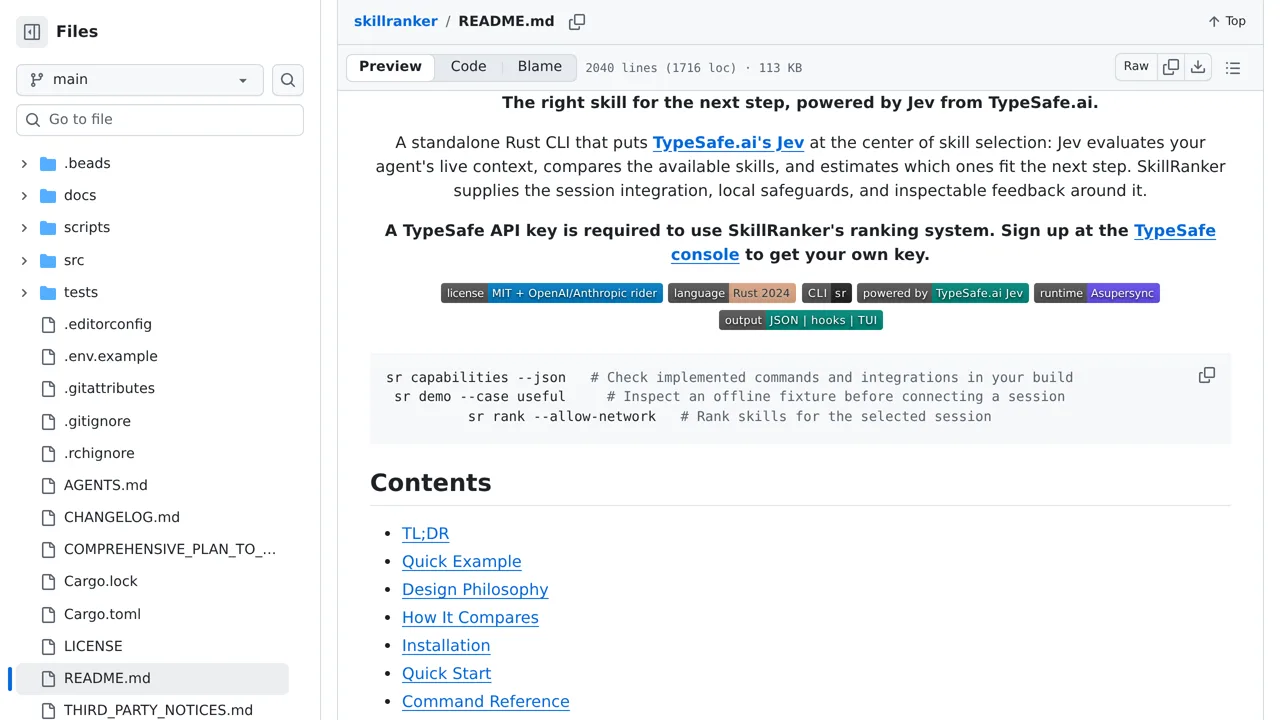
Find an agent skill that fits what you're doing now, with a Rust command-line tool that asks Jev to rank the options.
Keep what you find. Notes stay private.
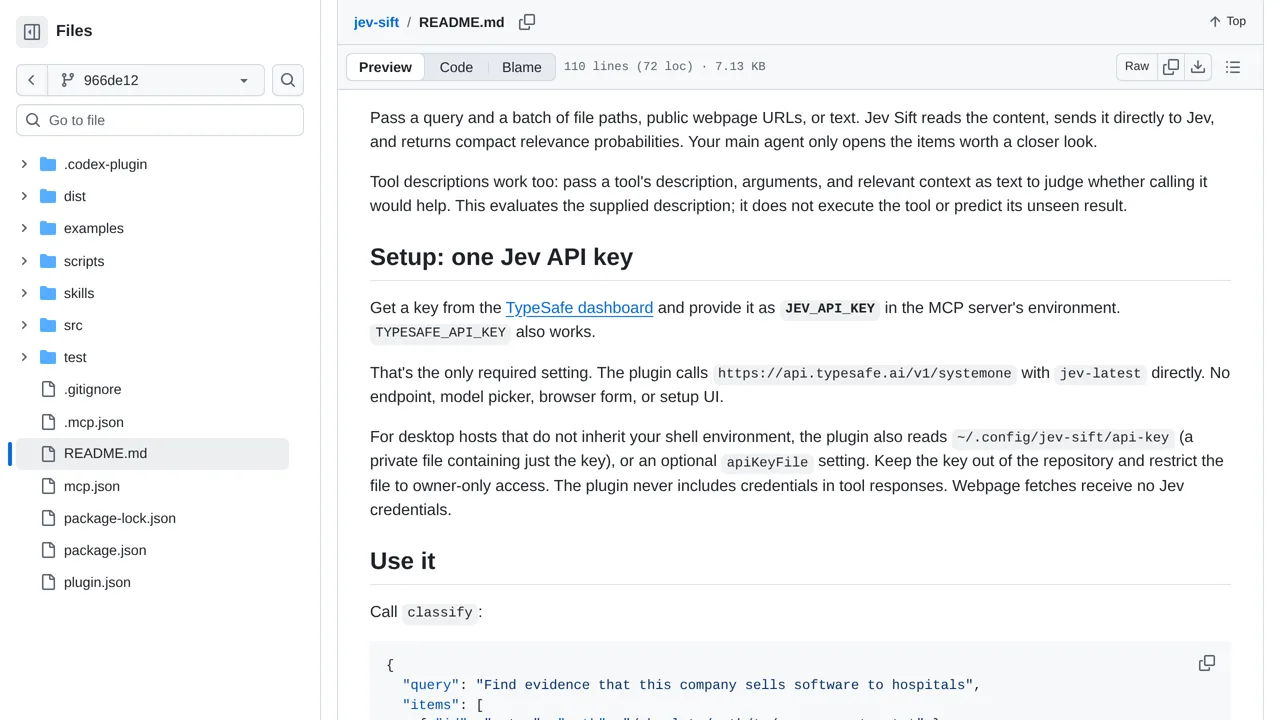
Classifies batches of text before an agent reads them, exposing the filter through a portable plugin and MCP tool.
Keep what you find. Notes stay private.
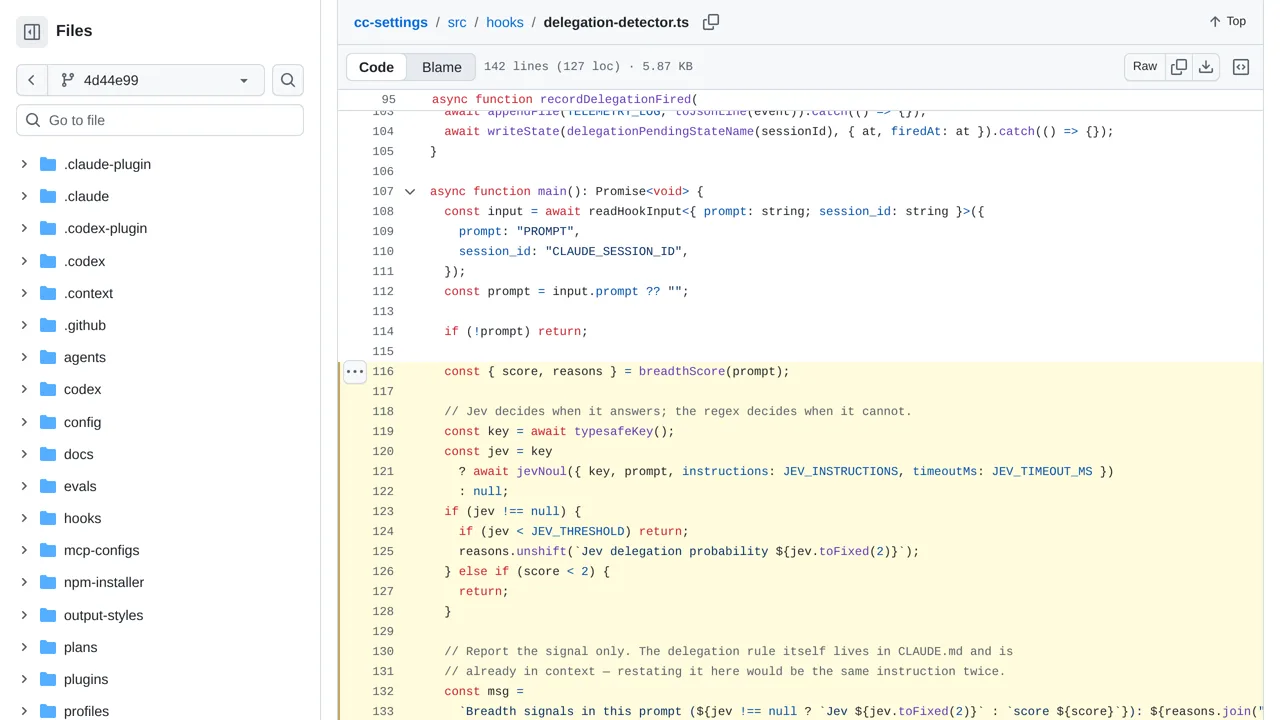
CC Settings asks Jev whether a Claude Code prompt is broad enough to delegate.
Keep what you find. Notes stay private.
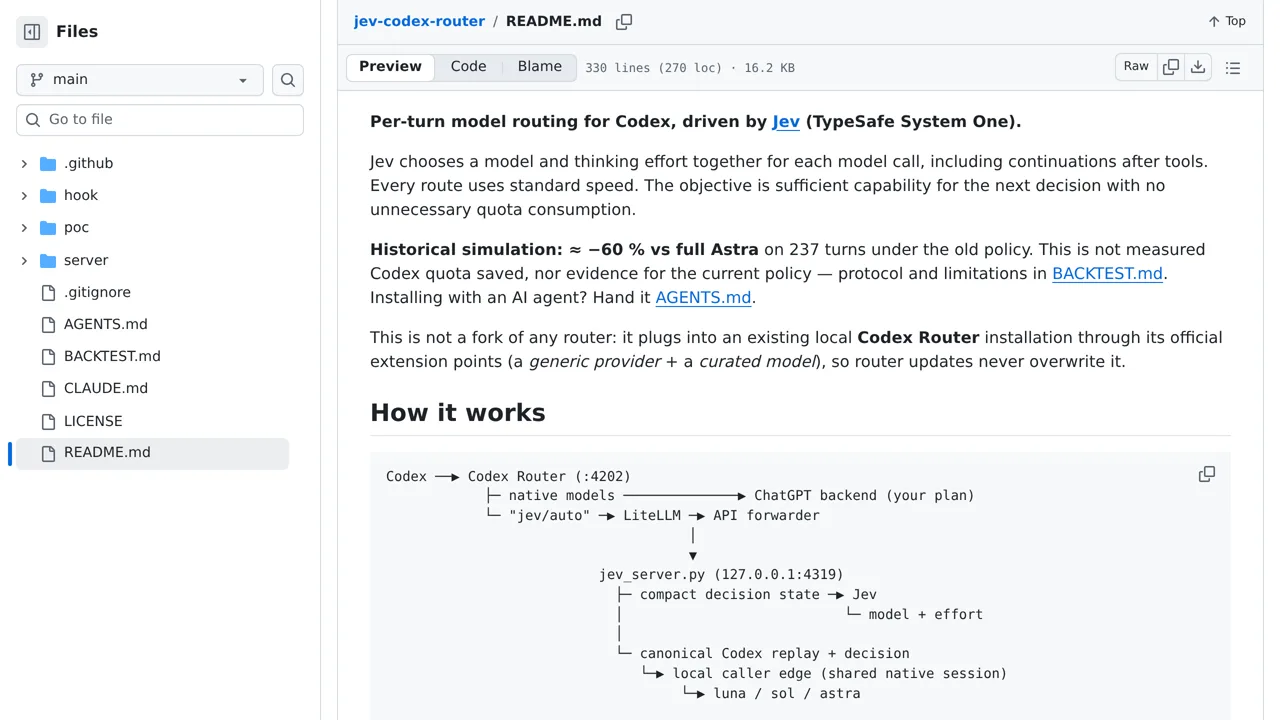
A Codex router that chooses the model, reasoning depth, and speed mode for each turn.
Keep what you find. Notes stay private.
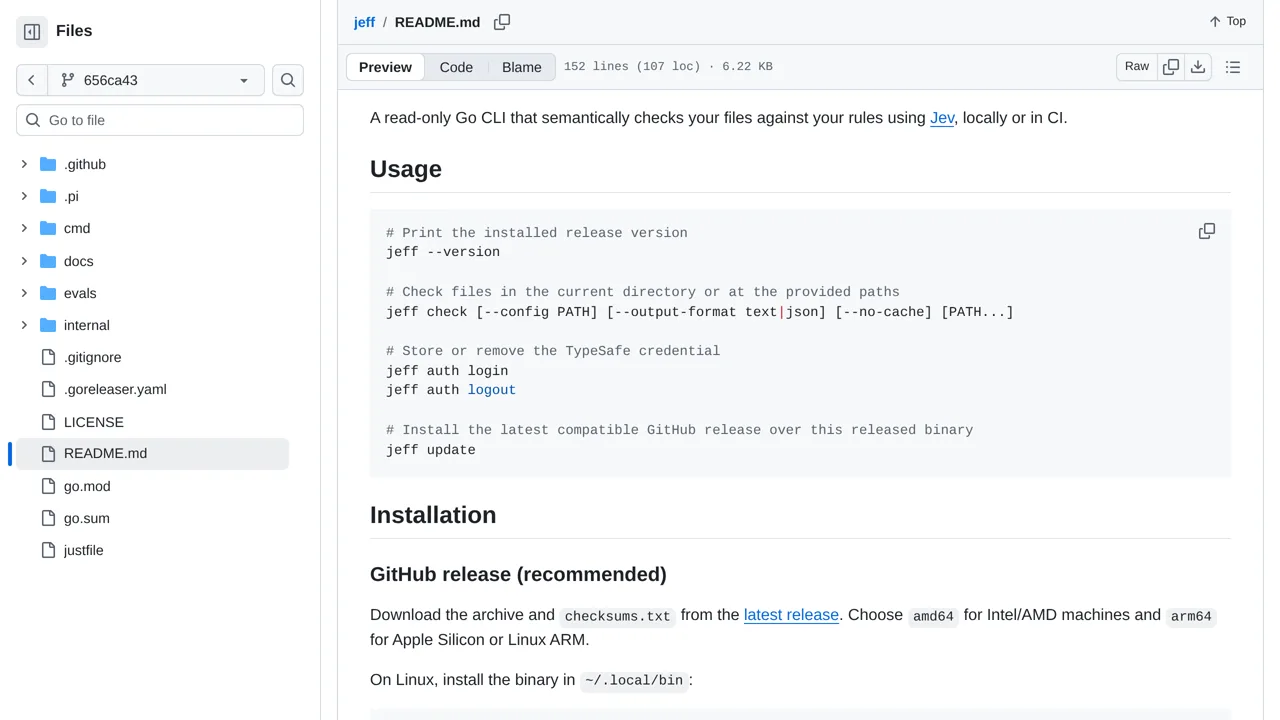
Jeff reviews source files with a catalogue of Jev questions and reports pass, violation or inconclusive for each rule.
Keep what you find. Notes stay private.
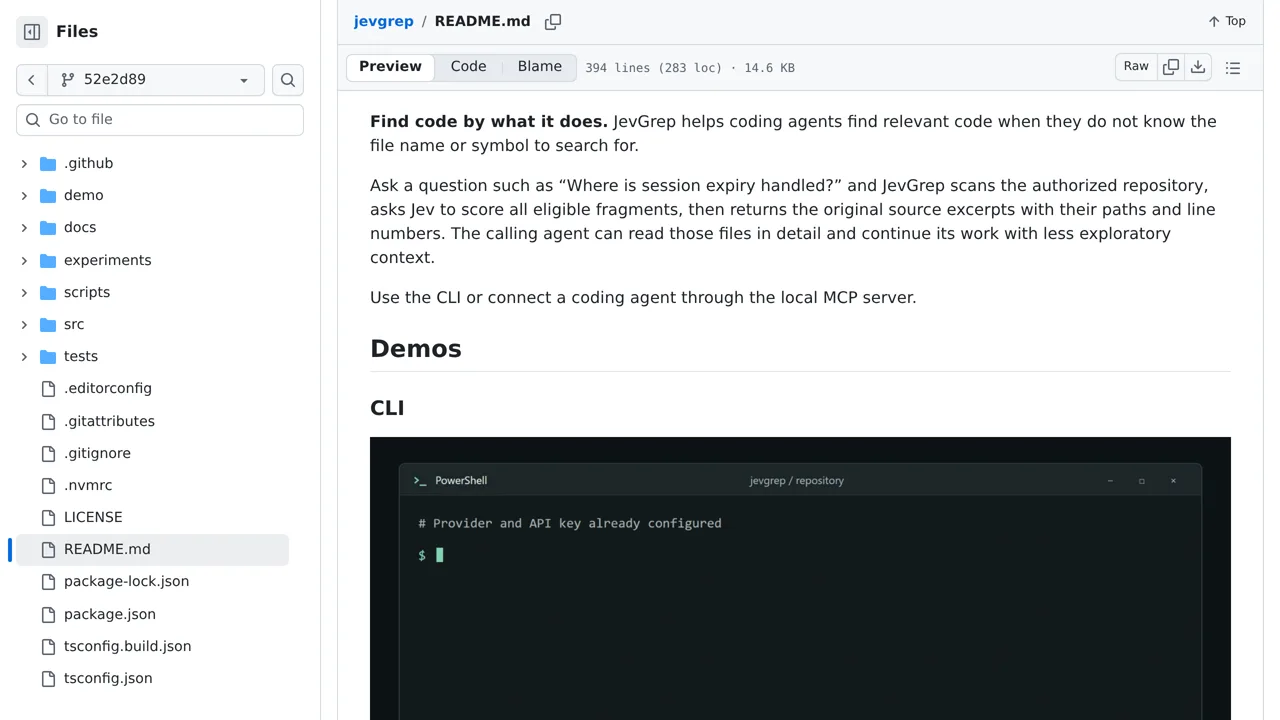
A CLI and MCP server that searches repositories by meaning and returns exact excerpts with paths and line numbers.
Keep what you find. Notes stay private.
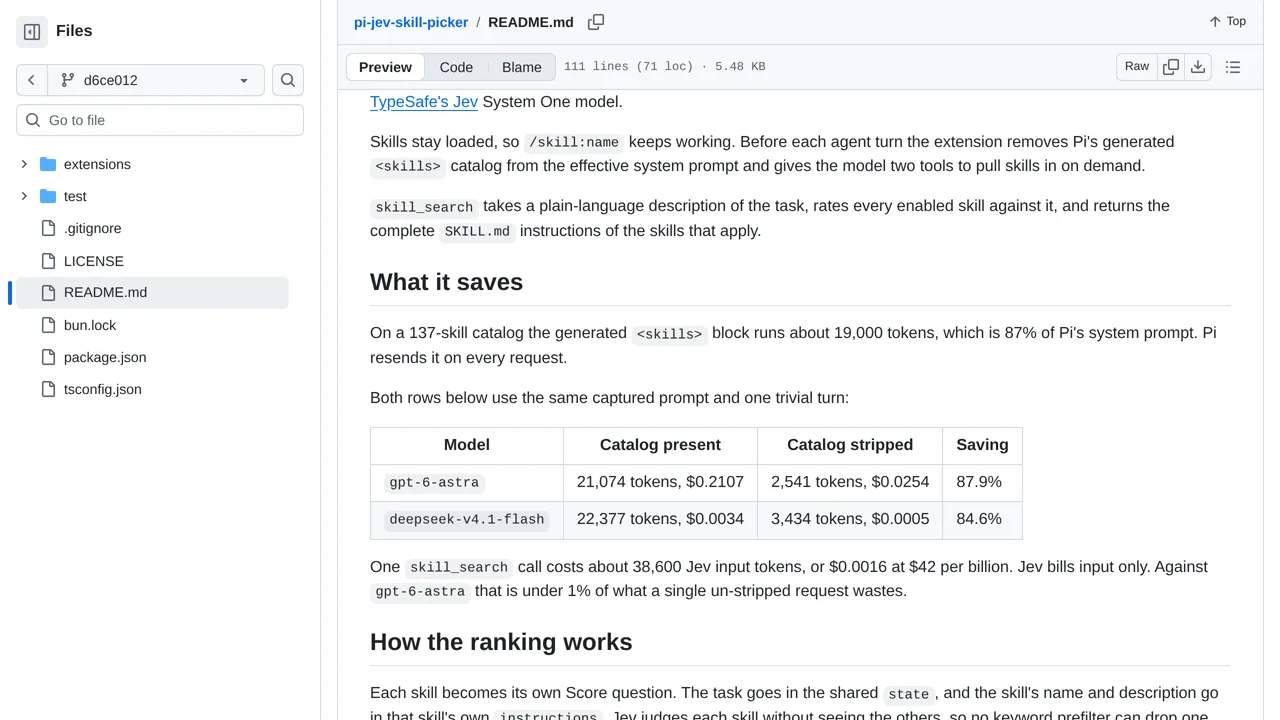
A Pi extension strips the full skills catalog and lets Jev rank which instructions should be loaded on demand.
Keep what you find. Notes stay private.
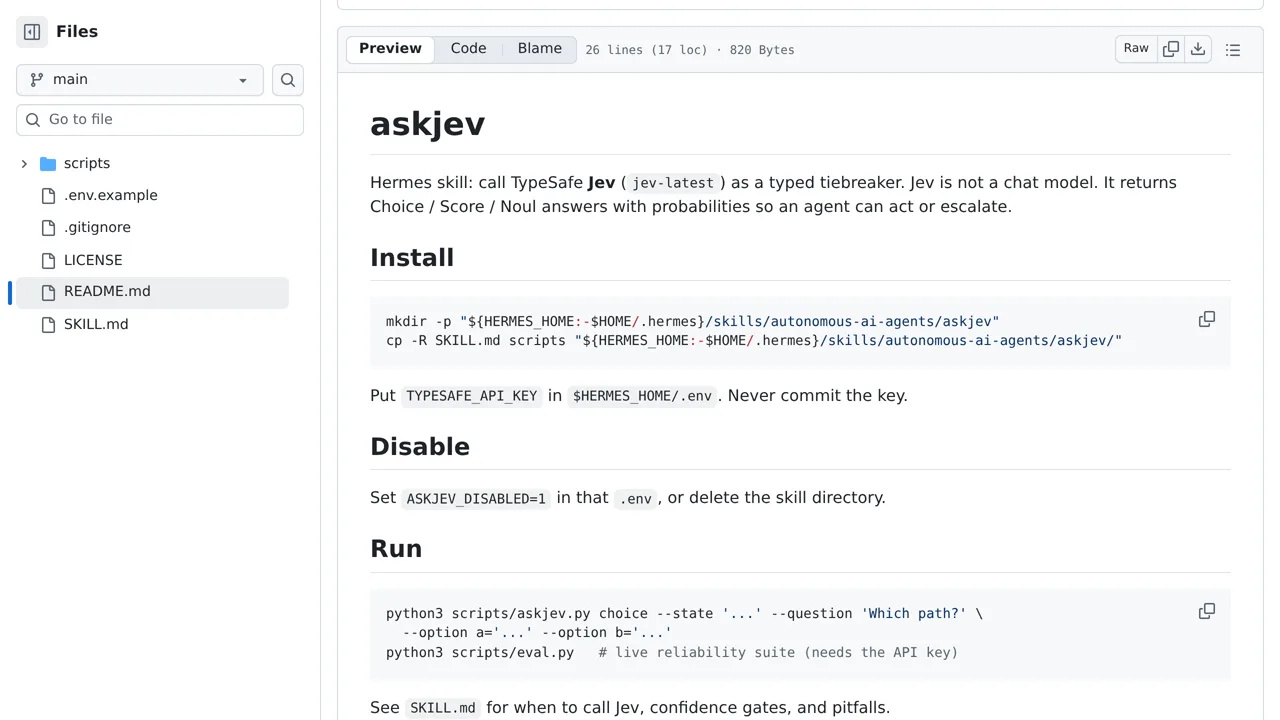
An agent skill that lets Hermes and other agents ask Jev for judgments.
Keep what you find. Notes stay private.
Recommends one installed Codex skill—or honestly none—from the catalog already available on the machine.
Keep what you find. Notes stay private.
A semantic Hono router that directs HTTP requests according to their meaning.
Keep what you find. Notes stay private.
A Solidity review heat map that points auditors toward the contracts and lines Jev considers most likely to hide bugs.
Keep what you find. Notes stay private.
Adds typed decision gates and review steps to a skills-based workflow for coding agents.
Keep what you find. Notes stay private.
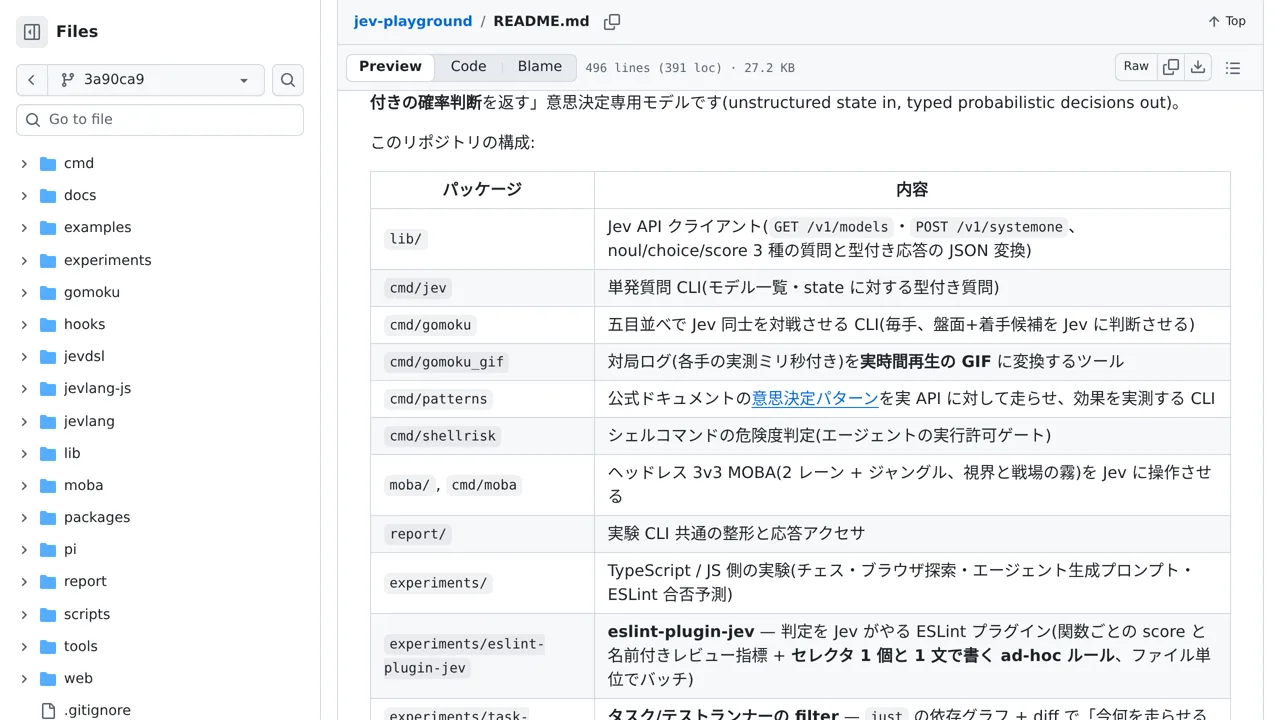
Experiment with Jev from MoonBit through a typed client, command-line tools, games, policy gates, and reproducible reports.
Keep what you find. Notes stay private.
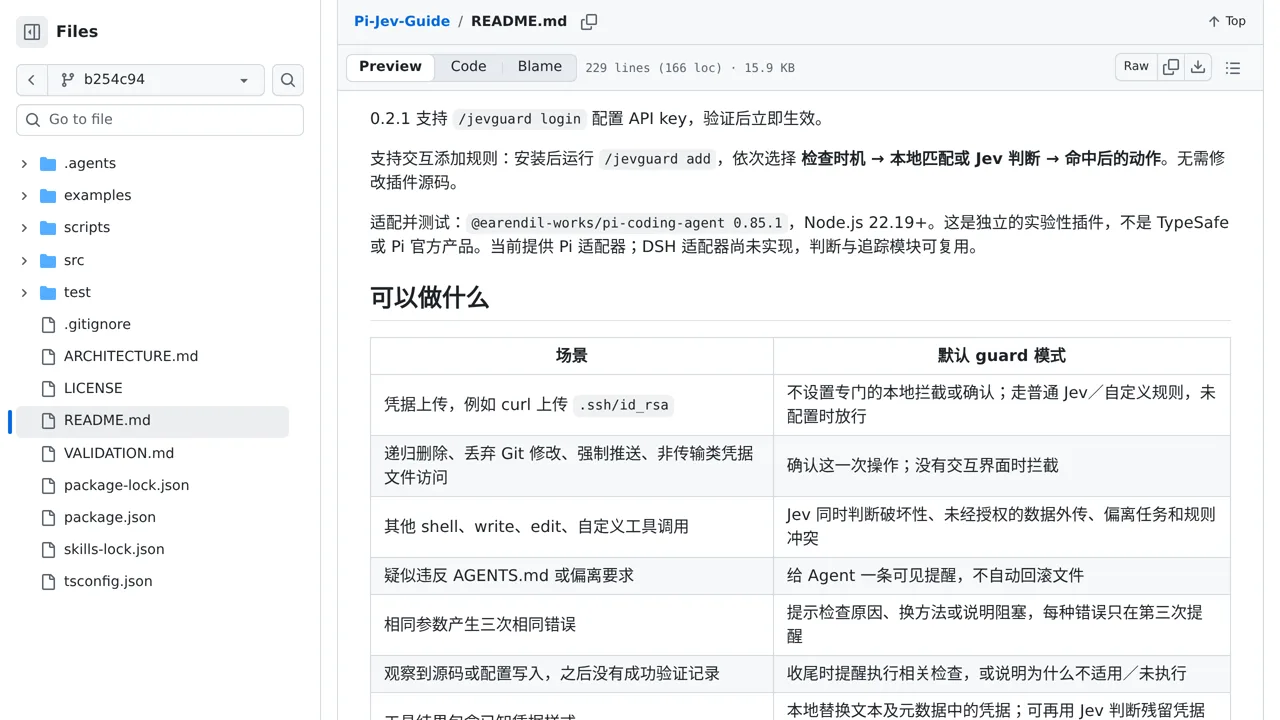
A Pi extension that turns four semantic risk checks into allow, warn, confirm or block for each tool call.
Keep what you find. Notes stay private.
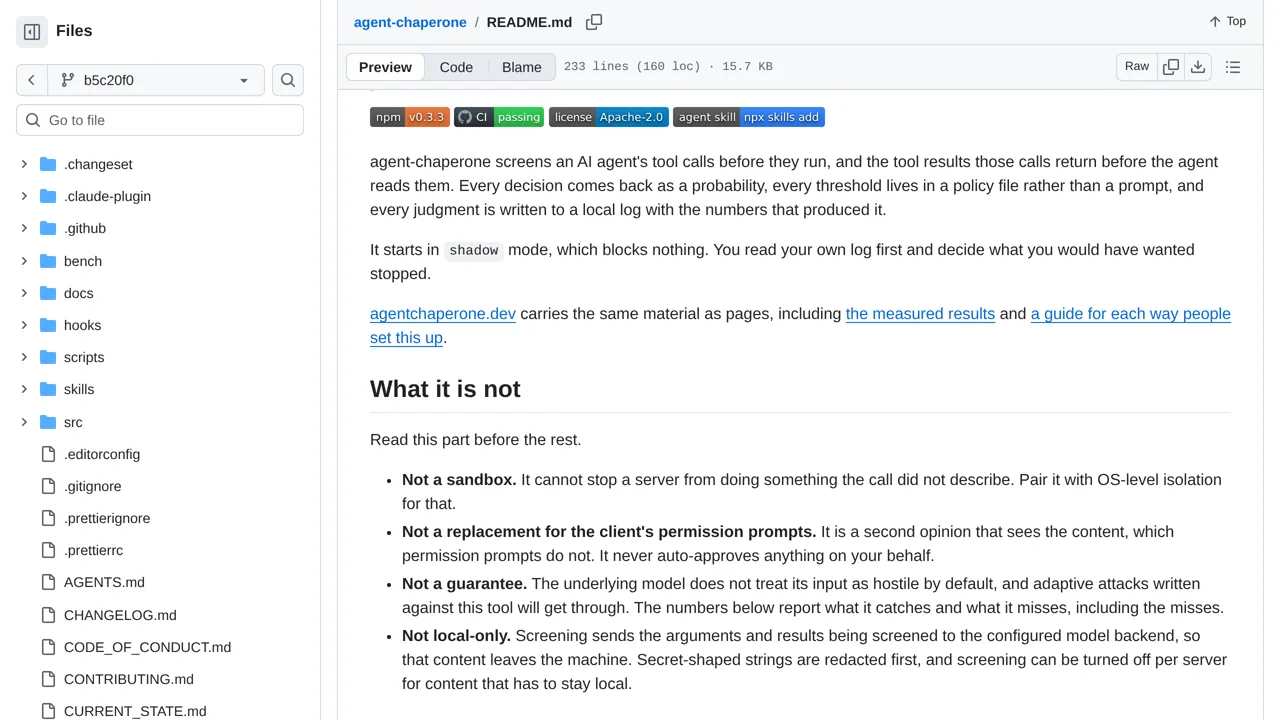
Screen agent tool calls and returned content with Jev, then review the judgments in shadow mode before enabling enforcement.
Keep what you find. Notes stay private.
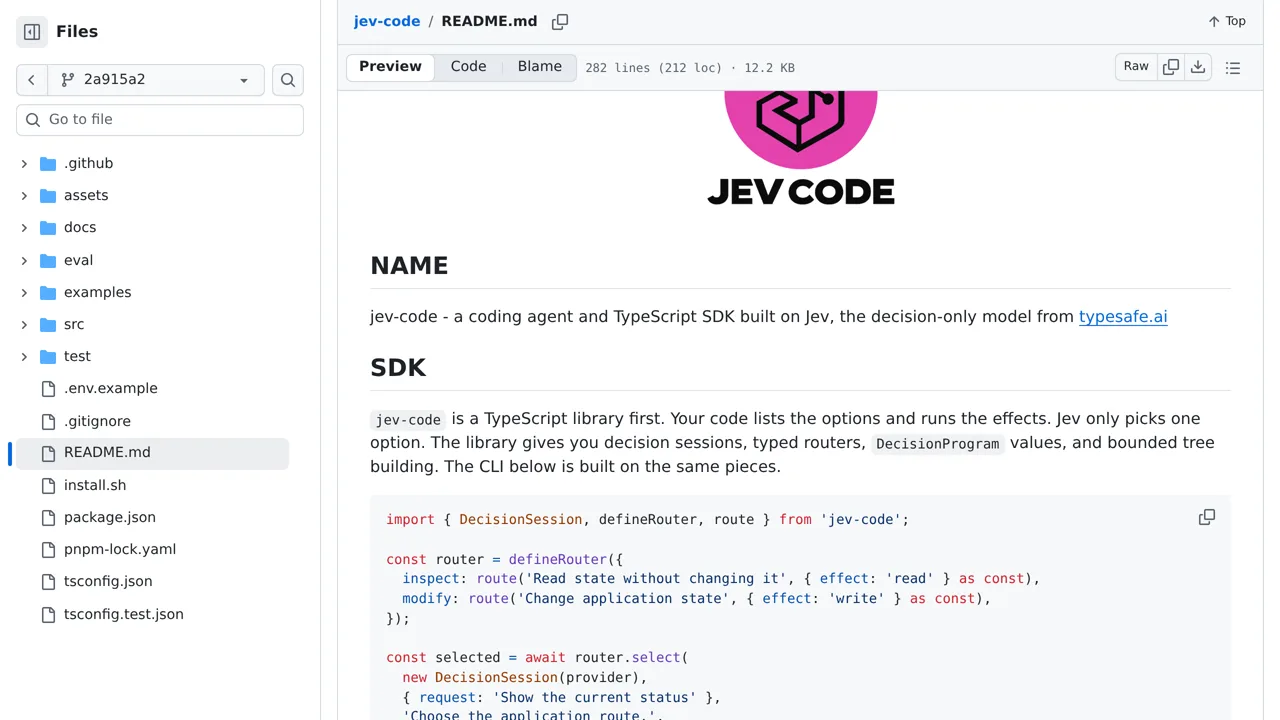
Build programs and shell commands as chains of bounded Jev decisions through a TypeScript SDK and coding CLI.
Keep what you find. Notes stay private.
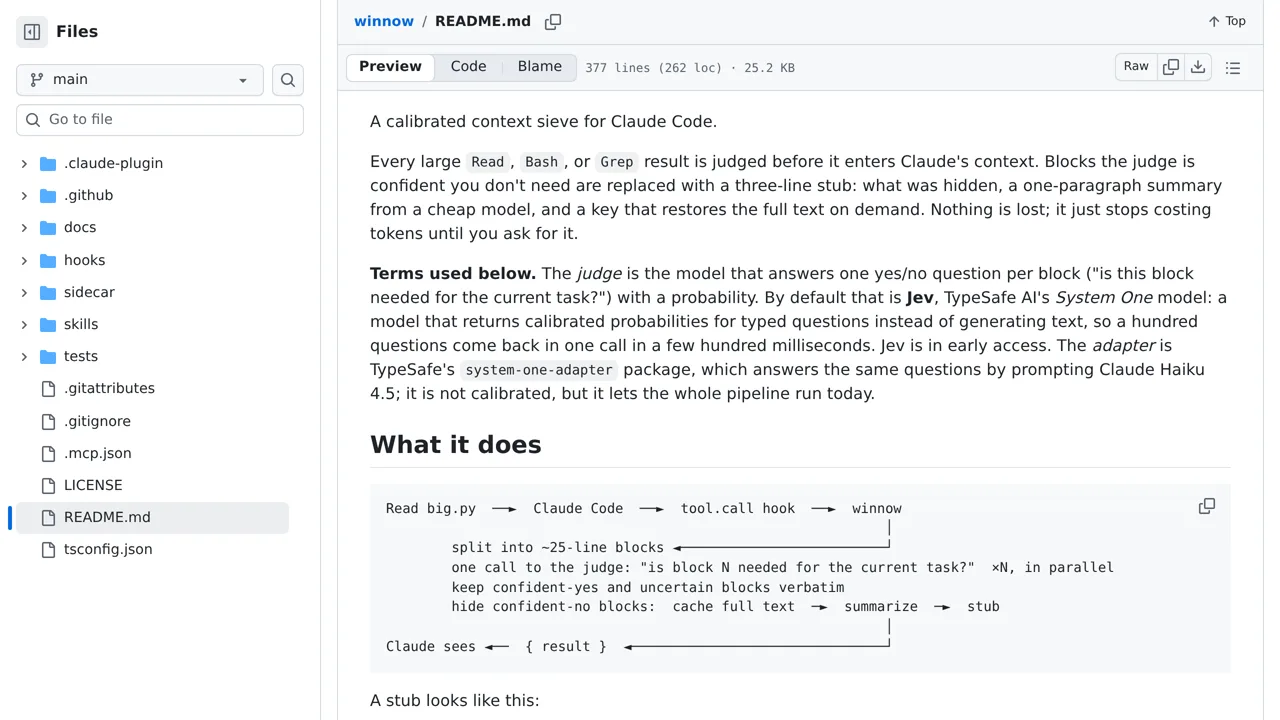
A Claude Code context filter that asks Jev whether each tool result should enter the conversation.
Keep what you find. Notes stay private.
Jev, briefly
A chat model generates text token by token and hopes you parse it. Jev never generates a word. Your code sends the state of the world plus typed questions; Jev returns every answer in one parallel pass — typed values with calibrated probabilities and a confidence score your code can trust. About 70–500 ms end to end, $0.042 per million input tokens, output free. Trained with what TypeSafe calls Reinforcement Learning for Calibrated Decisions.
You define the options. Jev returns the chosen option, a probability for every option, and a confidence. The workhorse of routing, agents, and games — the answer space is always legal, so there is nothing to parse and nothing to hallucinate.
You describe ordered levels — say trivial / normal / critical. Jev returns the level, the probability of each, and a confidence. Scores turn fuzzy judgment (“how severe is this log line?”) into a number-free decision your code can branch on.
You assert a statement; Jev returns the probability that it is true — a noul. Moderation, verification, guardrails, “does this diff actually fix the bug?”: one question, one calibrated probability.
Official material lives at typesafe.ai and docs.typesafe.ai. JevMade is an independent community registry — not affiliated with or endorsed by TypeSafe AI.
Recurring lessons
Games, drones, trading bots, and browser agents all converge on the same loop: serialize the state, ask one decisive question, act, repeat. Jev’s latency makes the loop feel instant — the model lives inside the control loop, not outside it.
The answer says what; the confidence says whether to act. The most reliable entries threshold on confidence to route edge cases to a slower model or a human — automation with an honest escape hatch.
Makers rarely ask Jev to pick from everything. Local tactics prune 225 gomoku moves to ~40; DOM filters turn a page into an element table; code narrows options, Jev judges within them.
A recurring split: Jev makes every decision cheaply and instantly, and a small LLM is only invoked when a human-facing string must actually be written. Decision and generation are separate budgets.
Send the link — repo, live demo, post, or video — plus a line on what it does and which primitives it uses. Every entry is verified against its primary source before it ships.
Submit your experimentSign in first so we can reply to you. Submissions are reviewed, not published automatically.