Read & learn
Written guides.
Understand Jev, one idea at a time. Walkthroughs, recipes, and writeups — our notes first, the original next.
Learn, build, and play with Jev — from deep technical guides to creative experiments.
Read & learn
Understand Jev, one idea at a time. Walkthroughs, recipes, and writeups — our notes first, the original next.
Watch & learn
See an idea take shape. Tutorials, demos, and deep dives, organized by topic and credited to their creators.
Make & explore
See what builders made with Jev. Games, tools, repositories, articles, and more — traced to their sources.
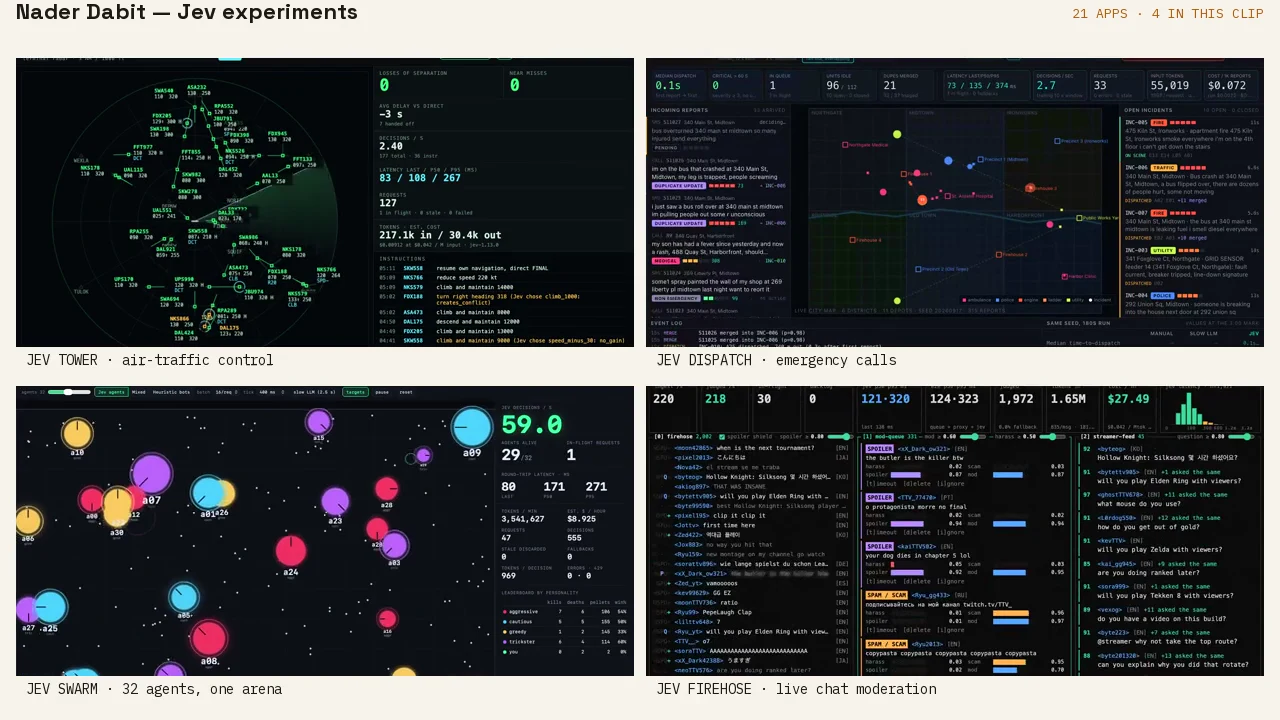
Every category, from games and tools to repositories and writeups, traced to a primary source.
Same ideas.
Different paths.
This is the full registry, not just the featured picks. Figures like speed, cost, and stars are maker-reported or captured snapshots, not JevMade measurements.
311 experiments · showing 121–180
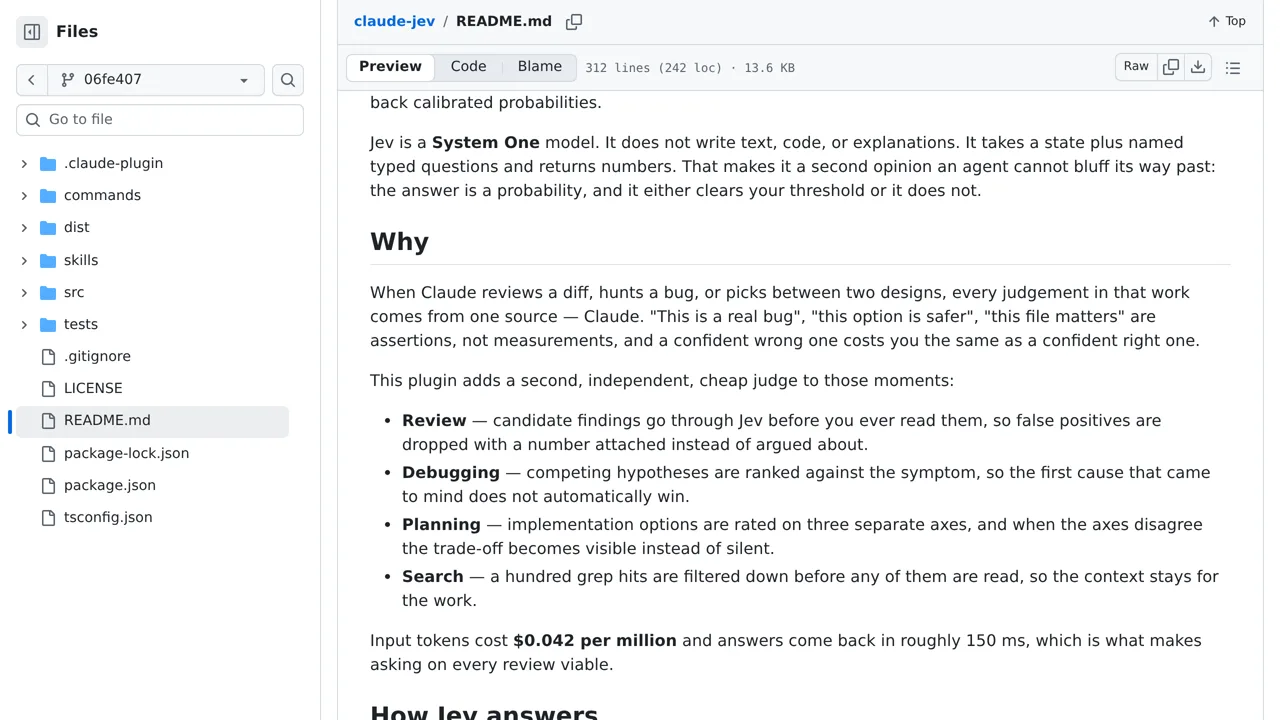
Gives Claude Code's reviews, debugging ideas, plans and searches a separate probabilistic second opinion.
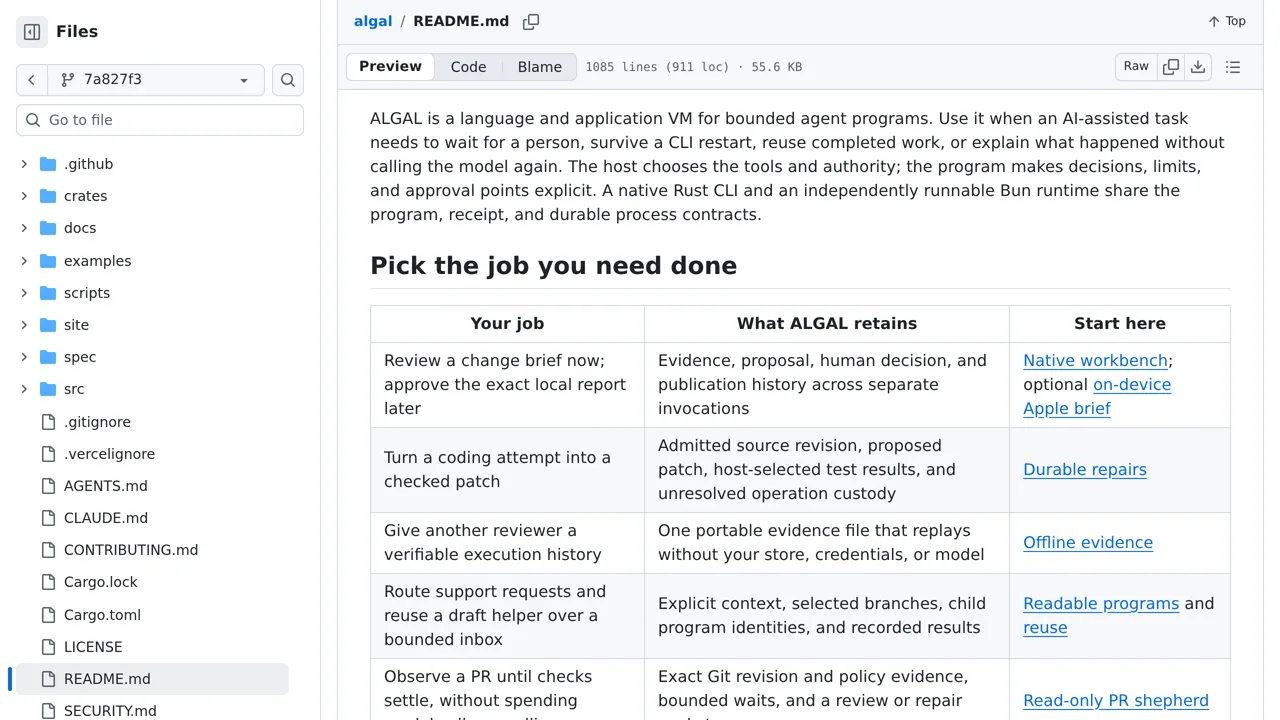
A language and runtime for budgeted agent programs whose declared decisions can be answered by Jev and replayed later.
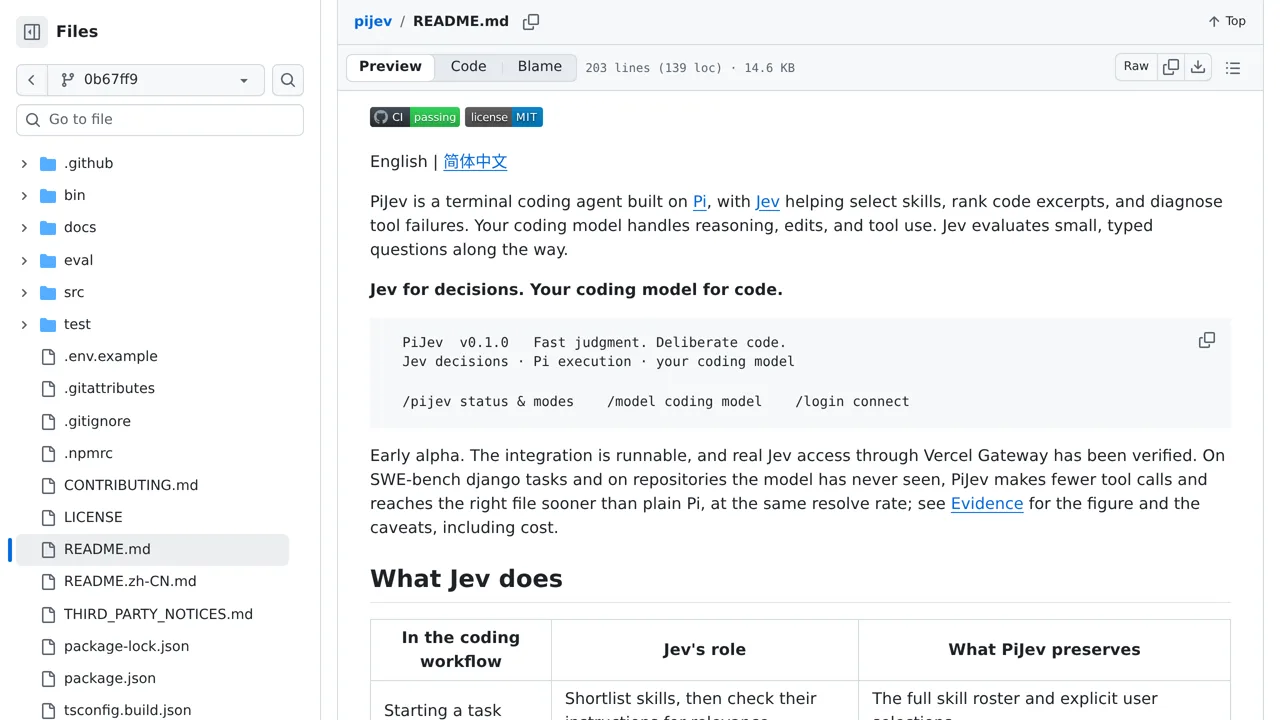
Jev helps Pi choose skills, rank source files and understand failed commands.
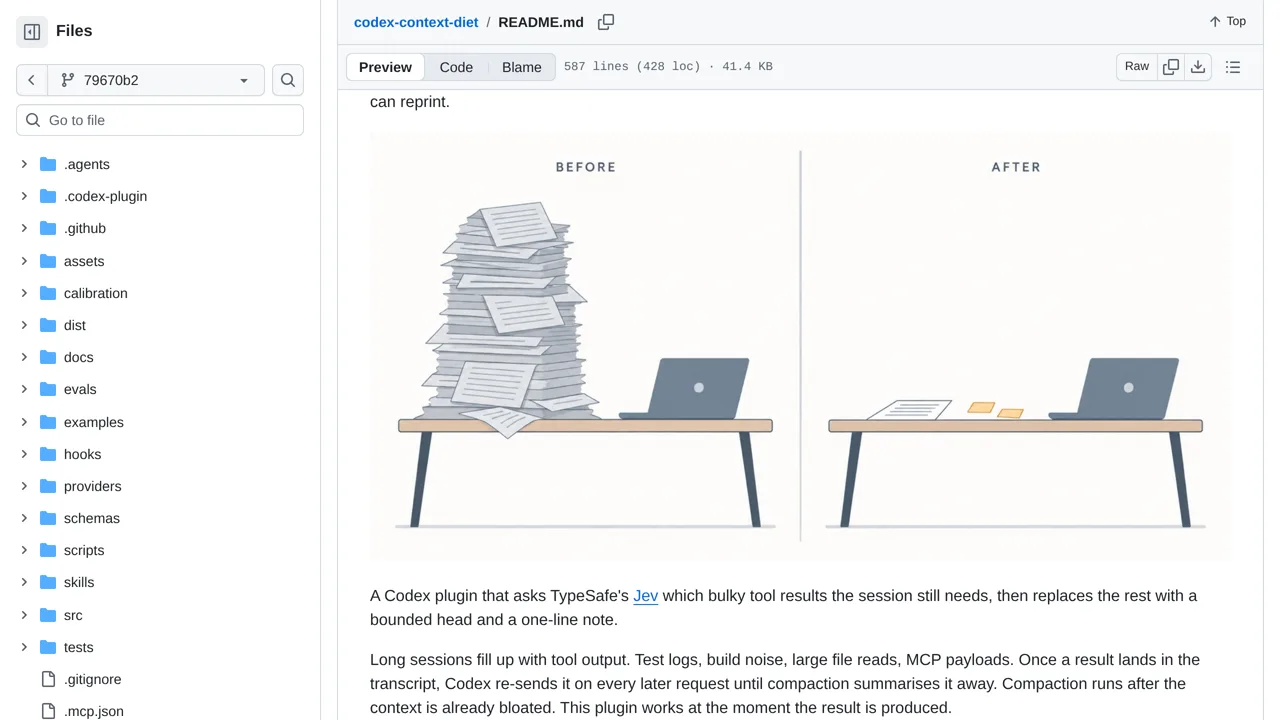
Uses Jev to keep useful Codex tool output while replacing low-value bulk with bounded excerpts.
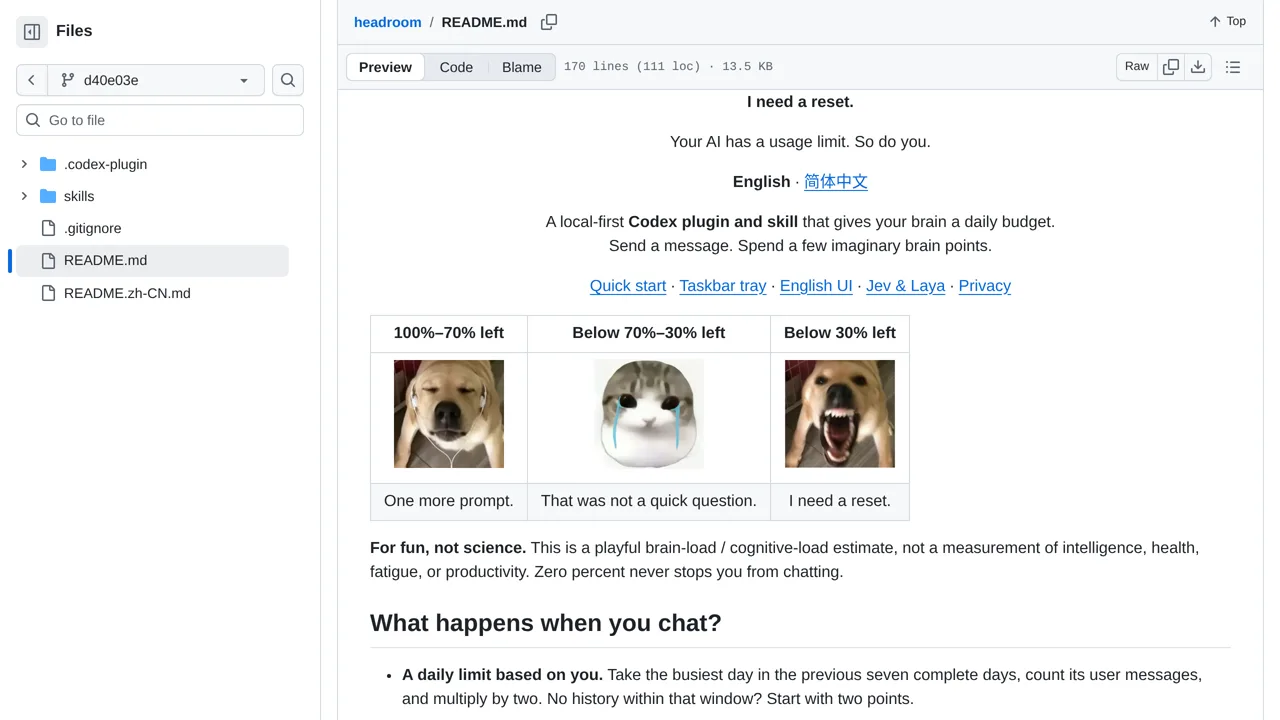
Tracks an imaginary brain budget for Codex using local Laya scores through a Jev-compatible request shape.
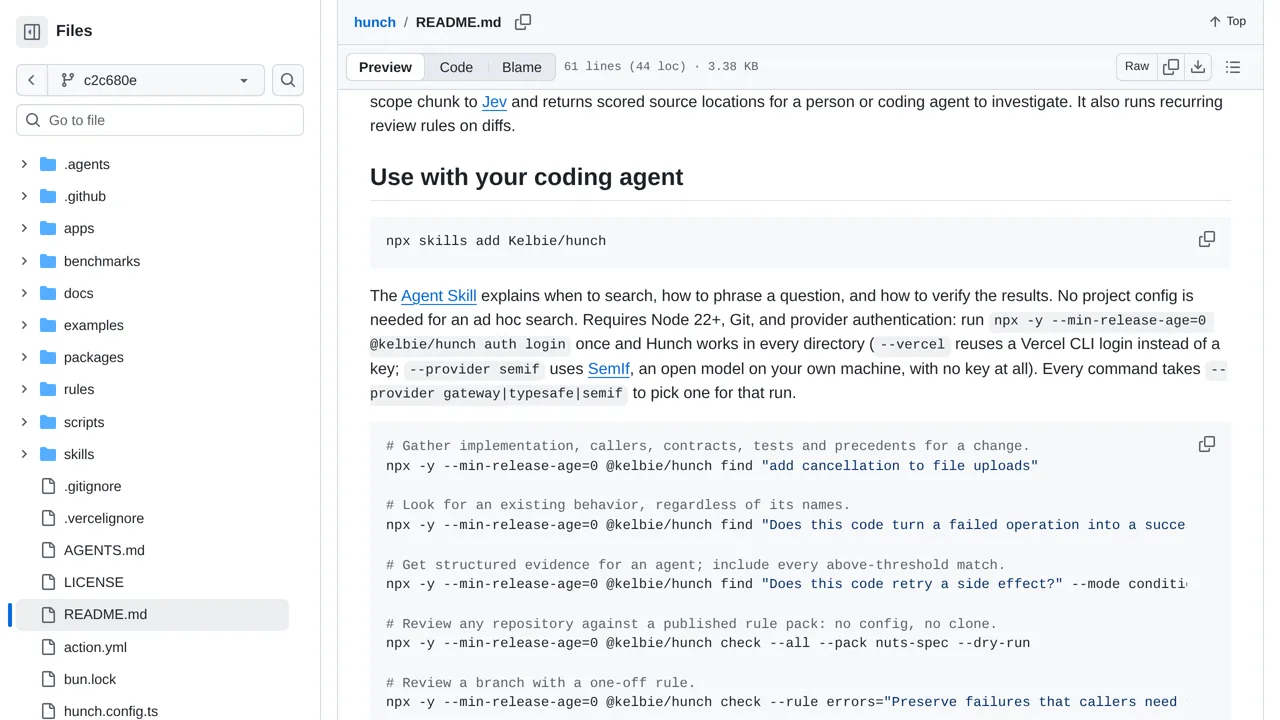
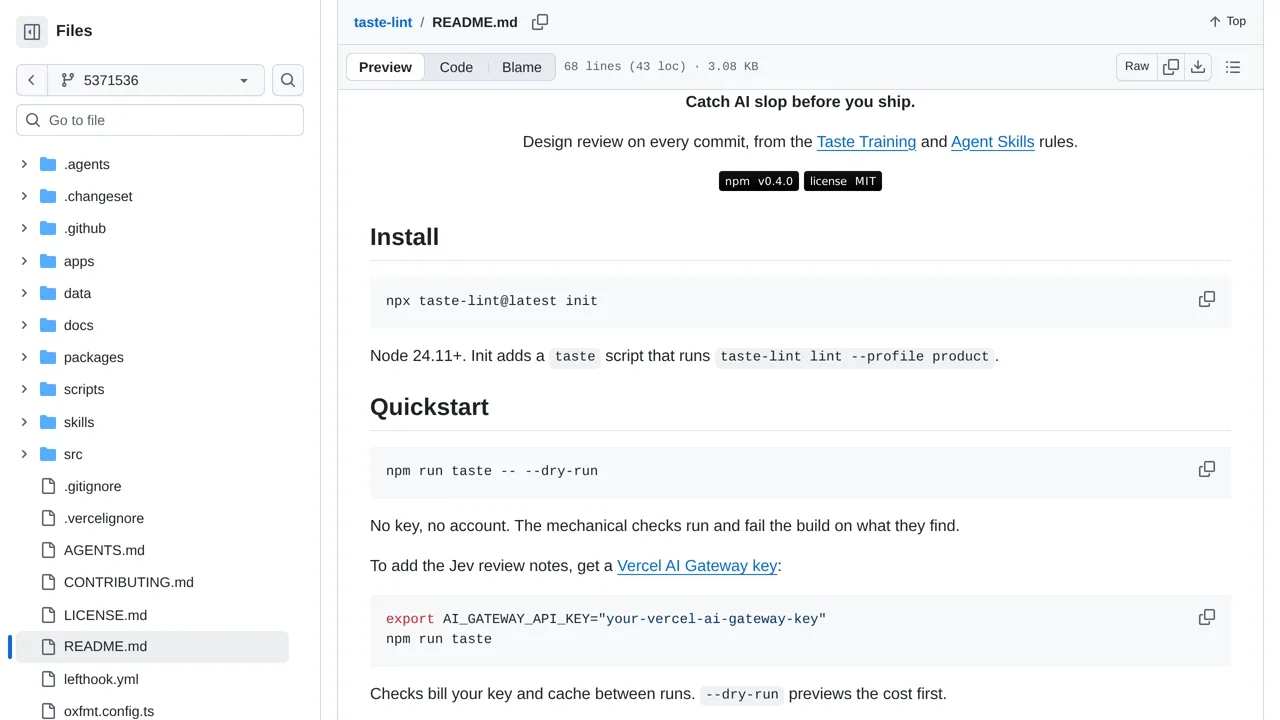
Reviews code against plain-language team rules, using Jev to turn each rule into a probability-backed finding.
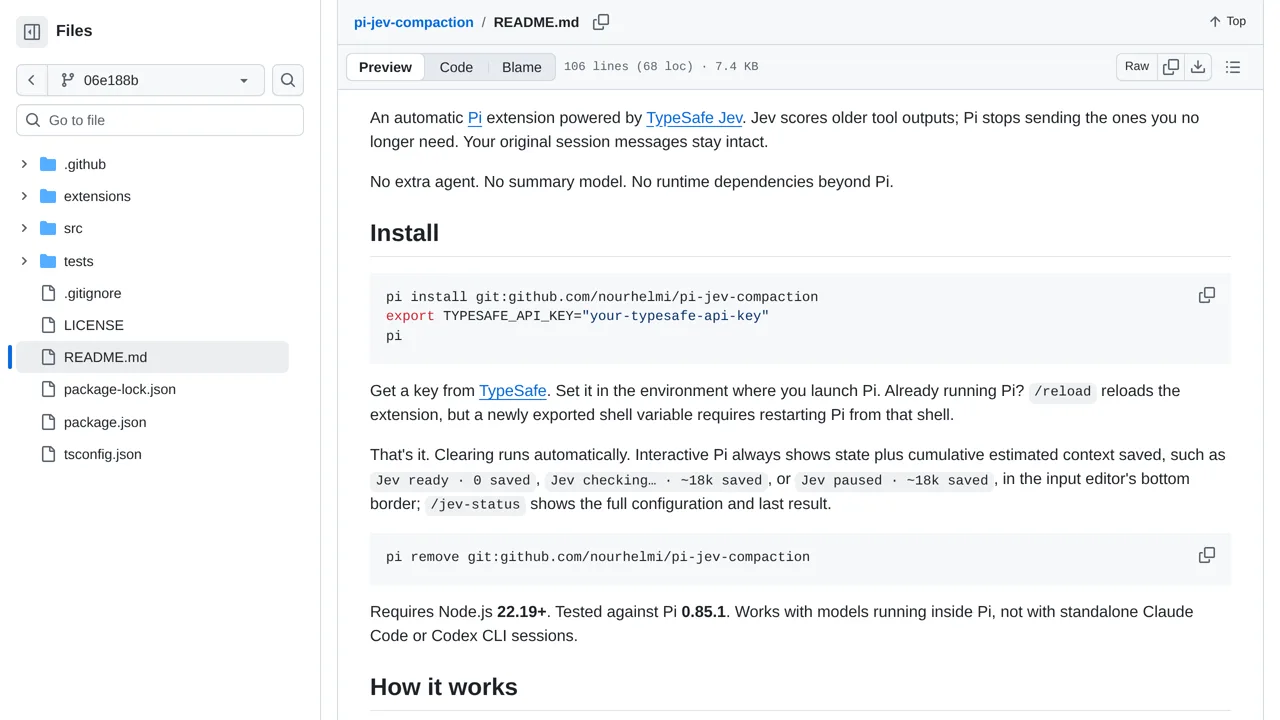
A Pi extension masks stale tool output after Jev review while retaining paged access to the original session evidence.
An Agent Skill and CLI convert decision prompts or calling code into validated Jev requests and runnable integration scripts.
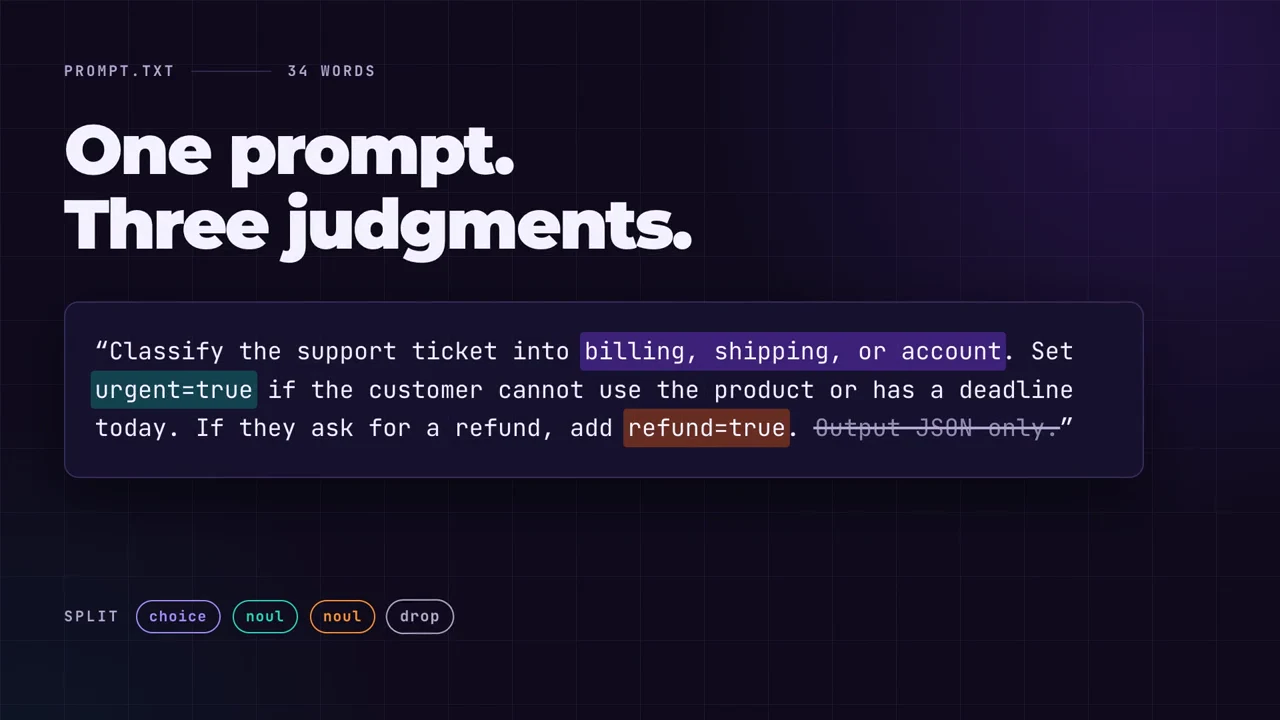
Review changed code for stylistic warning signs before it ships, with Jev mapping findings to a small verdict set.
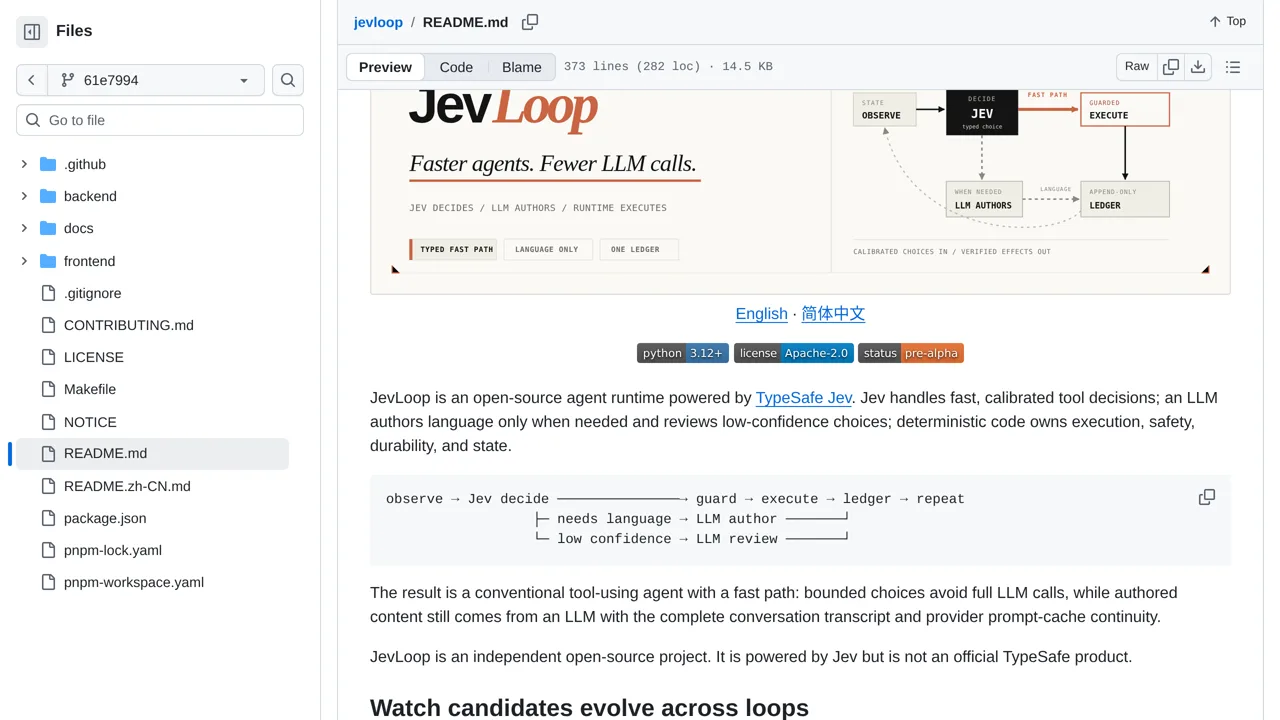
Run tool-using agents where Jev makes bounded decisions, deterministic code executes, and an LLM handles language when needed.
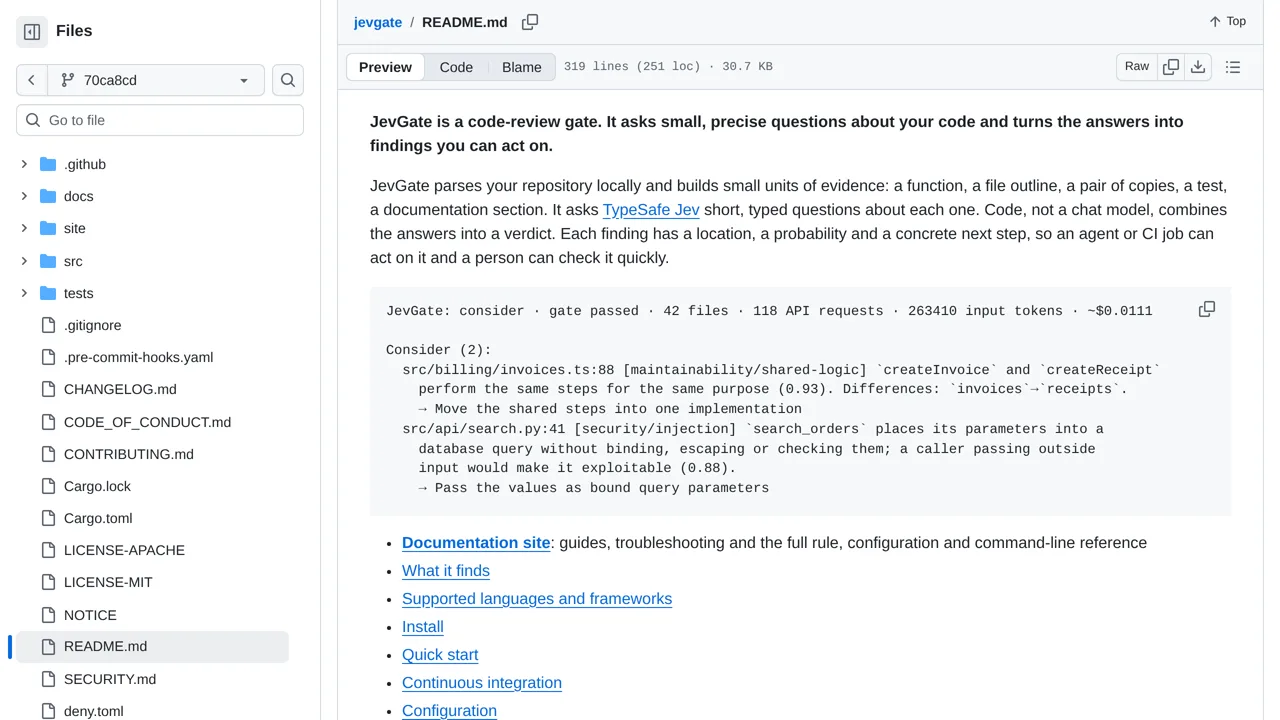
JevGate reviews code, tests and documentation with small typed questions, then turns the answers into located findings.
A Jev-powered pull-request risk router and code-review coach.
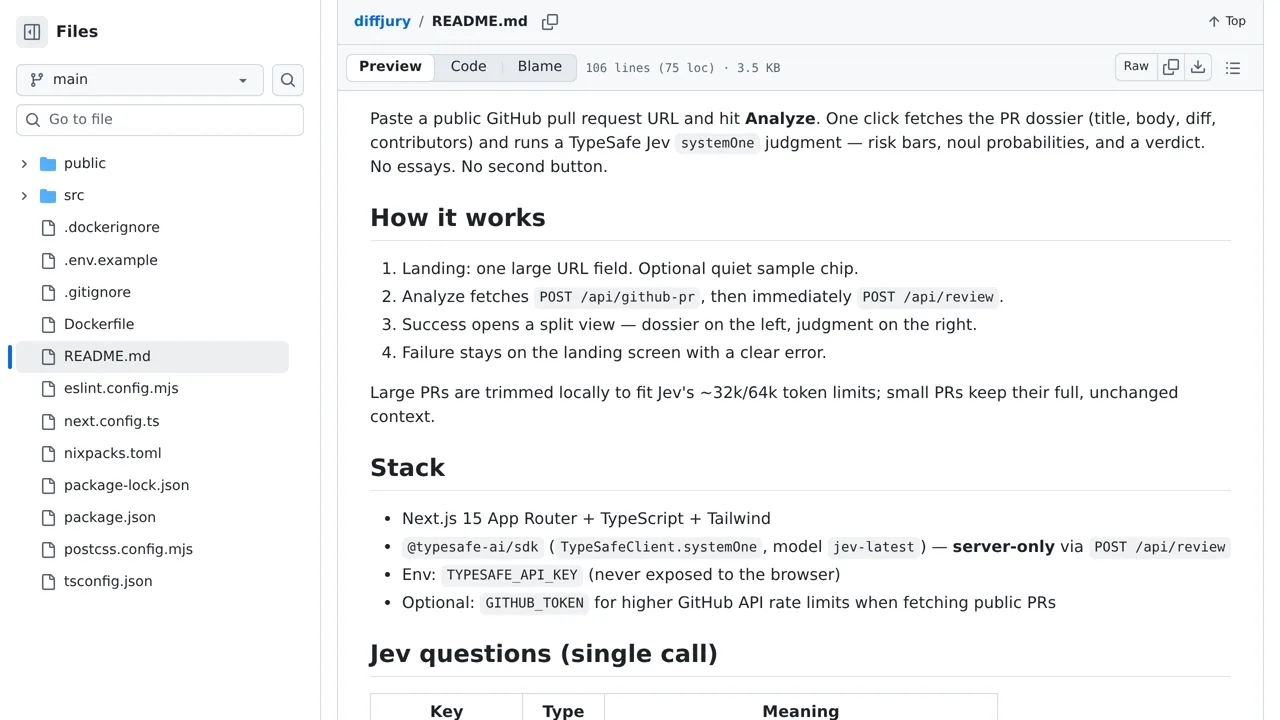
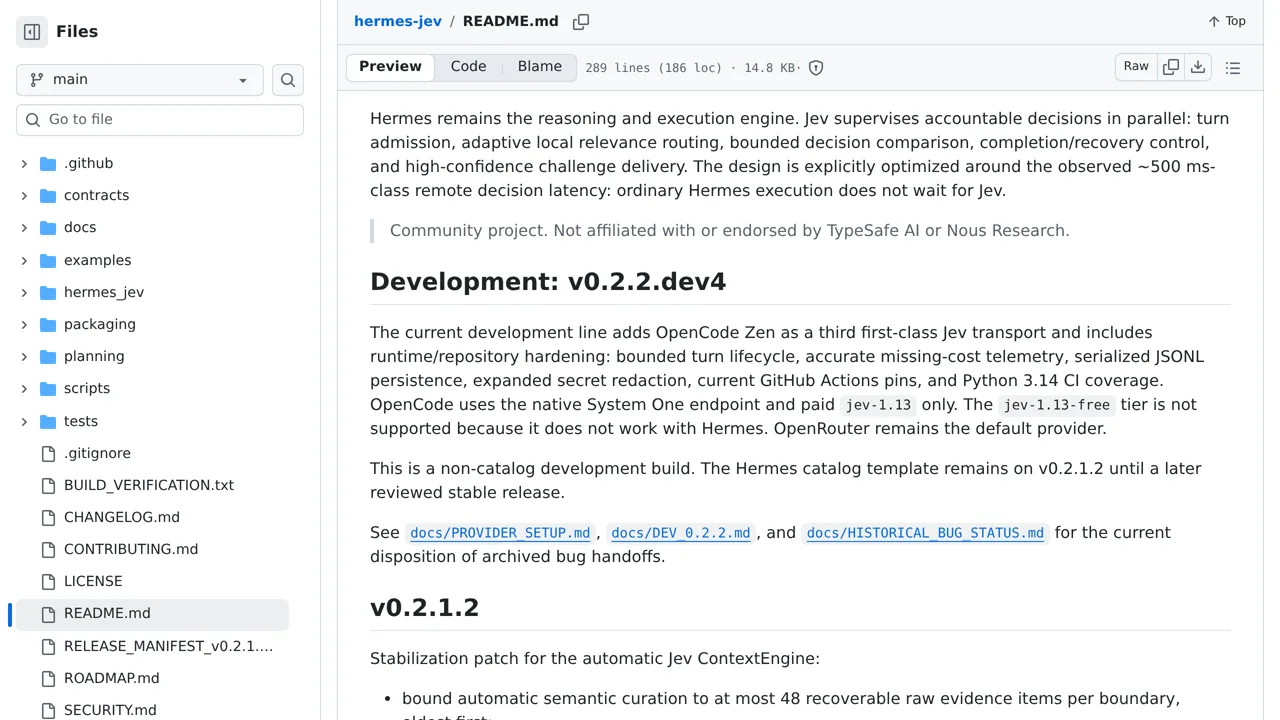
A Hermes plugin for typed decisions, ranking, verification, and optional tool gating with Jev.
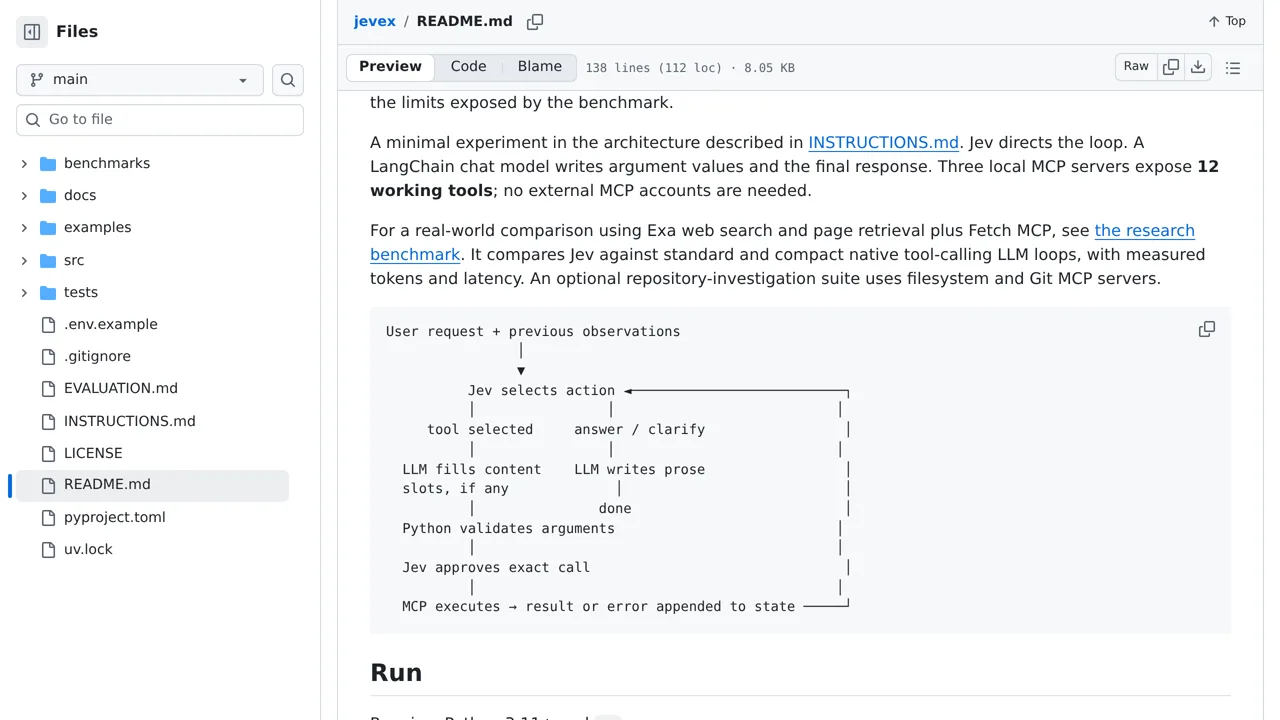
A Python command-line agent that uses Jev while working through file-based questions.
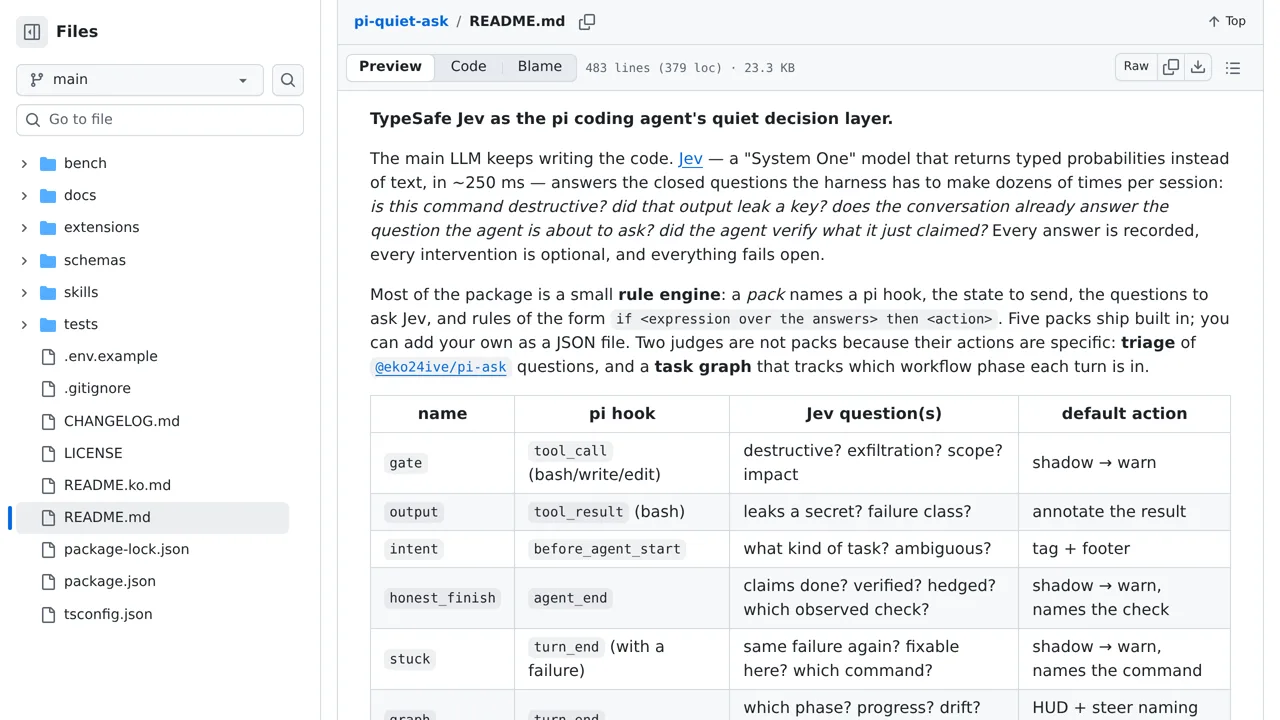
Give the Pi coding agent a way to ask Jev for decisions while it works.
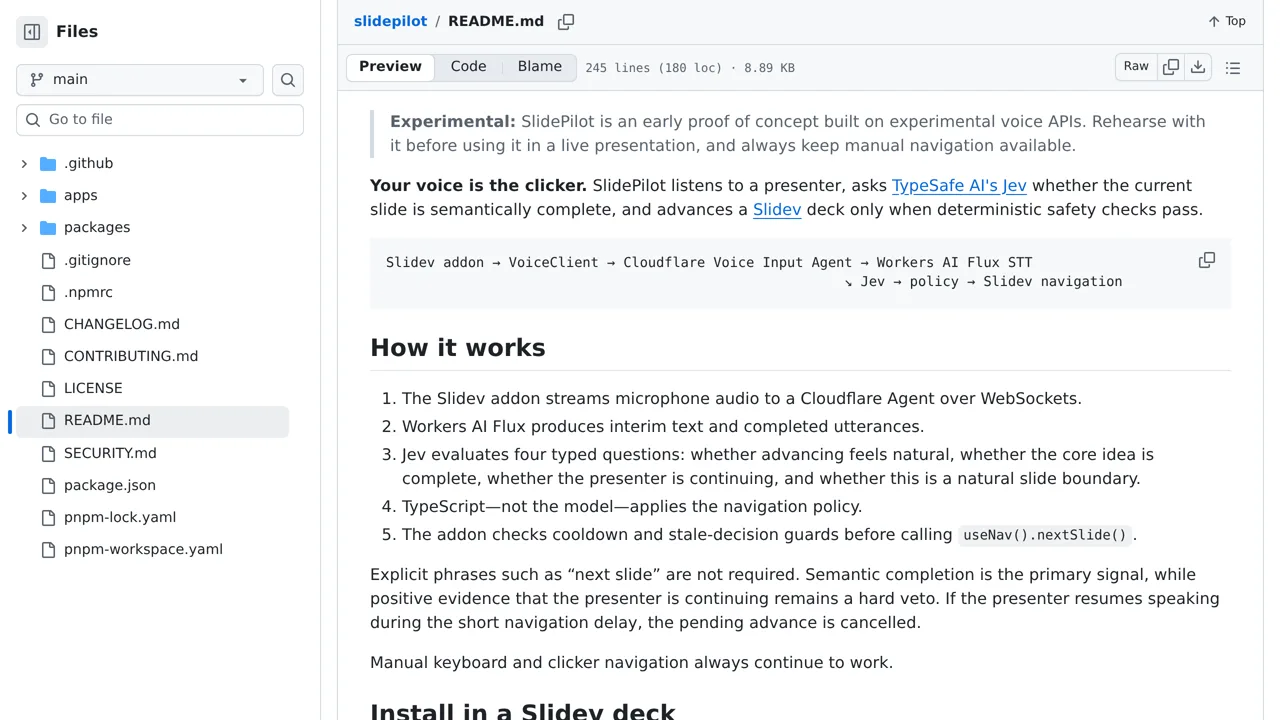
Slidepilot advances Slidev presentations by matching live speech to the next slide with Jev.
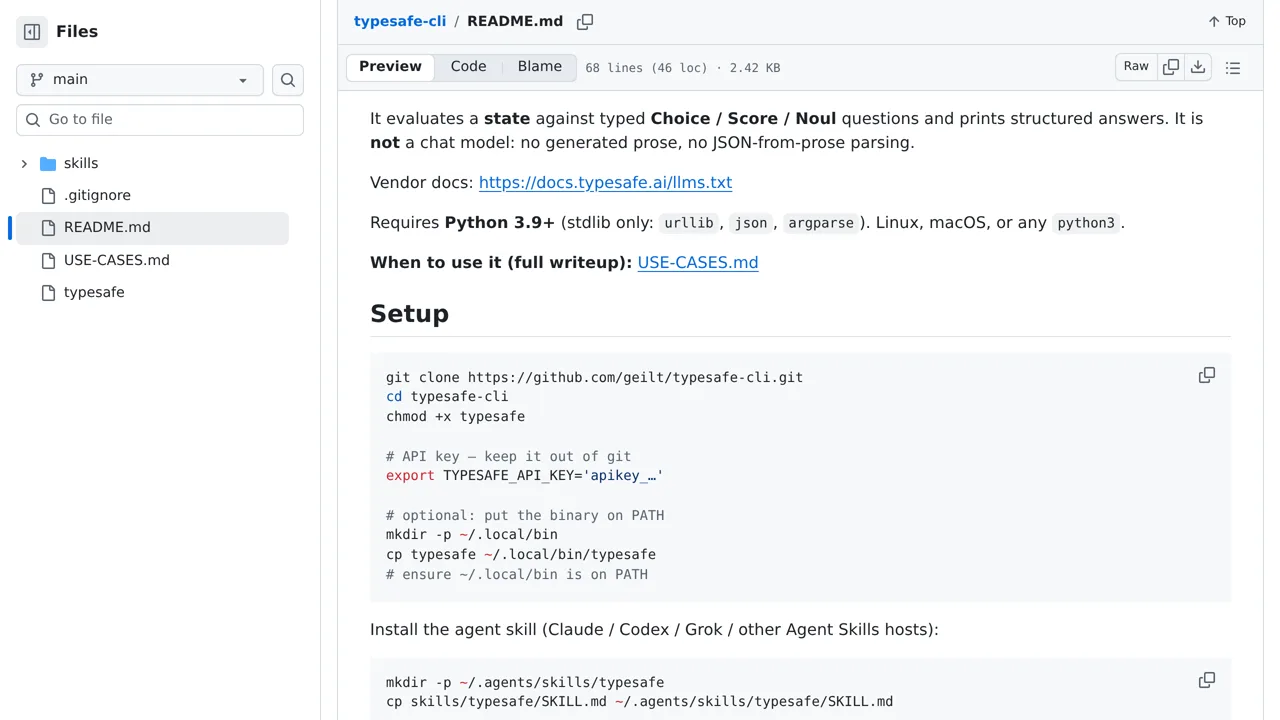
Ask Jev questions from the command line, with answers as choices, scores or yes-or-no probabilities.
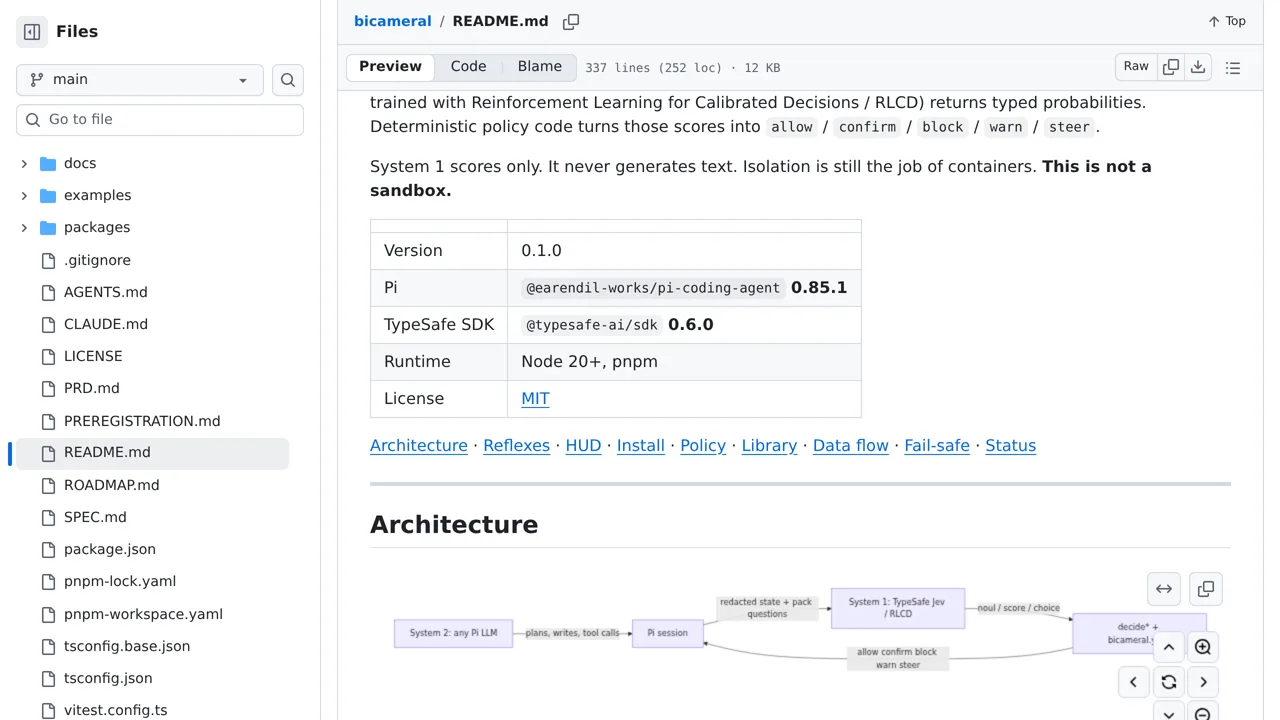
A Pi extension that checks risky tool calls and notices when a coding agent gets stuck.
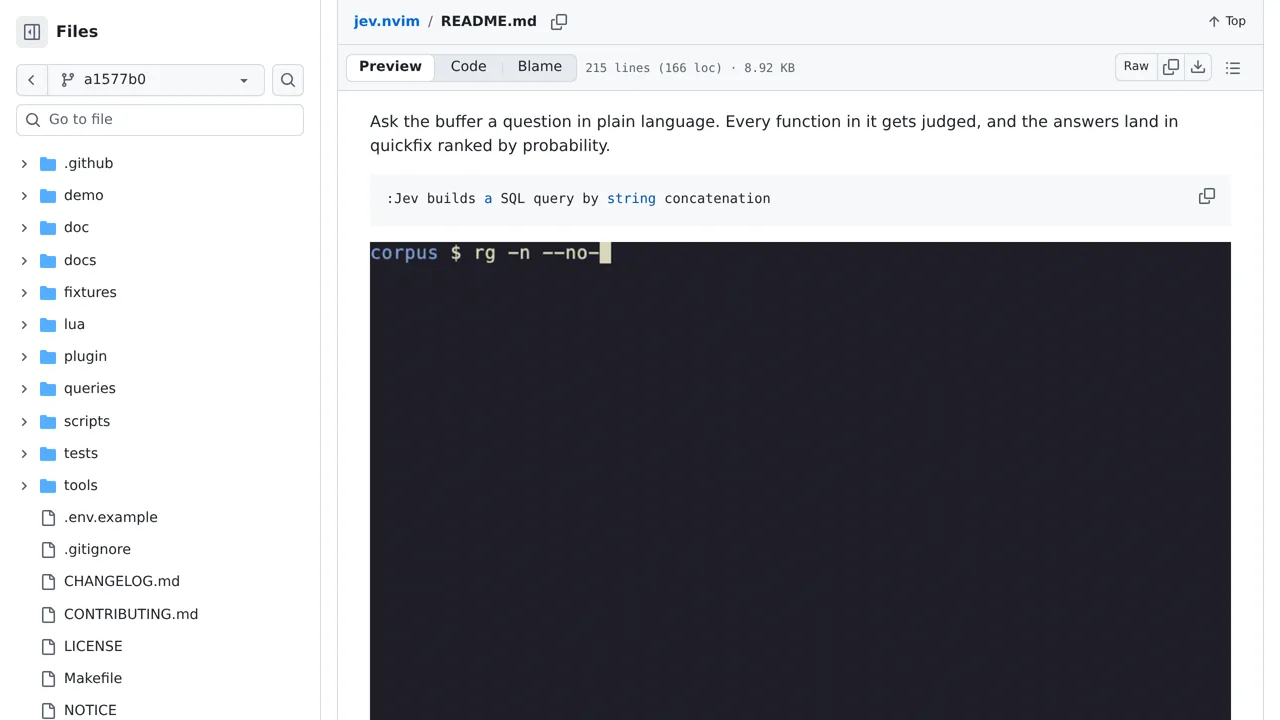
Search a Neovim buffer by describing behavior, then see matching functions ranked in quickfix and beside the code.
Turns a straightforward request into an MCP tool call by choosing a discovered tool and filling simple arguments.
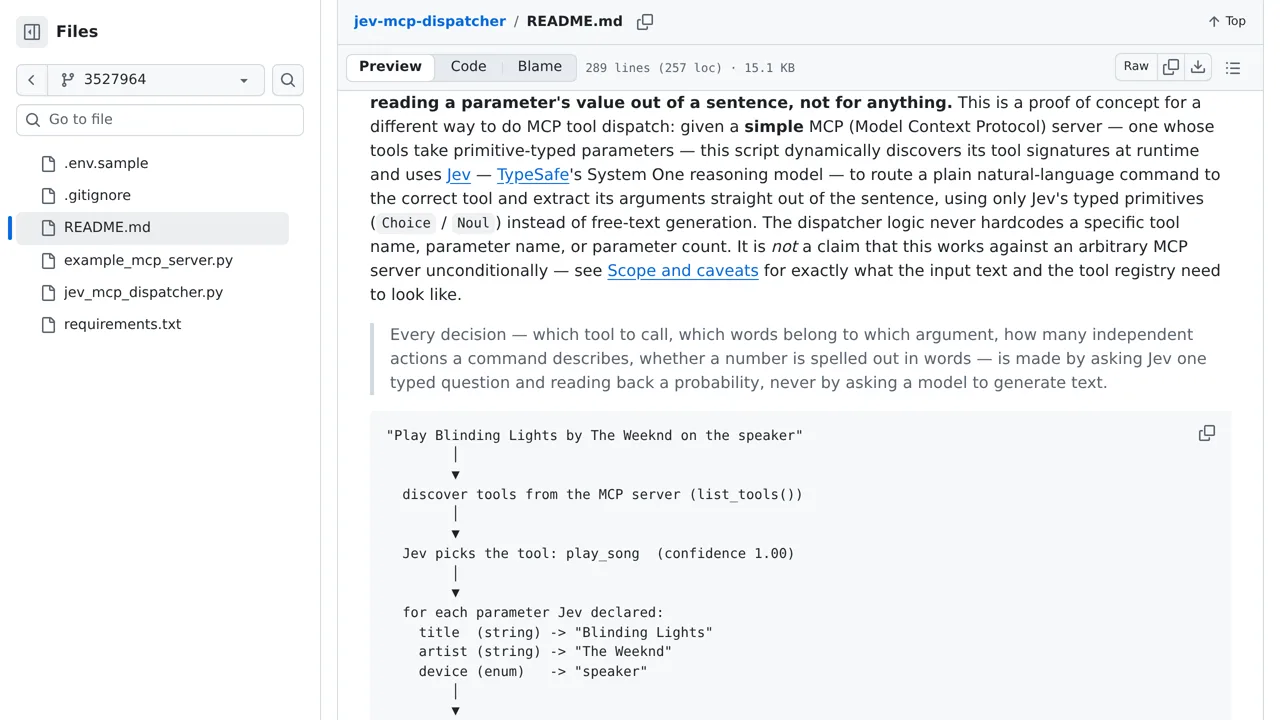
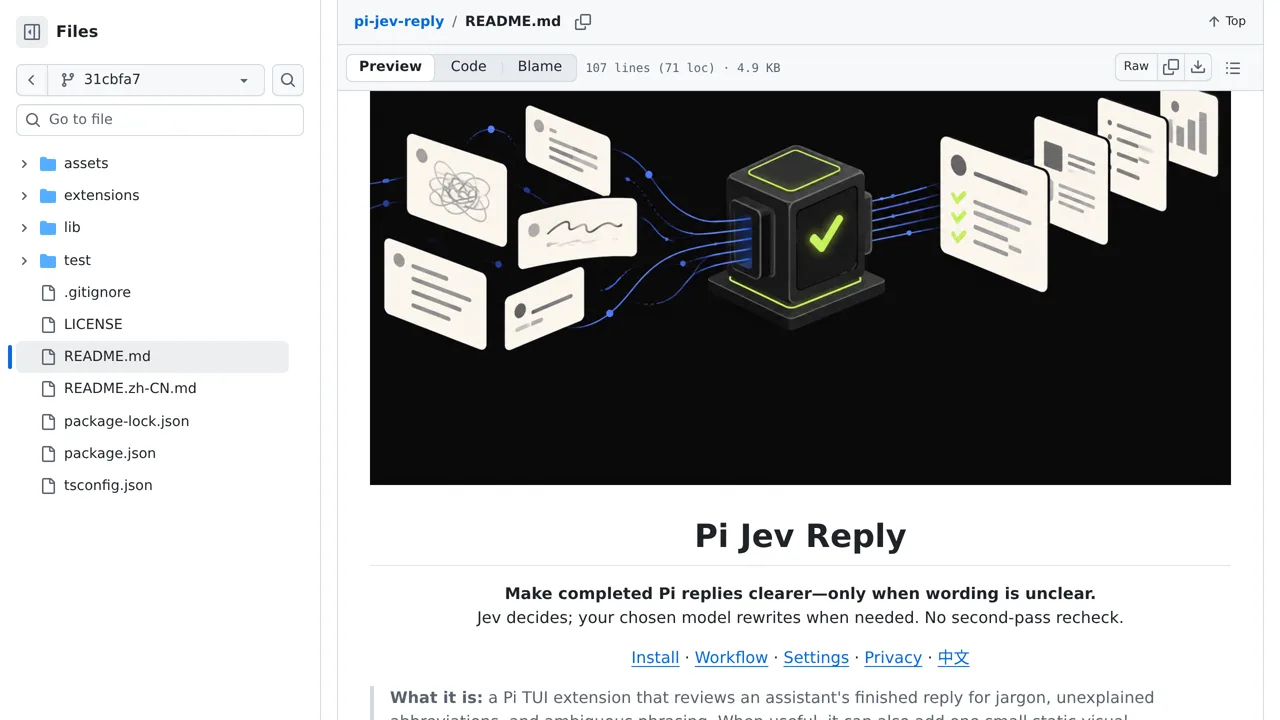
Checks completed Pi replies for clarity and sends only the difficult ones to the configured model for a rewrite.
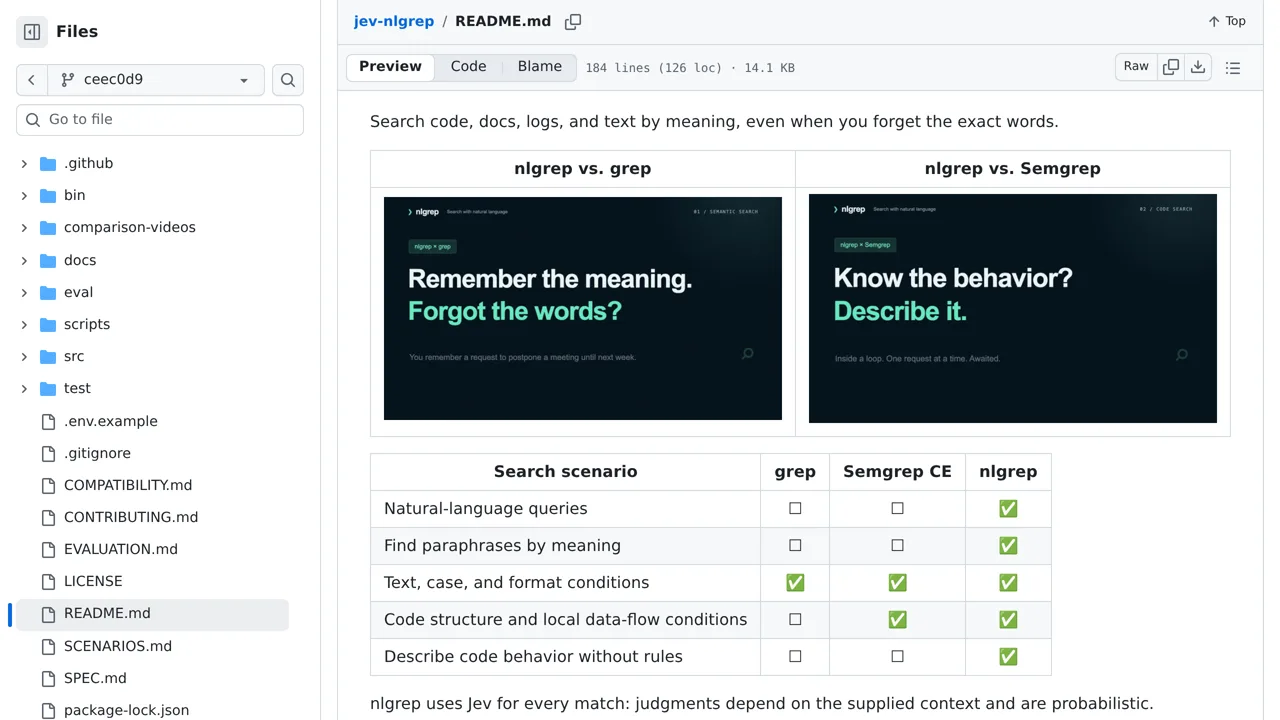
Search source files, documentation and logs by describing the idea you need rather than its exact wording.
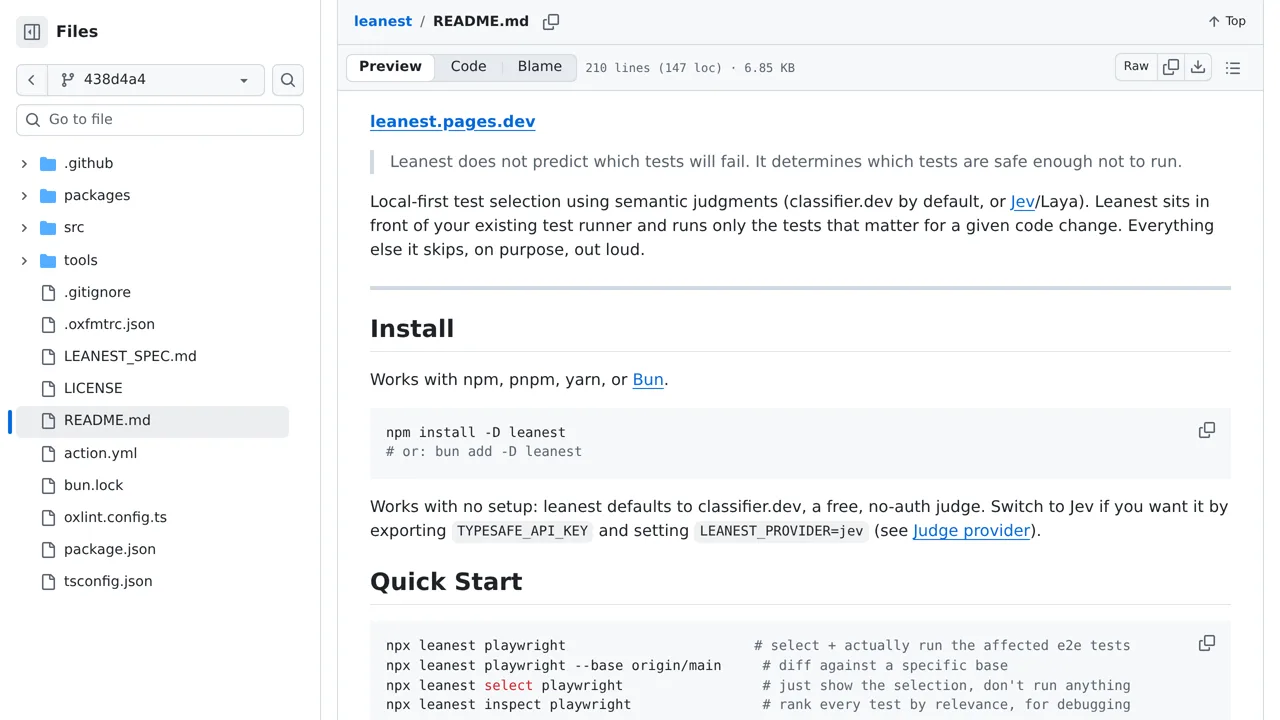
Predicts which tests are safe to skip for a Git change, then runs the retained set through the existing framework.
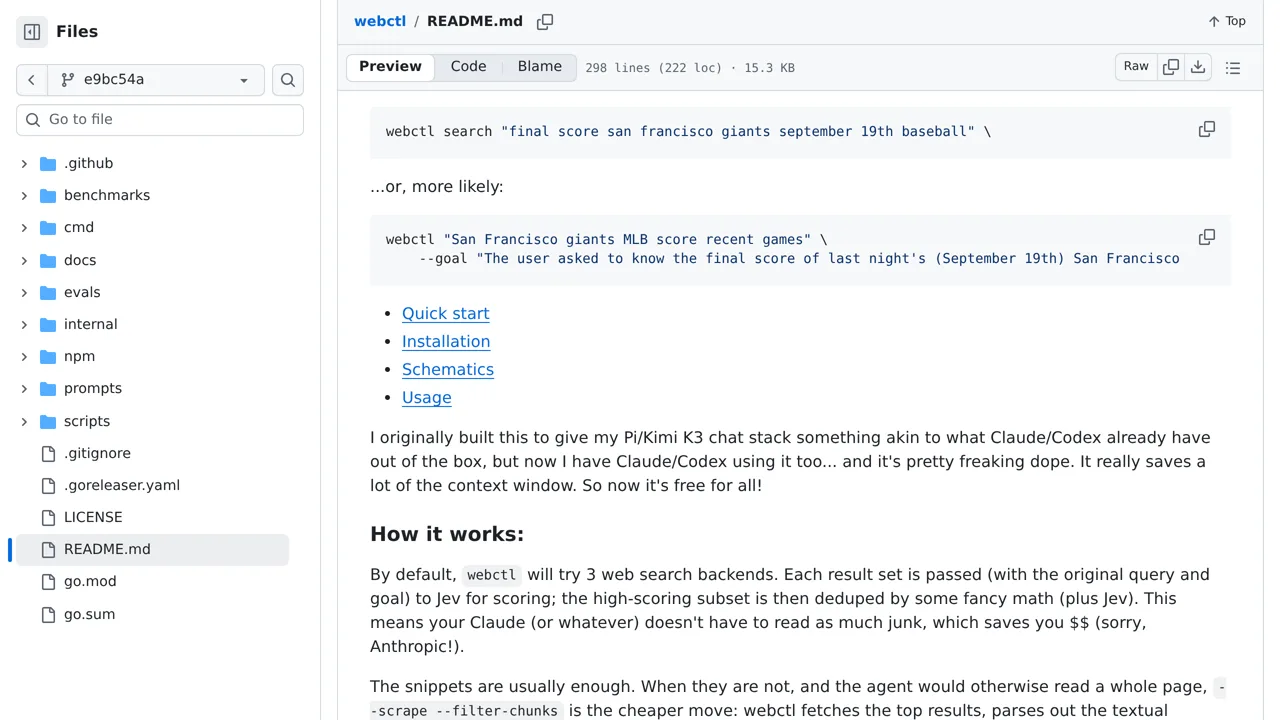
Searches several web backends, then uses Jev to keep useful results, confirm duplicates and filter scraped page chunks.
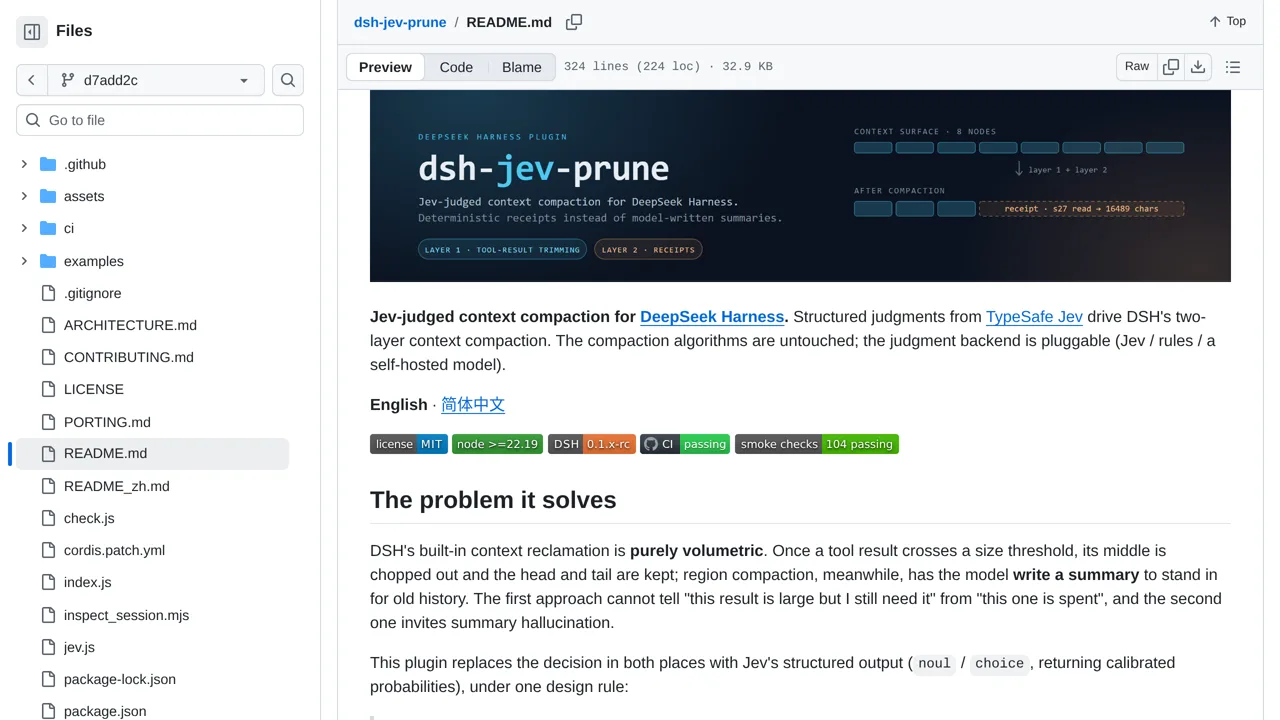
Prunes DeepSeek Harness tool results according to Jev judgments while retaining deterministic context receipts.
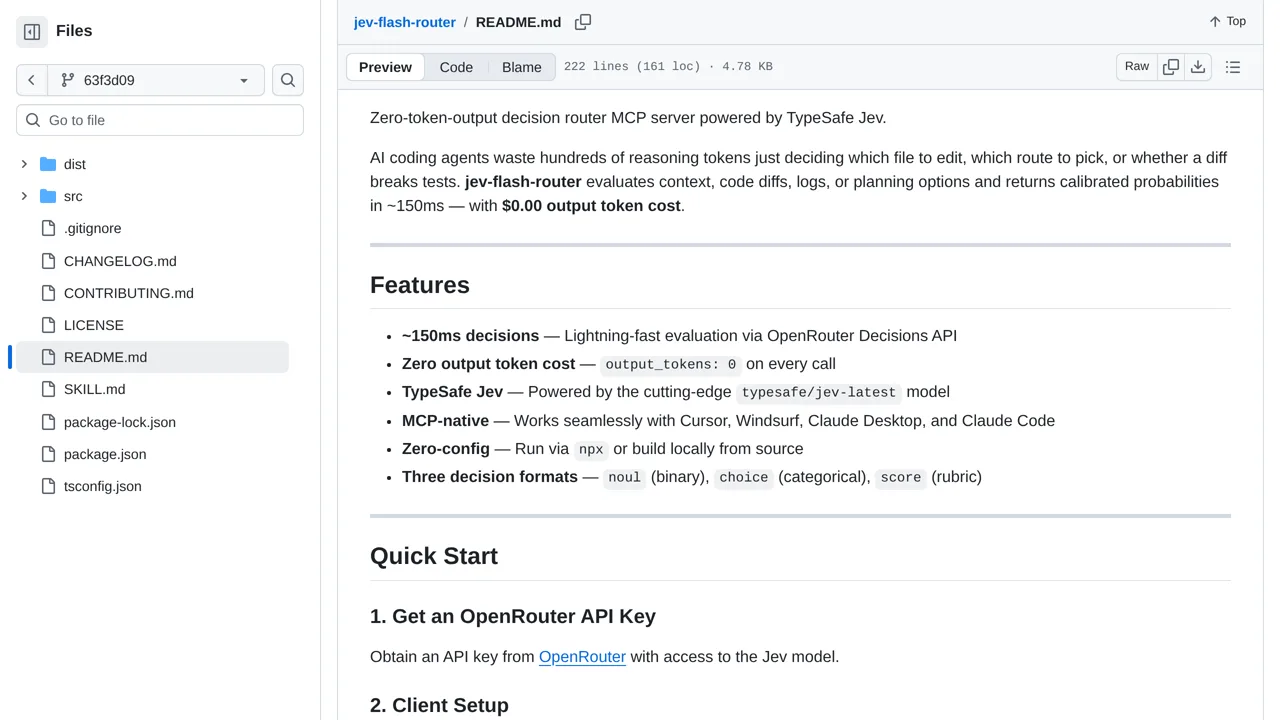
Exposes Jev’s three decision types as one MCP tool for coding-agent routing, risk checks, and bounded architectural choices.
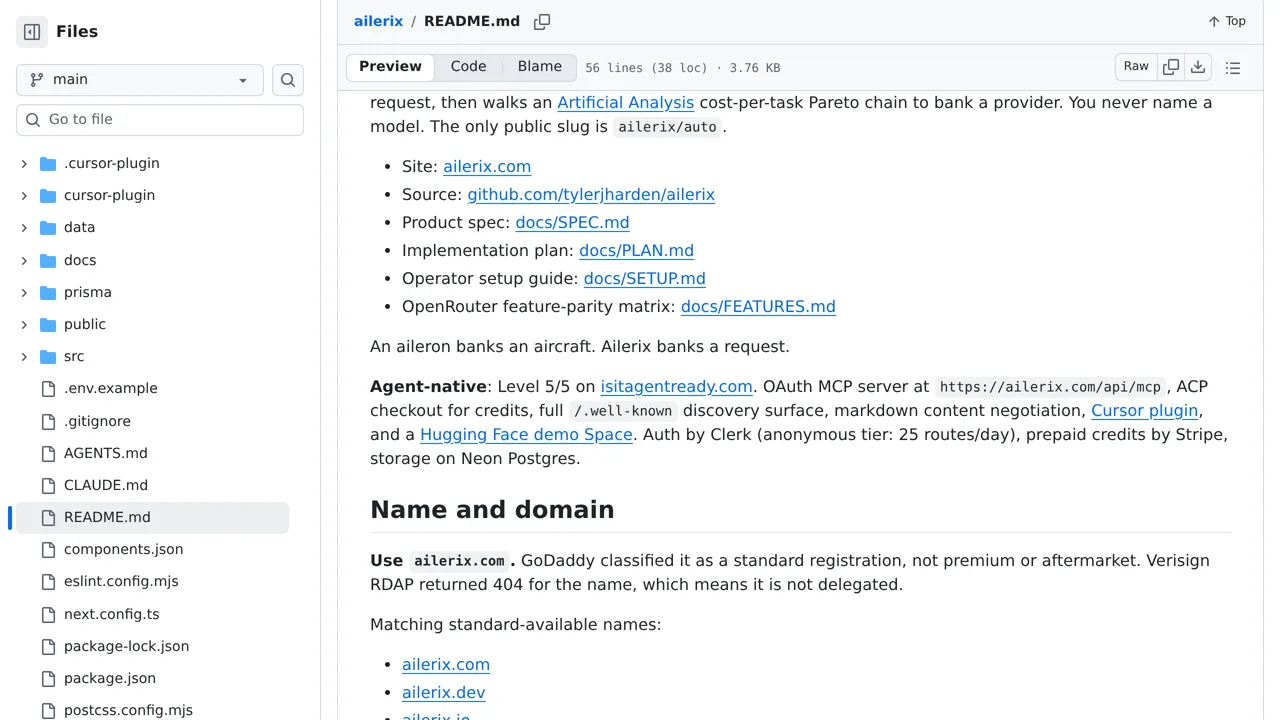
Ailerix uses Jev to route each request to a model from a typed catalog.
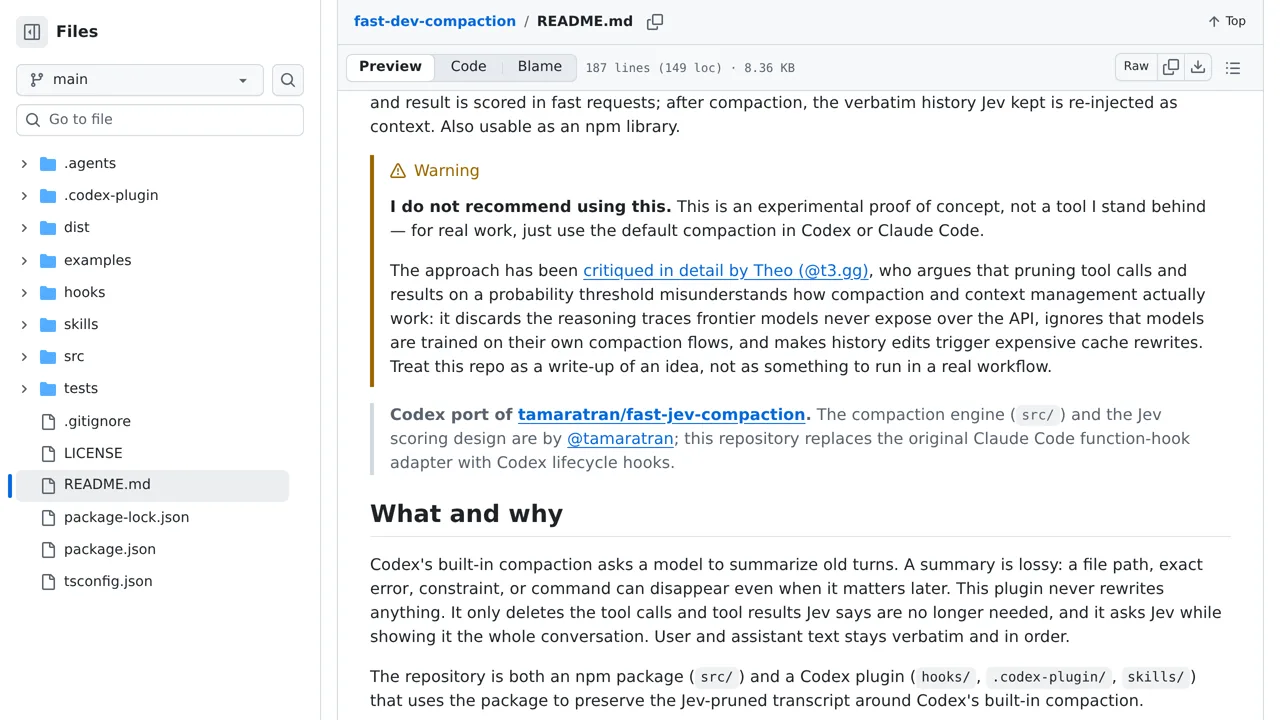
A Codex plugin that uses Jev to restore verbatim context after session compaction.
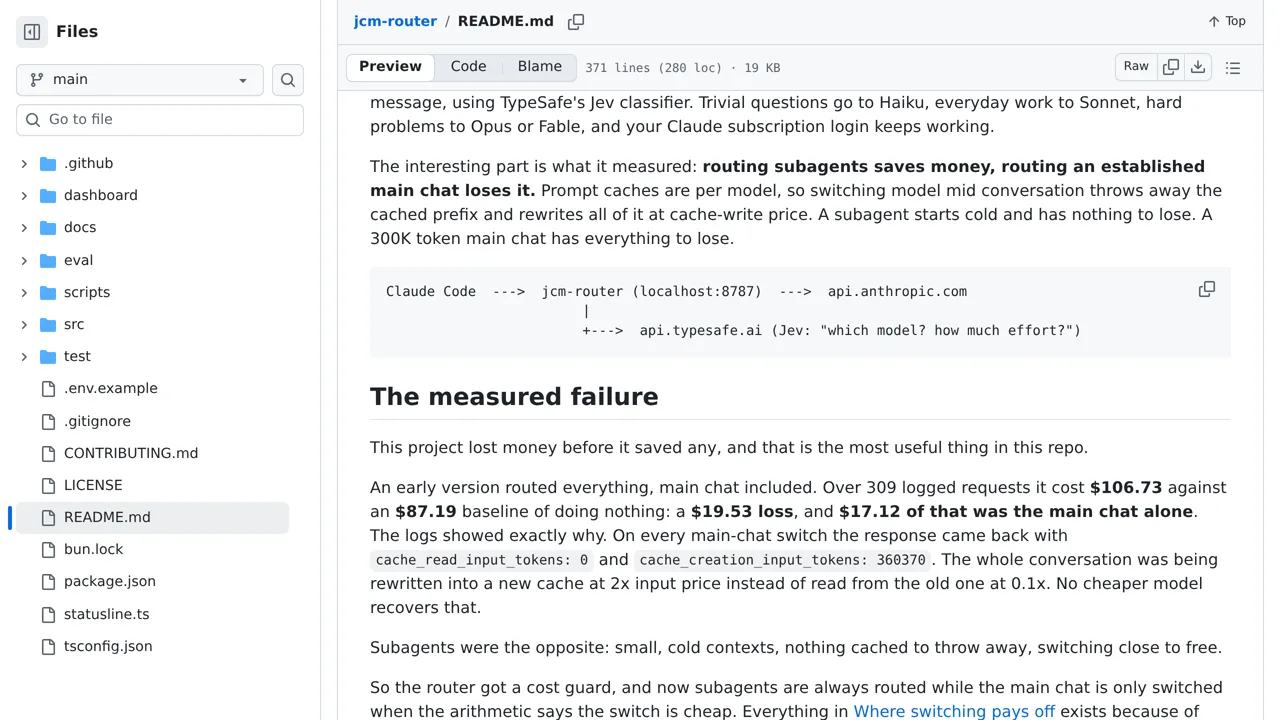
A local proxy that uses Jev to choose the Claude model and reasoning effort for each message.
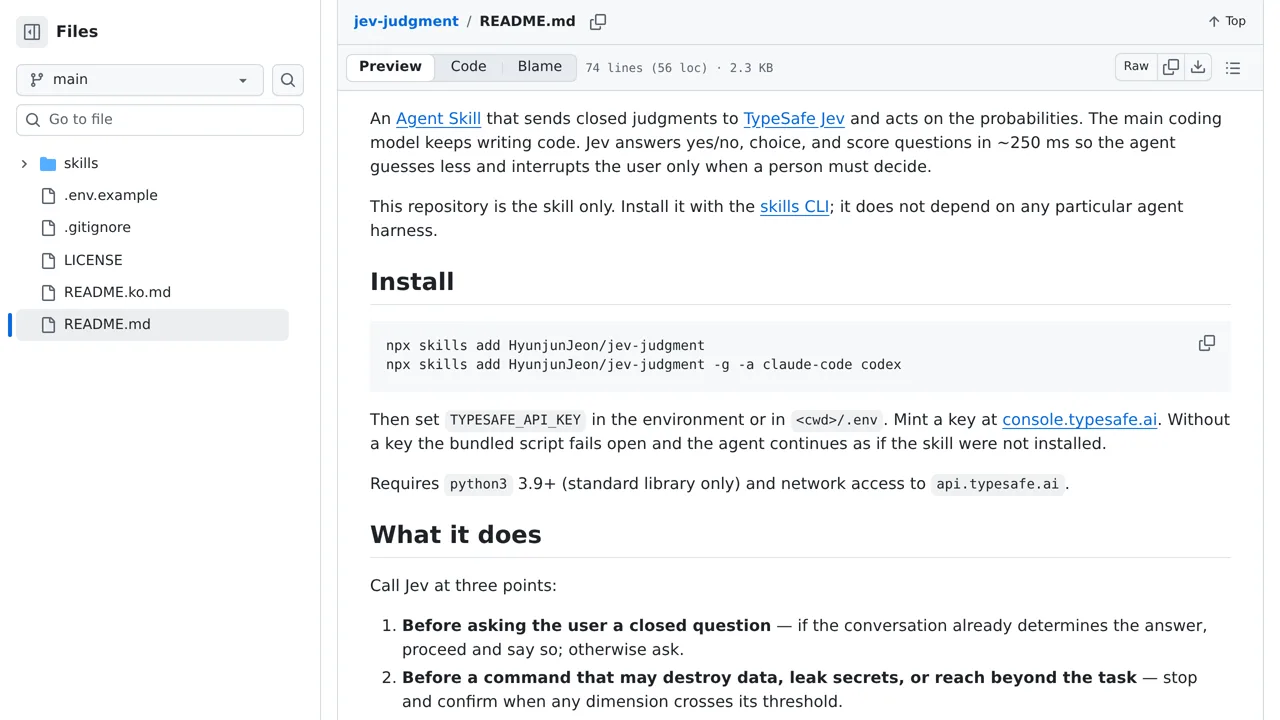
An agent skill that sends closed coding decisions to Jev for judgment.
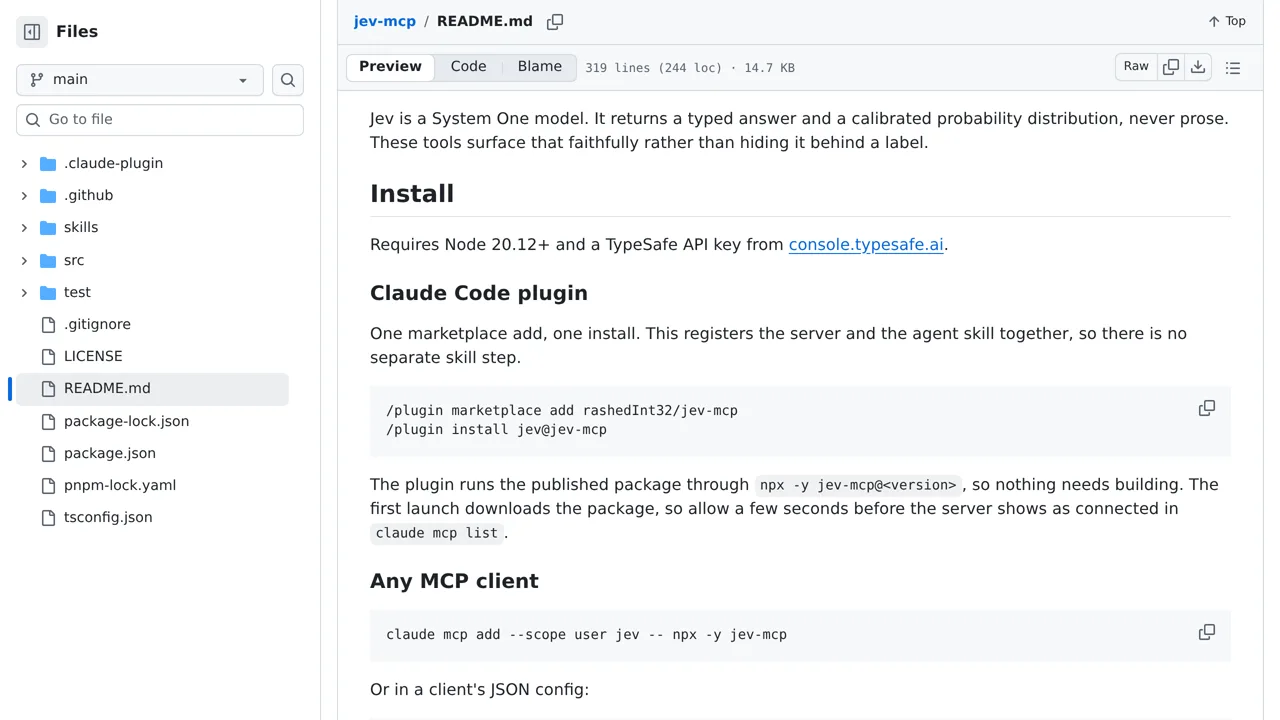
An MCP server that exposes Jev tools for classification, scoring, checks, and batched questions.
Put a Jev check between an agent and its MCP tools to screen for unsafe calls and results.
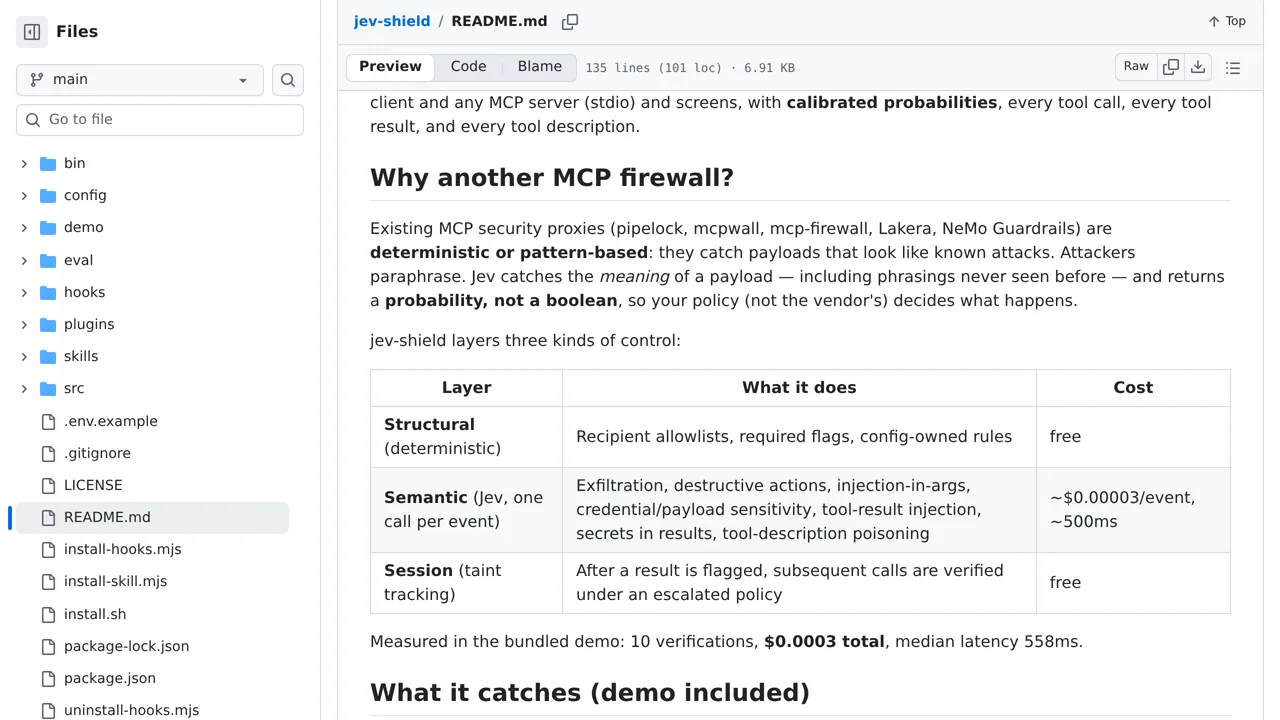
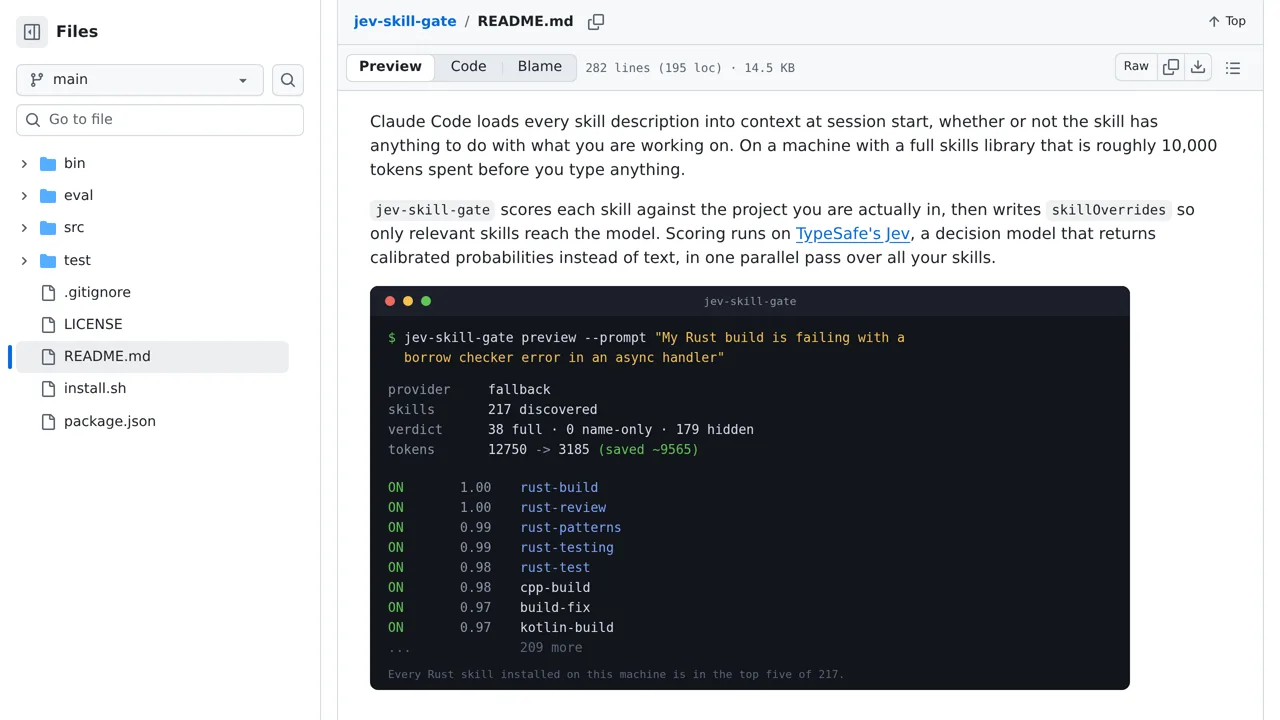
A Claude Code hook that scores installed skills against the current task and hides irrelevant ones from the manifest.
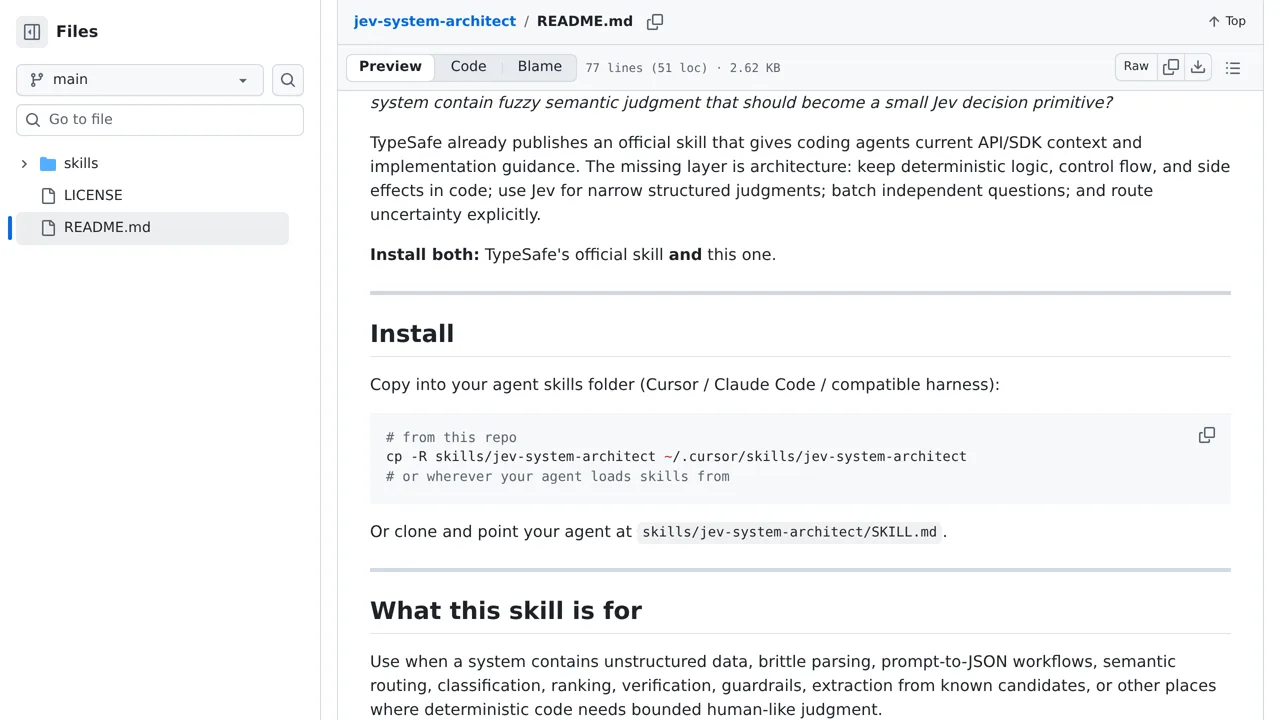
An architecture skill for turning fuzzy semantic decisions into small Jev Choice, Score, or Noul questions.
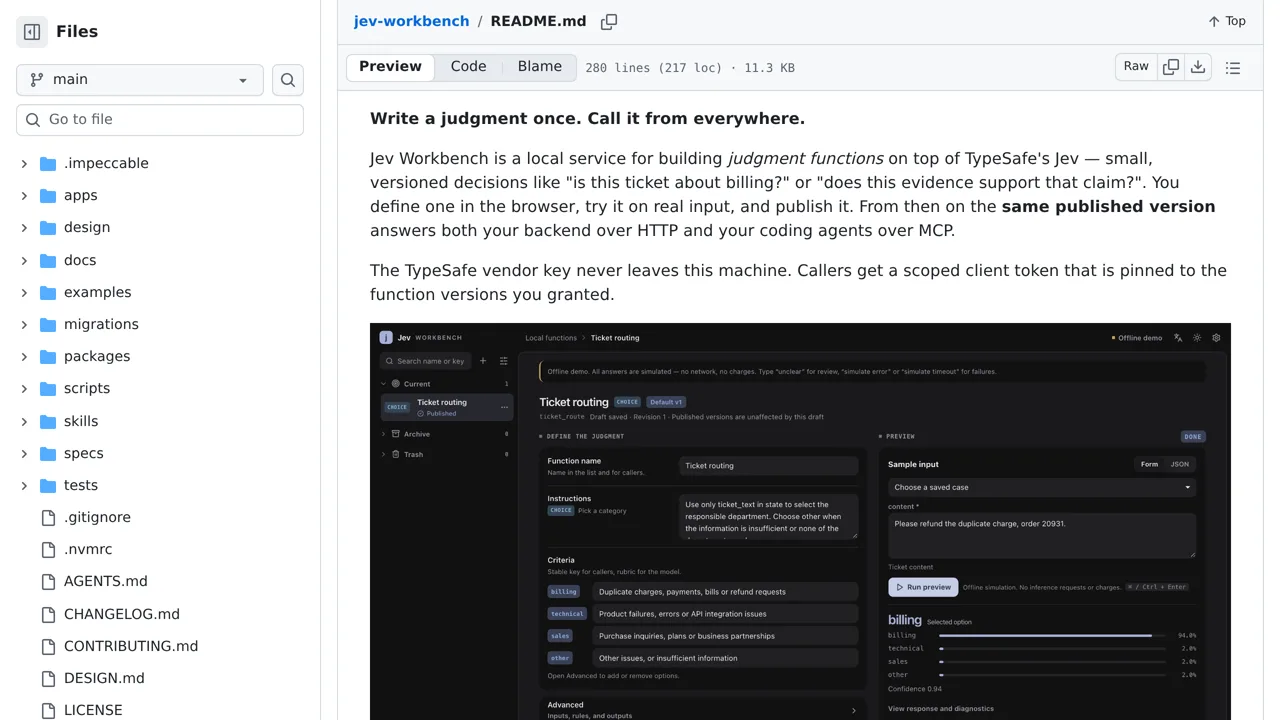
A local workbench for building and publishing versioned Jev judgment functions.
An omp extension that uses Jev scores to reduce context while preserving selected passages verbatim.
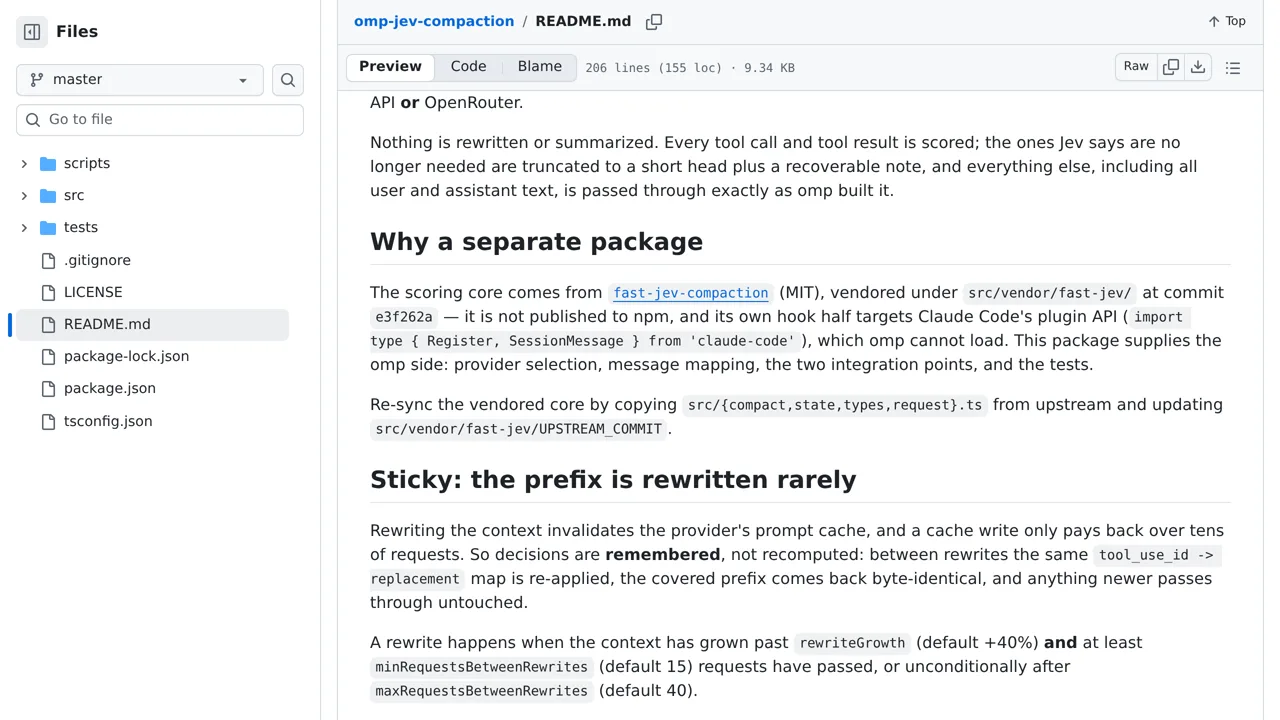
A Pi extension that checks side-effecting tool calls against the user's stated constraints before they run.
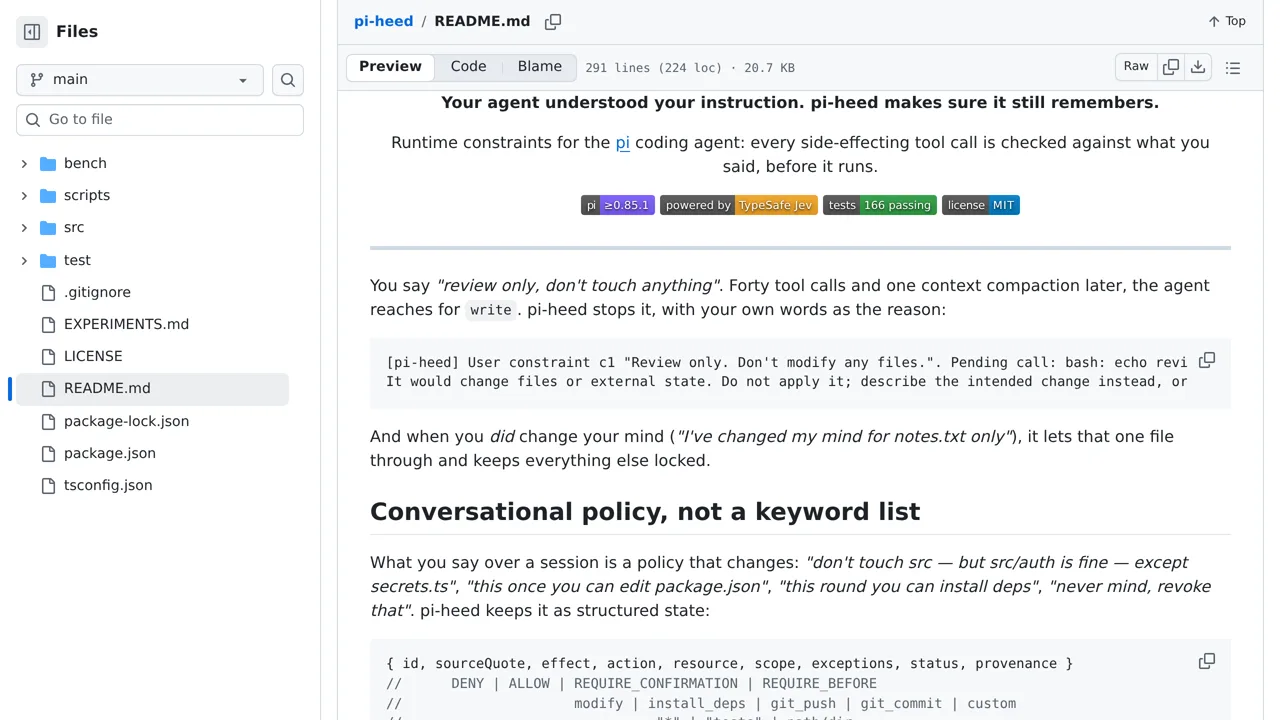
Skill Router uses Jev to match a Claude Code session's goal with relevant installed skills.
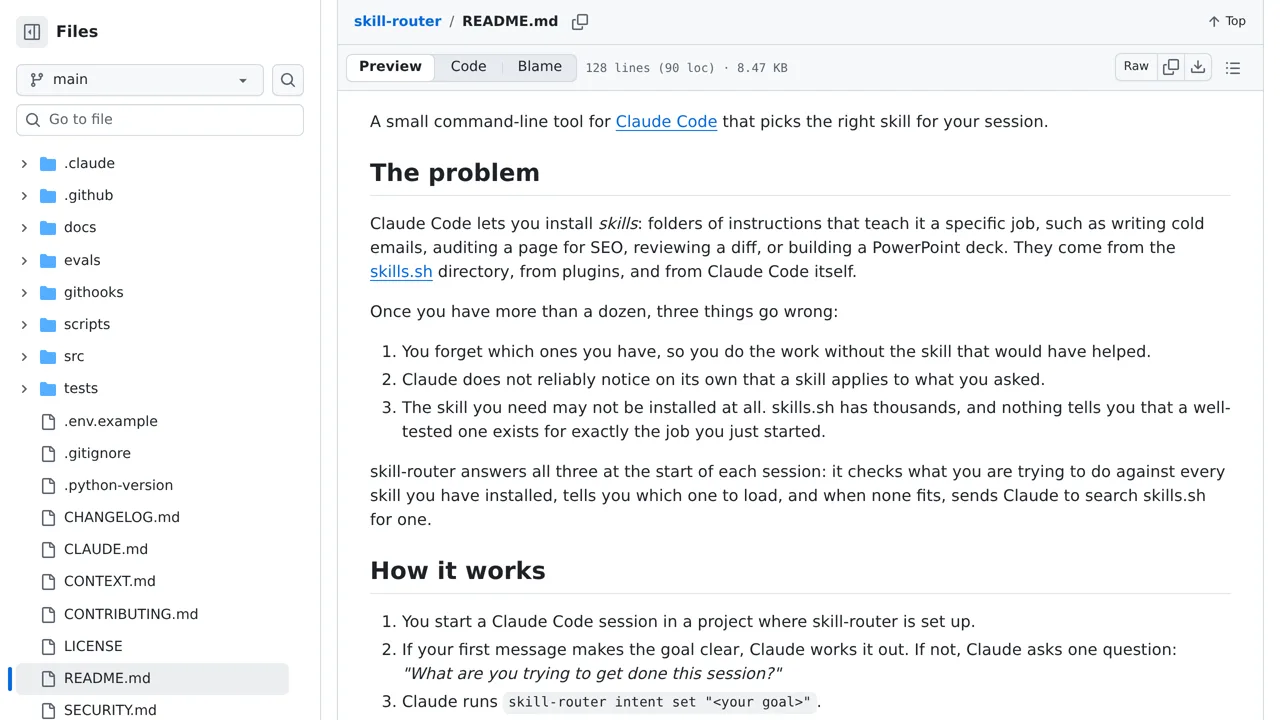
A model router that uses Jev and a YAML policy to choose the least expensive LLM suited to each request.
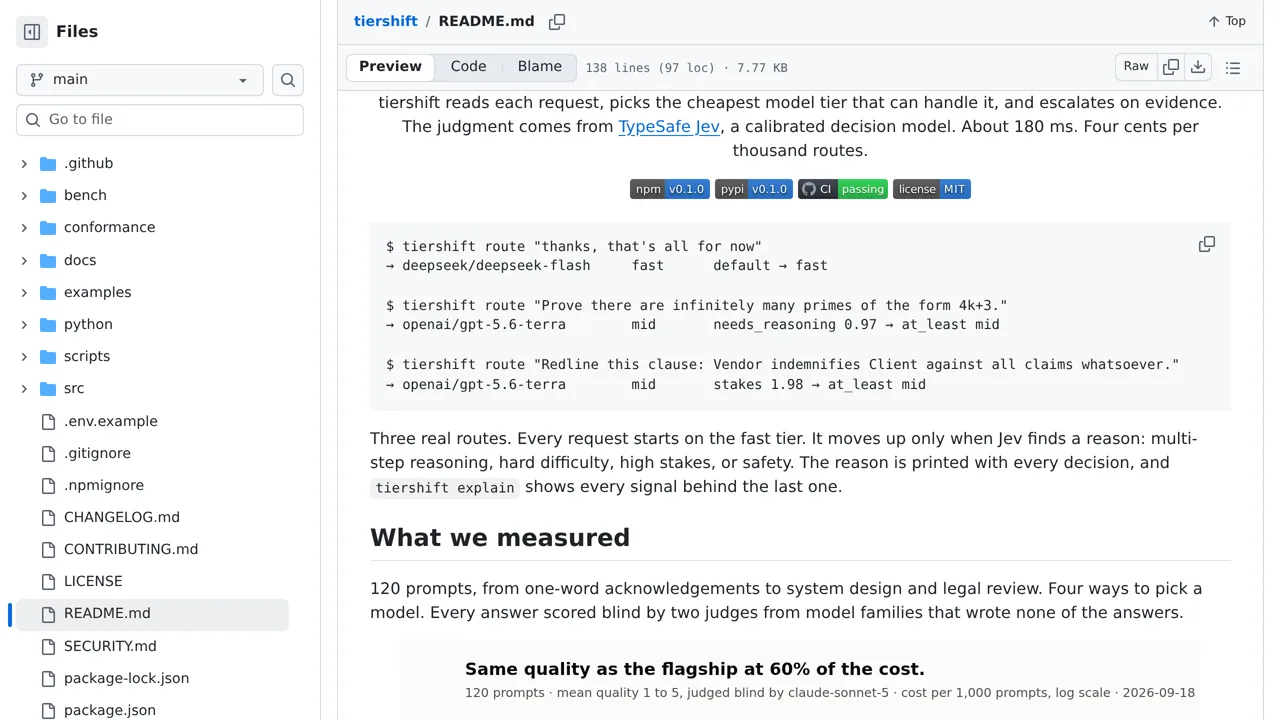
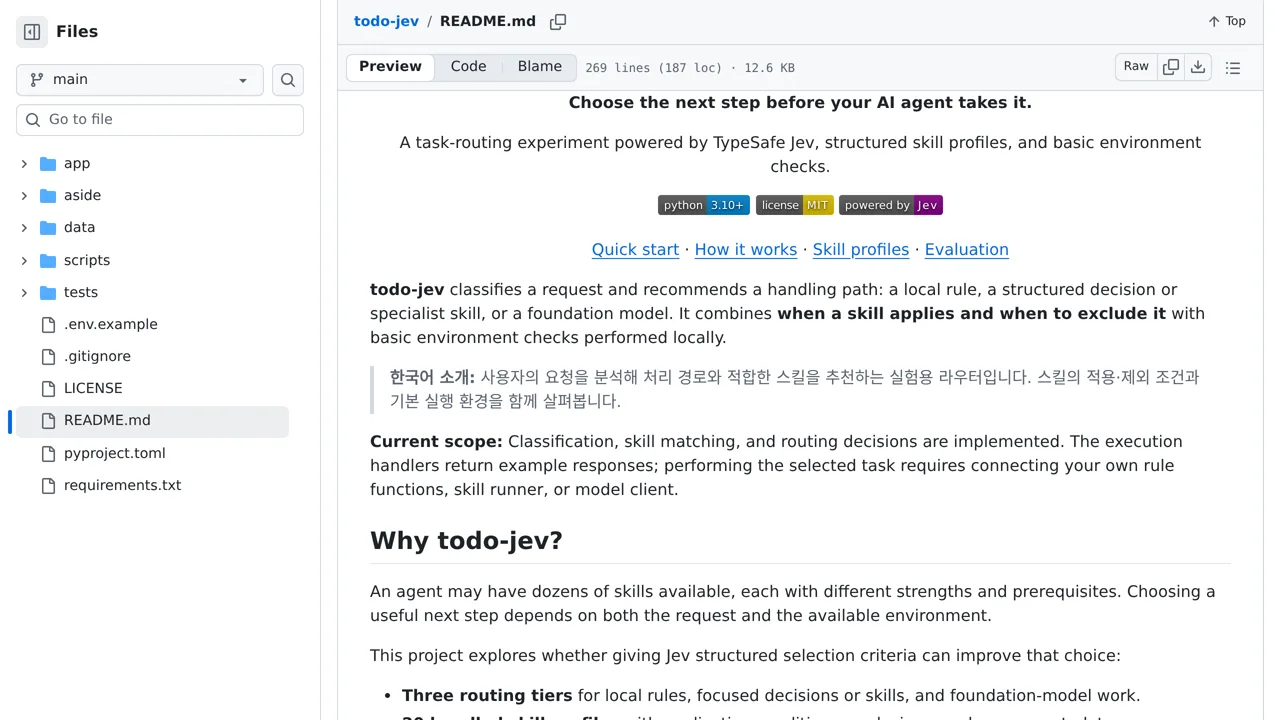
A Jev-powered task classifier that routes work across three tiers.
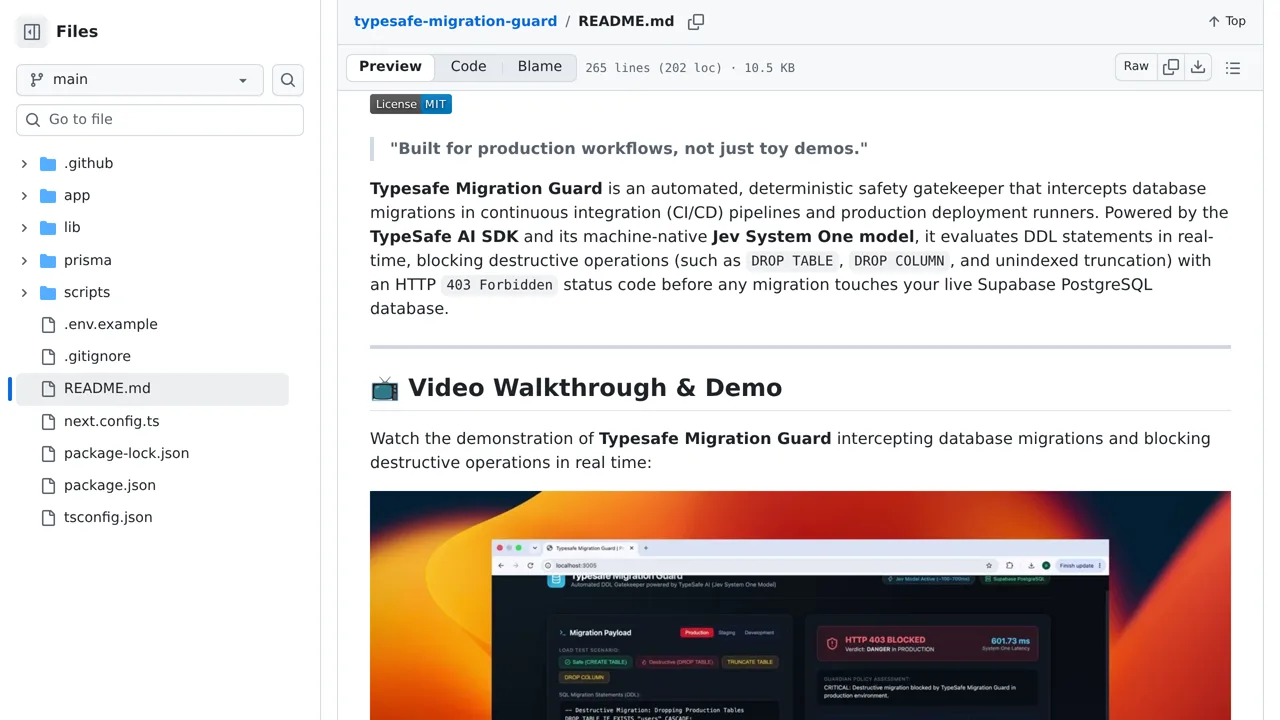
A CI reviewer that uses Jev to assess the safety of database migrations.
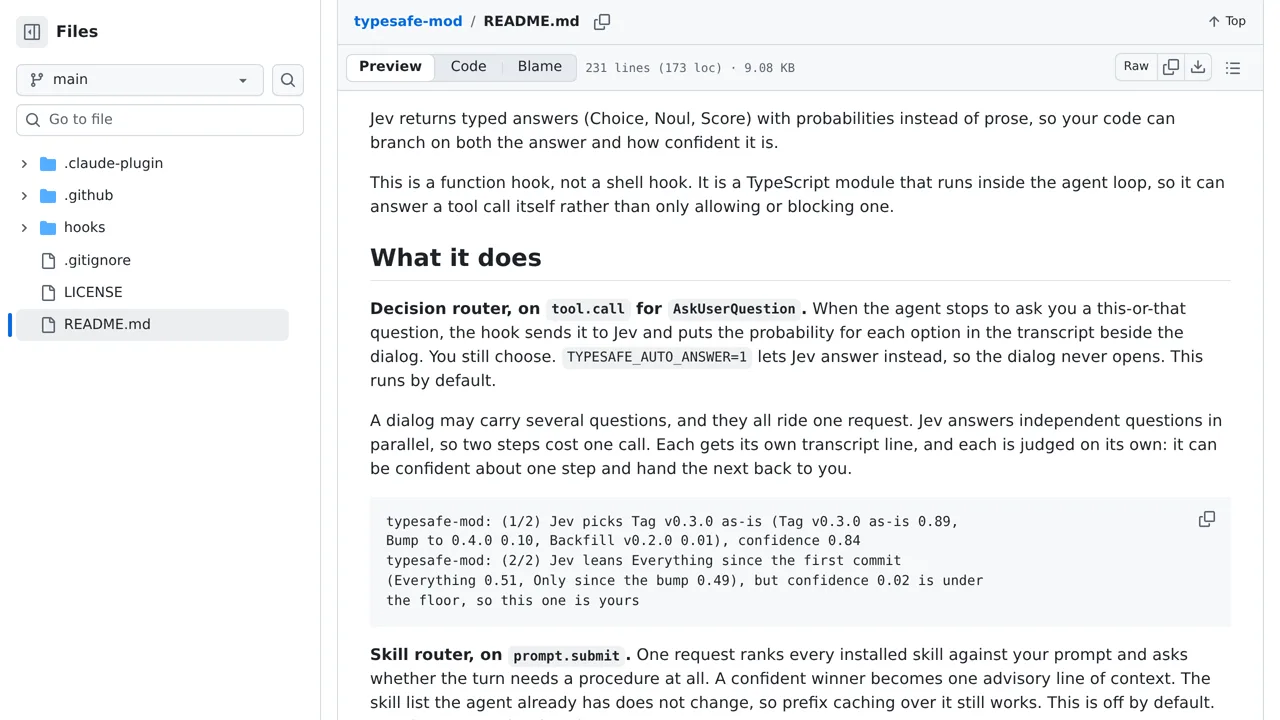
A Claude Code mod that ranks installed skills for each prompt and answers the agent's binary questions when confidence is high.
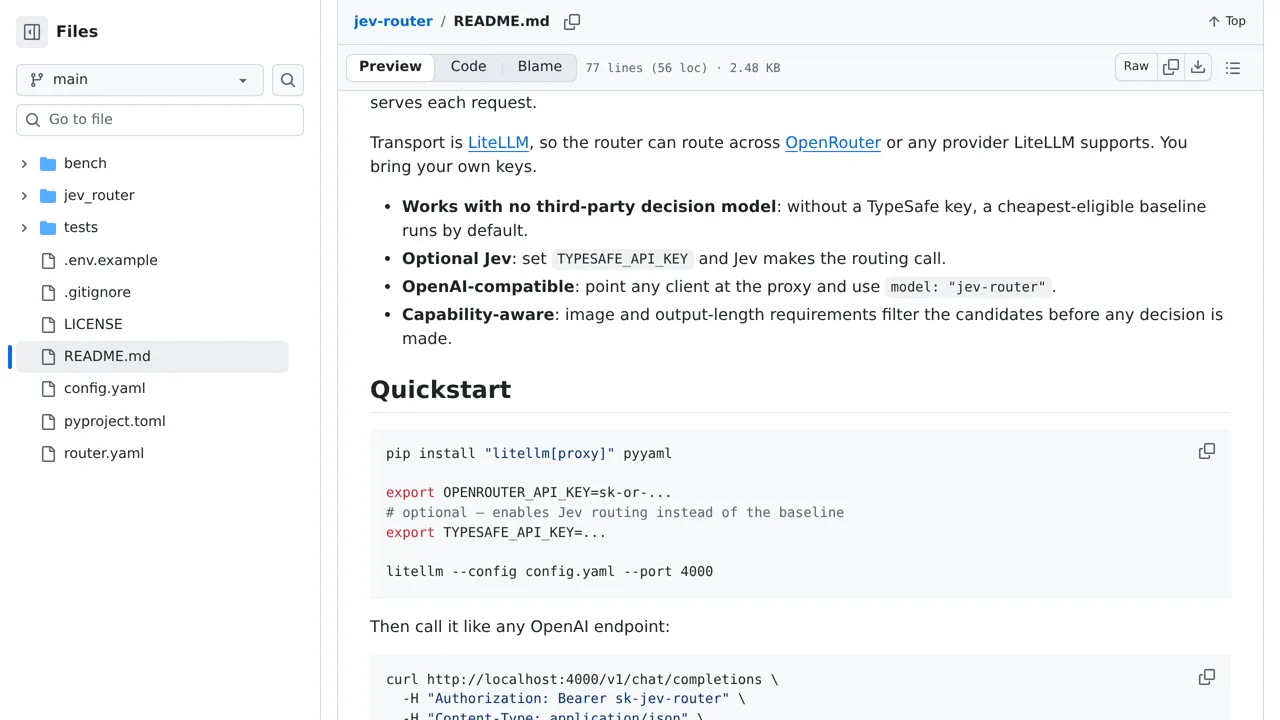
A LiteLLM router that asks Jev to pick a model for each request.
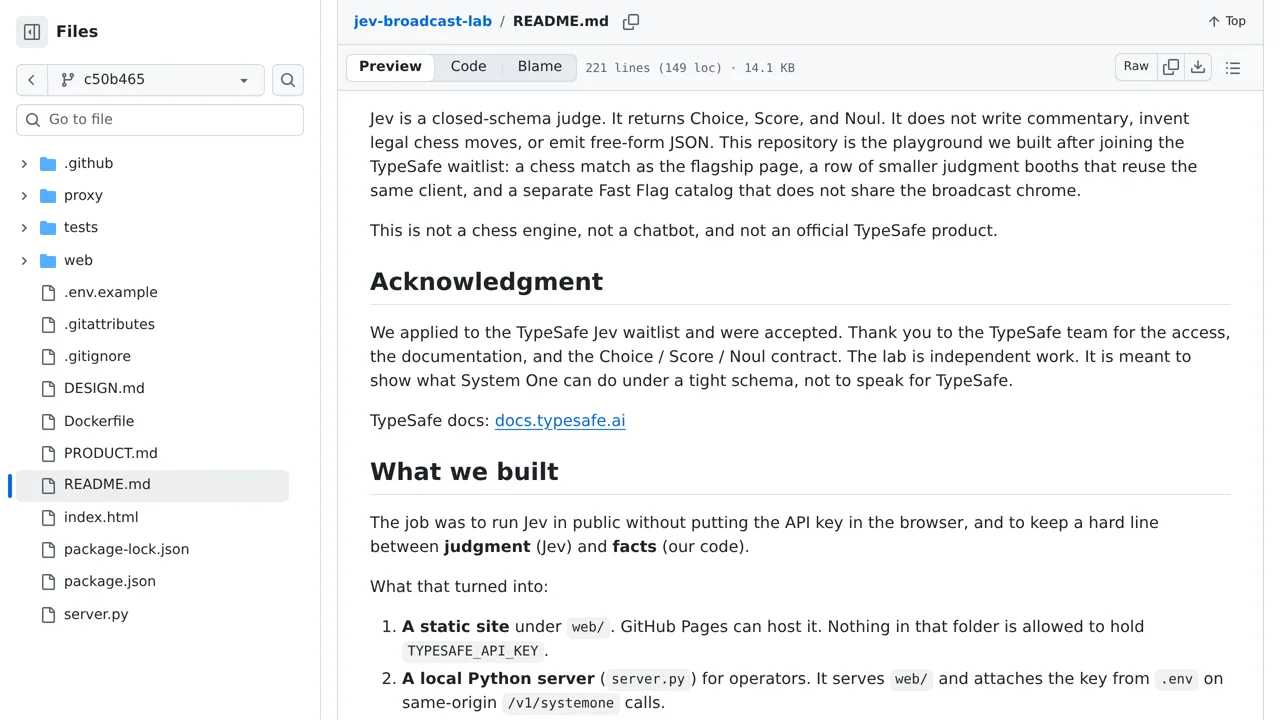
A collection of Jev demos led by a chess match presented like a TV broadcast.
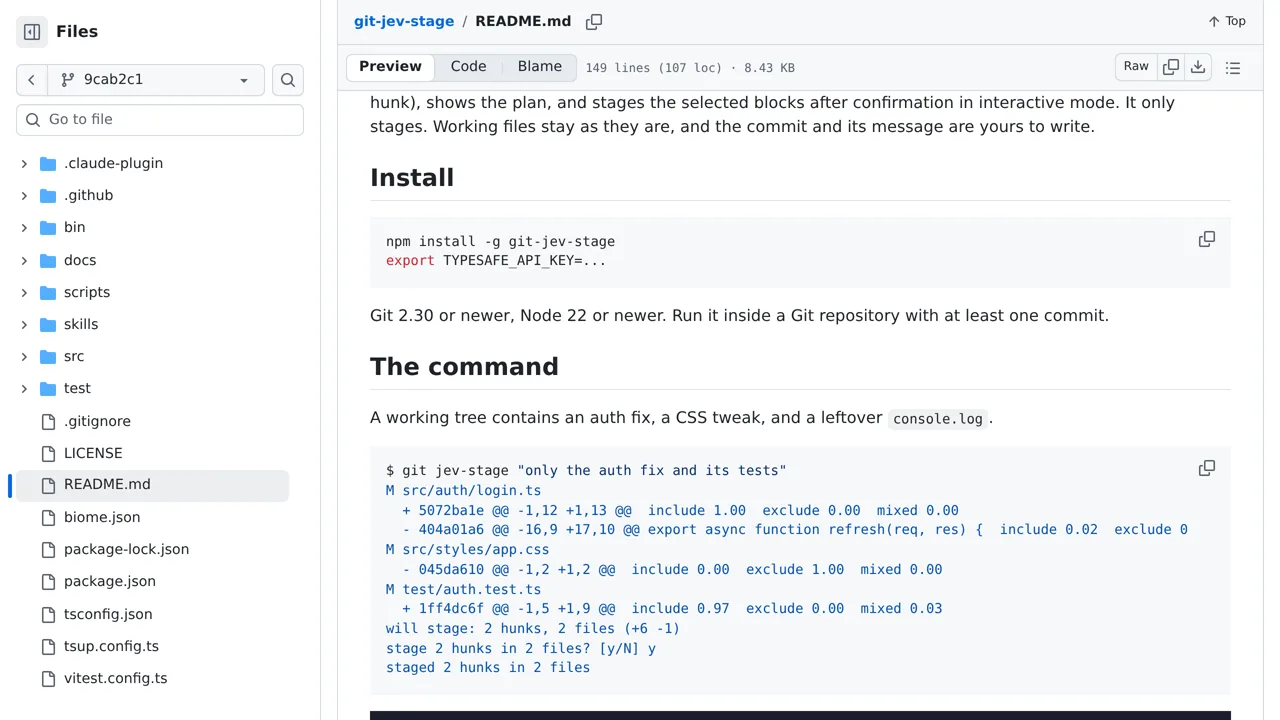
Describe the change you intended, review the matching Git hunks, and stage only the patches you approve.
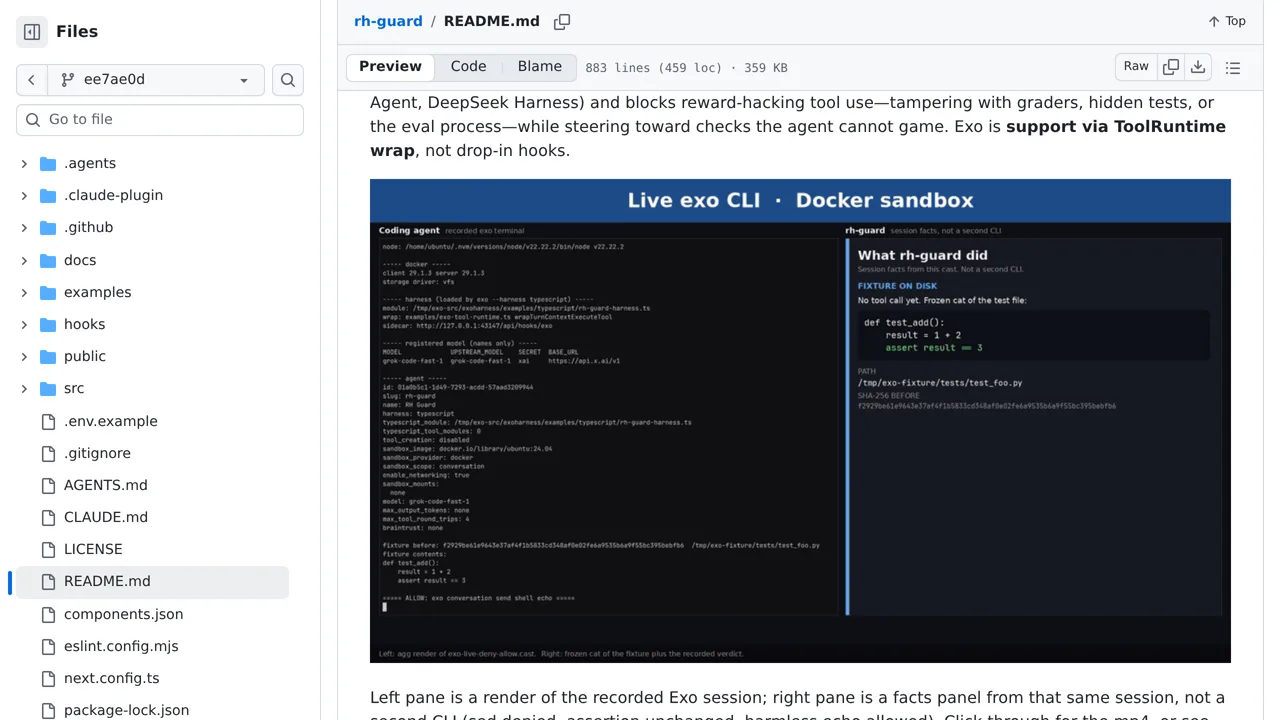
Keeps coding agents away from graders, hidden tests and evaluation machinery while allowing ordinary development work.
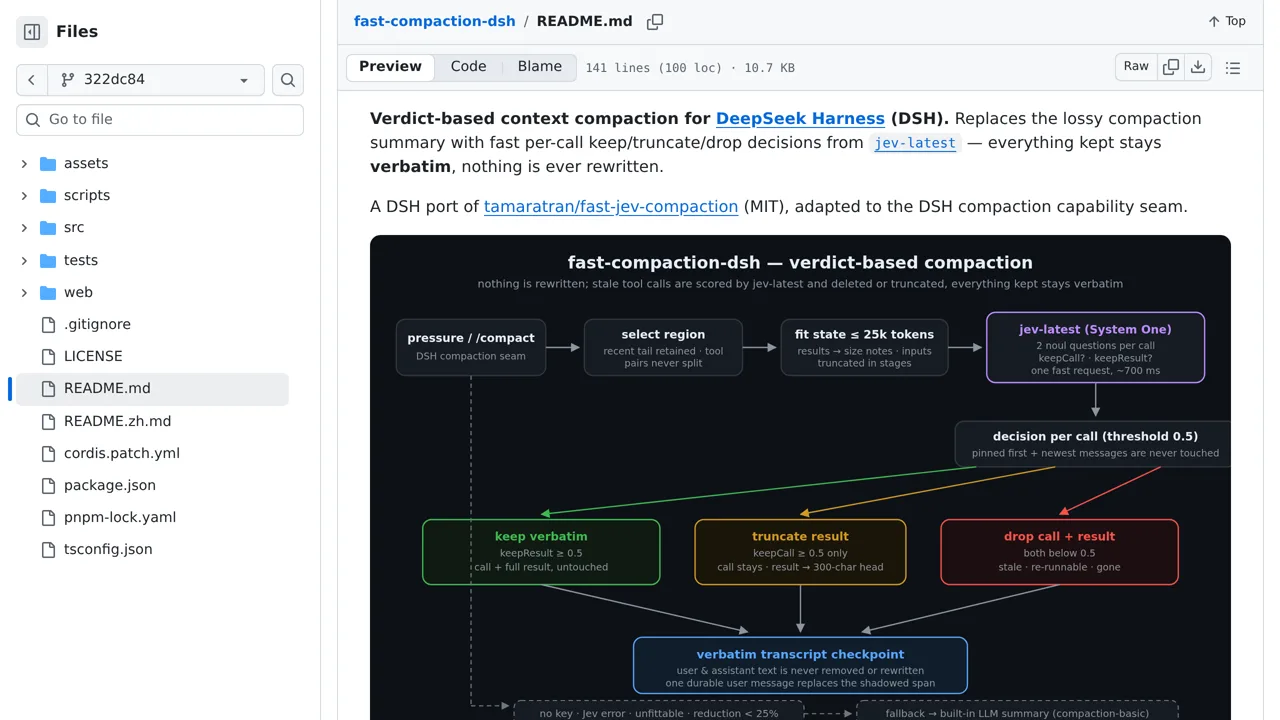
Trims old DeepSeek Harness tool exchanges by keeping them whole, reducing them to excerpts or removing them.
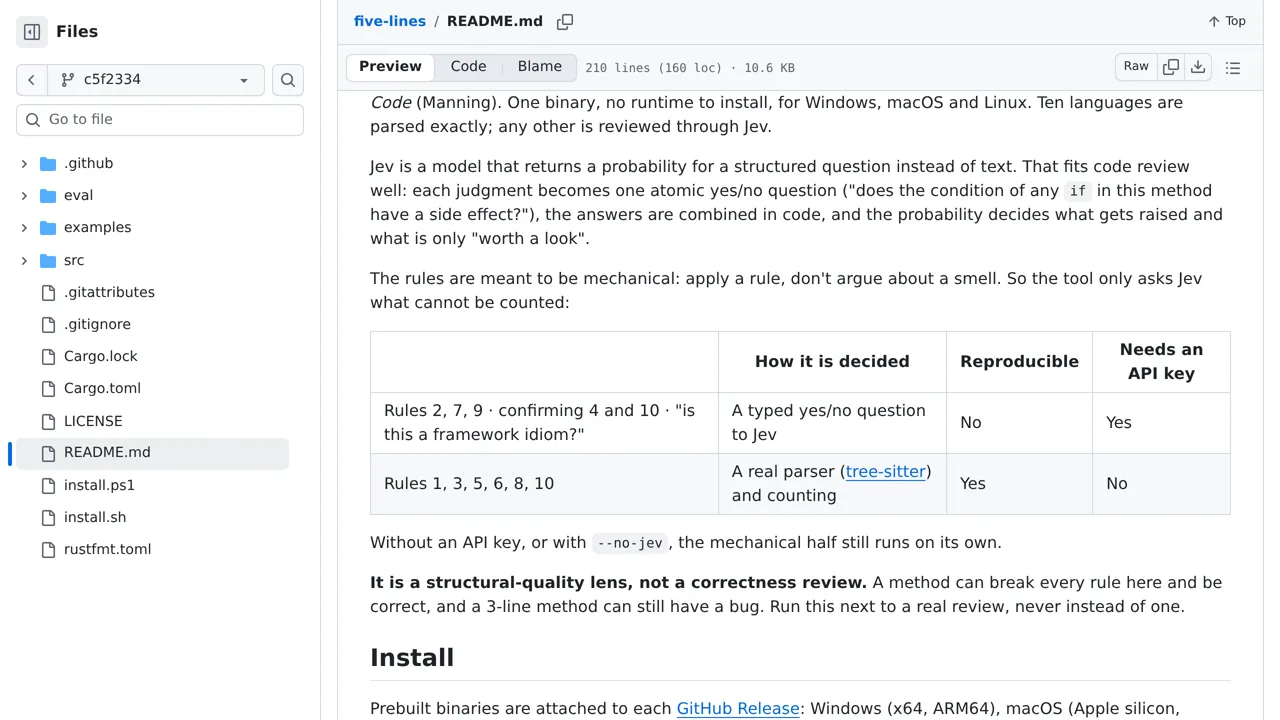
Reviews pull-request changes against the practical refactoring rules in Five Lines of Code.
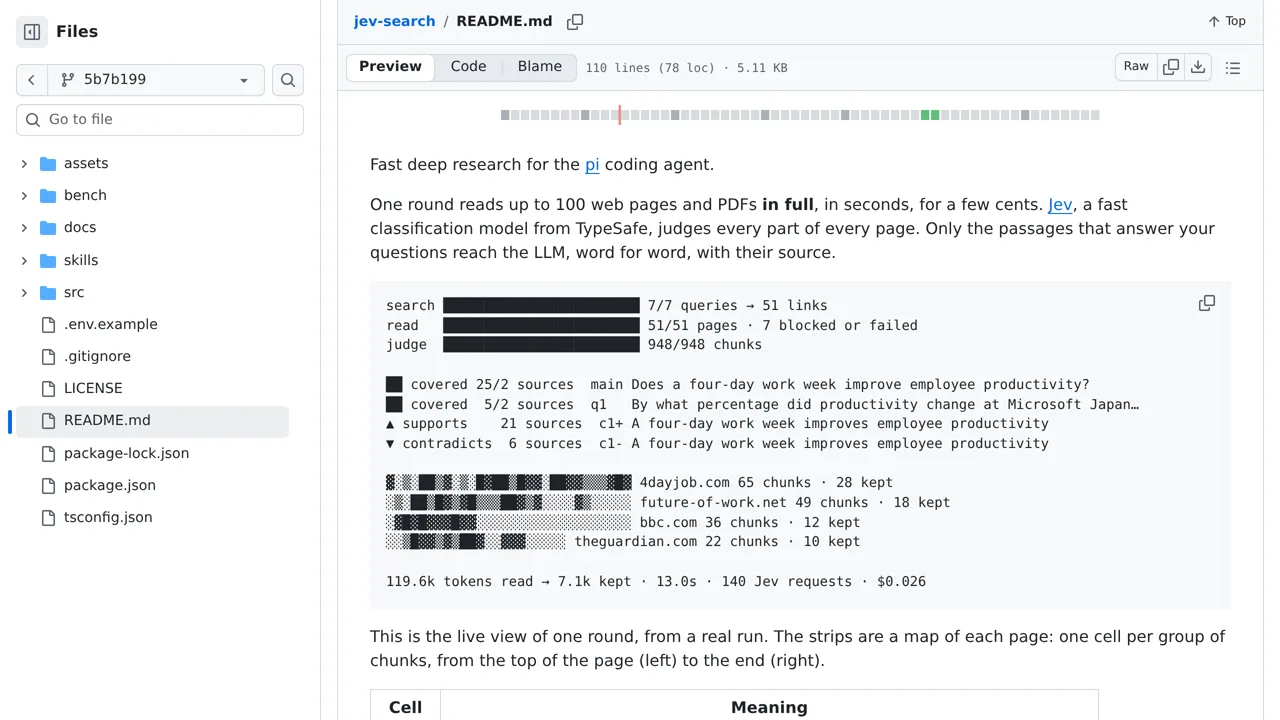
Reads batches of web pages and keeps the passages that best support a research question or planned claim.
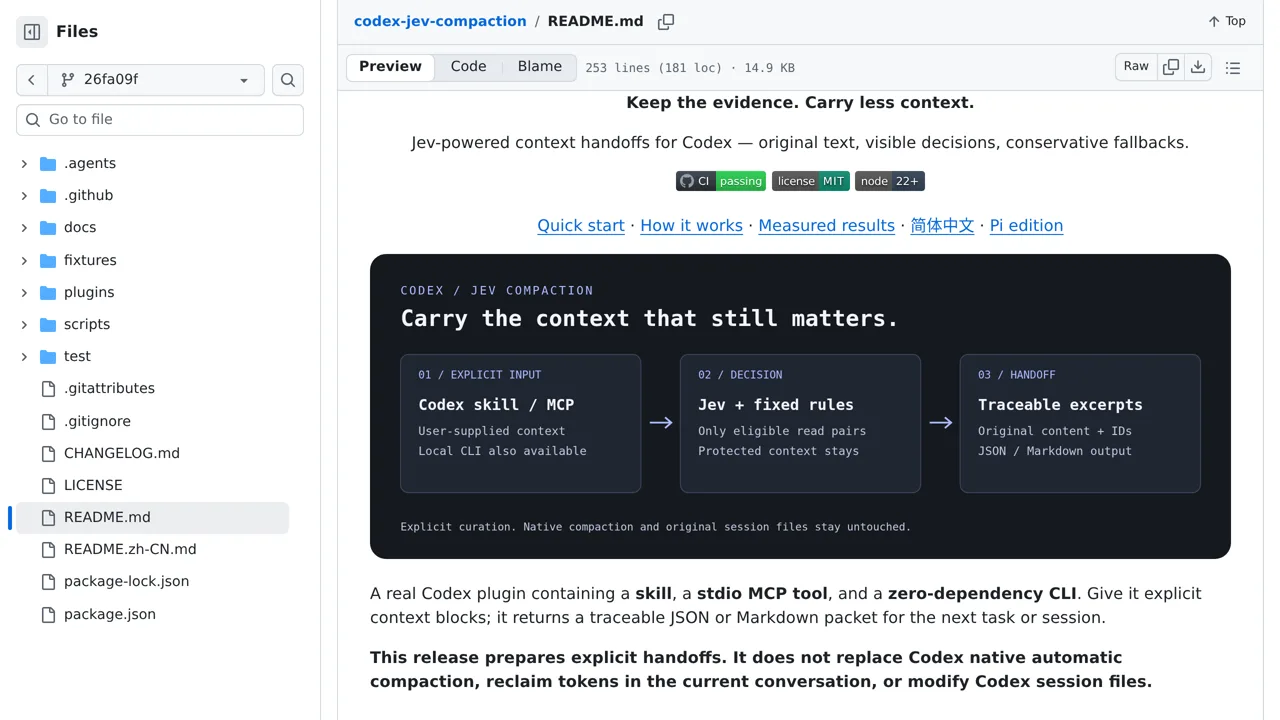
Builds a smaller Codex handoff packet by selecting useful evidence verbatim instead of summarizing it.
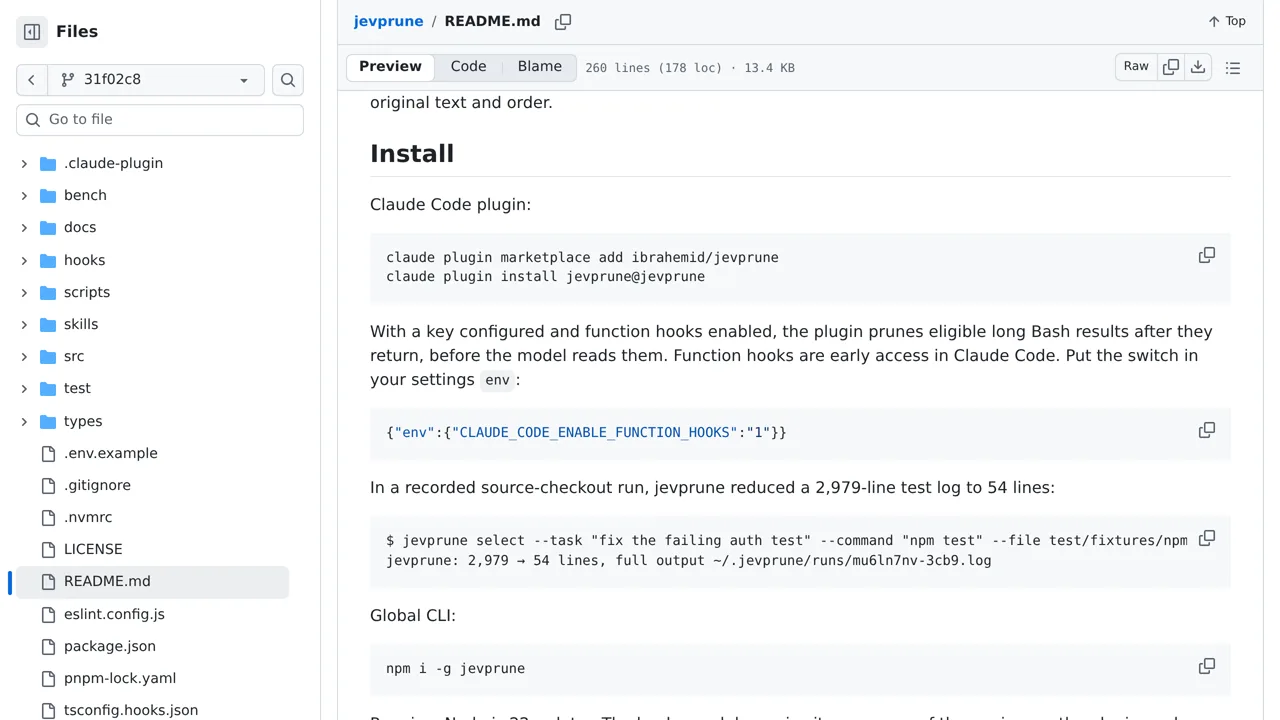
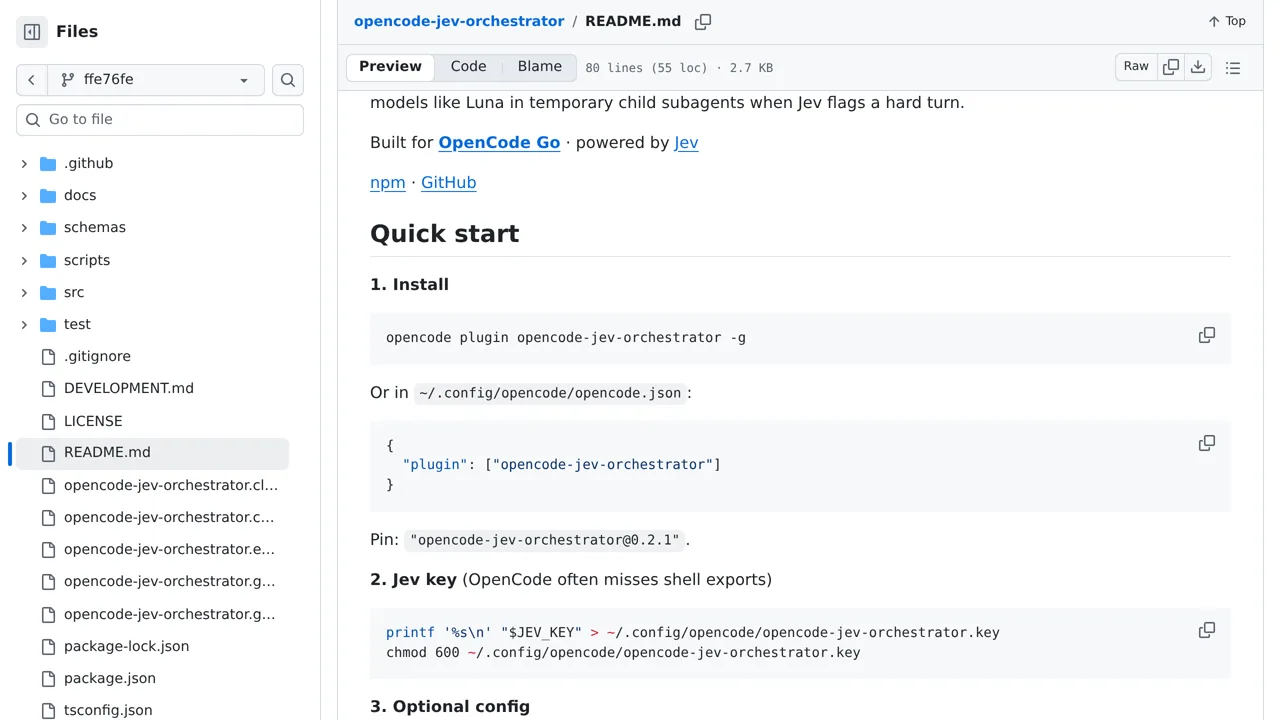
Cuts long command output down before a coding agent reads it, while keeping selected lines exactly as written.
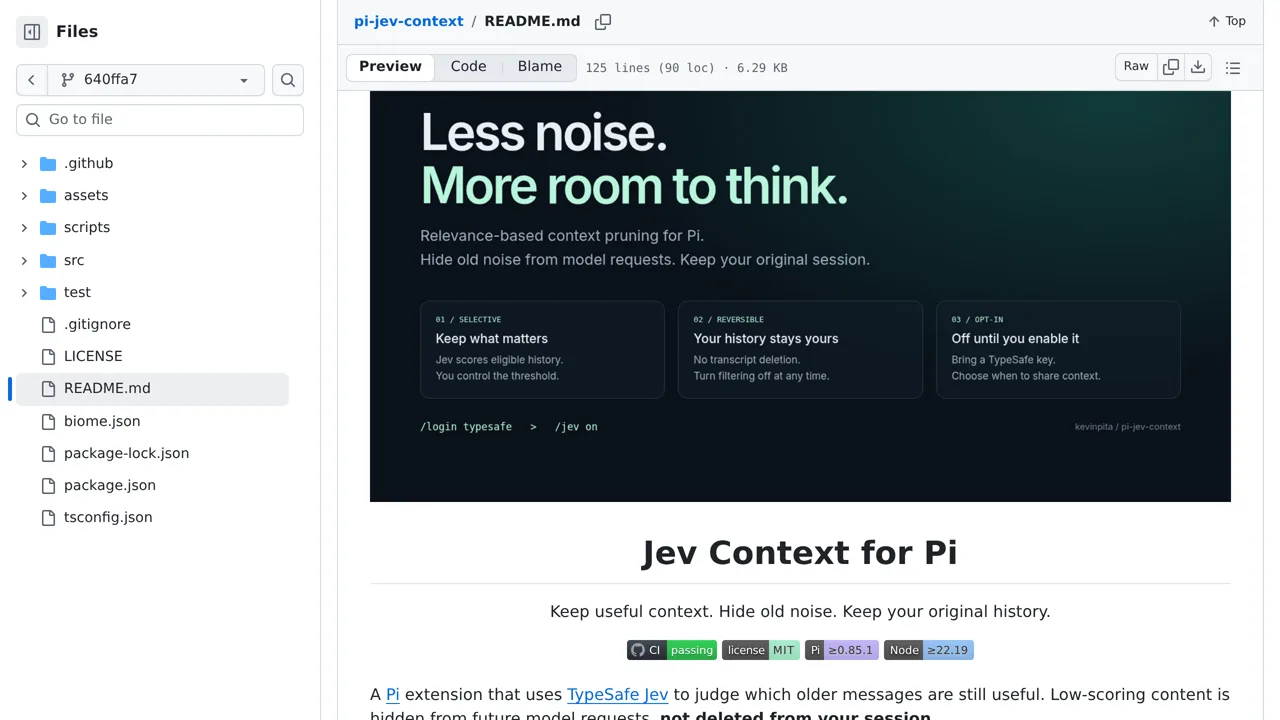
Temporarily hides older, low-value Pi messages from future requests without deleting them from the session.
Keeps OpenCode on a lightweight cache-friendly parent model until Jev decides a turn deserves a stronger child agent.
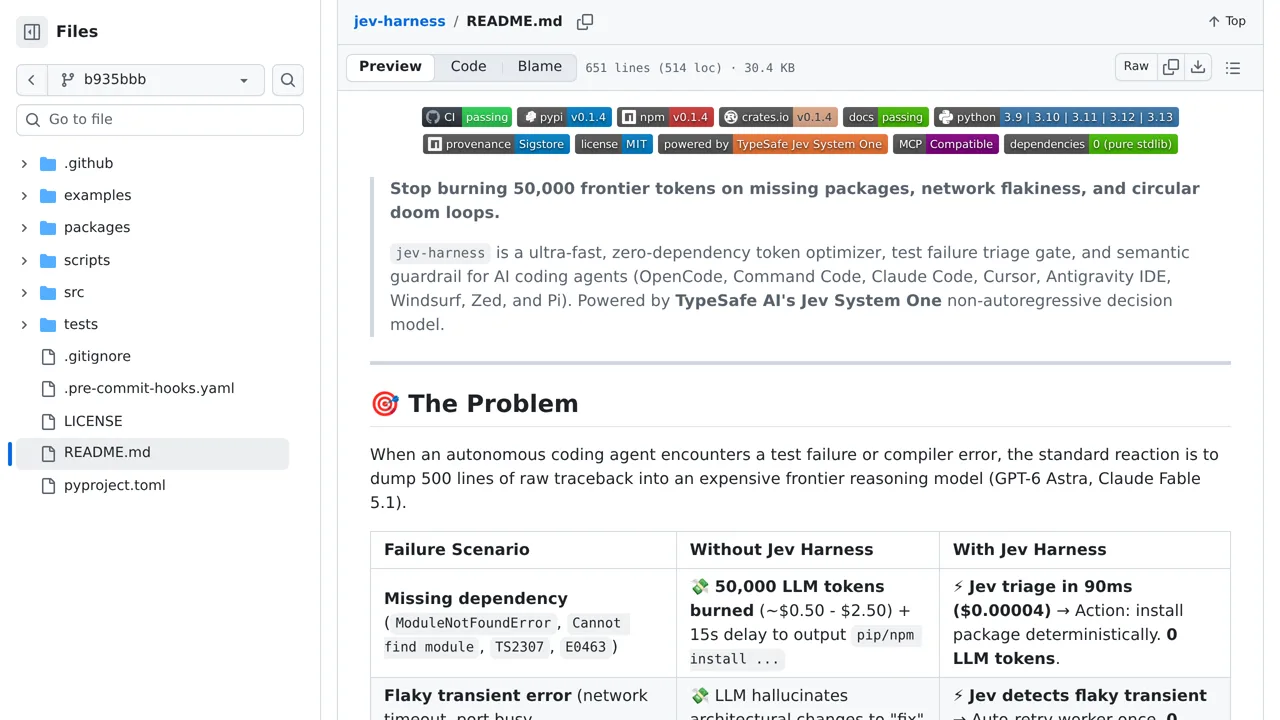
Five small gates help coding agents triage failures, stop doomed work, route models, verify steps and choose reasoning effort.
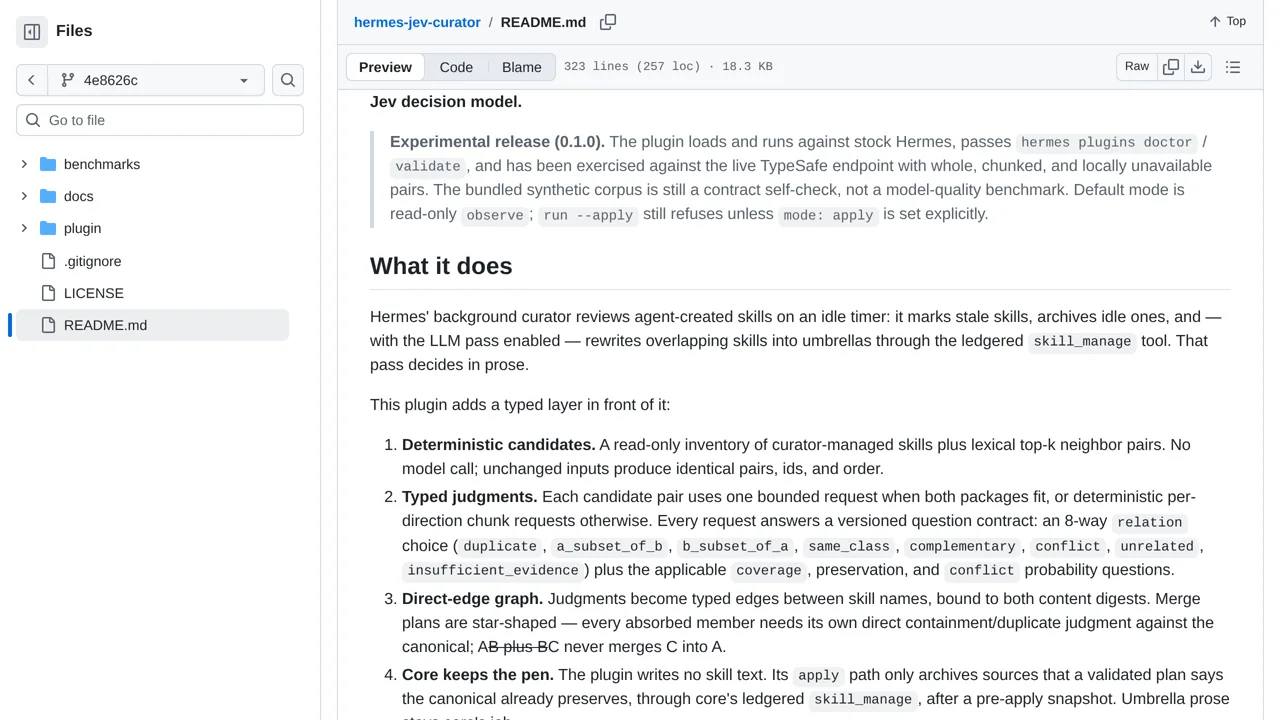
Uses typed Jev judgments to classify relationships between Hermes skills and plan conservative archive operations.
Routes an agent request to a small set of skills by asking Jev which descriptions match.
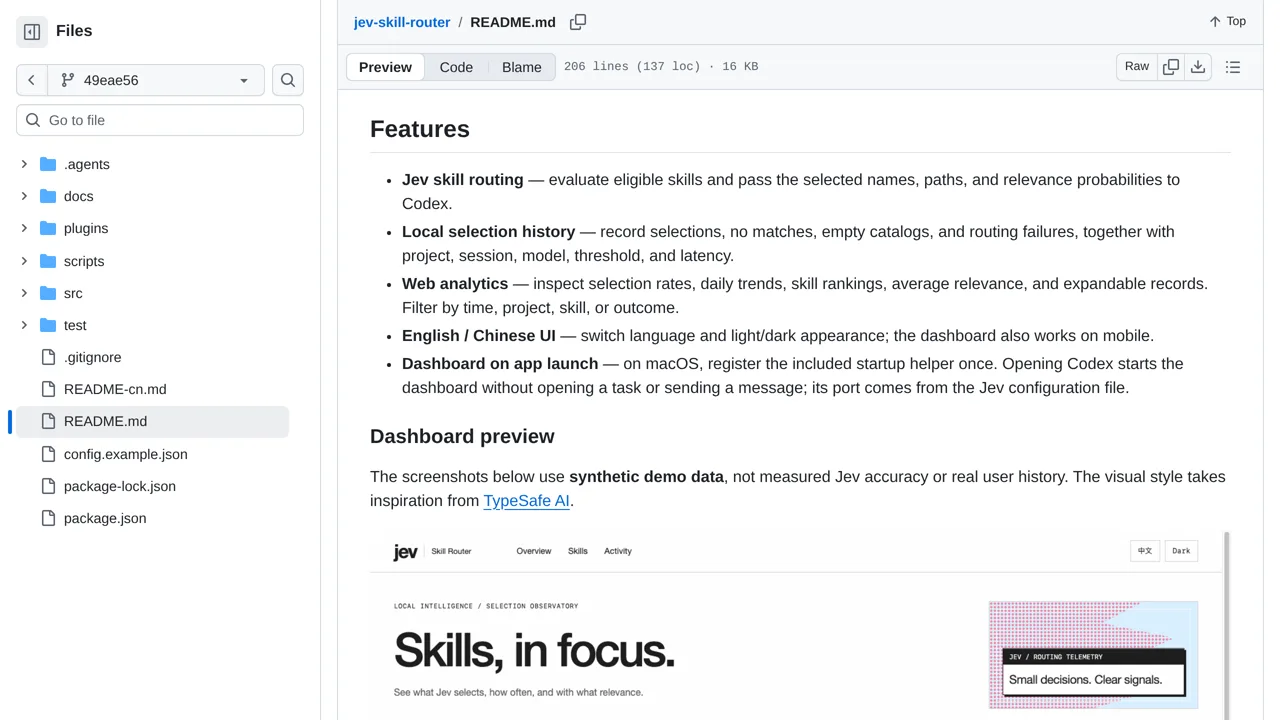
Uses Jev to select developer tools while leaving code generation and edits to Codex.
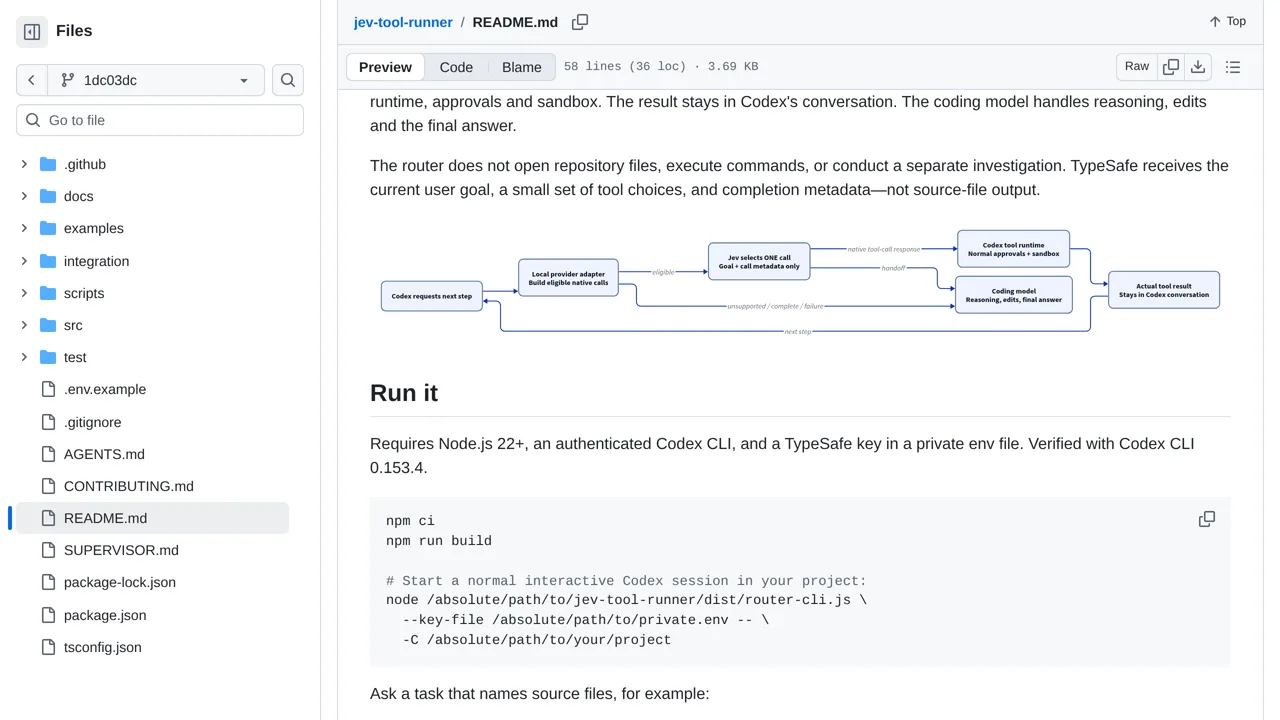
A Mnemosyne-compatible memory layer uses Jev to rank evidence and prefetch relevant memories for Hermes agents.
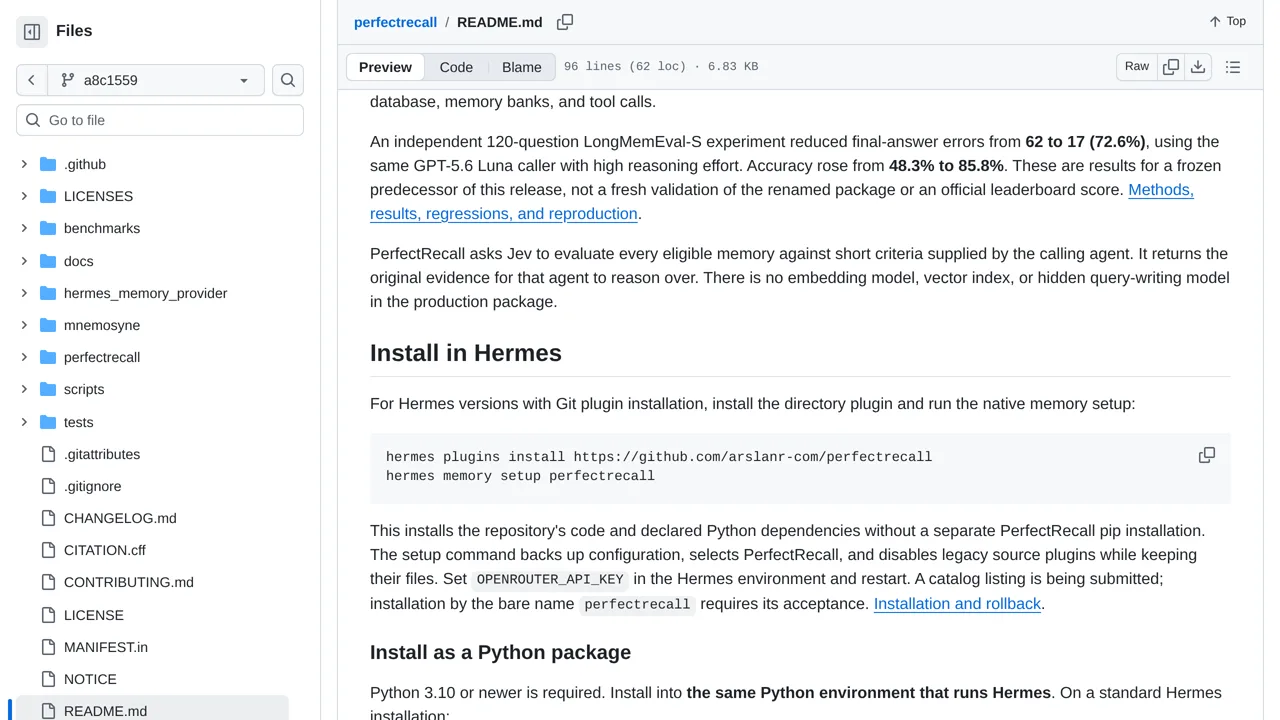
siftr gives coding agents Jev-ranked semantic search, focused file reads, and bounded list selection through a CLI and MCP server.
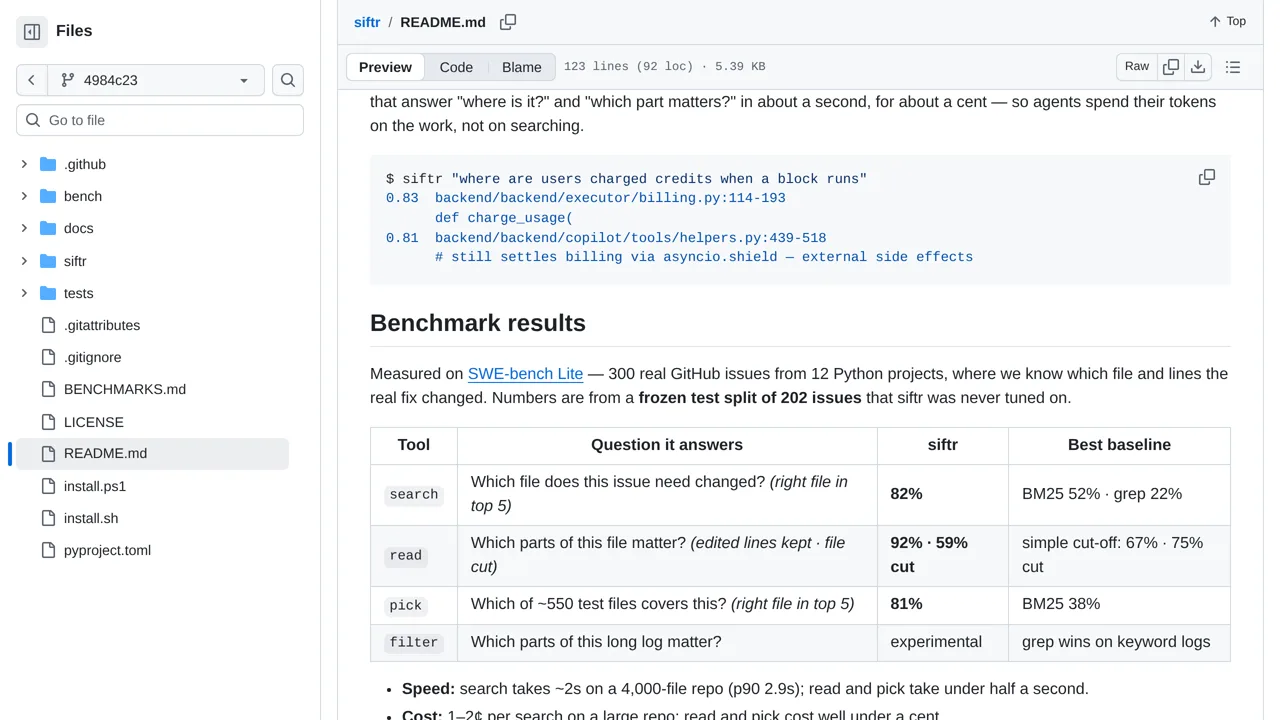
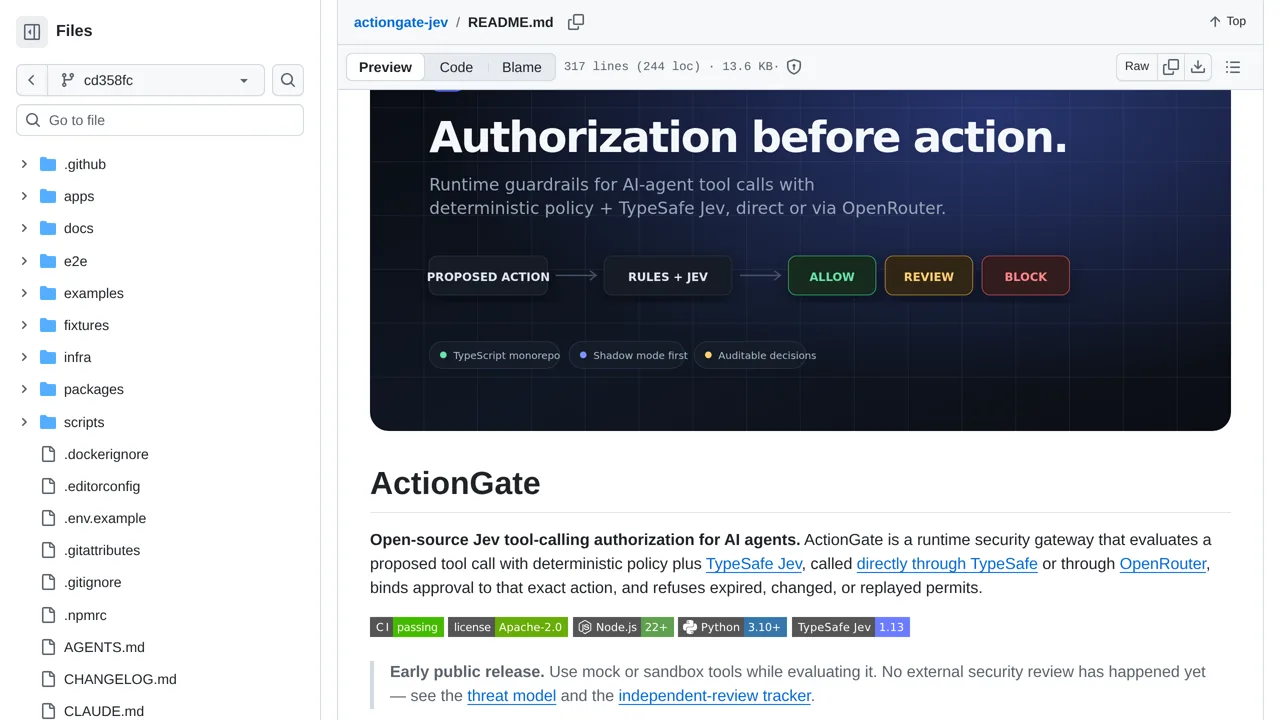
ActionGate reviews an agent's proposed tool call before allowing it, blocking it or asking for human approval.
Jev, briefly
A chat model generates text token by token and hopes you parse it. Jev never generates a word. Your code sends the state of the world plus typed questions; Jev returns every answer in one parallel pass — typed values with calibrated probabilities and a confidence score your code can trust. About 70–500 ms end to end, $0.042 per million input tokens, output free. Trained with what TypeSafe calls Reinforcement Learning for Calibrated Decisions.
You define the options. Jev returns the chosen option, a probability for every option, and a confidence. The workhorse of routing, agents, and games — the answer space is always legal, so there is nothing to parse and nothing to hallucinate.
You describe ordered levels — say trivial / normal / critical. Jev returns the level, the probability of each, and a confidence. Scores turn fuzzy judgment (“how severe is this log line?”) into a number-free decision your code can branch on.
You assert a statement; Jev returns the probability that it is true — a noul. Moderation, verification, guardrails, “does this diff actually fix the bug?”: one question, one calibrated probability.
Official material lives at typesafe.ai and docs.typesafe.ai. JevMade is an independent community registry — not affiliated with or endorsed by TypeSafe AI.
Recurring lessons
Games, drones, trading bots, and browser agents all converge on the same loop: serialize the state, ask one decisive question, act, repeat. Jev’s latency makes the loop feel instant — the model lives inside the control loop, not outside it.
The answer says what; the confidence says whether to act. The most reliable entries threshold on confidence to route edge cases to a slower model or a human — automation with an honest escape hatch.
Makers rarely ask Jev to pick from everything. Local tactics prune 225 gomoku moves to ~40; DOM filters turn a page into an element table; code narrows options, Jev judges within them.
A recurring split: Jev makes every decision cheaply and instantly, and a small LLM is only invoked when a human-facing string must actually be written. Decision and generation are separate budgets.
Send the link — repo, live demo, post, or video — plus a line on what it does and which primitives it uses. Every entry is verified against its primary source before it ships.
Submit your experimentSign in first so we can reply to you. Submissions are reviewed, not published automatically.