Read & learn
Written guides.
Understand Jev, one idea at a time. Walkthroughs, recipes, and writeups — our notes first, the original next.
Learn, build, and play with Jev — from deep technical guides to creative experiments.
Read & learn
Understand Jev, one idea at a time. Walkthroughs, recipes, and writeups — our notes first, the original next.
Watch & learn
See an idea take shape. Tutorials, demos, and deep dives, organized by topic and credited to their creators.
Make & explore
See what builders made with Jev. Games, tools, repositories, articles, and more — traced to their sources.
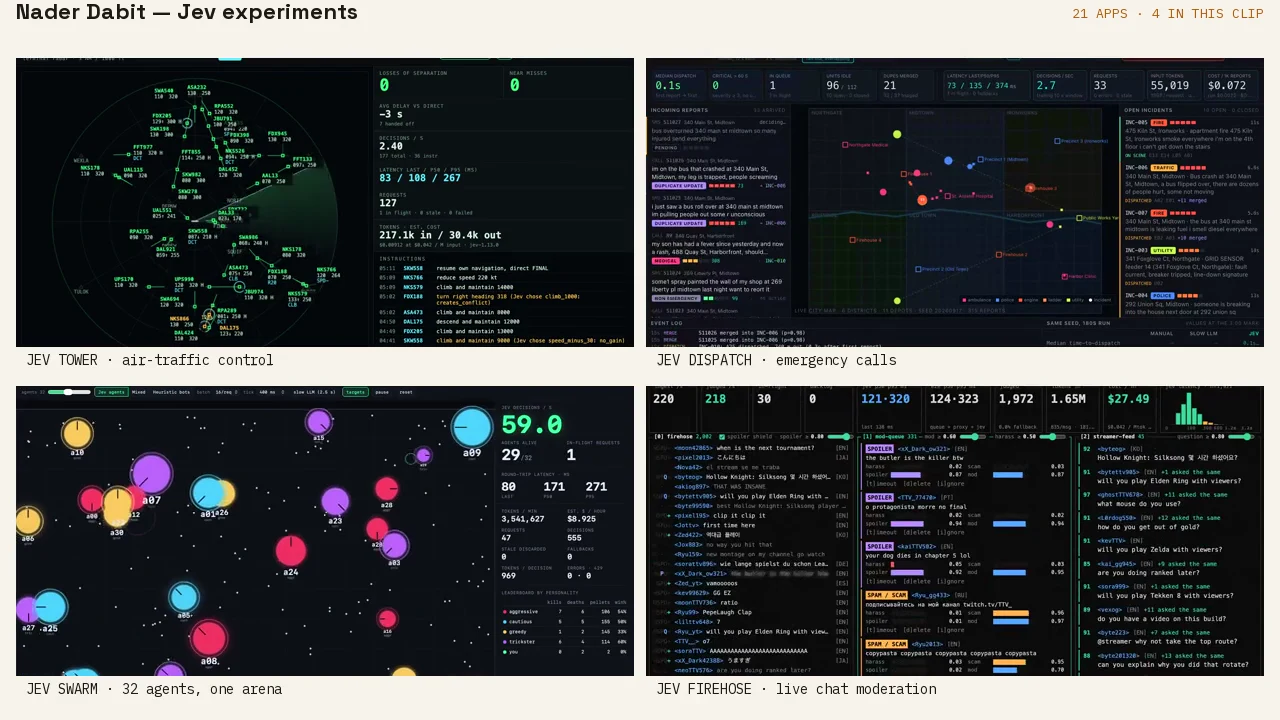
Every category, from games and tools to repositories and writeups, traced to a primary source.
Same ideas.
Different paths.
This is the full registry, not just the featured picks. Figures like speed, cost, and stars are maker-reported or captured snapshots, not JevMade measurements.
394 experiments · showing 121–180
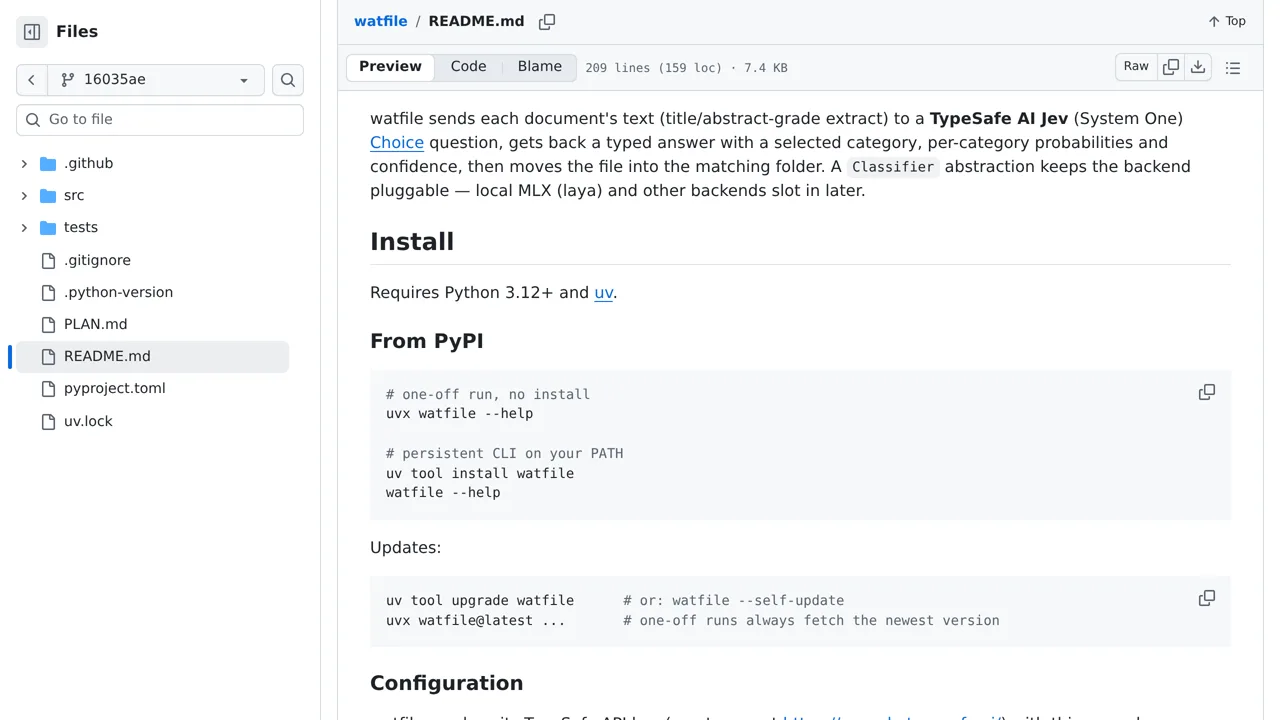
Sorts documents into your folders by choosing the best category for a short extract from each file.
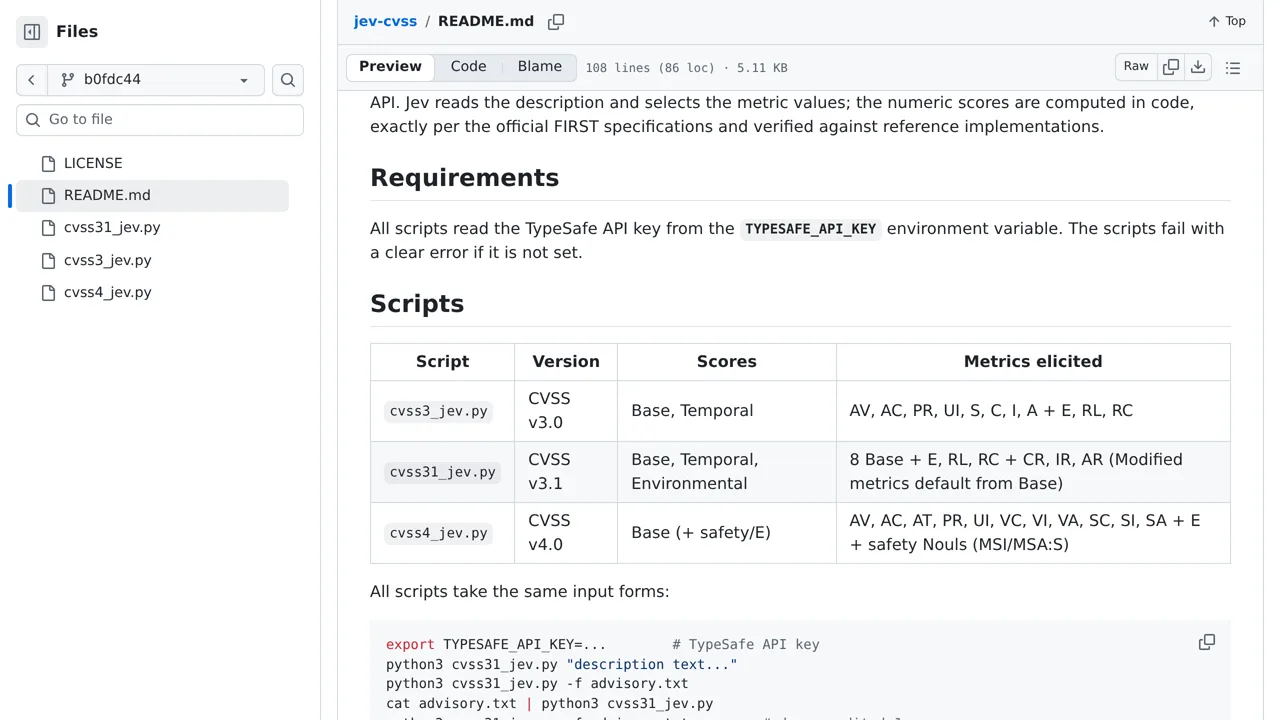
Maps vulnerability prose onto CVSS 3.0, 3.1 or 4.0 metrics, then calculates the official vector and score in Python.
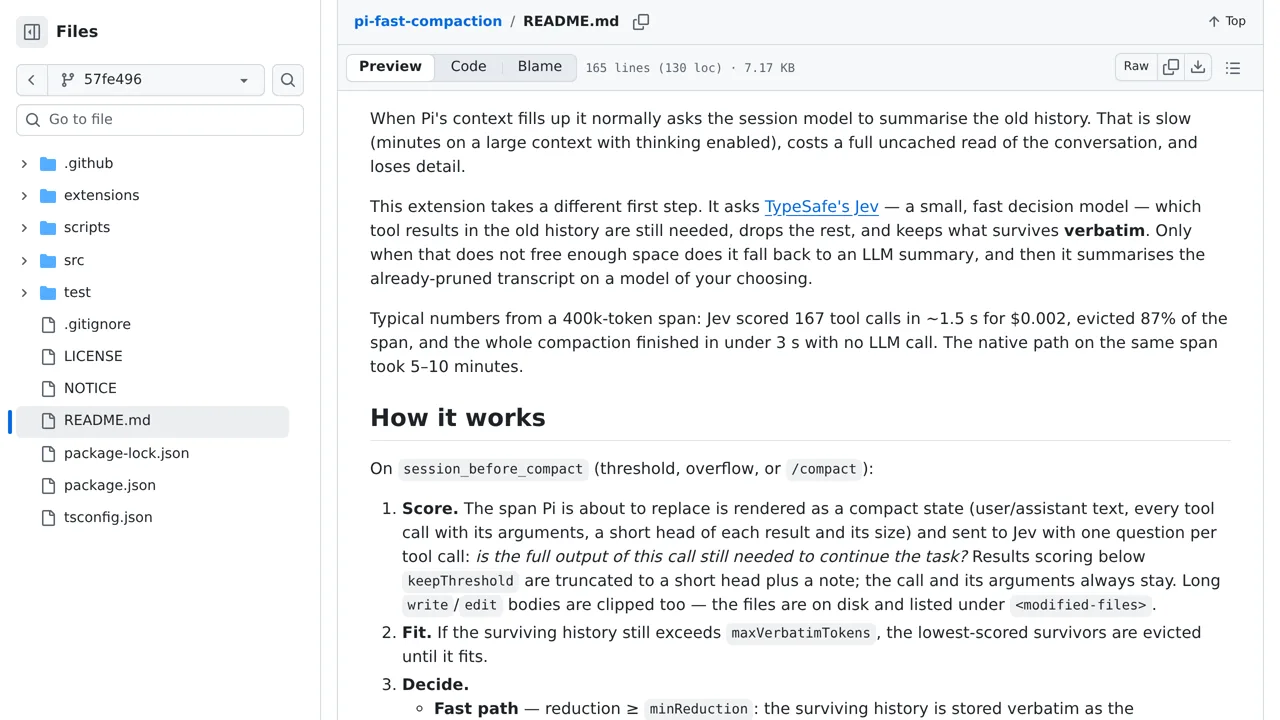
Keeps useful old Pi tool results verbatim and calls the normal summarizer only when the context is still too large.
Finds real libraries on GitHub or crates.io, then ranks the candidates for fit, maturity and documentation.
A Node.js toxicity screener tuned for romanized, code-mixed Indic text, with language and obfuscation signals beside the verdict.
A roleplaying game that experiments with Jev choosing which story events should happen.
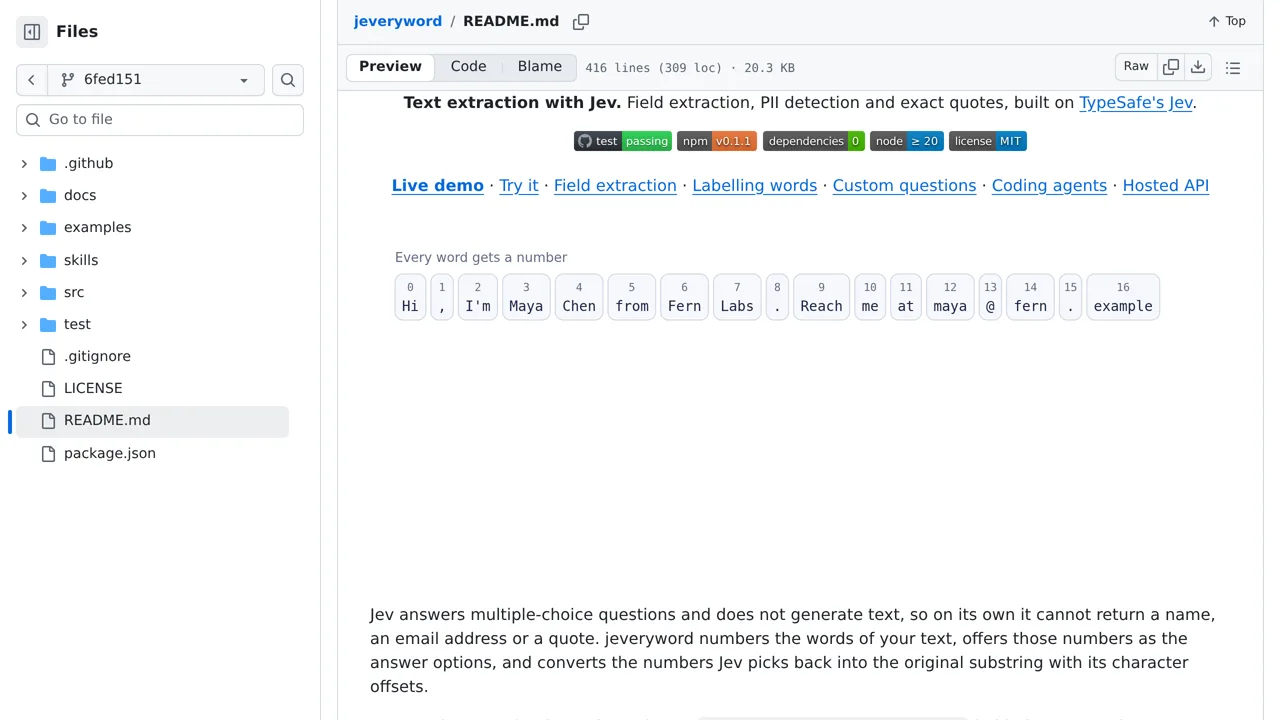
Extracts exact spans by numbering a text's words and letting Jev choose token IDs instead of generating strings.
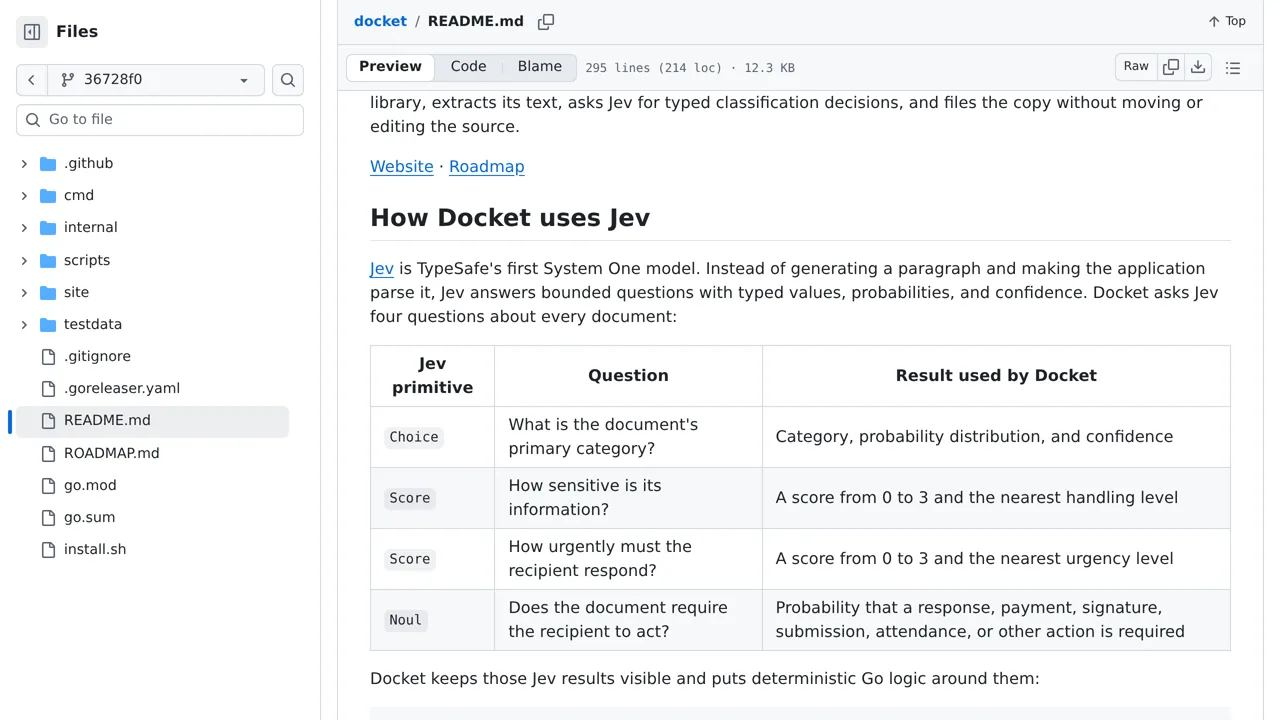
A Go terminal app that copies documents into a library, classifies them and shows Jev's raw judgments beside practical handling advice.
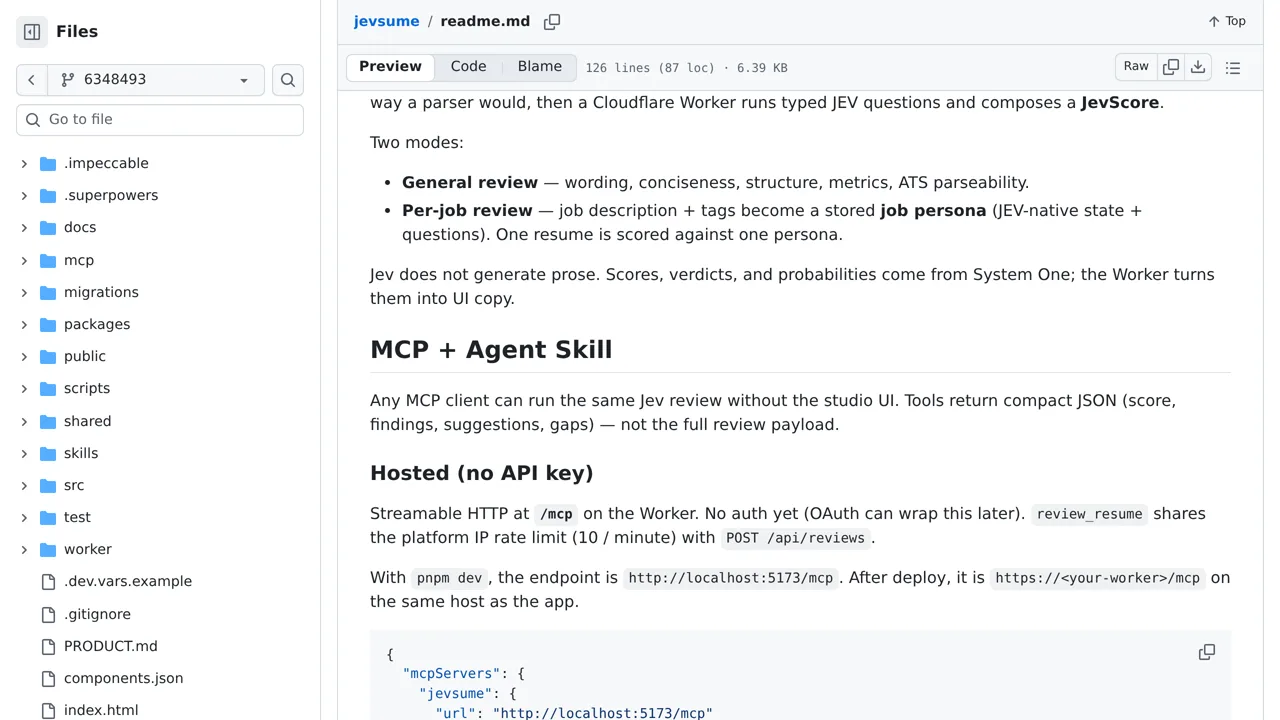
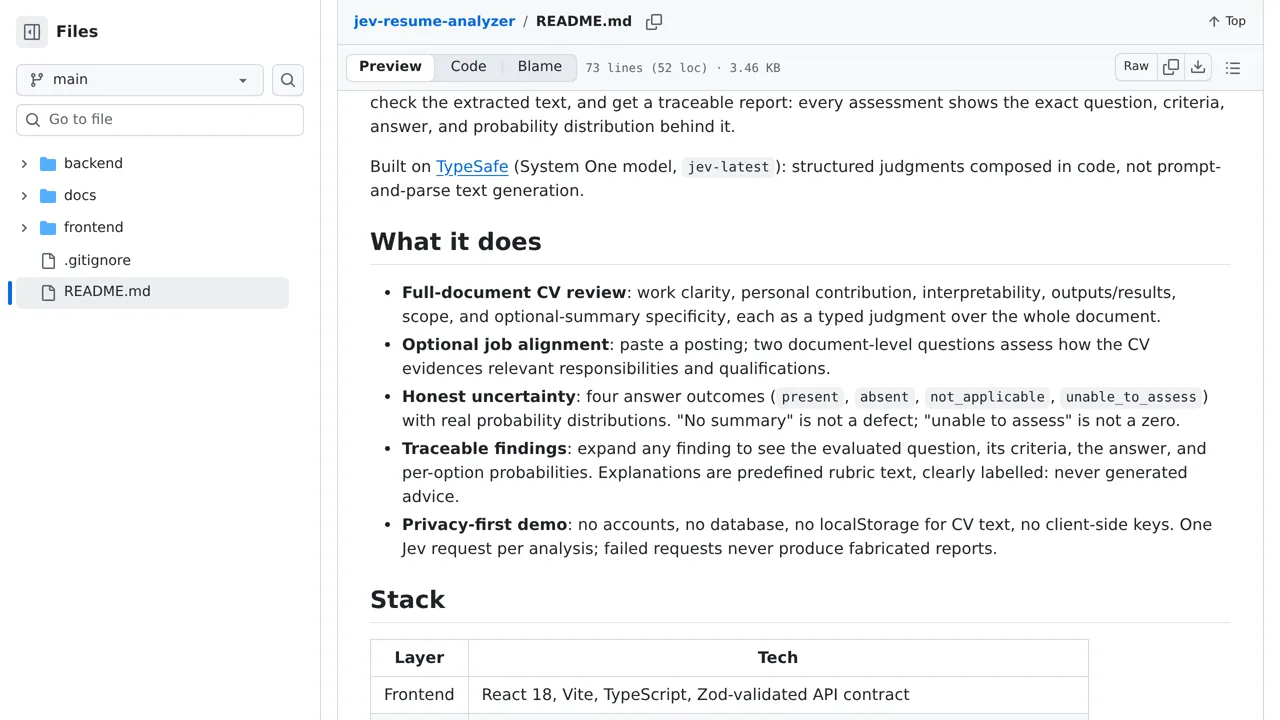
A resume reviewer that asks Jev about wording, structure and fit for a particular job.
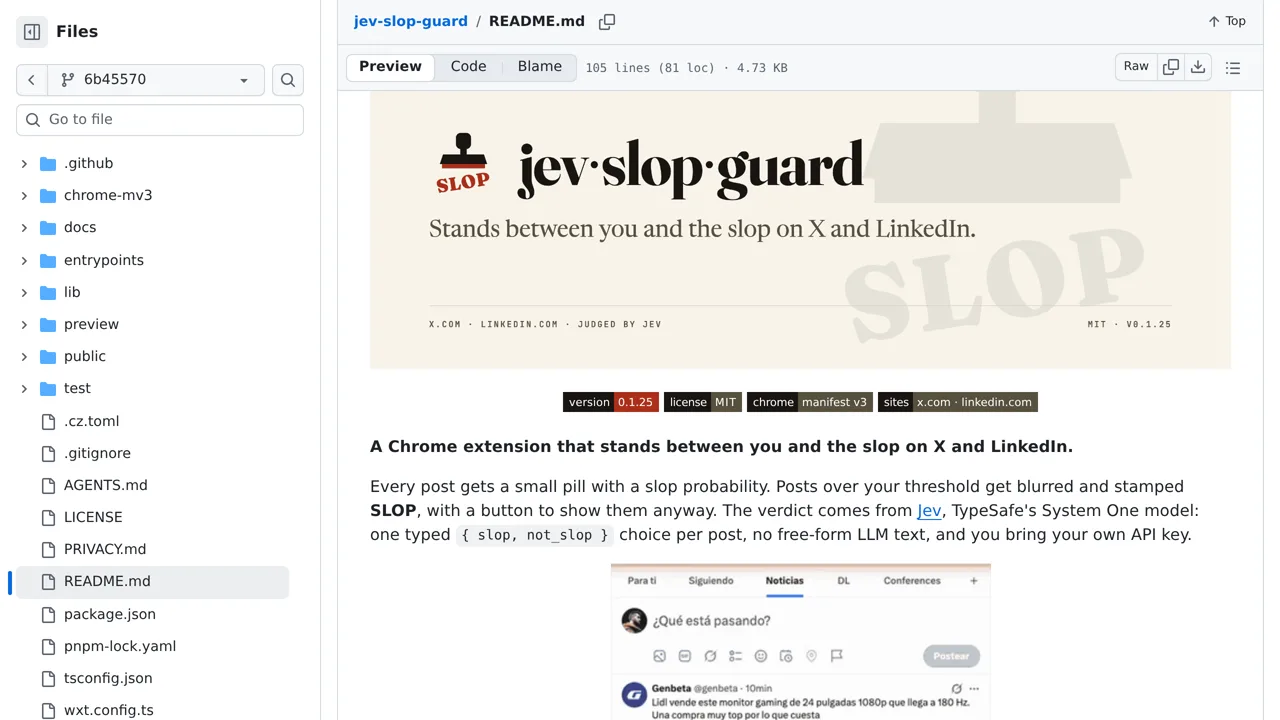
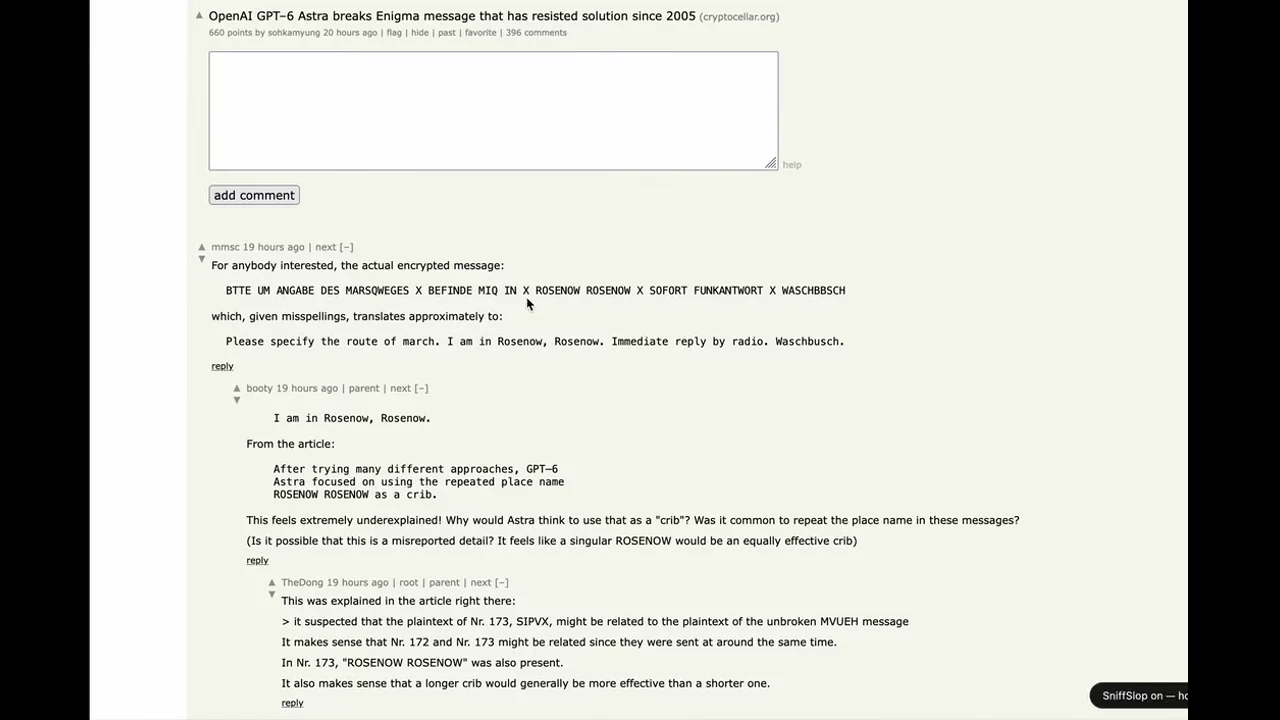
Blur posts on X and LinkedIn when a Jev judgment crosses your chosen slop threshold, with a way to reveal them.
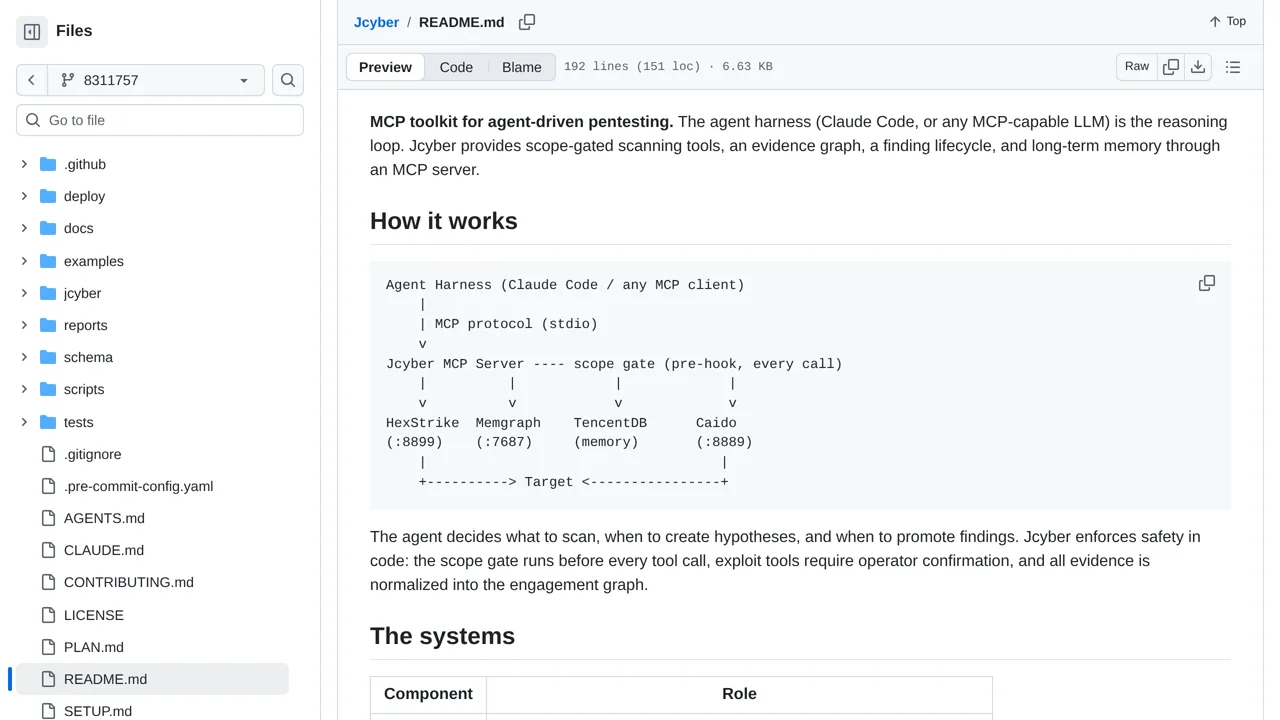
Adds fast severity and duplicate-evidence classifiers to a scope-gated MCP toolkit for agent-driven penetration testing.
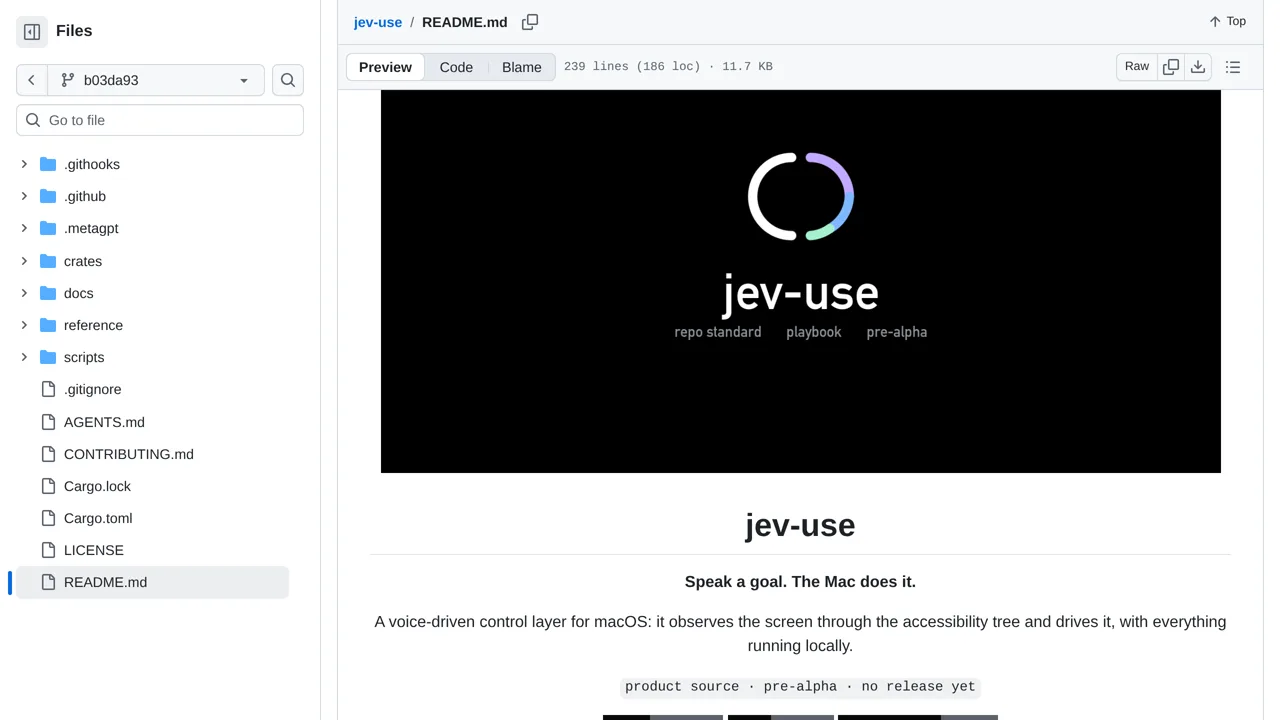
Turns spoken commands into macOS accessibility actions, consulting Jev only when deterministic matching cannot decide.
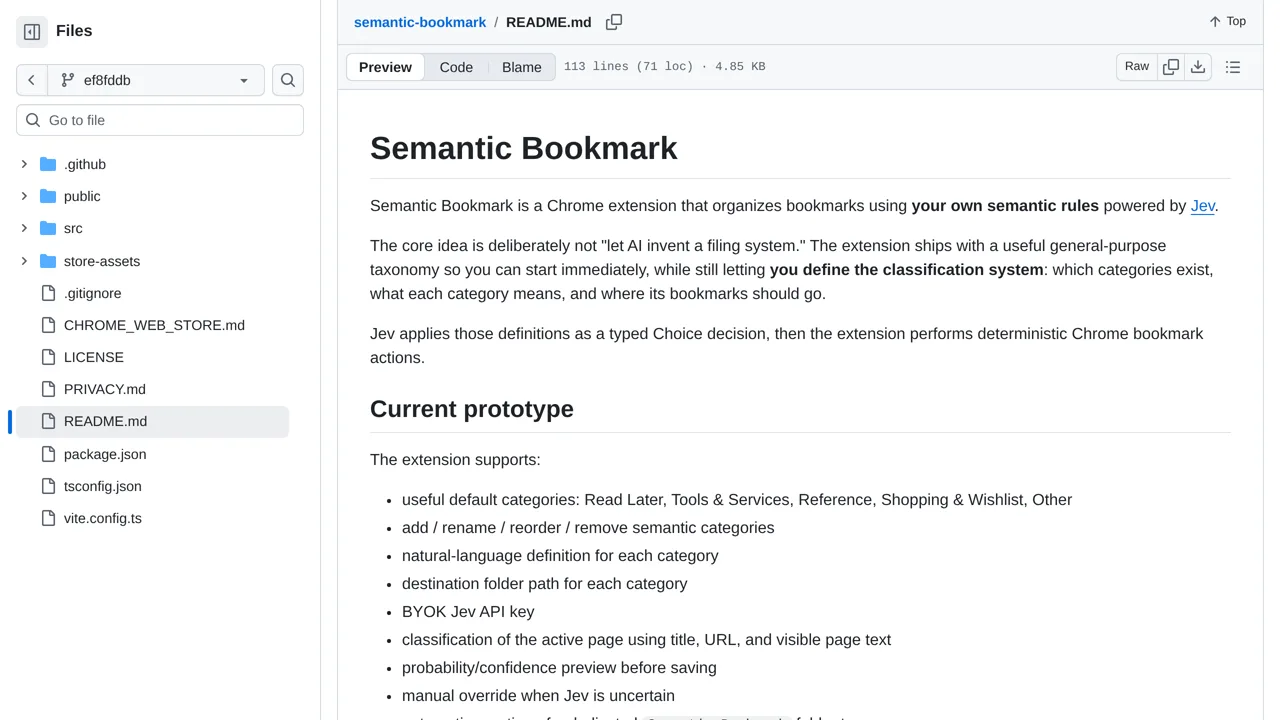
A browser extension uses Jev and user-written rules to organize bookmarks into semantic groups.
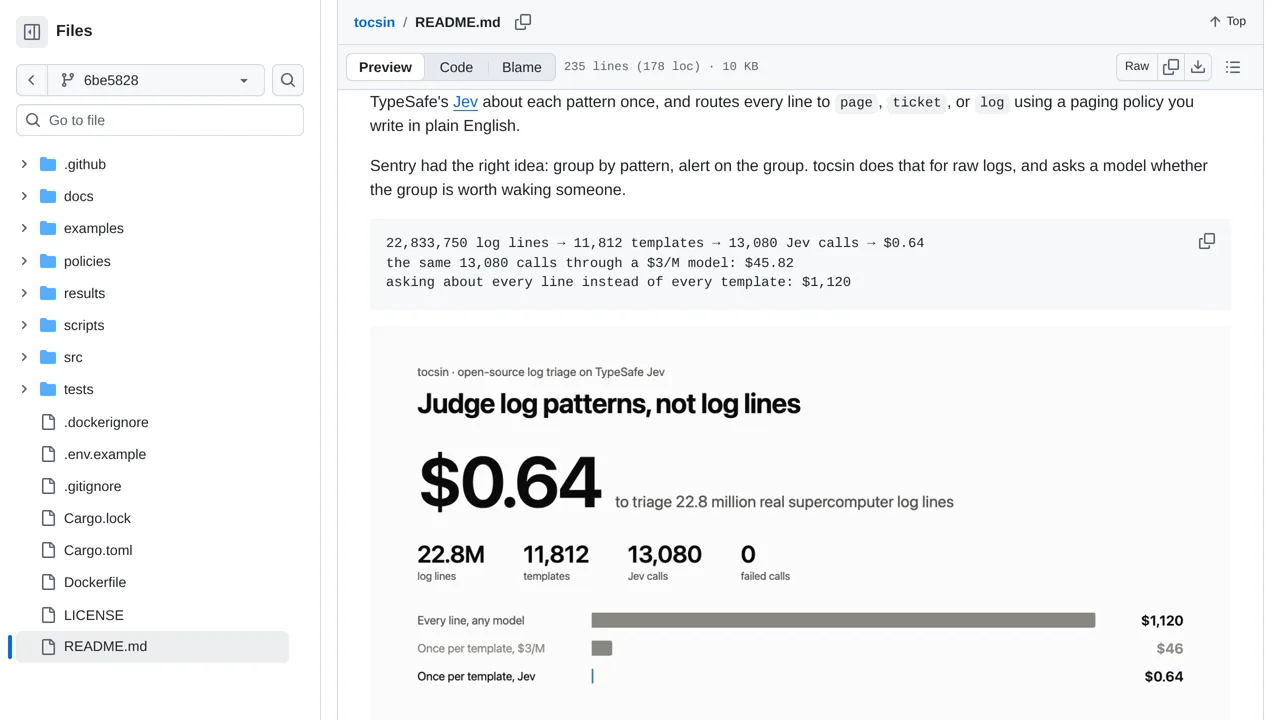
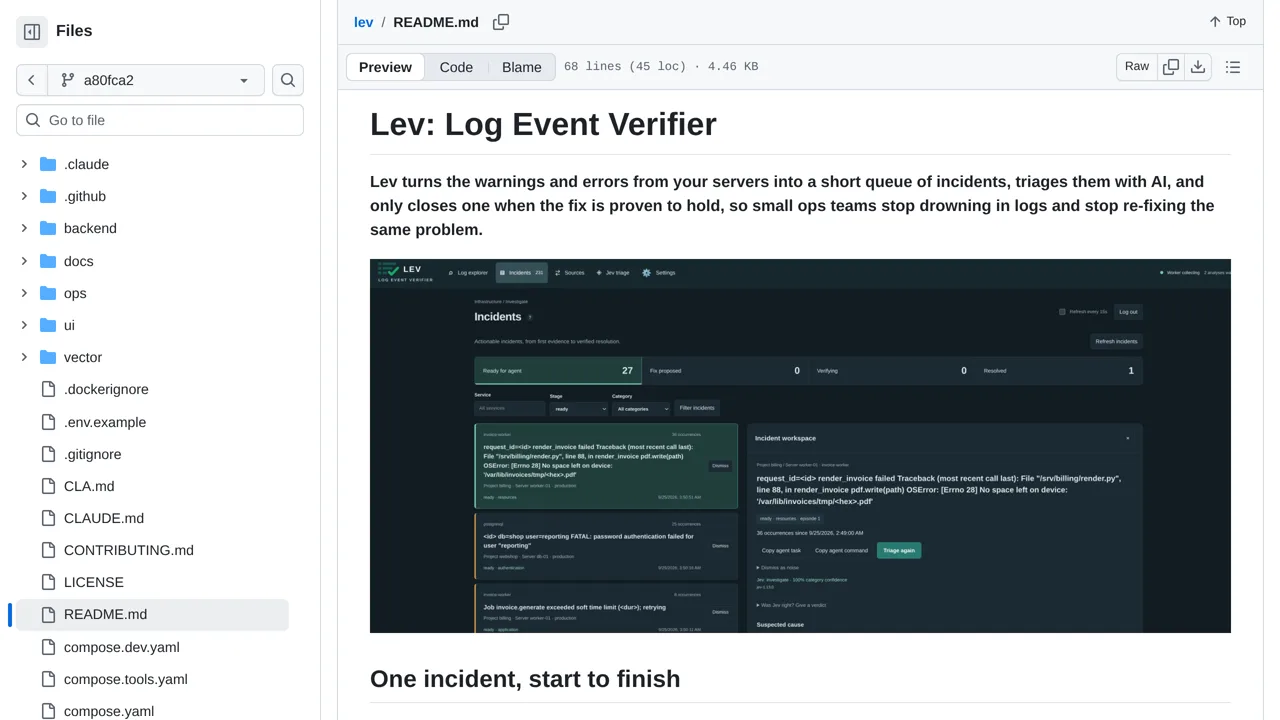
Collapse repeated log lines into patterns, ask Jev once per pattern, and page only when the verdict warrants it.
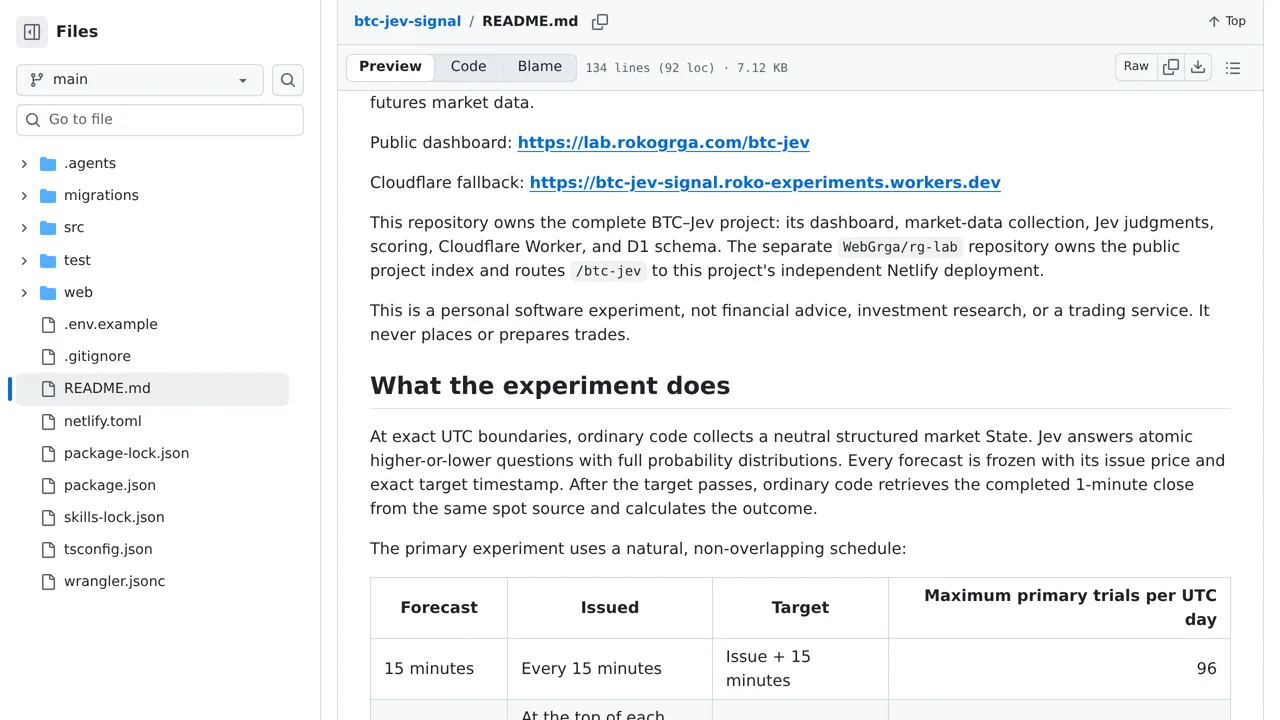
An experimental Bitcoin signal generator that combines Binance market data with Jev probabilities across several time horizons.
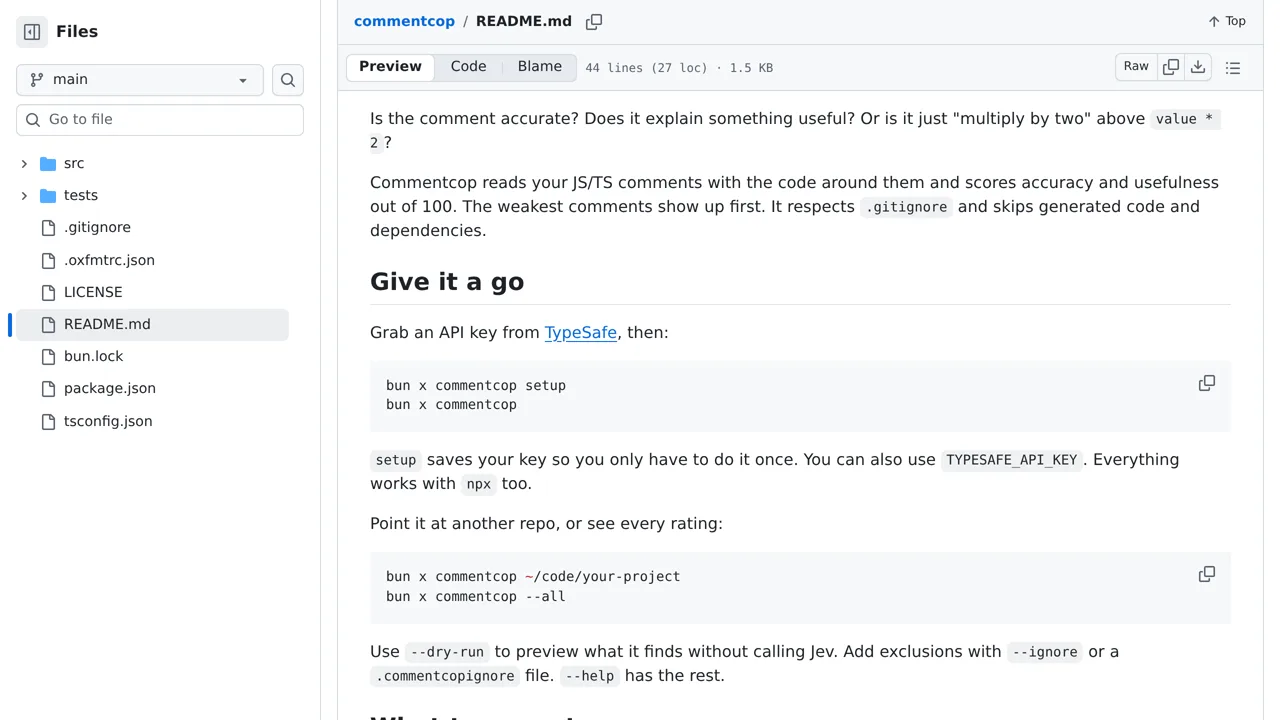
A code-quality tool that uses Jev to score whether comments are useful.
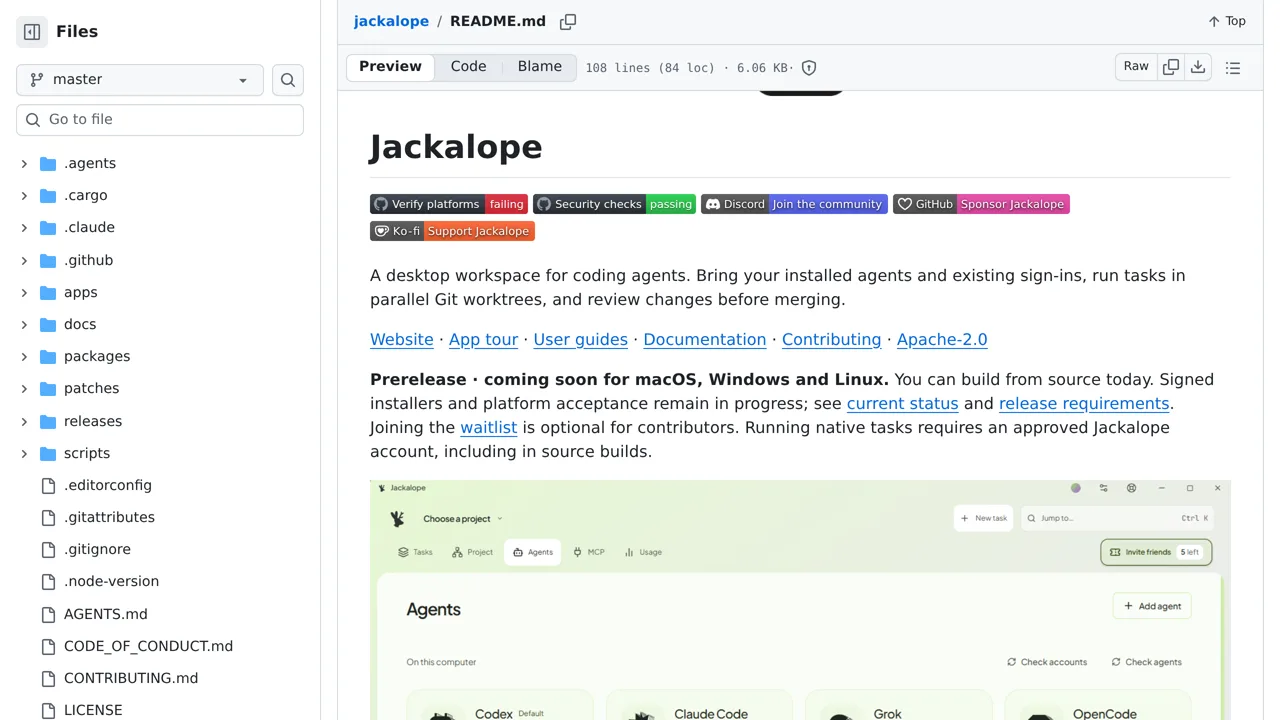
A desktop workspace for running coding agents in parallel Git worktrees and reviewing their changes.
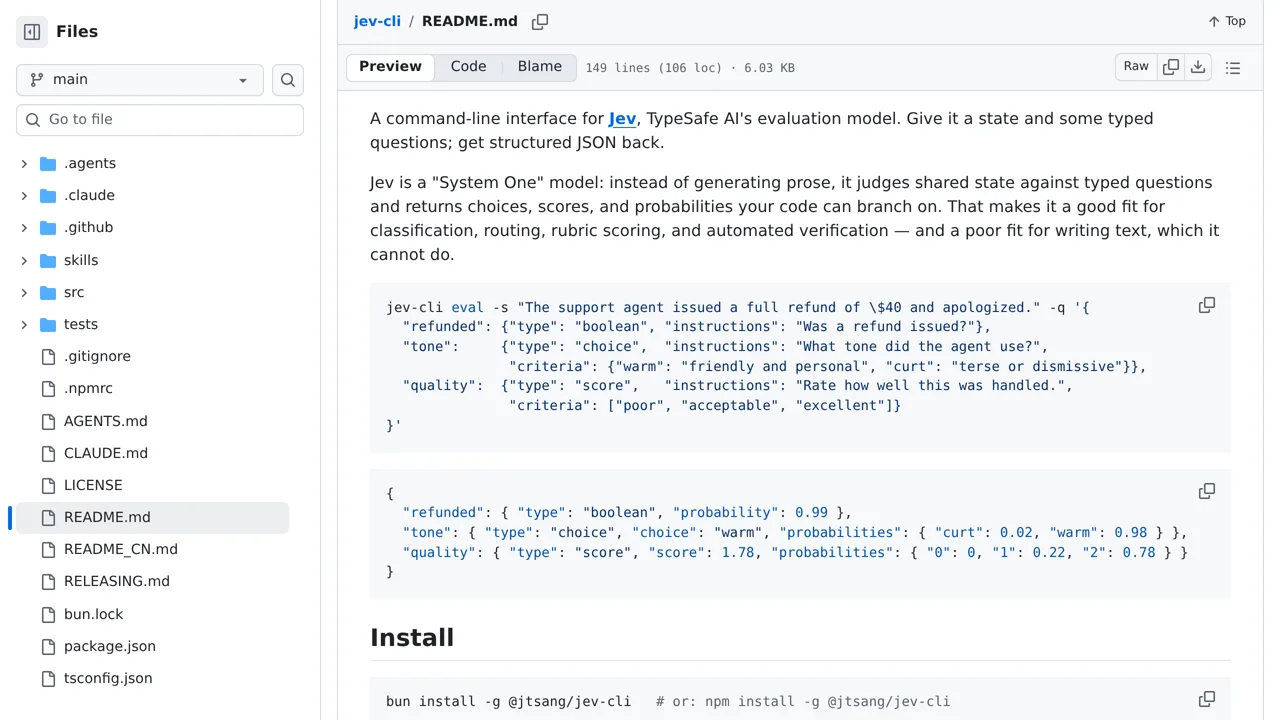
A TypeScript CLI that sends typed evaluation questions to Jev and returns structured JSON answers.
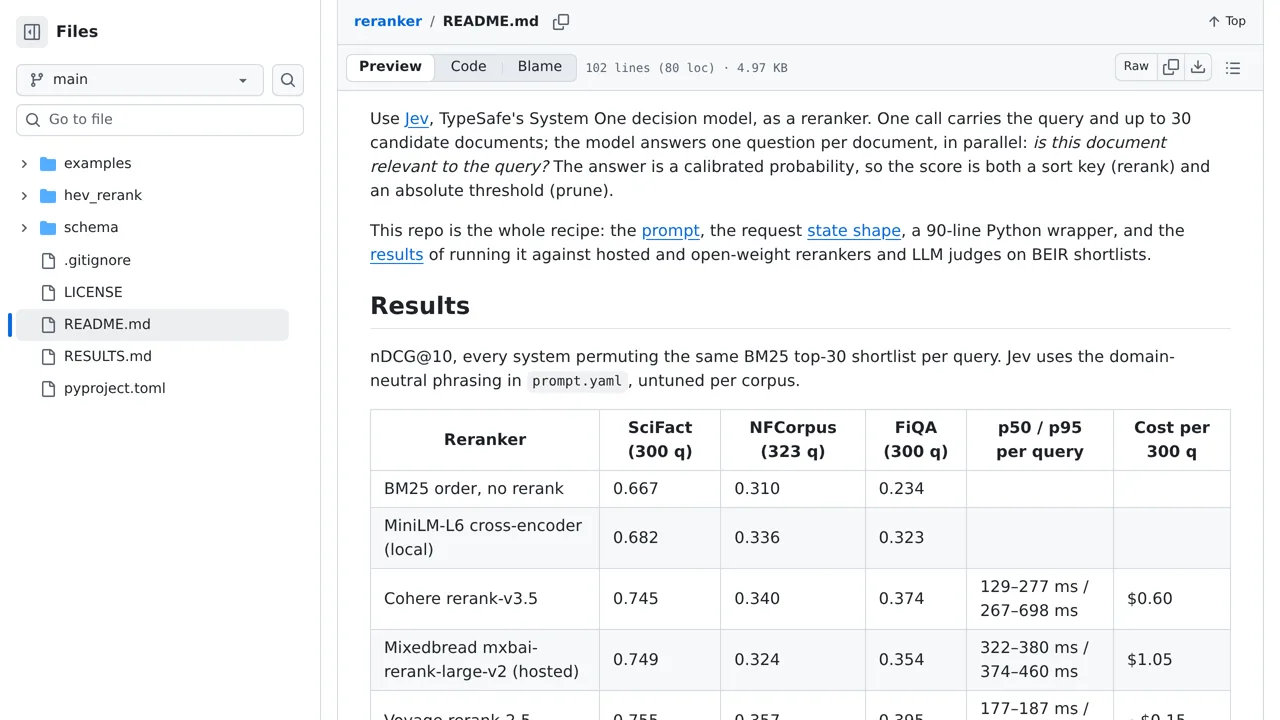
A Python reranker that asks Jev to assign a relevance probability to as many as 30 documents in one call.
Jev can be unsure. Qualm makes that a distinct TypeScript type, so your code has to deal with it.
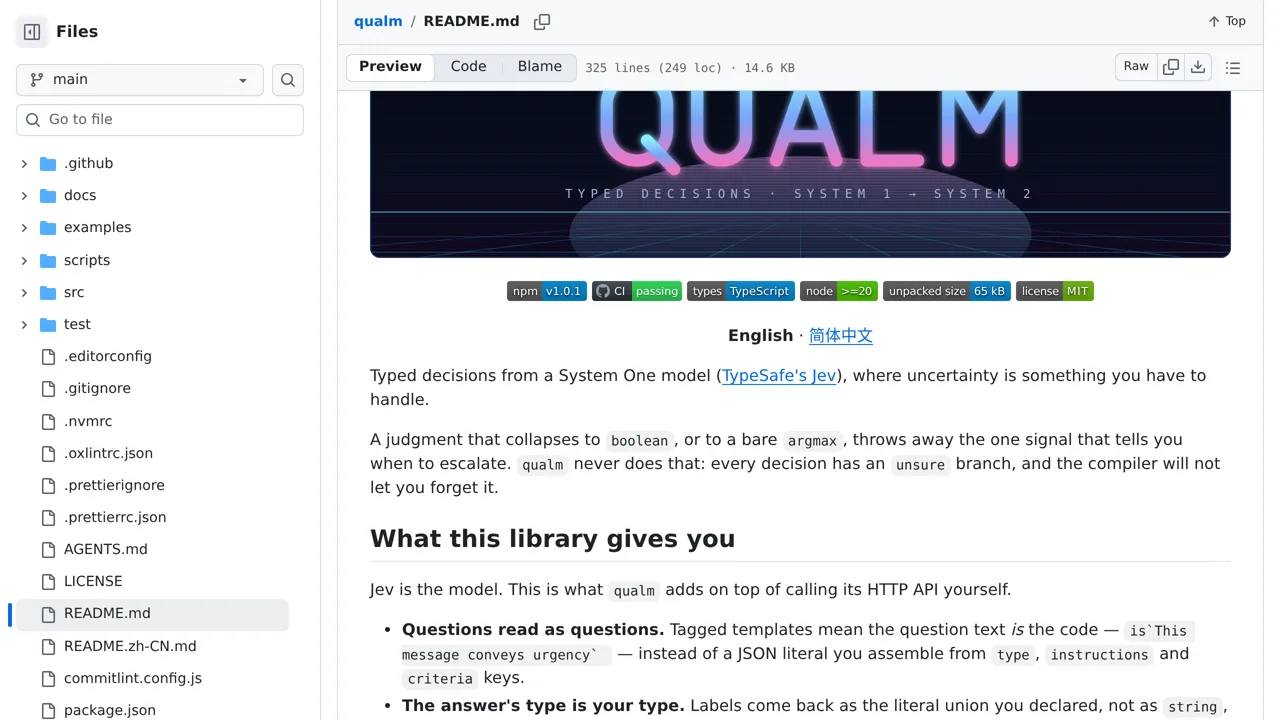
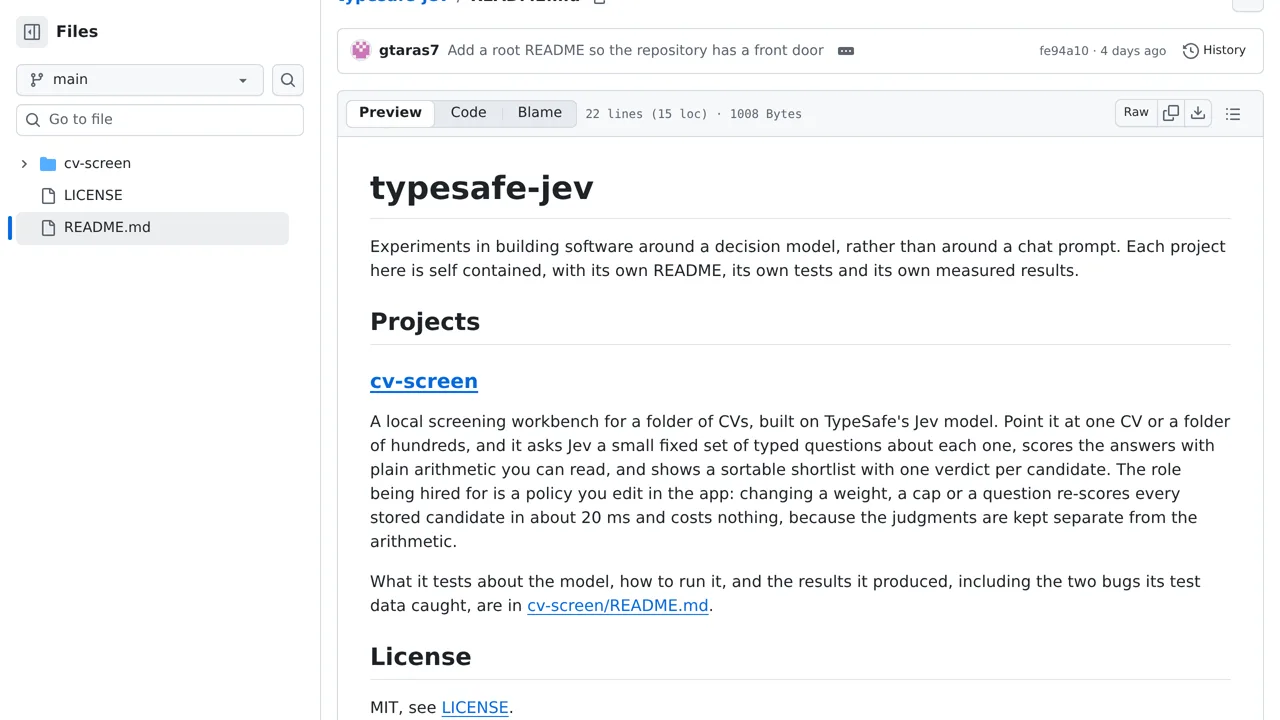
A CV-screening application that applies editable Jev scoring policies to a folder of résumés.
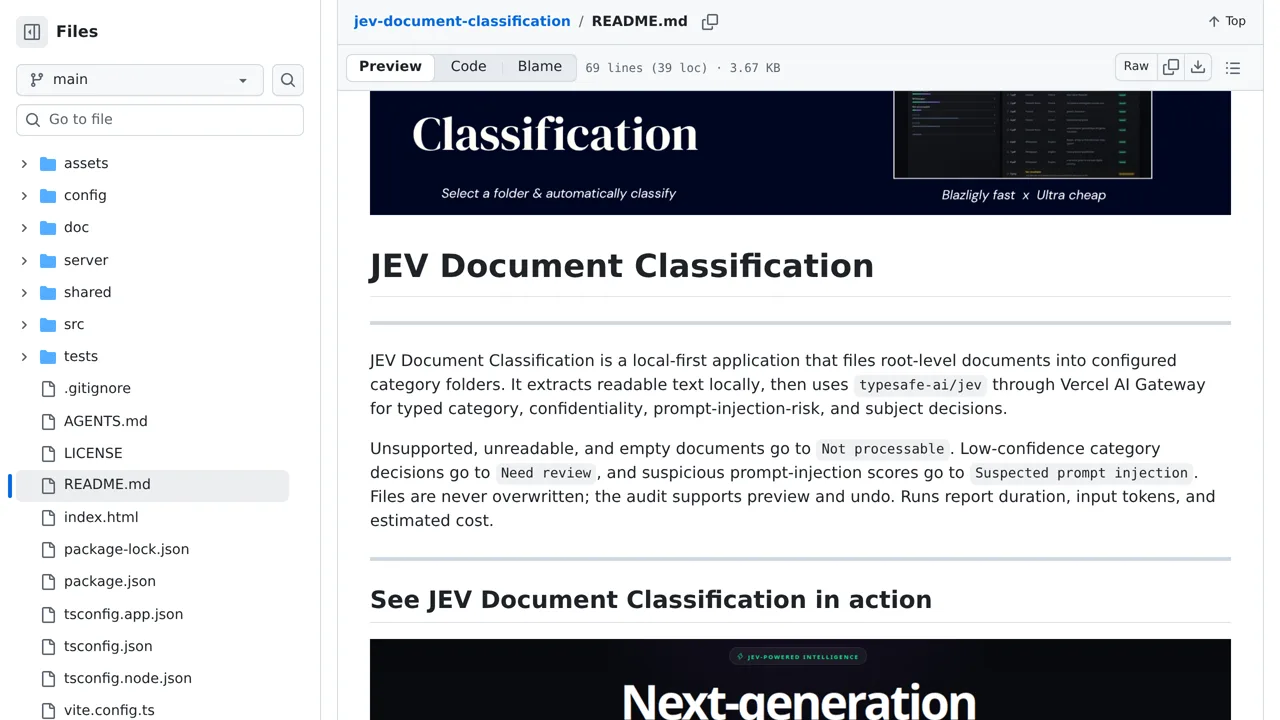
A TypeScript application for classifying text documents with Jev.
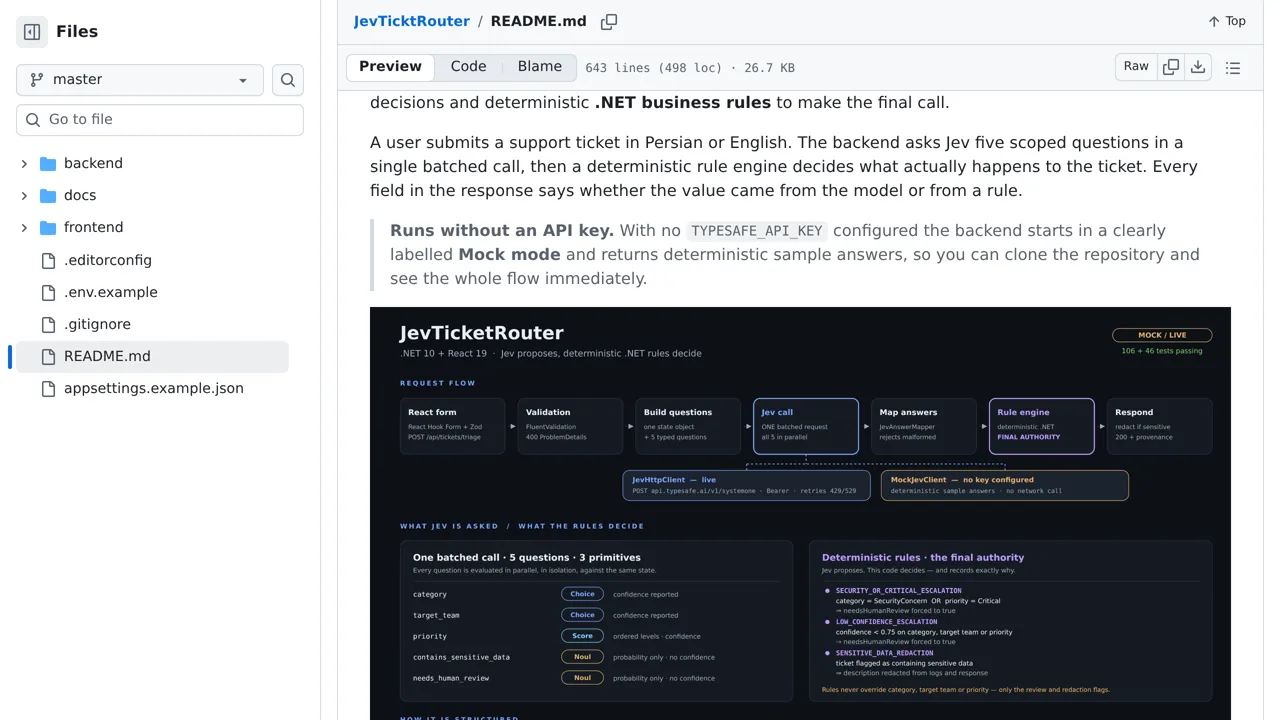
A .NET 10 and React 19 application that uses Jev to classify, score, and route support tickets.
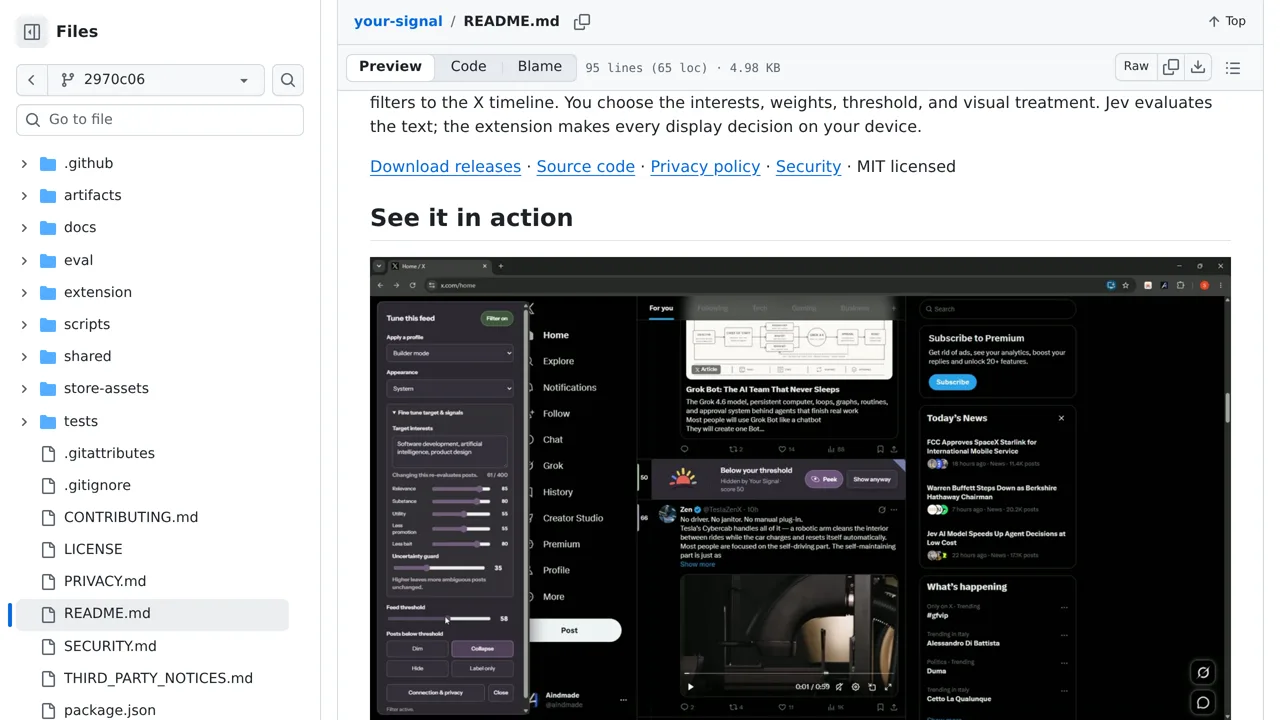
Define what deserves your attention on X, then highlight, dim, collapse, or hide posts without losing the option to reverse it.
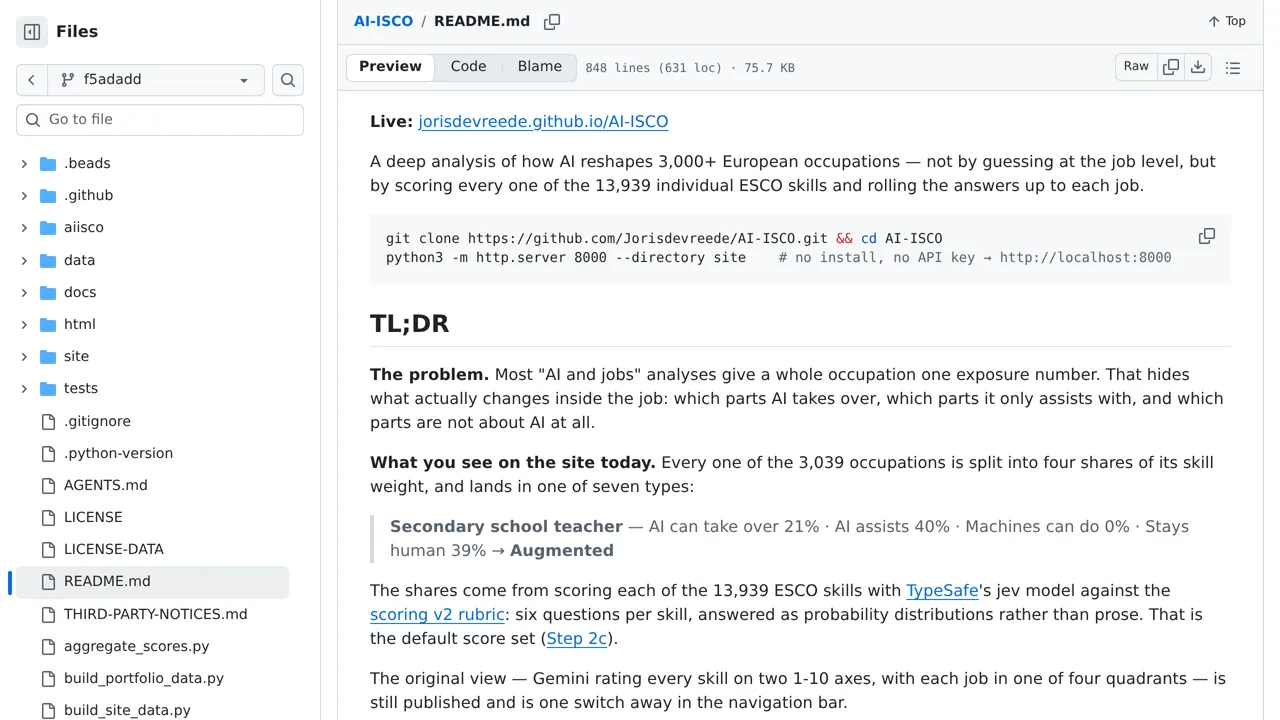
See how estimated automation risk and AI amplification roll up from nearly 14,000 skills into European occupations.
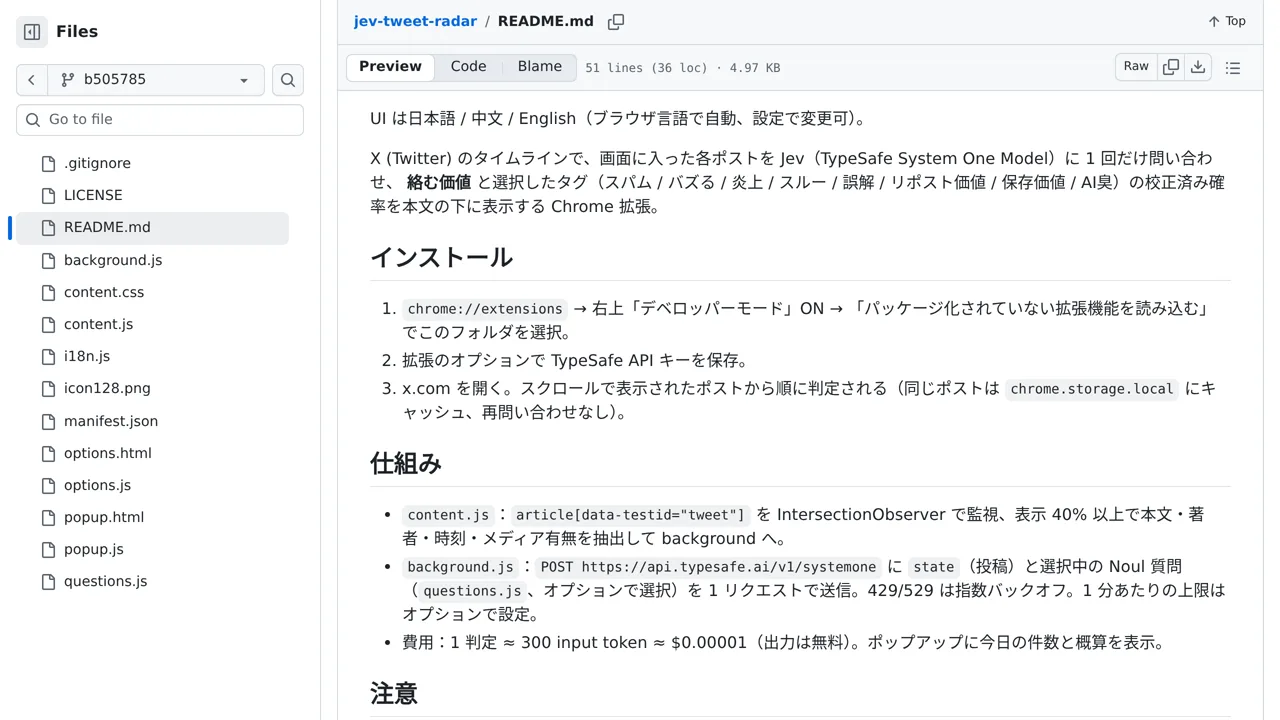
Overlay X with scores for engagement value, spam, buzz, misreading risk, and other signals you choose.
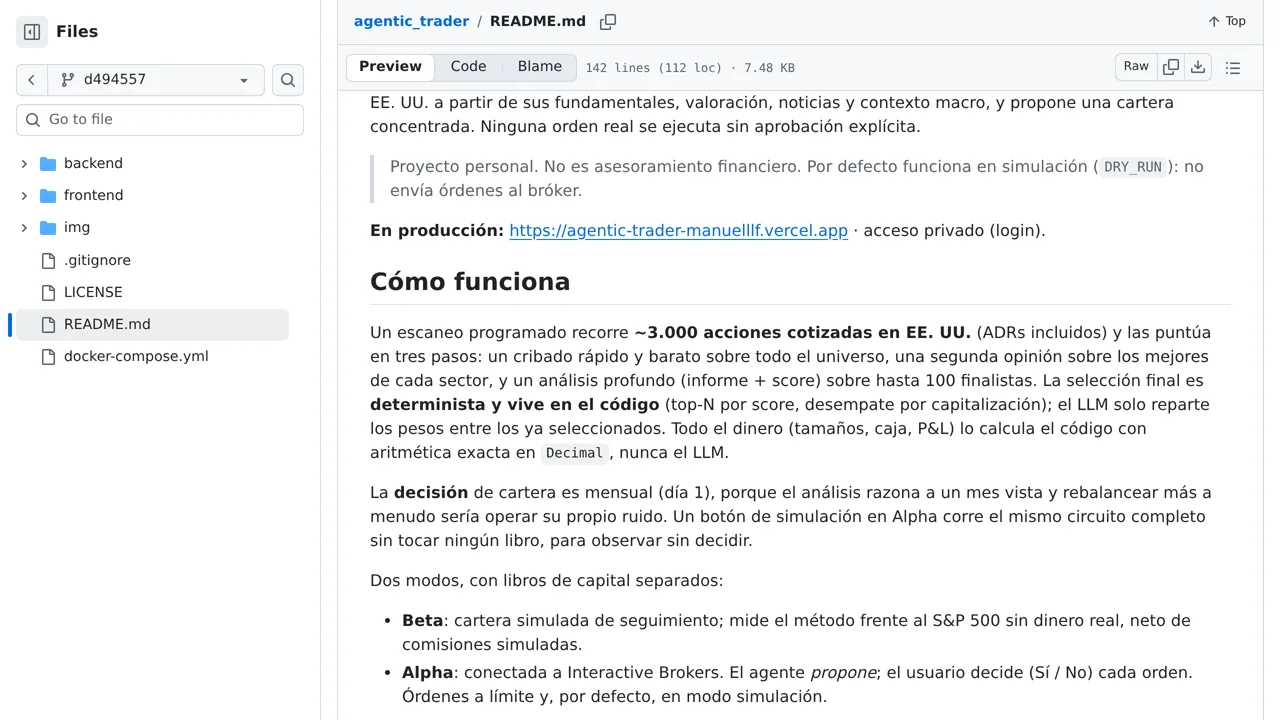
Use Jev as a low-cost first-pass scorer for fundamentals in a simulated U.S. equity research pipeline.
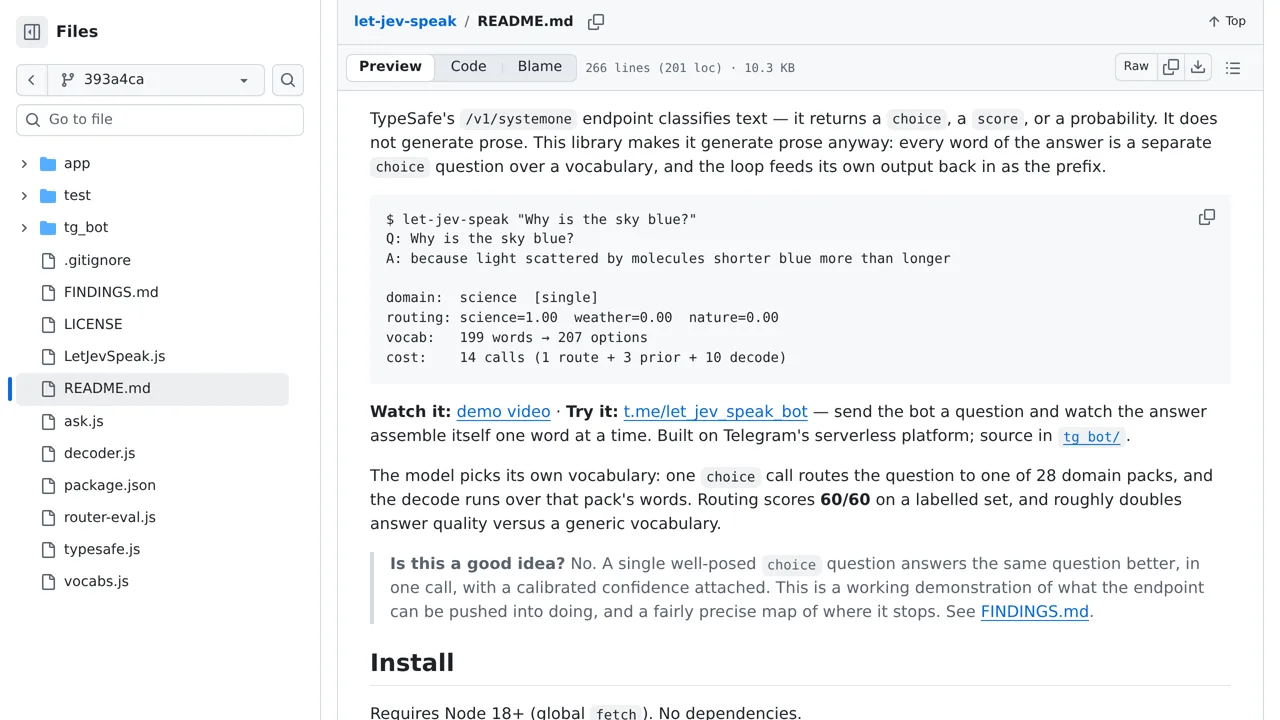
Coaxes sentences from a classifier by choosing a domain, then asking Jev to pick each next word from bounded vocabularies.
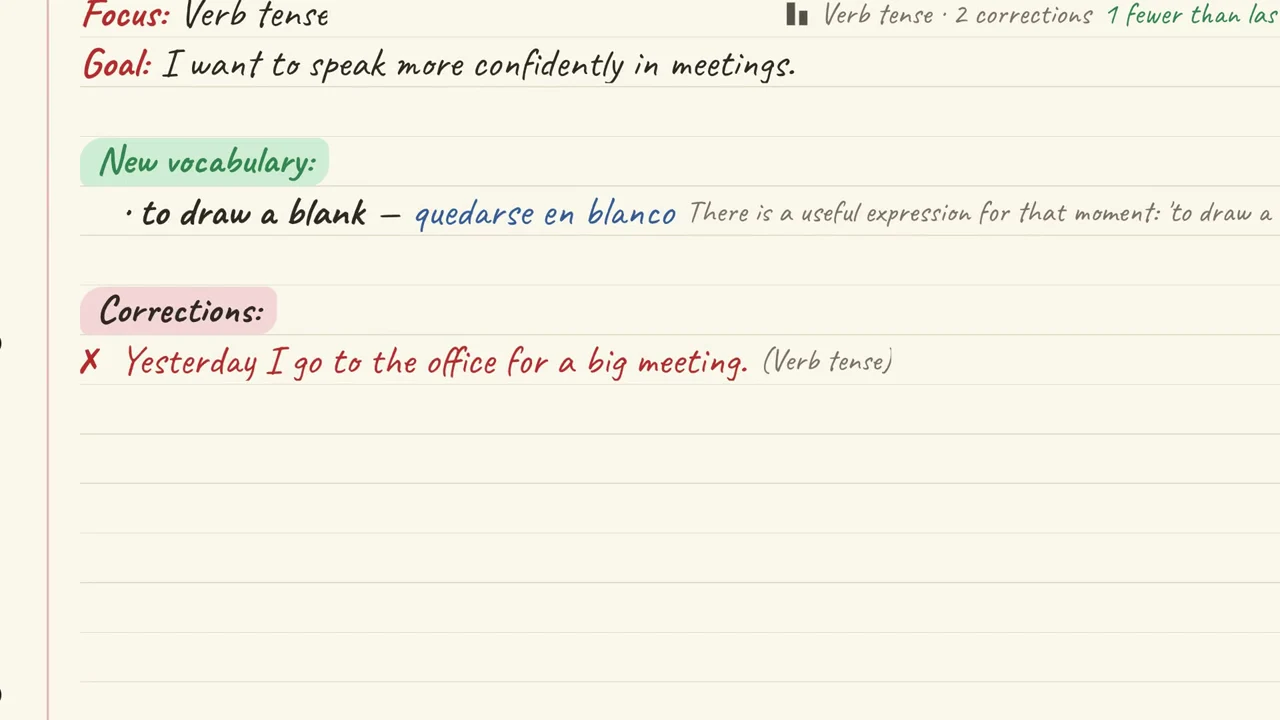
Listens to a language lesson, judges corrections and useful moments, then builds notes only from words the participants actually said.
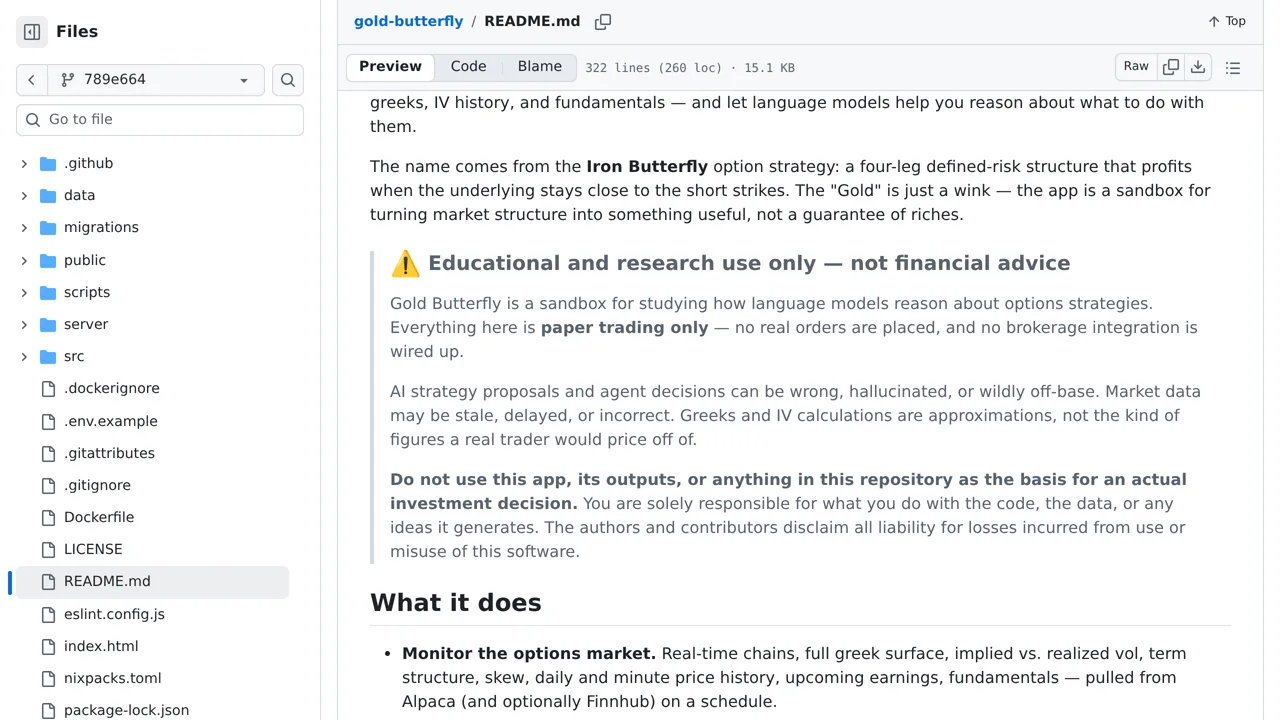
A paper-trading options workspace where Jev chooses among complete structures built from the live quoted chain—or simply holds.
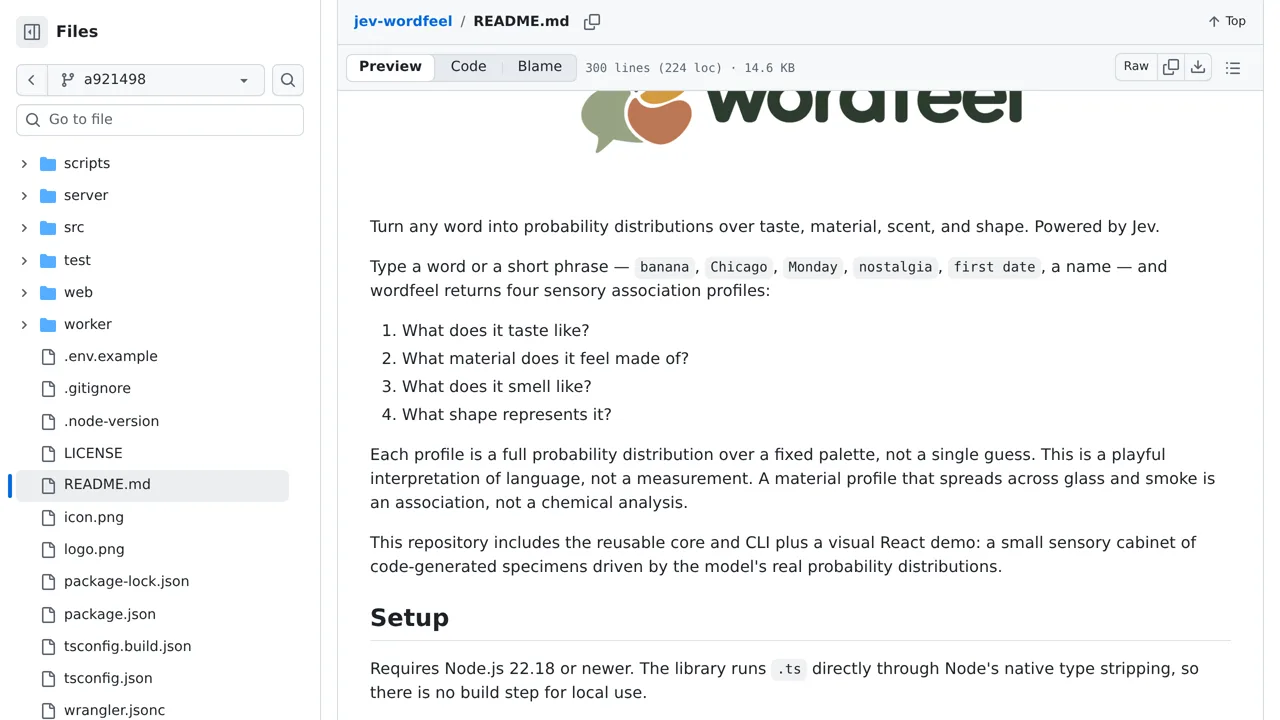
Turns a word into ranked associations for taste, material, smell and shape using four fixed sensory vocabularies.
A local RSS inbox that screens articles for relevance, substance, evidence, promotion, context and personal exclusions.
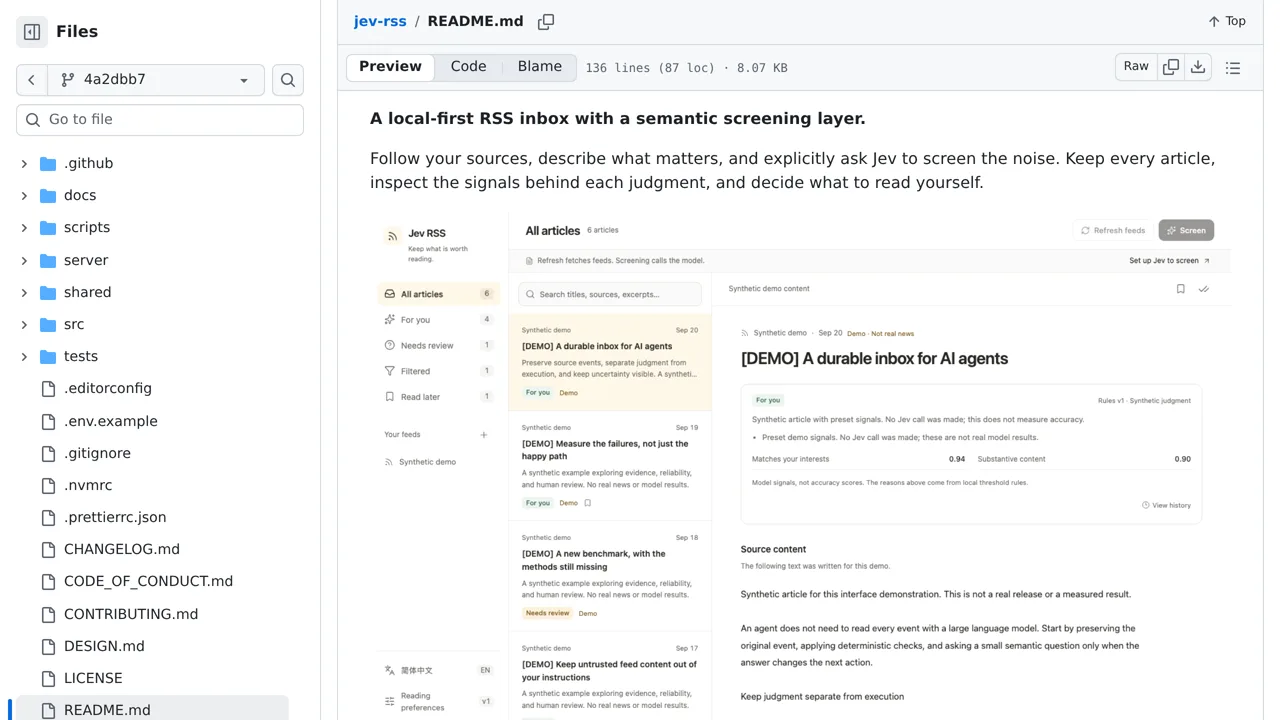
An experiment in replacing an email assistant's expensive model checks with Jev.
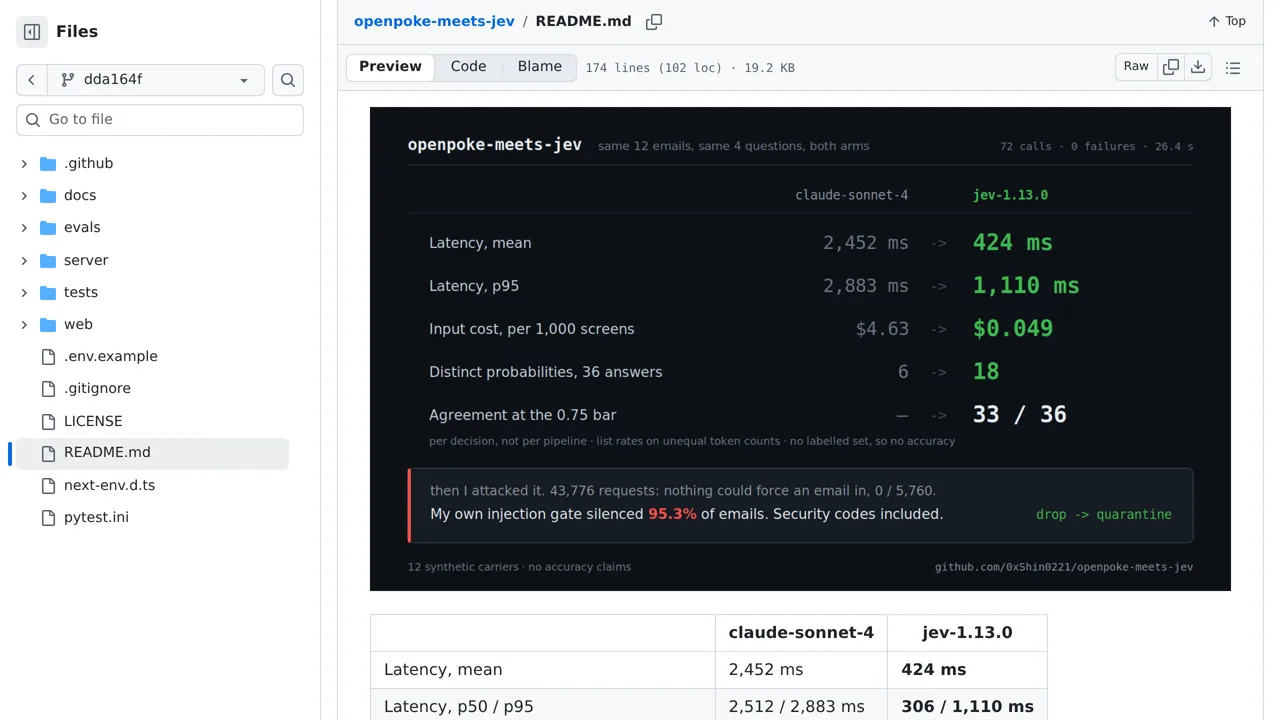
Read a novel with sentence-by-sentence emotion highlights and a whole-book character map beside the page.
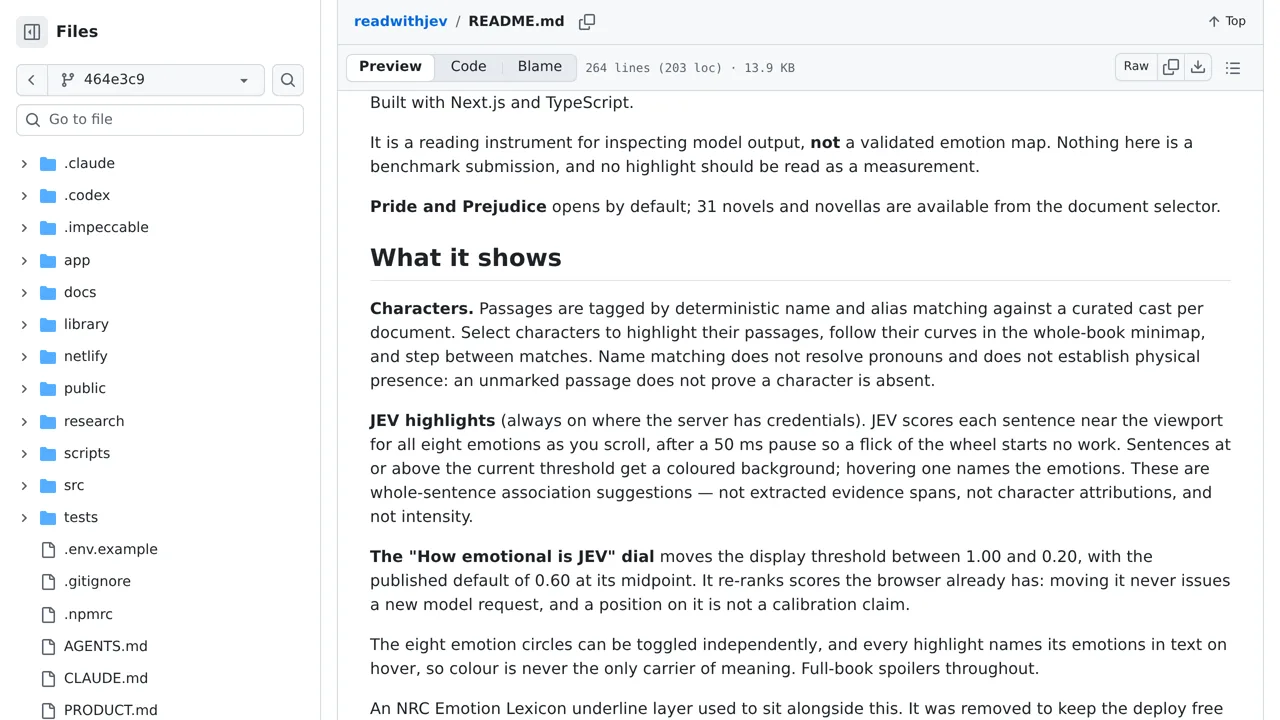
Search a site immediately, then watch Jev rerank the top twenty lexical matches as its judgments arrive.
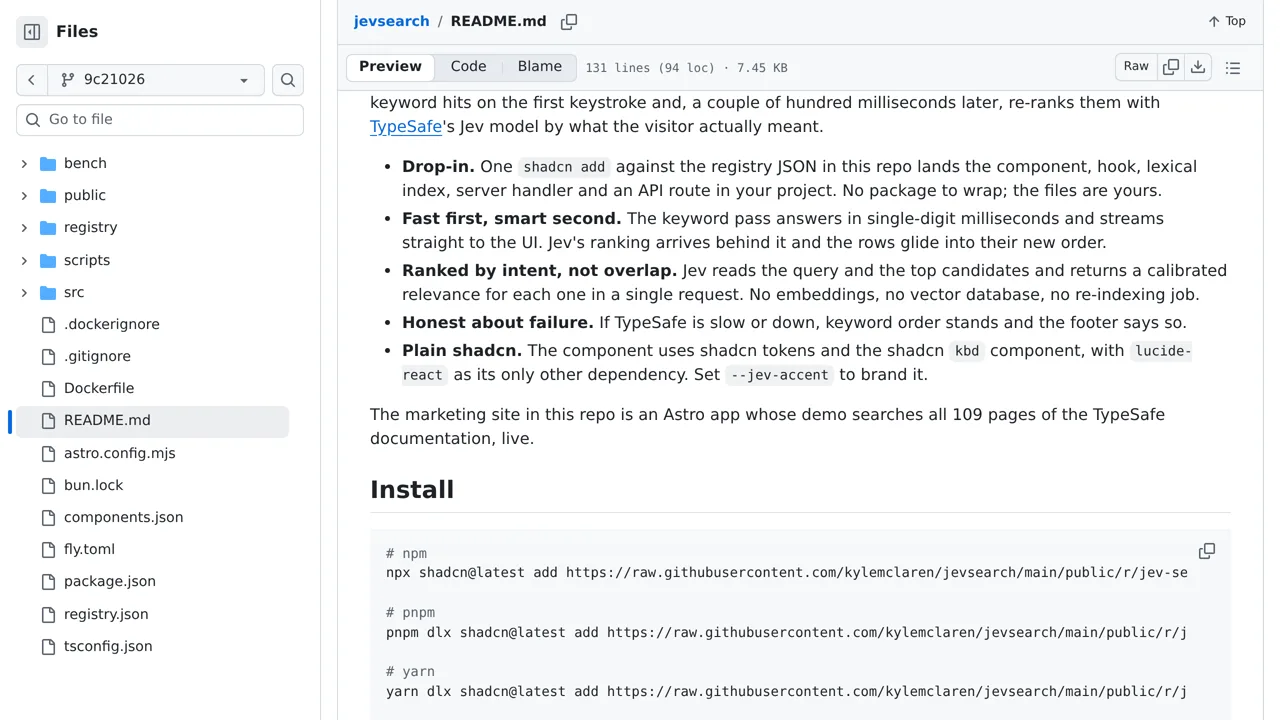
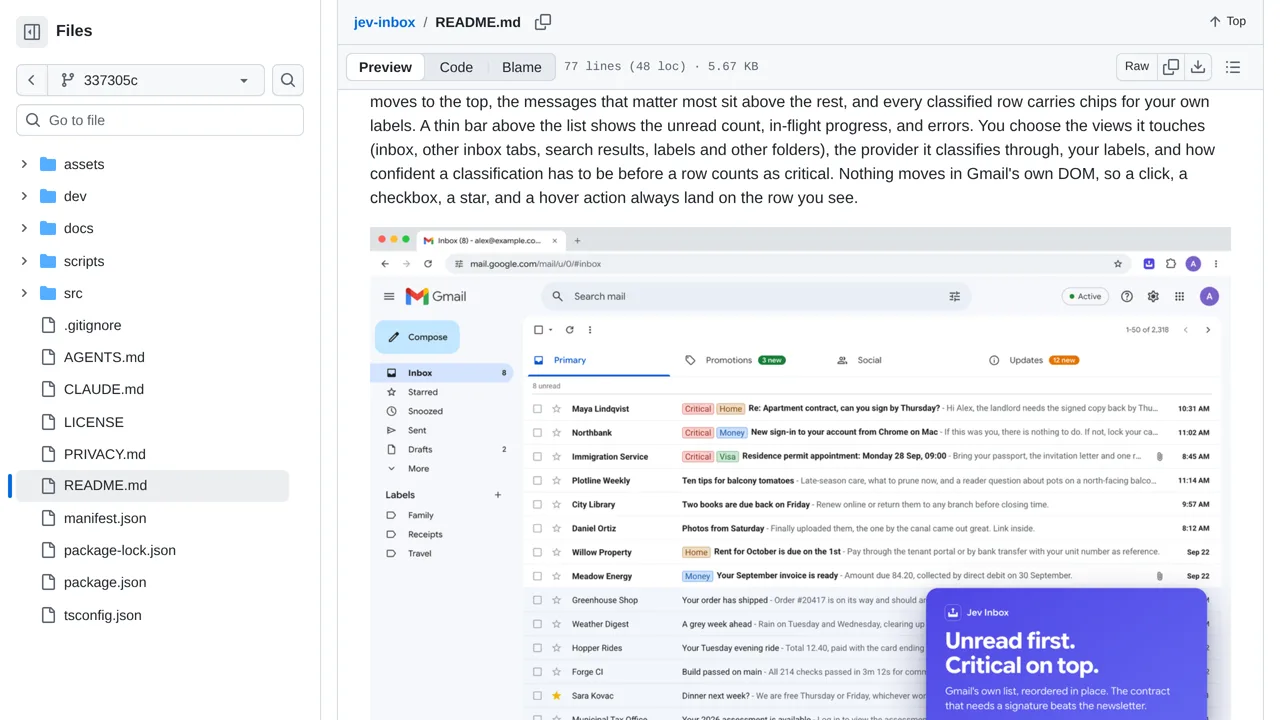
Reorders visible Gmail rows by unread status, criticality, urgency, and user-defined labels without changing messages in Gmail.
Hover text in Chrome or Firefox to see Jev answer configurable questions as colored outlines and probability cards.
Group repeated server errors into incidents, route actionable cases with Jev, and keep fixes open until verification holds.
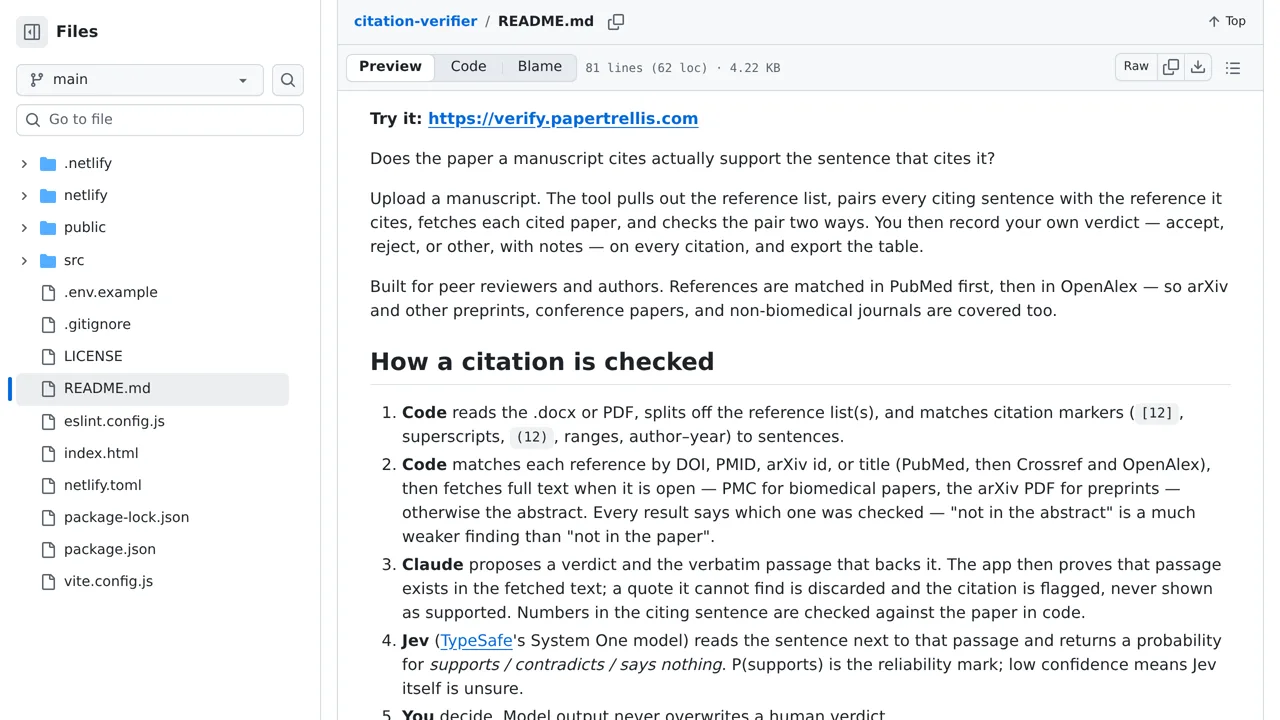
A research tool that checks whether cited papers support the sentences that reference them.
An alternative X client that uses Jev rules to decide which timeline posts to keep or hide.

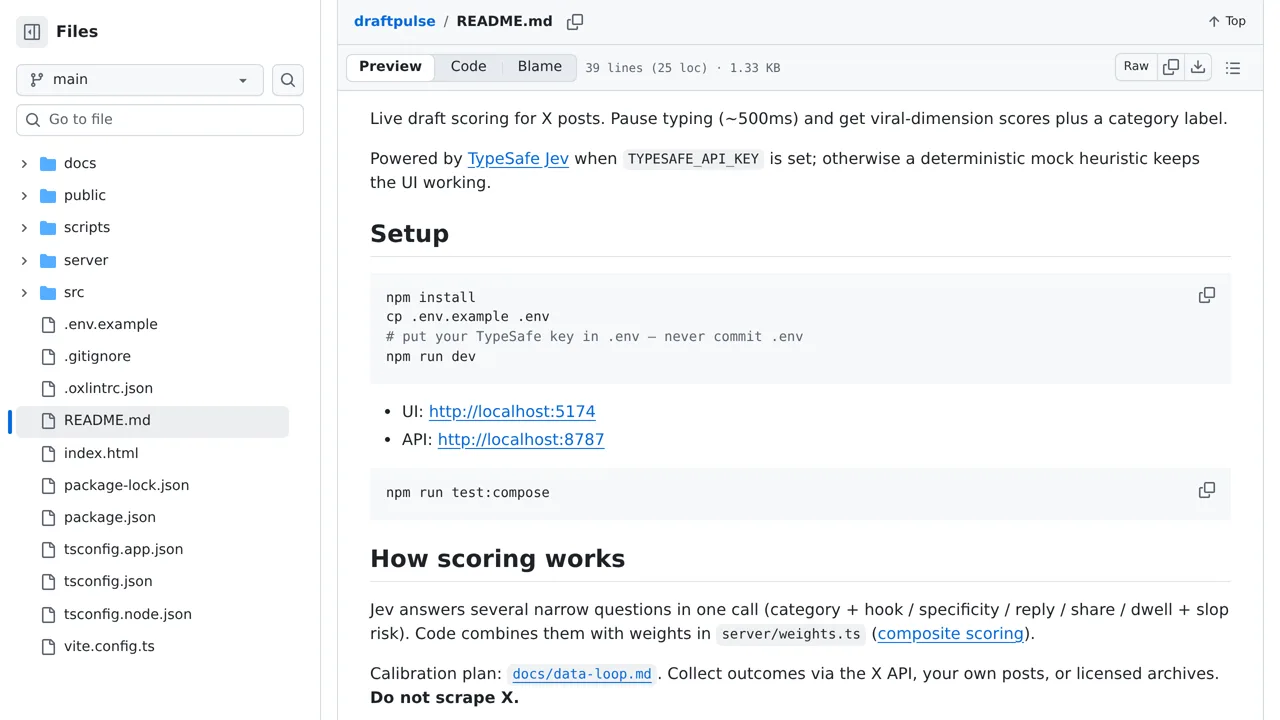
An experimental tool that scores X drafts on viral dimensions while the author writes.
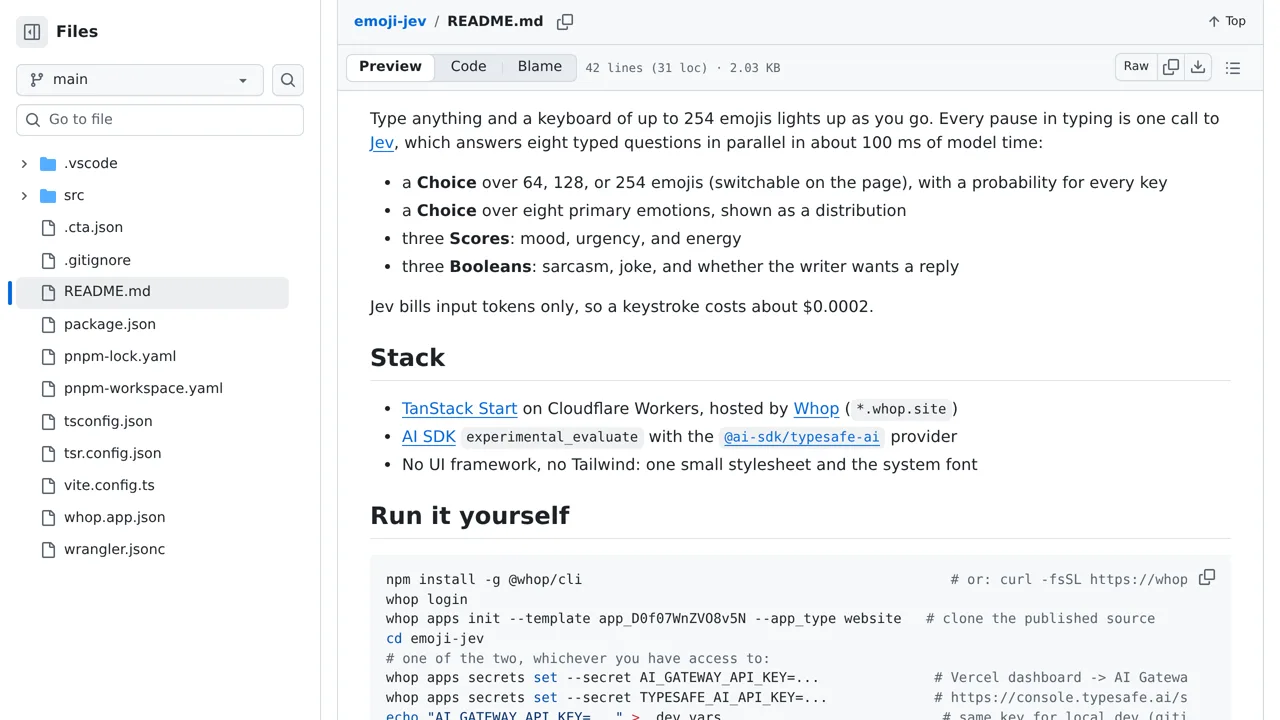
A Jev-powered emoji autocomplete app designed to keep up with live typing.
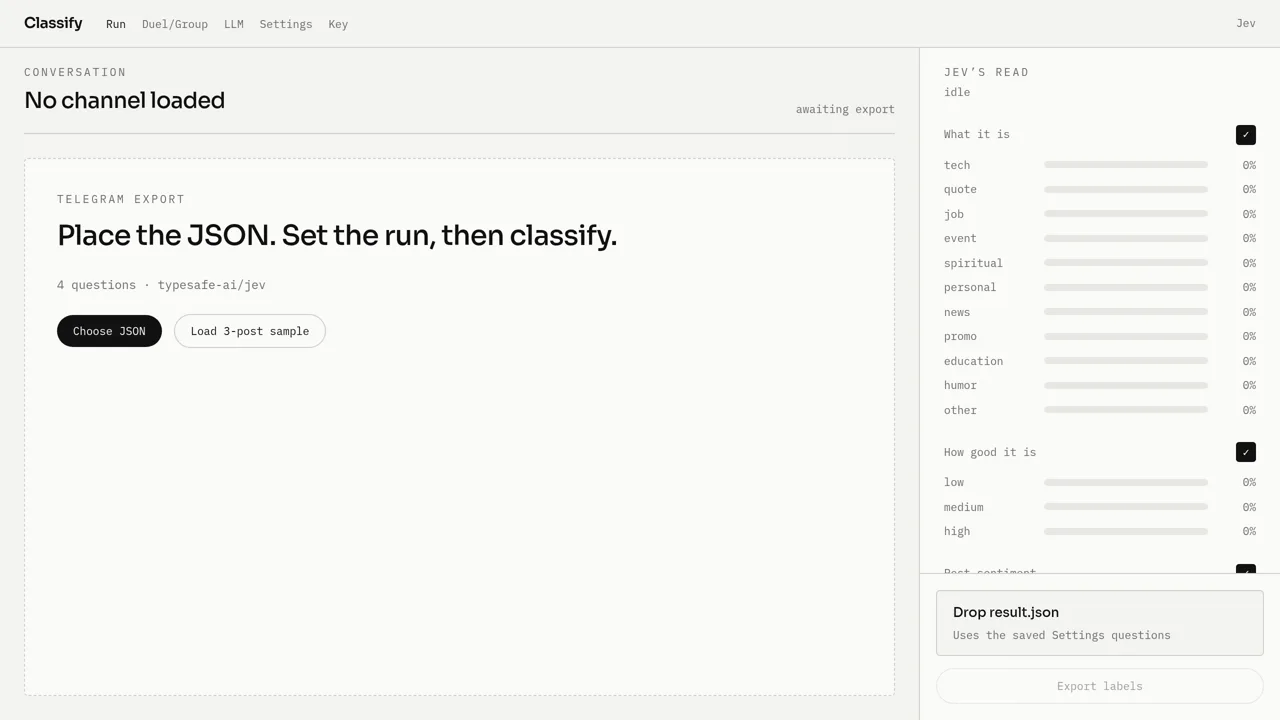
A web interface for classifying text with Jev.
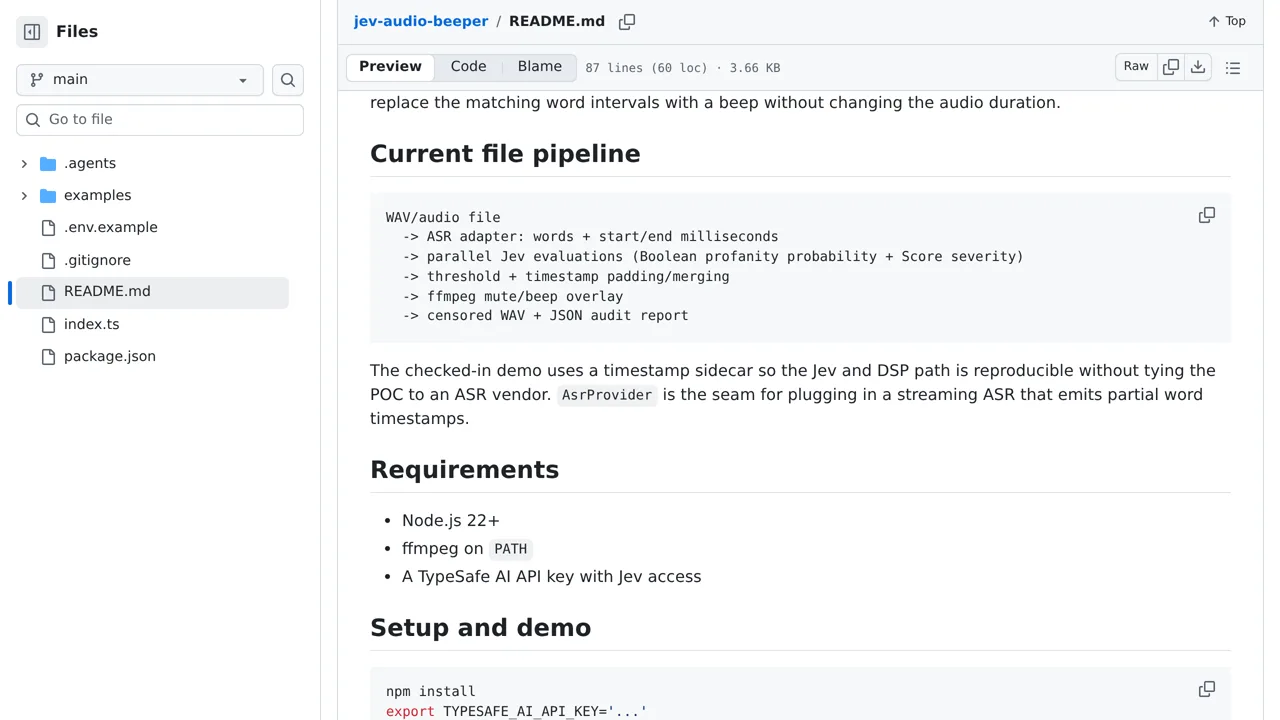
A proof of concept that uses Jev judgments and FFmpeg to censor selected words in audio with low latency.
A React and FastAPI application that uses Jev to diagnose CVs and compare them with job requirements.
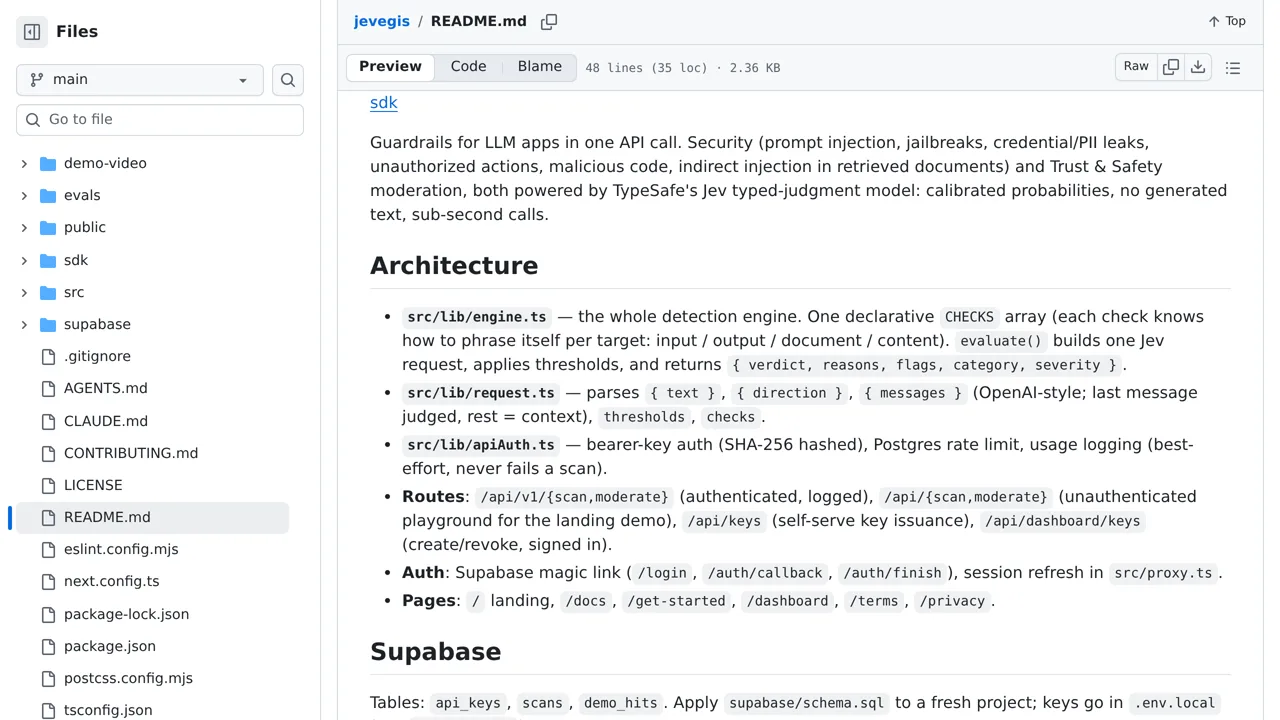
A single-call guardrail API for detecting prompt injection, jailbreaks, data leaks, and unsafe content with Jev.
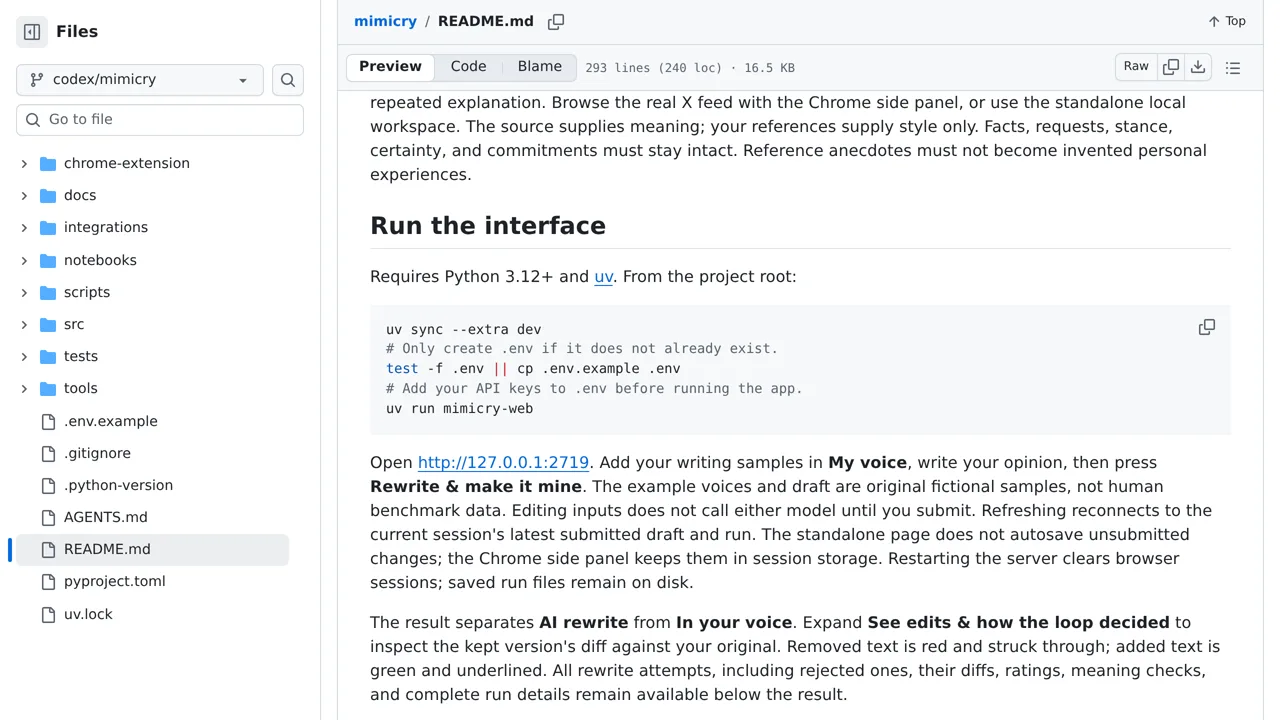
A writing tool that uses Jev's feedback to help an AI draft sound more like you.
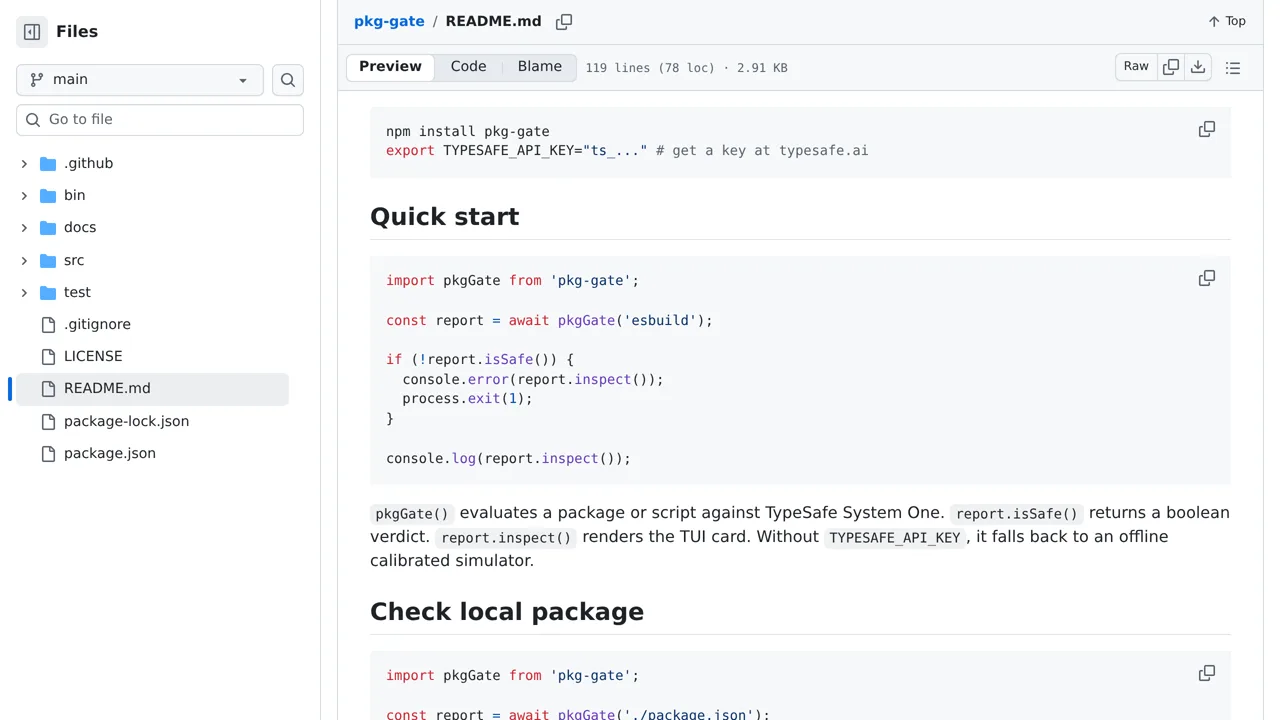
A pre-install security gate that uses Jev to inspect npm lifecycle scripts before they run.
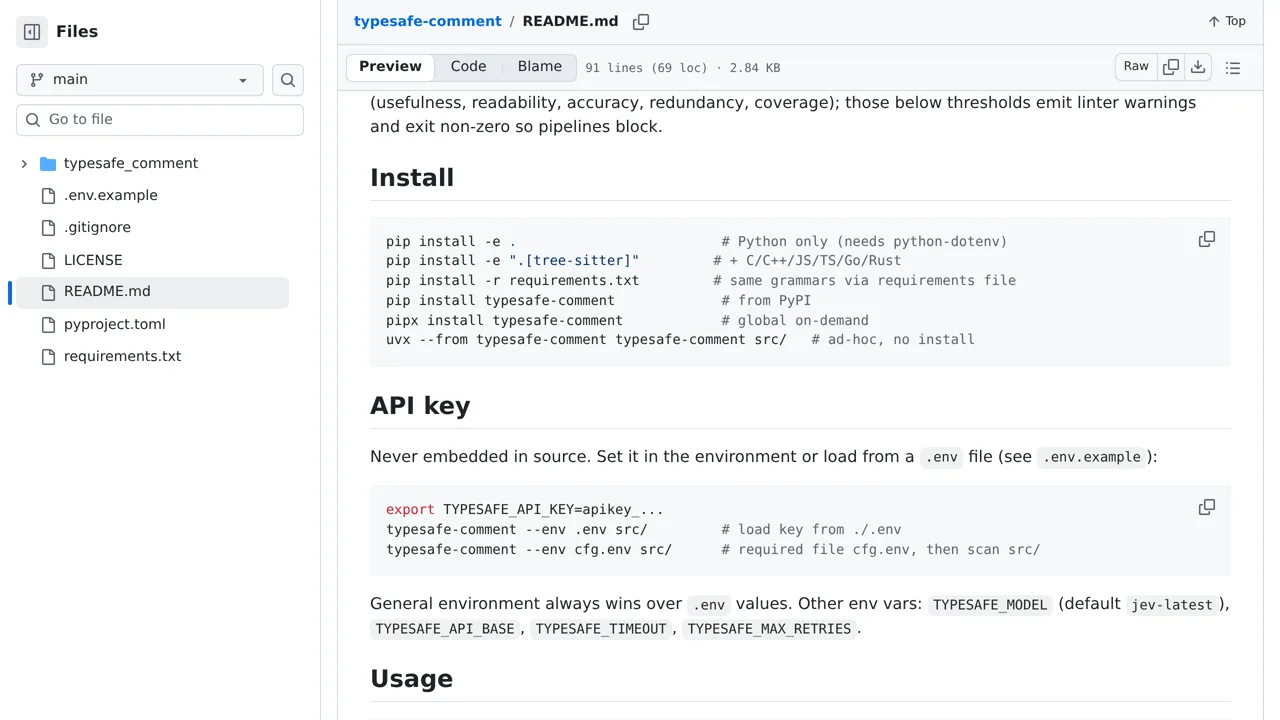
Find your way around a codebase with search results and flow diagrams linked to the source.
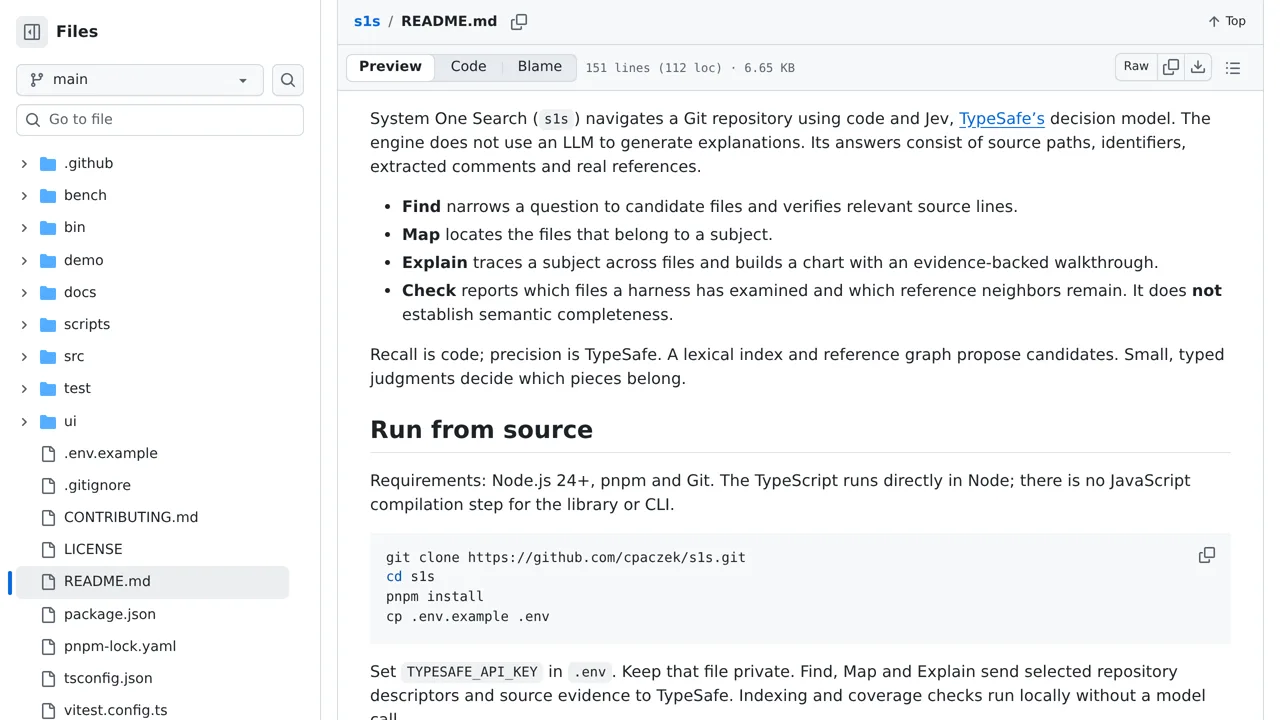
Scam Shield checks text messages for signs of fraud with Jev.
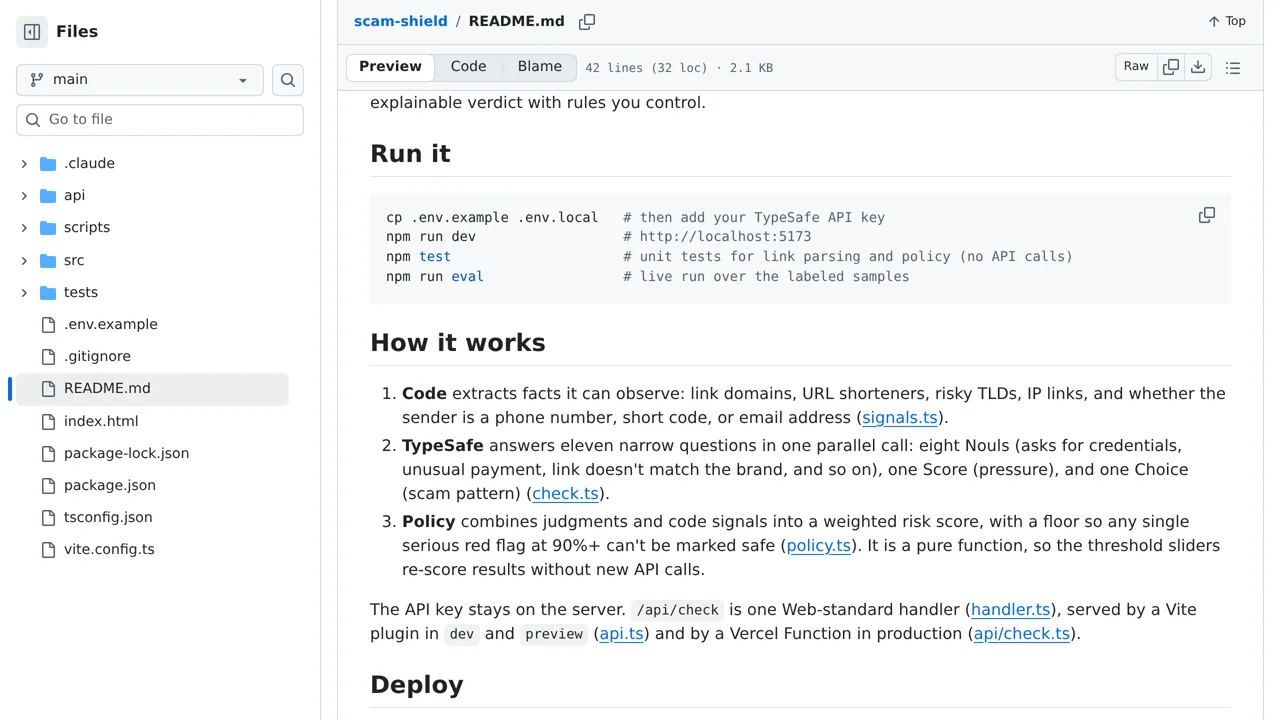
Watch a support call's scorecard update as the transcript arrives.
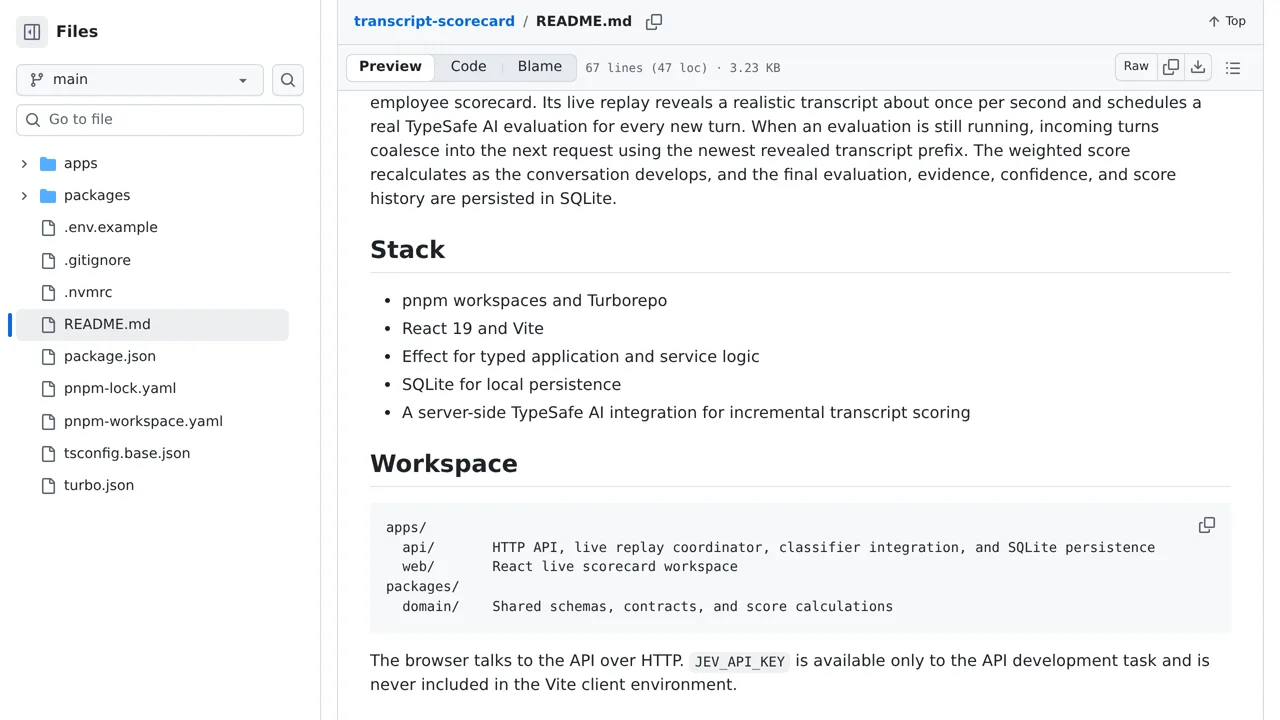
This Python package grades code comments against a set of practical heuristics.
Ask Jev which support tickets and alerts need attention, or whether a deployment looks risky.
AIAvatarKit uses Jev to decide whether a speaker has finished after half a second of silence.

Hamilton Ulmer's DuckDB extension classifies CSV, Parquet, or table rows with Jev from inside SQL queries.

This tool tests social-video hooks against a panel of roughly 100 detailed synthetic personas.

Niels Mouthaan tests Jev inside a Grammarly-style writing assistant for macOS.

A Jev-powered bot for Kalshi's short-term Bitcoin, Ether and Solana markets.

Fahim Reza ports a small support-ticket classifier from GPT to Jev and tests it on real customer messages.

A town simulation with twelve residents, each limited to their own view of the world.

Jev, briefly
A chat model generates text token by token and hopes you parse it. Jev never generates a word. Your code sends the state of the world plus typed questions; Jev returns every answer in one parallel pass — typed values with calibrated probabilities and a confidence score your code can trust. About 70–500 ms end to end, $0.042 per million input tokens, output free. Trained with what TypeSafe calls Reinforcement Learning for Calibrated Decisions.
You define the options. Jev returns the chosen option, a probability for every option, and a confidence. The workhorse of routing, agents, and games — the answer space is always legal, so there is nothing to parse and nothing to hallucinate.
You describe ordered levels — say trivial / normal / critical. Jev returns the level, the probability of each, and a confidence. Scores turn fuzzy judgment (“how severe is this log line?”) into a number-free decision your code can branch on.
You assert a statement; Jev returns the probability that it is true — a noul. Moderation, verification, guardrails, “does this diff actually fix the bug?”: one question, one calibrated probability.
Official material lives at typesafe.ai and docs.typesafe.ai. JevMade is an independent community registry — not affiliated with or endorsed by TypeSafe AI.
Recurring lessons
Games, drones, trading bots, and browser agents all converge on the same loop: serialize the state, ask one decisive question, act, repeat. Jev’s latency makes the loop feel instant — the model lives inside the control loop, not outside it.
The answer says what; the confidence says whether to act. The most reliable entries threshold on confidence to route edge cases to a slower model or a human — automation with an honest escape hatch.
Makers rarely ask Jev to pick from everything. Local tactics prune 225 gomoku moves to ~40; DOM filters turn a page into an element table; code narrows options, Jev judges within them.
A recurring split: Jev makes every decision cheaply and instantly, and a small LLM is only invoked when a human-facing string must actually be written. Decision and generation are separate budgets.
Send the link — repo, live demo, post, or video — plus a line on what it does and which primitives it uses. Every entry is verified against its primary source before it ships.
Submit your experimentSign in first so we can reply to you. Submissions are reviewed, not published automatically.