Read & learn
Written guides.
Understand Jev, one idea at a time. Walkthroughs, recipes, and writeups — our notes first, the original next.
Learn, build, and play with Jev — from deep technical guides to creative experiments.
Read & learn
Understand Jev, one idea at a time. Walkthroughs, recipes, and writeups — our notes first, the original next.
Watch & learn
See an idea take shape. Tutorials, demos, and deep dives, organized by topic and credited to their creators.
Make & explore
See what builders made with Jev. Games, tools, repositories, articles, and more — traced to their sources.
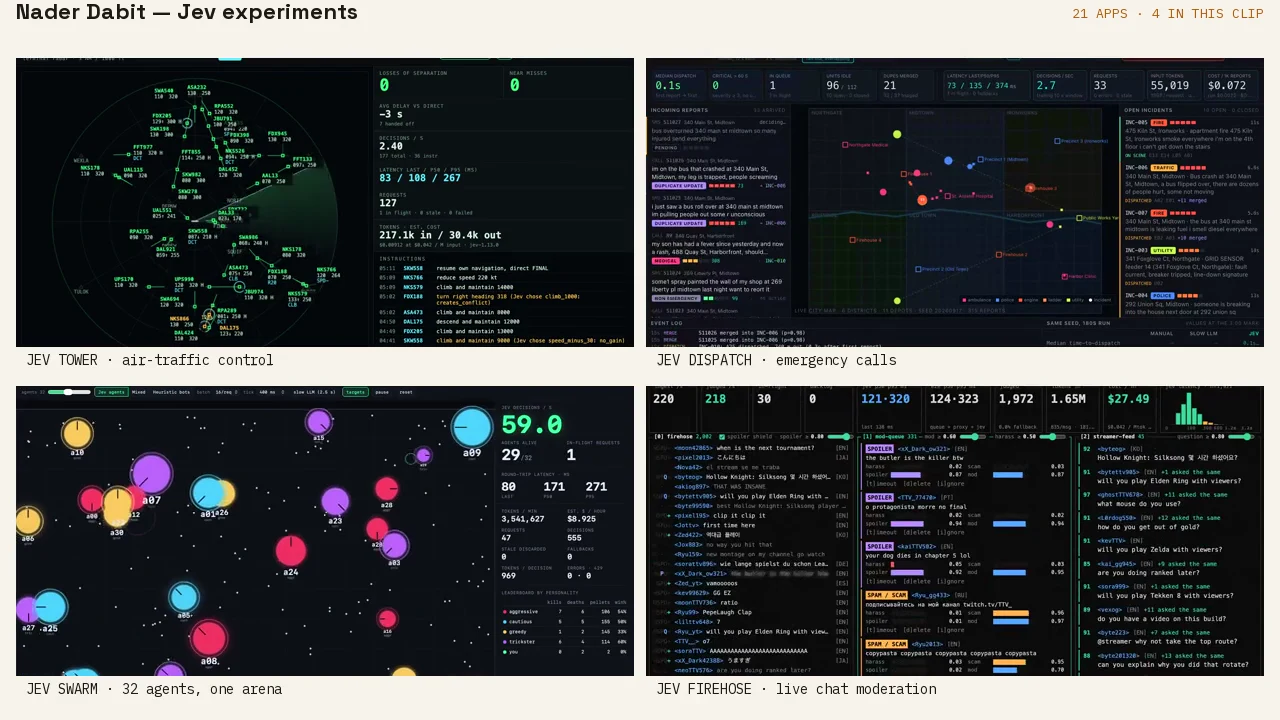
Every category, from games and tools to repositories and writeups, traced to a primary source.
Same ideas.
Different paths.
This is the full registry, not just the featured picks. Figures like speed, cost, and stars are maker-reported or captured snapshots, not JevMade measurements.
394 experiments · showing 241–300
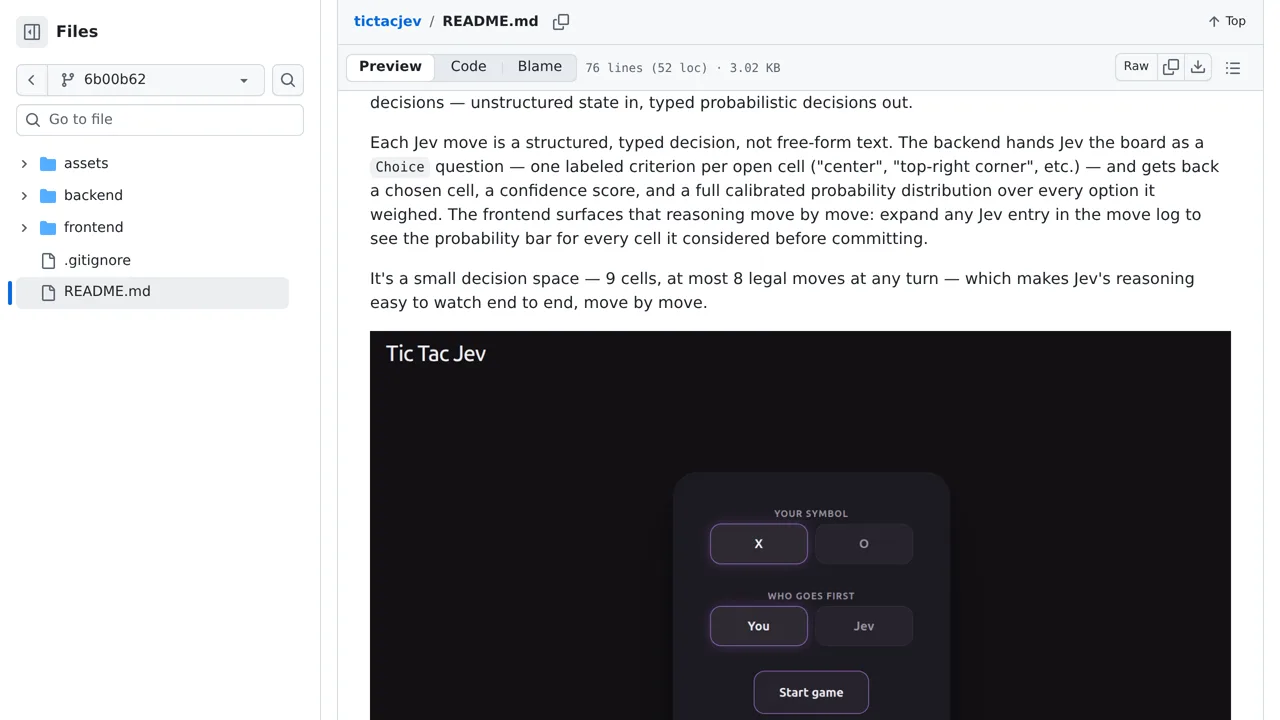
Tic-tac-toe where one side is Jev: each turn is one Choice whose criteria are the empty cells, and the move log expands to show the probability it gave every cell.
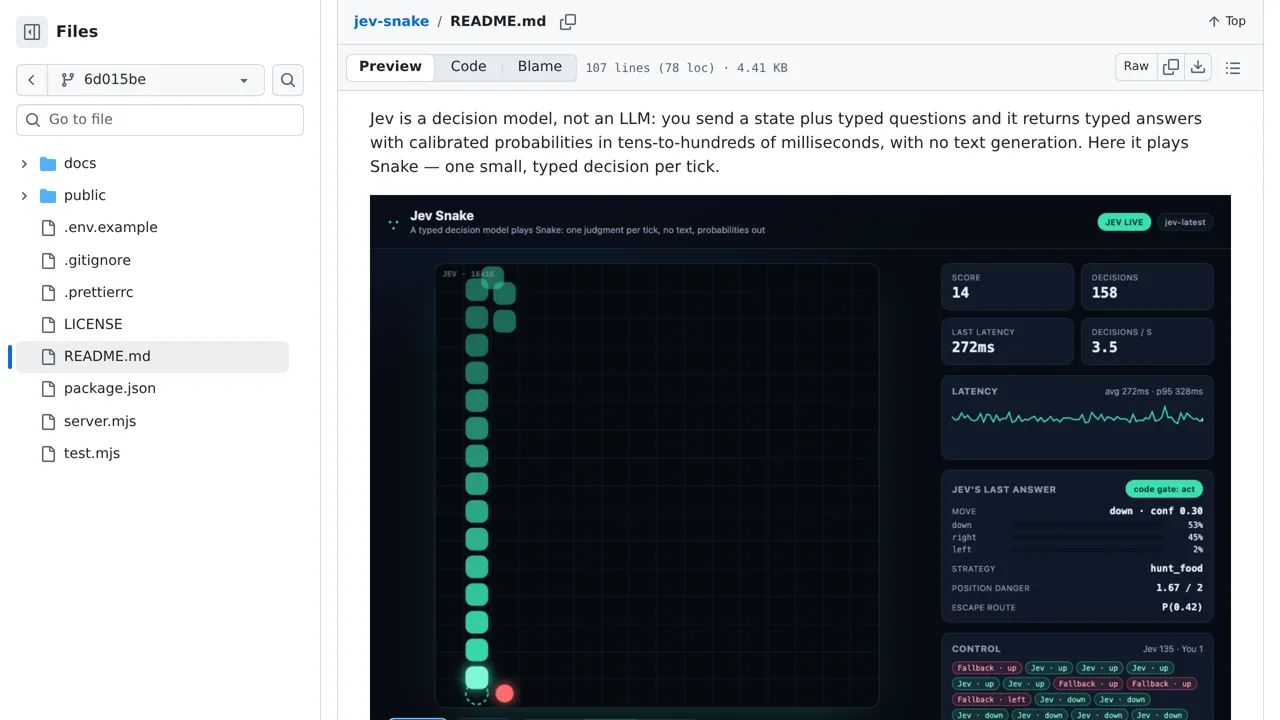
Snake played by Jev, one typed decision per tick, with the dashboard showing the exact request, the answer, the latency and the running cost.
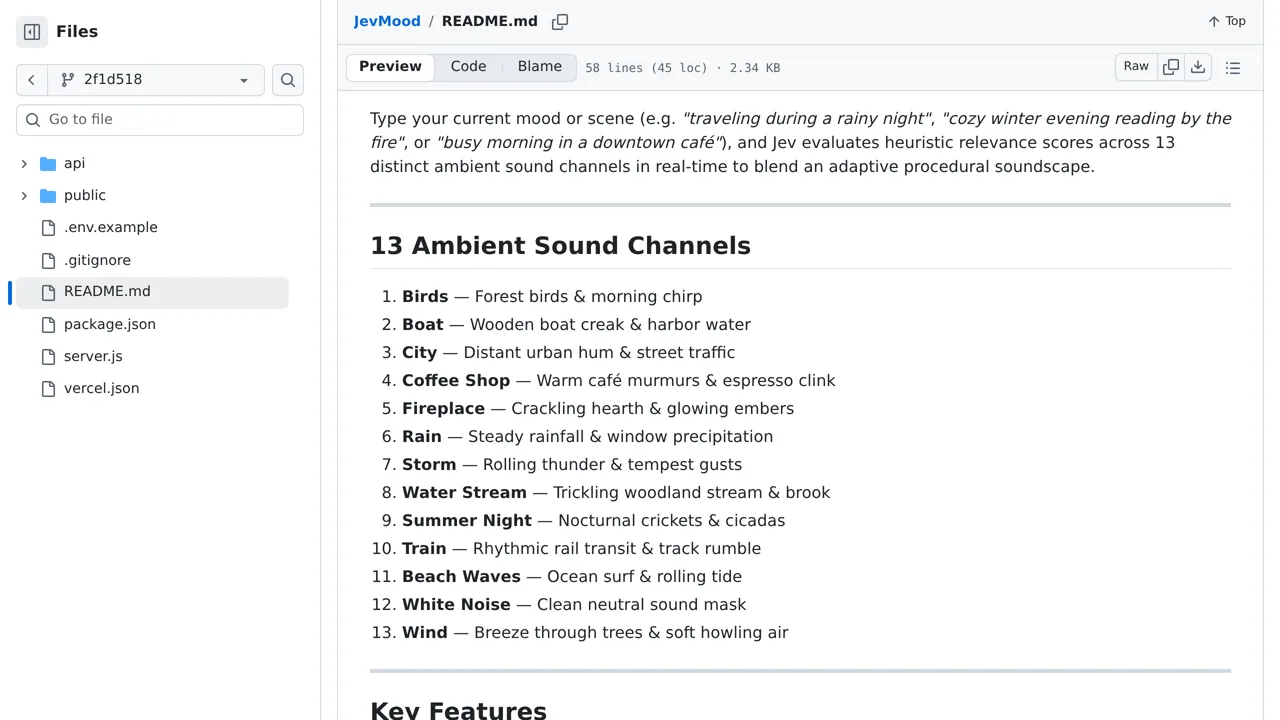
You type a mood or a scene and one parallelised Jev score request rates how prominent each of thirteen ambient channels should be, which the browser then blends live.
A name-analysis page: three Choice questions in one request give peak generational era, linguistic origin and gender association, drawn as a birth-wave curve and a probability spread.

Play chess against Jev in the browser with Stockfish analysing locally; each turn is one Choice over the legal moves, so an illegal answer is impossible.

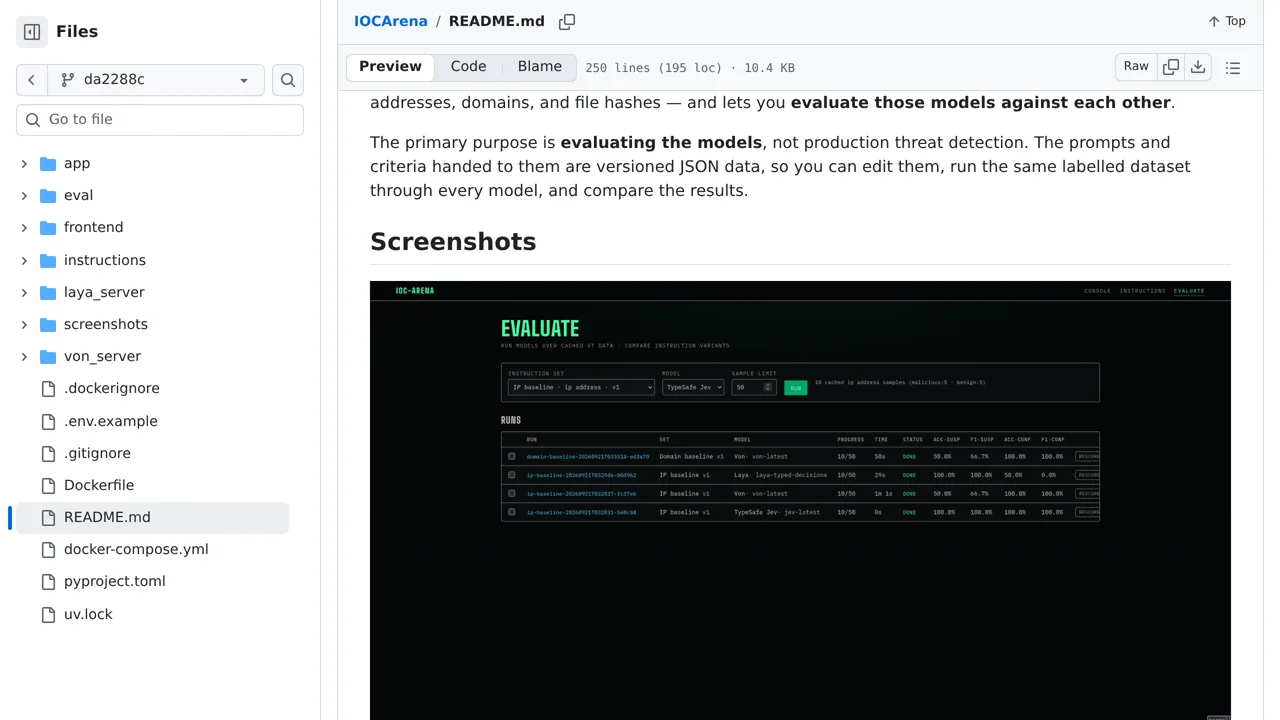
A self-hosted console that runs VirusTotal summaries through System One models and evaluates those models against each other on the same labelled dataset.
Recreates the MAGI supercomputer from Evangelion: three sages answer the same yes/no question and the app decides by majority vote.

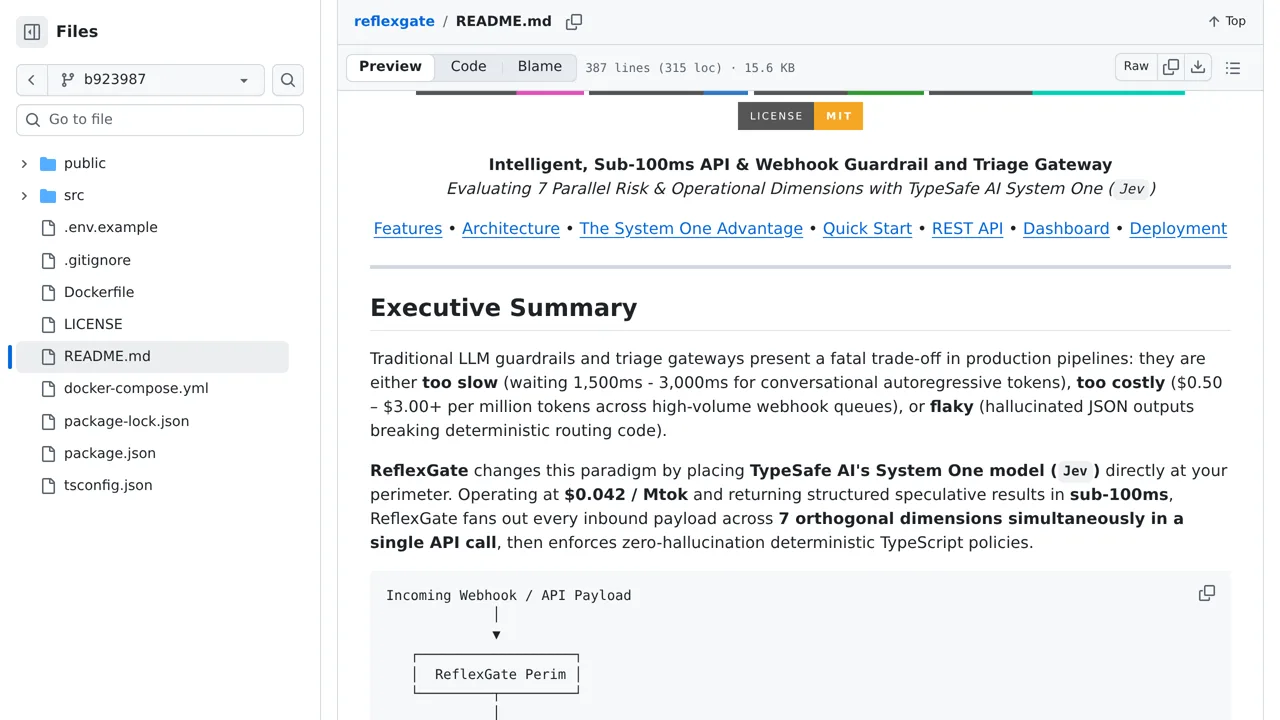
A guardrail gateway that fans every inbound payload across seven risk and operational dimensions in one System One call, then routes with deterministic TypeScript policy.
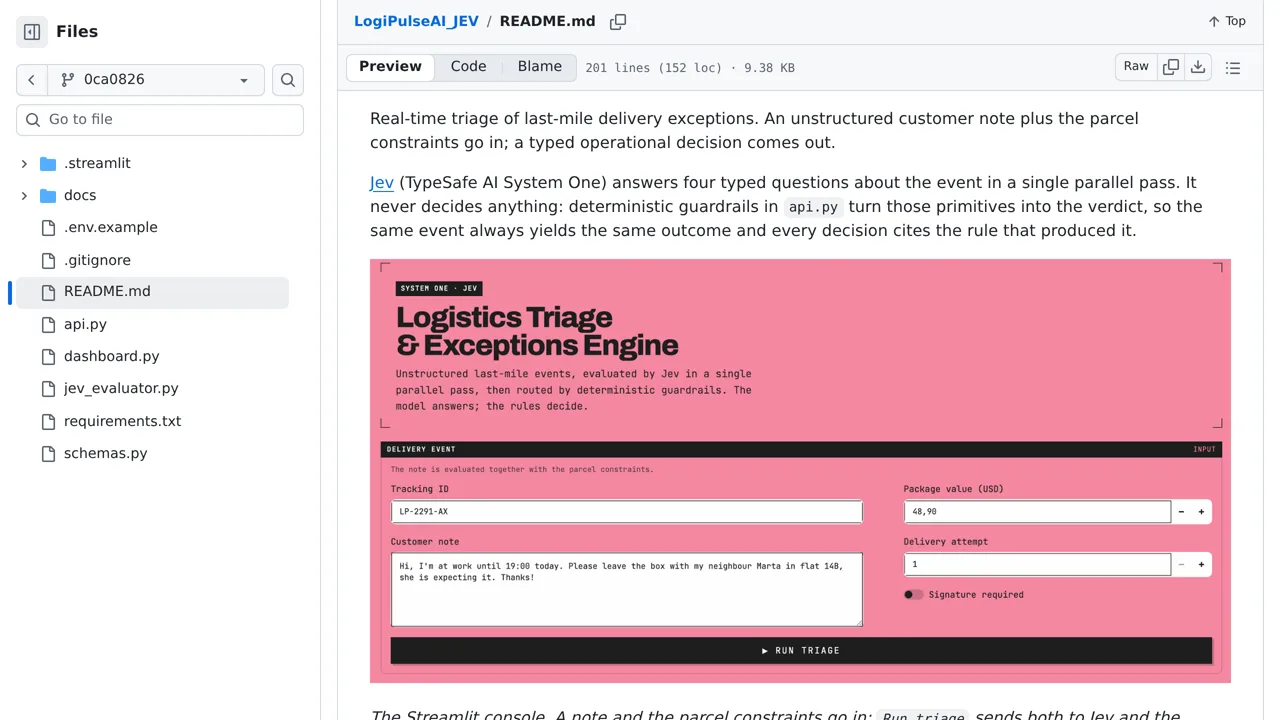
Real-time triage of last-mile delivery exceptions: a customer note and parcel constraints go in, four typed answers come back, and guardrails turn them into a verdict.
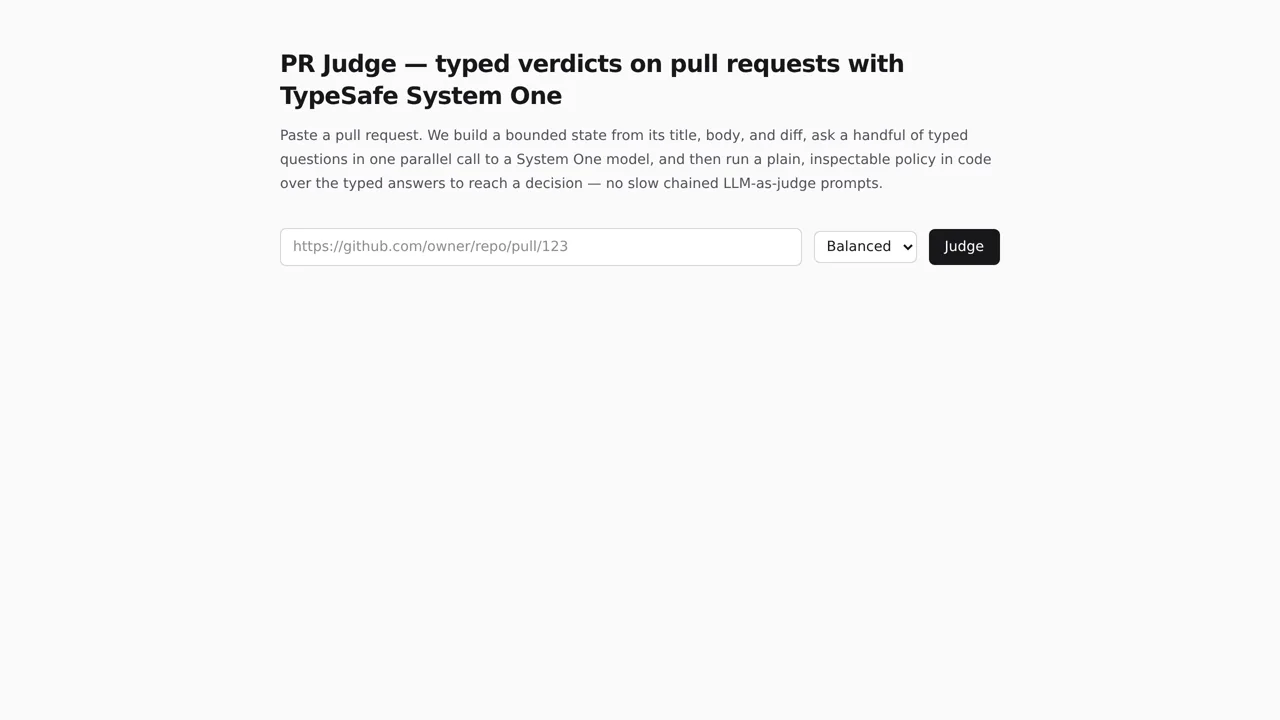
Judges whether a GitHub pull request does what it claims, from one parallel System One call over the title, body and diffs, with policy kept in tested TypeScript.
Seven small compose apps on a live System One client: ticket routing, a confidence gate, pitch scoring, a canned bot, a tool harness, a merge gate and a browser playground.
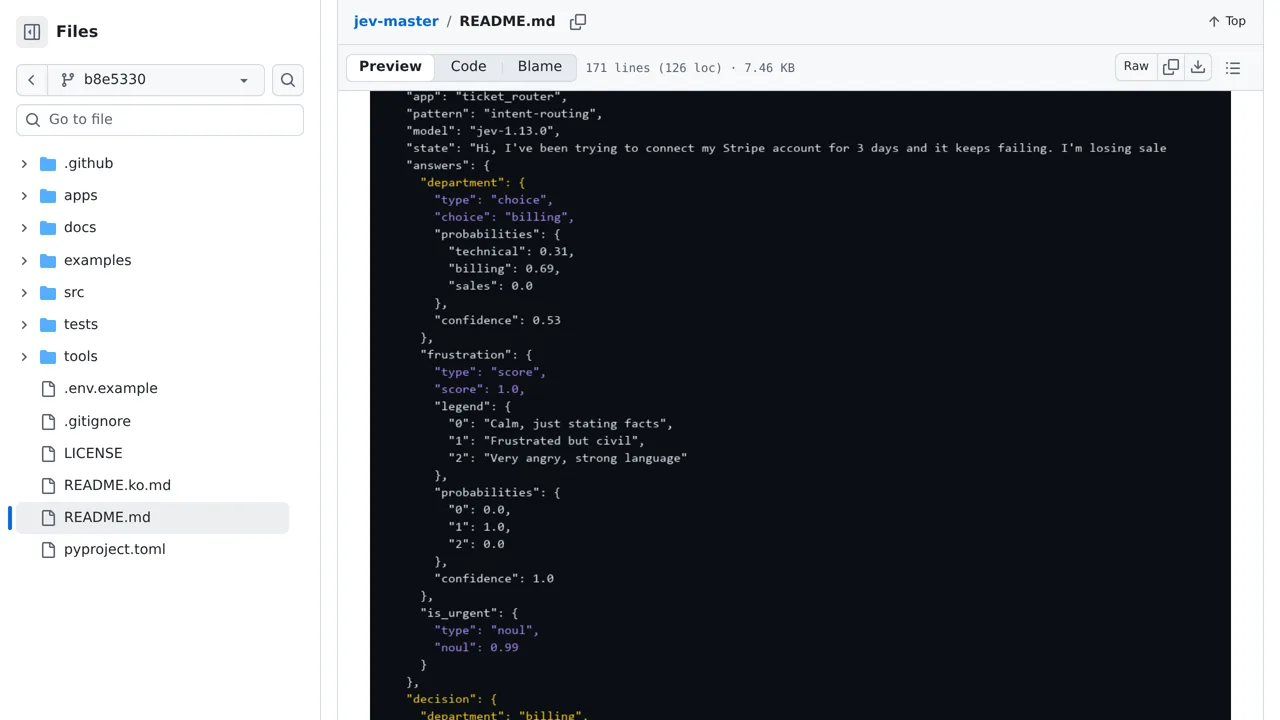
A risk triage gateway for crypto exchange deposits and withdrawals, where hard rules veto first and Jev answers four questions after them.
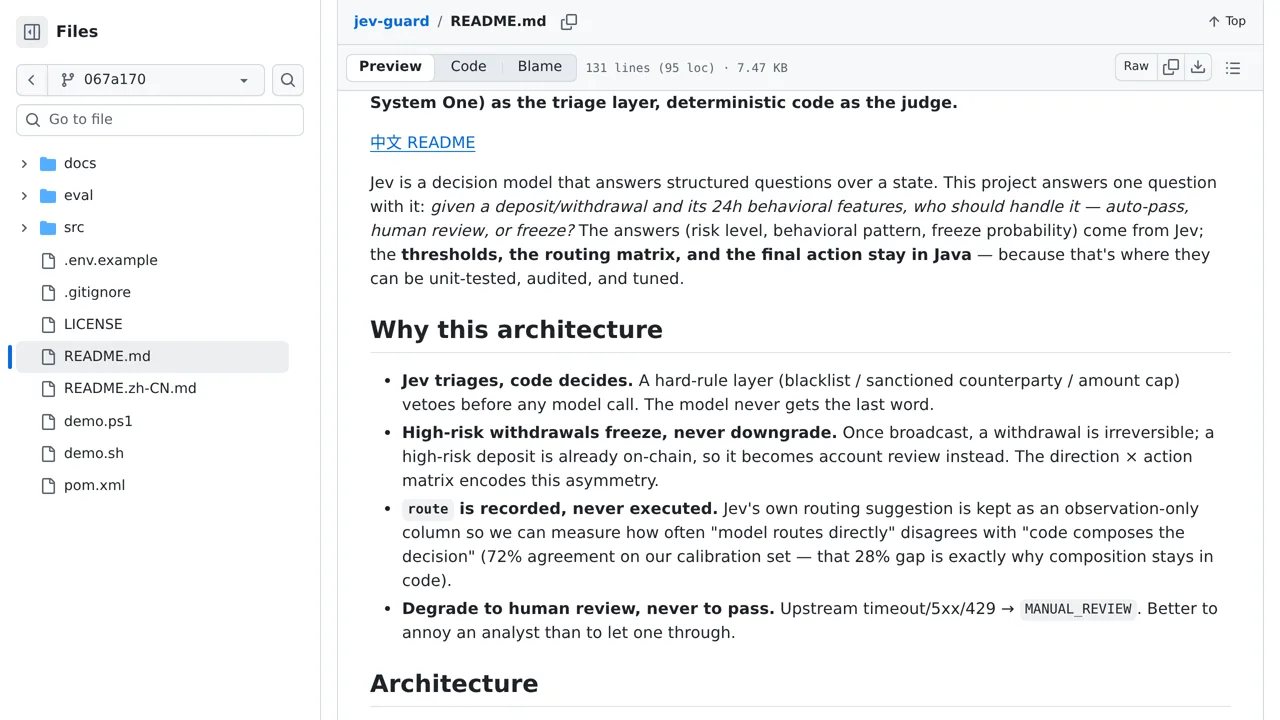
Four decision-quality tools on one shared kernel: did a sponsored video deliver the brief, where does a candidate fall short, did an edit preserve the information, and what needs confirming before a viewing.
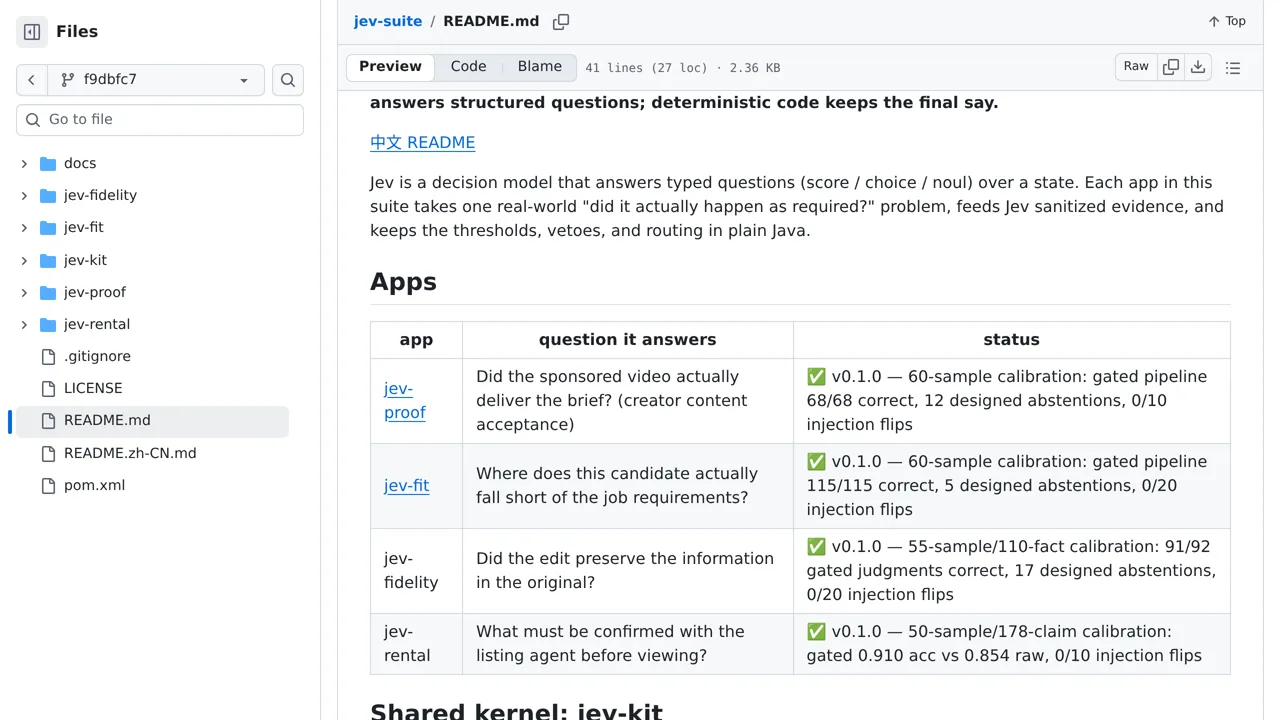
A physical hello world: one line of text becomes the colour, count, brightness and blinking of fifteen addressable LEDs on an obniz board.
An agentic memory system where Jev makes the frequent memory decisions — what to store, how to type and connect it, how retrieval routes — and an LLM writes the answer.

A local playground that shows the request as you build it: a form on the left and the JSON that will be sent on the right.

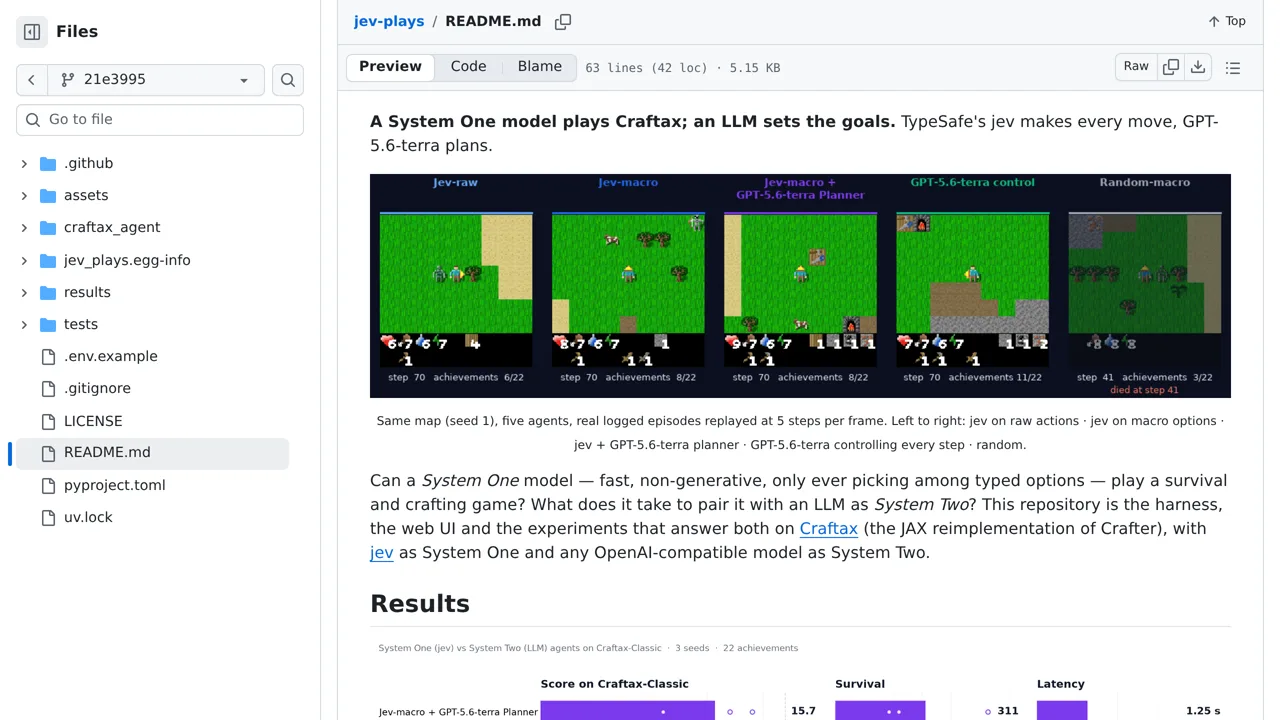
A System One model plays Craftax while an LLM sets the goals, picking one macro option per step or one of seventeen primitive actions.
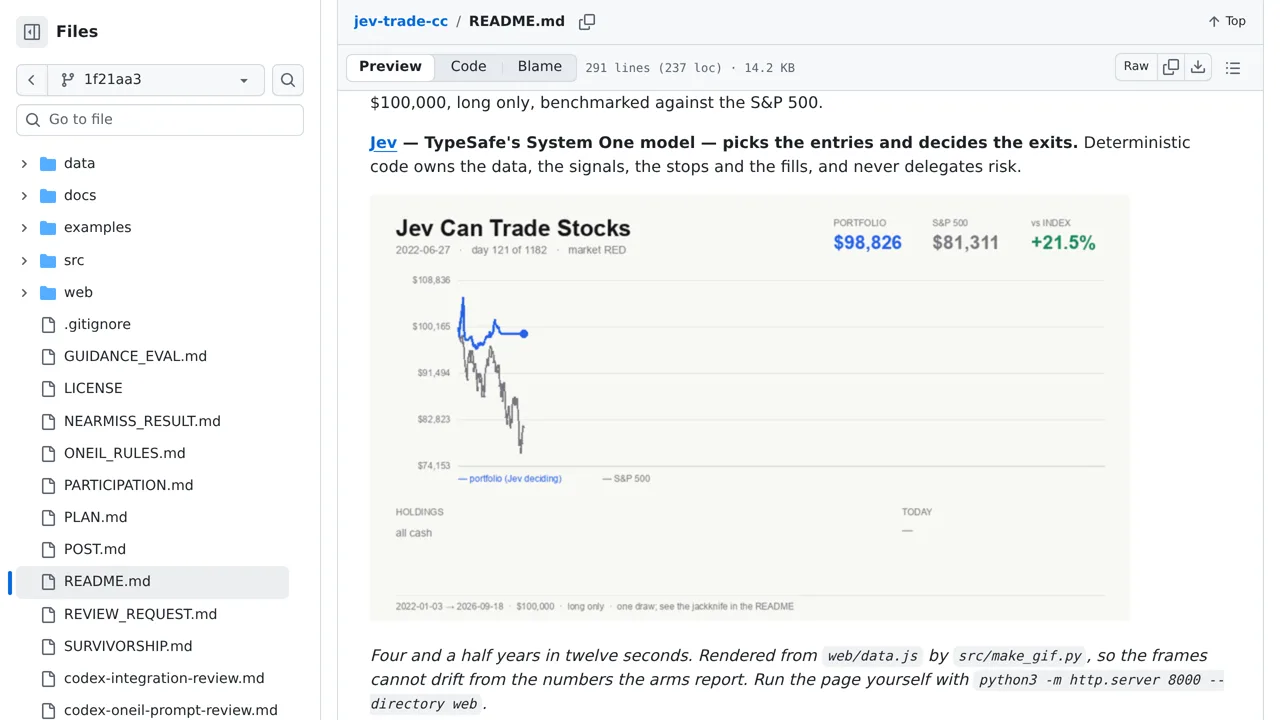
Does Jev pick better stocks than a mechanical momentum rule? A four-year backtest of an O'Neil strategy where Jev chooses the entries and the exits.
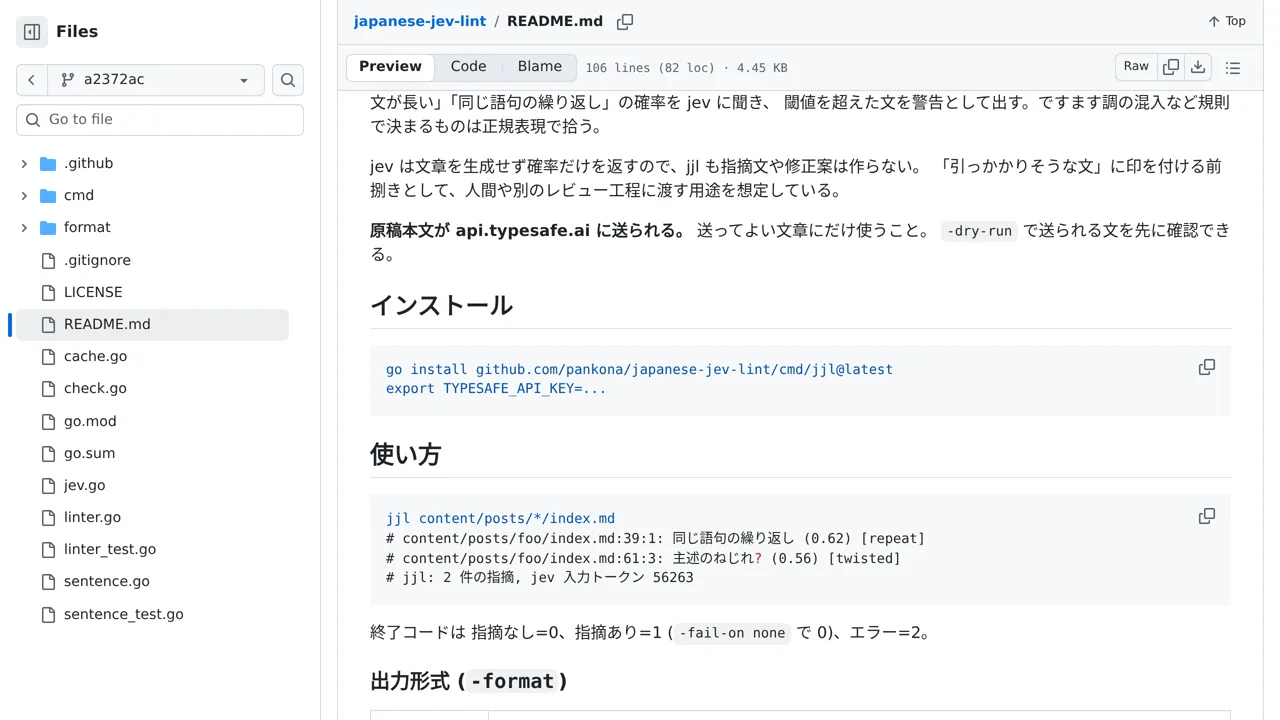
Lints Japanese prose by asking, per sentence, for the probability of a typo, a twisted subject and predicate, an over-long sentence or a repeated phrase.
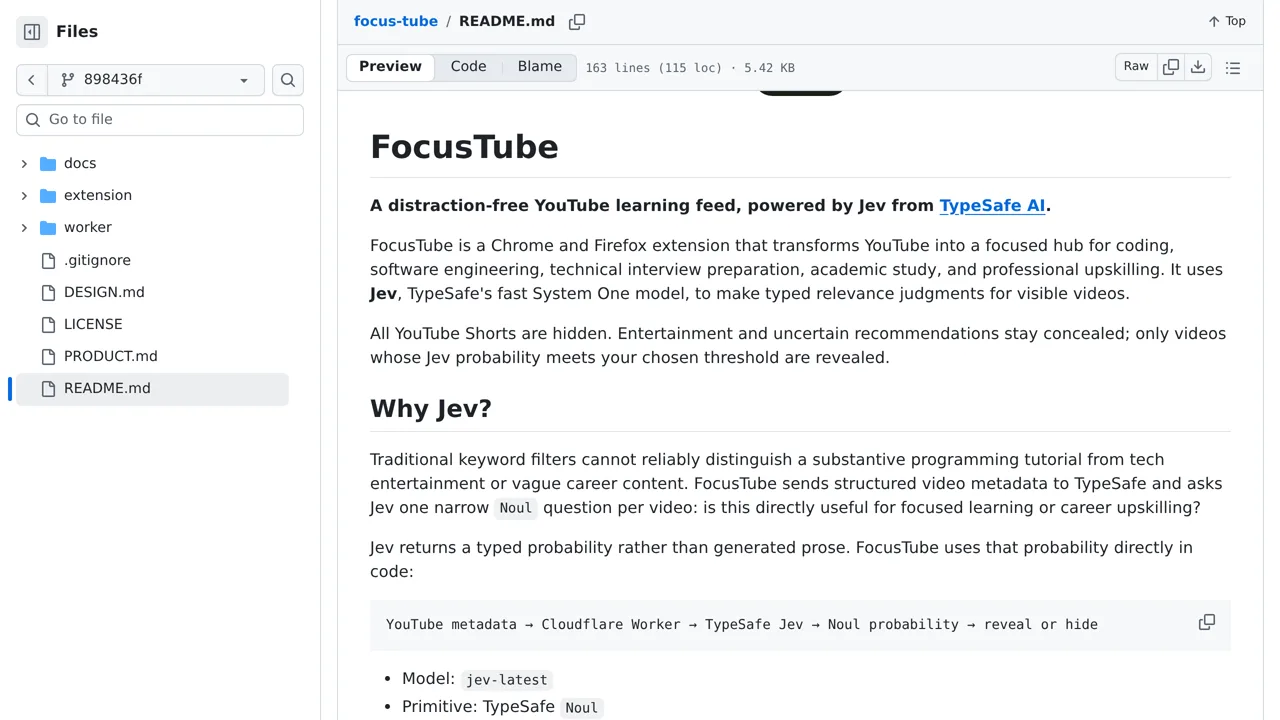
A browser extension that turns YouTube into a focused learning feed: Jev answers one narrow question per video and anything uncertain stays hidden.
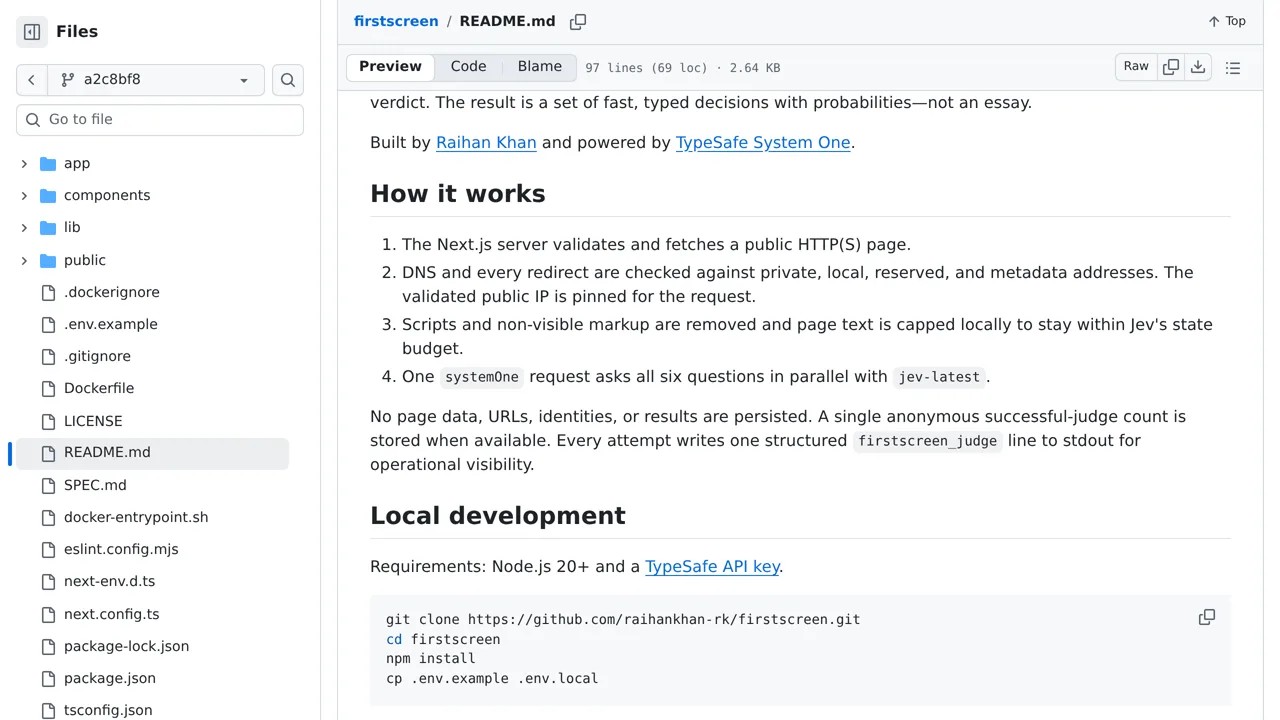
Paste a public URL and Jev judges its first screen: what wall greets a visitor, how concrete the promise is, whether the call to action is obvious and whether trust signals show.
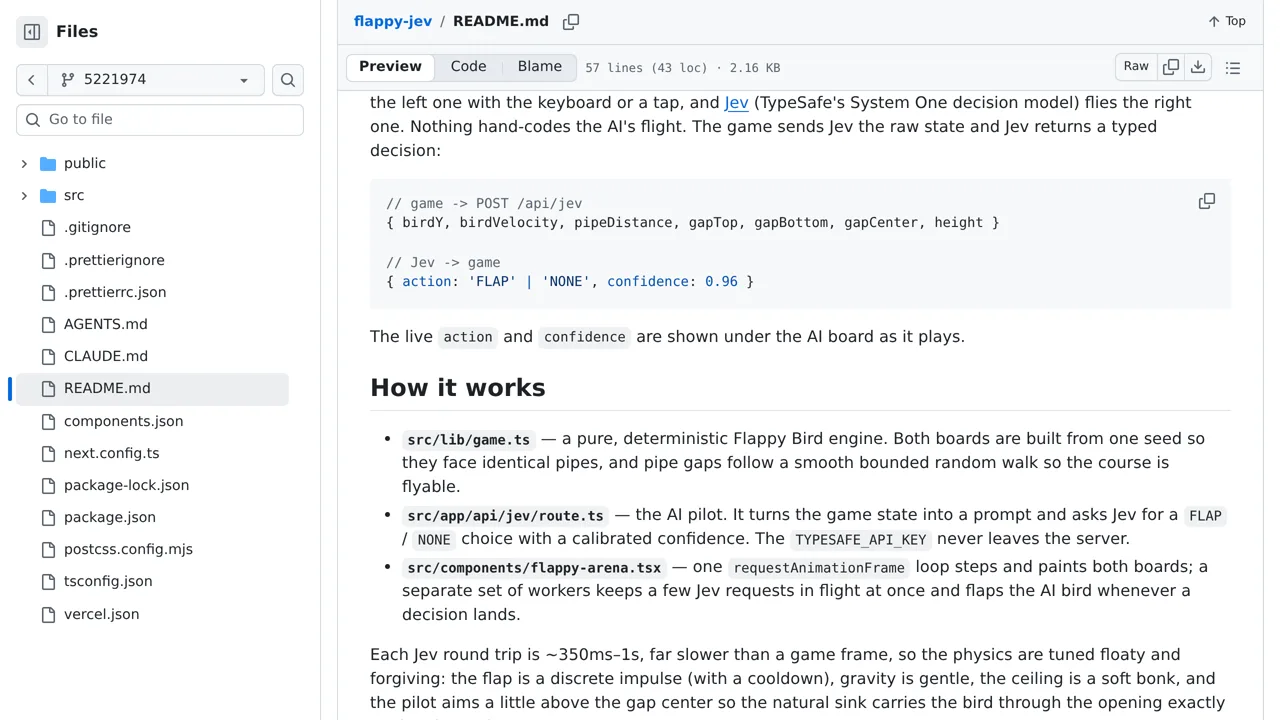
Flappy Bird where you race Jev on the same seeded course, with its typed action and confidence shown live under its board.
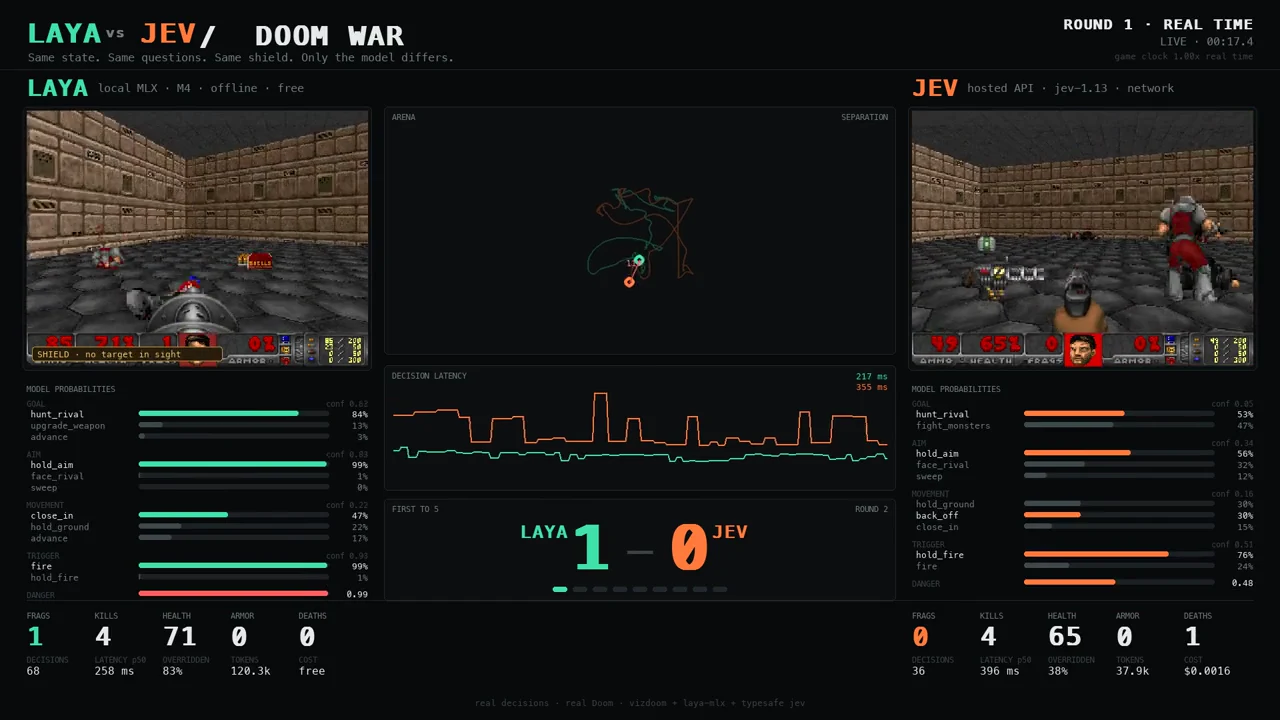
Two System One models fight a real Doom deathmatch — open-weight Laya locally against hosted Jev — from the same compressed state and the same questions.
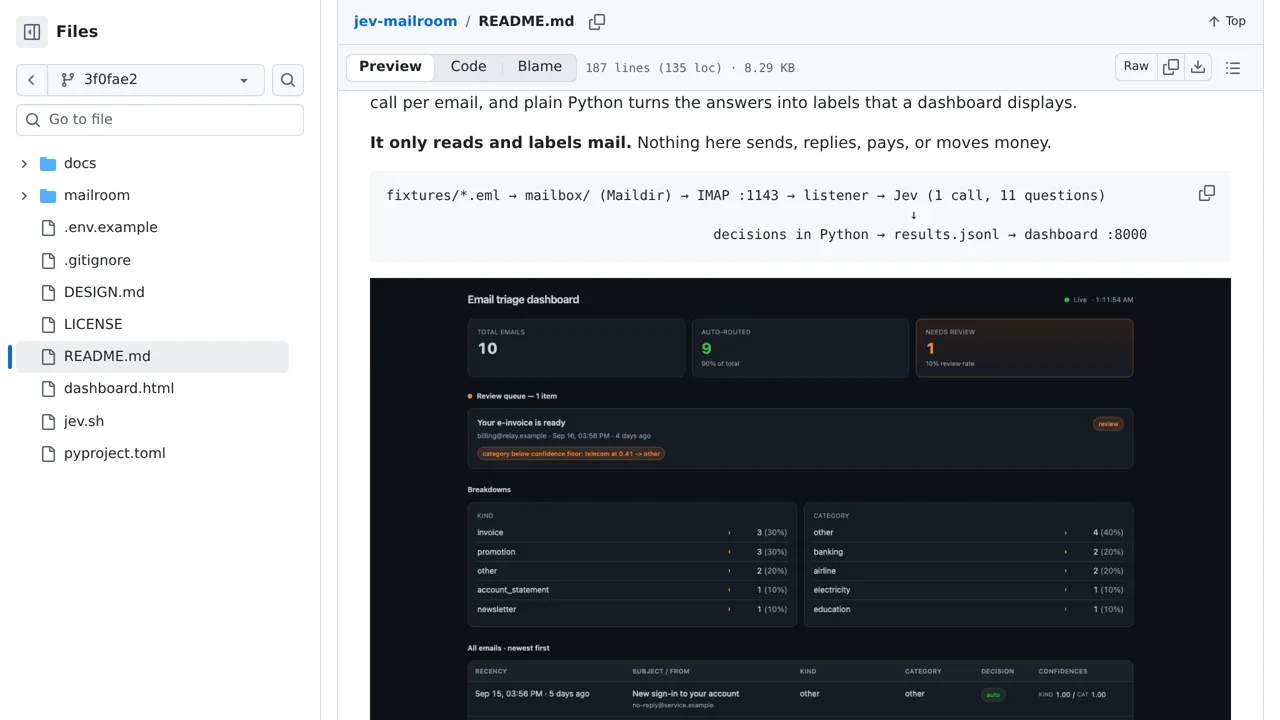
A mailbox triage proof of concept: a fake IMAP server feeds a listener that asks Jev one batched call per email and labels it on two independent axes.
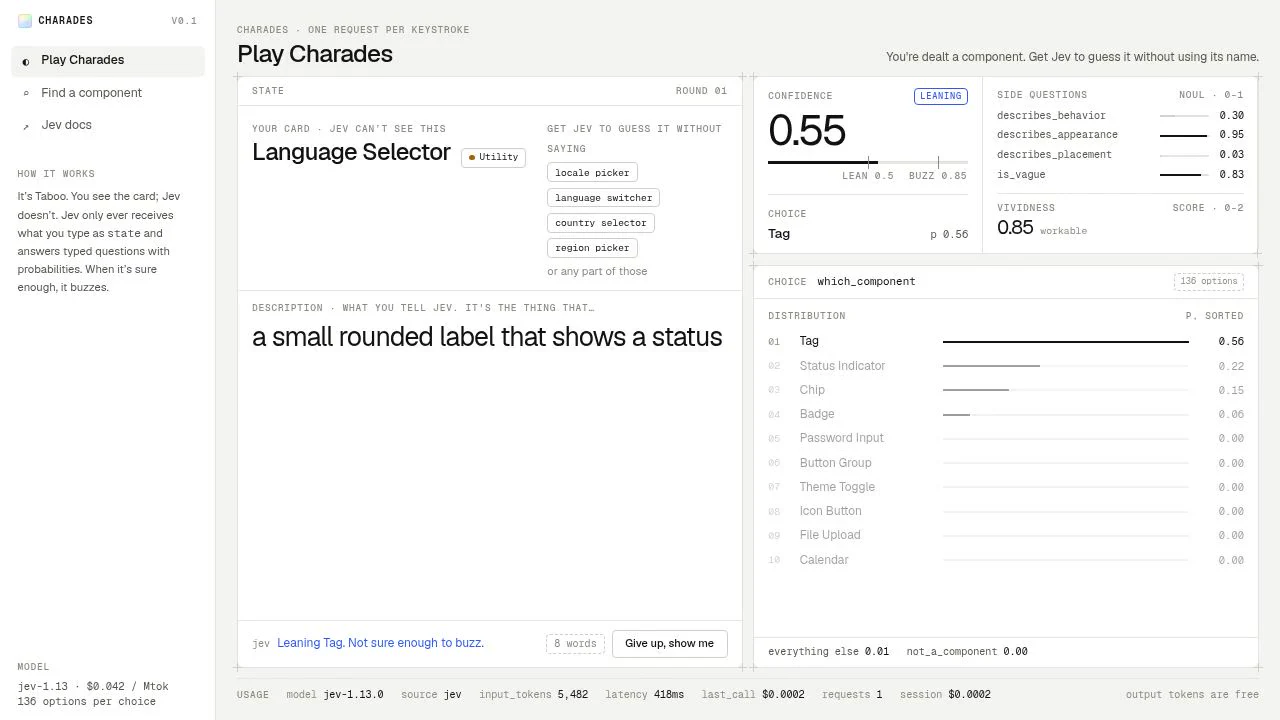
A Taboo-style browser game for design systems: describe a UI component without naming it while Jev re-ranks all 135 components and shows the whole distribution.
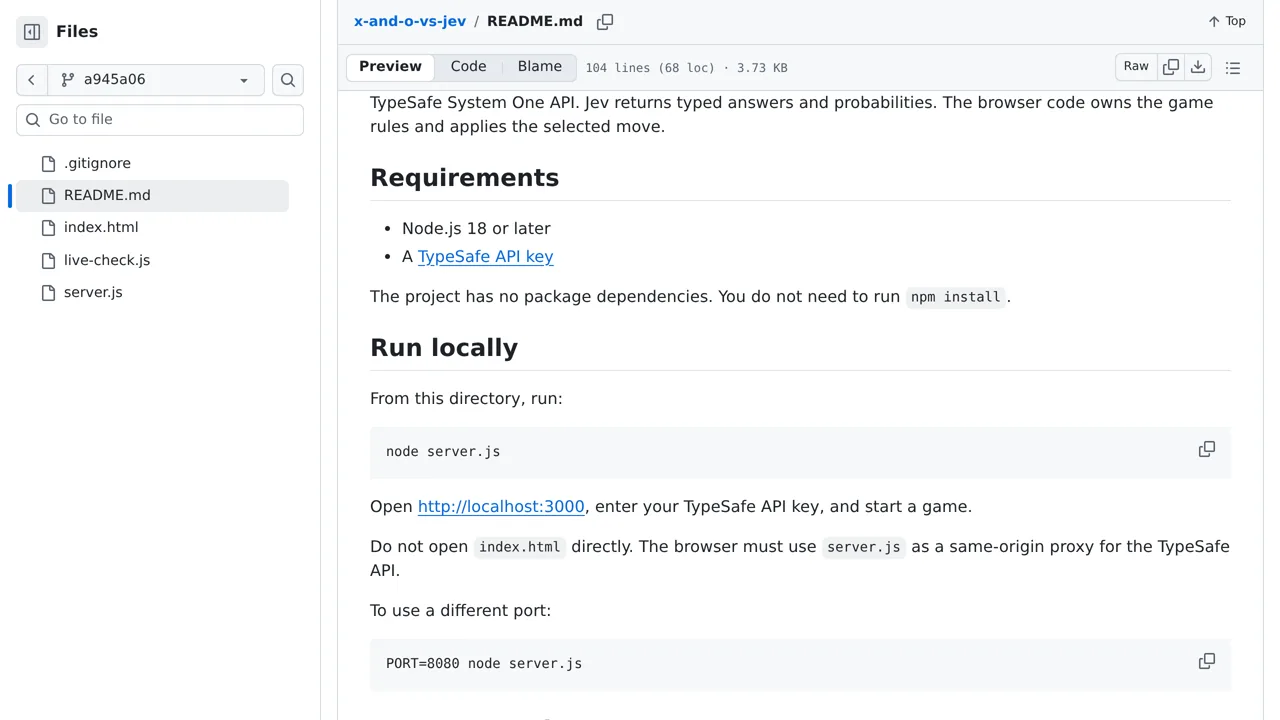
Browser tic-tac-toe where you play X and Jev plays O, with move probabilities, threat assessment and latency in a side panel.
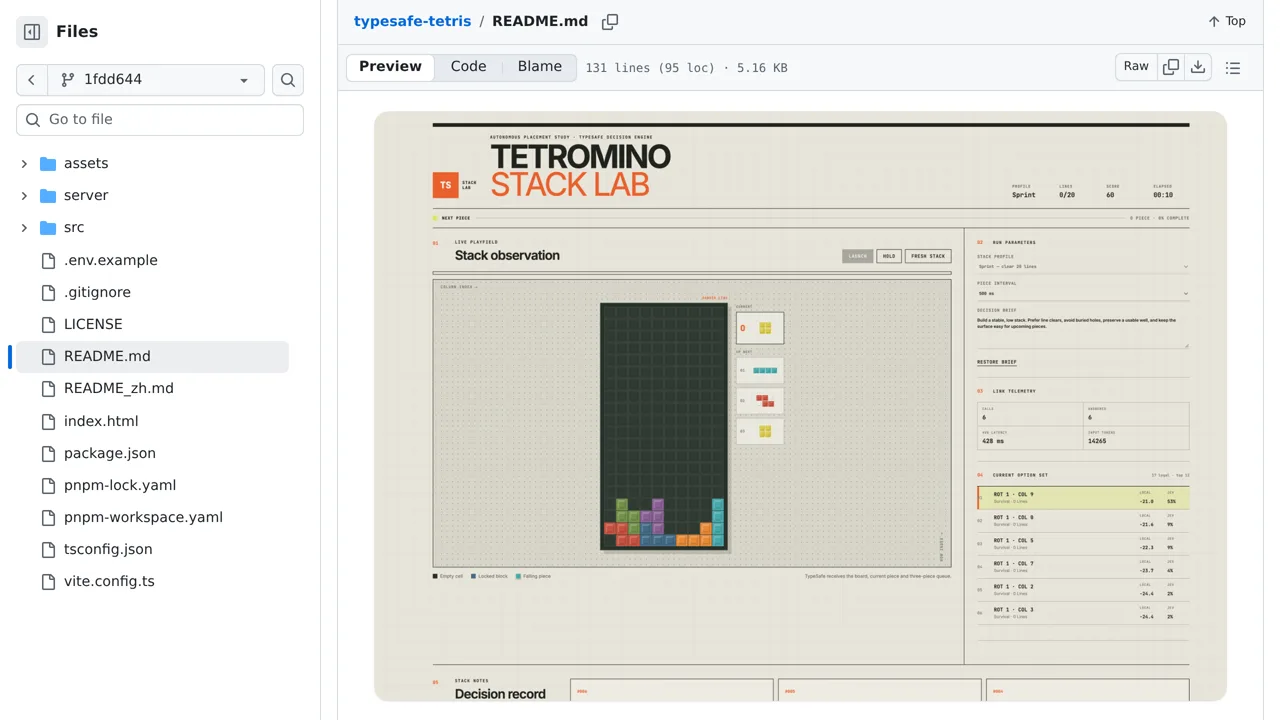
Autonomous Tetris where a local analyzer enumerates and scores every legal landing and only the best twelve reach Jev, which picks exactly one.
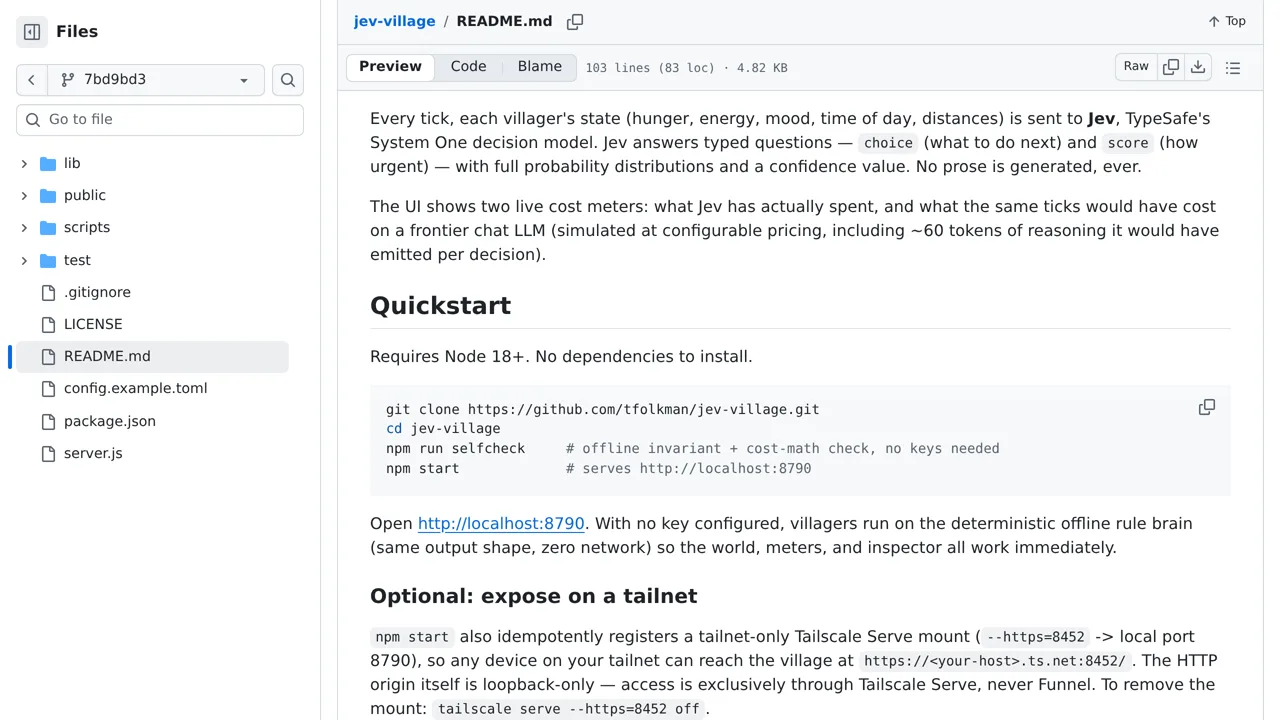
A village where every villager asks Jev what to do next each tick, and a meter shows what those decisions cost against a frontier chat model.
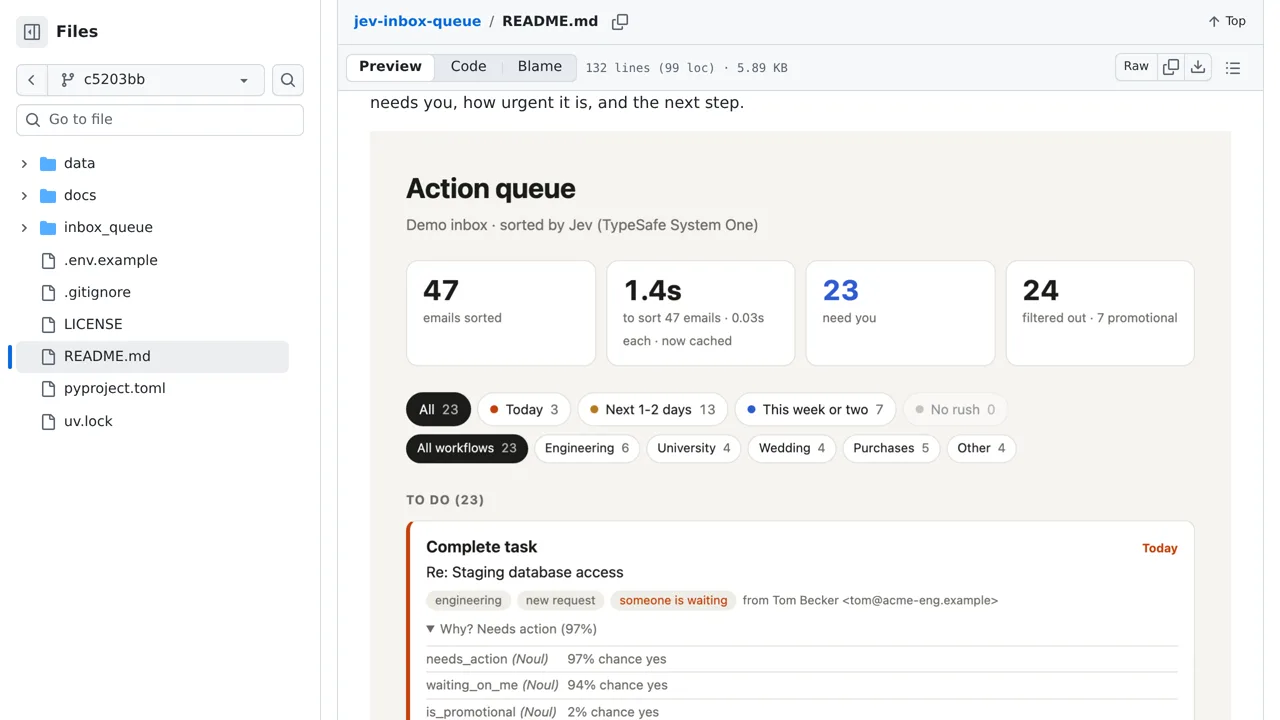
Turns an inbox into a short action queue: seven typed questions per thread, with plain Python deciding whether it needs you and what the next step is.
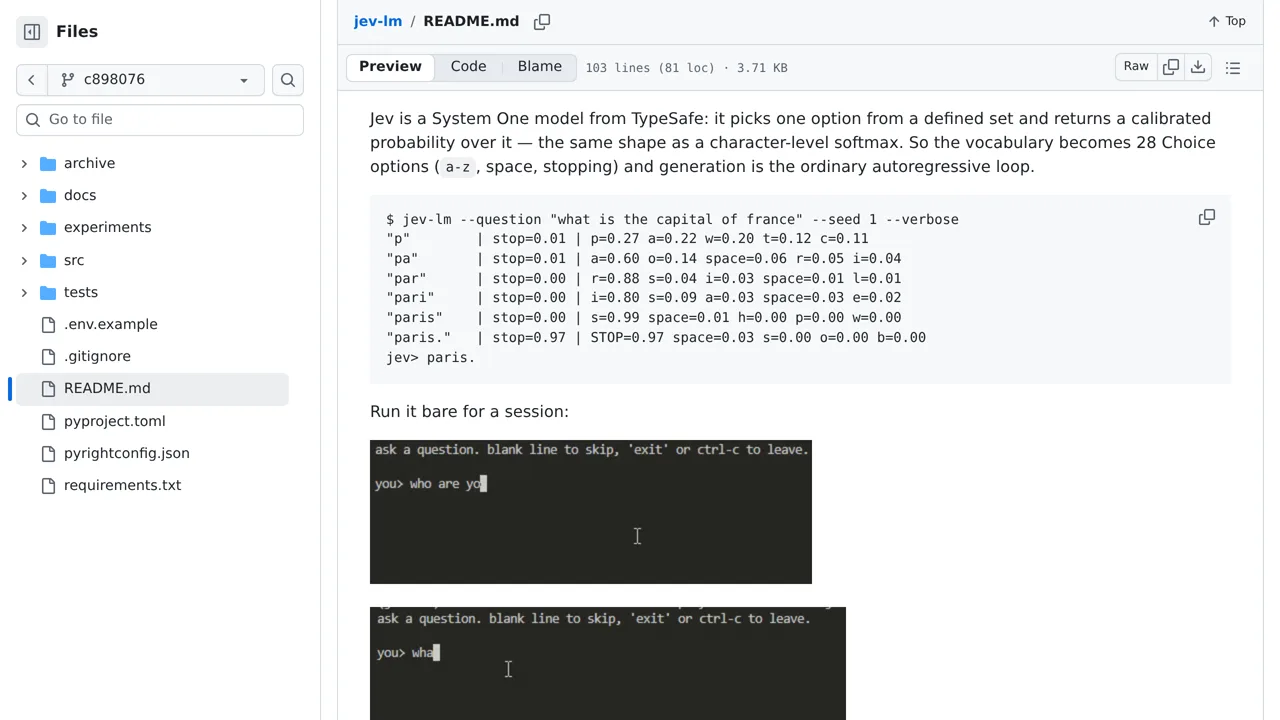
A character-level language model built out of a classifier: the vocabulary becomes 28 Choice options and generation is an ordinary loop over the distribution.
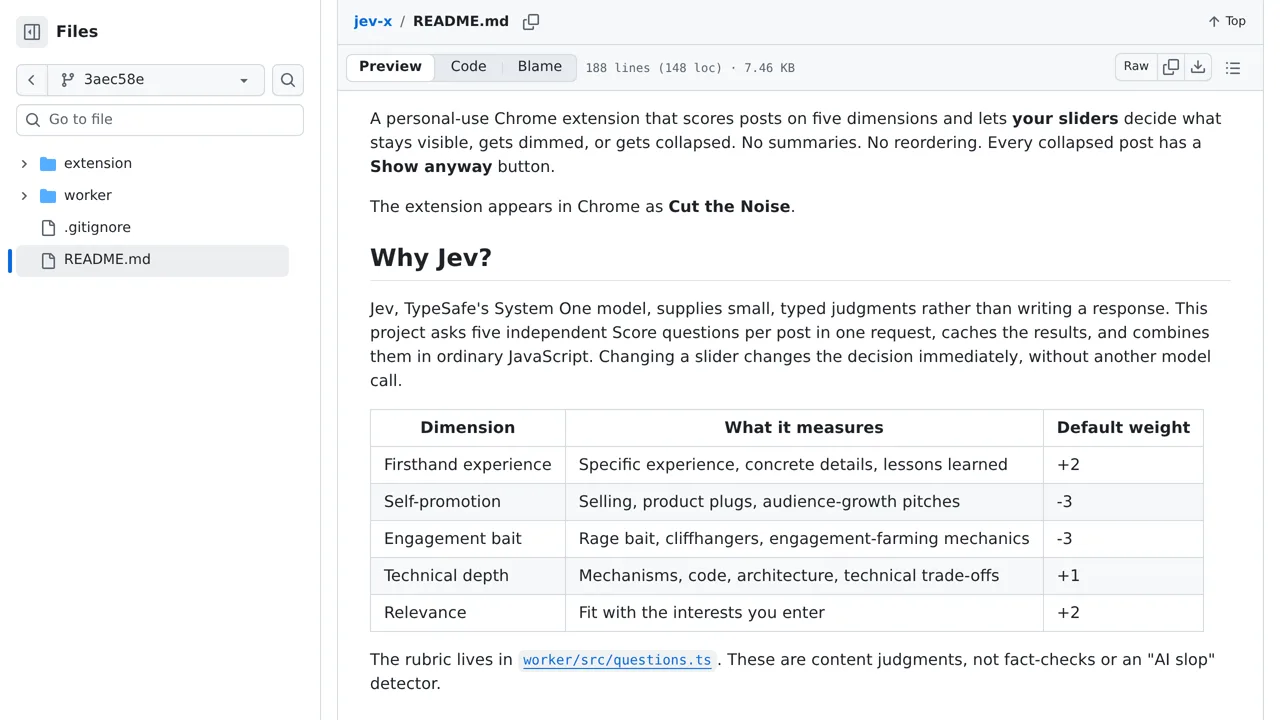
A Chrome extension that scores each post in an X timeline on five dimensions — firsthand experience, self-promotion, engagement bait, technical depth and relevance.
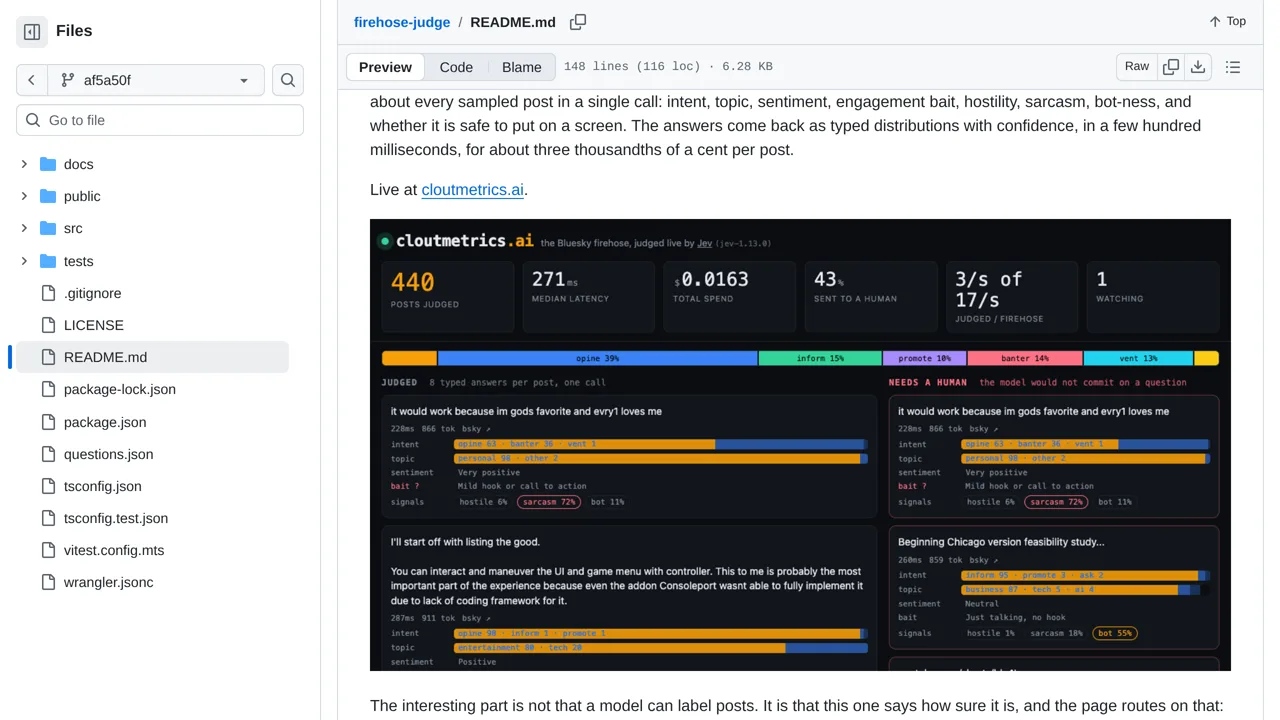
Classifies sampled Bluesky posts with eight Jev questions and sends uncertain judgments to a human-review lane.
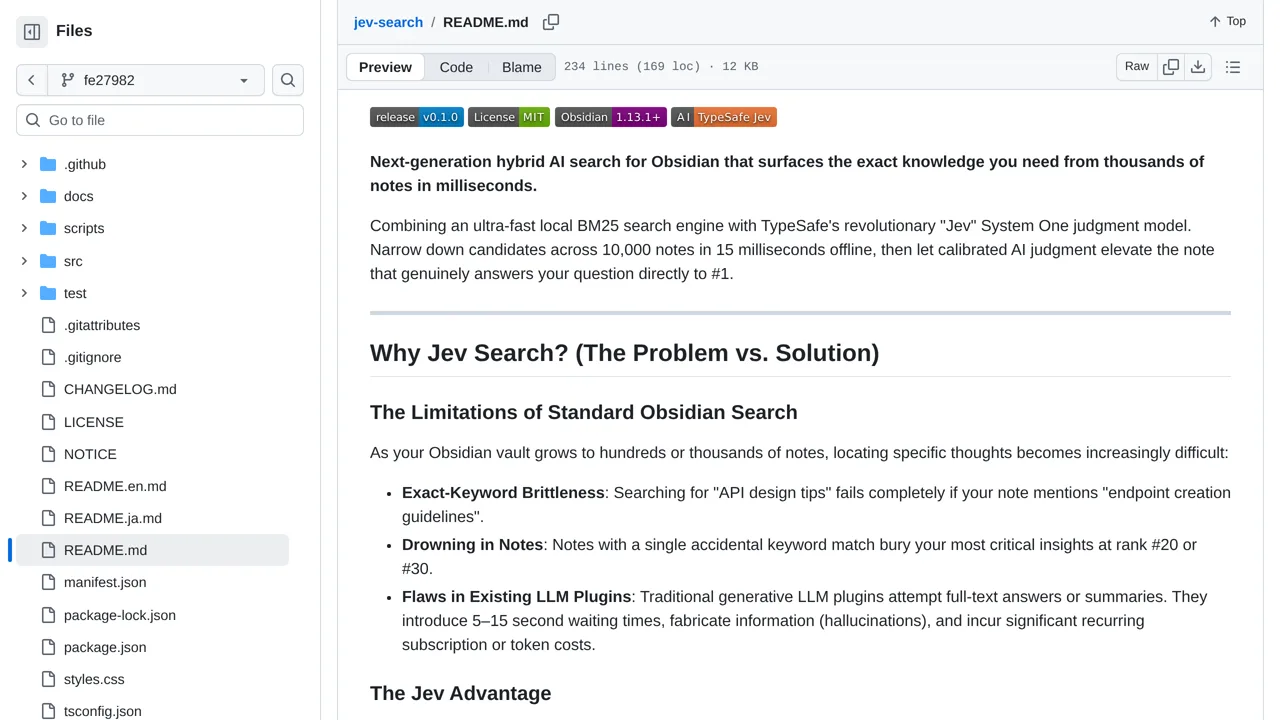
Searches an Obsidian vault locally, then—only with approval—sends shortlisted excerpts to Jev for reranking.
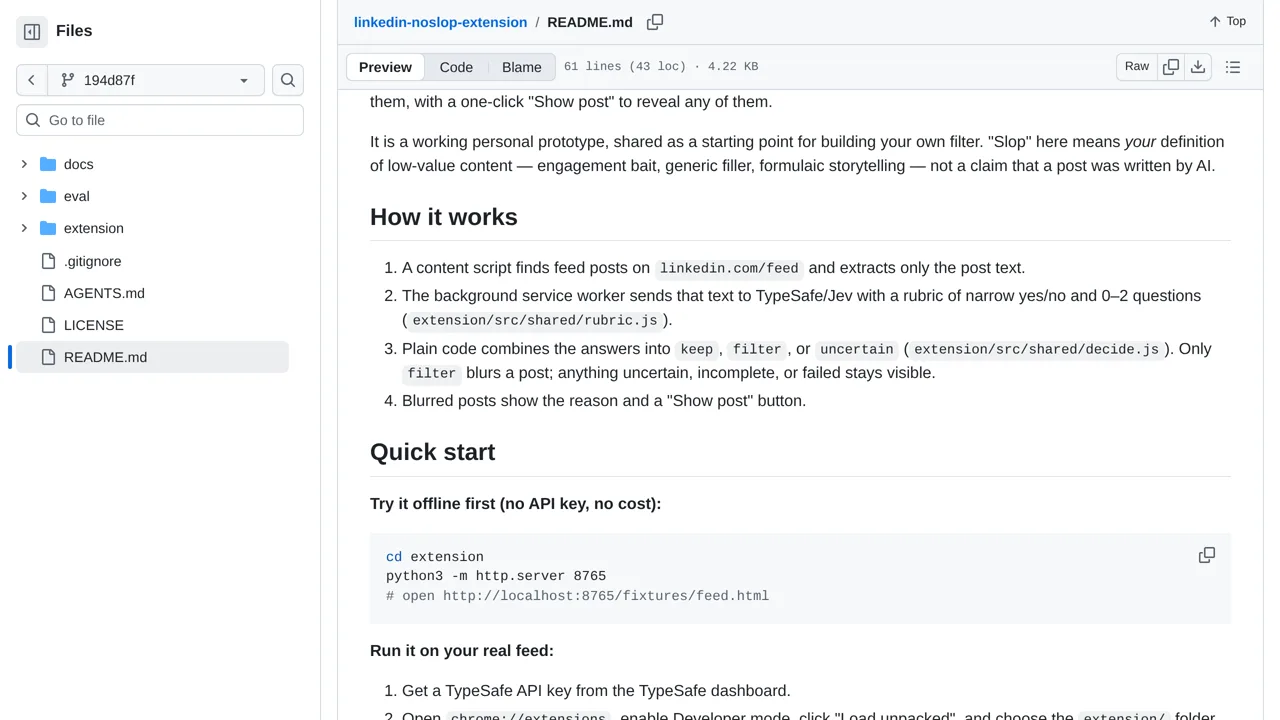
Blur LinkedIn posts that match your low-value-content rubric while leaving uncertain or failed judgments visible and offering one-click reveal.
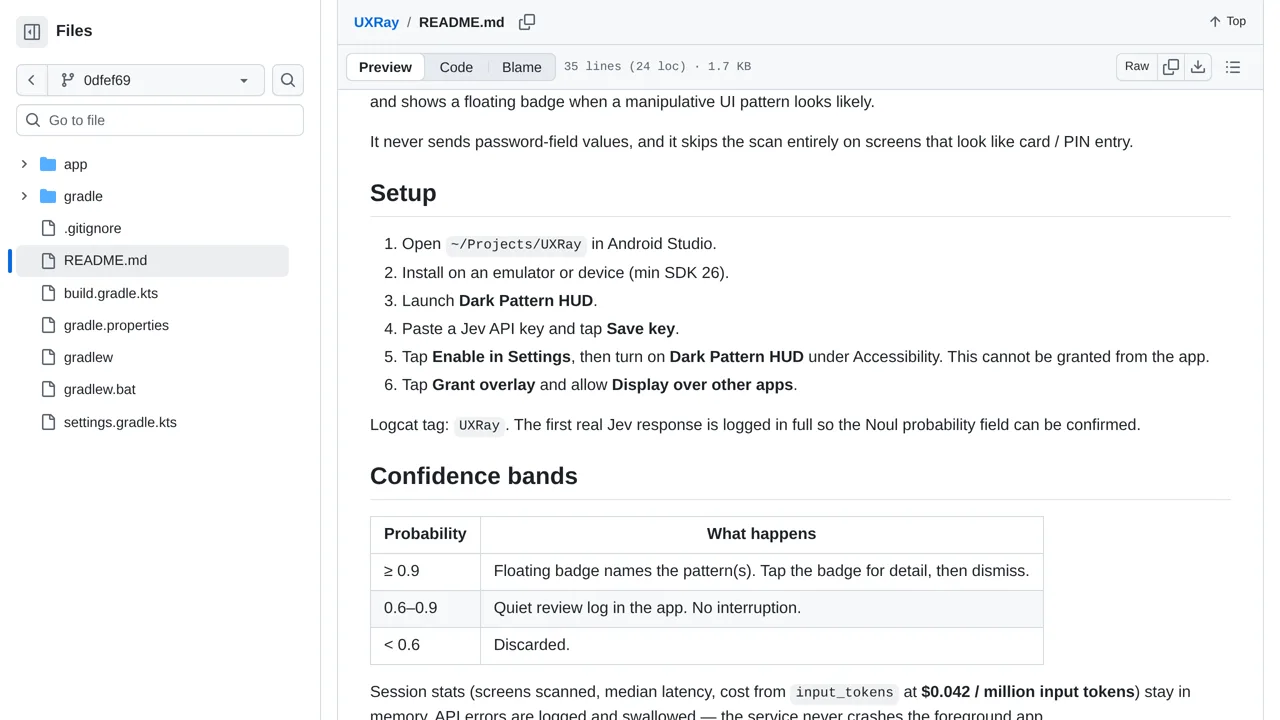
Overlay Android screens with warnings when Jev identifies manipulative interface patterns in captured accessibility context.
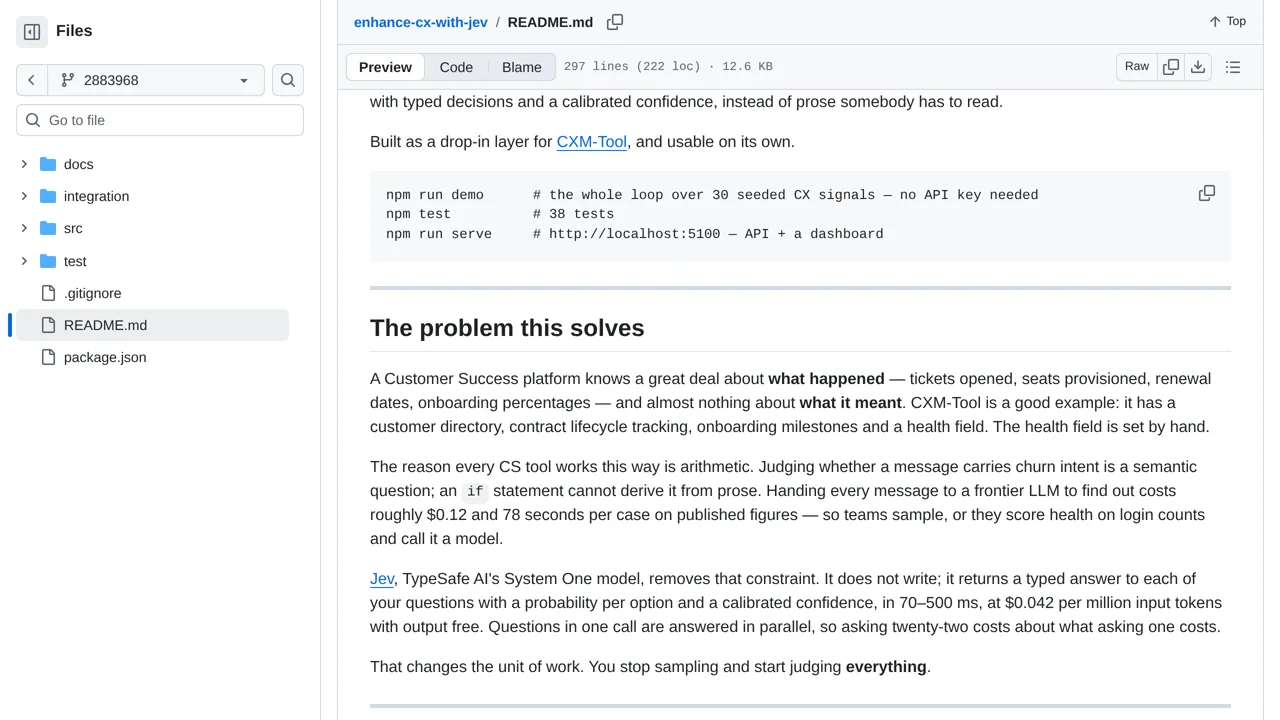
Triage customer messages, assess account health, and check outbound drafts through a shared typed decision pipeline.
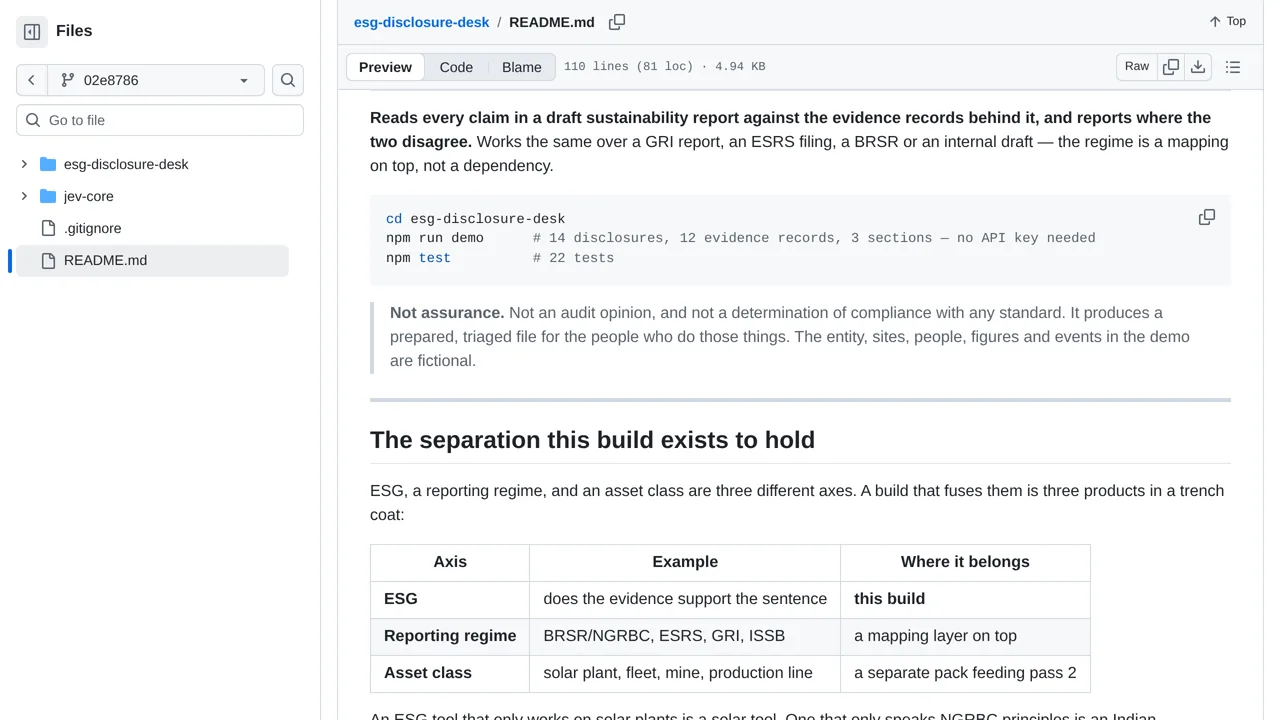
Compare sustainability-report claims with their evidence and surface disagreements across GRI, ESRS, BRSR, and ISSB mappings.
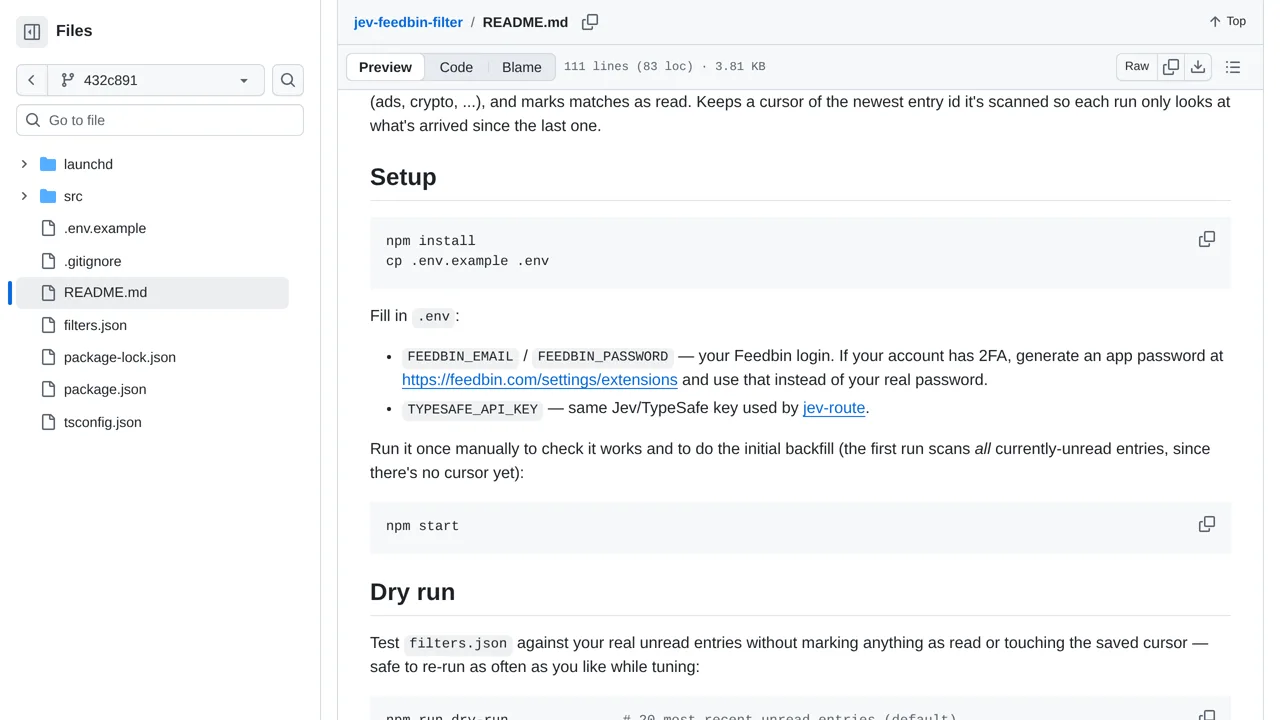
Automatically mark new Feedbin articles as read when Jev matches them to unwanted categories such as ads or crypto.
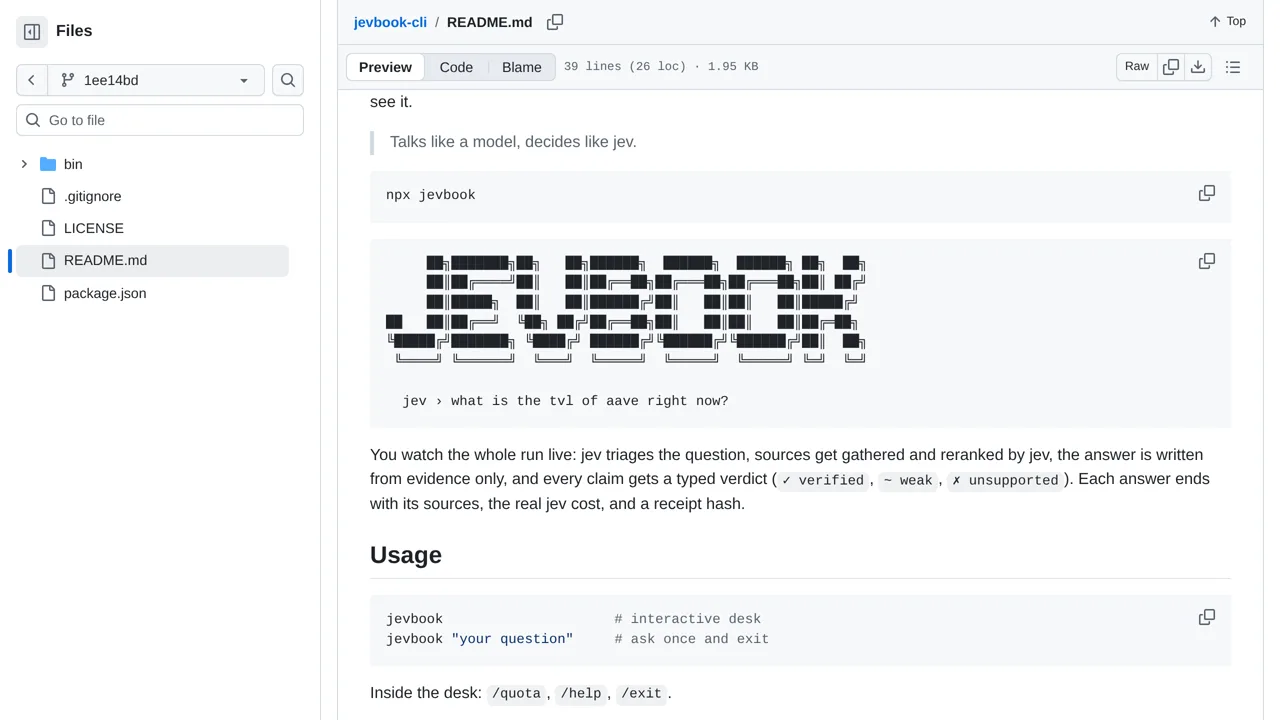
Research web and on-chain questions from the terminal, then show claims only after Jev-backed checks.
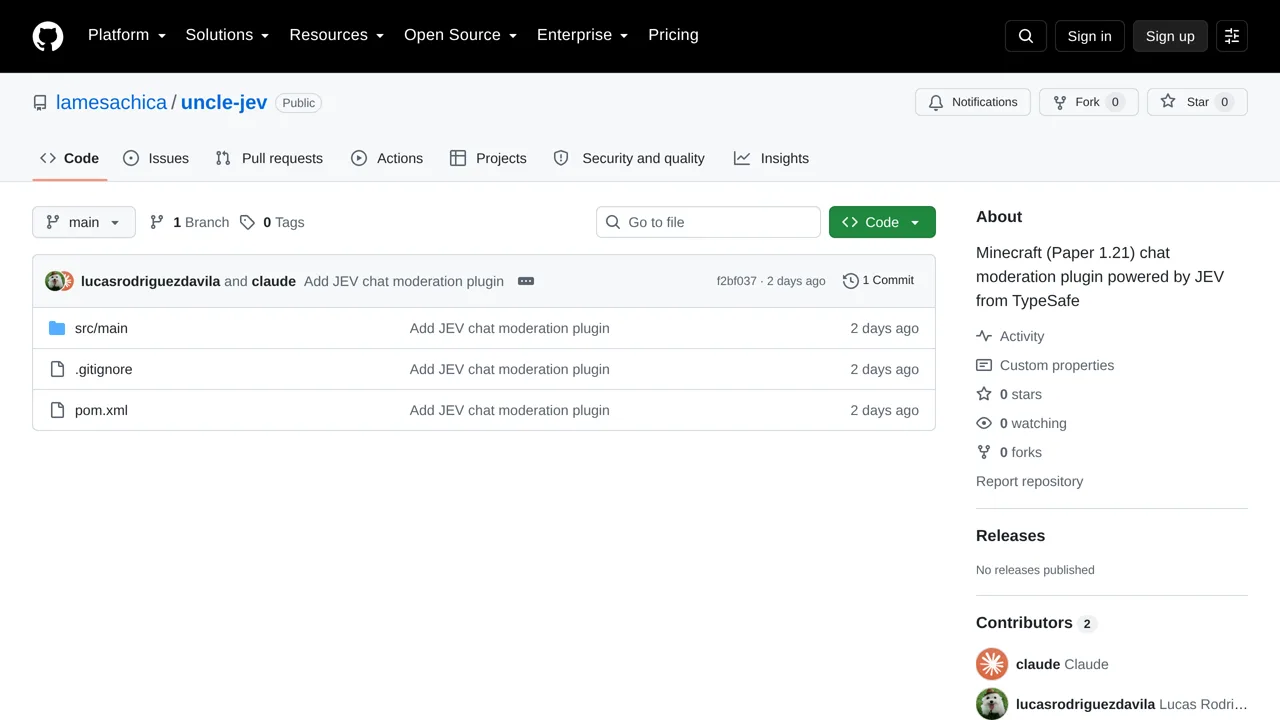
Moderate Paper 1.21 Minecraft chat with Jev and enforce the configured verdict before broadcasting a message.
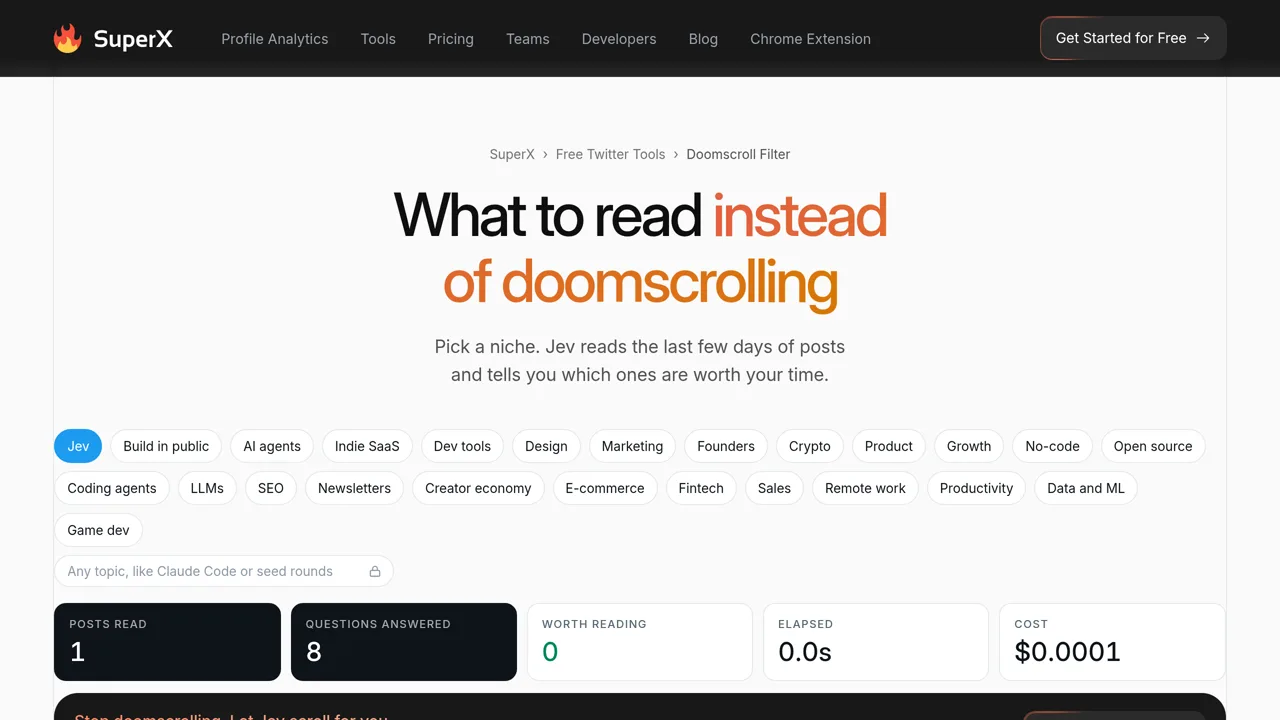
Pick a niche and turn recent public posts into a finite Read, Skim, or Pass list.
Track geopolitical news on a live map after Jev classifies relevance, region, escalation, violence, and significance.

Describe a moment and get three reaction GIFs selected from search candidates by Jev.

Find files and run Mac app commands by describing what you want in a launcher.

Riley Brown used Jev to classify 500 emails in seconds.

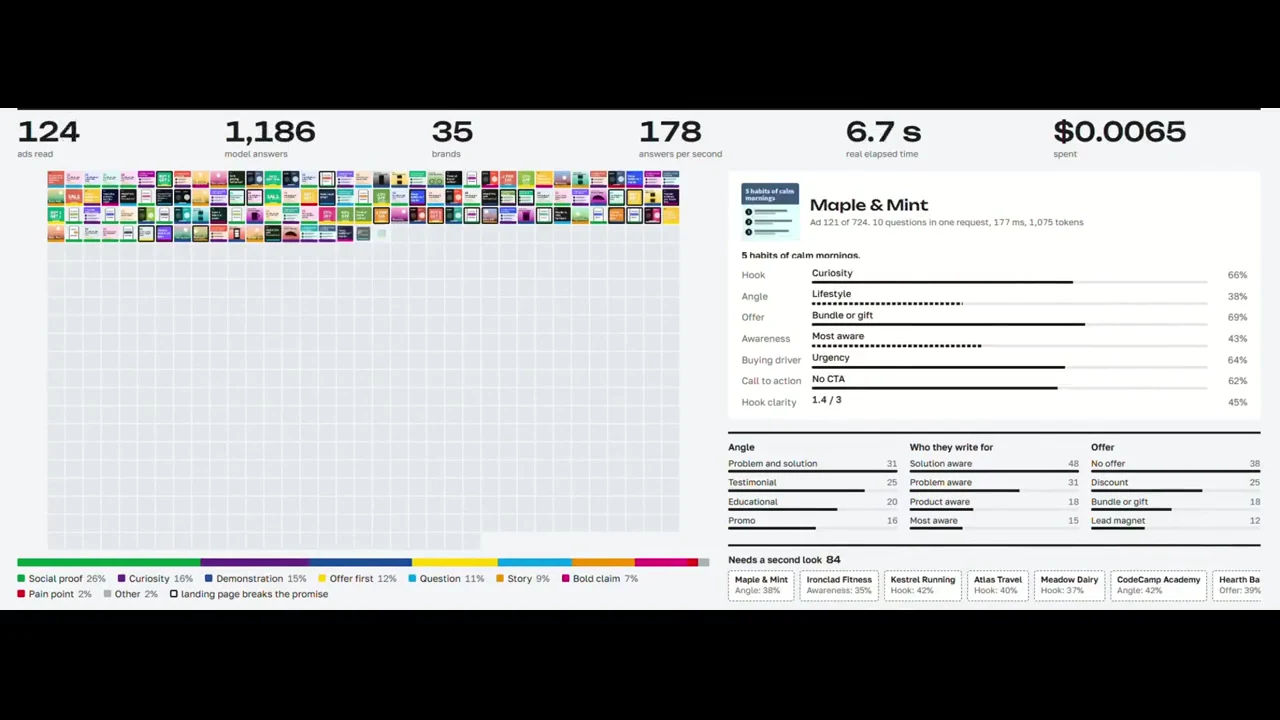
Ackerman scanned and classified more than 700 live advertisements with Jev.
Timothy Kassis built a free Jev tool that scores the methodological rigor of academic papers.

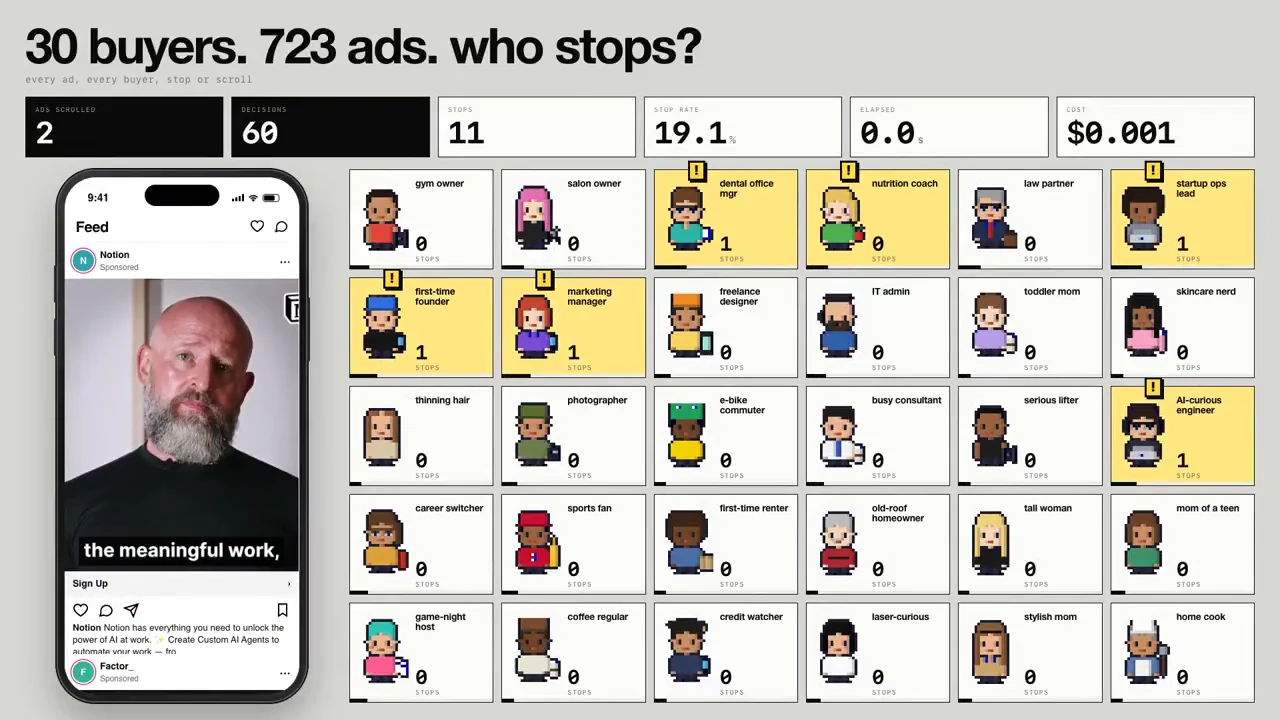
Matthew Berman had 30 simulated buyer personas judge whether they would stop for or scroll past 723 ads.
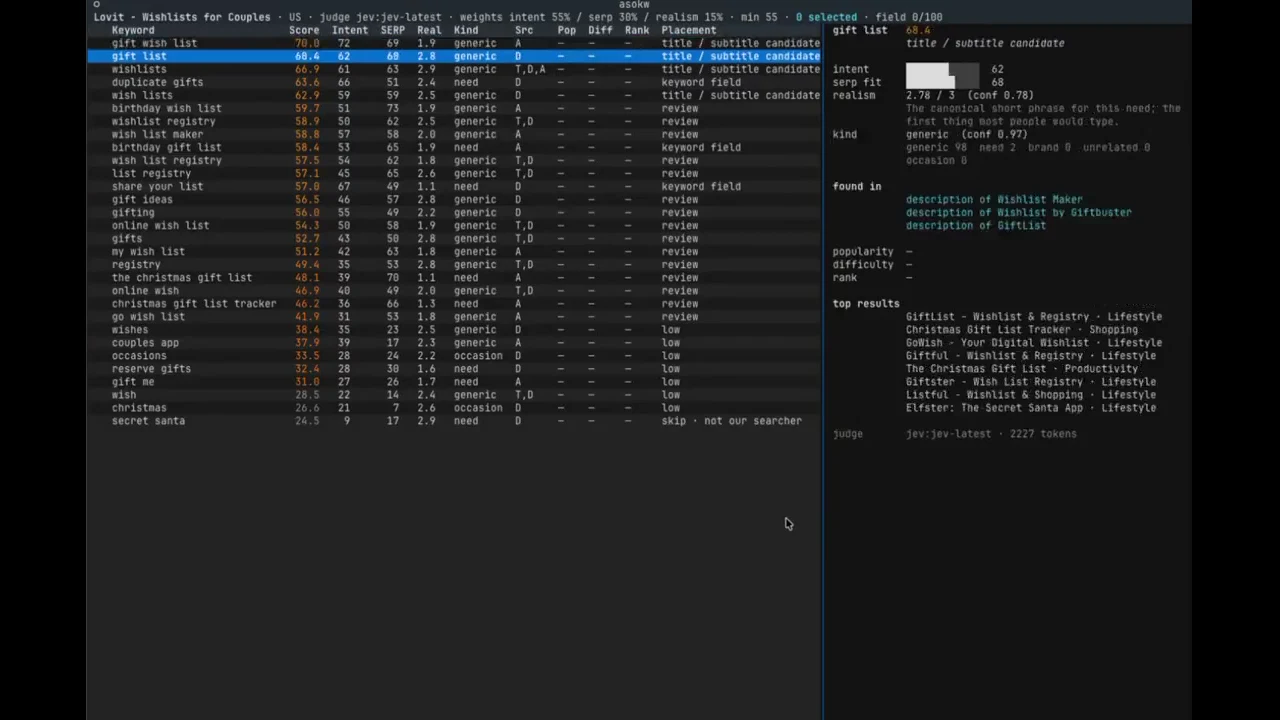
Everton Carneiro’s tool reads competing App Store listings and asks Jev which candidate keywords people would actually search.
Gema built a Jev-powered system that automatically assigns tags to Obsidian notes.

Gabriel Pauli built a small Jev tool to sort his bookmarks while learning how the model works.

Jarek rebuilt CAPTCHA by turning form-filling behavior into plain sentences that Jev classifies as human or bot.

Clawby has Jev rescore crypto assets across technical, liquidity, sentiment, and risk dimensions every ten minutes.

Sergii Makarevych used an LLM to propose coding-interview scenarios, then Jev to rank what he should prepare.

Keno breaks competitor ads into hooks, angles, offers and formats, then turns recurring combinations into a shortlist for creative tests.

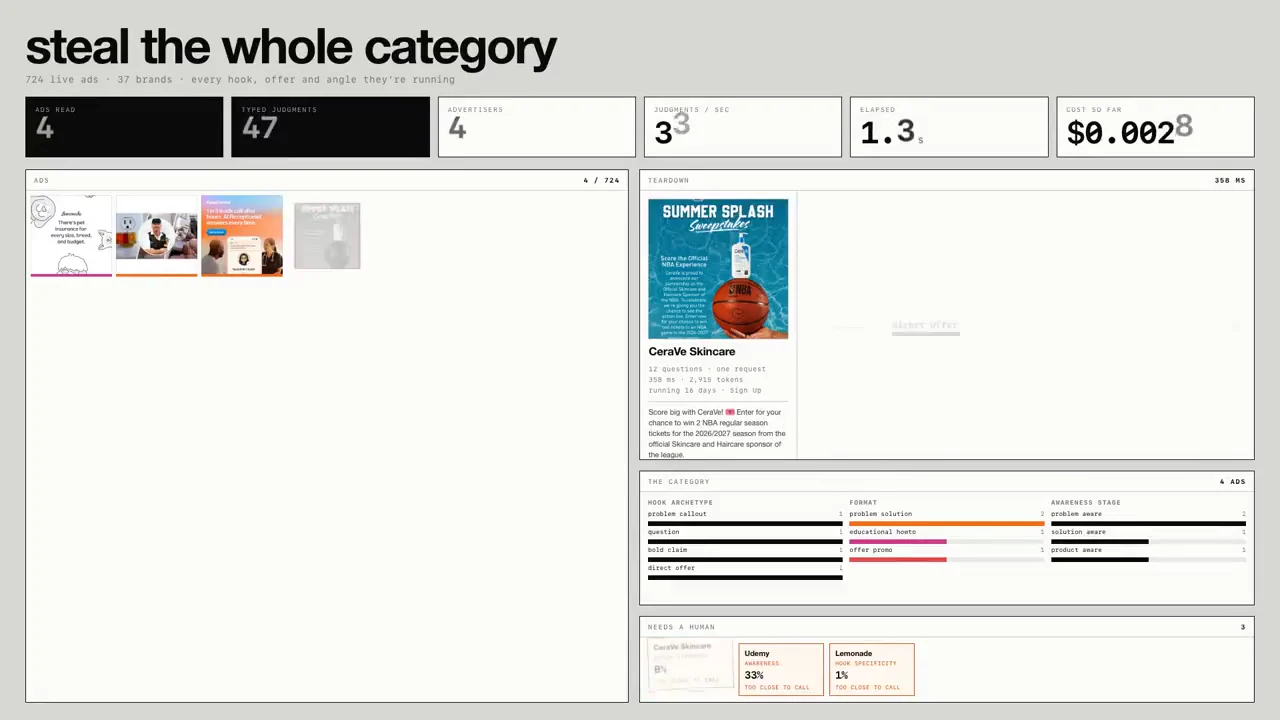
Matthew Berman uses Jev to break down live ads by hook, format, offer, call to action and awareness stage.
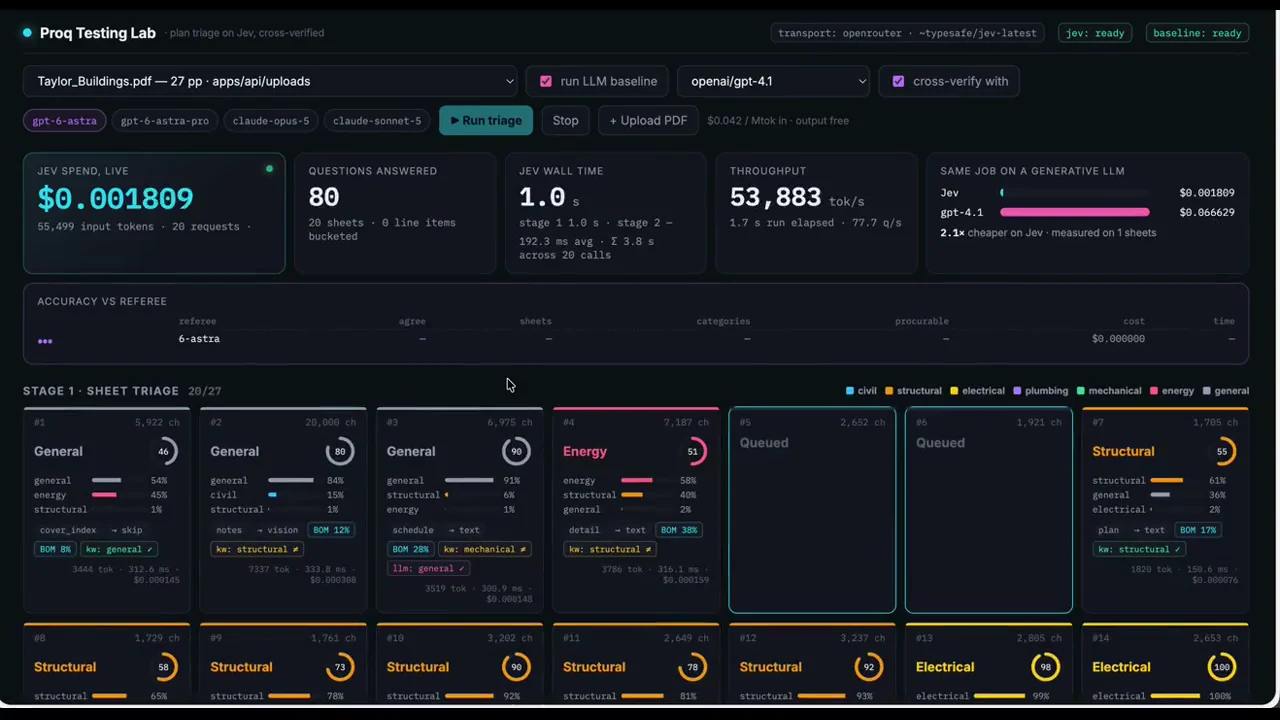
Proq uses Jev to classify sheets in construction plan sets before turning them into bills of materials.
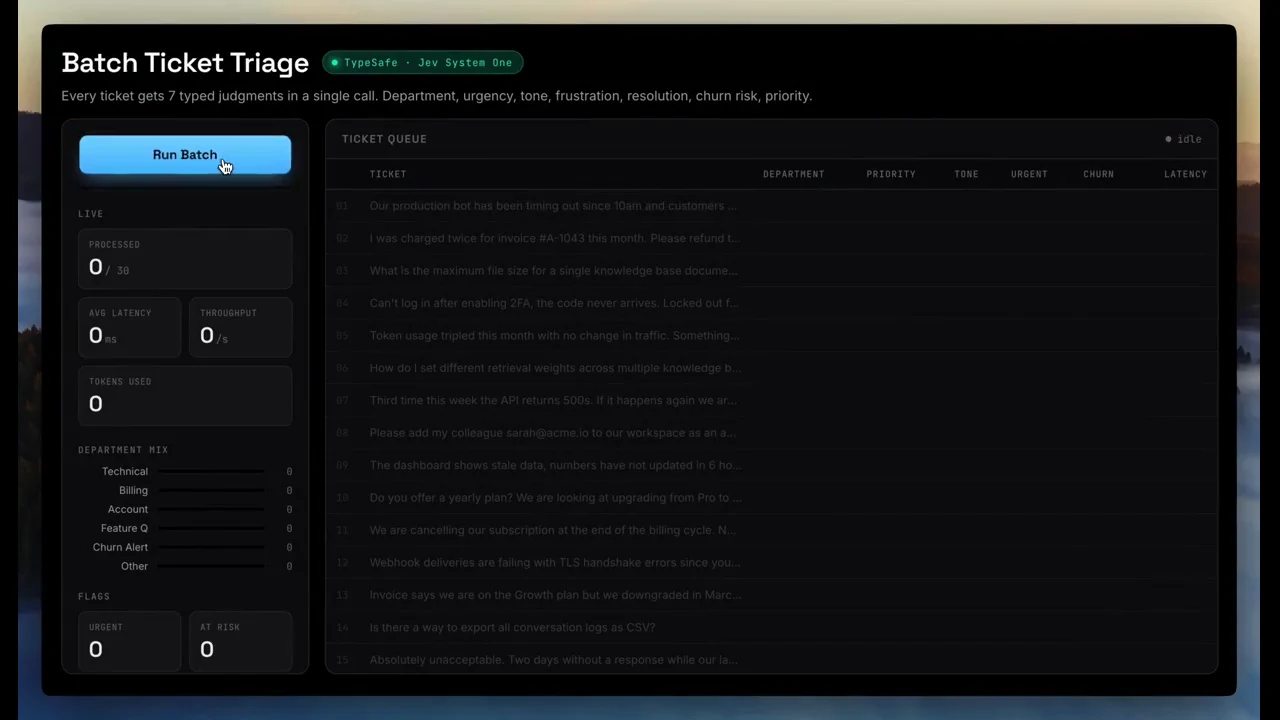
CowAgent built a batch ticket tool that asks Jev seven typed judgments for each ticket.
Dopamyn uses Jev to tag crypto accounts in a faster version of its existing workflow.

Marcel Pociot’s macOS app watches Downloads and uses Jev rules to rename and route files such as invoices.

Jev, briefly
A chat model generates text token by token and hopes you parse it. Jev never generates a word. Your code sends the state of the world plus typed questions; Jev returns every answer in one parallel pass — typed values with calibrated probabilities and a confidence score your code can trust. About 70–500 ms end to end, $0.042 per million input tokens, output free. Trained with what TypeSafe calls Reinforcement Learning for Calibrated Decisions.
You define the options. Jev returns the chosen option, a probability for every option, and a confidence. The workhorse of routing, agents, and games — the answer space is always legal, so there is nothing to parse and nothing to hallucinate.
You describe ordered levels — say trivial / normal / critical. Jev returns the level, the probability of each, and a confidence. Scores turn fuzzy judgment (“how severe is this log line?”) into a number-free decision your code can branch on.
You assert a statement; Jev returns the probability that it is true — a noul. Moderation, verification, guardrails, “does this diff actually fix the bug?”: one question, one calibrated probability.
Official material lives at typesafe.ai and docs.typesafe.ai. JevMade is an independent community registry — not affiliated with or endorsed by TypeSafe AI.
Recurring lessons
Games, drones, trading bots, and browser agents all converge on the same loop: serialize the state, ask one decisive question, act, repeat. Jev’s latency makes the loop feel instant — the model lives inside the control loop, not outside it.
The answer says what; the confidence says whether to act. The most reliable entries threshold on confidence to route edge cases to a slower model or a human — automation with an honest escape hatch.
Makers rarely ask Jev to pick from everything. Local tactics prune 225 gomoku moves to ~40; DOM filters turn a page into an element table; code narrows options, Jev judges within them.
A recurring split: Jev makes every decision cheaply and instantly, and a small LLM is only invoked when a human-facing string must actually be written. Decision and generation are separate budgets.
Send the link — repo, live demo, post, or video — plus a line on what it does and which primitives it uses. Every entry is verified against its primary source before it ships.
Submit your experimentSign in first so we can reply to you. Submissions are reviewed, not published automatically.