Read & learn
Written guides.
Understand Jev, one idea at a time. Walkthroughs, recipes, and writeups — our notes first, the original next.
Learn, build, and play with Jev — from deep technical guides to creative experiments.
Read & learn
Understand Jev, one idea at a time. Walkthroughs, recipes, and writeups — our notes first, the original next.
Watch & learn
See an idea take shape. Tutorials, demos, and deep dives, organized by topic and credited to their creators.
Make & explore
See what builders made with Jev. Games, tools, repositories, articles, and more — traced to their sources.
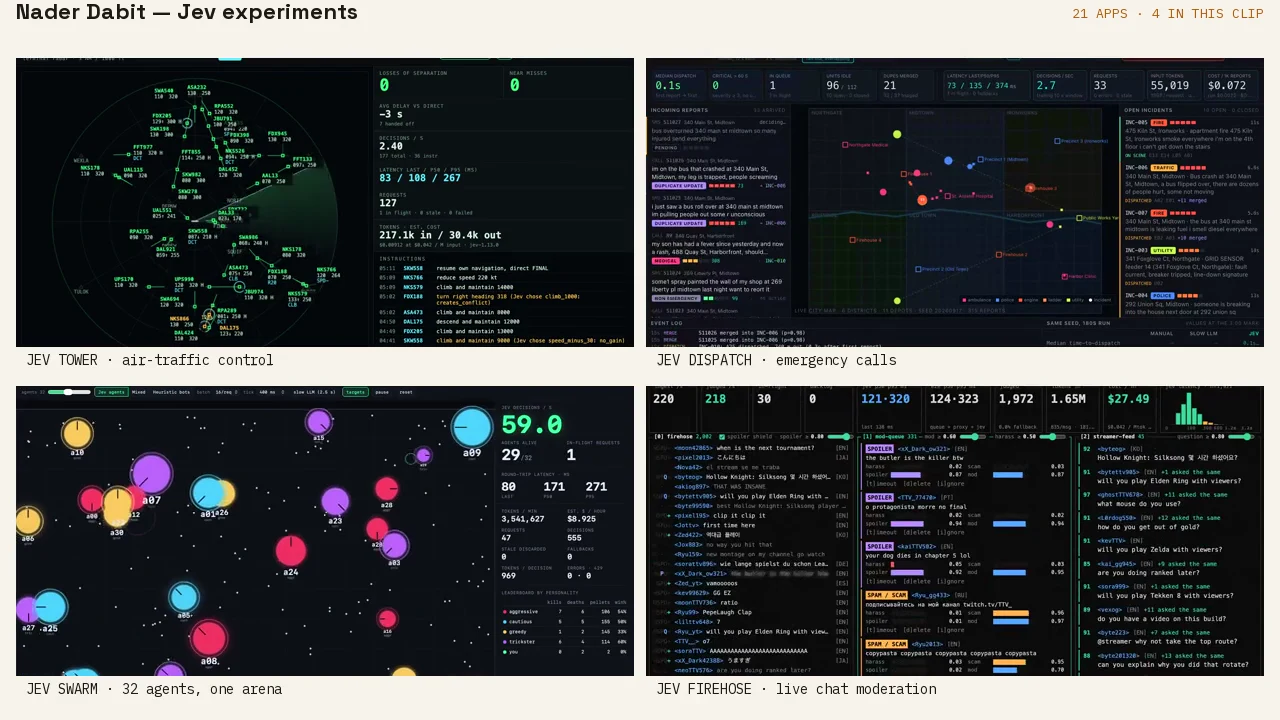
Every category, from games and tools to repositories and writeups, traced to a primary source.
Real-time research powered by
Same ideas.
Different paths.
This is the full registry, not just the featured picks. Figures like speed, cost, and stars are maker-reported or captured snapshots, not JevMade measurements.
118 experiments · showing 61–118
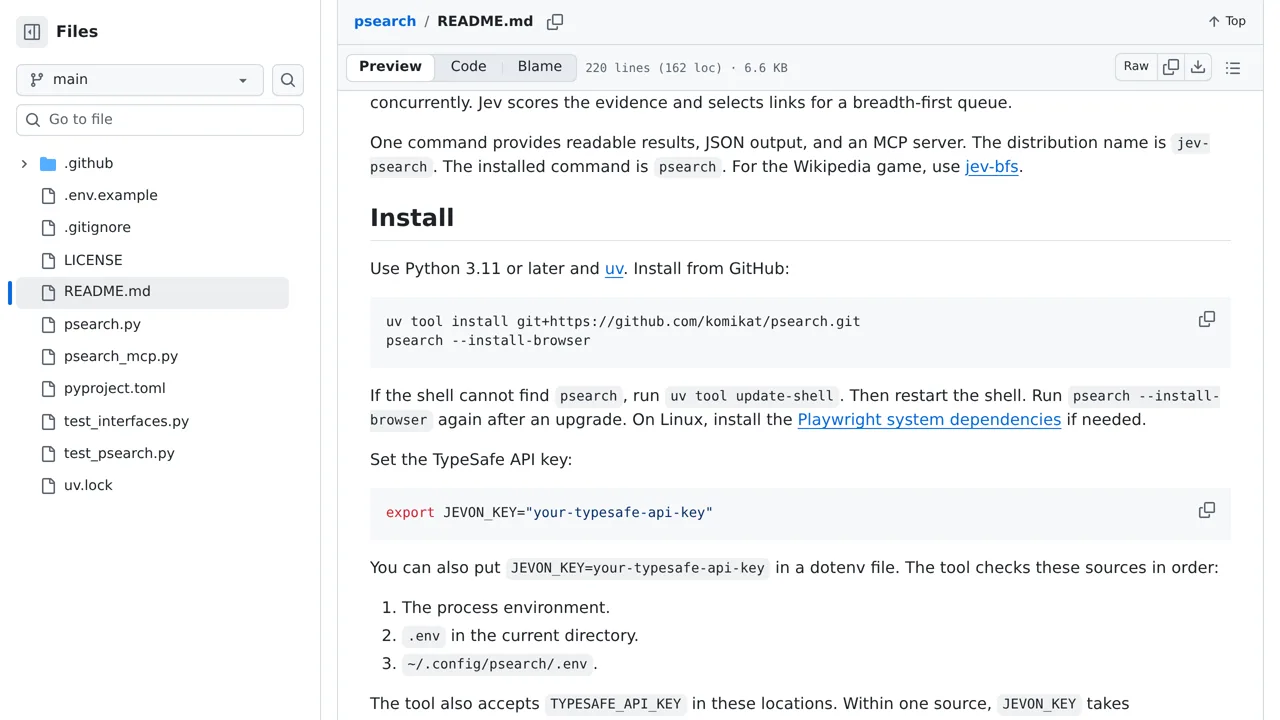
A parallel web-search tool for terminals and agents that explores pages in local Chromium with guidance from Jev.
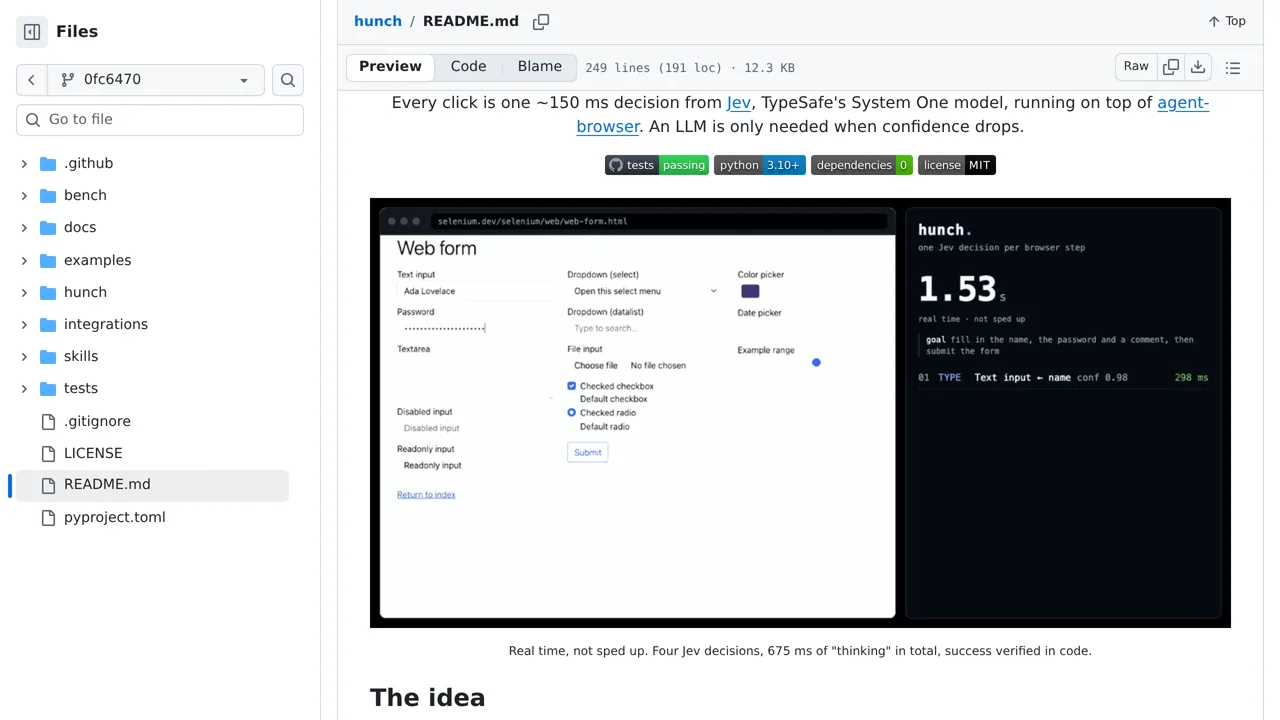
Give a browser agent a task and watch Jev choose each click from the page’s observed controls.
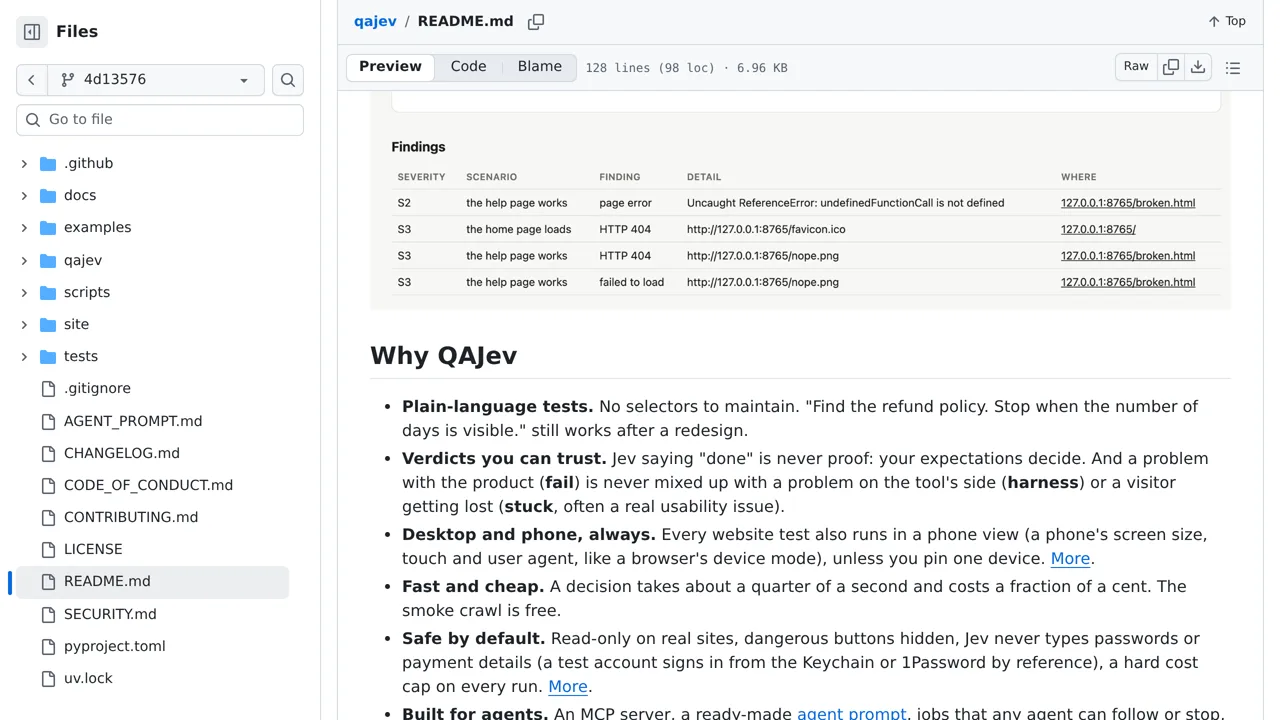
Give QAJev a visitor's goal and explicit checks; Jev chooses browser actions while the QA harness decides whether the page met your expectations.
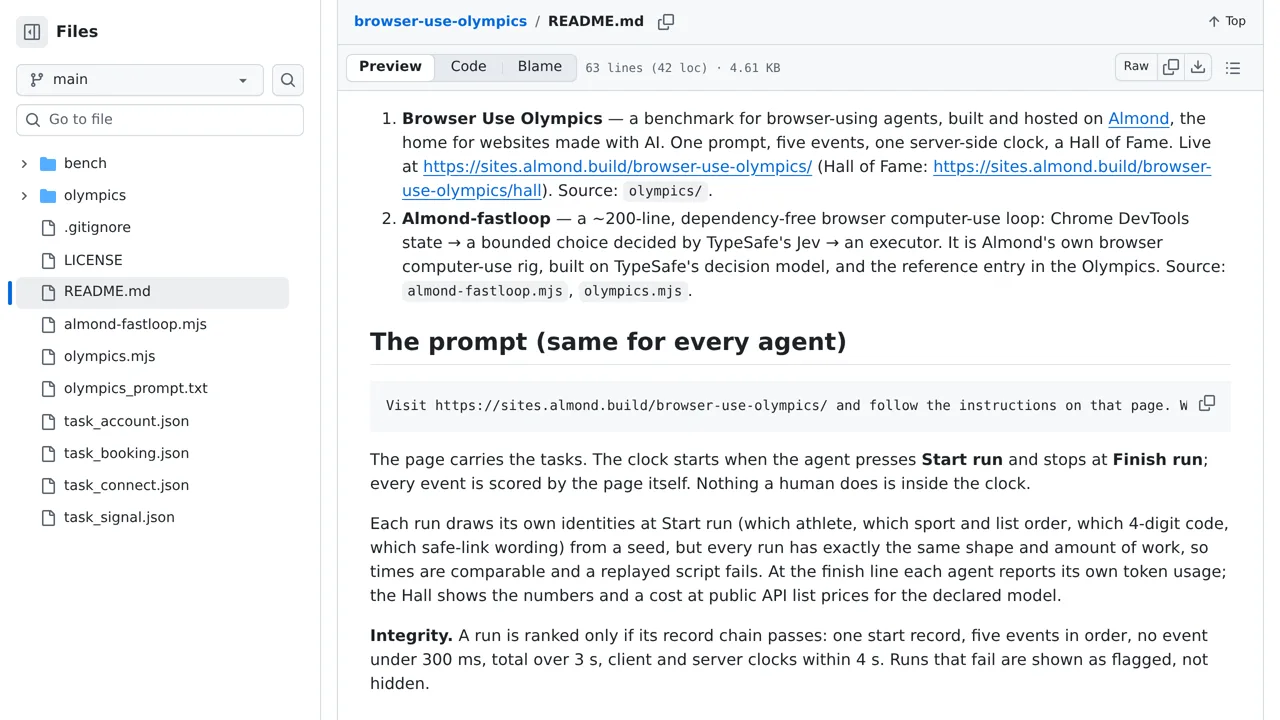
A five-event browser-use benchmark with one prompt and one shared clock, accompanied by a compact Jev-driven agent.
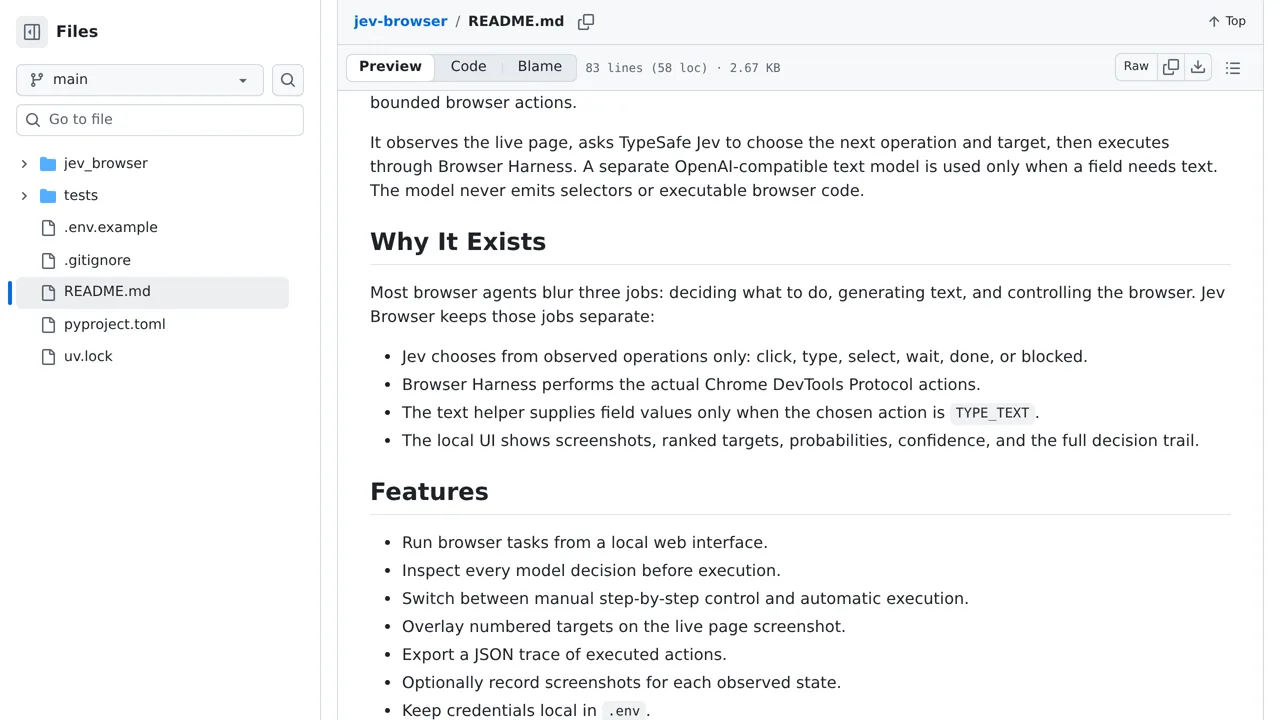
A local browser automation interface where Jev selects bounded page actions and a text model supplies form values.
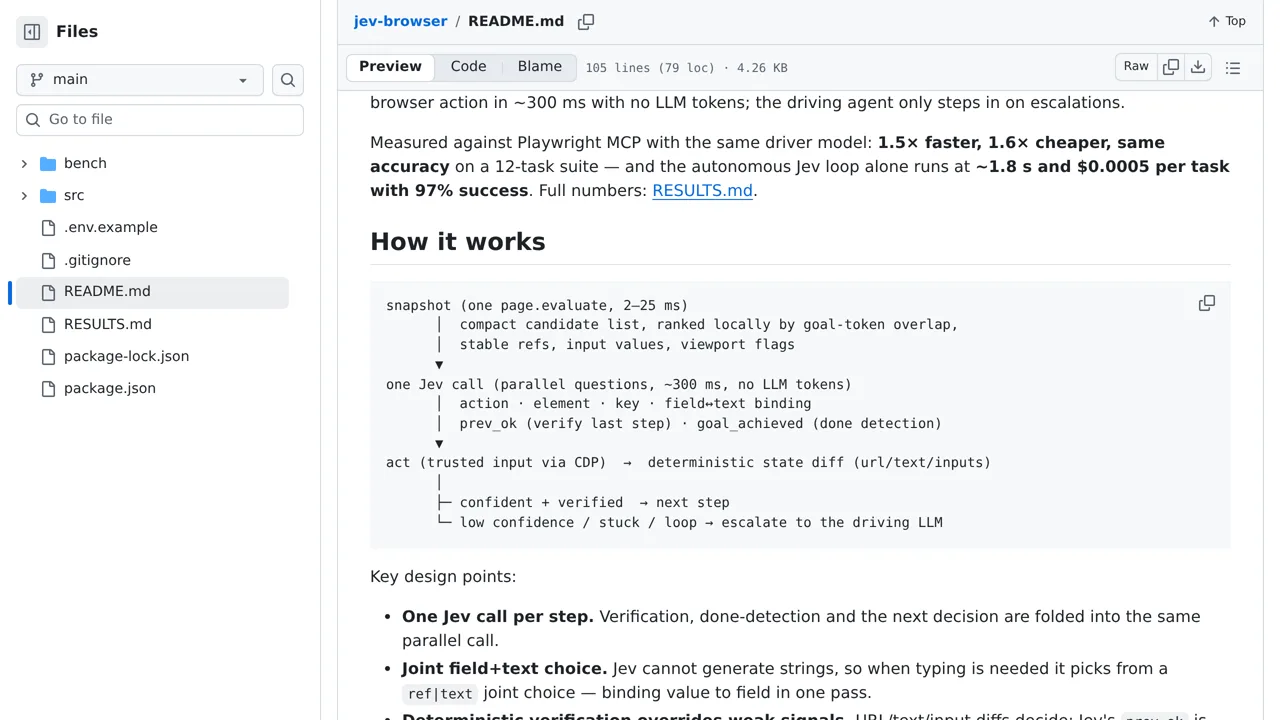
A browser MCP server that uses Jev rather than a generative model to choose actions.
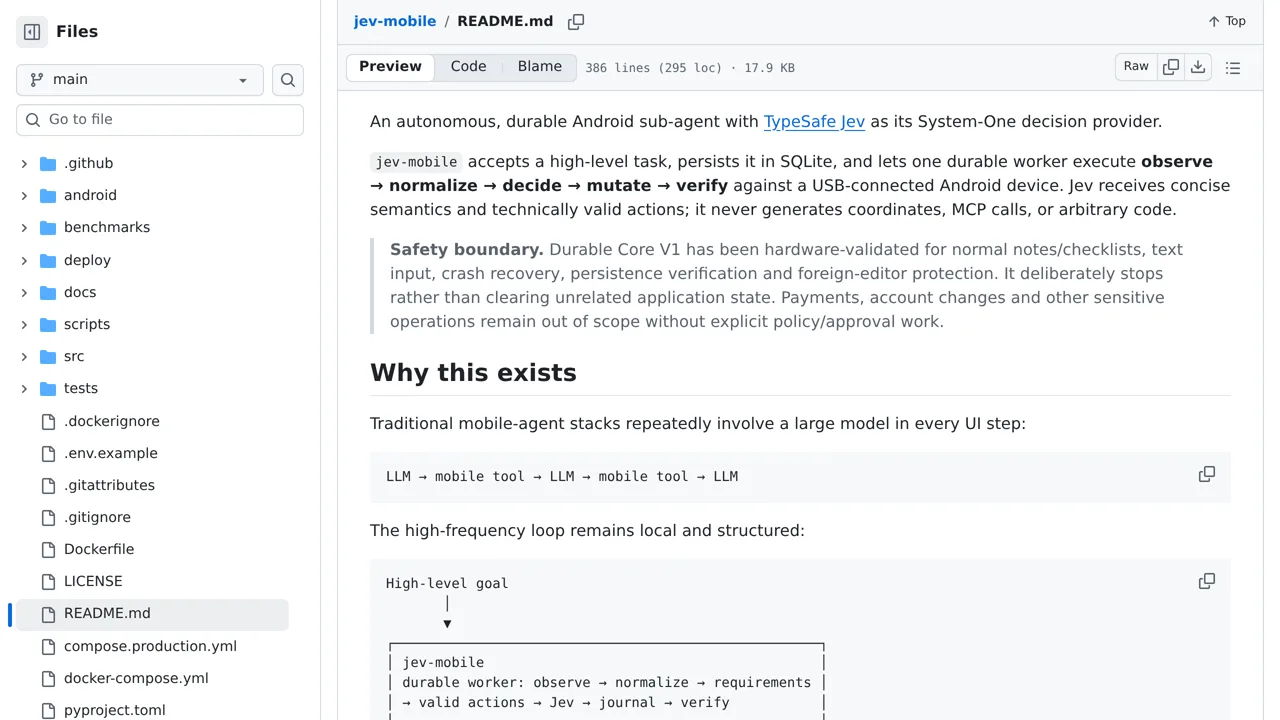
A Python control loop that combines Jev action choices with Mobile MCP for Android automation.
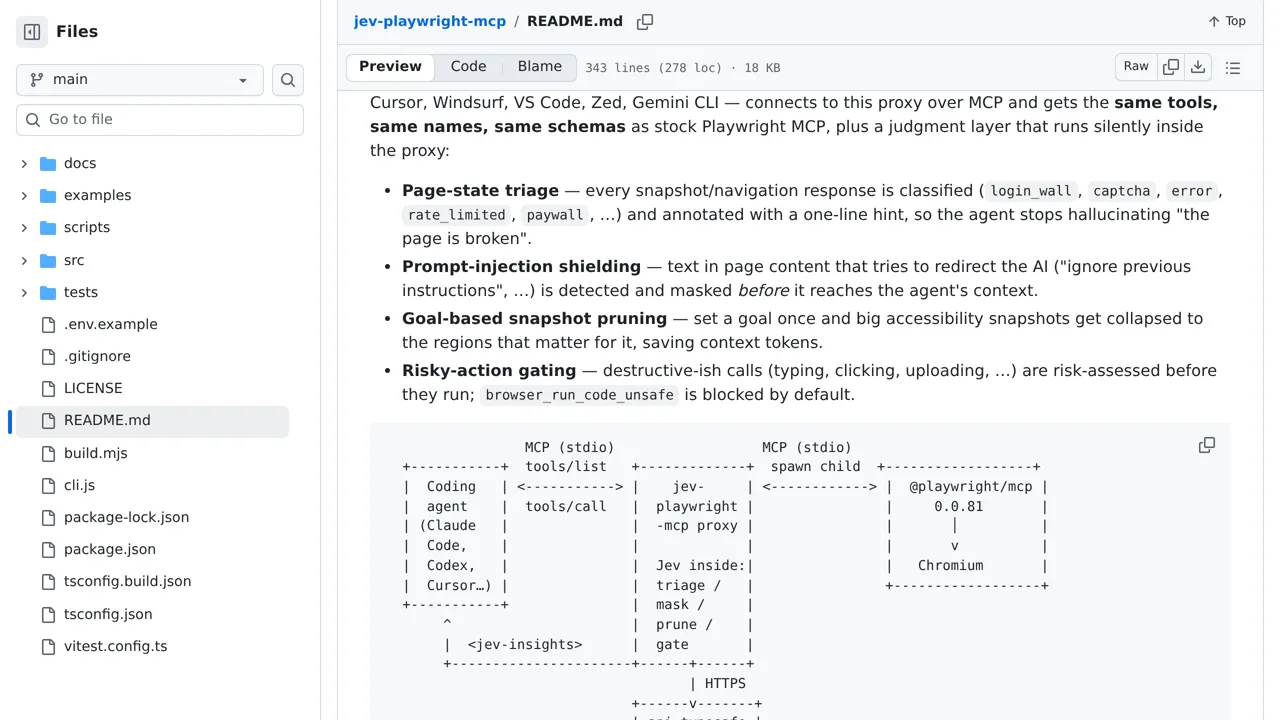
A drop-in Playwright MCP wrapper that uses Jev to triage page state, prune snapshots, gate risky actions, and screen prompt injection.
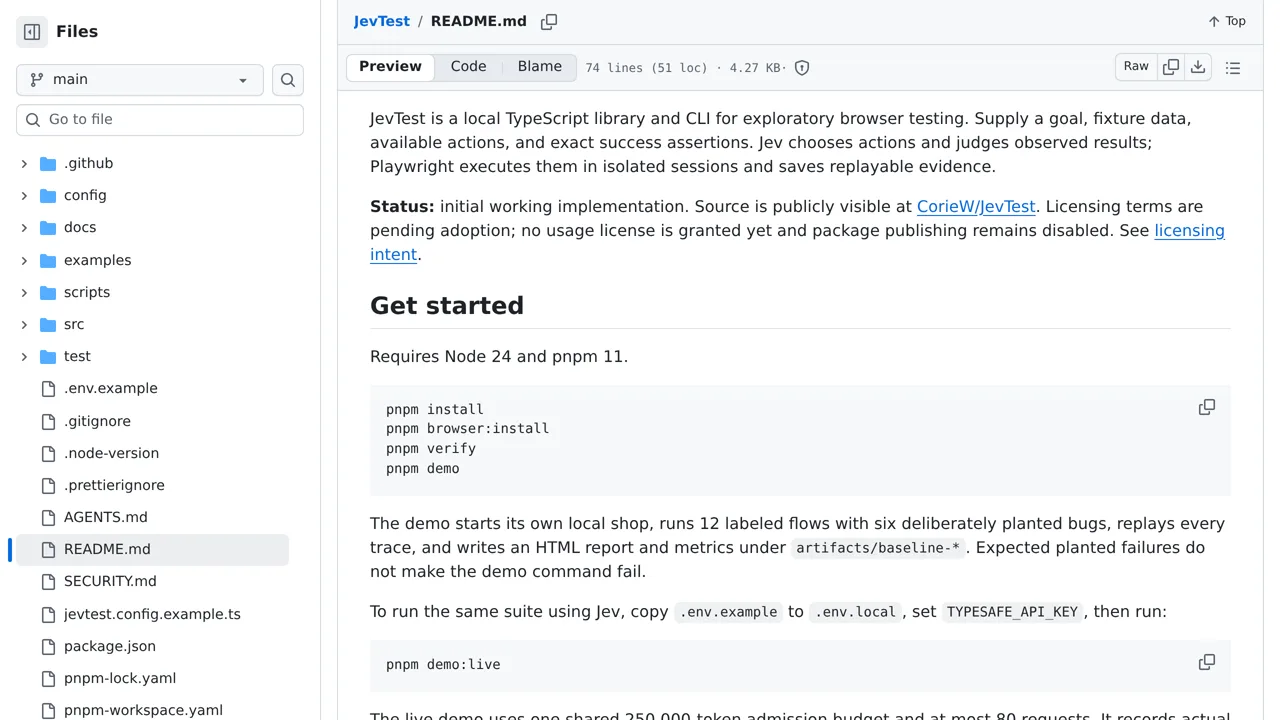
A bounded exploratory browser-testing tool with Jev-guided actions, deterministic assertions, and replayable evidence.
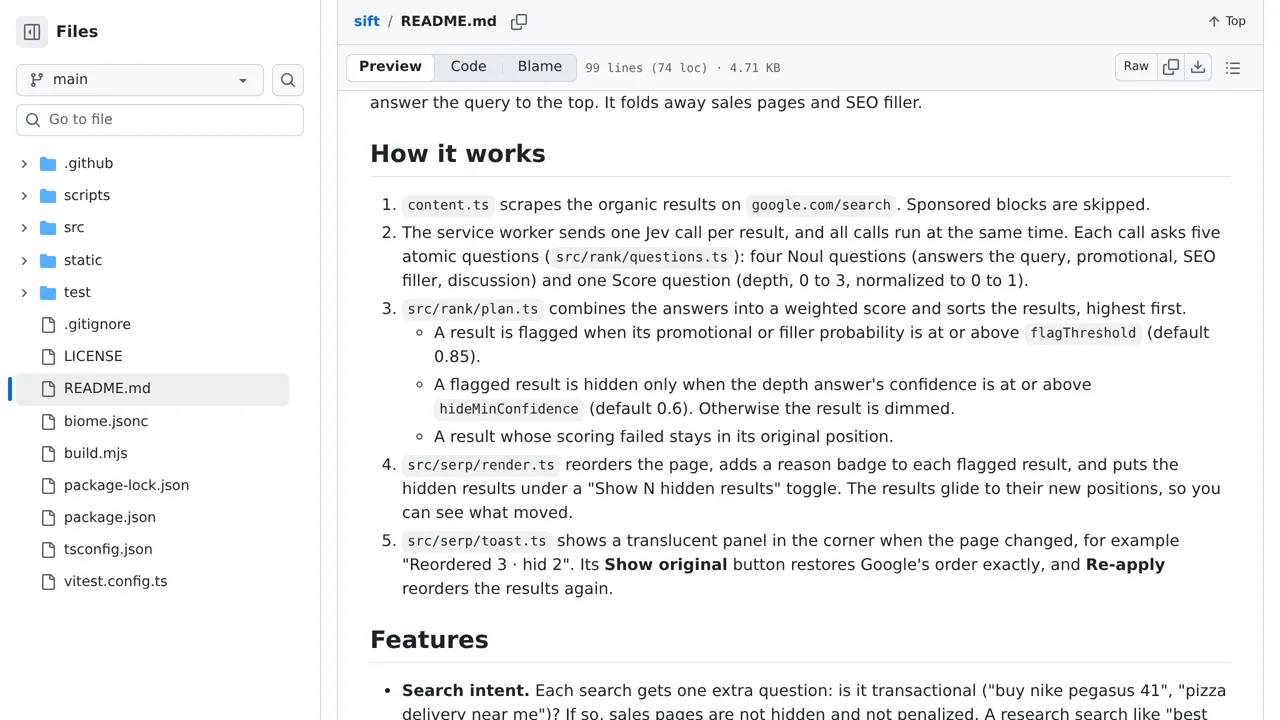
A Chrome extension that reranks Google results with Jev and collapses sales pages and SEO filler.
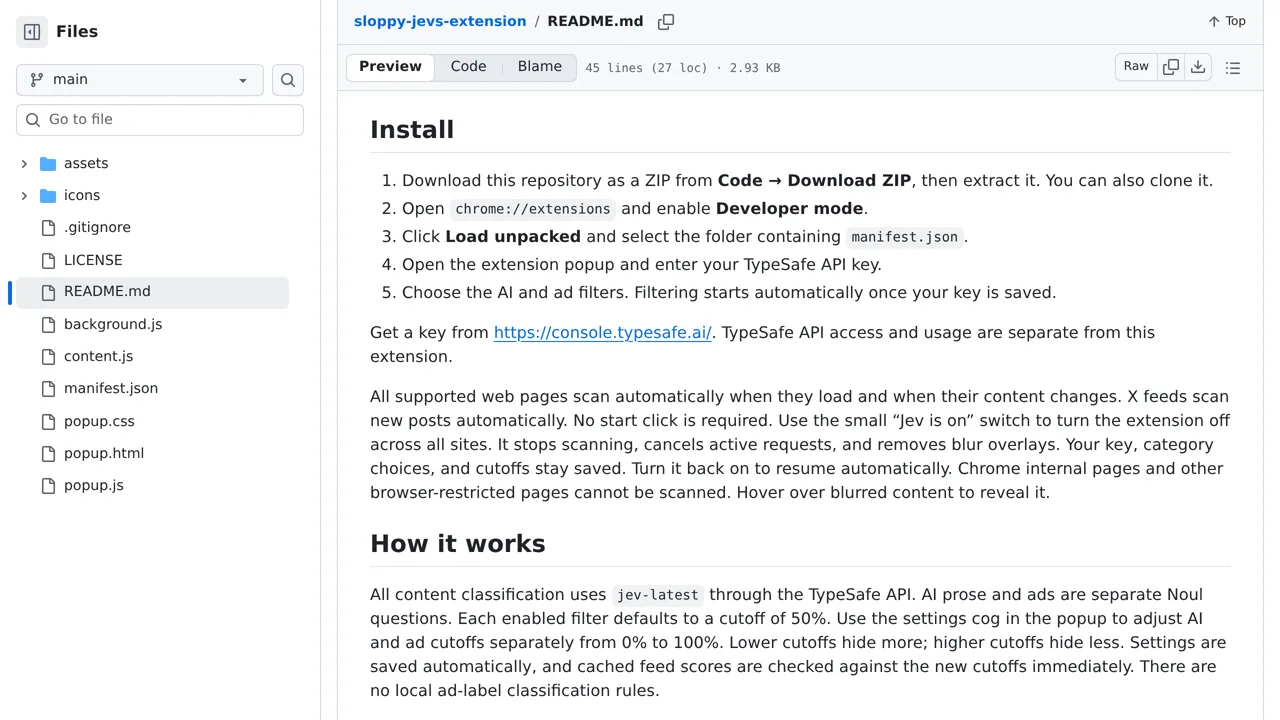
An open-source Chrome extension that uses Jev to filter ads and prose identified as AI-generated.
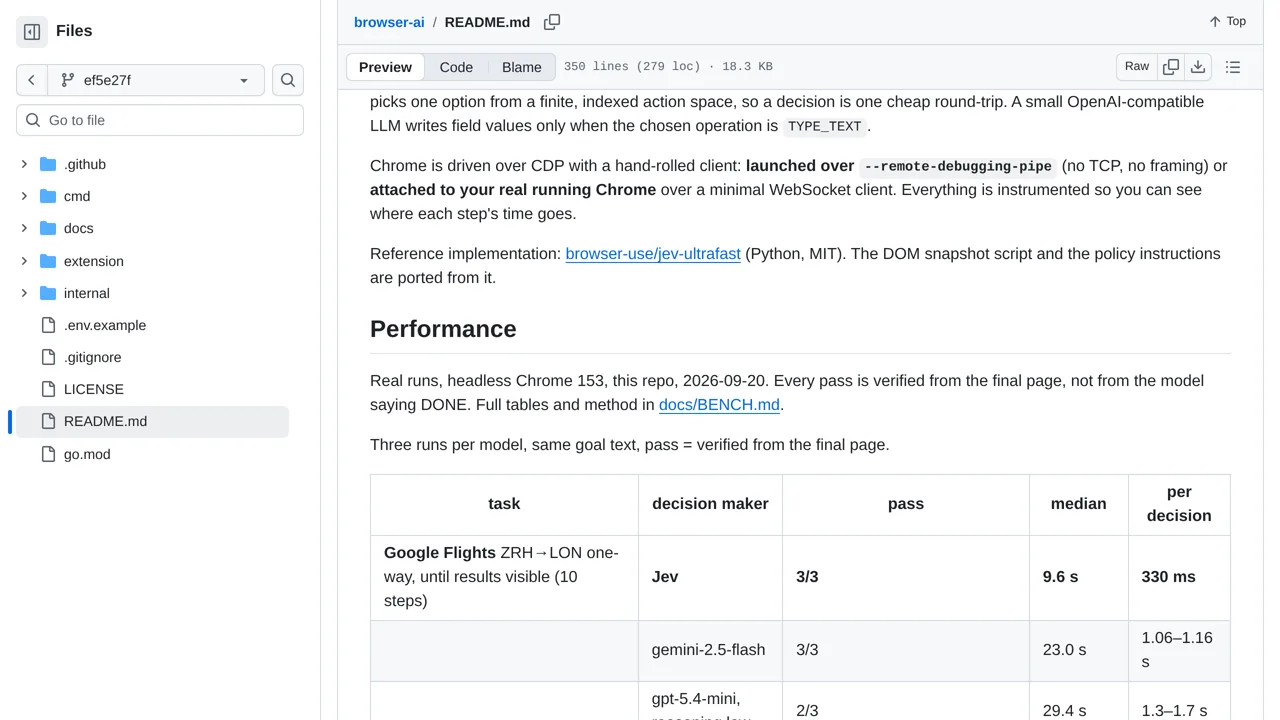
A Go browser-automation tool where Jev selects each semantic action.
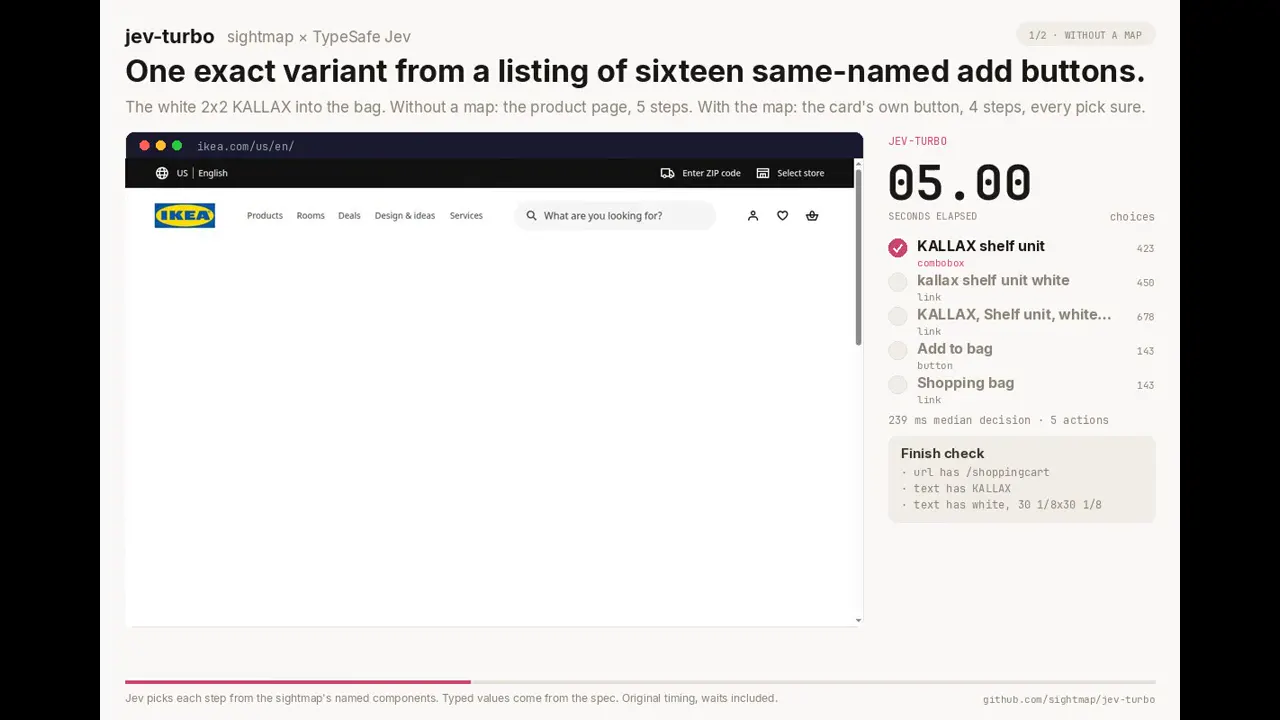
A demo of Jev operating a computer, with a maker-reported speed and cost comparison against Opus 5.

Check the news article you are reading for political framing, article type, topic and loaded language.

An X feed filter that asks Jev to hide posts matching rules you write in plain language.

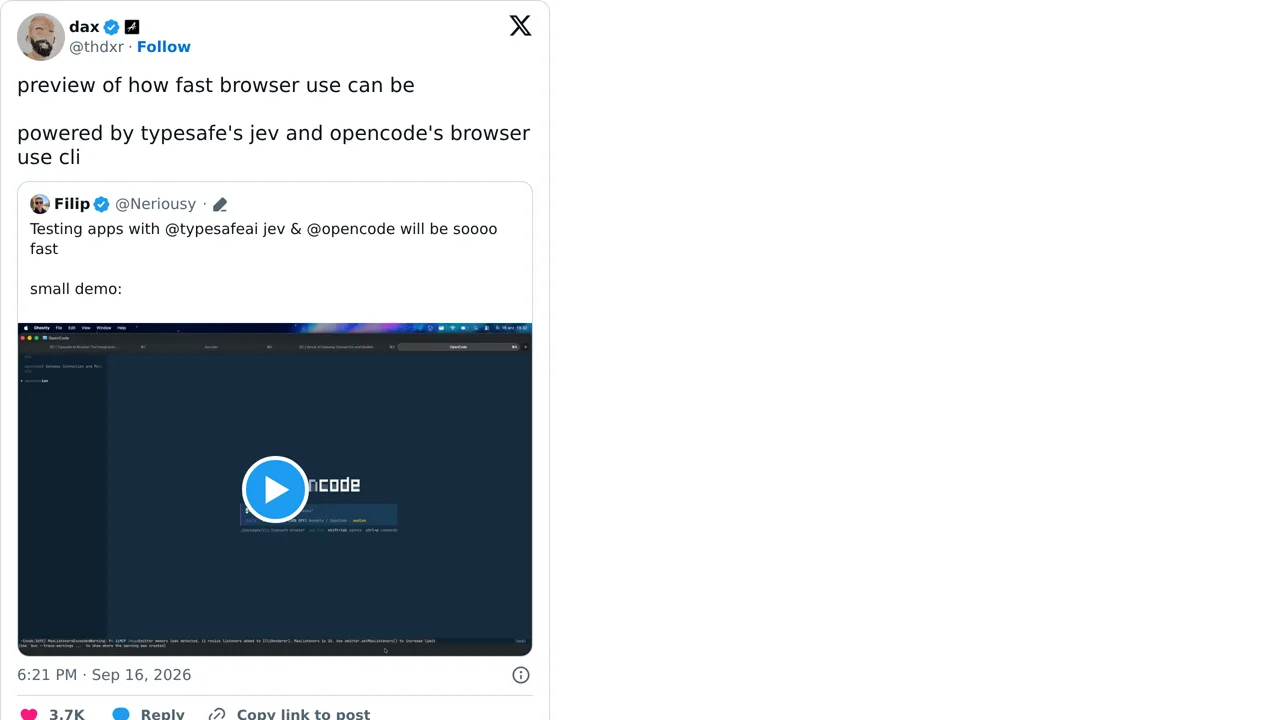
This OpenCode browser-use preview uses Jev to choose actions quickly from the current page state.
Kyle Jeong shows a remote browser taking instructions from Jev through Stagehand.

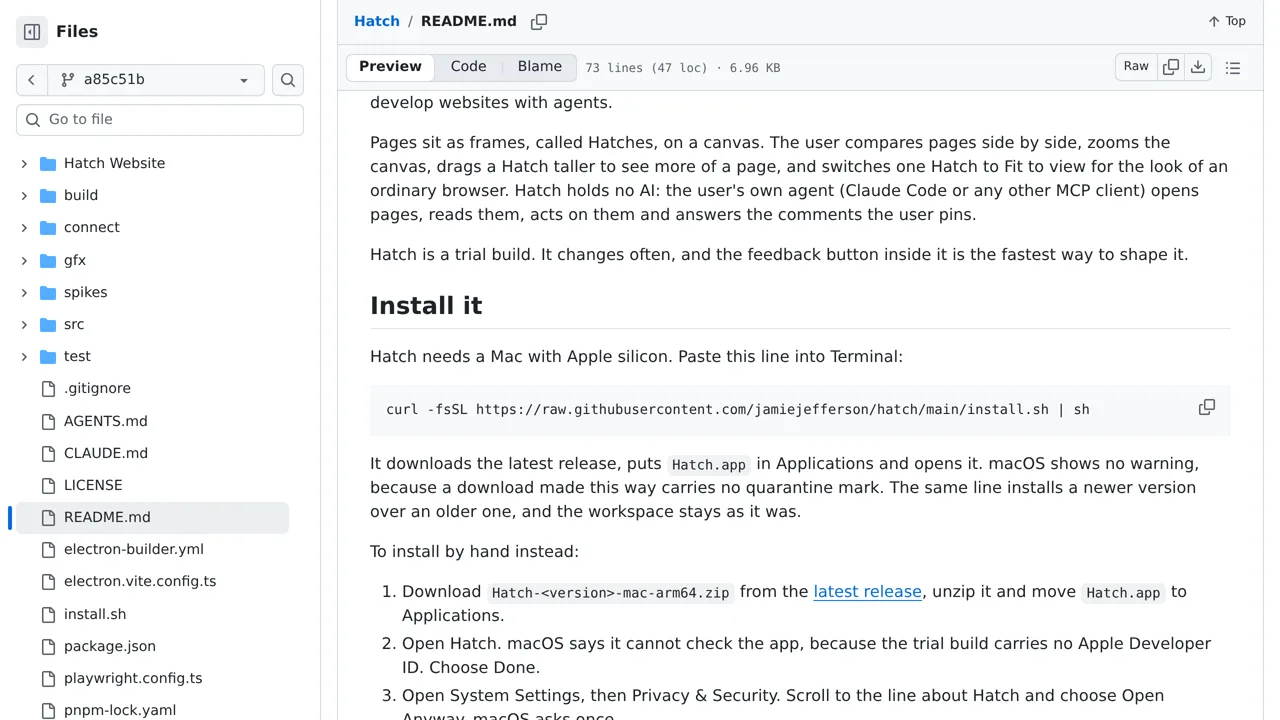
Point an agent at a macOS canvas of live pages and let Jev resolve described elements or steer a short browser goal.
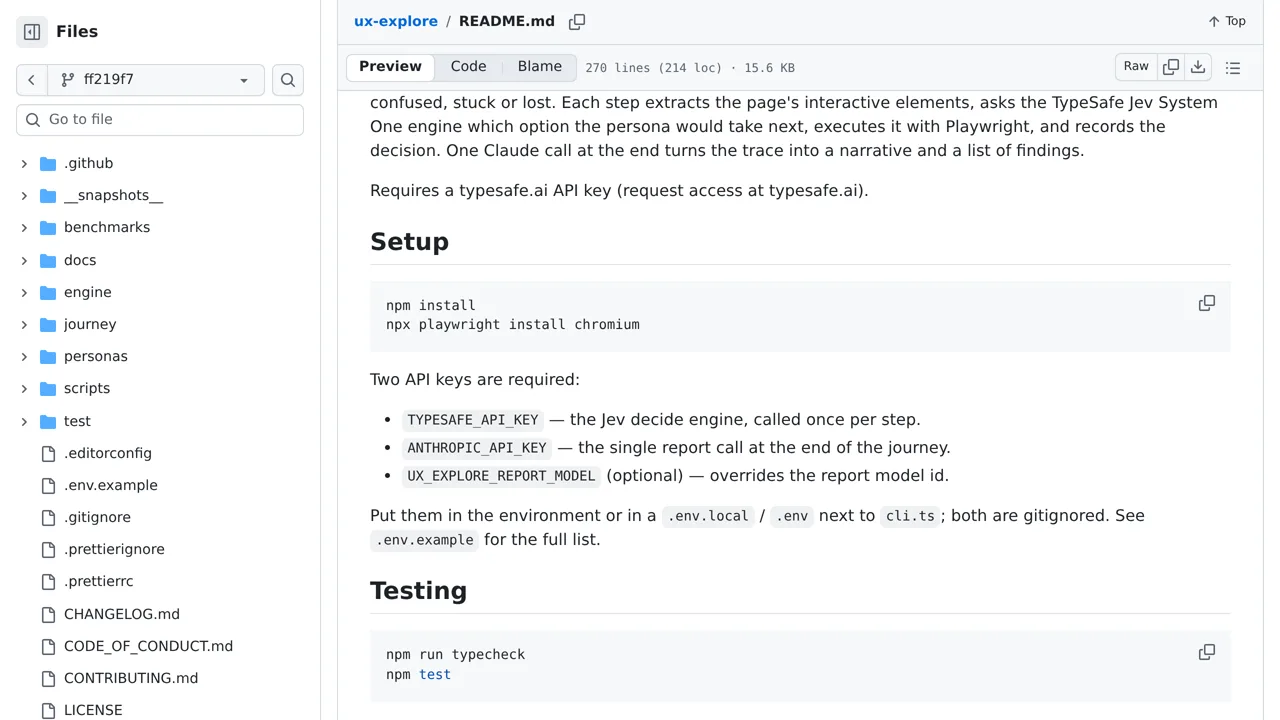
Run a persona-driven website journey and record where the simulated visitor becomes confused, stuck, or lost.
Lets Cline browse inside an isolated Chromium session by choosing indexed DOM actions instead of guessing screen coordinates.
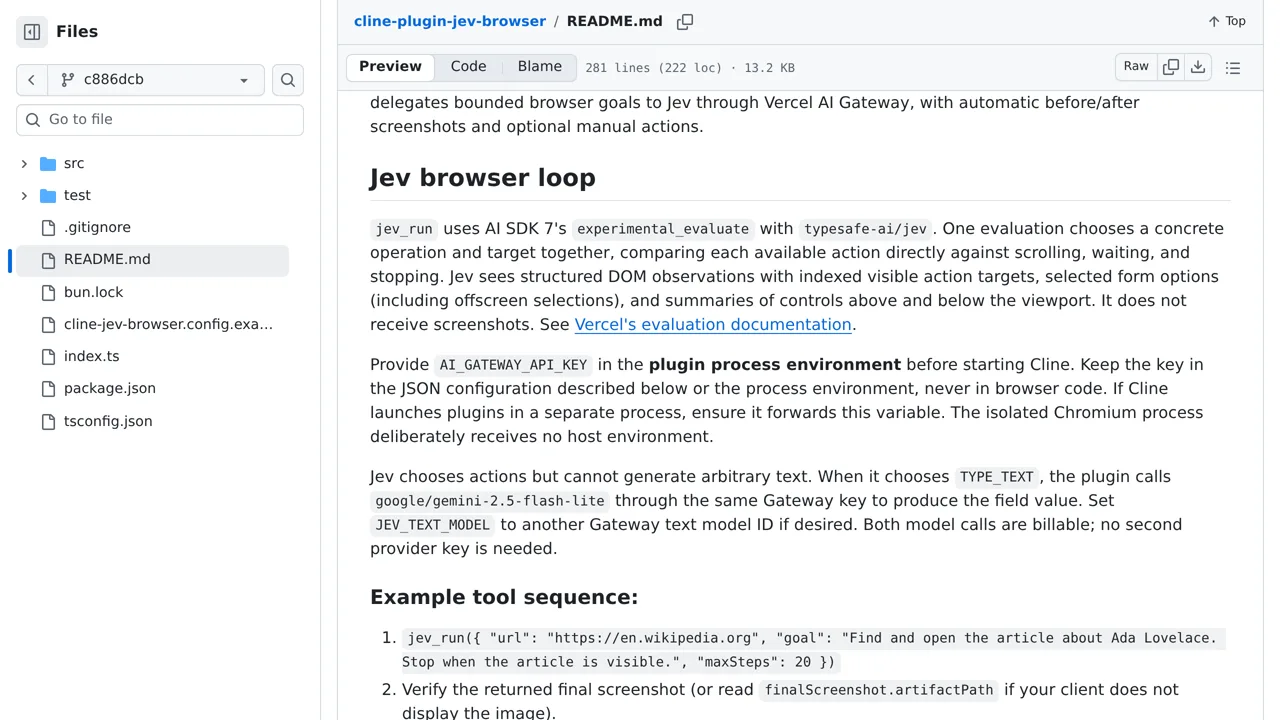
A browser agent that asks Jev to choose from the buttons and controls on the current page.
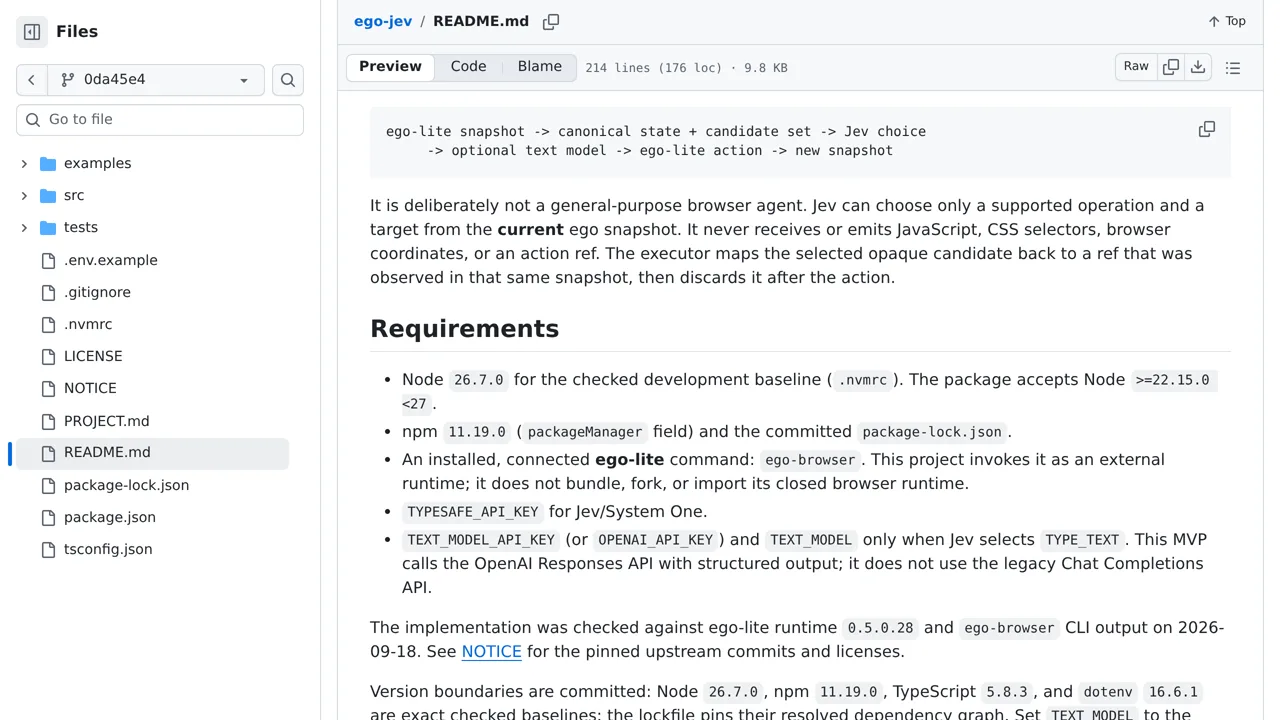
Keep a coding agent out of the click loop while Jev chooses bounded browser operations and compatible on-page targets.
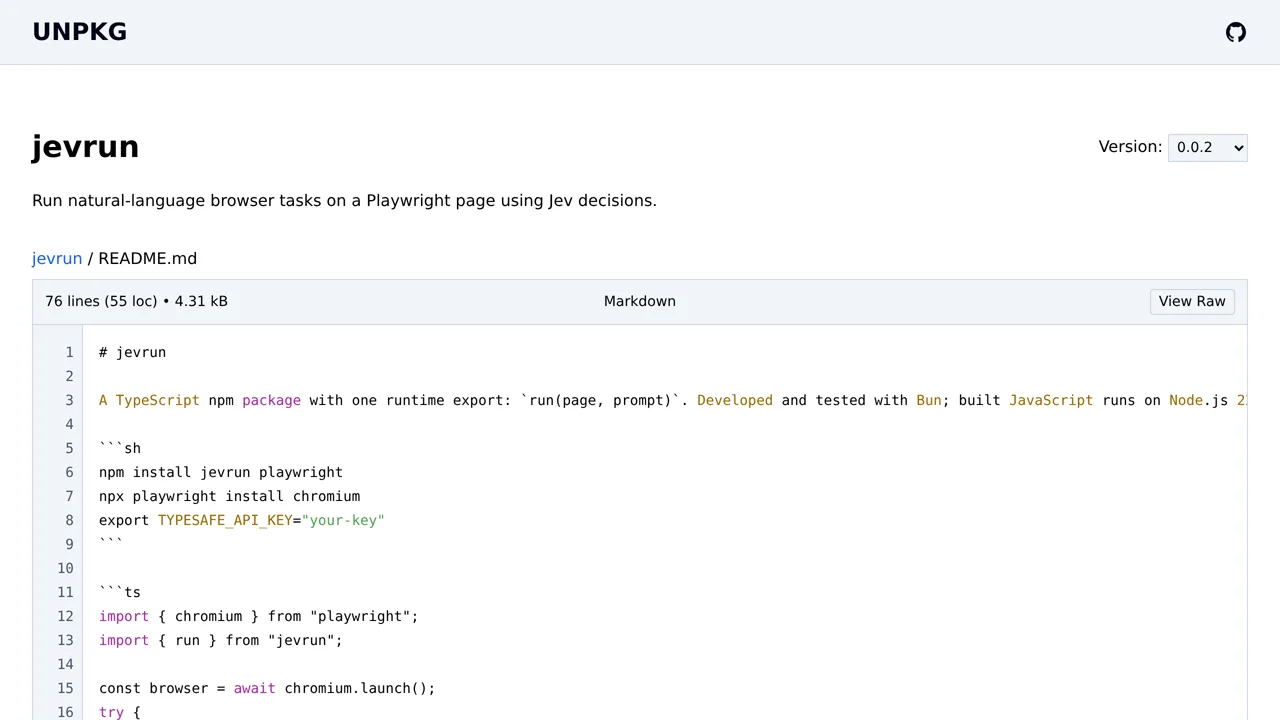
Give a Playwright page a task in words and let Jev choose the clicks and form actions.
Write a browser test in Gherkin and let Jev map its steps to the controls on the page.
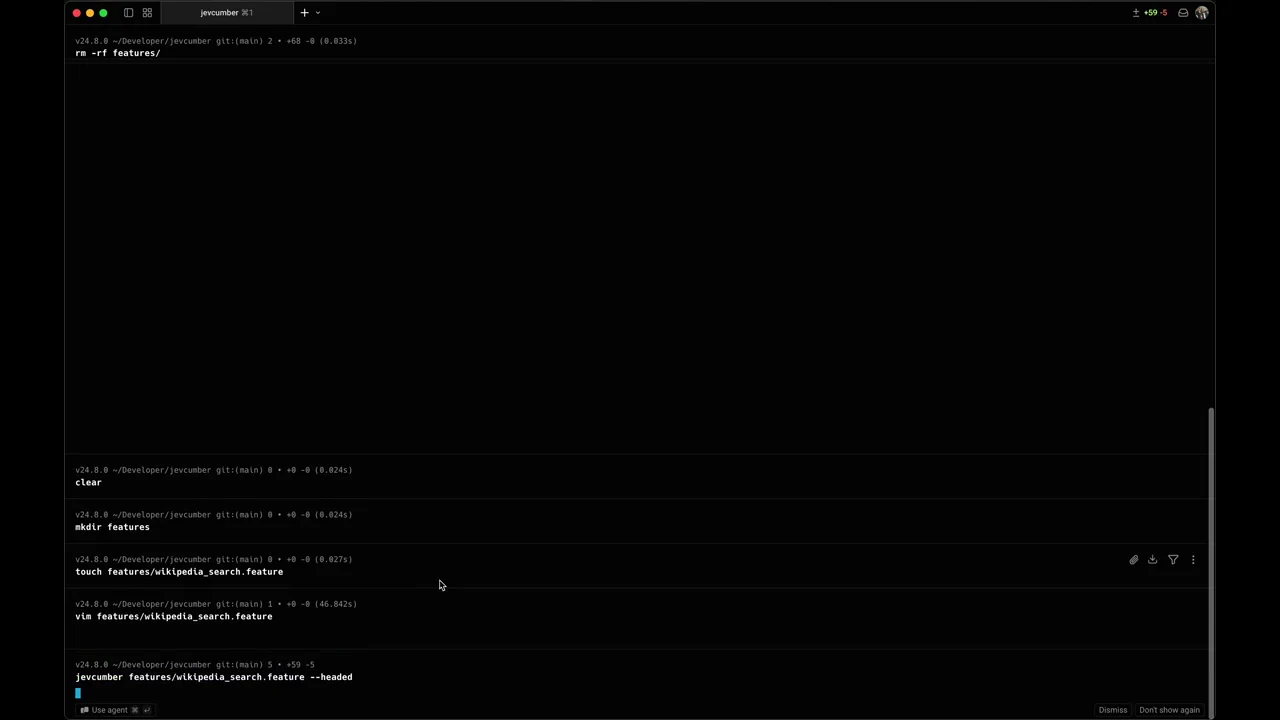
Let Jev steer a Solari browser or desktop: it picks actions from visible controls, and the agent checks each move before continuing.
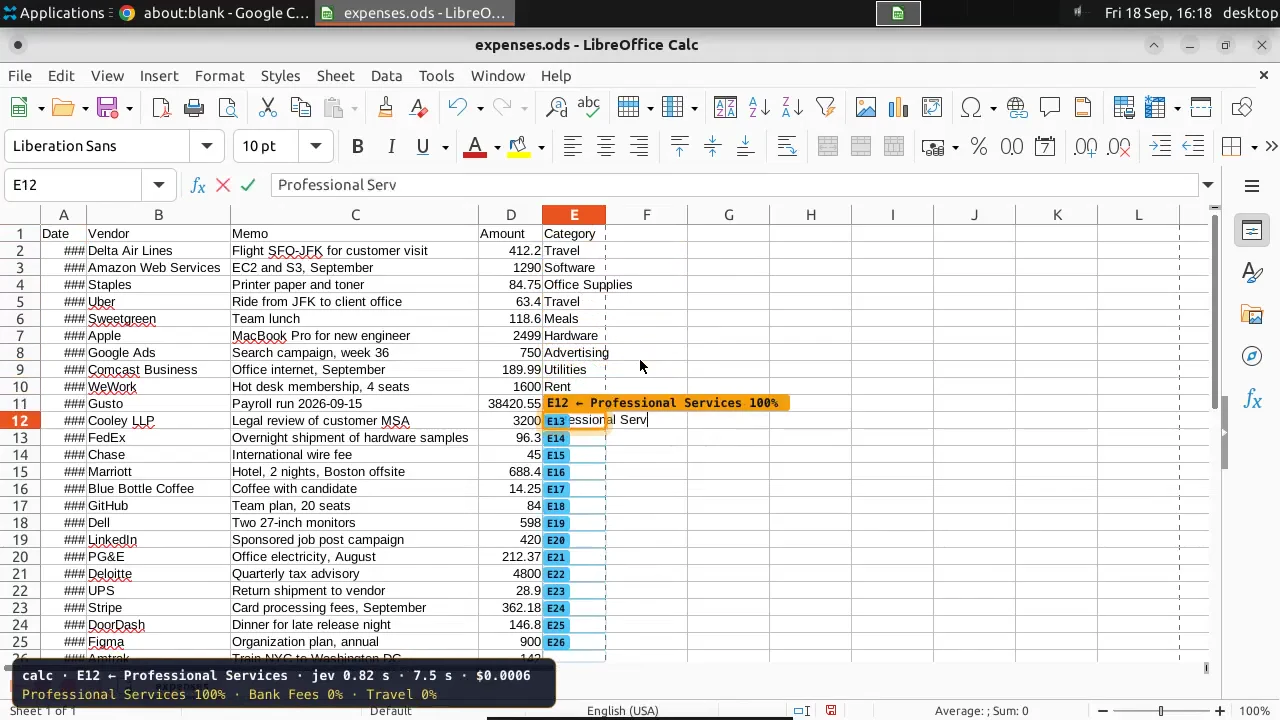
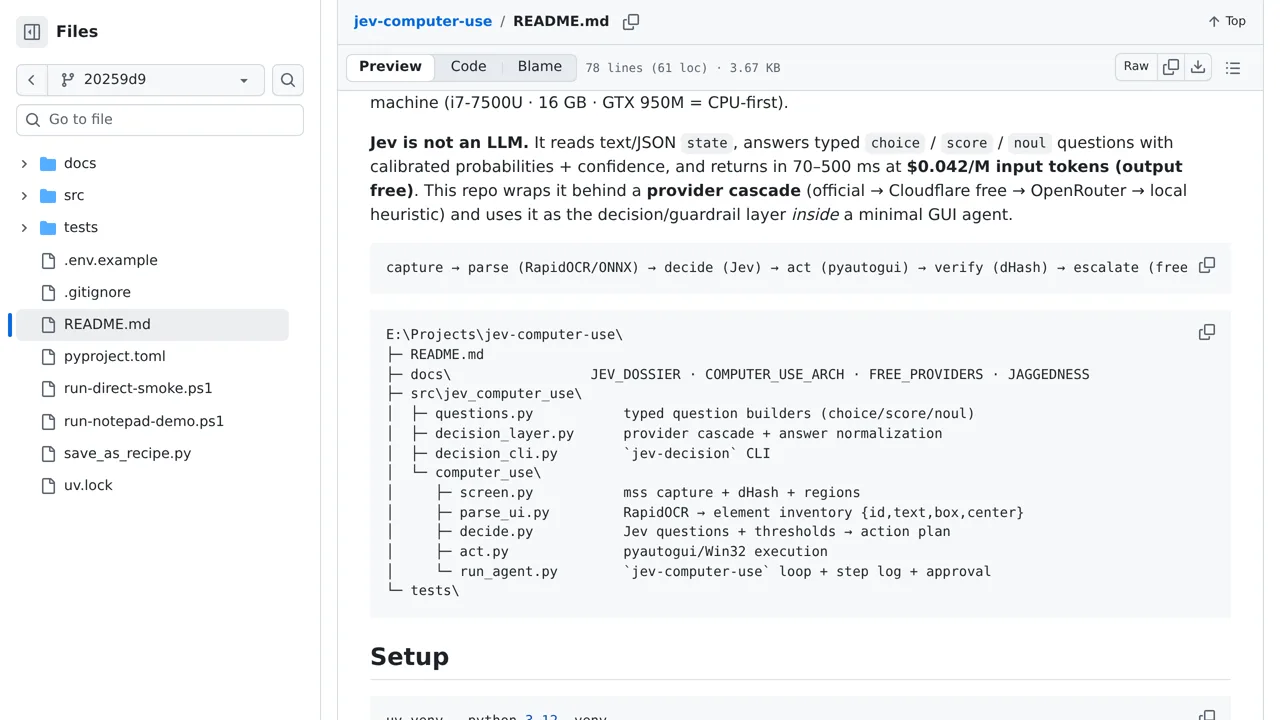
A CPU-first GUI agent where RapidOCR reads the screen, Jev picks the next action, pyautogui performs it and dHash checks the result.
Browser and computer use for coding agents where each step is a batch of small typed questions to Jev and code composes the next action.
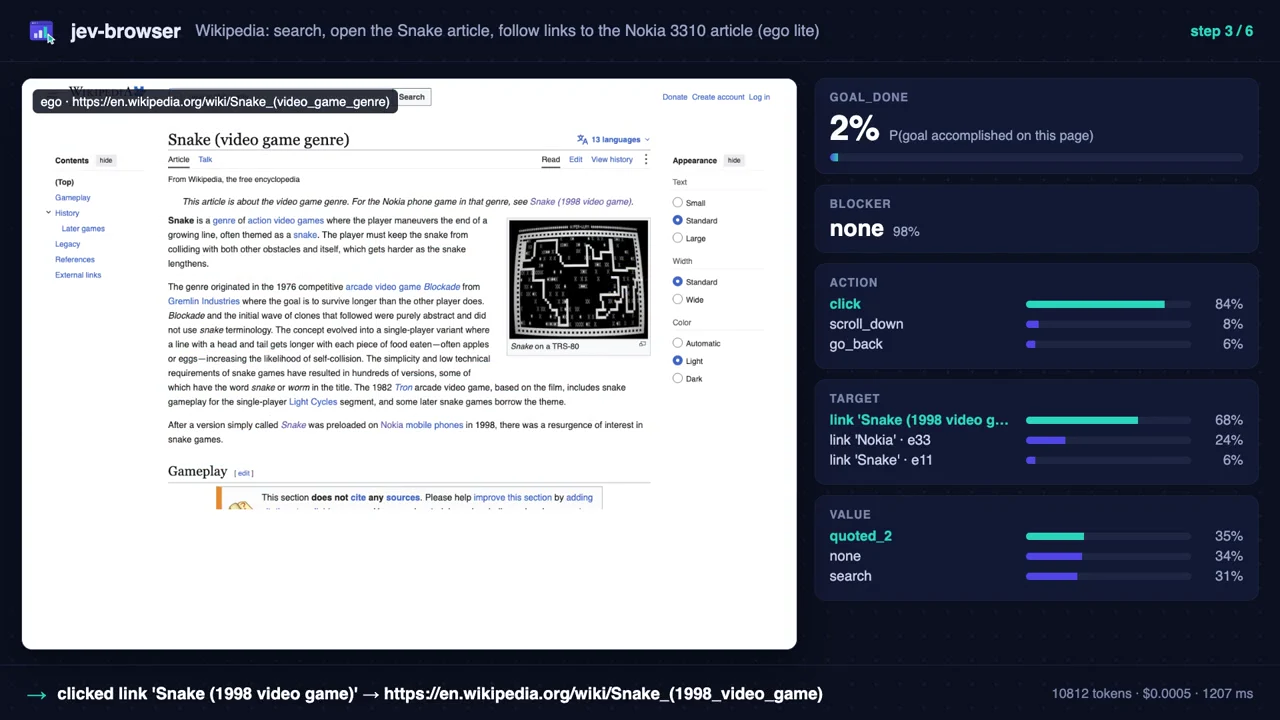
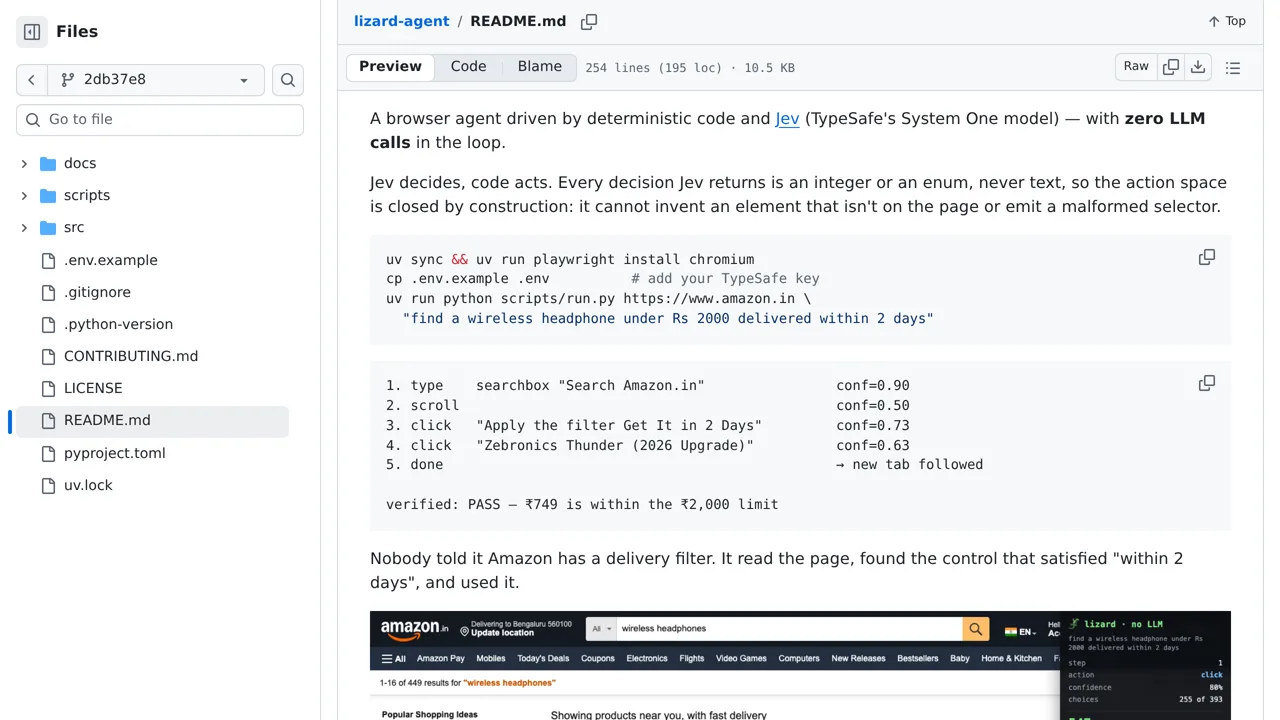
A web agent with no LLM in it: each step asks Jev five typed questions in one call, and code gates the answers before anything is executed.
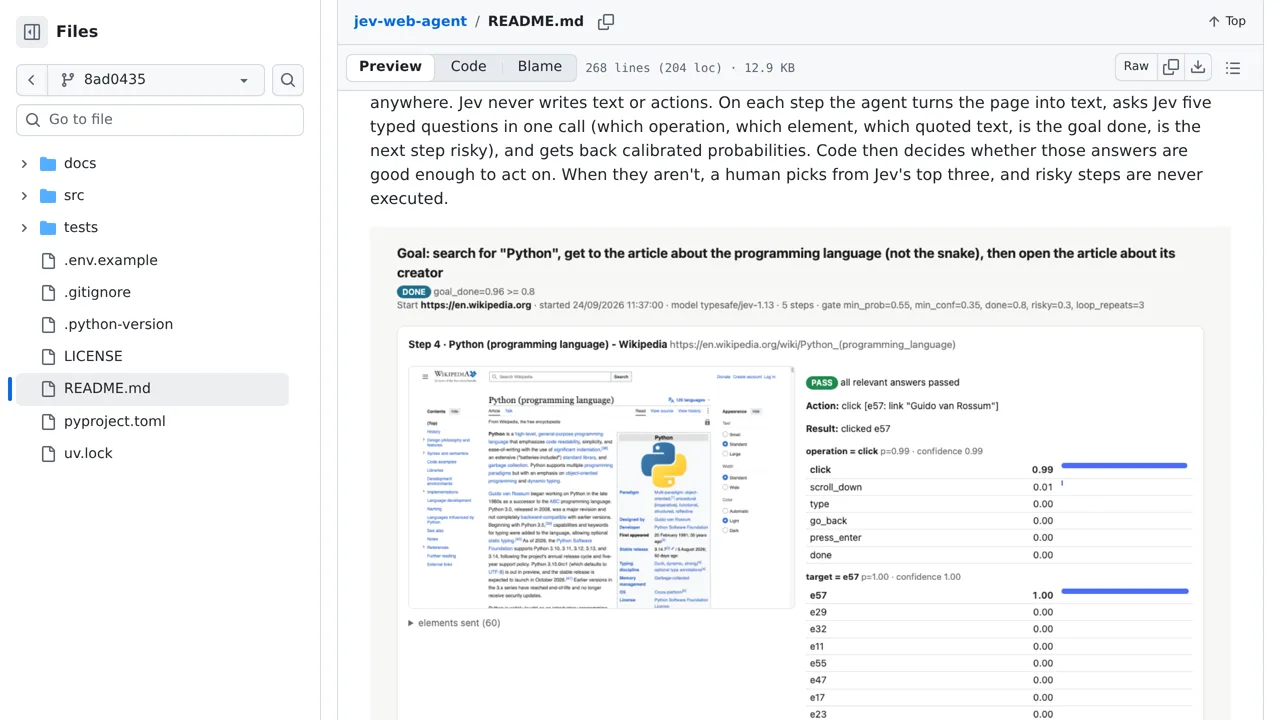
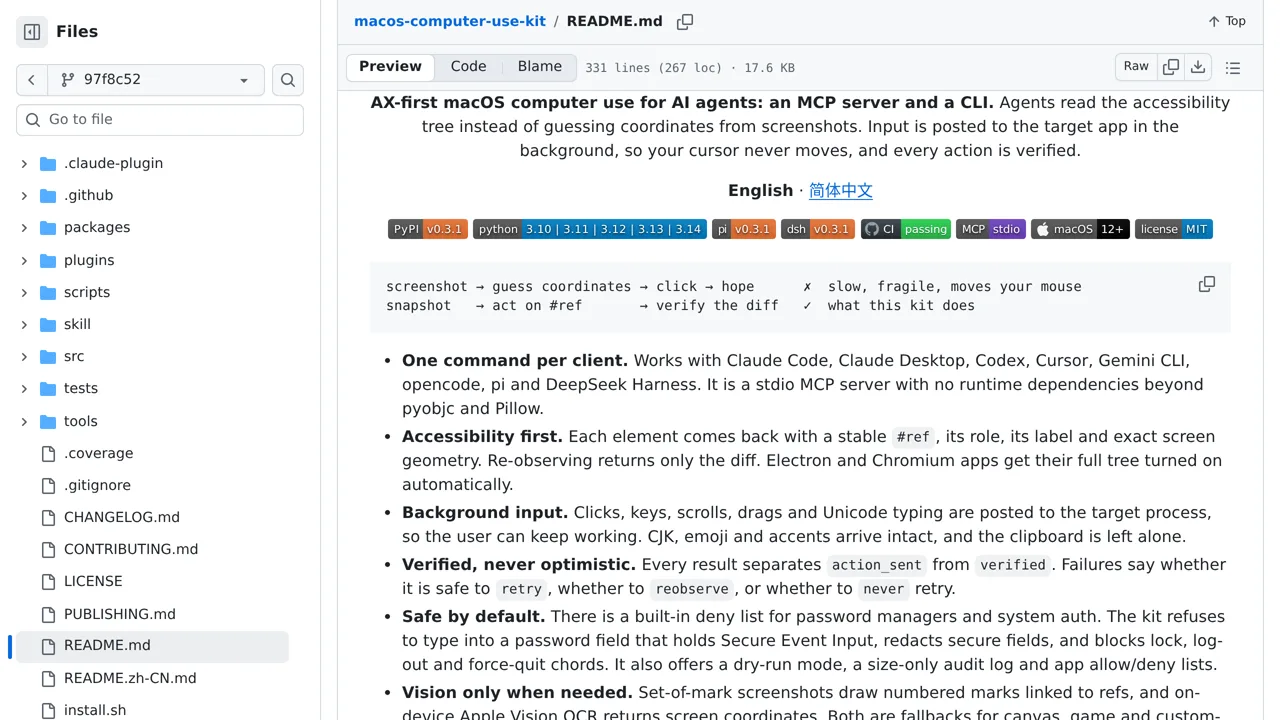
An accessibility-first computer-use kit for macOS agents where optional Jev guards judge the target and the input just before an irreversible action.
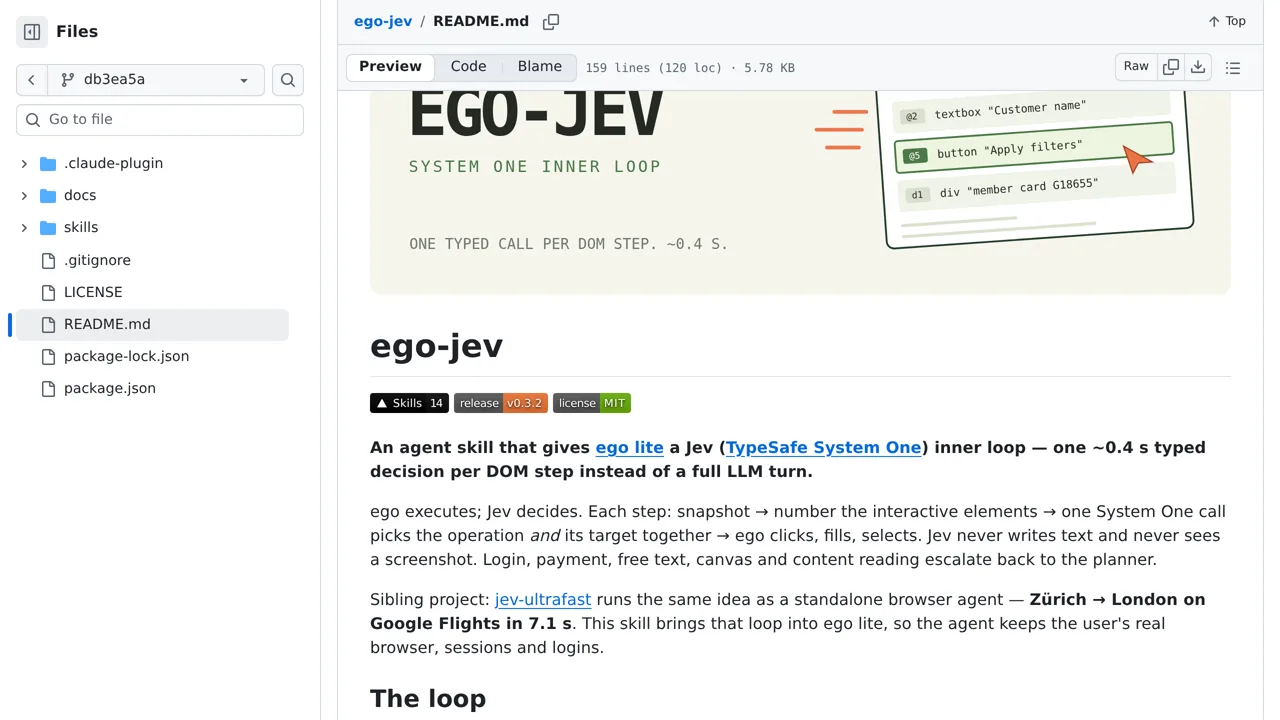
Gives the ego lite browser a Jev inner loop: each DOM step is numbered and one call picks both the operation and its target.
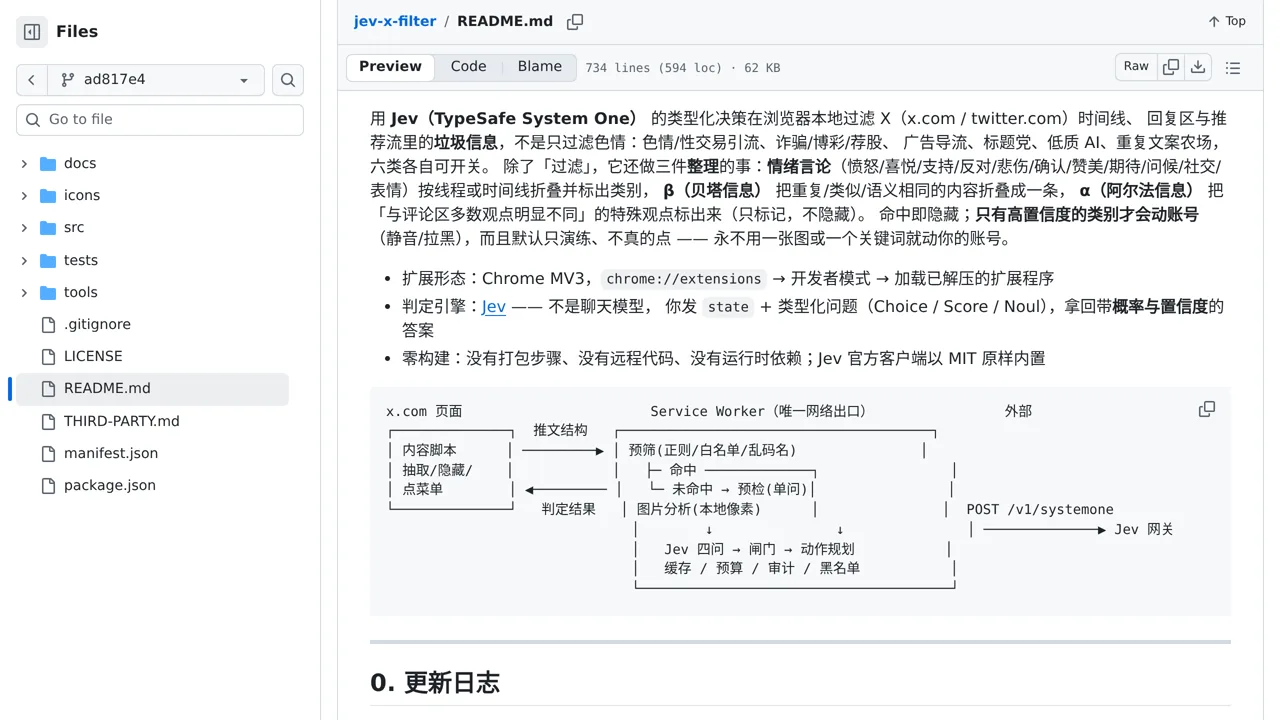
A Chrome extension that filters spam from the X timeline across six independently switchable categories, acting only on high-confidence hits.
Drives the ego lite browser by sending one table of the page's elements and asking Jev for both the operation and its target at once.
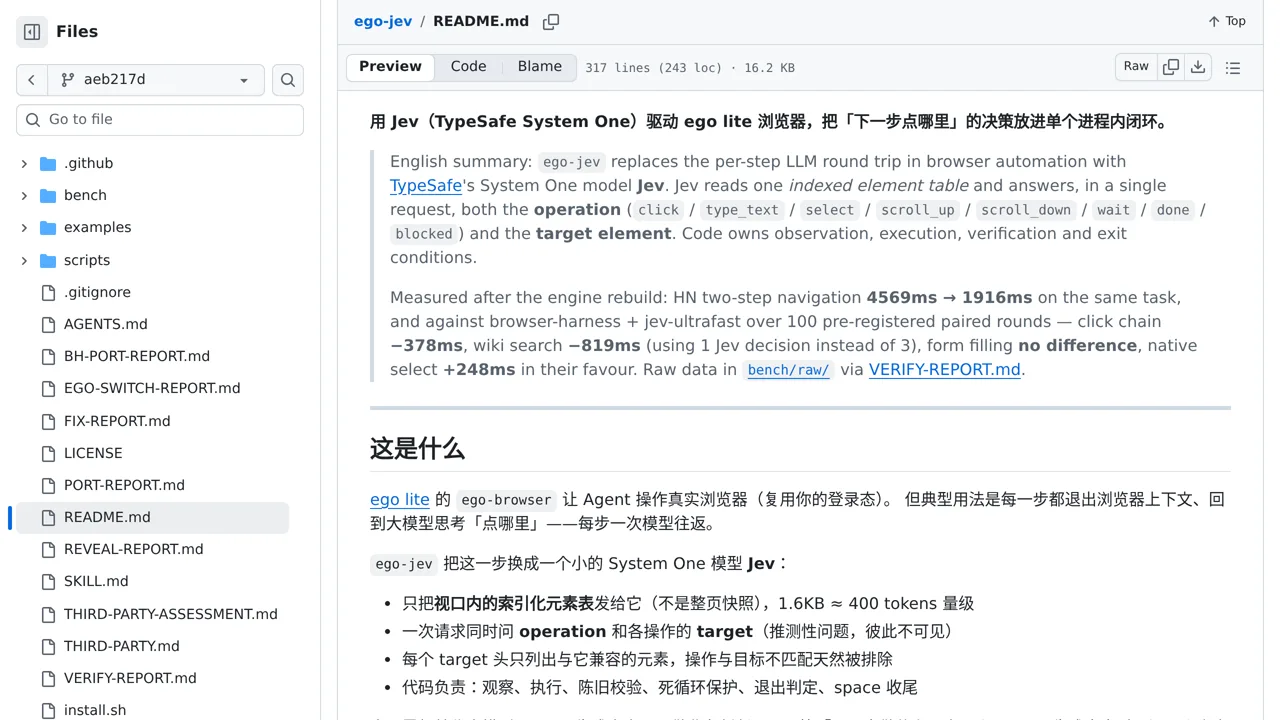
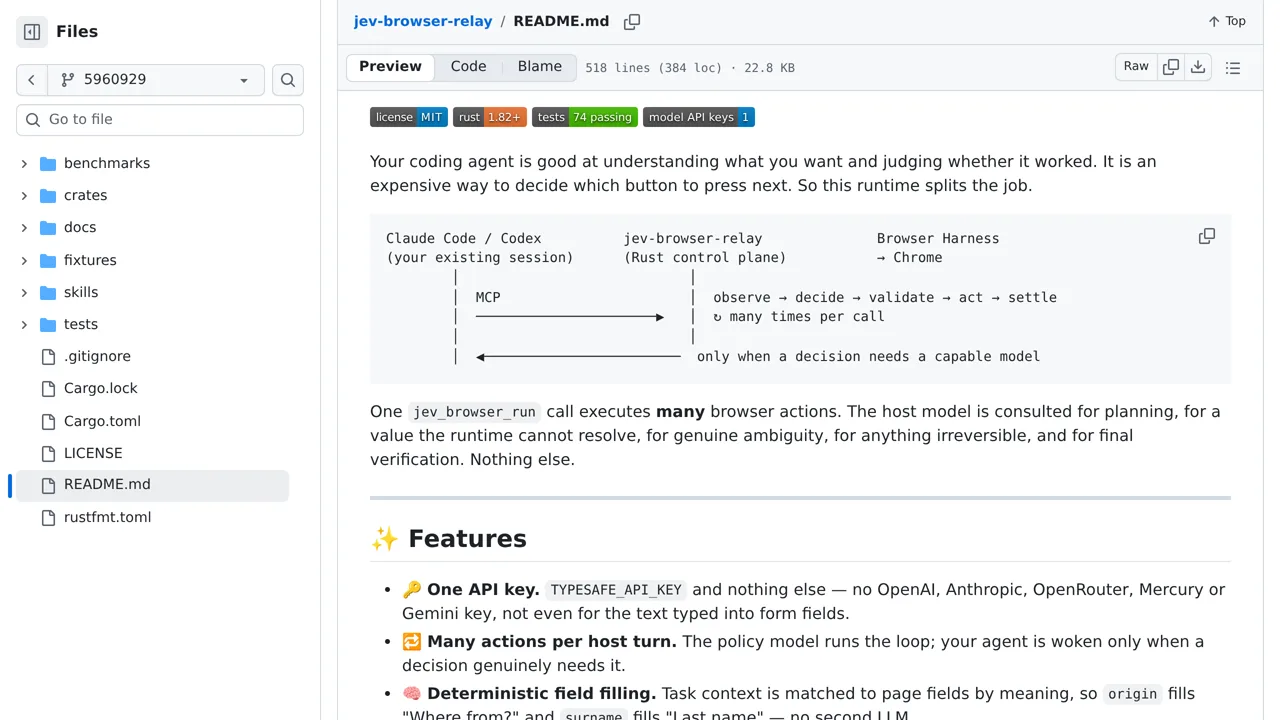
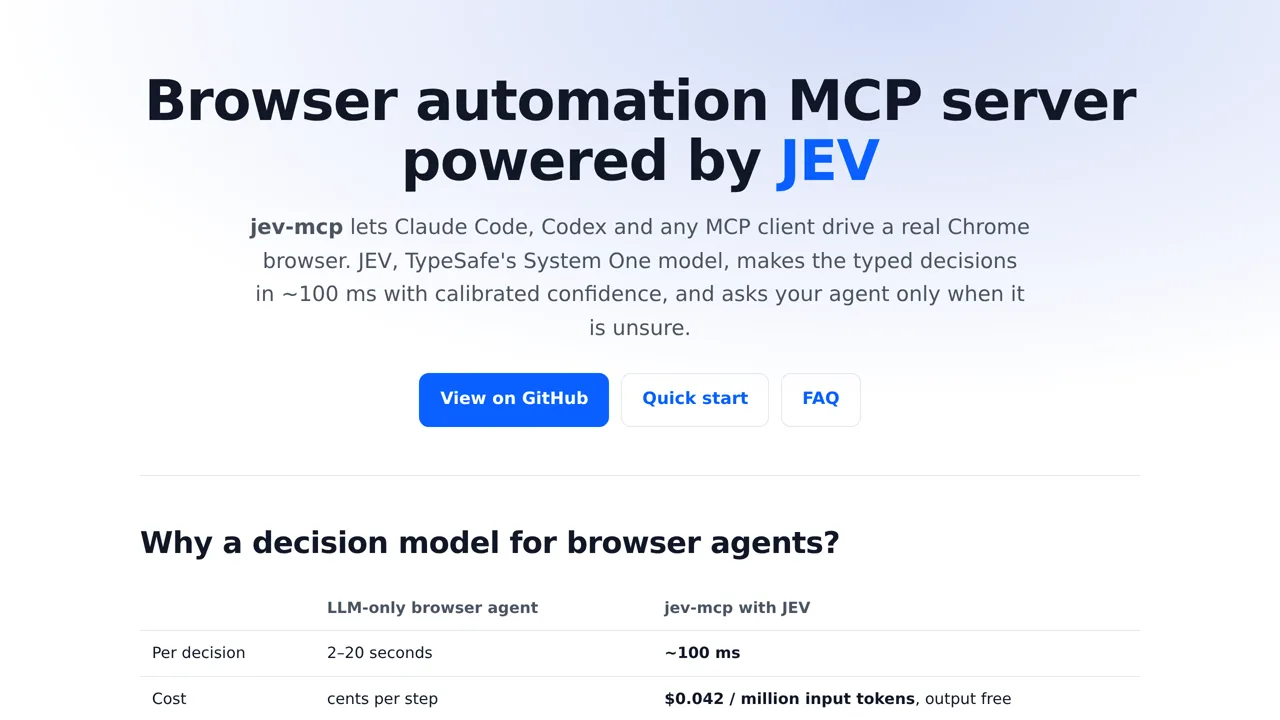
An MCP server that lets a coding agent drive a real Chrome browser through Jev: the model answers small typed questions and the tool acts when it is confident.
A browser agent with no LLM in the loop: code turns the page into a closed set of actions and Jev decides the next one, its target, and whether the task is done.
Lets Jev choose bounded browser actions over Chrome CDP observations while a separate model writes form text.
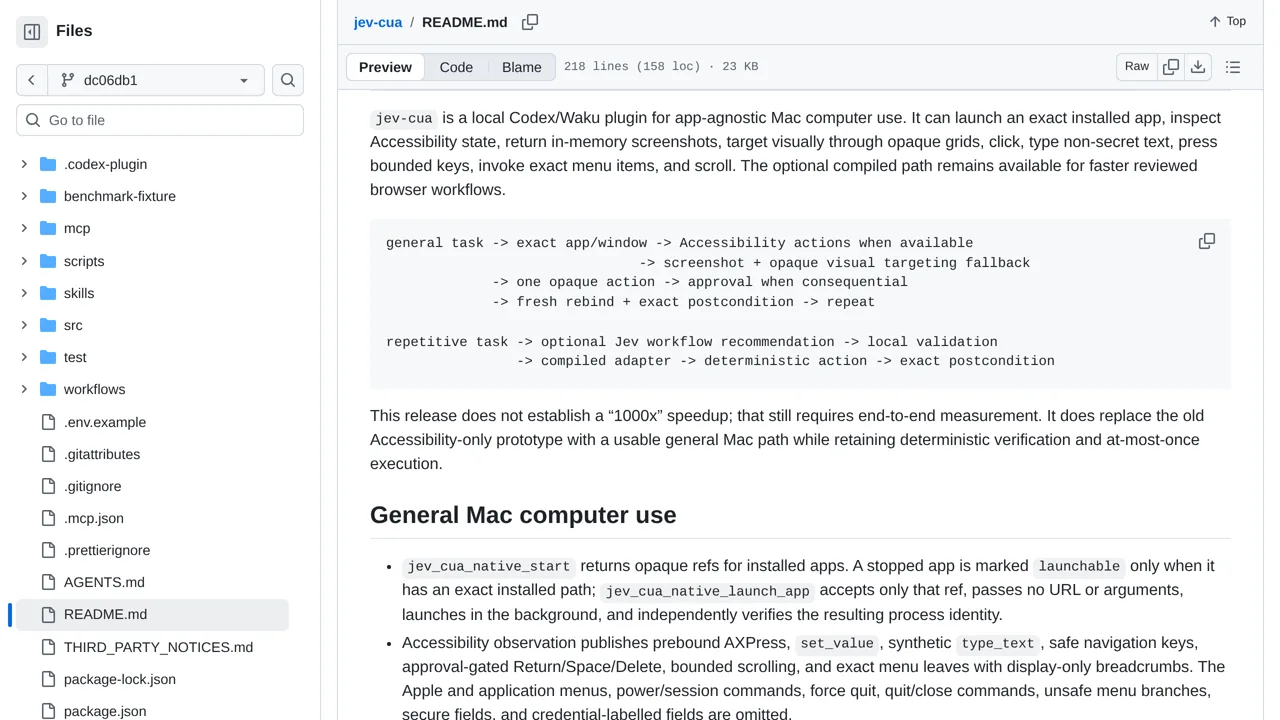
Provides guarded macOS computer use with opaque targets, approval-bound mutations, fresh observations, and optional Jev workflow recommendations.
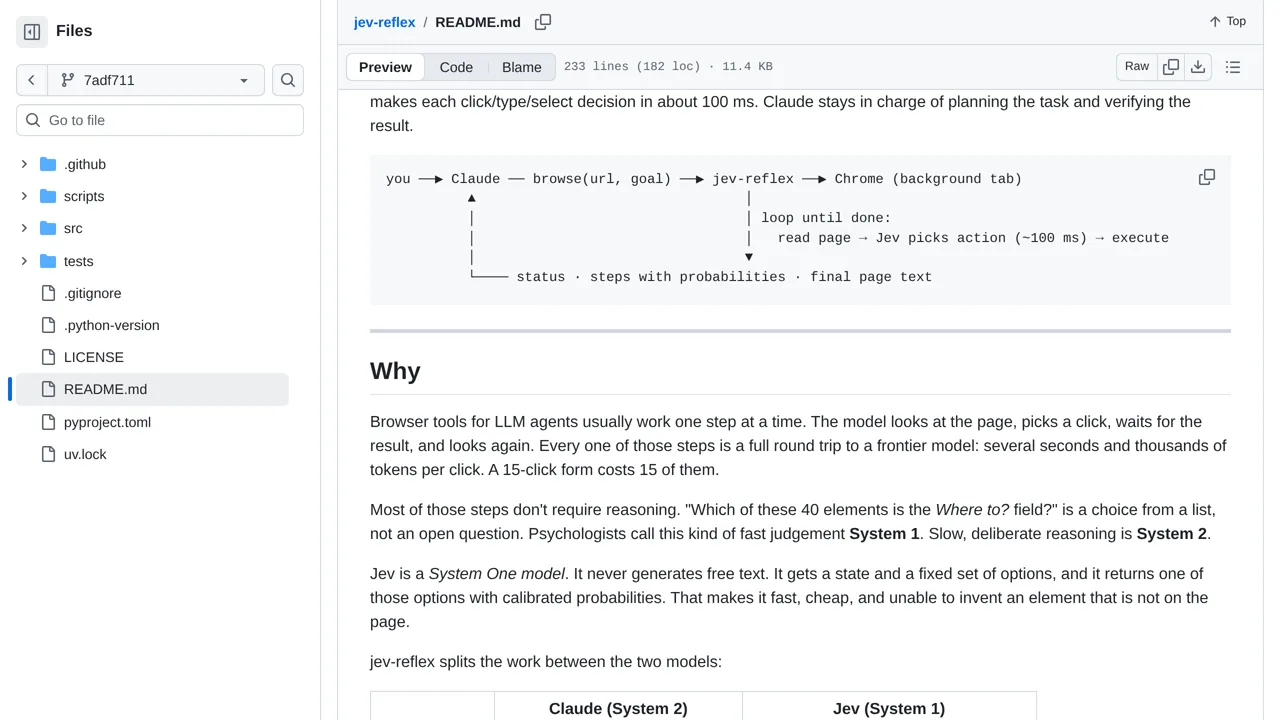
Lets Claude delegate a browser goal while Jev repeatedly chooses the next click, field, or action.
RaZaan built a Chrome extension where Jev decides how an agent clicks and interacts with websites.

YZ demonstrated Jev finding a submission form and filling its known fields, then planned to bring it into Submit Agent.

A local CoreML segmenter and OCR feed screen labels to Jev, which chooses computer actions without screenshots or DOM access.
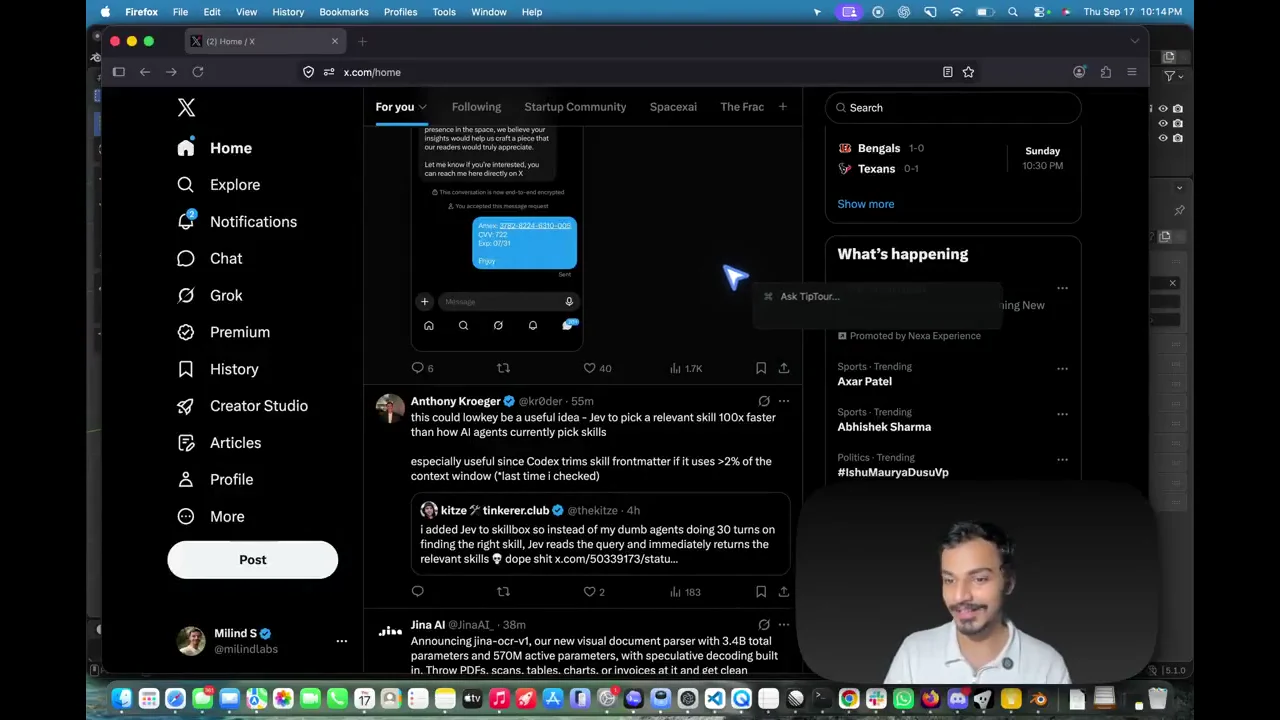
Chris Adcock wired Jev into Grok Bot so bots can drive a real Chrome instance instead of relying on look-and-click.

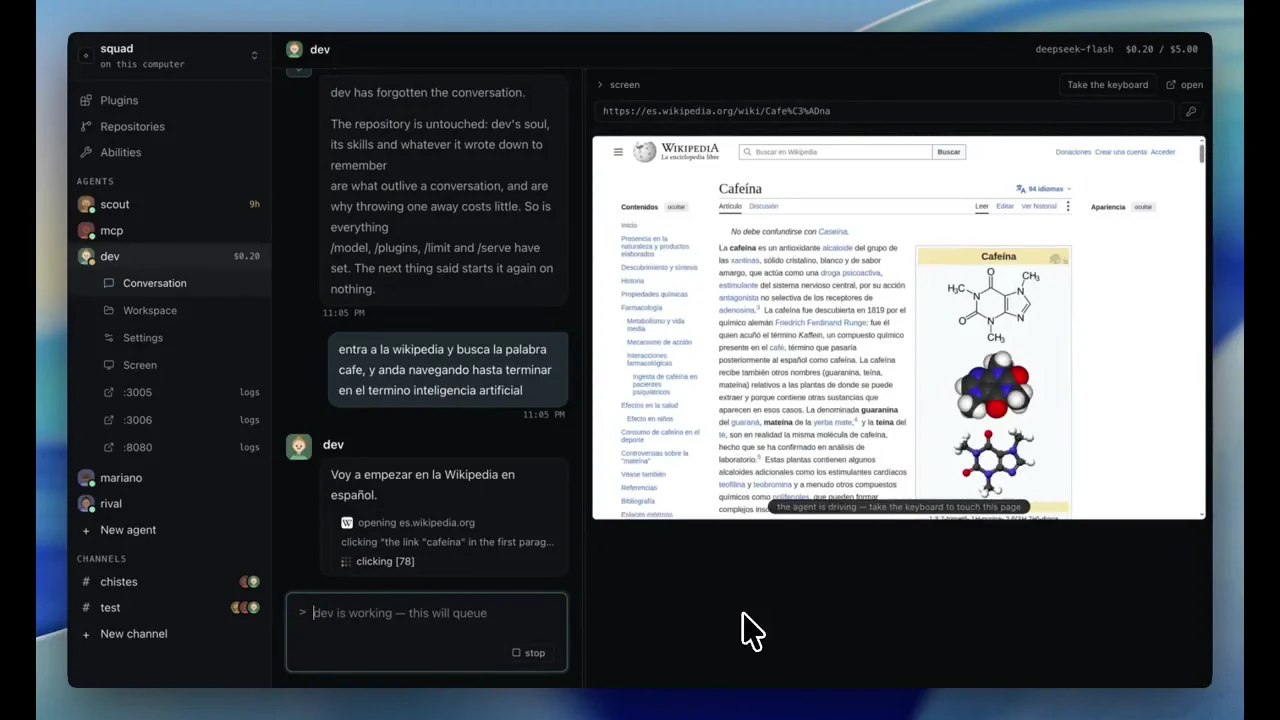
A Jev-powered headless Chromium agent follows hyperlinks through Wikipedia, demonstrated by navigating outward from the page for coffee.
Find billing pages with Jev, then list or download invoices—including those in Stripe portals—with one click.

Give jev-browser a site and task; it opens the browser and lets Jev choose each click from the visible page.

Alan Daitch paired Jev with Playwright to reject unsuitable listings, place offers and ask sellers for missing details.

A Chrome extension hides specific spoilers while leaving other posts from the same fictional universe visible.

A local Whisper listener sends speech and the Mac accessibility tree to Jev, which selects the next computer action.
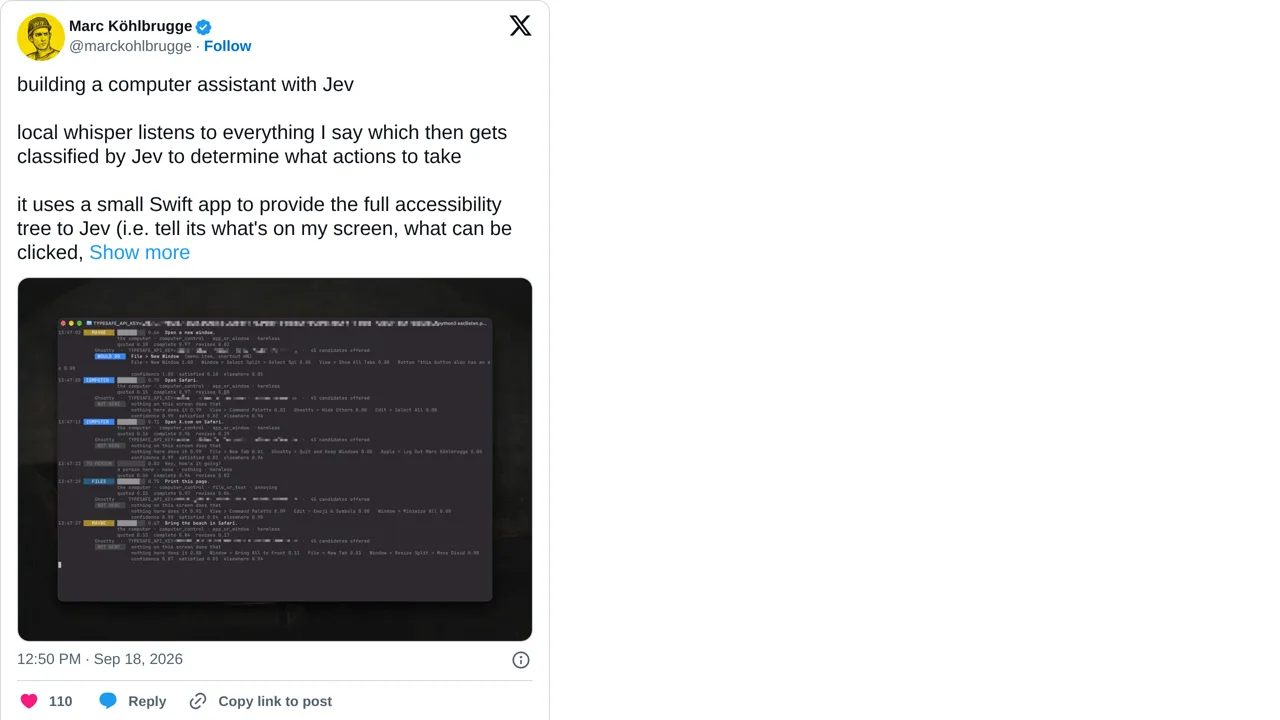
Speak a Mac command and Jev begins carrying it out before the dictated sentence has finished.
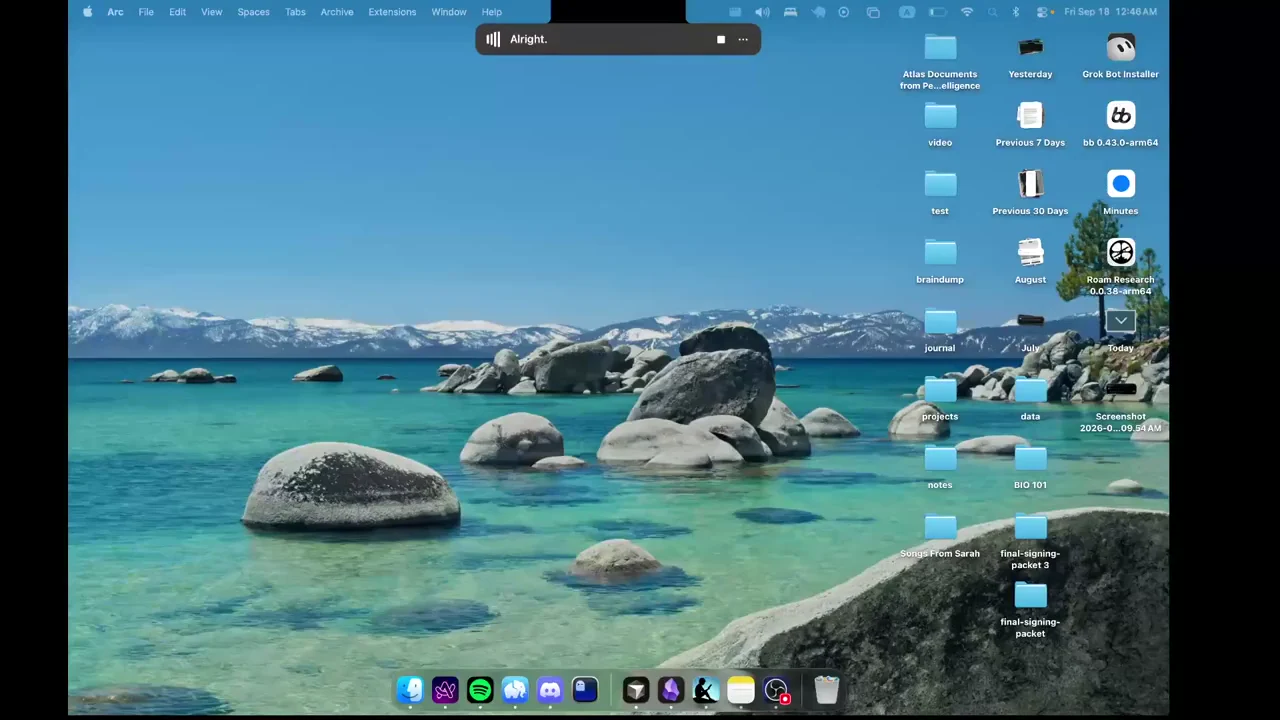
A Chrome extension labels timeline posts as clean, engagement bait, promotion, secondhand material, or filler.
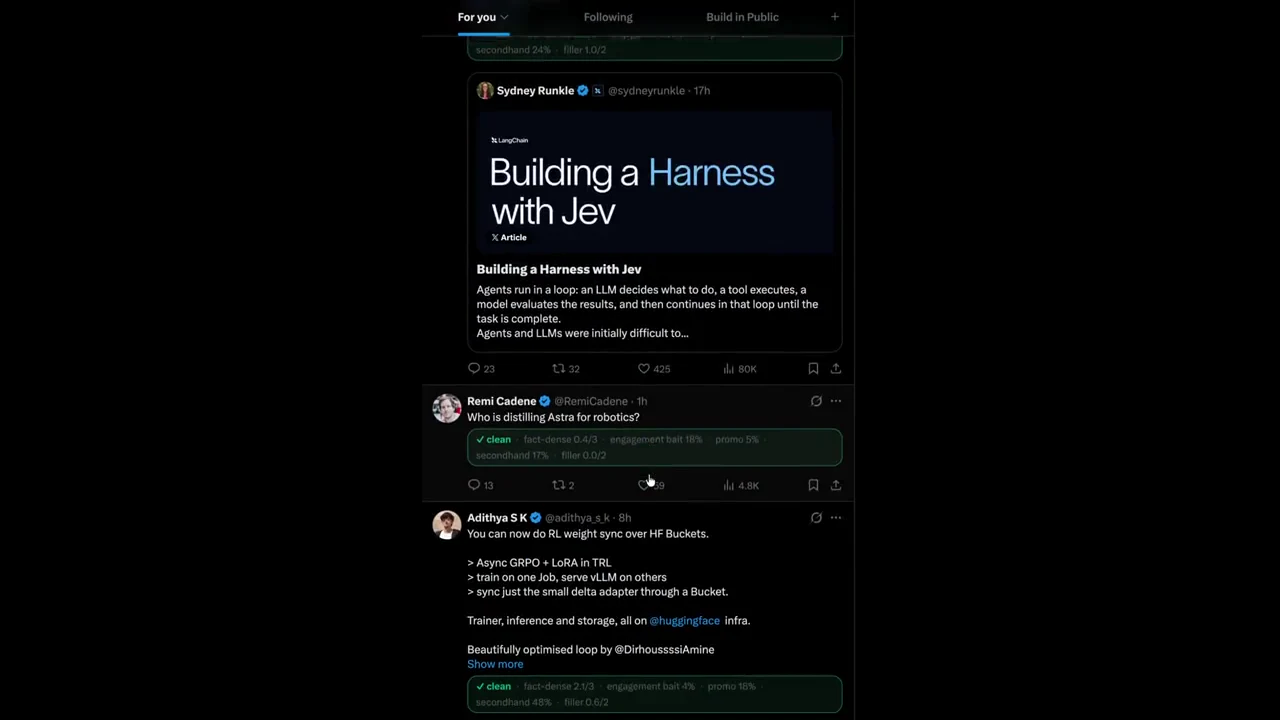
Give Jev Pilot a mobile goal and it observes the screen, chooses a bounded UI action, and performs it.
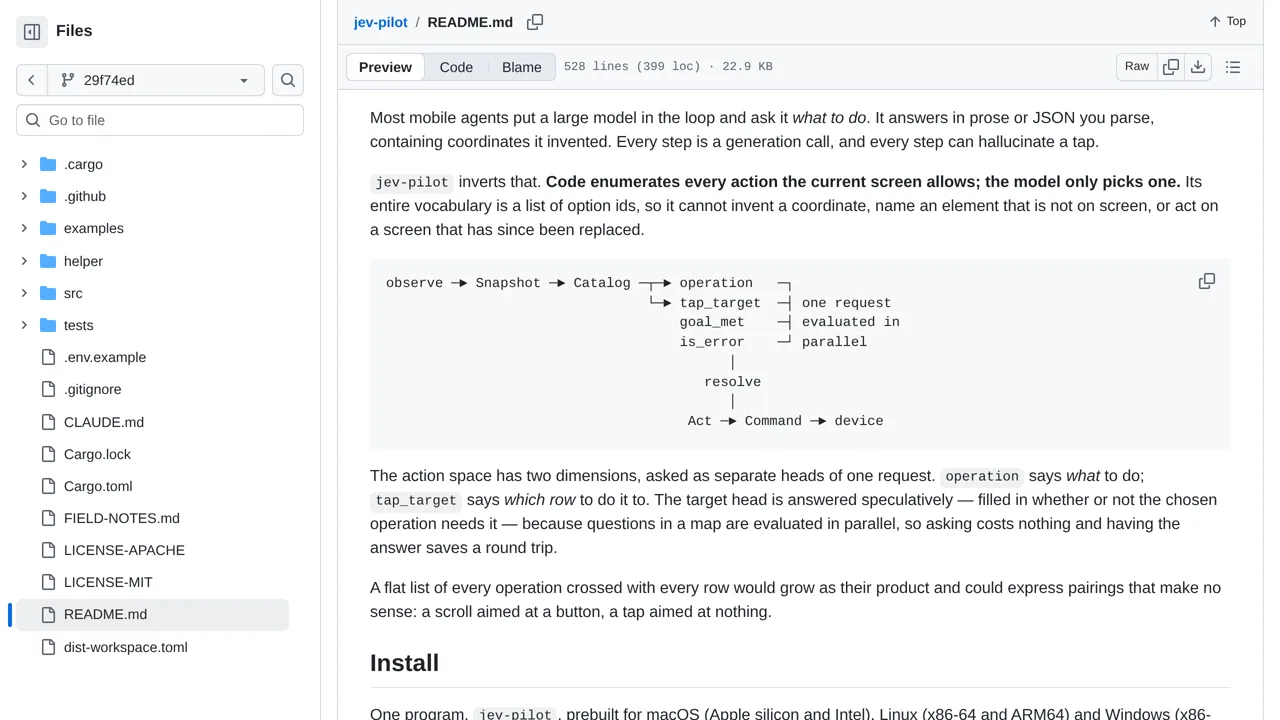
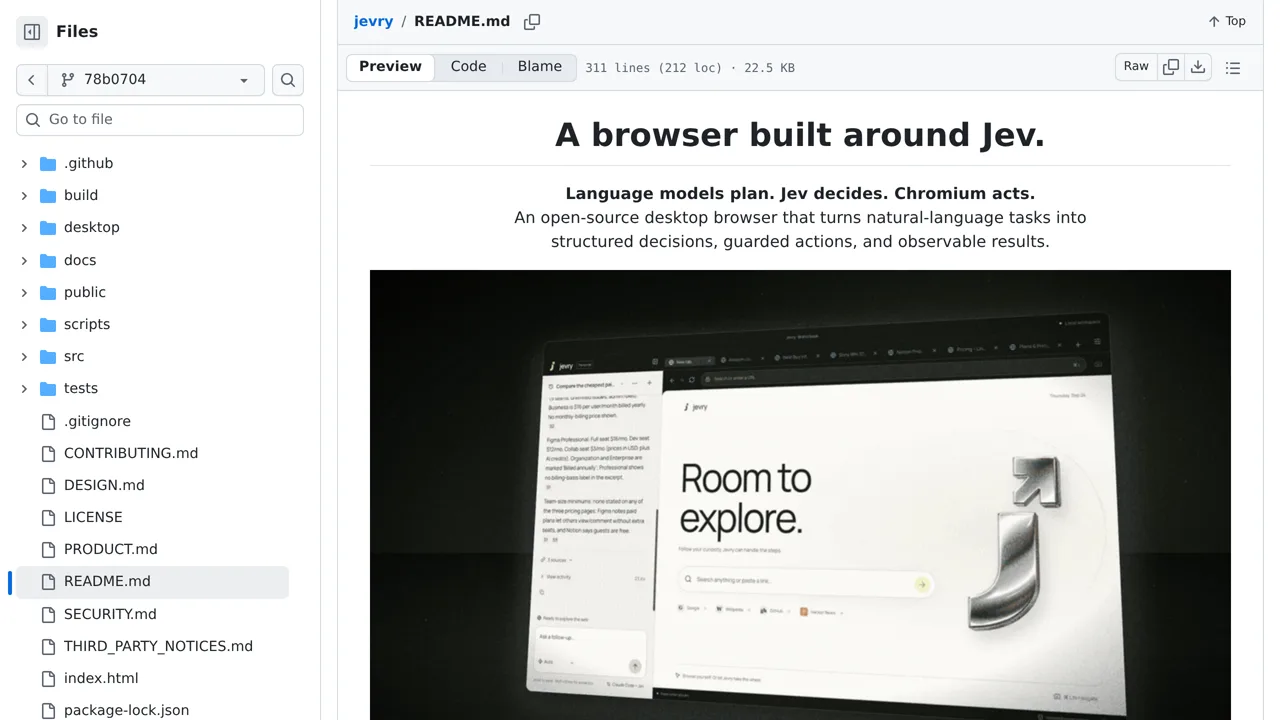
Jevry browses for you one Jev choice at a time: it plans a site's steps first, then walks them with deliberately boring automation.
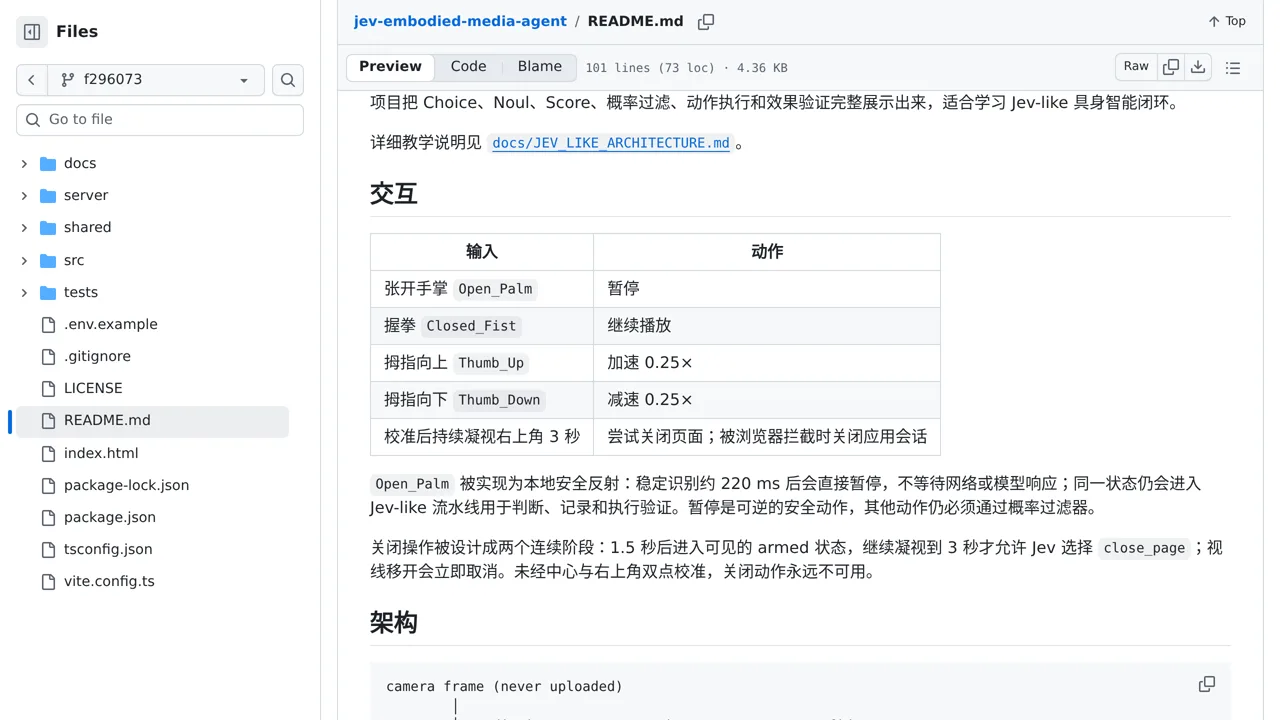
A webcam, your hands, and a video player: thumbs up to speed up, thumbs down to slow down — but only if Jev is convinced you meant it.
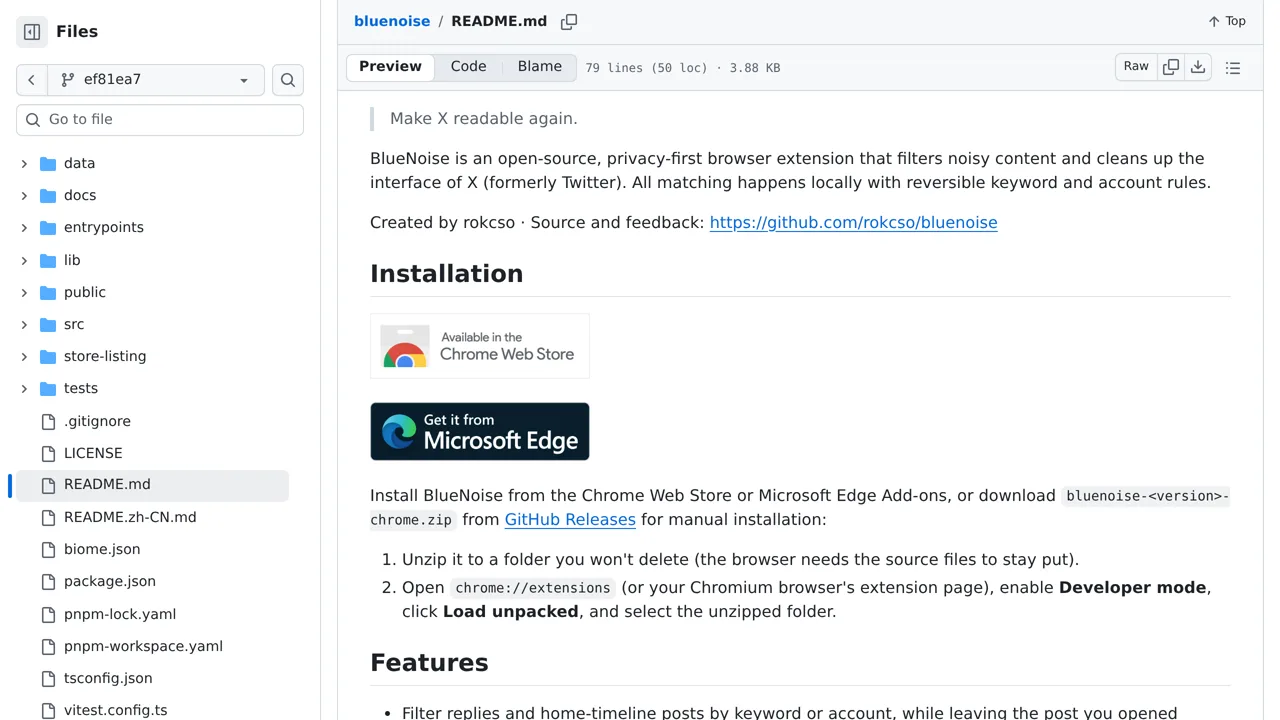
Hides or blurs noisy replies on X using rules that never leave your browser. An optional Jev pass judges whatever the rules missed, and it only runs if you add your own API key.
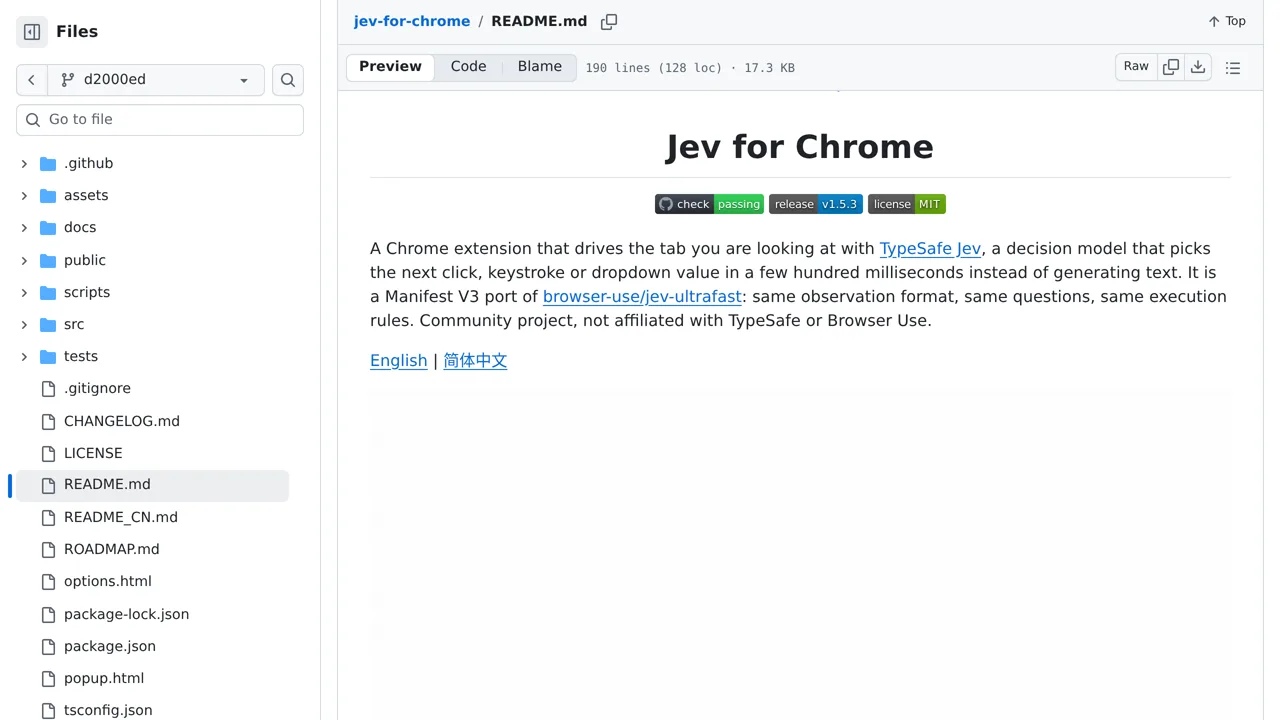
A Manifest V3 port of jev-ultrafast that drives the tab you are looking at, with Jev picking the next click, keystroke, or dropdown value in a few hundred milliseconds.
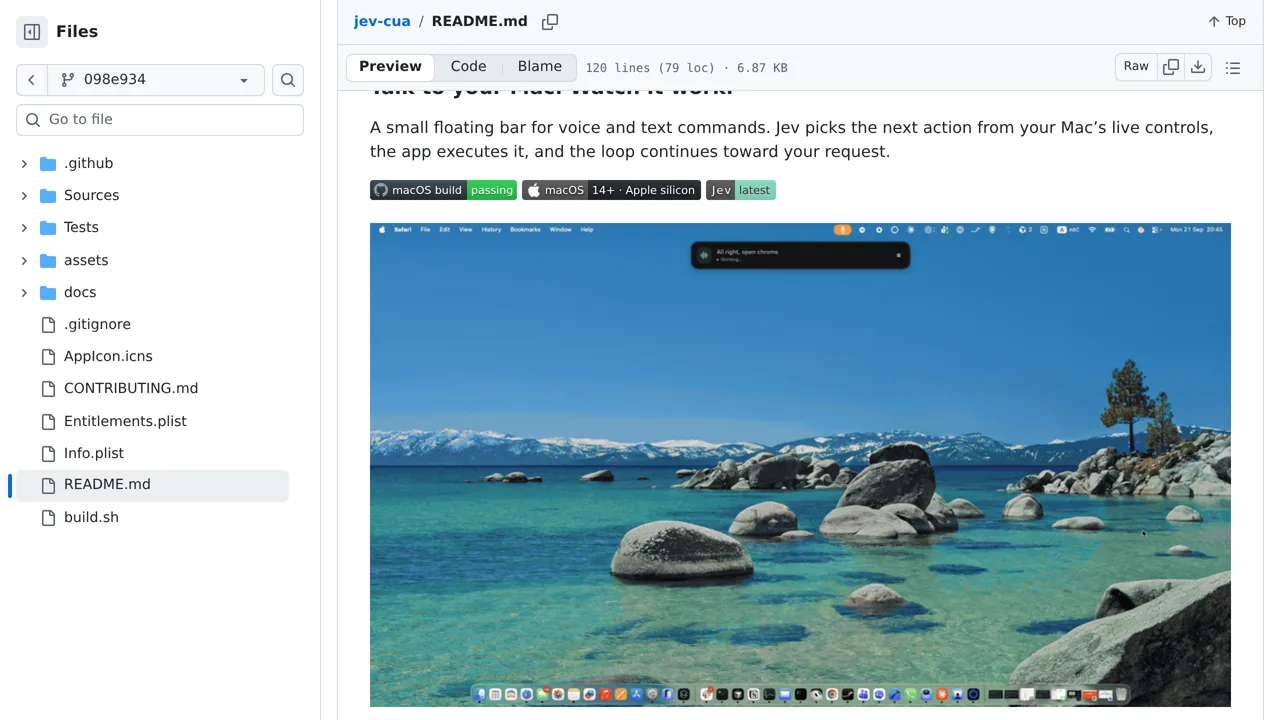
A macOS floating bar for voice and text commands where Jev picks the next action from your Mac's live controls and the app executes it in a loop.
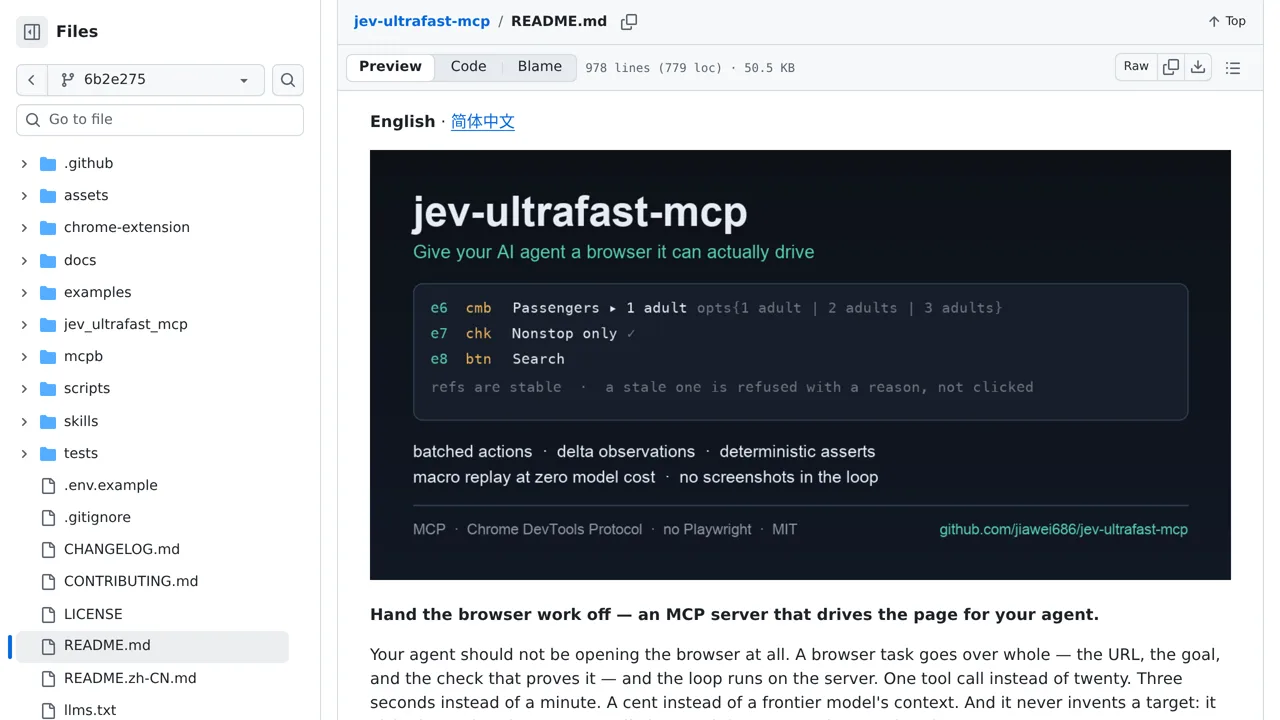
One MCP call does the whole browser errand: give it a URL, a goal, and the check that proves it worked.
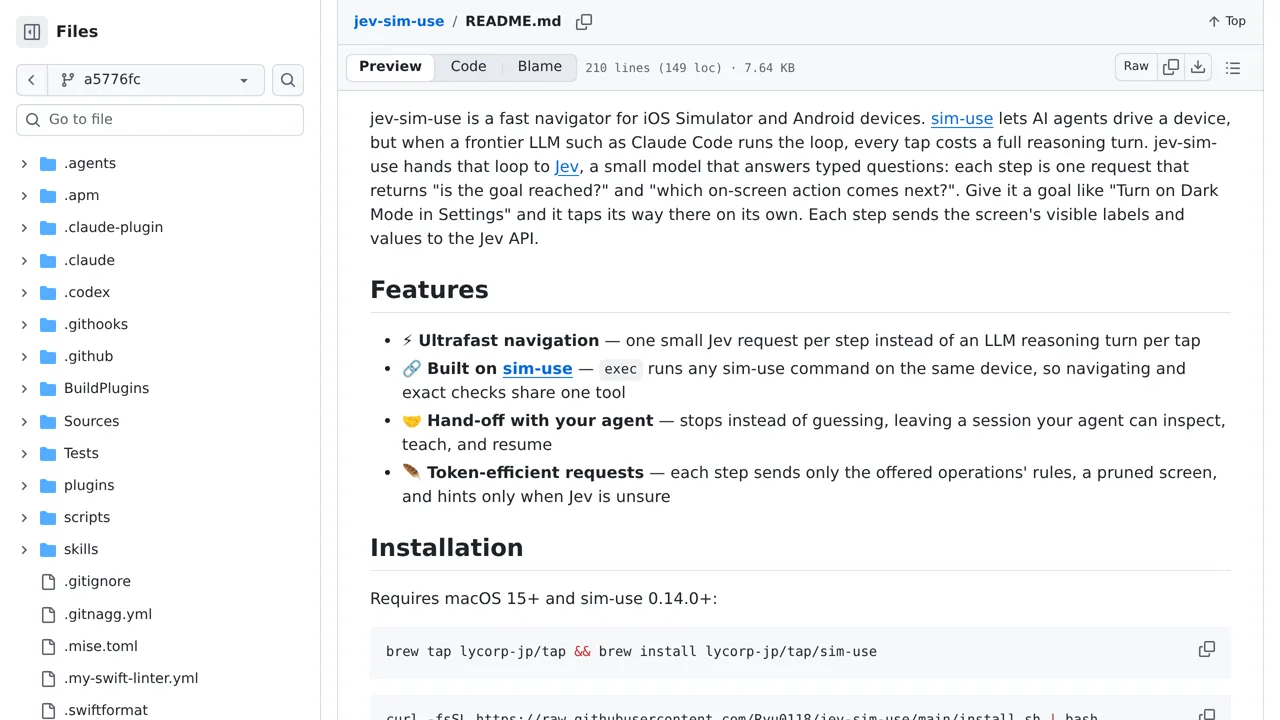
Lets an agent reach any screen in the iOS Simulator or on Android without burning a reasoning turn on every tap.
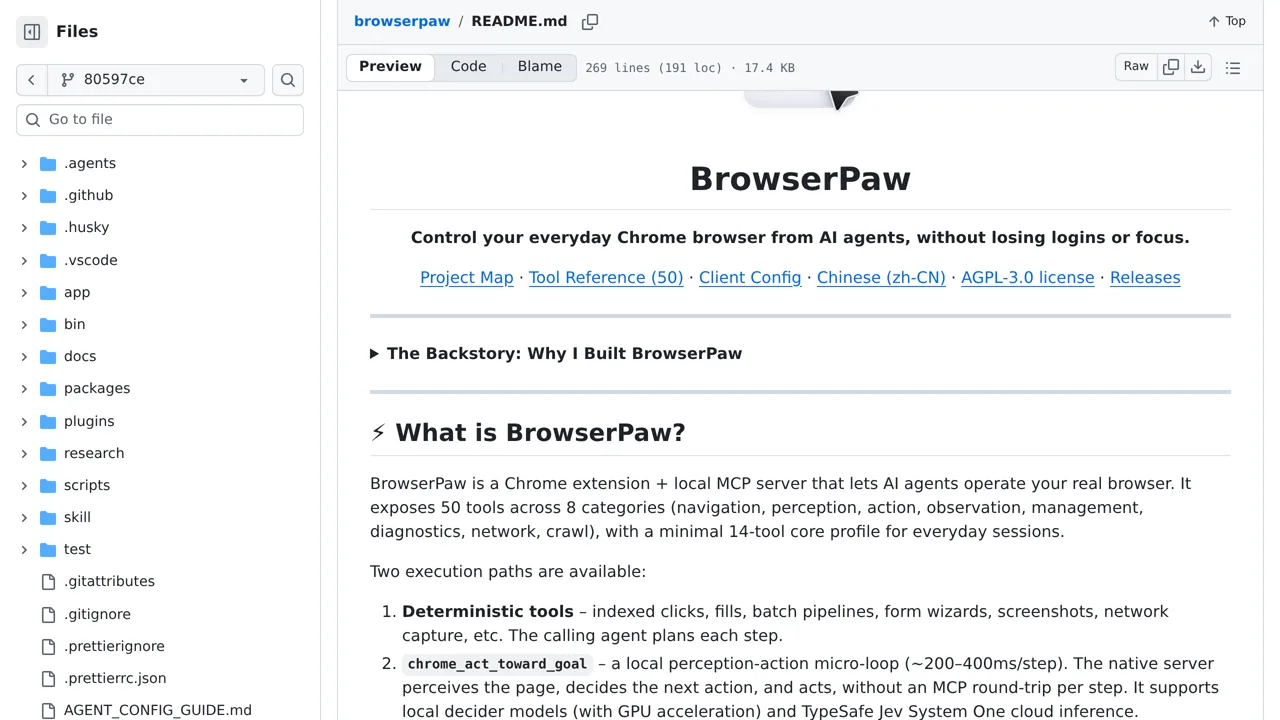
Gives an agent the Chrome window you already use, logins and cookies included, through an MV3 extension plus a local MCP server.
Jev, briefly
A chat model generates text token by token and hopes you parse it. Jev never generates a word. Your code sends the state of the world plus typed questions; Jev returns every answer in one parallel pass — typed values with calibrated probabilities and a confidence score your code can trust. About 70–500 ms end to end, $0.042 per million input tokens, output free. Trained with what TypeSafe calls Reinforcement Learning for Calibrated Decisions.
You define the options. Jev returns the chosen option, a probability for every option, and a confidence. The workhorse of routing, agents, and games — the answer space is always legal, so there is nothing to parse and nothing to hallucinate.
You describe ordered levels — say trivial / normal / critical. Jev returns the level, the probability of each, and a confidence. Scores turn fuzzy judgment (“how severe is this log line?”) into a number-free decision your code can branch on.
You assert a statement; Jev returns the probability that it is true — a noul. Moderation, verification, guardrails, “does this diff actually fix the bug?”: one question, one calibrated probability.
Official material lives at typesafe.ai and docs.typesafe.ai. JevMade is an independent community registry — not affiliated with or endorsed by TypeSafe AI.
Recurring lessons
Games, drones, trading bots, and browser agents all converge on the same loop: serialize the state, ask one decisive question, act, repeat. Jev’s latency makes the loop feel instant — the model lives inside the control loop, not outside it.
The answer says what; the confidence says whether to act. The most reliable entries threshold on confidence to route edge cases to a slower model or a human — automation with an honest escape hatch.
Makers rarely ask Jev to pick from everything. Local tactics prune 225 gomoku moves to ~40; DOM filters turn a page into an element table; code narrows options, Jev judges within them.
A recurring split: Jev makes every decision cheaply and instantly, and a small LLM is only invoked when a human-facing string must actually be written. Decision and generation are separate budgets.
Send the link — repo, live demo, post, or video — plus a line on what it does and which primitives it uses. Every entry is verified against its primary source before it ships.
Submit your experimentSign in first so we can reply to you. Submissions are reviewed, not published automatically.