Read & learn
Written guides.
Understand Jev, one idea at a time. Walkthroughs, recipes, and writeups — our notes first, the original next.
Learn, build, and play with Jev — from deep technical guides to creative experiments.
Read & learn
Understand Jev, one idea at a time. Walkthroughs, recipes, and writeups — our notes first, the original next.
Watch & learn
See an idea take shape. Tutorials, demos, and deep dives, organized by topic and credited to their creators.
Make & explore
See what builders made with Jev. Games, tools, repositories, articles, and more — traced to their sources.
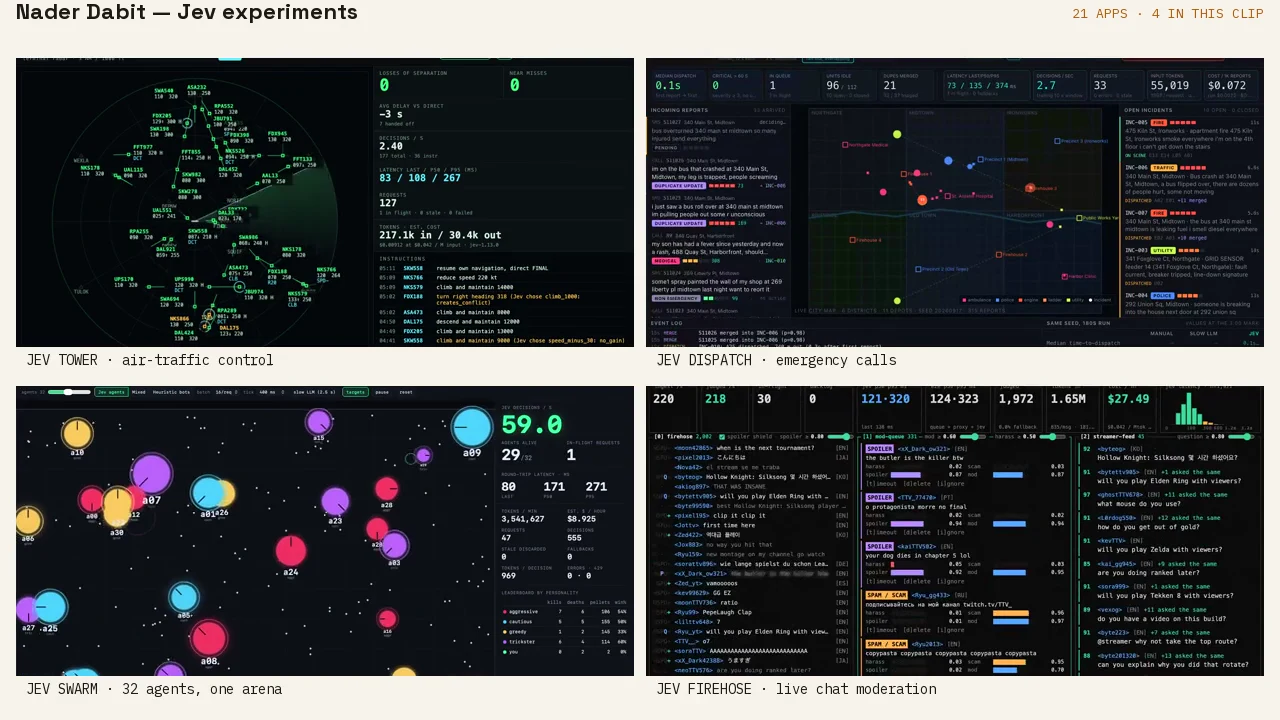
Every category, from games and tools to repositories and writeups, traced to a primary source.
Same ideas.
Different paths.
This is the full registry, not just the featured picks. Figures like speed, cost, and stars are maker-reported or captured snapshots, not JevMade measurements.
380 experiments · showing 301–360
Takayuki Fukuda used Jev to give X a cute visual makeover.

Drape lets Jev read speech and the wearer’s current outfit, pick from a closet and change the look in real time.

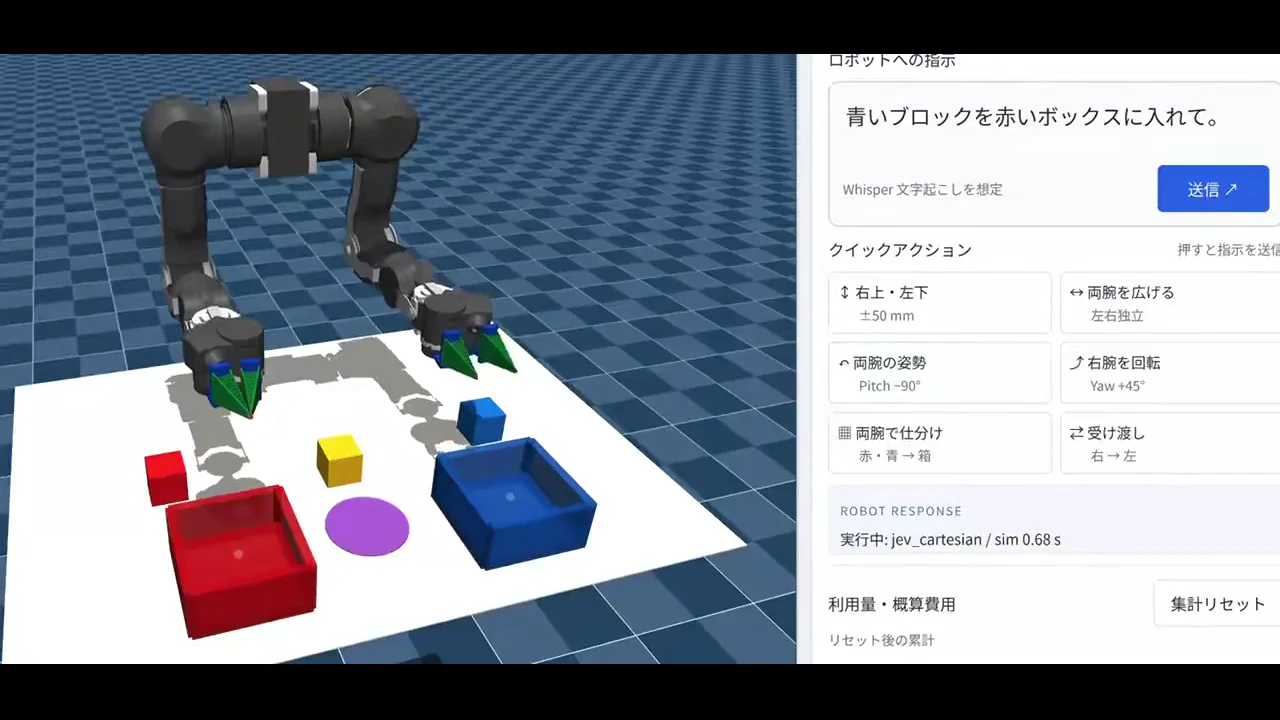
Raptor puts Jev in the decision layer of a dual-arm robot while code handles inverse kinematics and physics.
Emogee is a public Jev demo shared by Justin Youens after he could not find a link for the original example.

Hamed Valigholizadeh asks Jev to rank practice questions by how likely they are to return on a real exam.

Zohaib Tanwir built a Jev email classifier and tested it from India against a US-hosted endpoint.

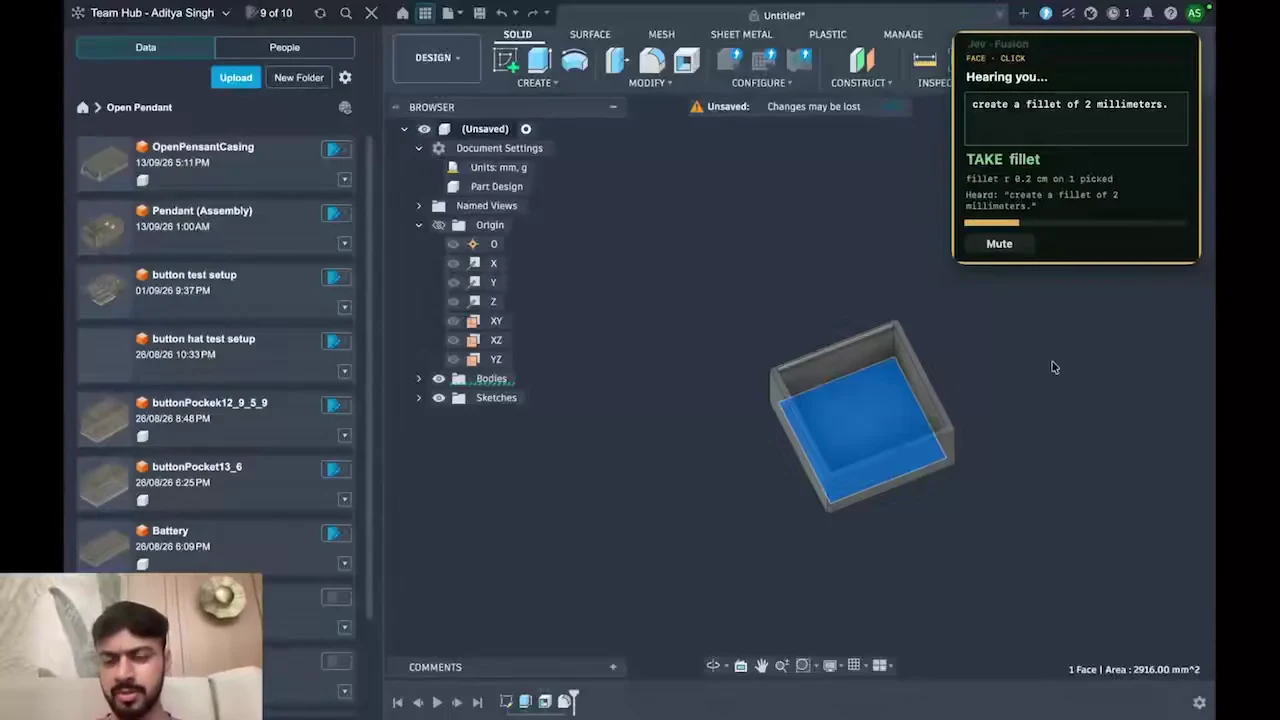
Aditya Singh wired a microphone to Fusion 360, with Jev deciding whether each utterance is a command.
内田勉 built an ultra-fast futsal simulator with Jev and Laya for a generative-AI exhibition.

After a study group on Jev and agent harnesses, たてこ built a werewolf game with the model.

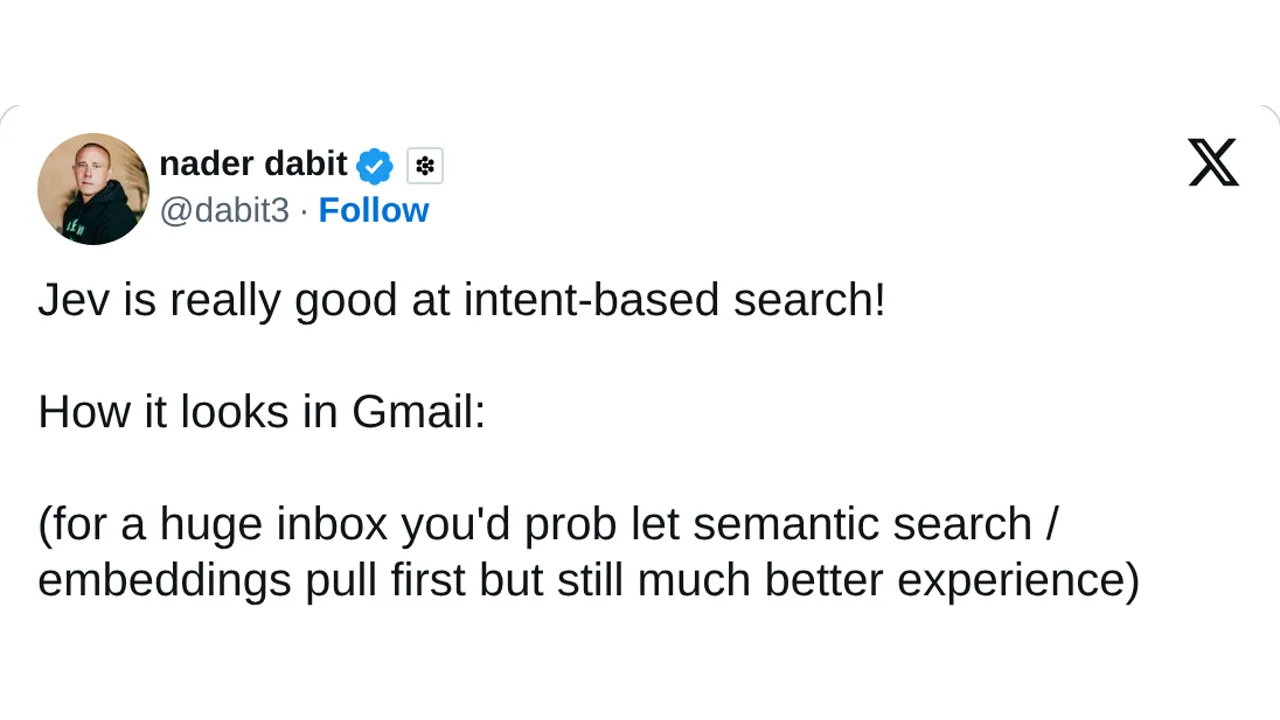
Nader Dabit demonstrates Jev-powered intent search over Gmail, with semantic retrieval suggested as a first pass for huge inboxes.
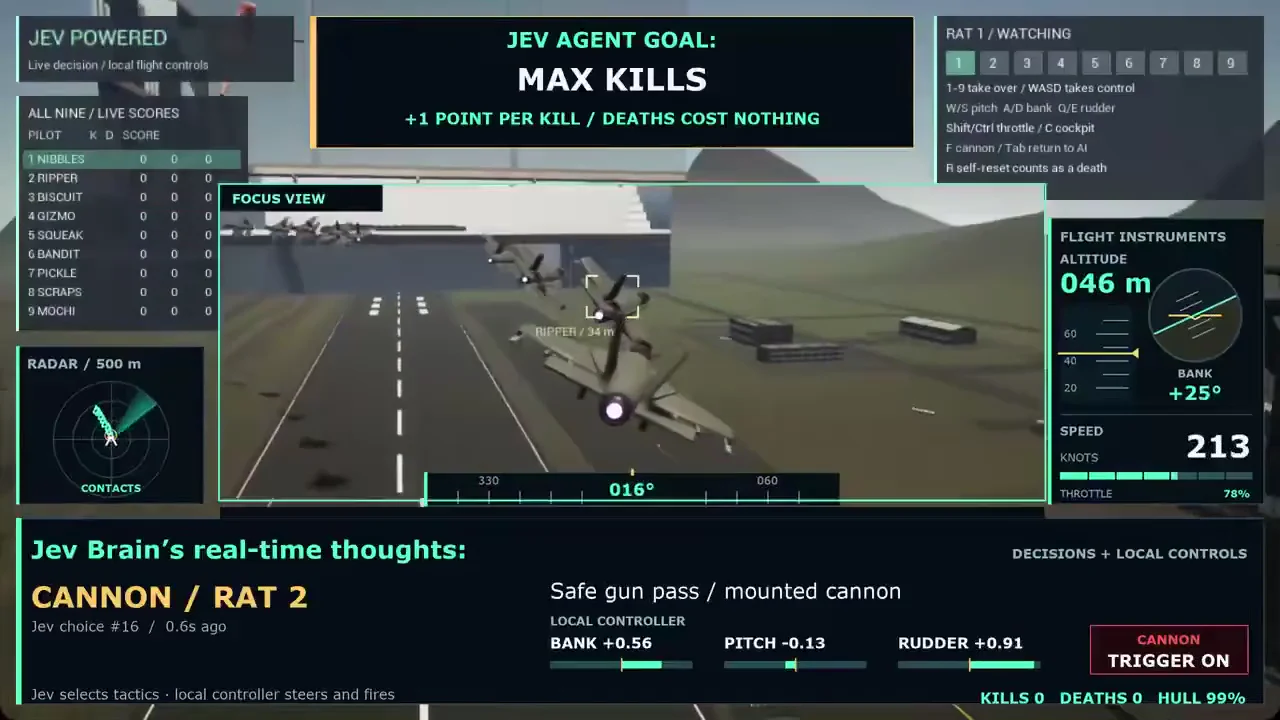
Phil Dressler staged a GTA-style fighter-jet competition with agents built by Astra and controlled by Jev.
Hover Explanations uses Jev to reveal contextual explanations, with its maker reporting about $0.006 for the demo test.

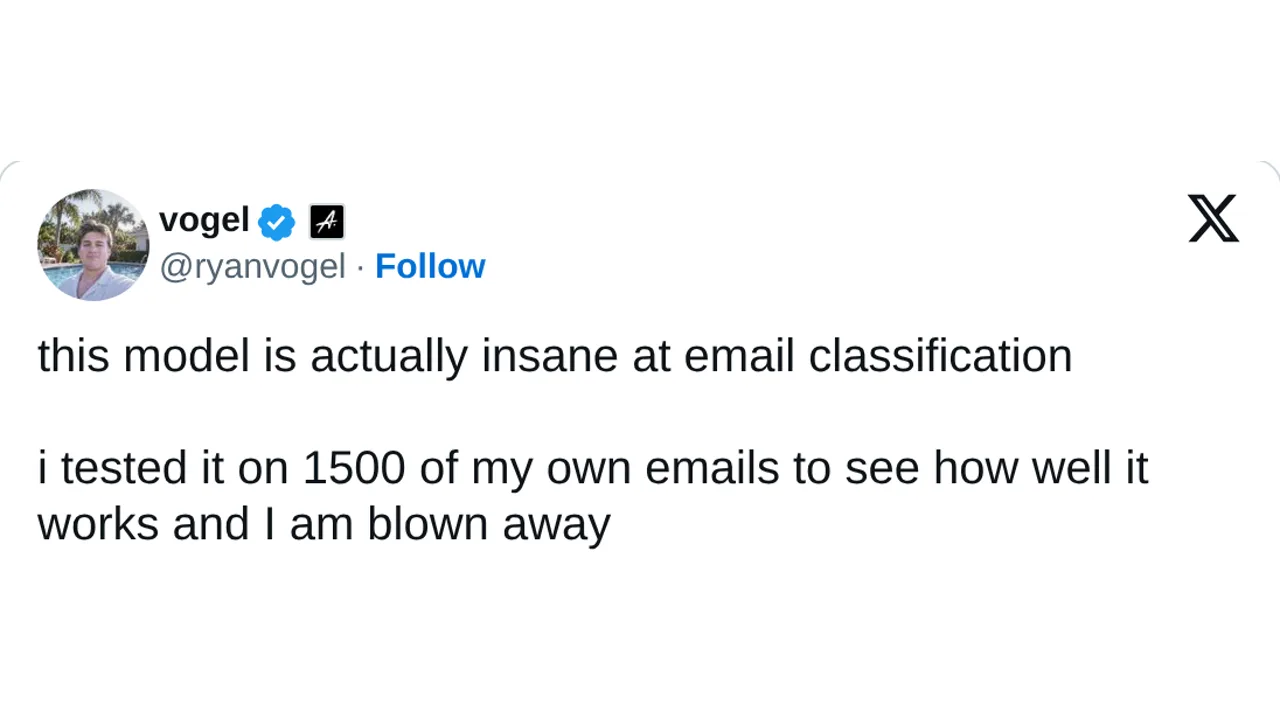
Vogel tested Jev by classifying 1,500 personal emails and reported being impressed by the results.
Gustav Ekerot demonstrates a Jev-powered interface that assigns tags automatically.

Dario Crespo puts Jev behind a no-install, no-registration chat and shares the implementation as open source.

Lahiri scores each five-second educational-video segment for relevance, usefulness, importance, memorability, and actionability with Jev.

Arthur Marques pits Jev against Laya after narrowing each chess position to ten tactical candidate moves.

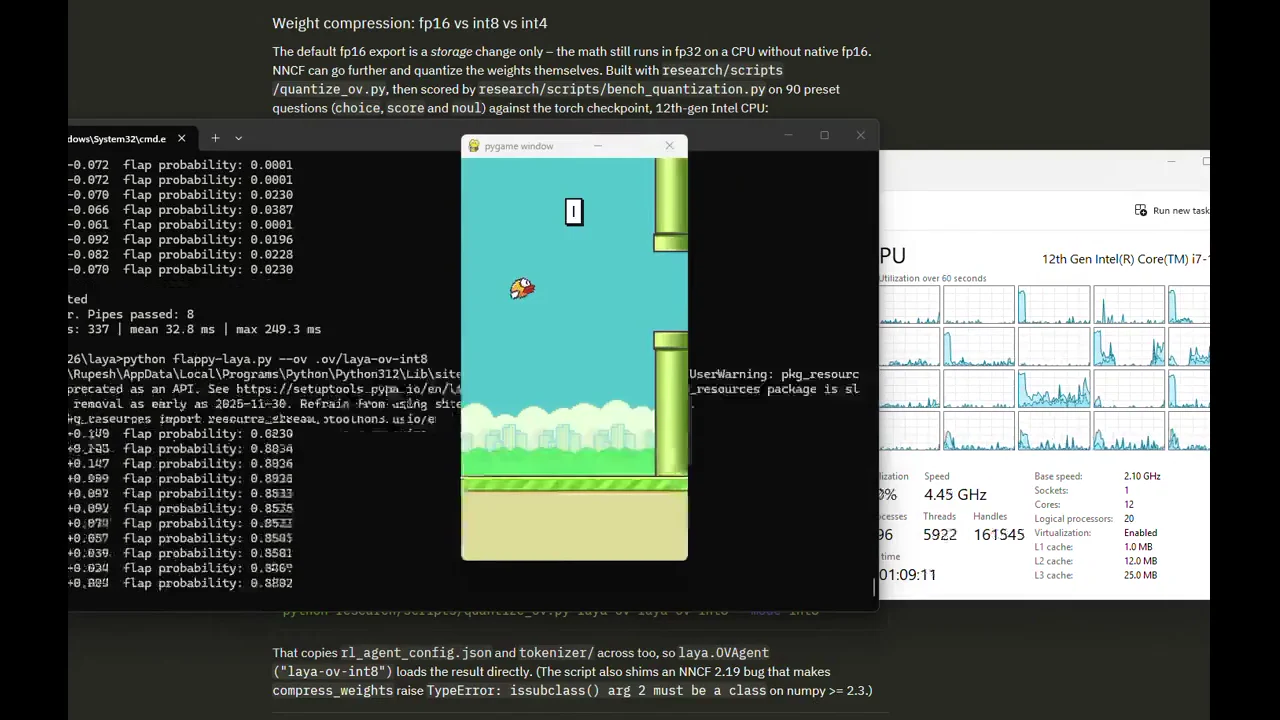
Thinh Le lets Jev and Laya control a simple Flappy Bird game side by side.

Chandramouly Kandachar uses Jev to control two virtual hands and their fingers from a piano note waterfall in real time.

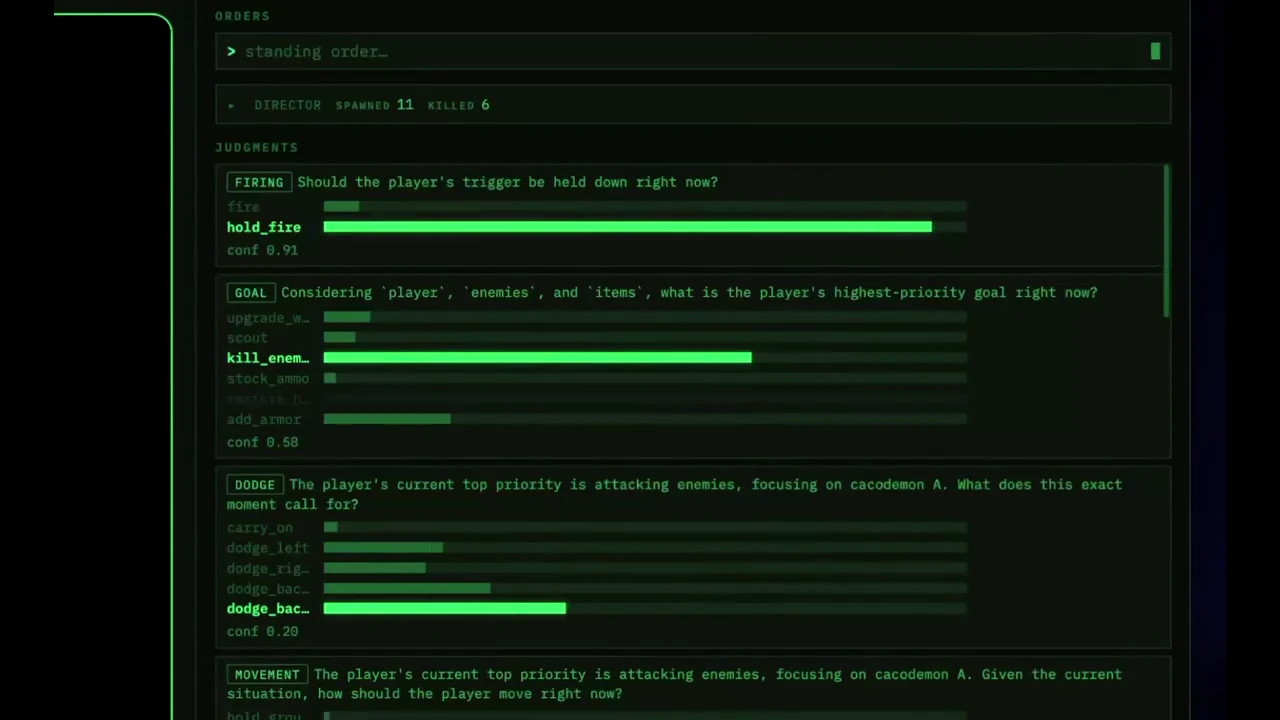
TypeSafe AI shows Jev steering Doom at roughly ten decisions per second.
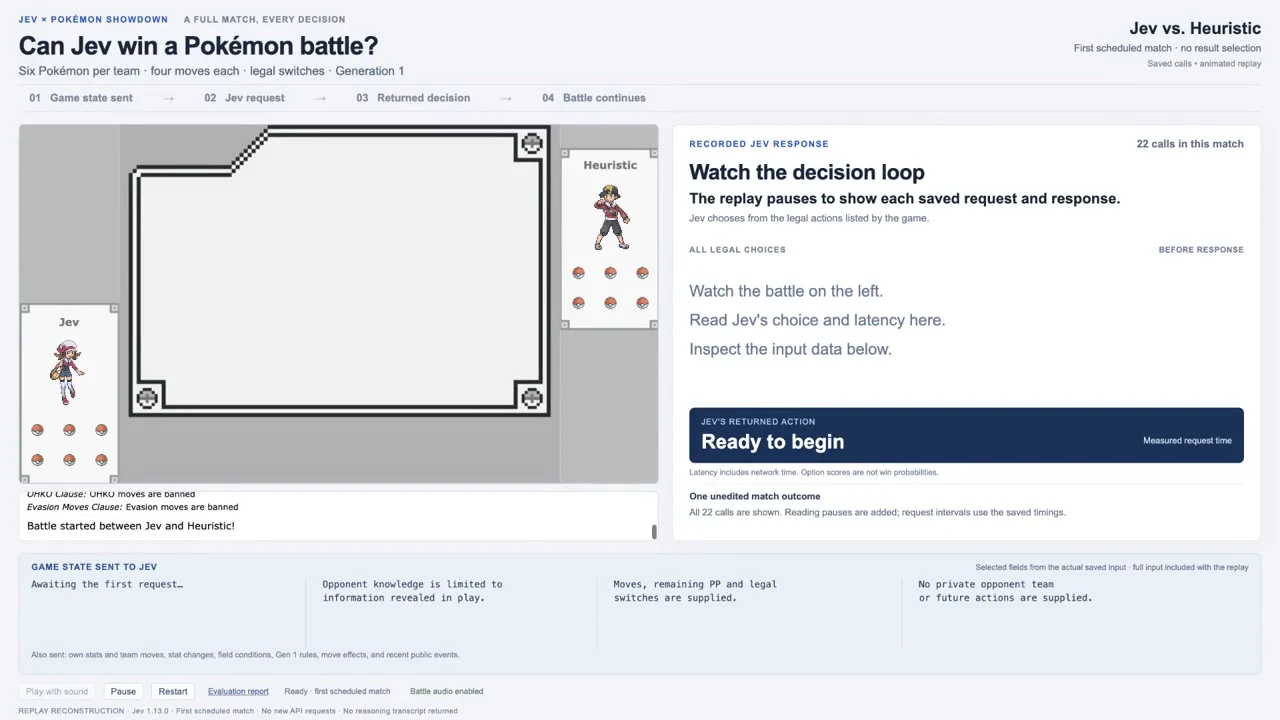
Izzuddin built a Jev harness for Pokémon Showdown and published a saved match with decisions and latency.
Hiroyuki Ota has Jev choose a Puyo Puyo phase and the best resulting board from candidate placements.

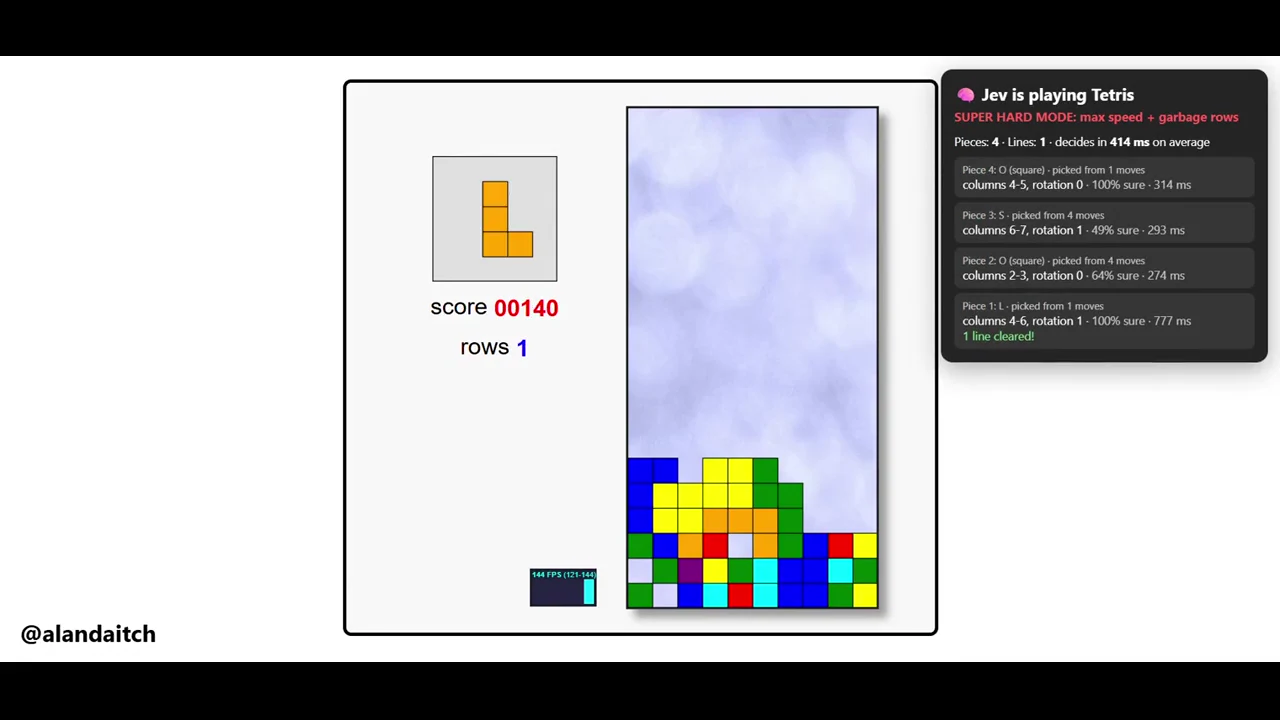
Alan Daitch puts Jev through a high-difficulty Tetris run, with the model choosing every placement.
Chat with Jev exposes a question API alongside a ten-hour livestream of the service.

tubone24 published a small web app for experimenting with Jev’s speed.

PeterY built a Telegram bot that uses Jev to judge price direction and probability for nine coins from an existing signal platform.

Laya plays Flappy Bird in real time on an ordinary CPU using OpenVINO INT8.
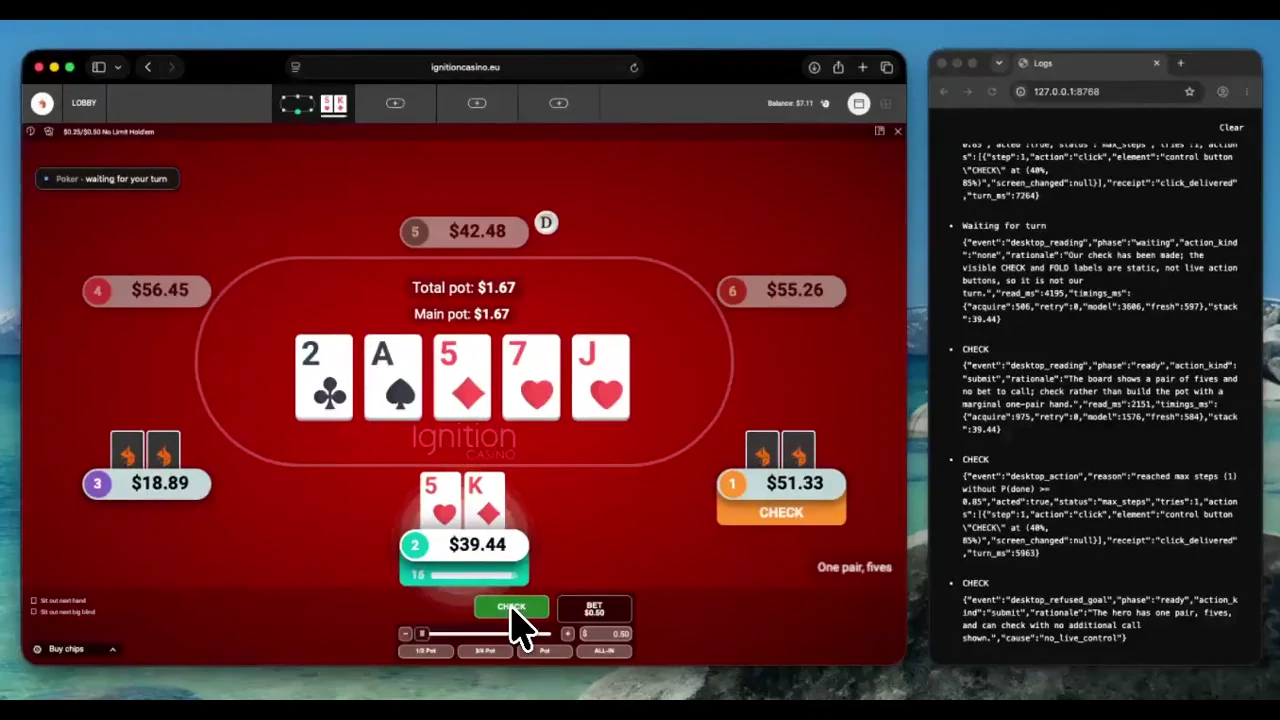
Luna plans while Jev acts in a poker-playing browser agent shown winning a hand.
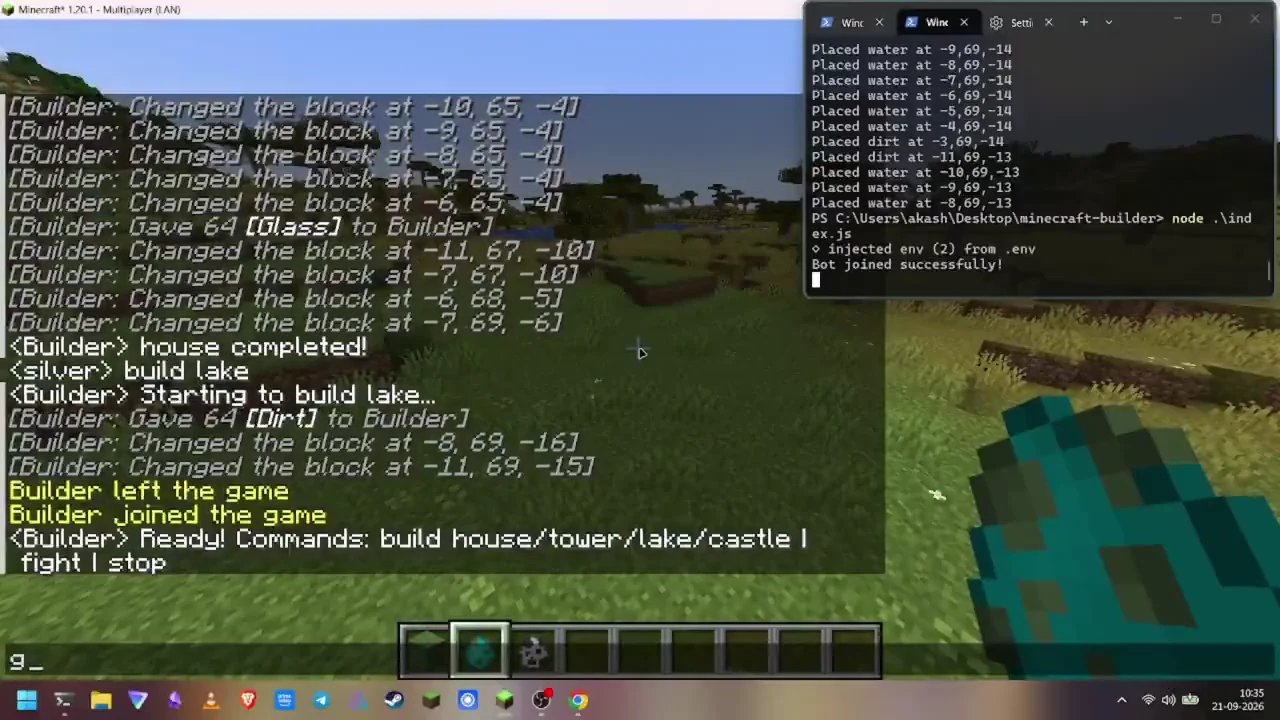
Akash Jain’s Jev bot builds requested Minecraft structures, fights mobs, and attempts to dodge skeleton arrows in real time.
Jev attempts a DOM-less, Monument Valley-style 3D puzzle but fails to open the first mechanism after 15 minutes.

Youssef used Jev alongside coding agents to build a Nintendo DS game where Perry the Platypus can shove players off ledges.

CJ built a Jev chatbot that routes requests to search, Wikipedia, weather, Todoist or Home Assistant without an LLM.

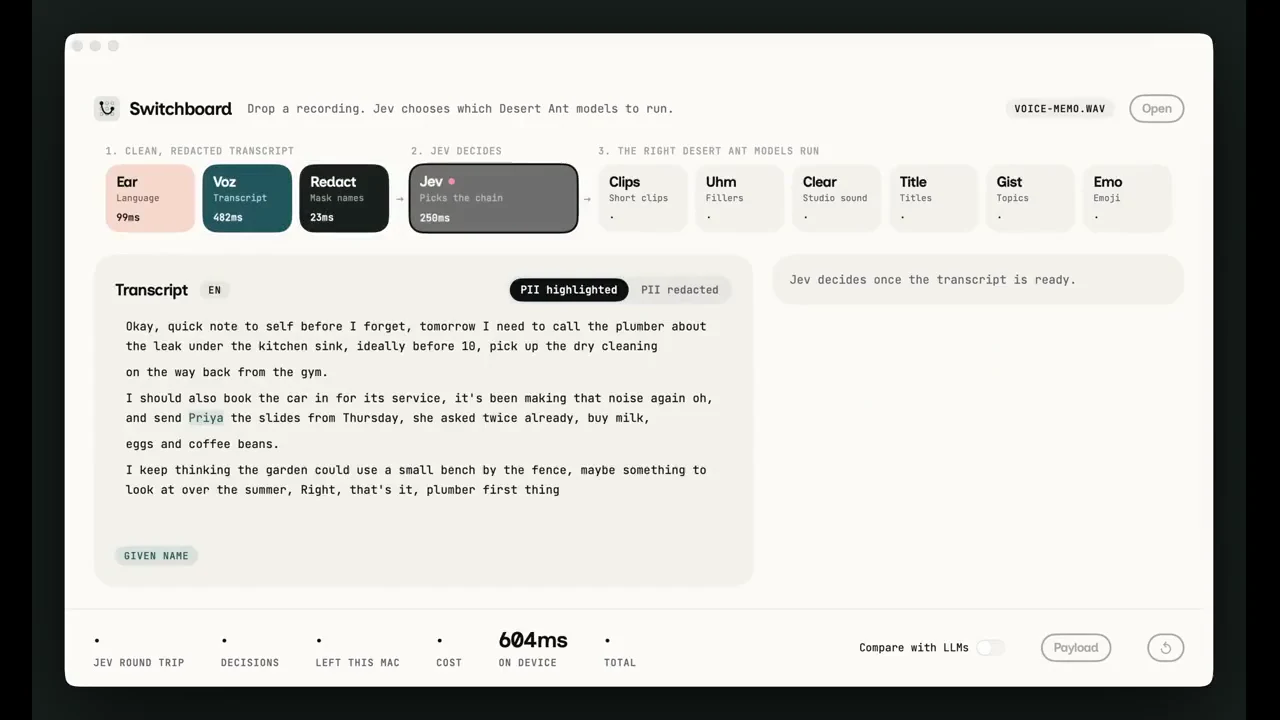
Desert Ant Labs chained on-device language detection, transcription and PII redaction with about 20 Jev decisions per audio file.
Shashank Jha built a playable chess experiment with Jev as the opponent.

Hugo Duprez demonstrated Jev selecting game-level structure in real time.

Jeetendra built a walkable 3D map of Bay Area startup and venture-capital clusters, with Jev classifying each building.

Play Jev at chess, then share the result from a match where it weighs every legal move.

Jev plays Slay the Spire 2 with maker-reported action decisions taking 0.7 seconds.

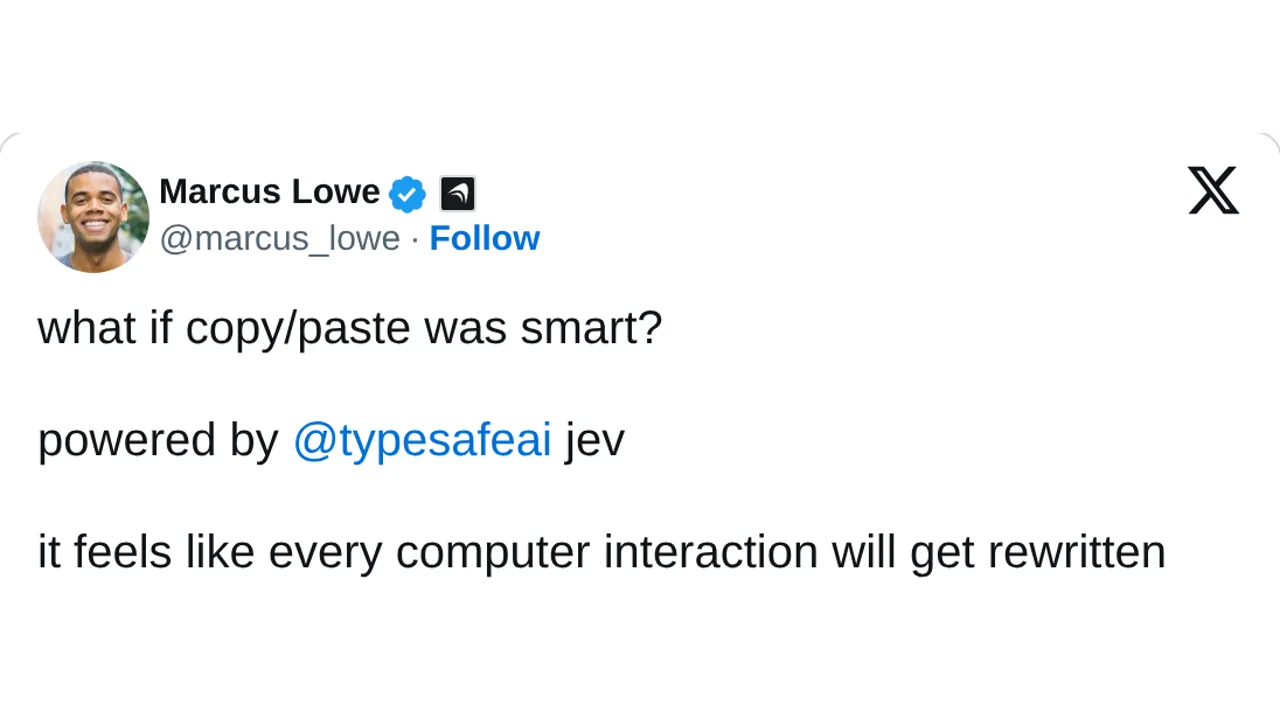
This Jev experiment inserts a decision step into the familiar copy-and-paste interaction.
Jev controls all four Smash Bros. characters, choosing each move while playing against itself.

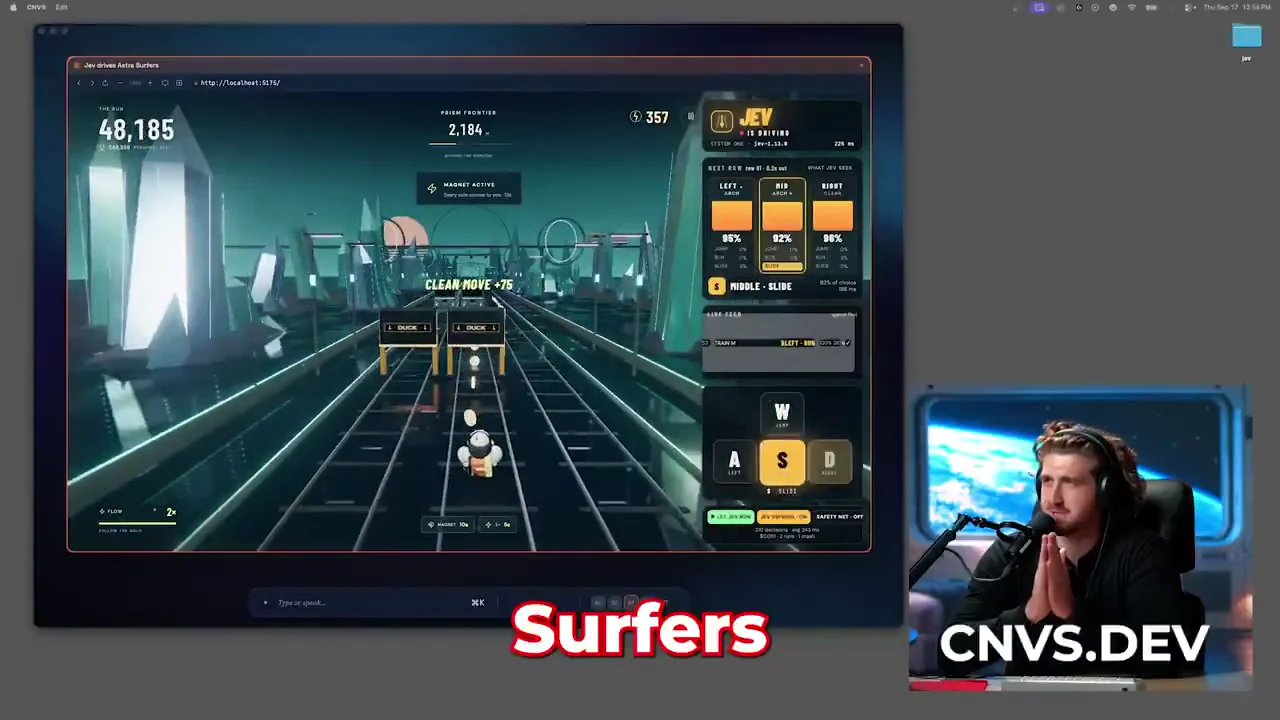
Jev plays 50 Subway Surfers games simultaneously at what its maker describes as superhuman speed.
A compact maker demo shows Jev playing Tetris.

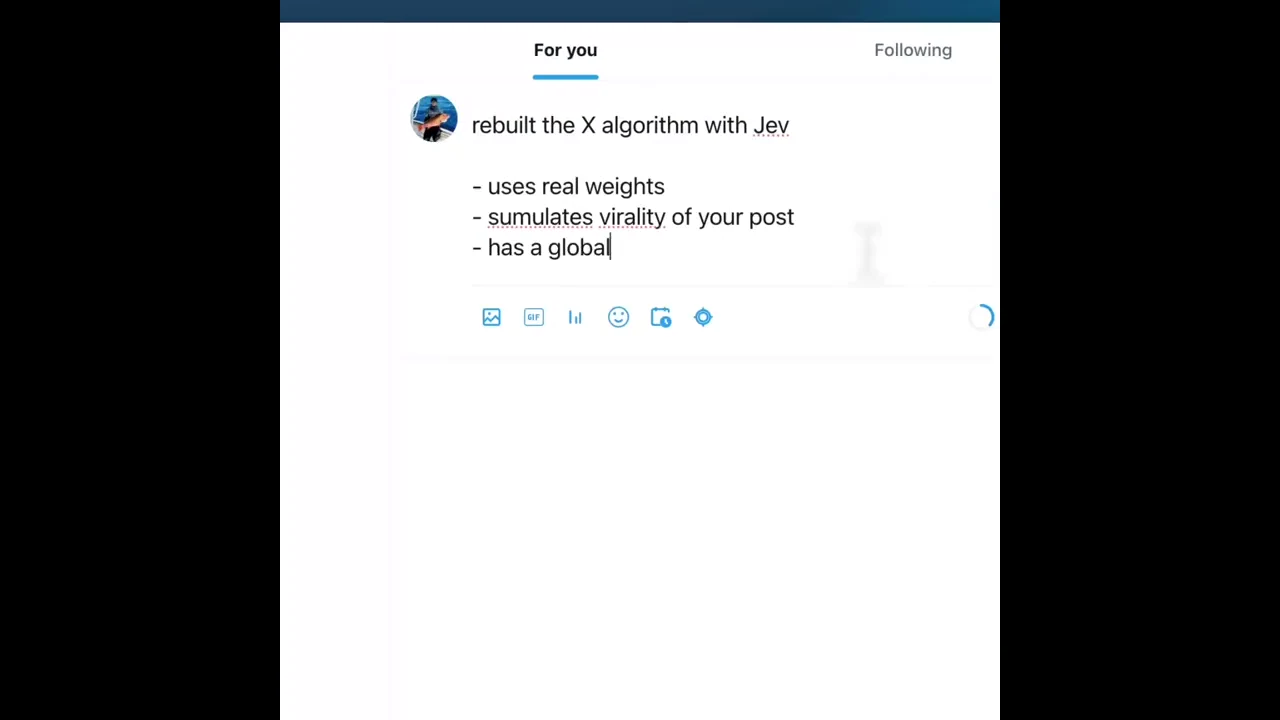
Simulate an X post's virality with a Jev-powered reconstruction of the feed algorithm and its published weights.
Search thousands of Zillow listings for qualities its filters omit, including architecture, renovation status, and freeway proximity.

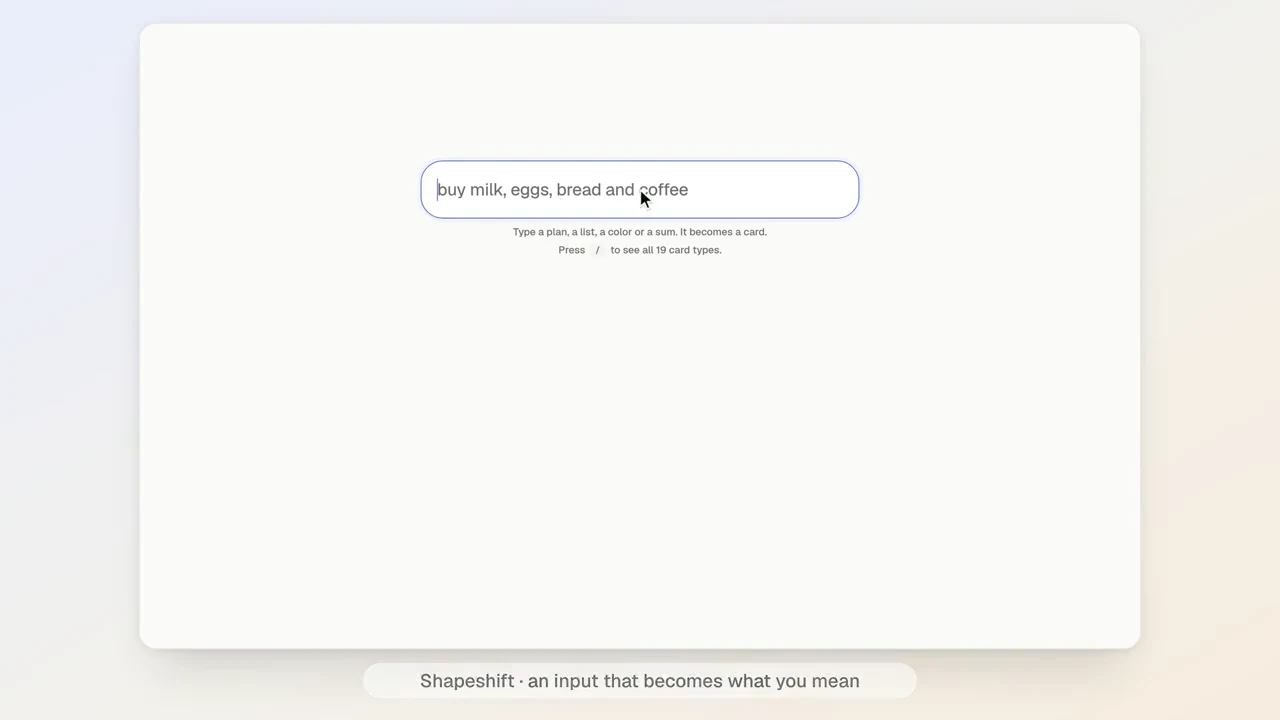
Type a request into one text box and watch the field transform into the interface the request describes.
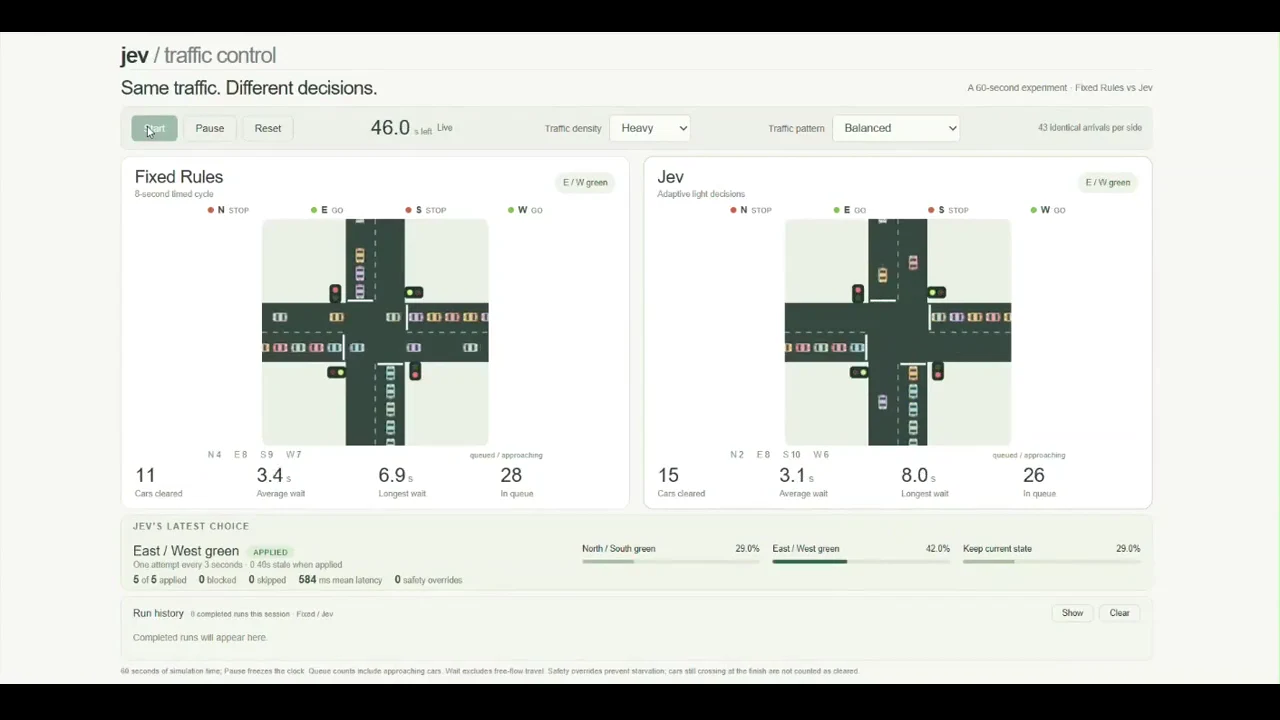
Compare a fixed eight-second traffic-light cycle with a simulation where Jev decides whether to retain the current green signal.
Name a dish or cocktail and its ingredients rise from a pile of roughly 1,000 illustrated stickers.

A “jevin keyboard” explores subtle ambient intelligence at the edge of generative interfaces.

A planning model tracks an Overcooked level while Jev agents make the game's moment-to-moment decisions.

A Minority Report-inspired macOS interface uses Jev to drive its futuristic computer interactions.

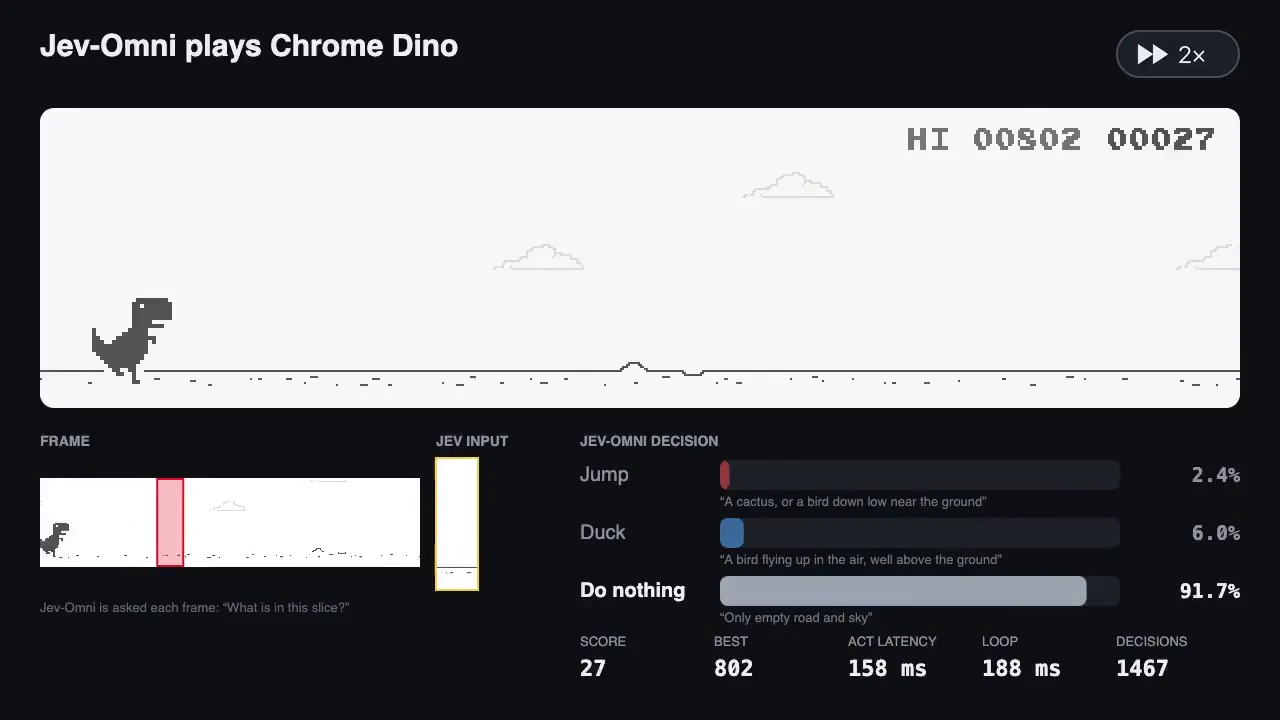
Erik Kokalj ran an 8-bit MLX conversion of Jev-Omni locally to choose jump, duck, or wait in Chrome Dino from cropped road images.
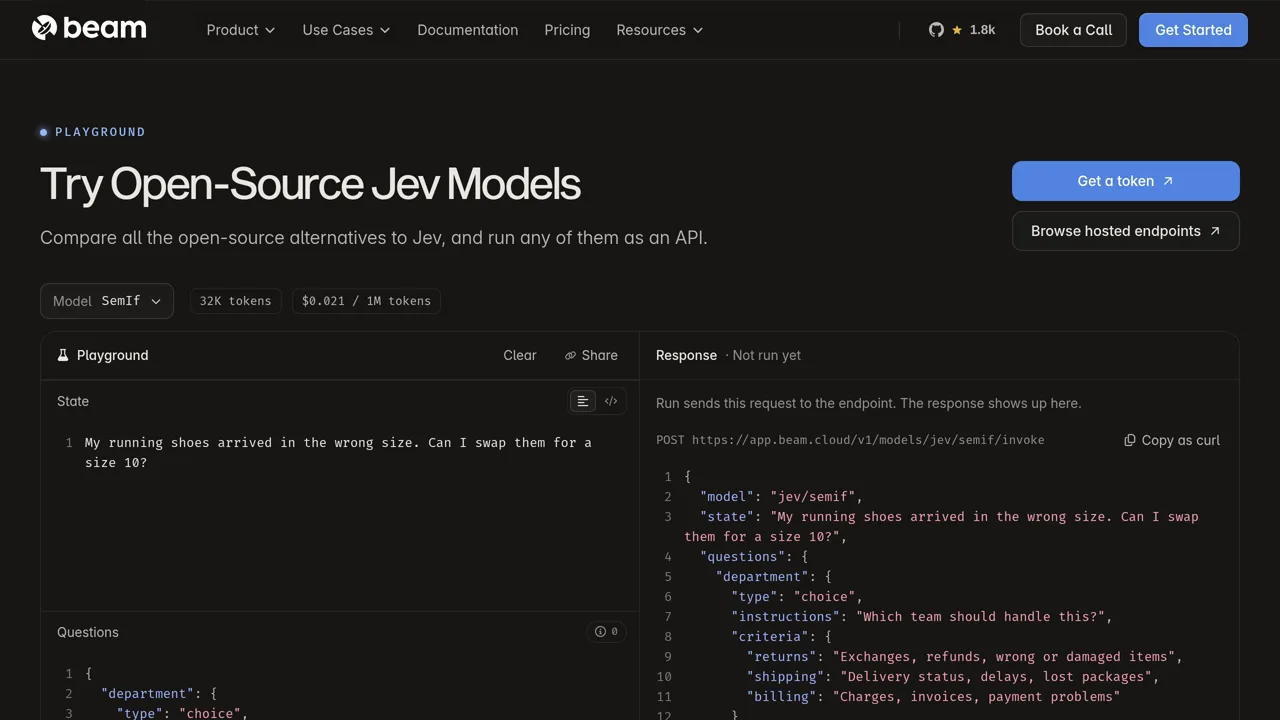
Compare open-source Jev alternatives in Beam's playground, then take the request into your own application.
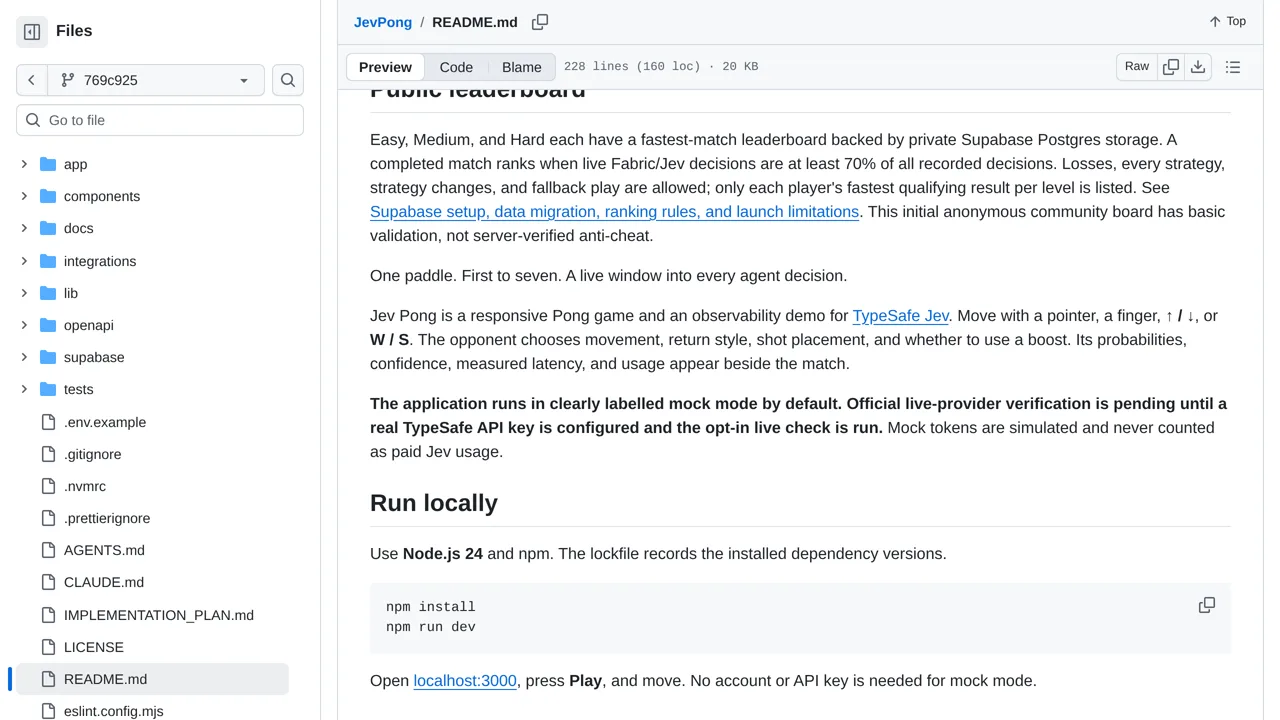
Play Pong against Jev and watch its movement, shot selection, probabilities, and fallbacks in a live decision monitor.
A JevNPC trial asks whether a threatened Minecraft villager should ignore danger or call the guards.

Triage messages, classify CSV rows, interpret voice commands, or let Jev steer Snake from a Java web playground.

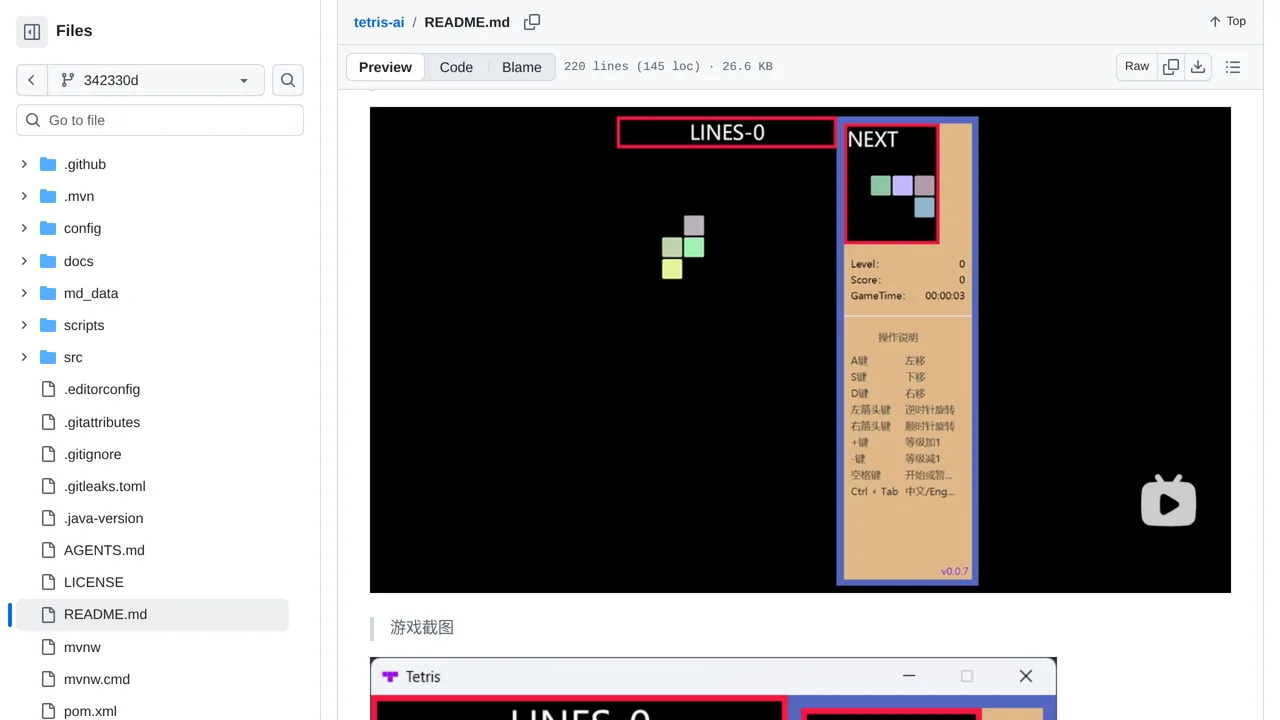
Watch Jev choose a legal Tetris placement from a heuristic shortlist, then play the selected move.
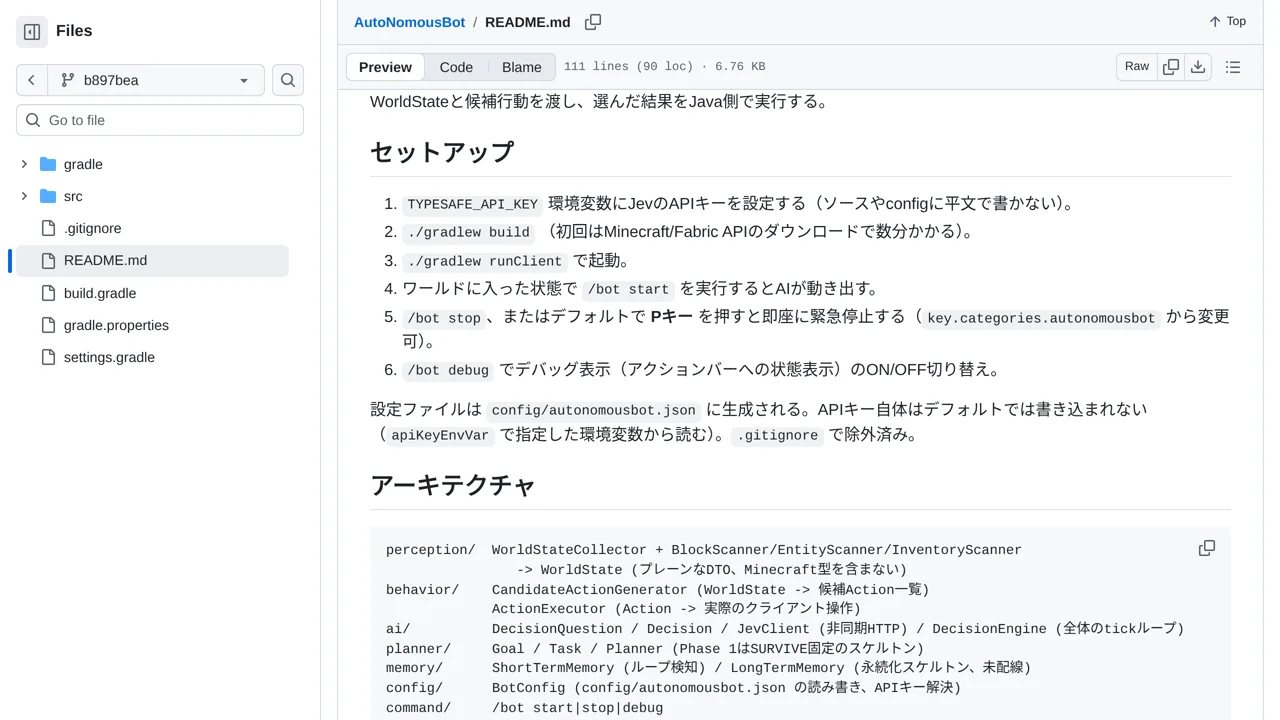
AutoNomousBot shows Jev a Minecraft world snapshot, lets it choose from available actions, then performs the selection.
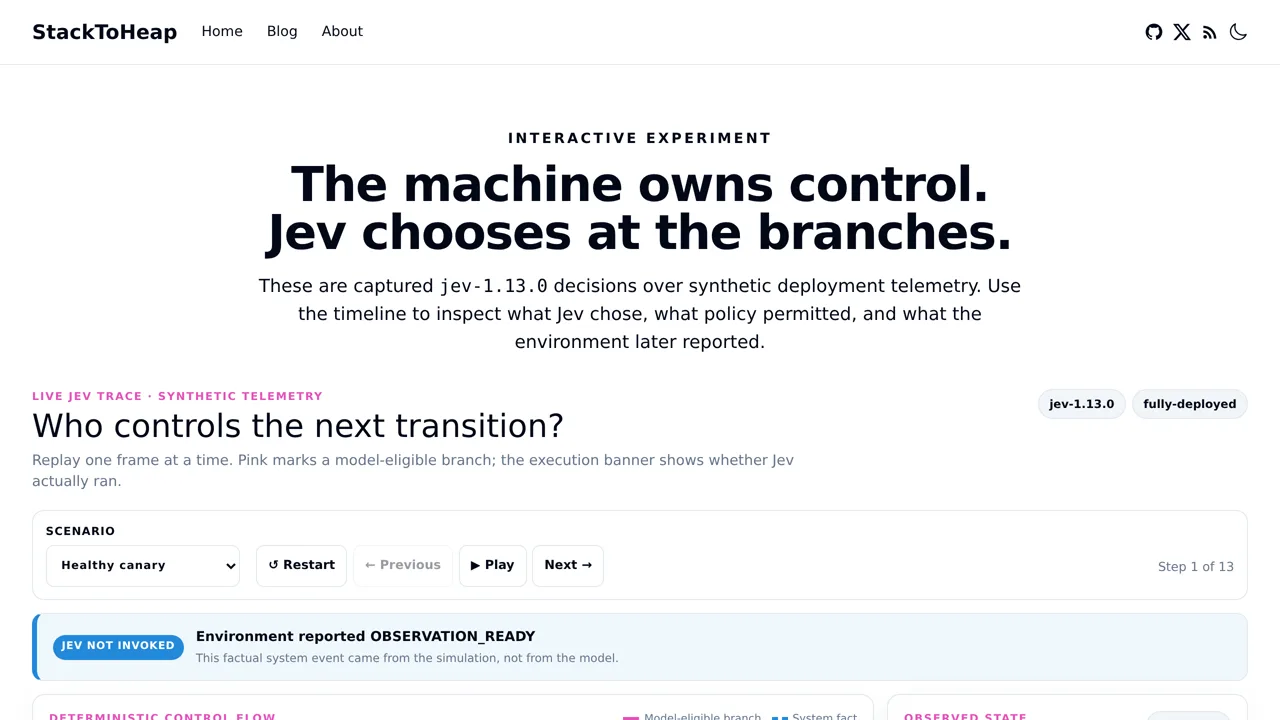
This canary-rollout demo keeps the state machine in charge: it decides which transitions exist, Jev weighs evidence only at model-eligible branches, and the captured run holds at 5% traffic before promoting as evidence firms up.
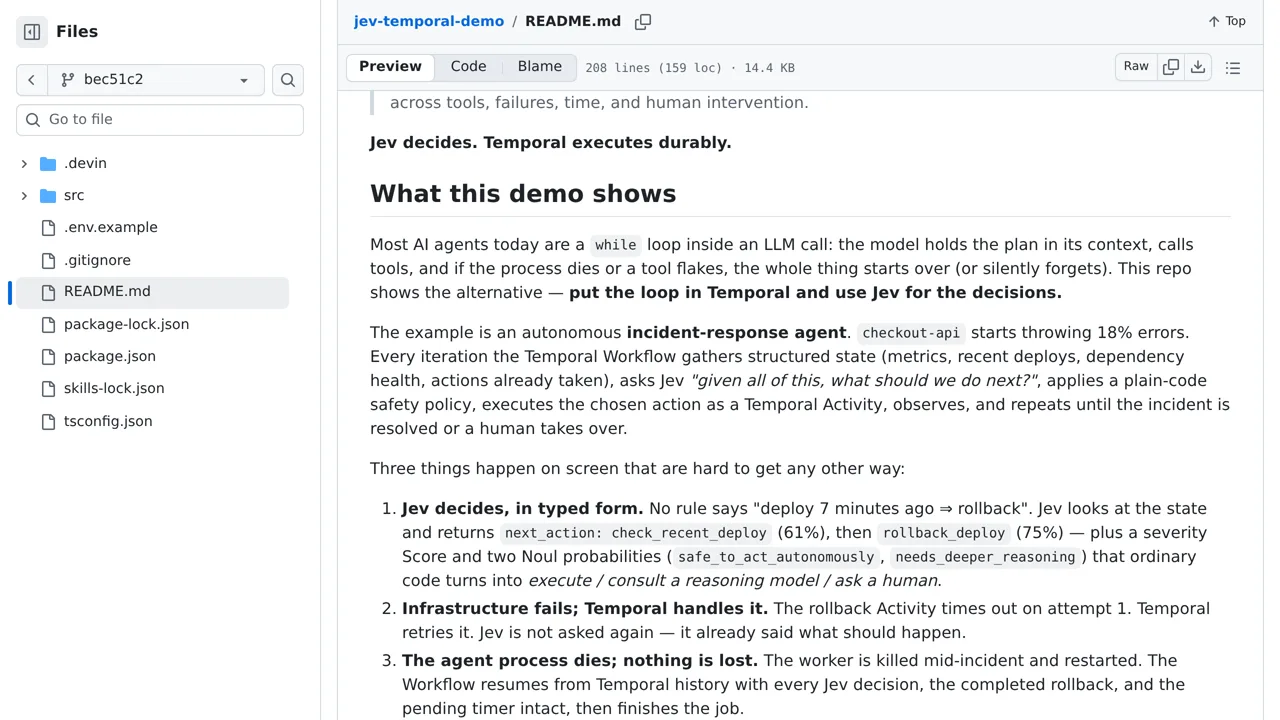
A demo incident-response agent that puts the loop in Temporal and the judgment in Jev: typed next-action choices, a severity score, and safety probabilities drive durable activities, with retries, worker crashes, and a human-approval signal all surviving restarts.
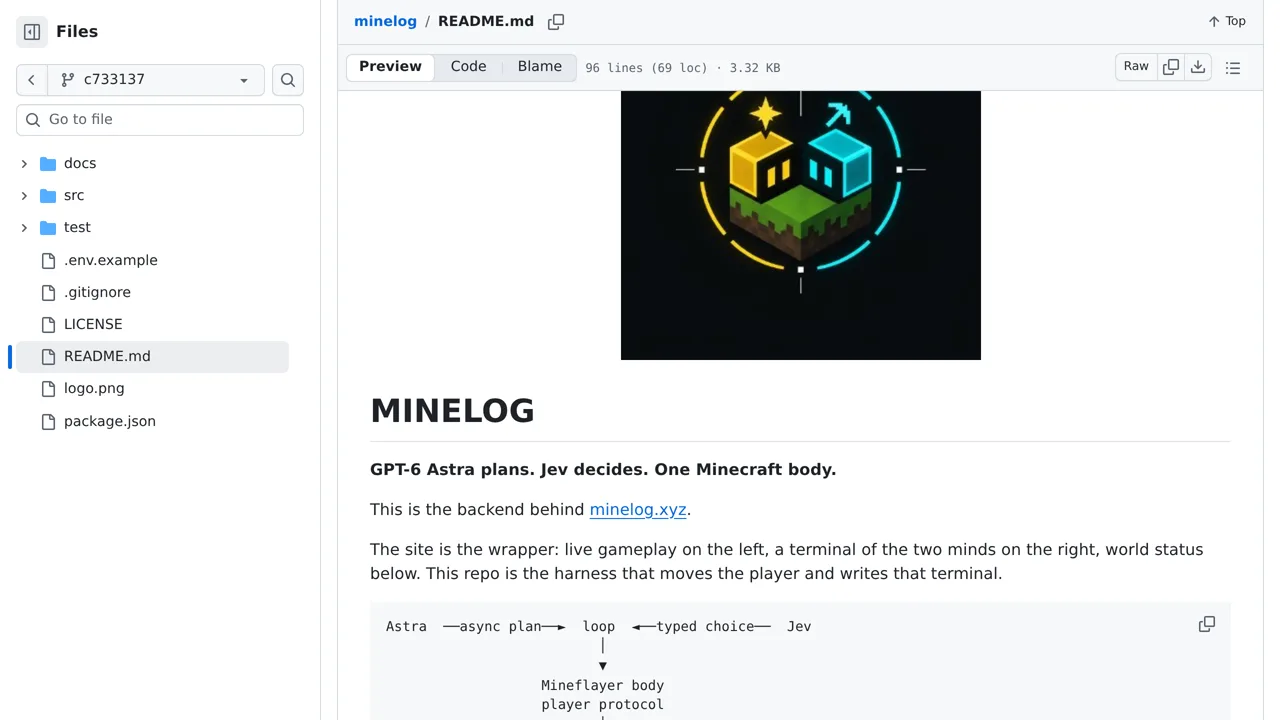
One Minecraft body with a split brain: GPT-6 Astra plans, and Jev answers action, safety, and urgency in a single parallel call.
Jev, briefly
A chat model generates text token by token and hopes you parse it. Jev never generates a word. Your code sends the state of the world plus typed questions; Jev returns every answer in one parallel pass — typed values with calibrated probabilities and a confidence score your code can trust. About 70–500 ms end to end, $0.042 per million input tokens, output free. Trained with what TypeSafe calls Reinforcement Learning for Calibrated Decisions.
You define the options. Jev returns the chosen option, a probability for every option, and a confidence. The workhorse of routing, agents, and games — the answer space is always legal, so there is nothing to parse and nothing to hallucinate.
You describe ordered levels — say trivial / normal / critical. Jev returns the level, the probability of each, and a confidence. Scores turn fuzzy judgment (“how severe is this log line?”) into a number-free decision your code can branch on.
You assert a statement; Jev returns the probability that it is true — a noul. Moderation, verification, guardrails, “does this diff actually fix the bug?”: one question, one calibrated probability.
Official material lives at typesafe.ai and docs.typesafe.ai. JevMade is an independent community registry — not affiliated with or endorsed by TypeSafe AI.
Recurring lessons
Games, drones, trading bots, and browser agents all converge on the same loop: serialize the state, ask one decisive question, act, repeat. Jev’s latency makes the loop feel instant — the model lives inside the control loop, not outside it.
The answer says what; the confidence says whether to act. The most reliable entries threshold on confidence to route edge cases to a slower model or a human — automation with an honest escape hatch.
Makers rarely ask Jev to pick from everything. Local tactics prune 225 gomoku moves to ~40; DOM filters turn a page into an element table; code narrows options, Jev judges within them.
A recurring split: Jev makes every decision cheaply and instantly, and a small LLM is only invoked when a human-facing string must actually be written. Decision and generation are separate budgets.
Send the link — repo, live demo, post, or video — plus a line on what it does and which primitives it uses. Every entry is verified against its primary source before it ships.
Submit your experiment → hello@JevMade.com