Read & learn
Written guides.
Understand Jev, one idea at a time. Walkthroughs, recipes, and writeups — our notes first, the original next.
Learn, build, and play with Jev — from deep technical guides to creative experiments.
Read & learn
Understand Jev, one idea at a time. Walkthroughs, recipes, and writeups — our notes first, the original next.
Watch & learn
See an idea take shape. Tutorials, demos, and deep dives, organized by topic and credited to their creators.
Make & explore
See what builders made with Jev. Games, tools, repositories, articles, and more — traced to their sources.
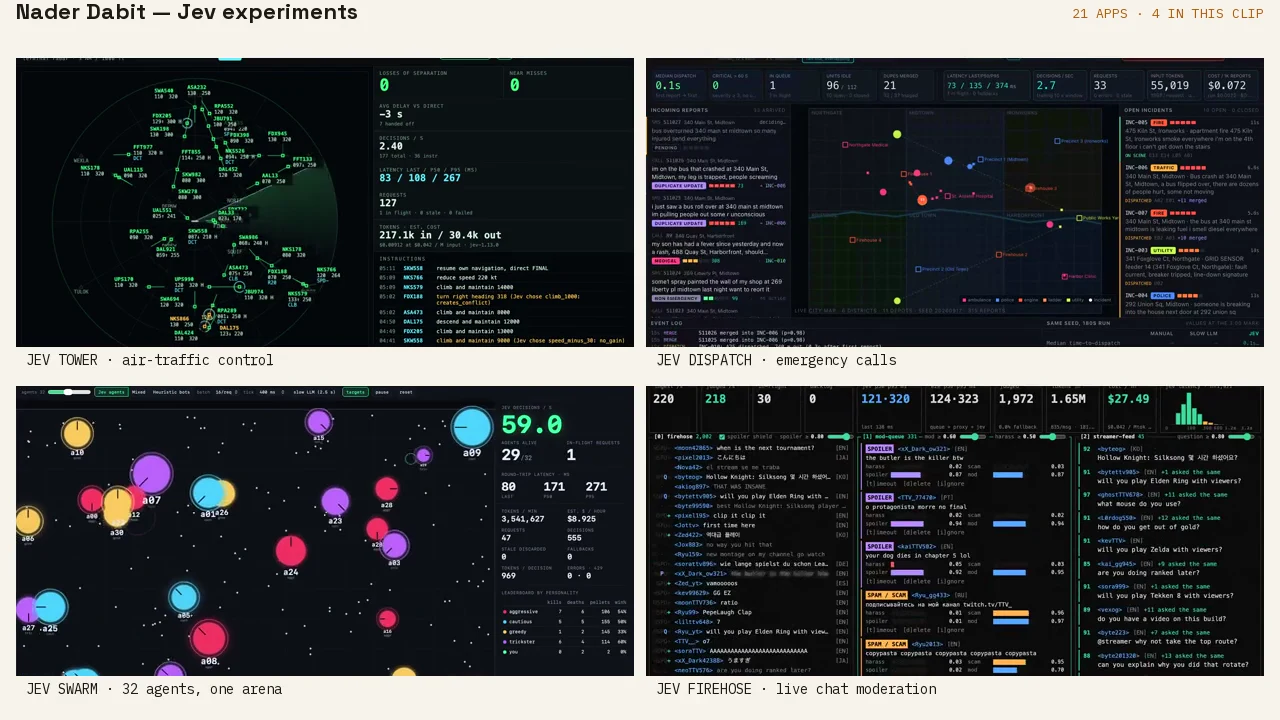
Every category, from games and tools to repositories and writeups, traced to a primary source.
Real-time research powered by
Same ideas.
Different paths.
This is the full registry, not just the featured picks. Figures like speed, cost, and stars are maker-reported or captured snapshots, not JevMade measurements.
140 experiments · showing 121–140
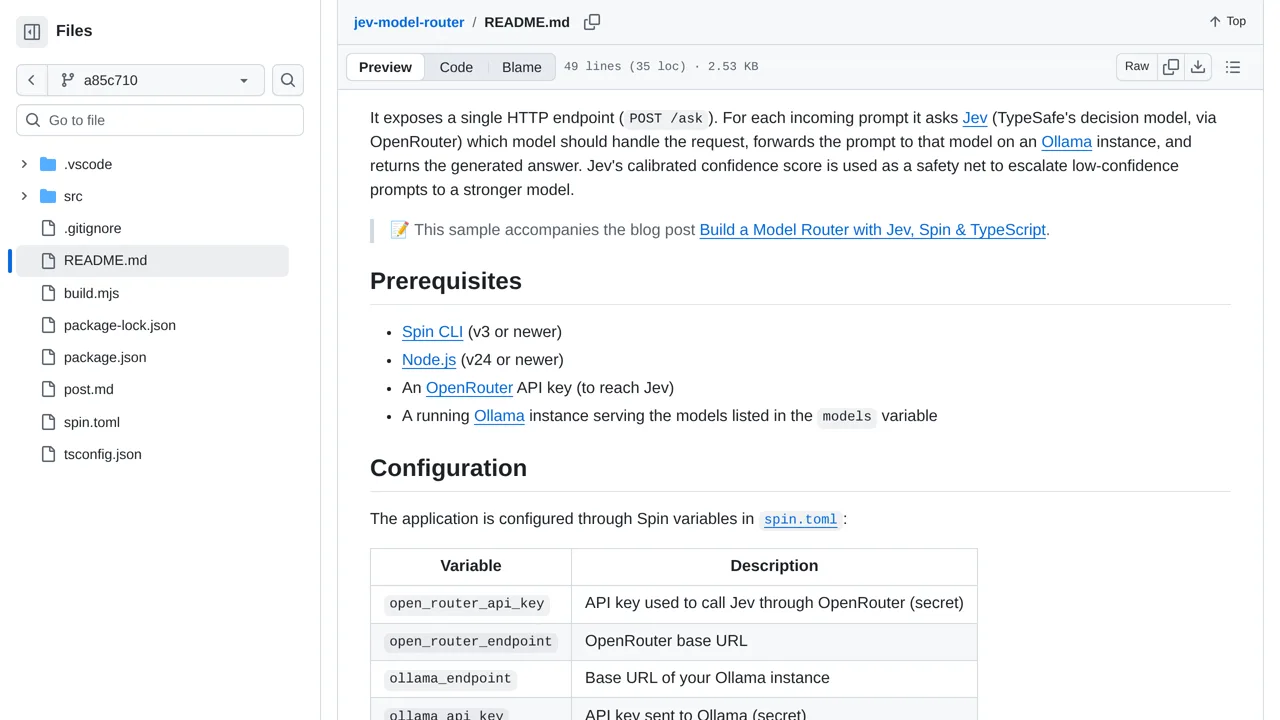
This WebAssembly sample asks Jev which model should answer a prompt, then forwards that prompt to Ollama.
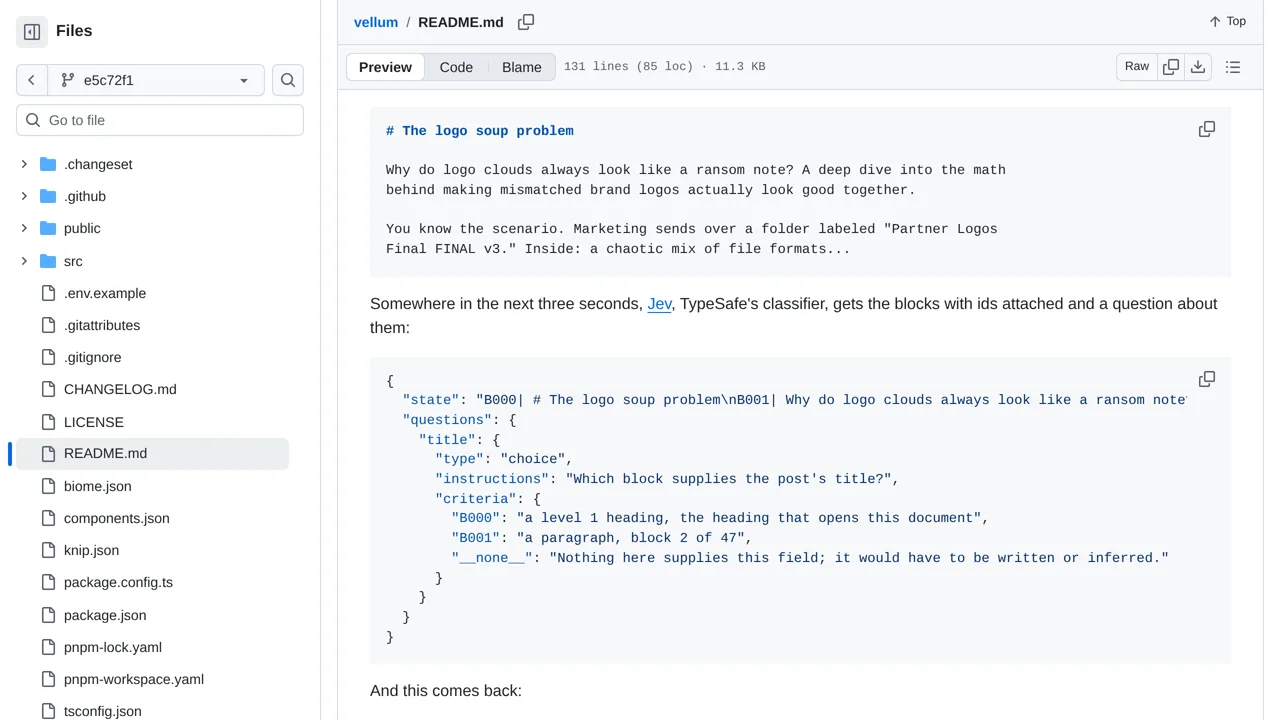
Vellum asks Jev which Markdown blocks belong in a Sanity document, then copies and validates those source values in ordinary code.
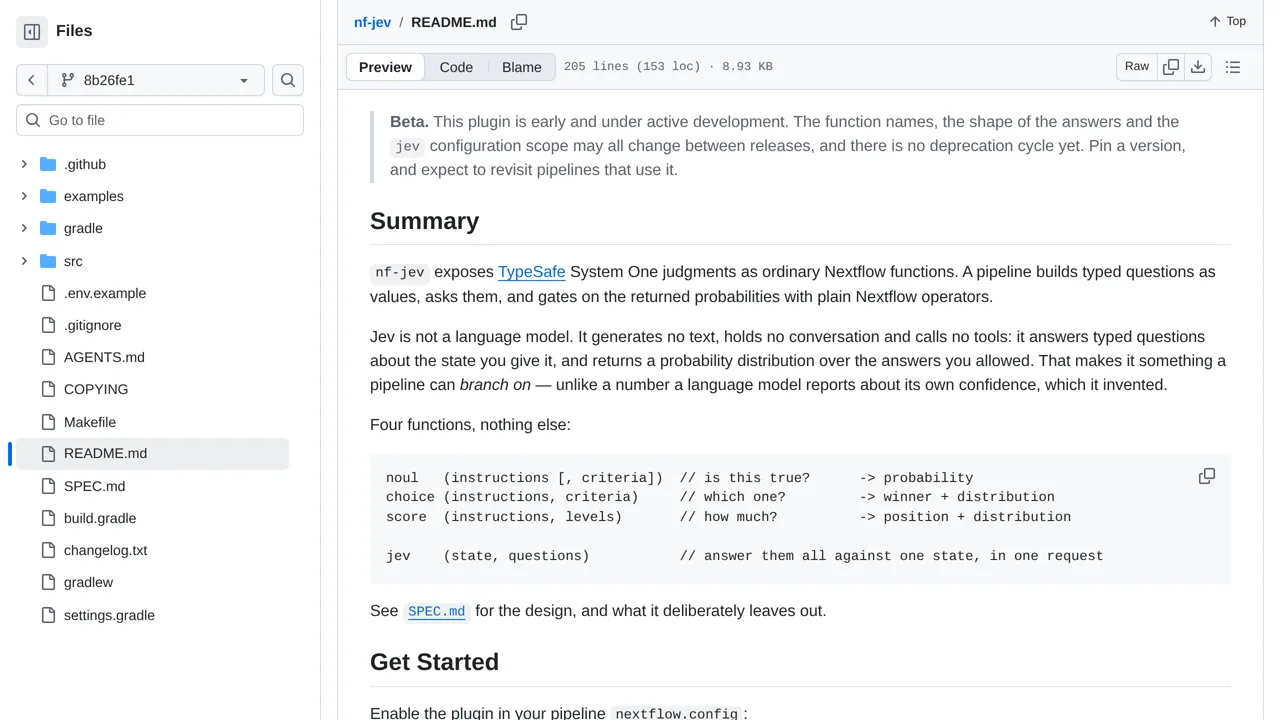
Ask Jev to label sample metadata or choose a pipeline branch from Nextflow, with ordinary code deciding what happens when the answer is uncertain.
Use Jev decisions alongside text generation in NeuroLink, a TypeScript toolkit with a shared interface for yes/no, choice and ordered-rating questions.
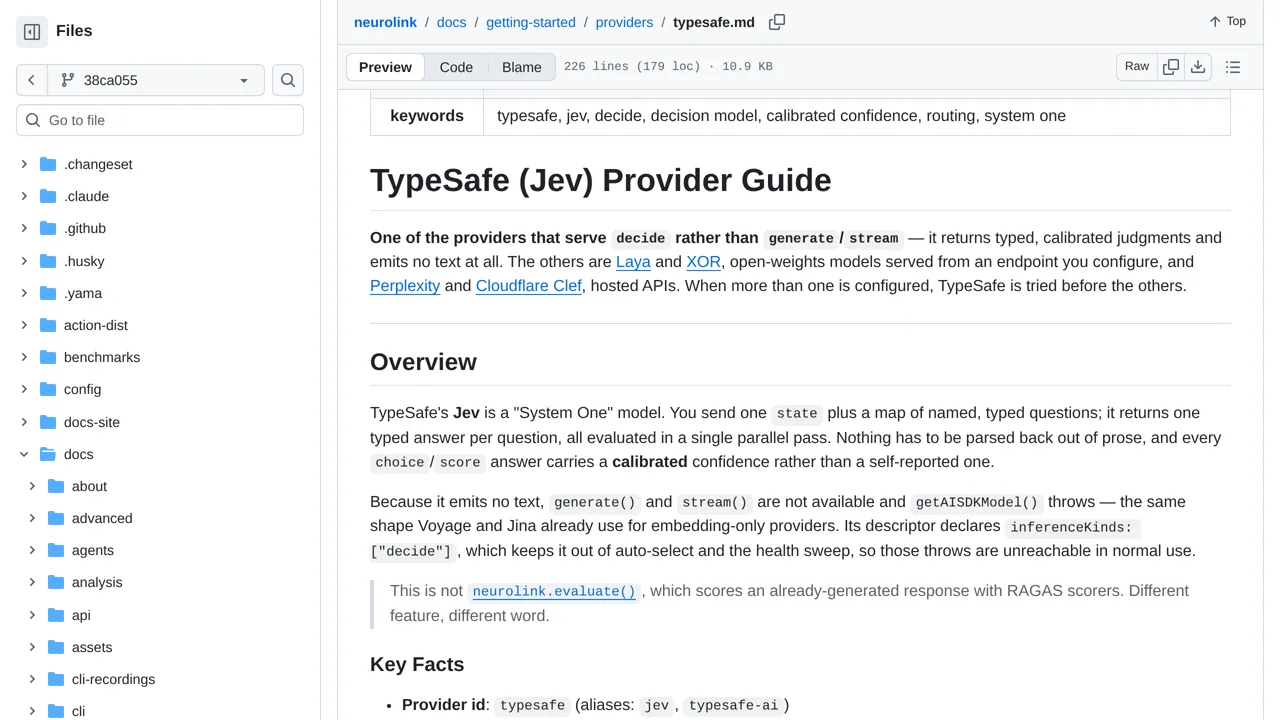
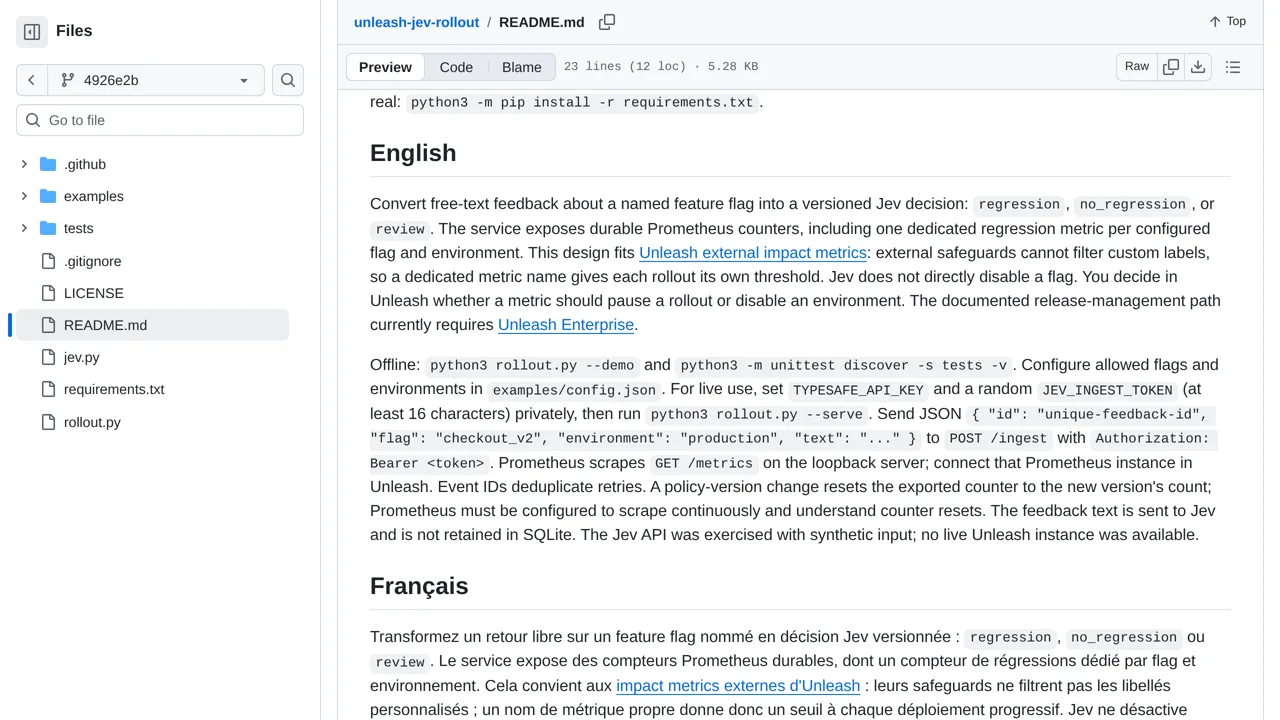
Turn feedback about a feature rollout into Jev labels and durable Prometheus counters that an Unleash rollout policy can monitor.
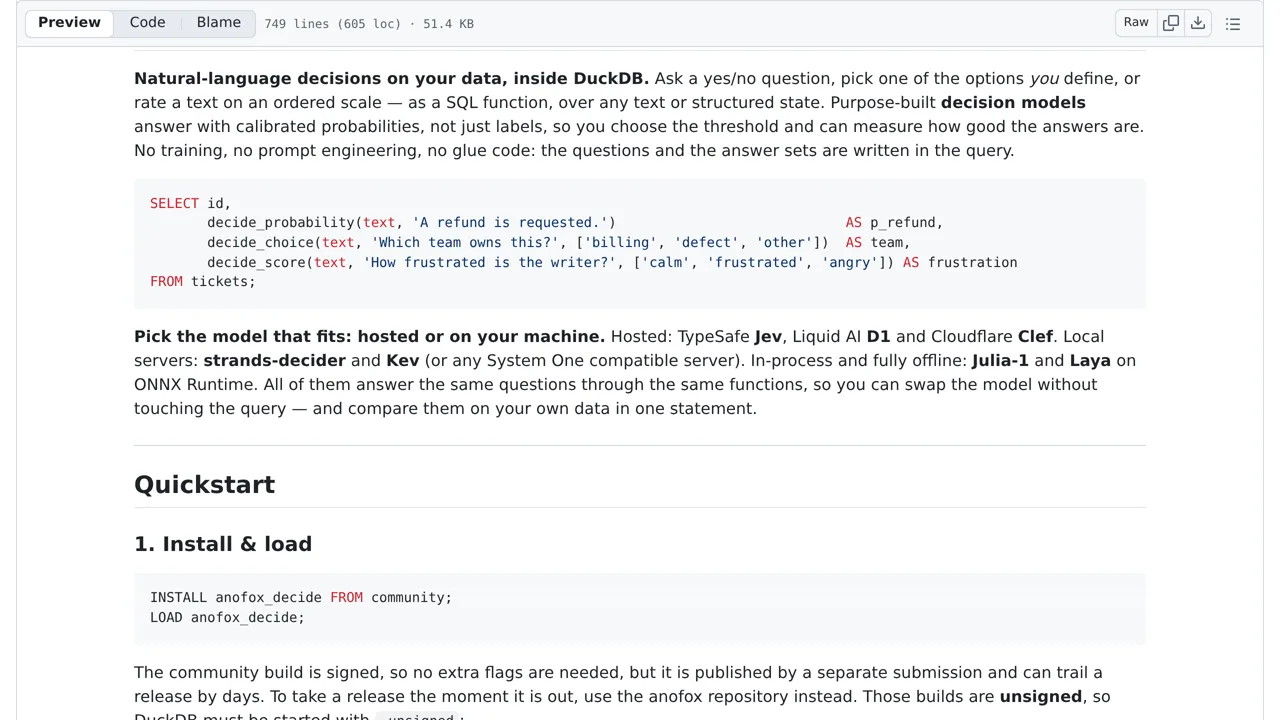
An early DuckDB extension for evaluating natural-language predicates and defined answer sets from SQL.
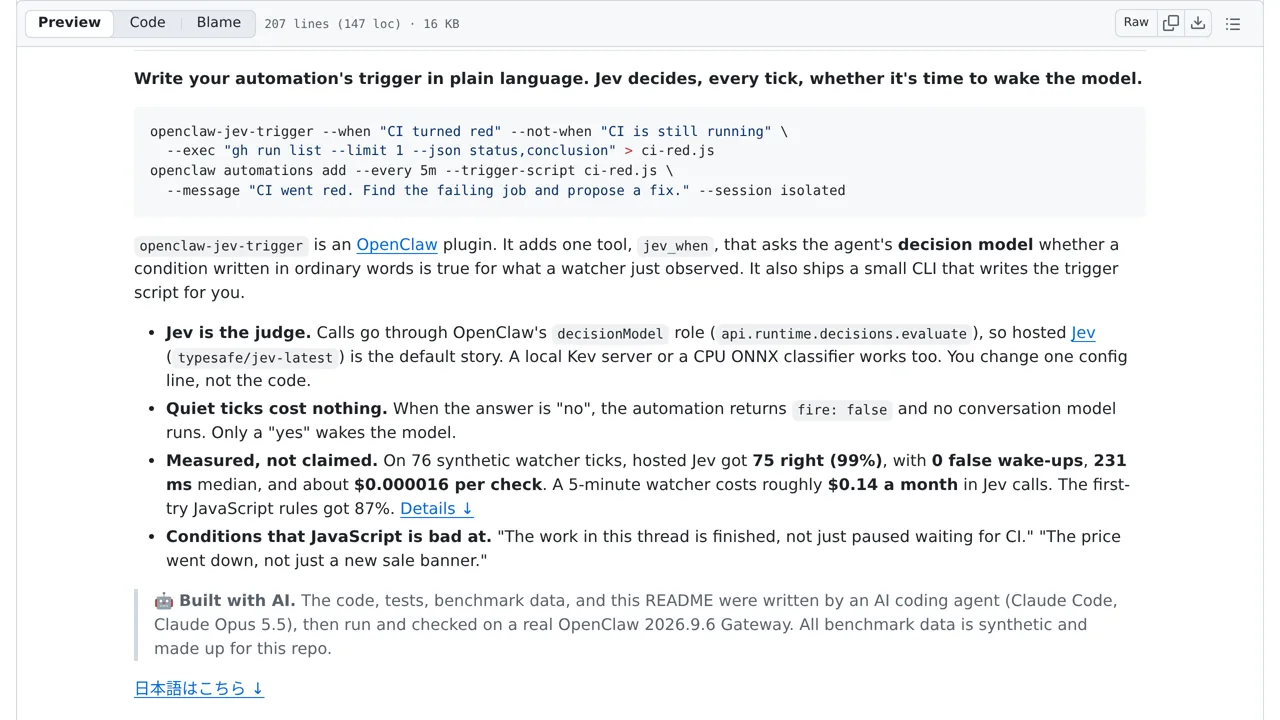
This OpenClaw plugin uses Jev to evaluate plain-language conditions for automation triggers, waking the agent only when necessary.
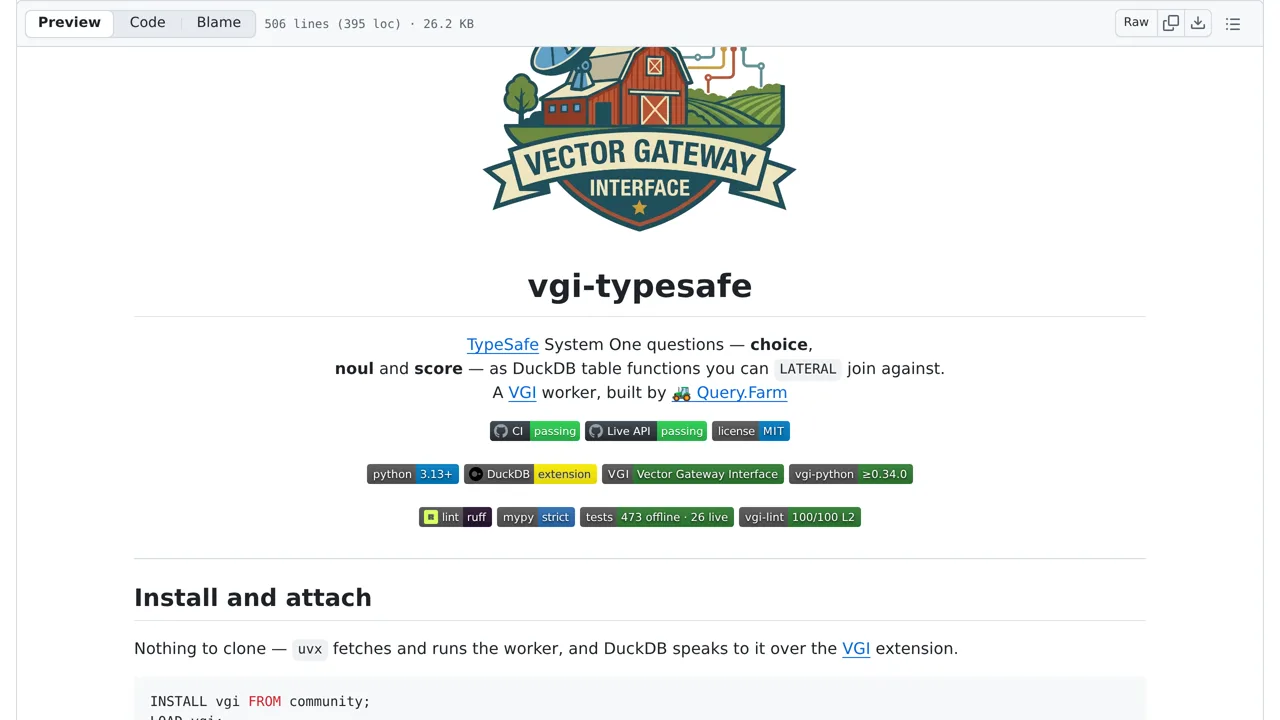
A Python tool by Query.Farm lets users ask TypeSafe AI models questions directly within DuckDB database queries to categorize text and calculate confidence scores.
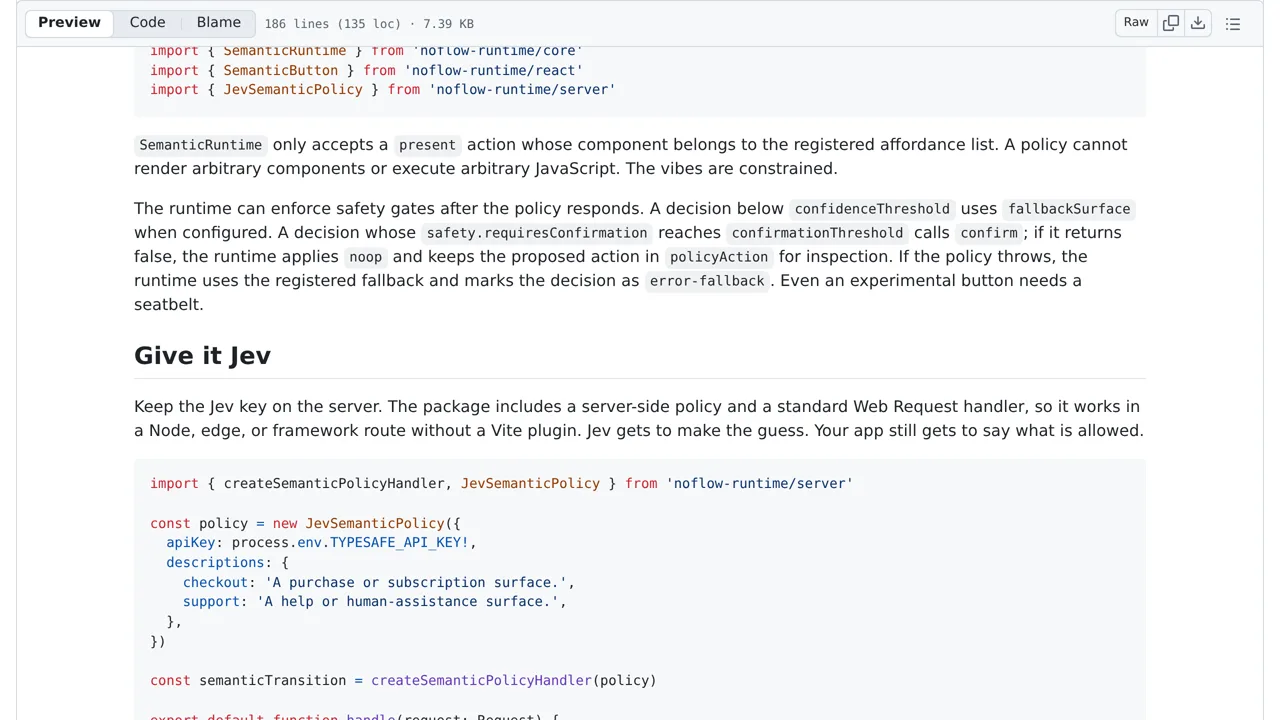
A user interface tool that sends button clicks and app context to a server, which chooses the next screen from a pre-approved list.
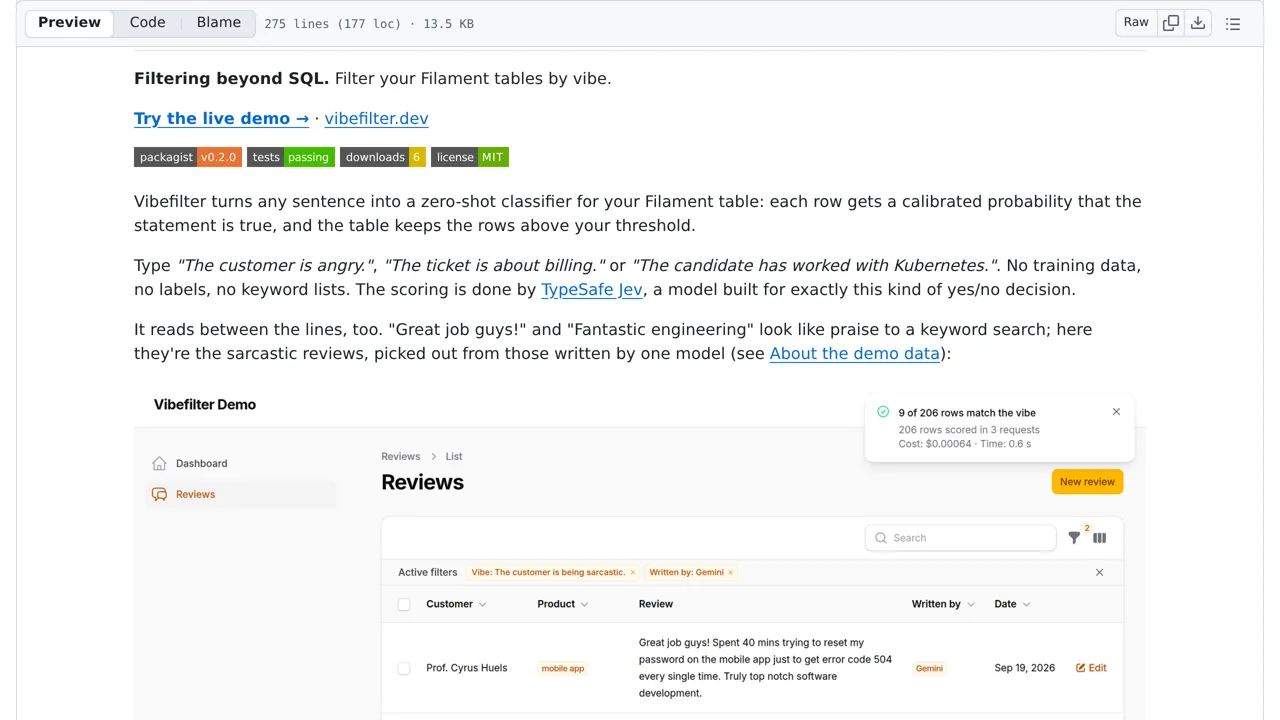
Vibefilter is a plugin for Filament tables that uses natural language to filter rows by scoring how well they match a user's statement.
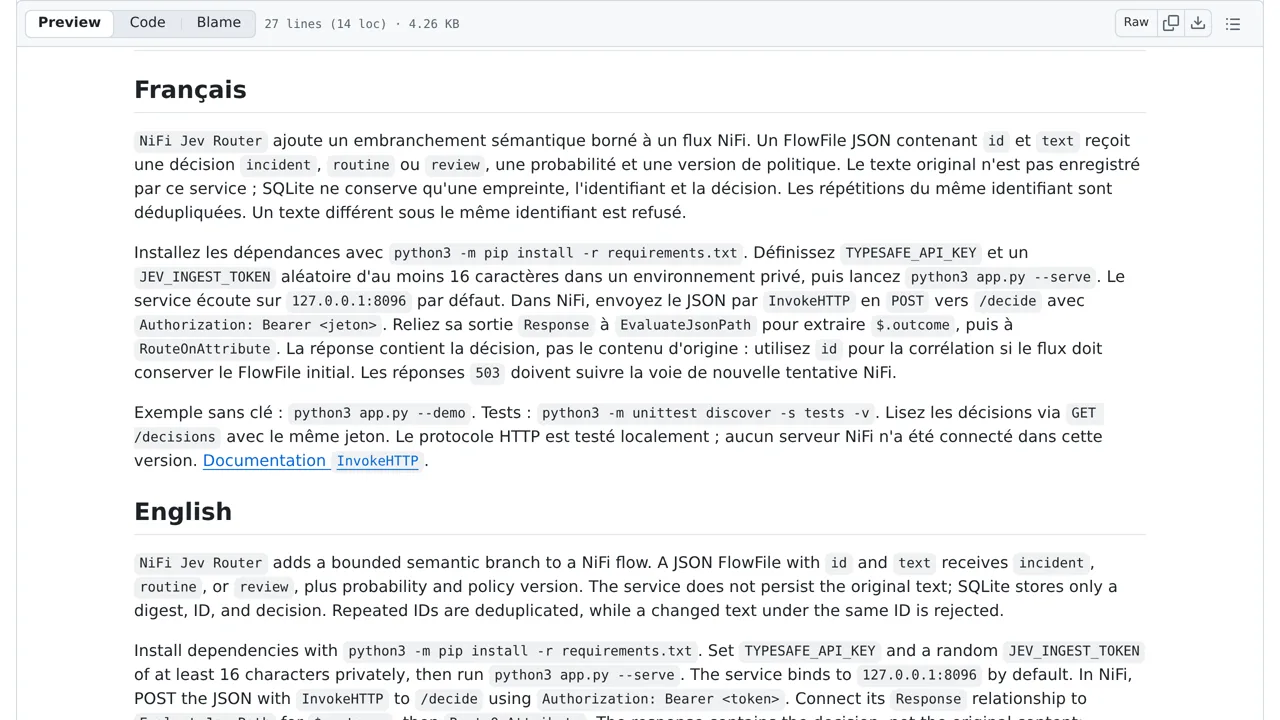
This local web service connects to Apache NiFi to automatically categorize incoming text messages into specific groups using the TypeSafe system.
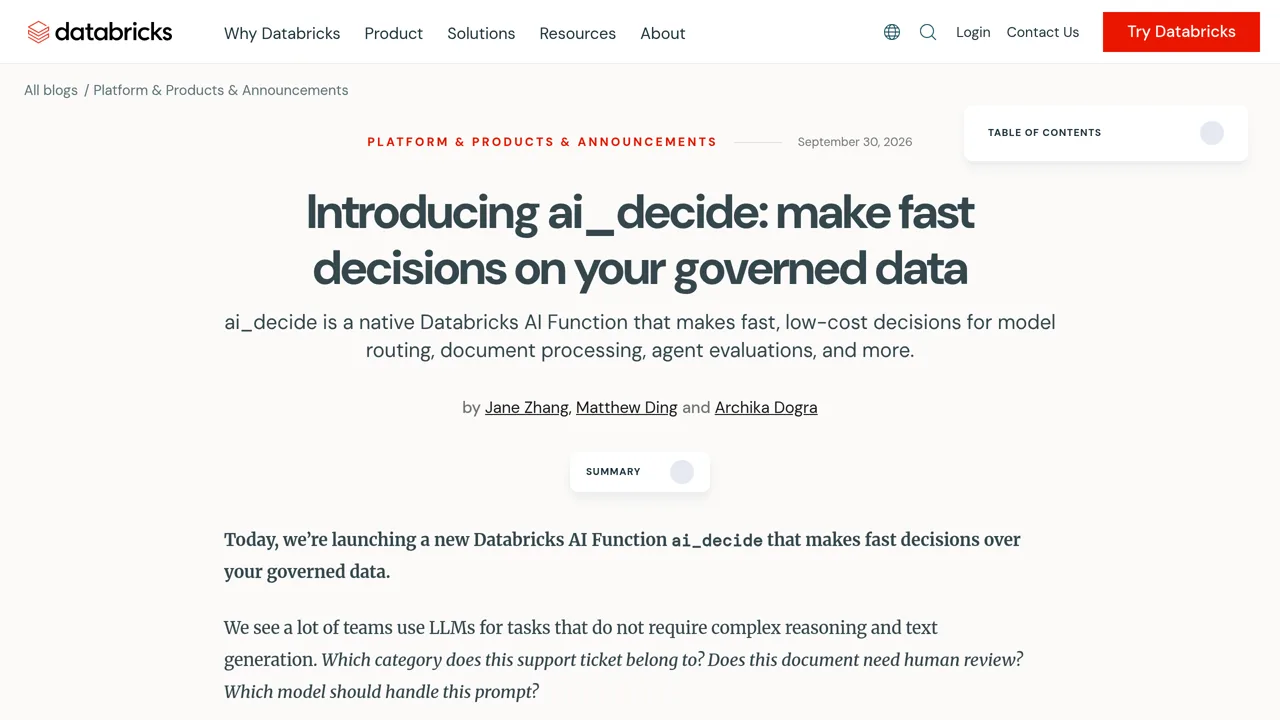
Databricks' ai_decide lets a SQL query ask choice, yes/no and score questions of every row of text in a table, returning probabilities instead of written answers.
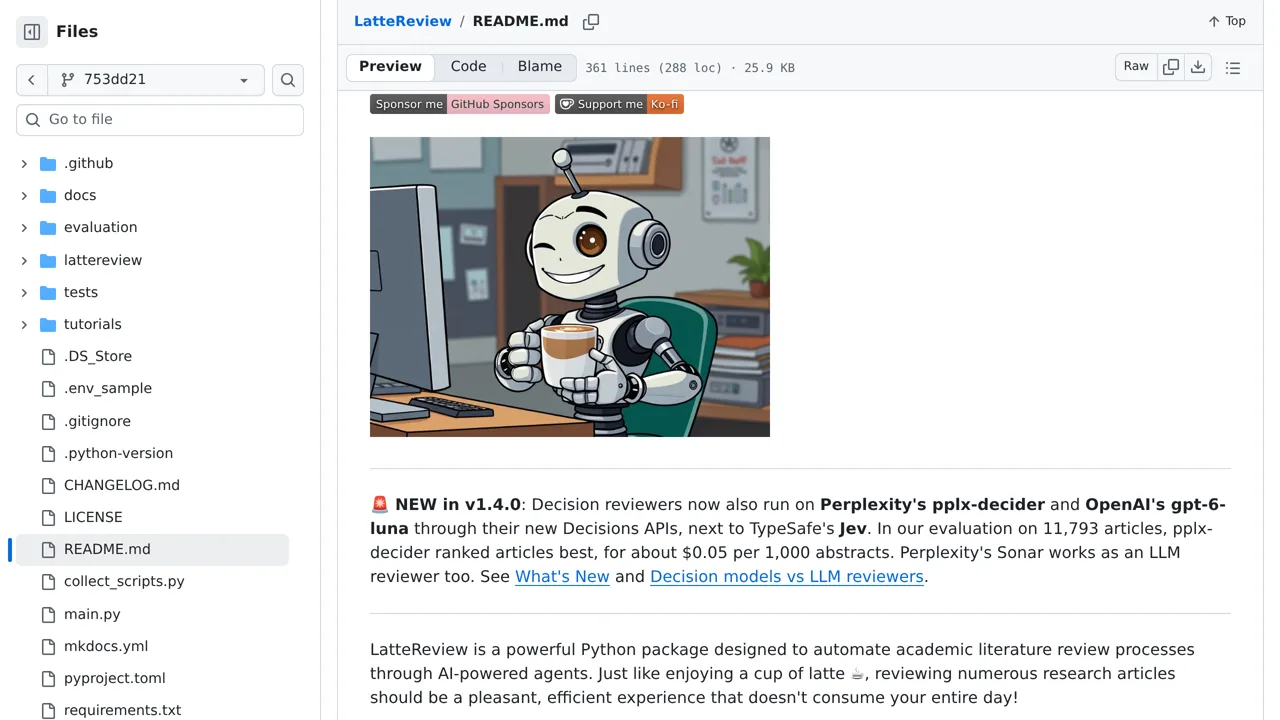
LatteReview v1.4.0 integrates decision models like Jev and pplx-decider for systematic literature screening, comparing their performance and cost against LLMs.
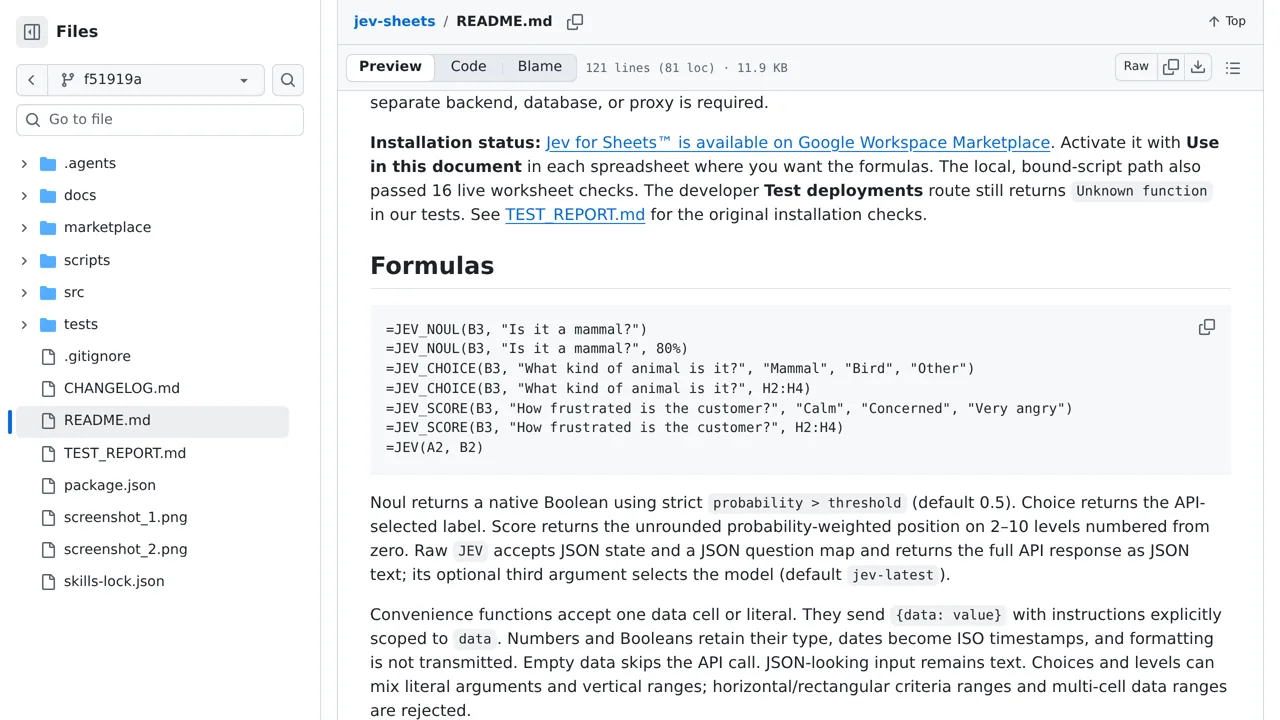
This independent Google Workspace Marketplace add-on provides custom spreadsheet formulas to evaluate text using TypeSafe's Jev model directly within Google Sheets.
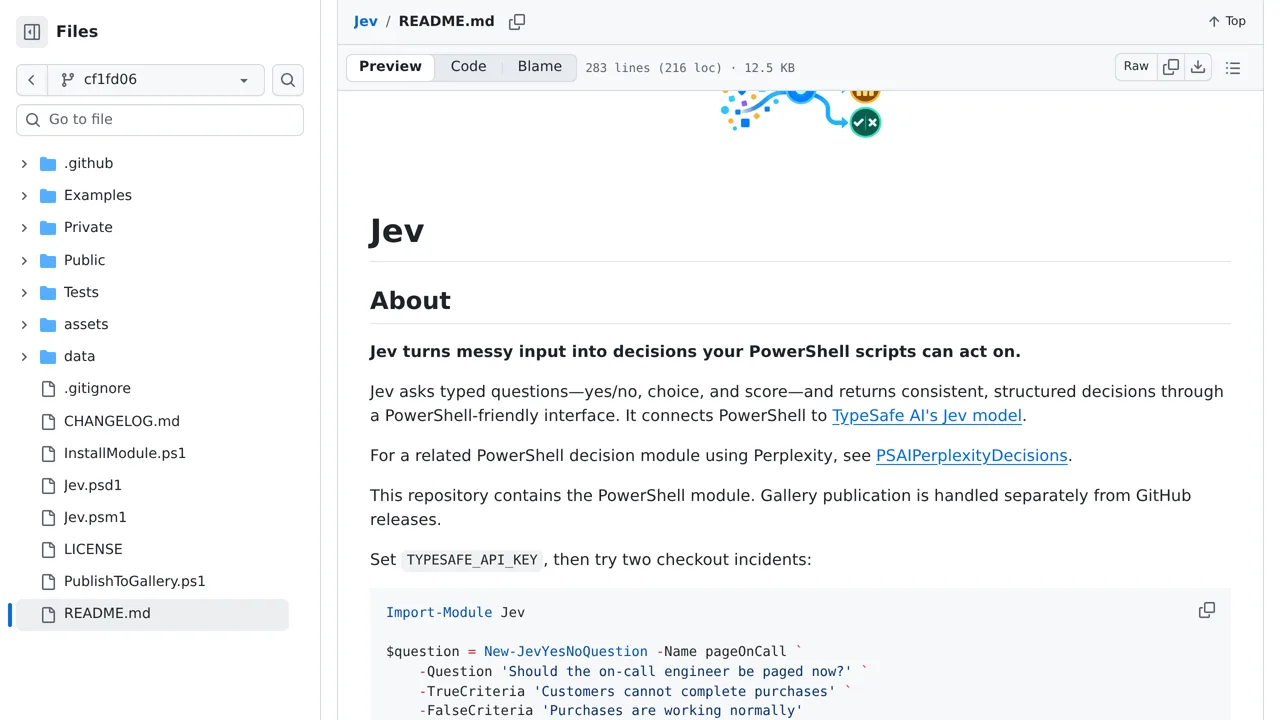
A PowerShell module that connects scripts to TypeSafe's Jev model to make structured decisions using pipeline-friendly commands.
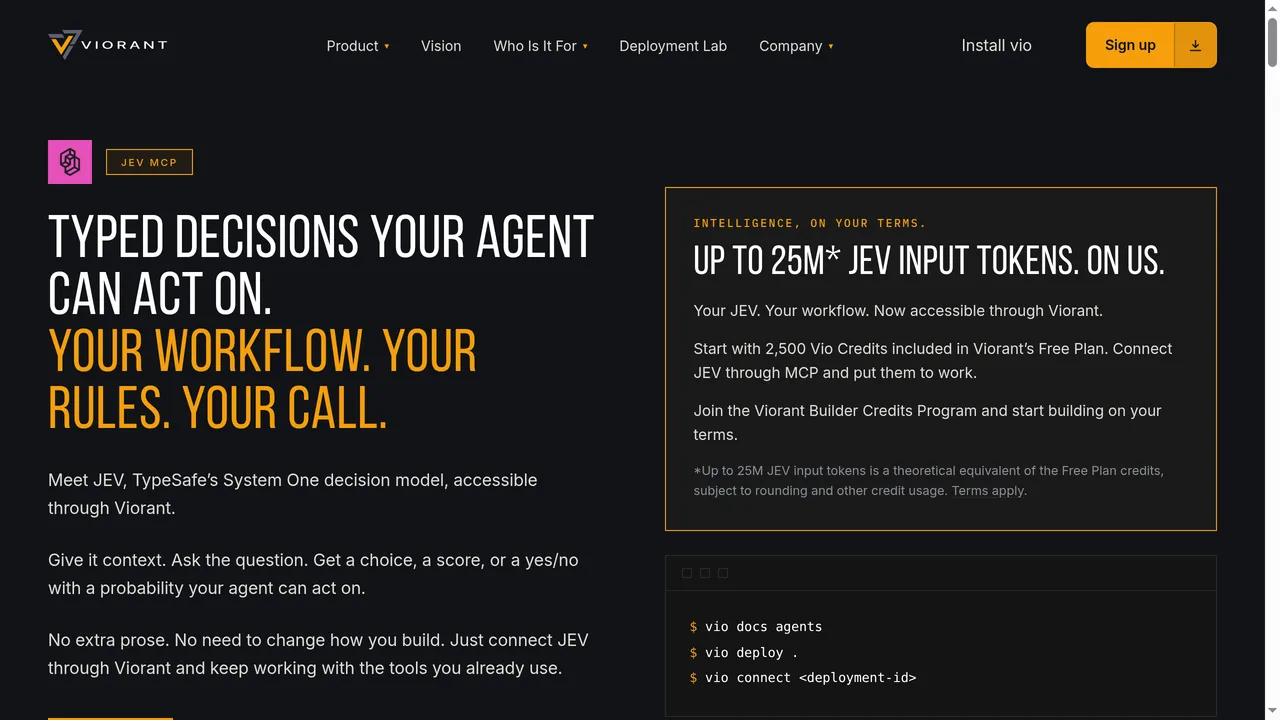
Viorant's hosted Jev MCP gives compatible assistants tools for evidence checks, text screening, ranking and typed questions through an authenticated remote connection.
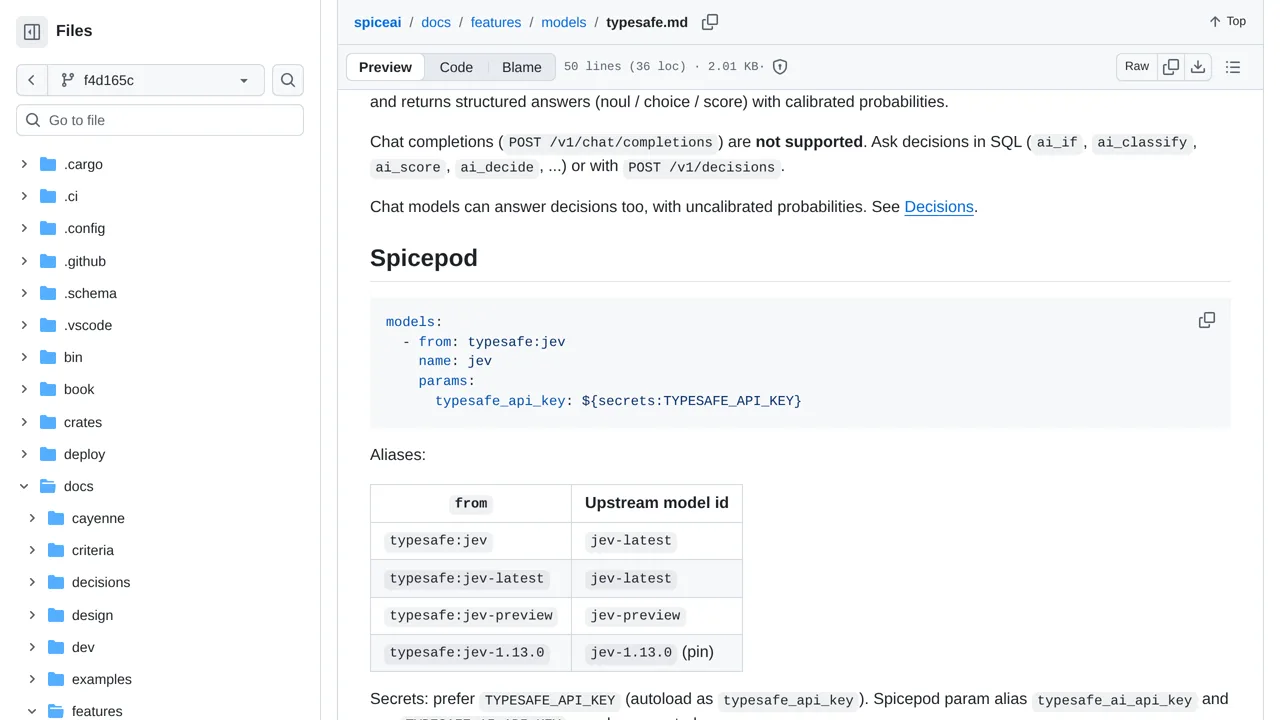
With Spice.ai's TypeSafe provider, SQL queries can ask Jev to filter text, assign categories and score rows using questions with defined answer types.
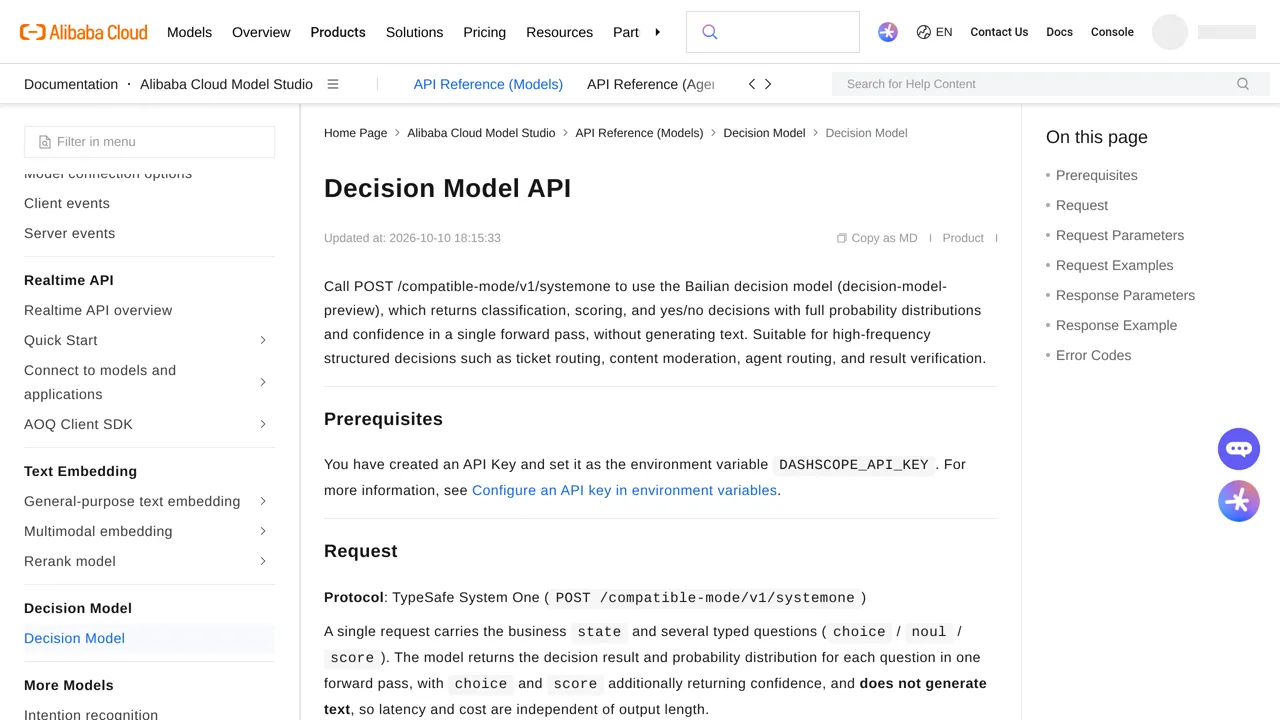
Alibaba Cloud's Bailian service offers decision-model-preview for yes/no, choice and score questions, returning fixed answers and probabilities from an unnamed model.
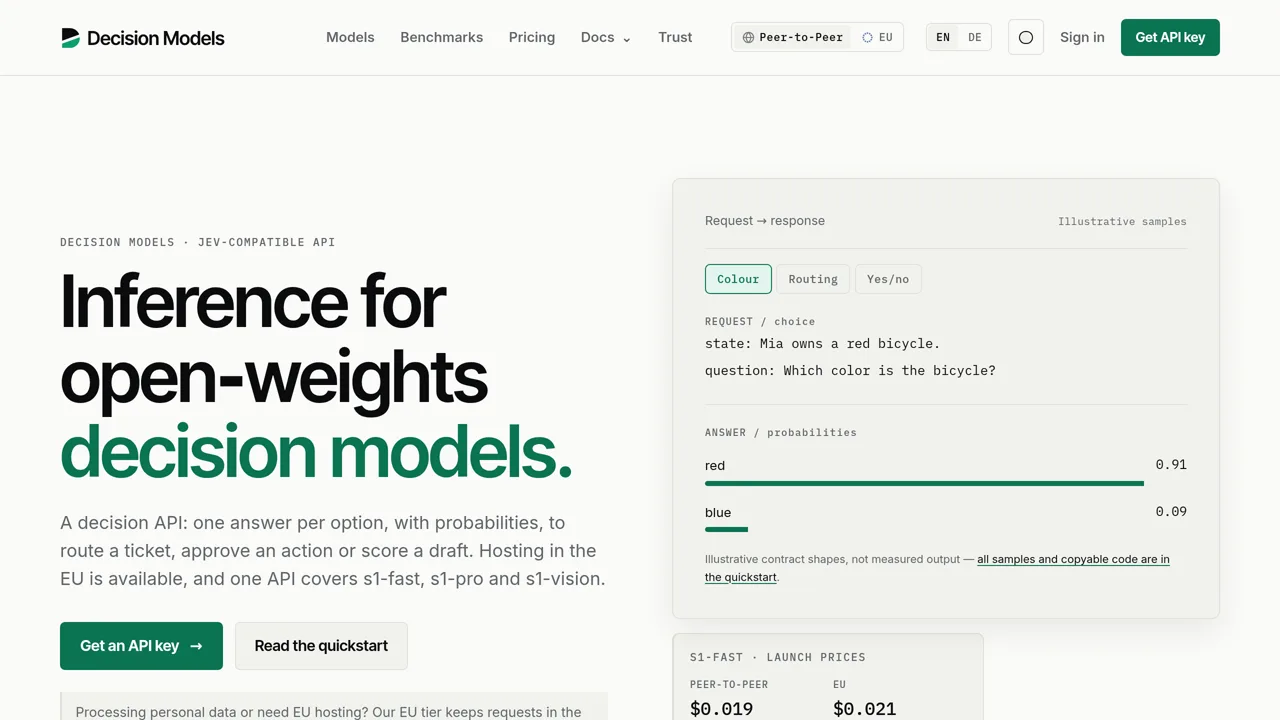
Decision Models hosts existing open text and vision models in one service and provides a migration guide for System One clients.
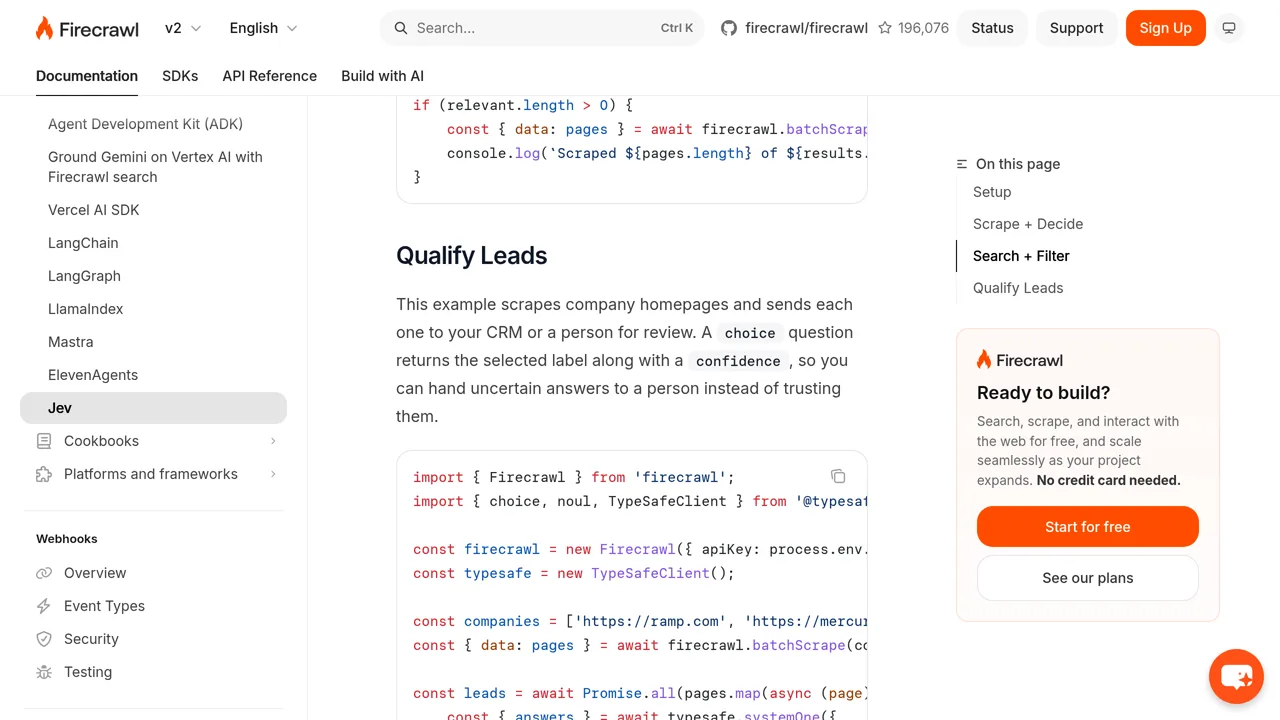
Firecrawl's developer guide feeds scraped pages and search results to Jev, which checks a page for a fact, keeps only relevant results and sorts company sites into leads or a review pile.
Jev, briefly
A chat model generates text token by token and hopes you parse it. Jev never generates a word. Your code sends the state of the world plus typed questions; Jev returns every answer in one parallel pass — typed values with calibrated probabilities and a confidence score your code can trust. About 70–500 ms end to end, $0.042 per million input tokens, output free. Trained with what TypeSafe calls Reinforcement Learning for Calibrated Decisions.
You define the options. Jev returns the chosen option, a probability for every option, and a confidence. The workhorse of routing, agents, and games — the answer space is always legal, so there is nothing to parse and nothing to hallucinate.
You describe ordered levels — say trivial / normal / critical. Jev returns the level, the probability of each, and a confidence. Scores turn fuzzy judgment (“how severe is this log line?”) into a number-free decision your code can branch on.
You assert a statement; Jev returns the probability that it is true — a noul. Moderation, verification, guardrails, “does this diff actually fix the bug?”: one question, one calibrated probability.
Official material lives at typesafe.ai and docs.typesafe.ai. JevMade is an independent community registry — not affiliated with or endorsed by TypeSafe AI.
Recurring lessons
Games, drones, trading bots, and browser agents all converge on the same loop: serialize the state, ask one decisive question, act, repeat. Jev’s latency makes the loop feel instant — the model lives inside the control loop, not outside it.
The answer says what; the confidence says whether to act. The most reliable entries threshold on confidence to route edge cases to a slower model or a human — automation with an honest escape hatch.
Makers rarely ask Jev to pick from everything. Local tactics prune 225 gomoku moves to ~40; DOM filters turn a page into an element table; code narrows options, Jev judges within them.
A recurring split: Jev makes every decision cheaply and instantly, and a small LLM is only invoked when a human-facing string must actually be written. Decision and generation are separate budgets.
Send the link — repo, live demo, post, or video — plus a line on what it does and which primitives it uses. Every entry is verified against its primary source before it ships.
Submit your experimentSign in first so we can reply to you. Submissions are reviewed, not published automatically.