
JevMade

Sign in
← Back to guides

JevMade field notes / Beginner guide

How to connect to Jev and ask your first question

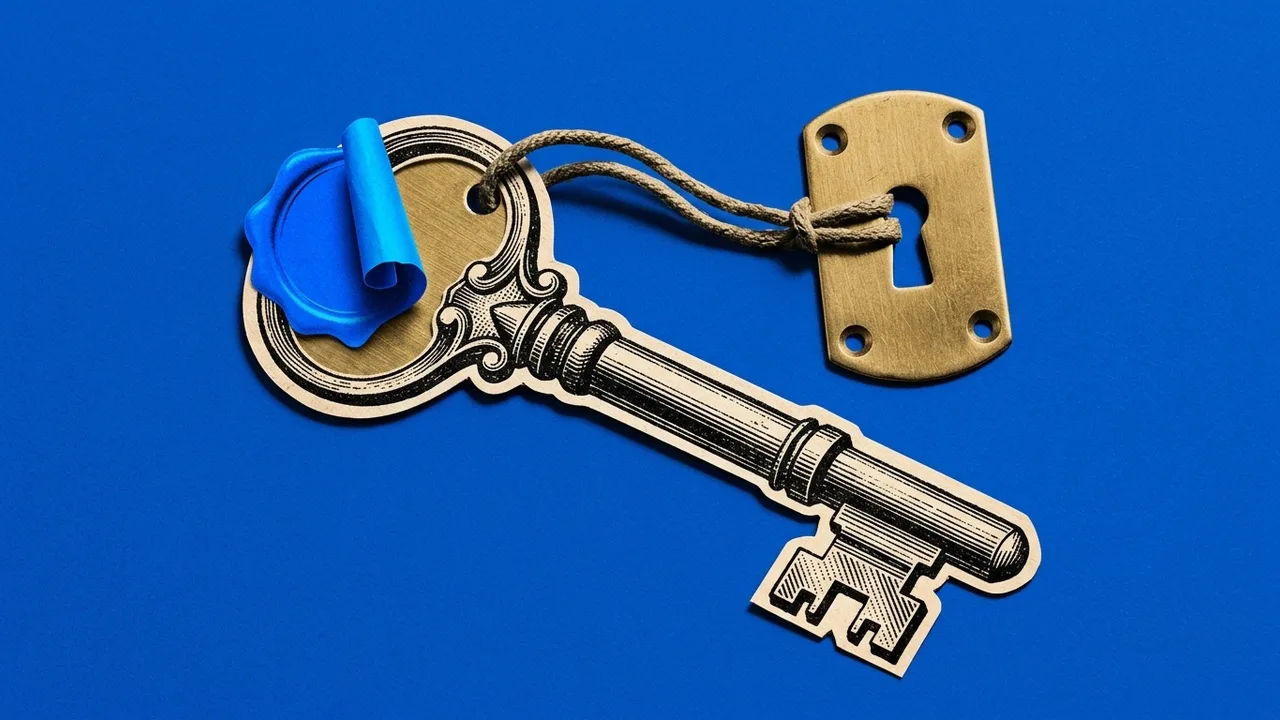
This guide explains how to get a private access code and send your first question to Jev. You will learn how to check your connection, format a yes-or-no question, and understand the AI's mathematical answer.

Original by Jev GuideGetting started
Leave a noteWhat would you try with this? : How to connect to Jev and ask your first question

Only you can see your notes.

Listen to this guide

JevMade’s plain-English explanation

0:00 /

Our summary

Jev is an AI tool that chooses from options rather than writing an answer. People use it to automatically sort incoming messages or score text based on specific rules. This guide shows how to connect a software program to Jev using a private access code.

To start, you test your private access code to make sure the connection works. Then, you send the AI a piece of text and a specific yes-or-no question. Instead of writing a sentence back, the AI returns a number showing how likely the answer is yes.

This setup is useful for programmers building automated systems, but it requires technical knowledge to write the code. The AI only answers the exact questions you send, and you must pay a tiny fee for the text you ask it to read.

Key takeaways

  1. Test your private access code first to separate connection problems from question mistakes.
  2. Send the AI a piece of text and a clear question to get a mathematical probability.
  3. Keep your private access code hidden on your own server so others cannot use your account.

The author checked the request formats against official documents, but did not test the examples against the live AI. The answers shown in the guide are just illustrations of what to expect.

Independent field guide

Read the original guide Opens the author’s site in a new tab.

Your note

Only you can see this. Clear the text and save to remove it.

Keep what you save

Sign in to keep bookmarks and private notes on every device. We email you a link; there is no password, and the same link creates your account.