
Our summary
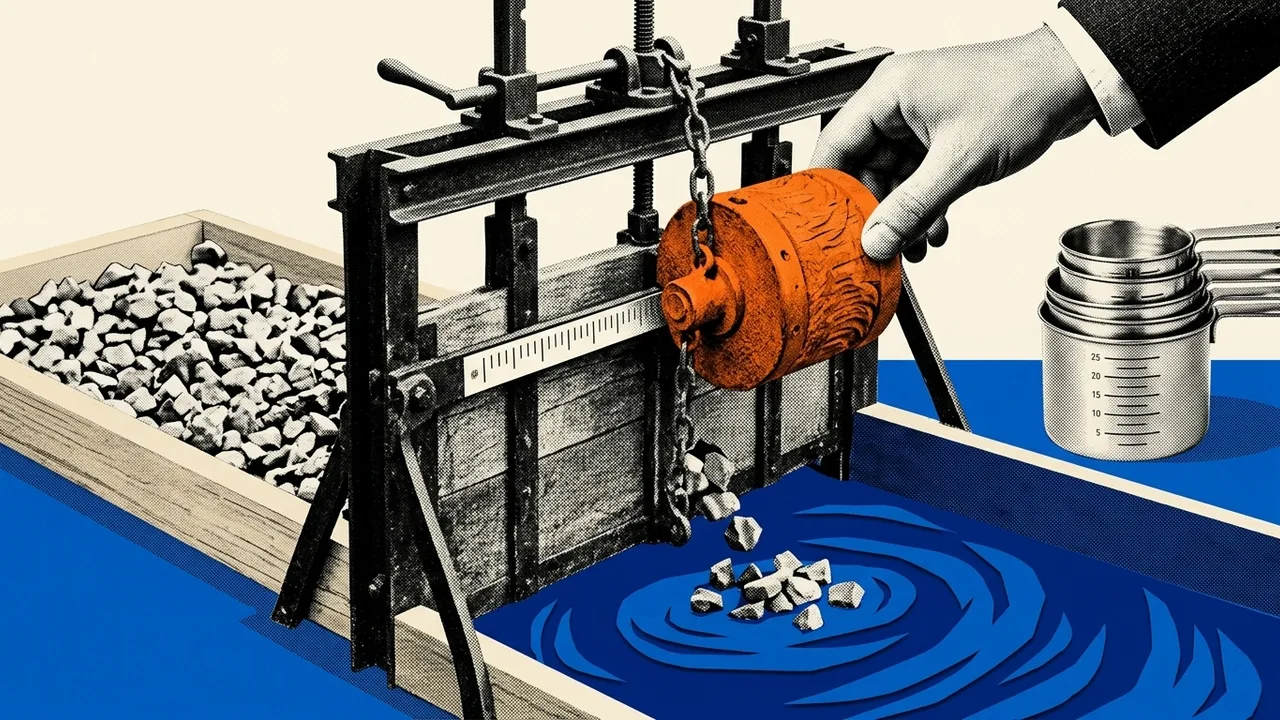
This guide explains a tool that checks if an AI assistant is actually correct when it claims to be confident. People use it to decide when software can handle a task automatically and when a human needs to step in to prevent costly mistakes.
The software looks at past decisions where a person eventually provided the correct answer. It compares the machine's stated confidence against its actual success rate. It groups these records to find hidden errors and calculates the best cutoff point to balance human review time against error costs.
This tool is useful for teams managing automated decisions, but it requires existing records of correct answers to measure anything. The cost savings shown in the guide are explanatory examples created for testing, not actual results from a live business deployment.
Key takeaways
- Compare the software's stated certainty with its actual success rate using past records.
- Check specific groups of tasks separately, because overall success rates can hide dangerous mistakes in one area.
- Choose automation cutoffs by balancing the cost of mistakes against the expense of human review.