JevMade Sign in
← Back to guides

JevMade field notes / Game-agent engineering and evaluation case study

Evaluate a game controller against simple fixed rules

Matthew Riches traces Tank Top's Jev controller from integration repairs to fixed-rule comparisons and a test on new game environments.

Original by Matthew RichesEvaluation

Listen to this guide

JevMade’s plain-English explanation

0:00 /

AI narration

Credits

“I put Jev in charge of a tank” by Matthew Riches. Read the original source.

This expanded guide is an AI-narrated adaptation prepared by JevMade. It expands the source’s essential ideas, examples and caveats in JevMade’s own words and is not a word-for-word reading. The synthetic voice does not imitate the author or imply their endorsement.

Our summary

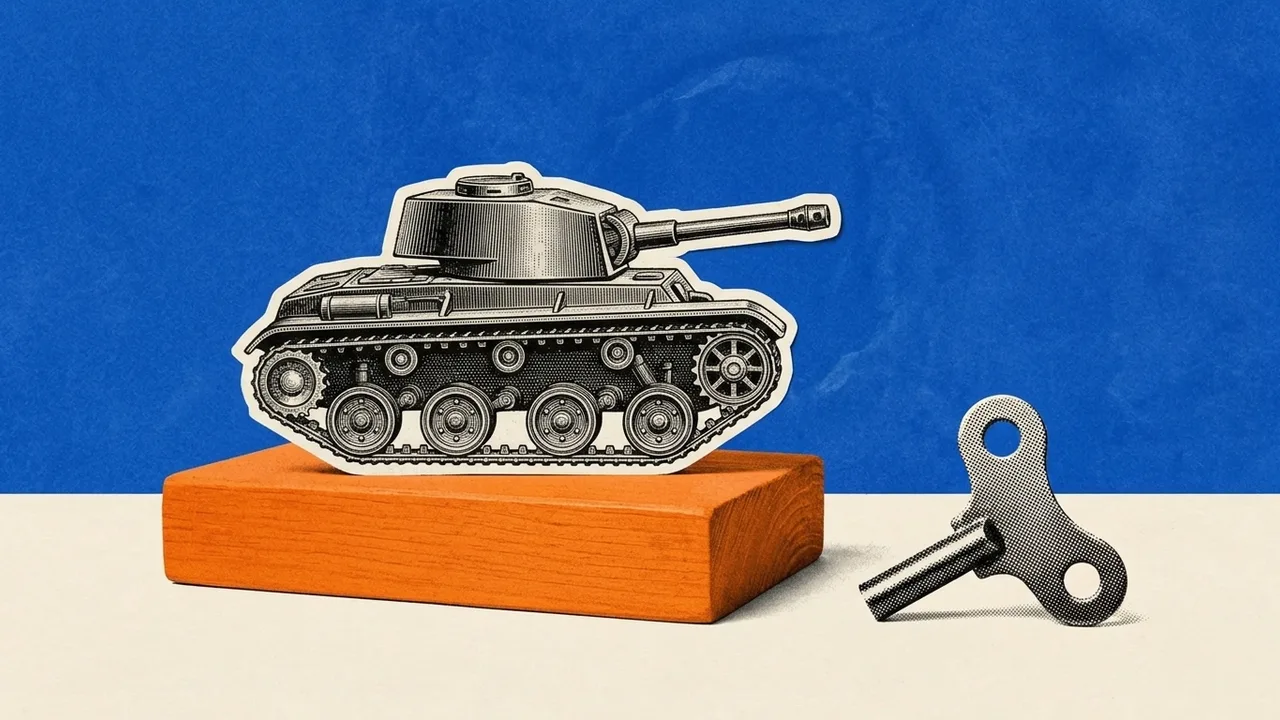
A tank repeatedly trying to collect an unusable shield looked like an AI mistake. Matthew Riches found problems in the actions his game offered and how it carried them out. His account follows those repairs before asking whether Jev actually improves the tanks' play.

Later tests let Jev choose a squad's posture while normal game code handled movement and combat. It chose support on all sixty-six recorded decisions. A rule that kept support from the start reproduced the same measured outcomes across eight environments, without asking the model again.

Riches then copied that posture into ordinary game code and tested sixteen new environments. It won two more battles than unchanged tanks but also turned some wins into losses, failing the preset acceptance test. The experimental policy stayed undeployed, and the study did not establish an advantage over existing rules.

Key takeaways

  1. Check action eligibility, execution and old responses before treating poor play as a model failure.
  2. Compare repeated model decisions with a simple constant rule to see whether adaptation adds anything.
  3. Test a copied rule on new situations and judge the paired outcomes, not just its total wins.

The pilots used different designs and should not be pooled. Earlier controllers saw information ordinary players would not have; some samples were small and fixed. The final test used a copied rule without live model calls and failed the author’s acceptance threshold. No results were independently reproduced; closing optimism is not demonstrated improvement.

LinkedIn · Original published

Read the original guide Opens the author’s site in a new tab.

Keep this for later

Sign in to bookmark experiments, guides and videos, and keep notes only you can see.

Continue to sign in

We’ll bring you back to this listing.