
Our summary
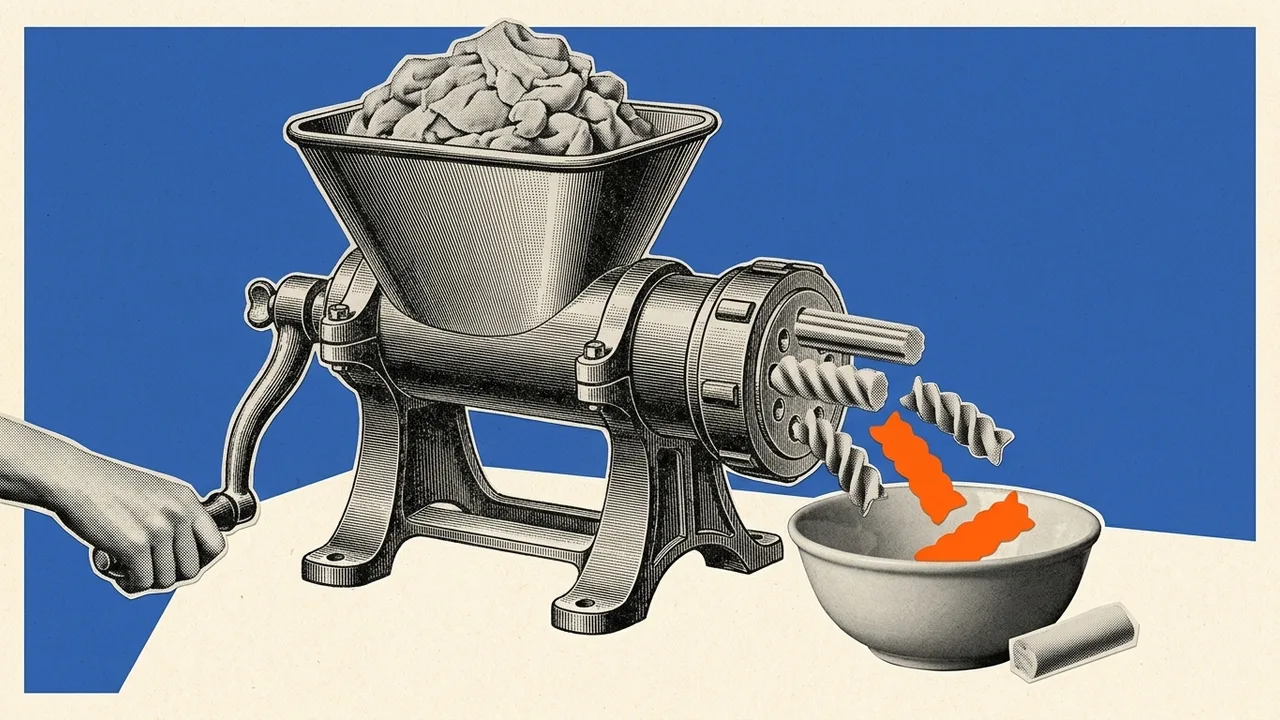
A log is a stream of messages from running software. tocsin turns repeated lines into templates: wording that remains after changing values such as identifiers are removed. It asks about each new pattern once instead of judging every matching line.
The tool caches, or reuses, that earlier judgment and lets ordinary program rules decide whether matching lines page someone, create a ticket, or stay in the log. The source reports both a successful benchmark and a separate dataset where its default policy failed.
Changing values can carry urgency: a failure code, machine name, or amount may make two otherwise similar lines different. The benchmark numbers belong to the author and one dataset. Teams should label their own incidents, retain exact emergency rules, and provide a safe fallback.
Key takeaways
- Group recurring wording before paying for repeated judgments.
- Keep exact alert rules for known critical events.
- Check whether removed changing values carry important urgency.