Read & learn
Written guides.
Understand Jev, one idea at a time. Walkthroughs, recipes, and writeups — our notes first, the original next.
A public registry · independent & community-run
Learn, build, and play with Jev — from deep technical guides to creative experiments.
Read & learn
Understand Jev, one idea at a time. Walkthroughs, recipes, and writeups — our notes first, the original next.
Watch & learn
See an idea take shape. Tutorials, demos, and deep dives, organized by topic and credited to their creators.
Make & explore
See what builders made with Jev. Games, tools, repositories, articles, and more — traced to their sources.
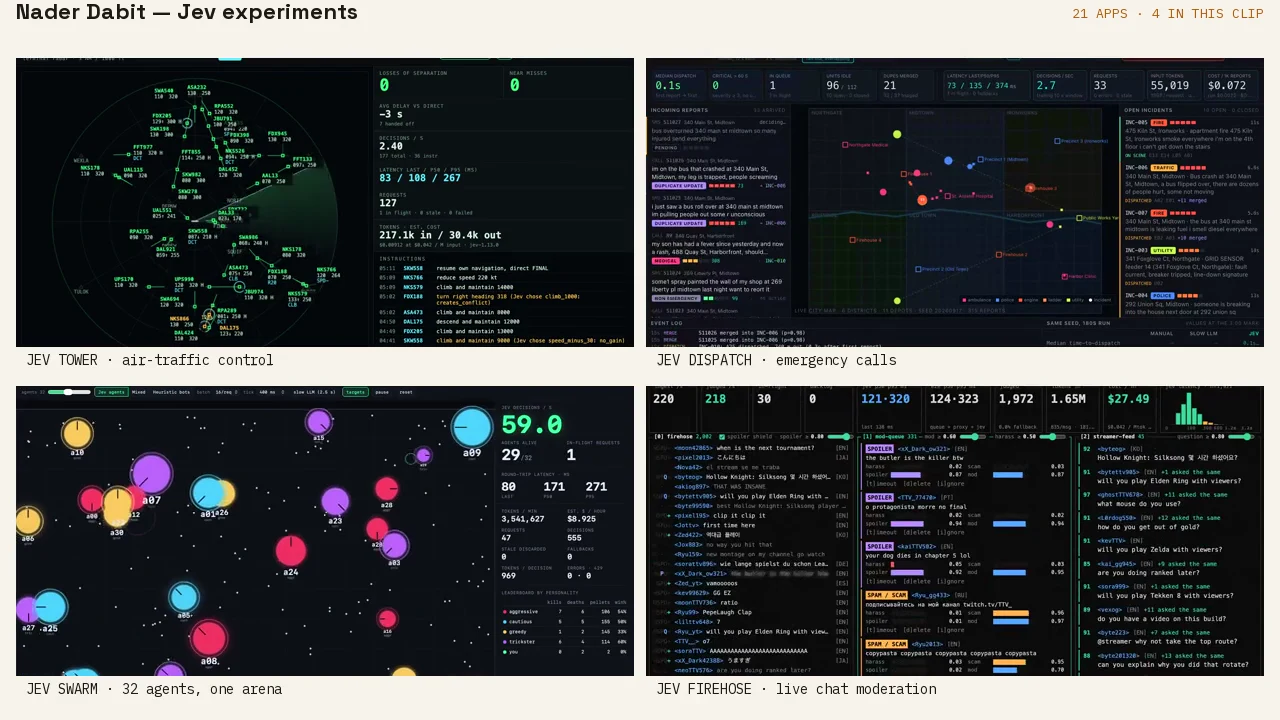
Every category, from games and tools to repositories and writeups, traced to a primary source.
Same ideas.
Different paths.
This is the full registry, not just the featured picks. Figures like speed, cost, and stars are maker-reported or captured snapshots, not JevMade measurements.
1612 experiments · showing 901–960
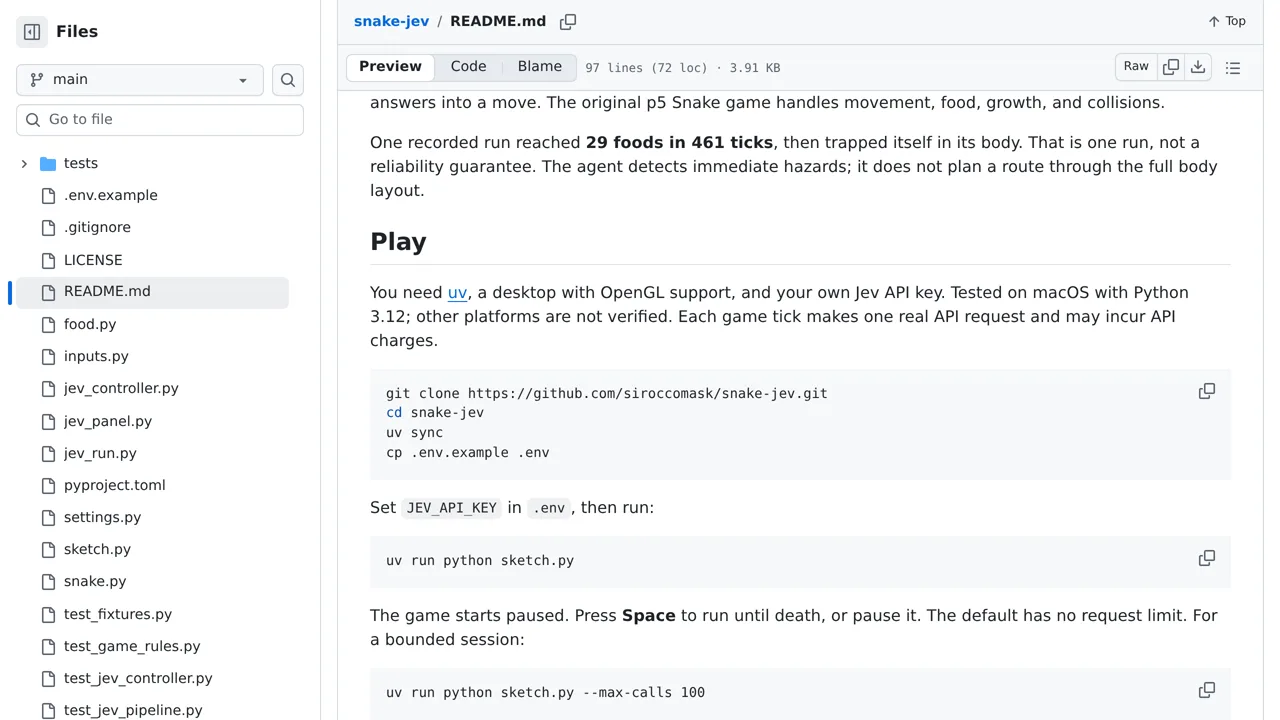
Jev considers several questions about the board at once to choose Snake's next move.
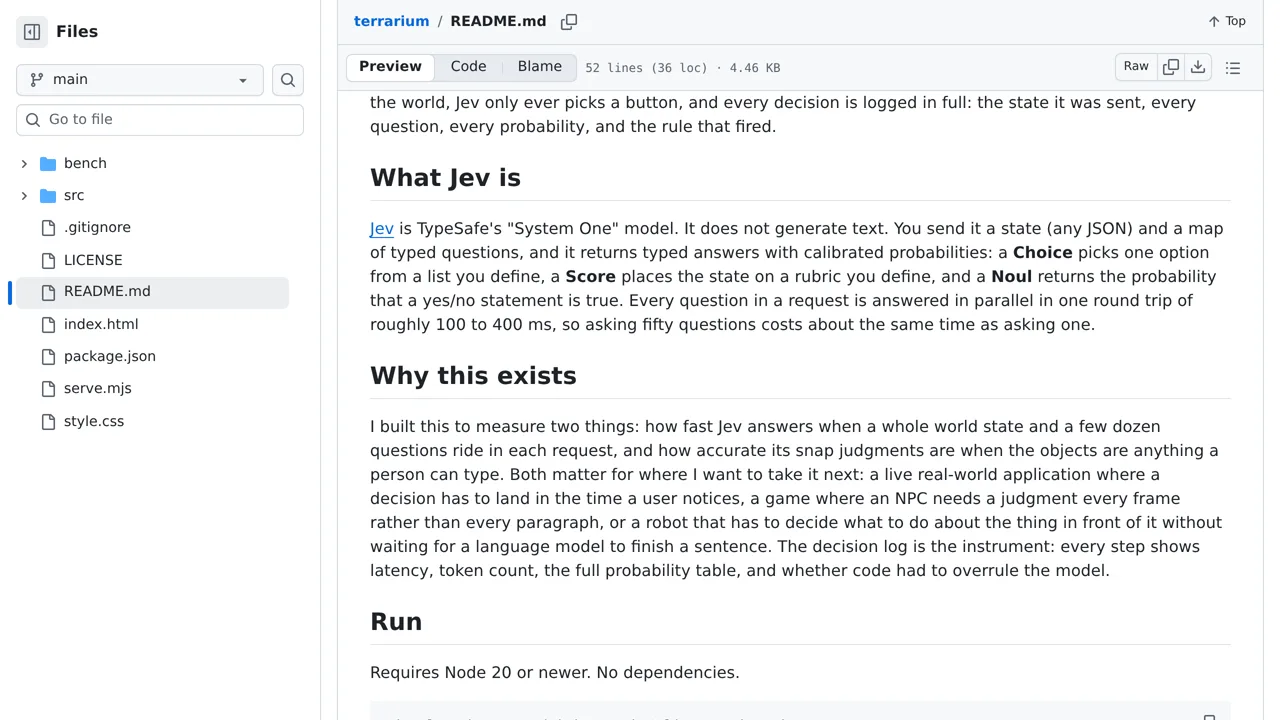
Jev presses the controls of a small virtual creature while deterministic code runs its world.
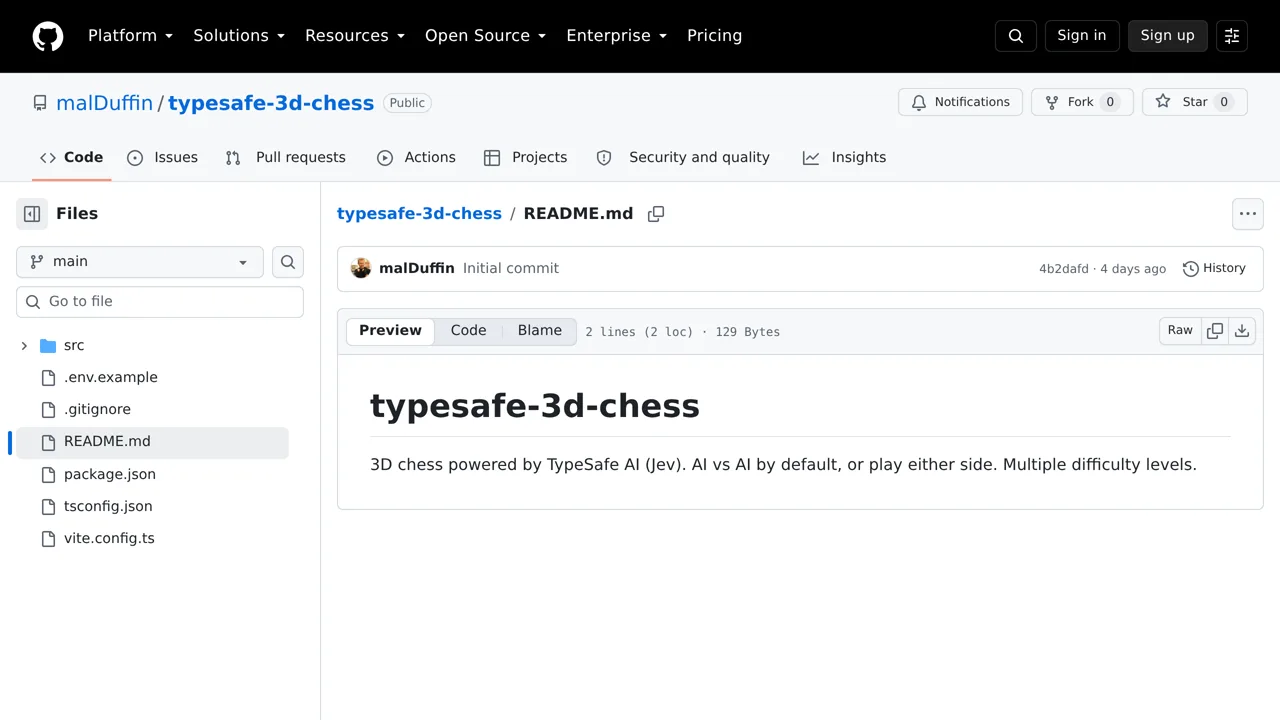
Play either side of a 3D chessboard against Jev, or watch two Jev players face off.
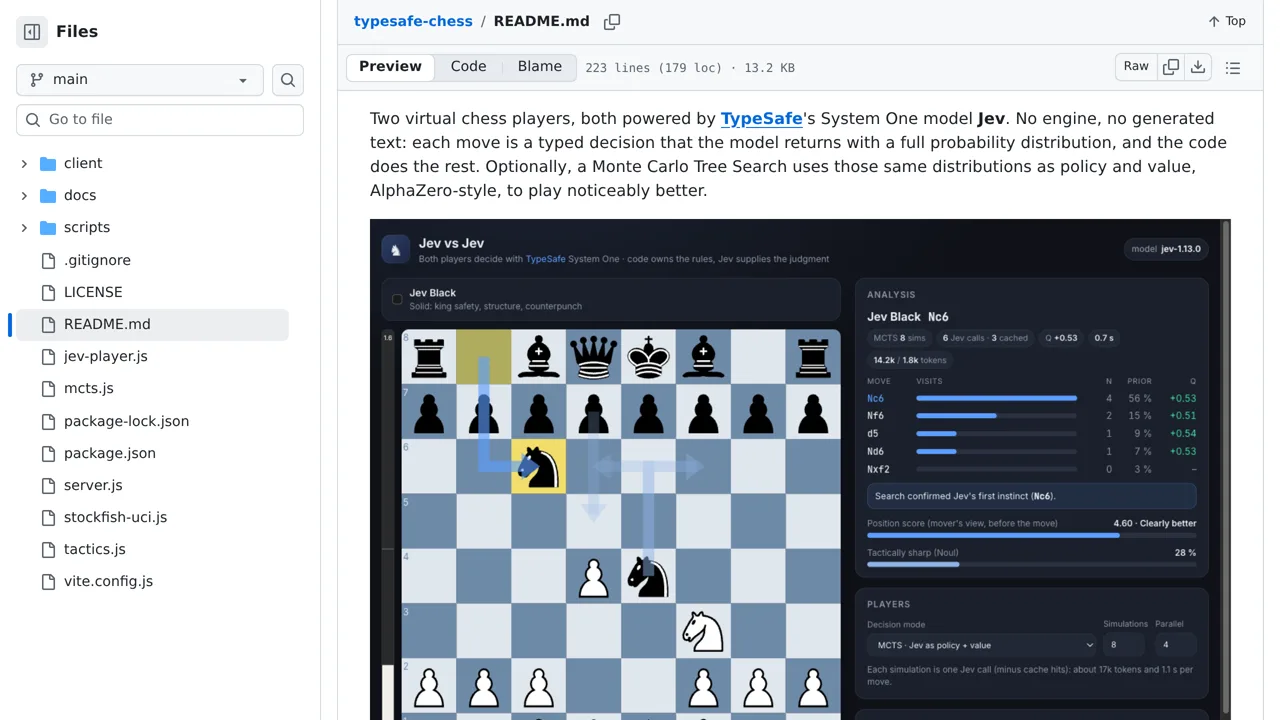
Two Jev agents play chess, choosing every move through a typed Choice question.
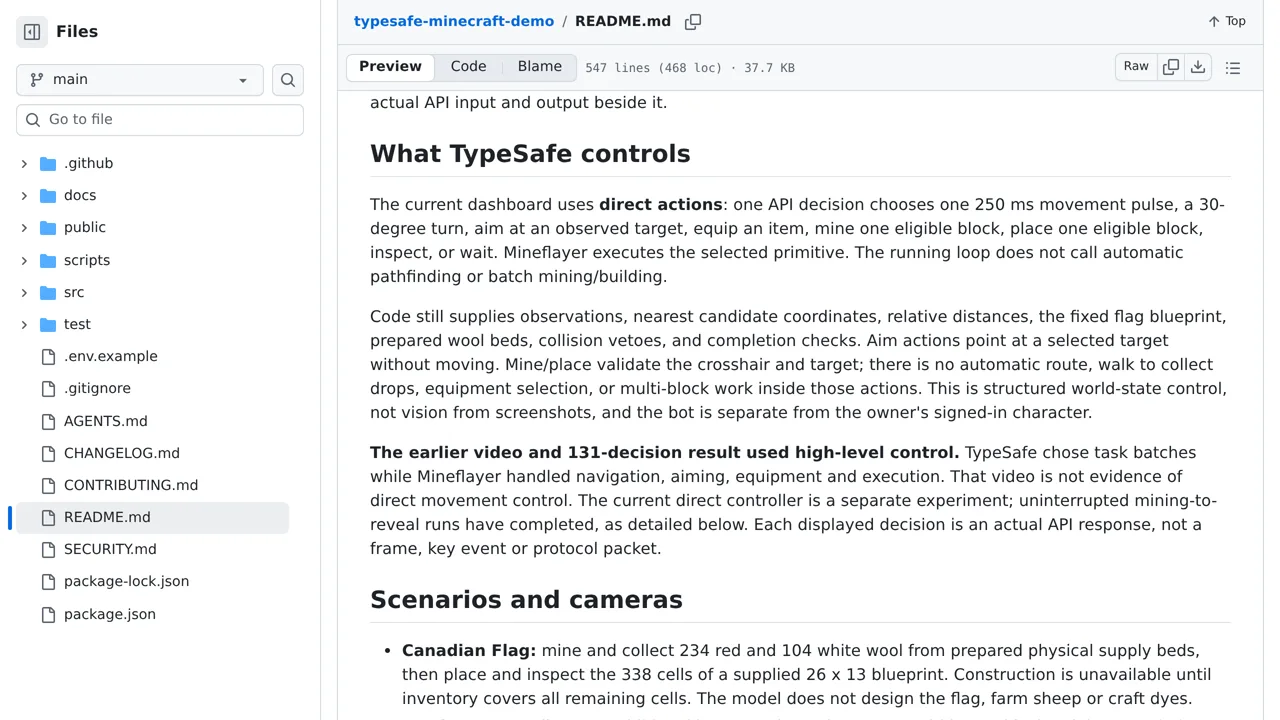
Jev controls a Minecraft Java player through tasks such as gathering lumber and building a Canadian flag.
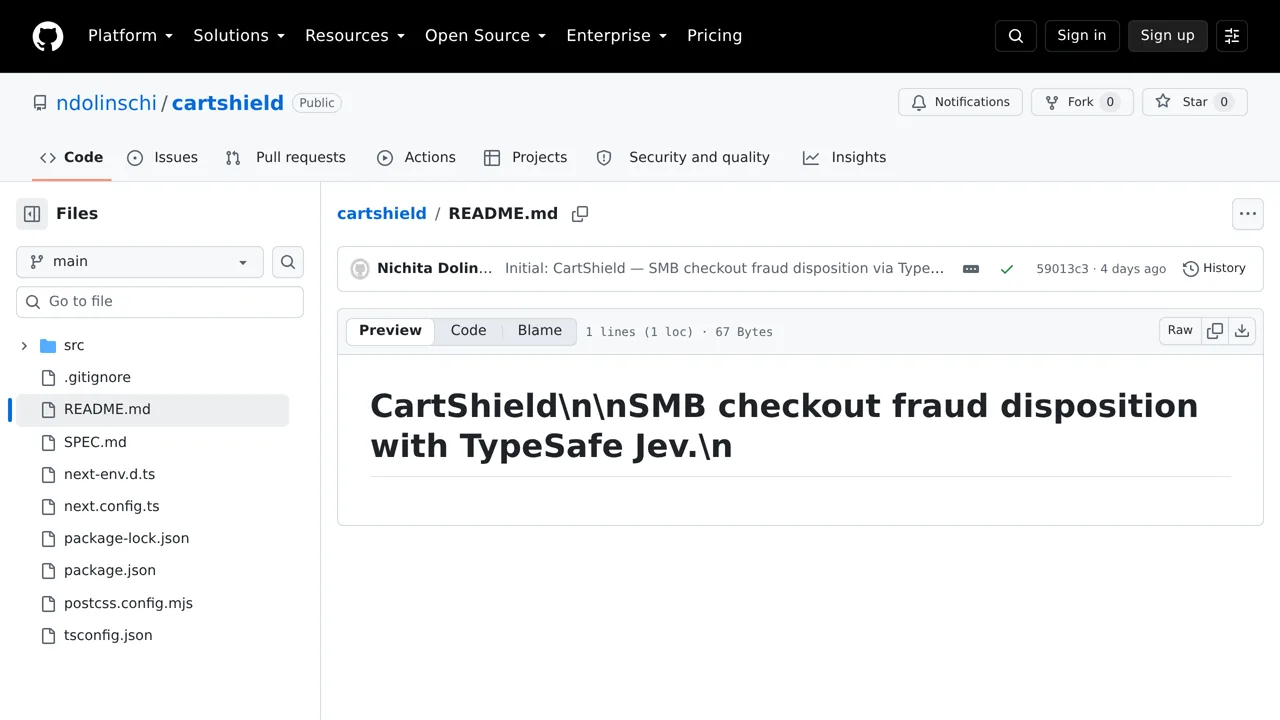
CartShield assigns a fraud disposition to checkout activity for small online shops.
Crowdcheck simulates how 10,000 AI readers might react to a post before publication.

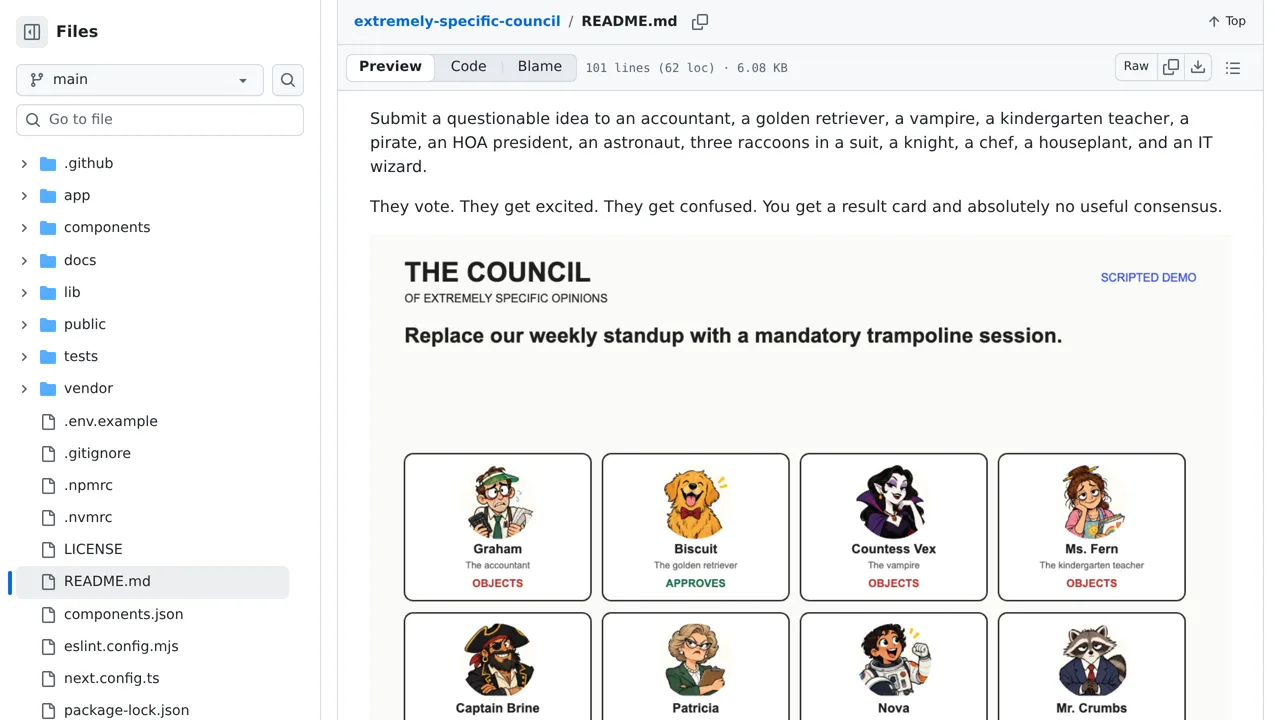
Twelve deliberately unqualified AI councillors vote on unusually specific questions.
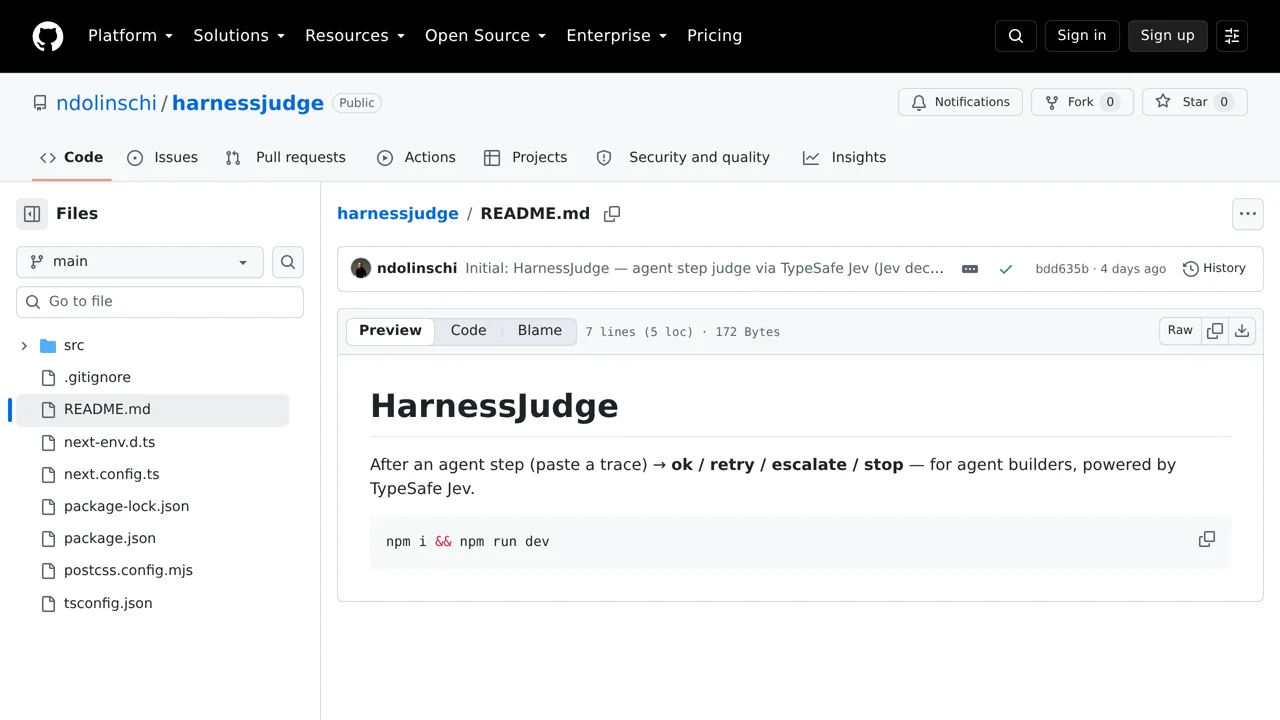
Harness Judge labels each agent step as acceptable, worth retrying, needing escalation or ready to stop.
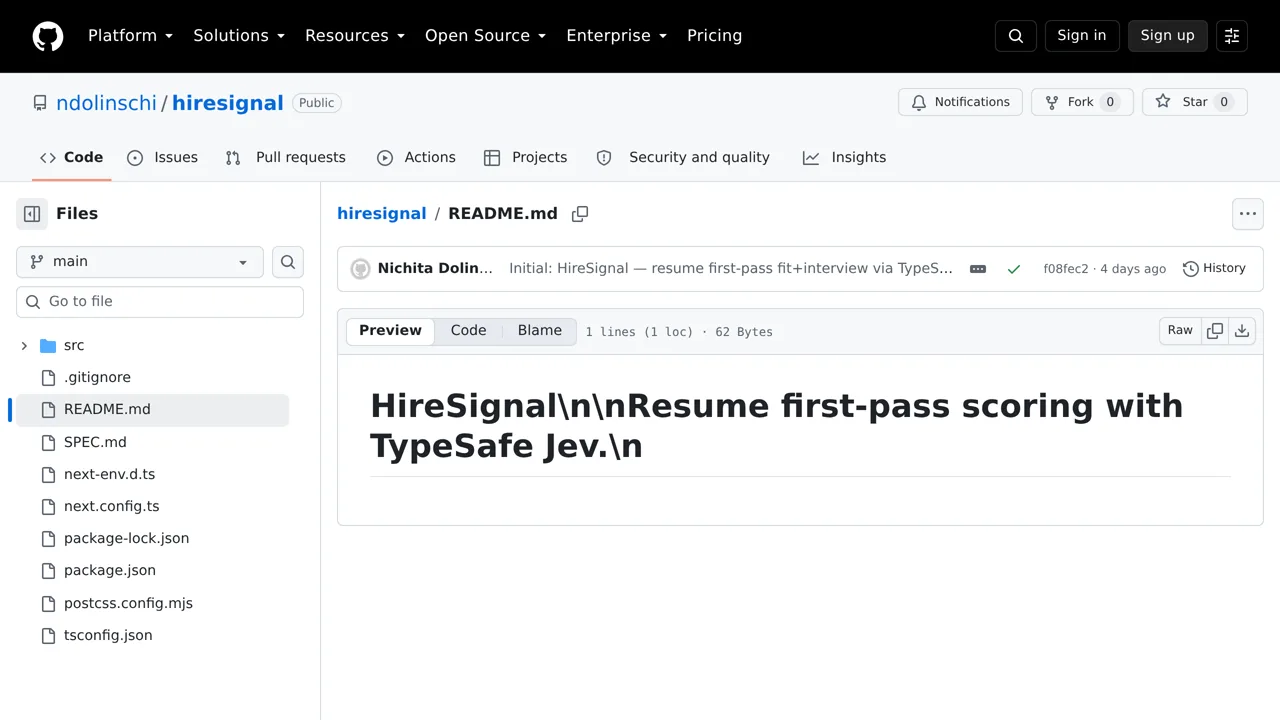
HireSignal gives resumes a first-pass fit assessment and an interview recommendation.
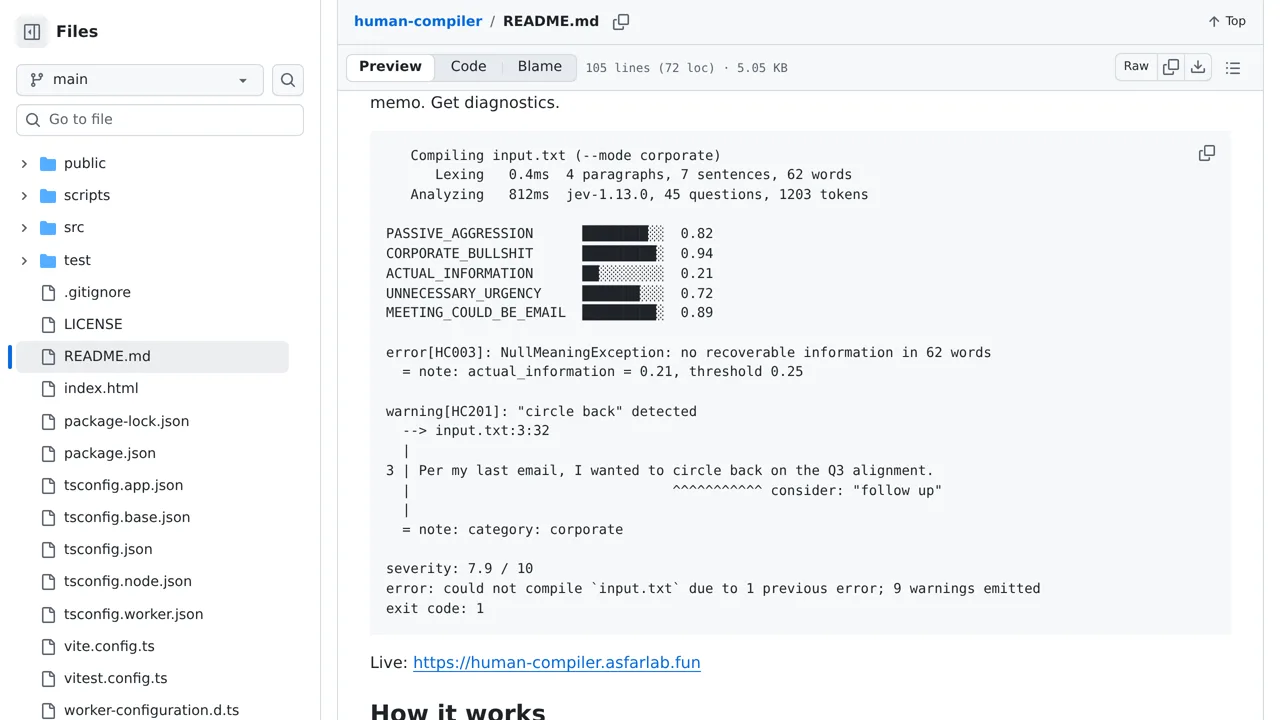
Human Compiler turns prose into compiler-style diagnostics for traits such as passive aggression and corporate jargon.
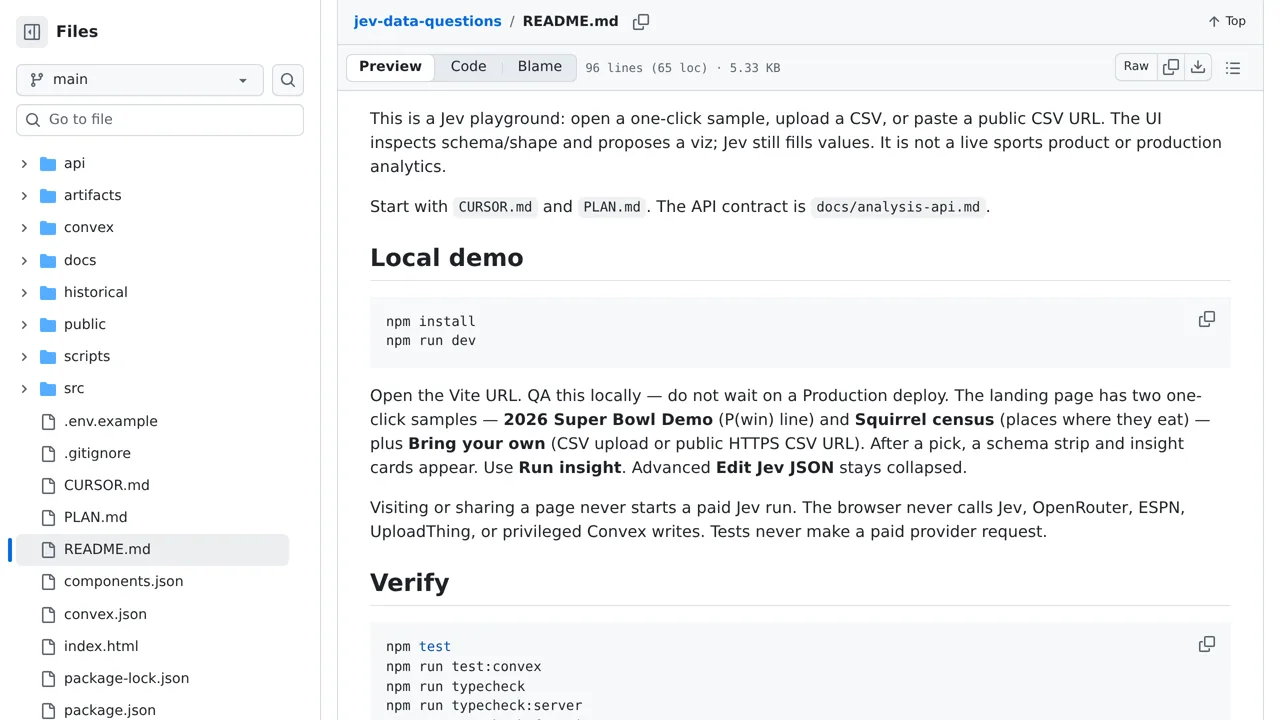
Upload a dataset, pose a question and watch Jev classify every row.
A 3D robot companion reacts through typed Jev decisions rather than generated dialogue.

An interactive room changes in response to the visitor's words, using presets or live Jev decisions.

A public demo uses Jev to review an advertisement before it runs.
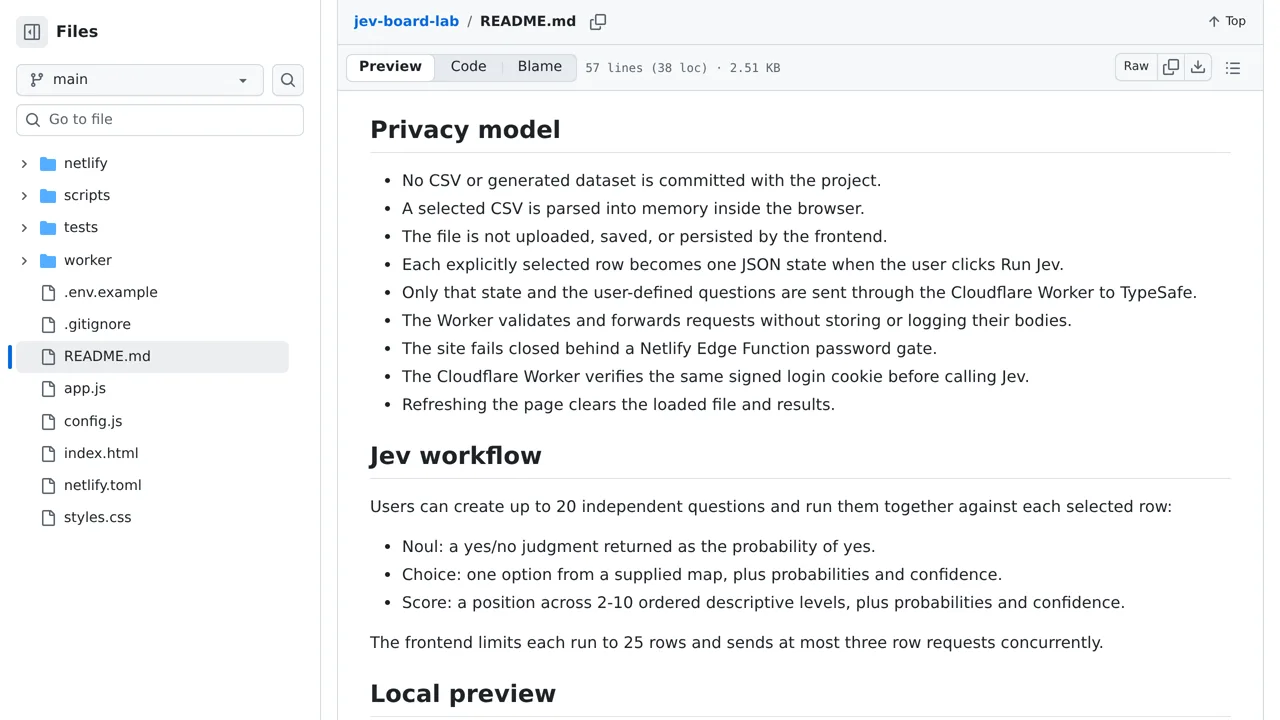
An interactive workspace for browsing Jev Board datasets and asking Jev questions about them.
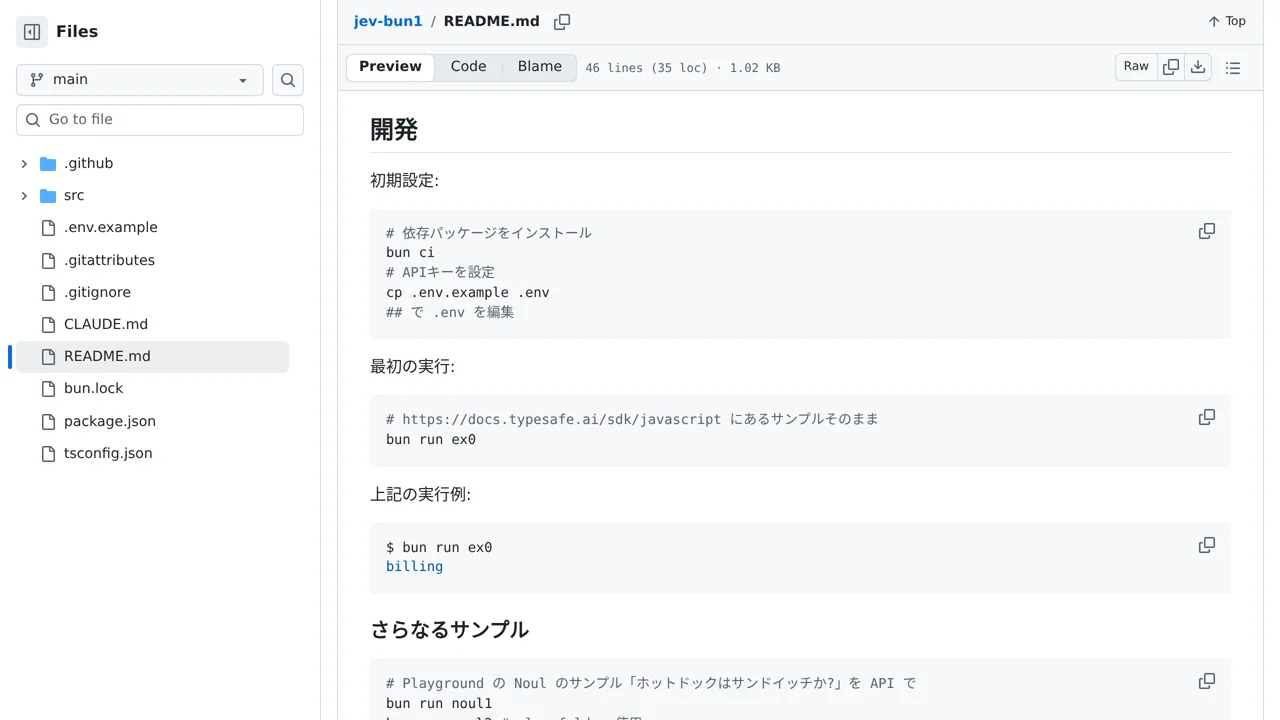
A first Jev tutorial in TypeScript and Bun, starting with the question of whether a hot dog is a sandwich.
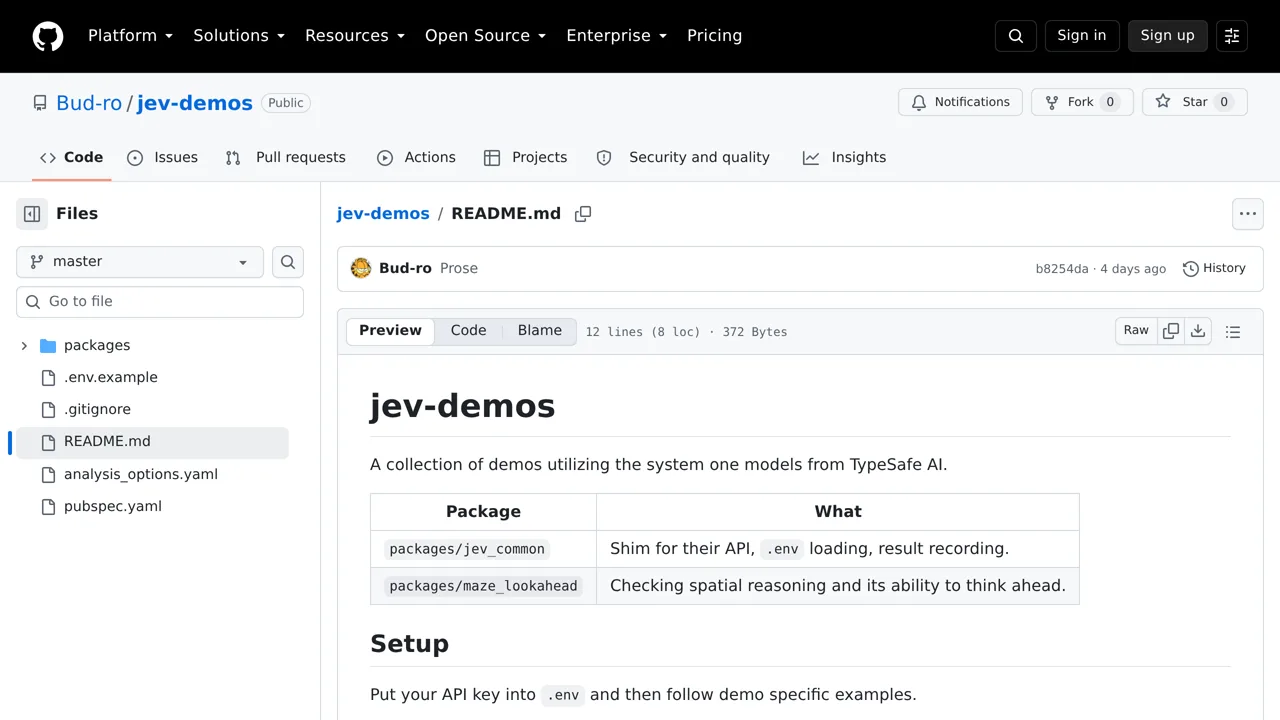
A Dart collection tests Jev across several small demonstrations.
A single screen compares Jev and an LLM on emotion shifts and response speed for the same statement.
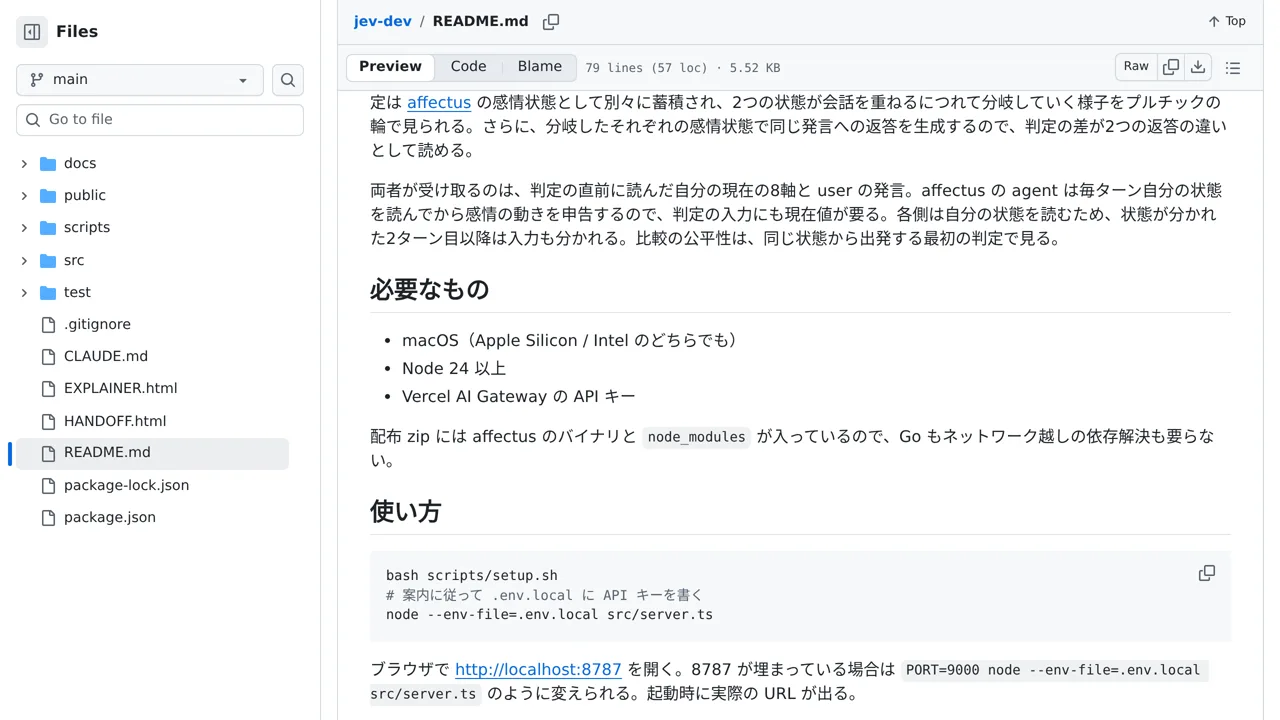
Jev Paper Judge gives rapid feedback on an academic paper.
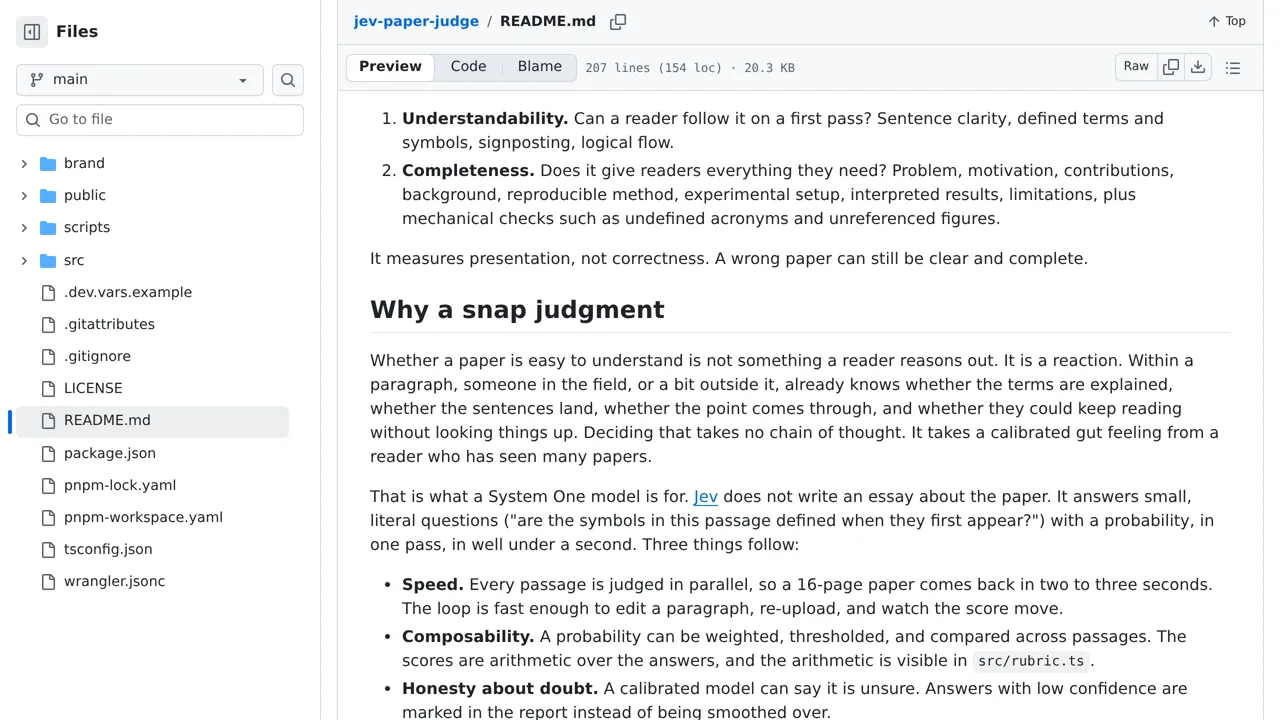
Jev chooses a musical plan from fixed options, then code renders the score, audio and MIDI.
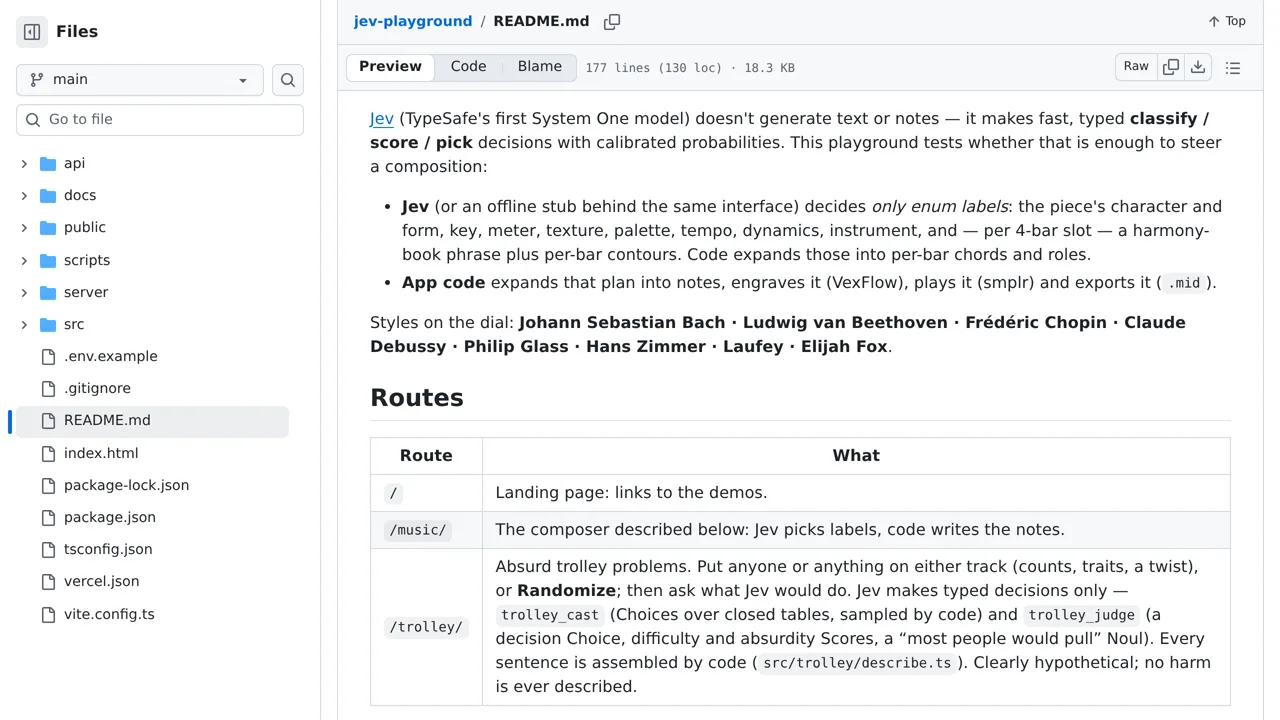
A job-application demo that asks Jev whether a role is worth applying for.
A public demo turns Jev into a jury for user-related decisions.
Build custom Choice, Score and Noul questions and watch their probability distributions update live.
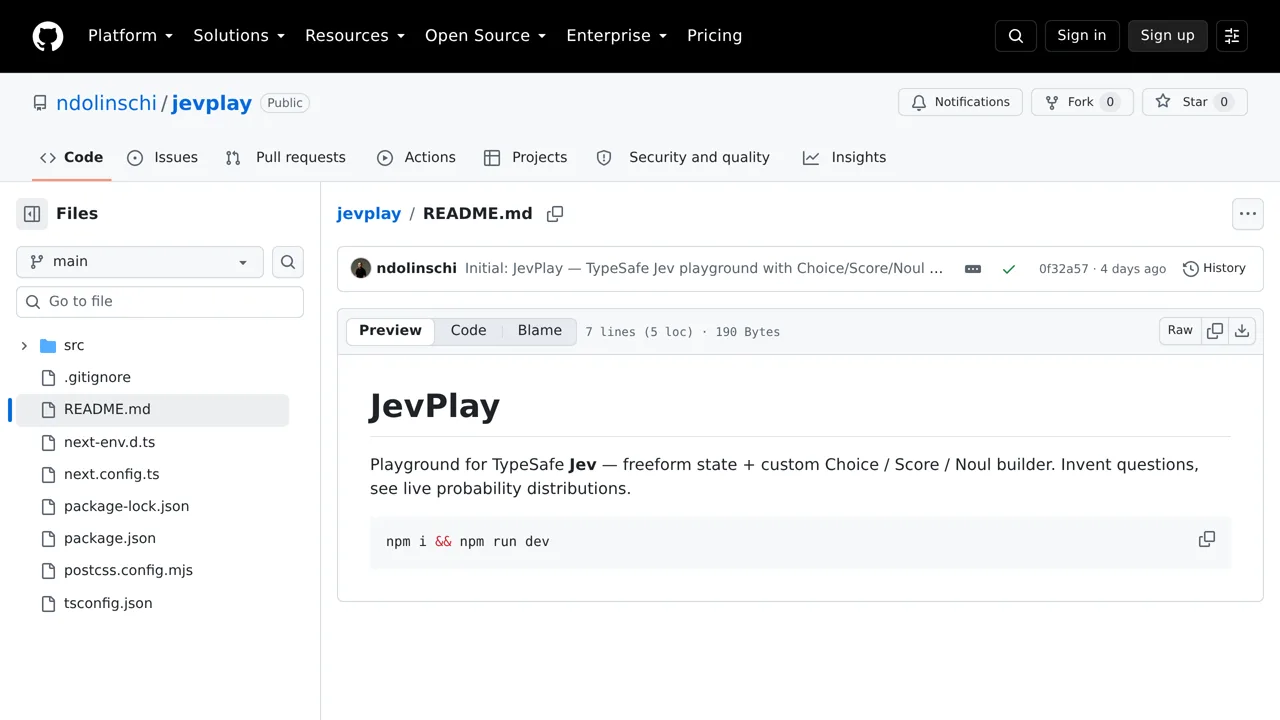
A CLI and API assess an occupation's exposure to AI layoffs, future path, human accountability and resilience.
LaneBreak assigns support tickets a priority and destination.
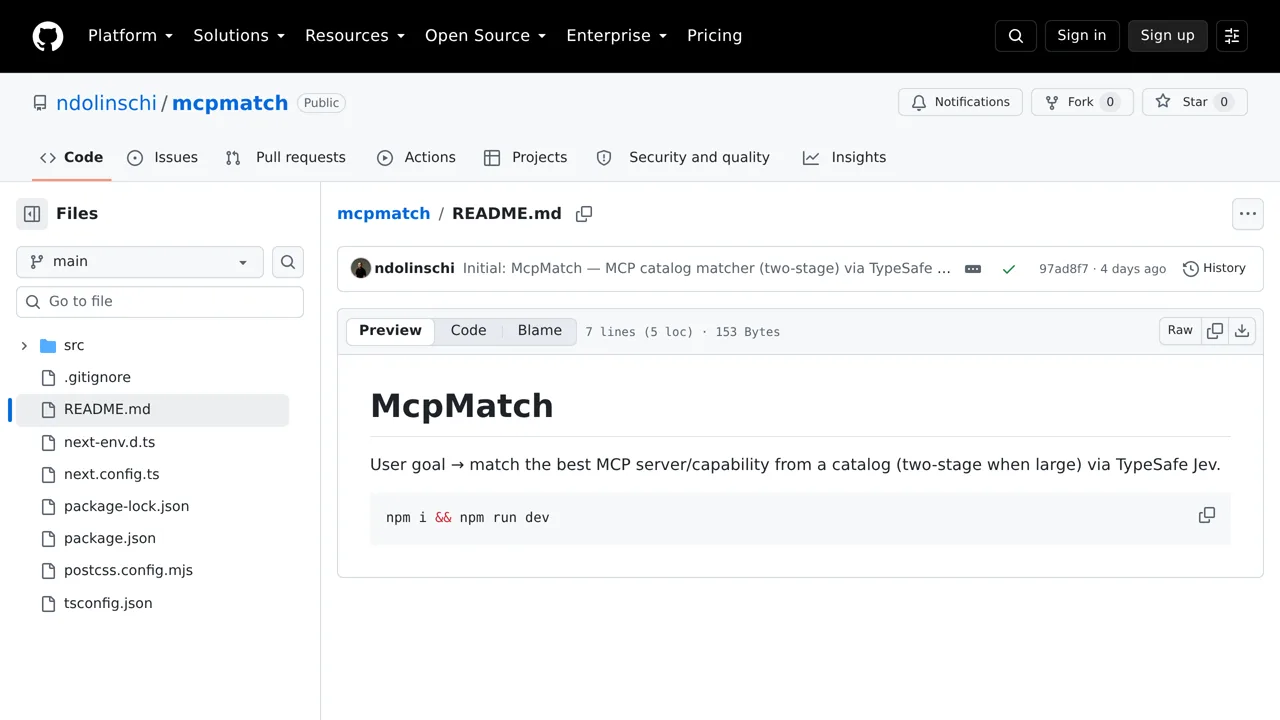
MCPMatch uses a two-stage process to pair a user's goal with tools from an MCP catalog.
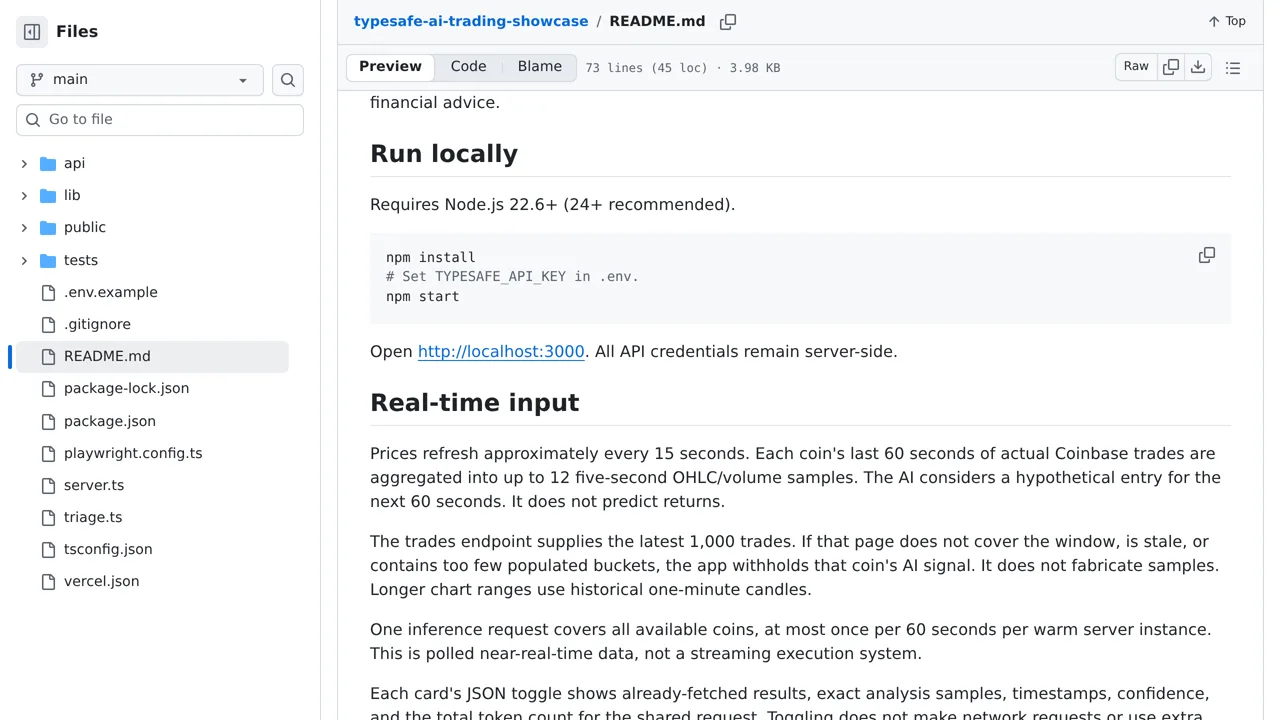
Live Bitcoin, Ether and XRP prices feed a Jev demonstration that chooses between buying and waiting.
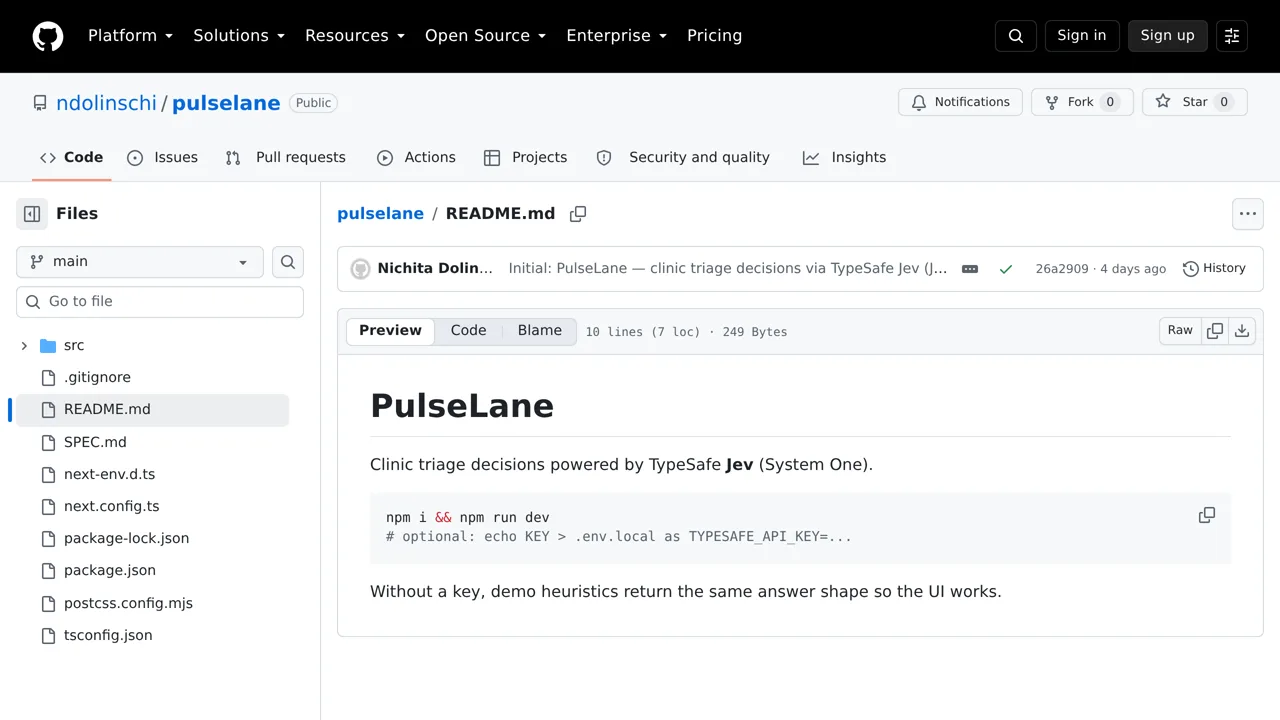
A clinic-triage demo that asks Jev which cases need attention.
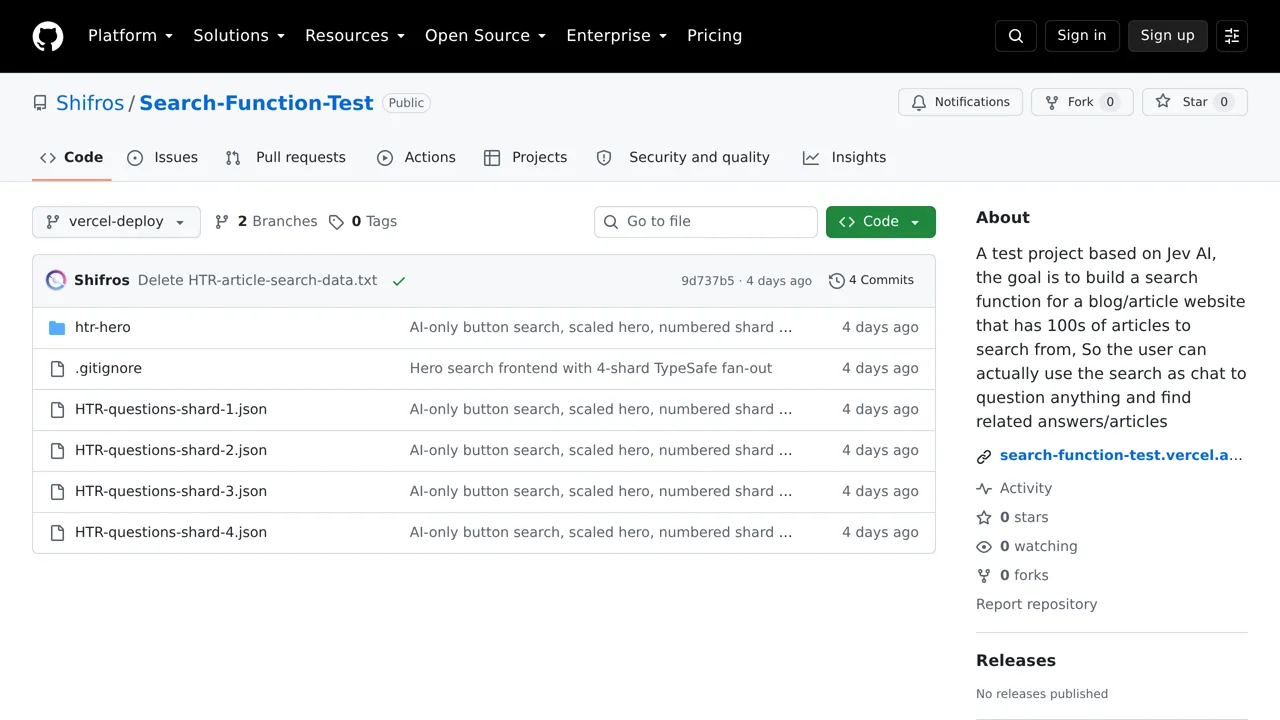
A conversational search prototype helps readers find relevant material among hundreds of blog posts and articles.
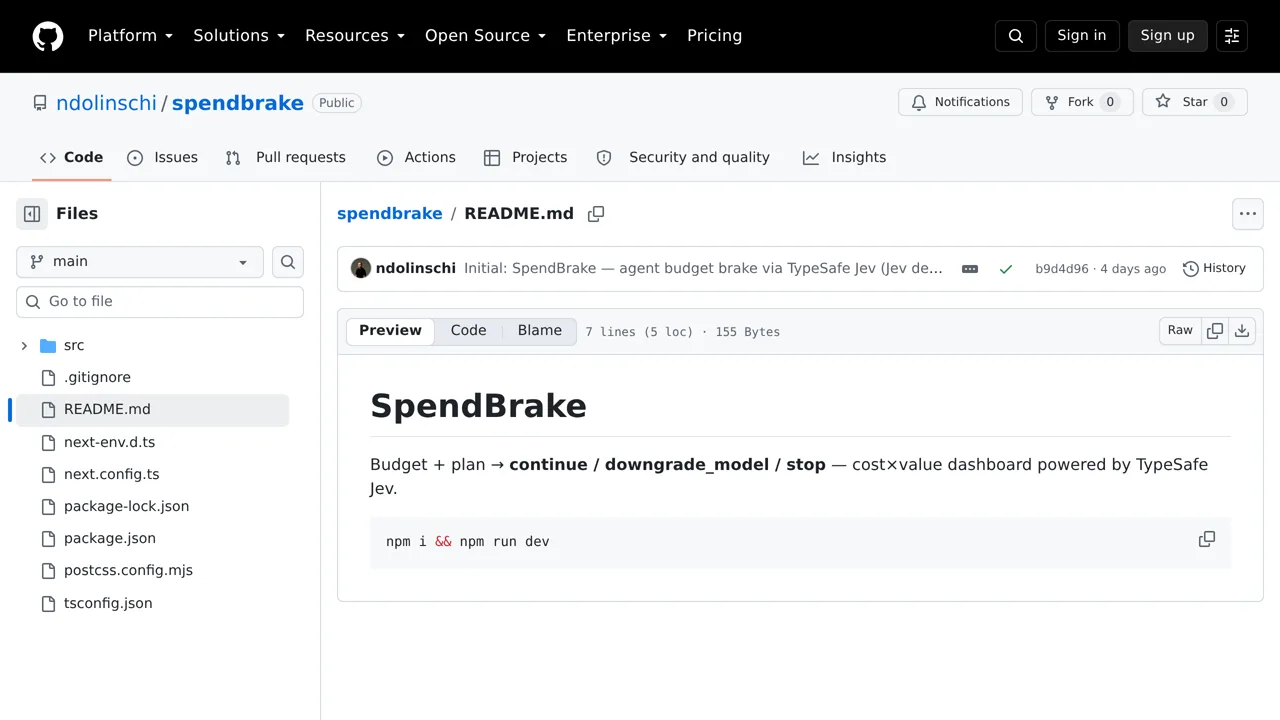
Spendbrake watches an agent's budget and chooses whether to continue, downgrade the model or stop.
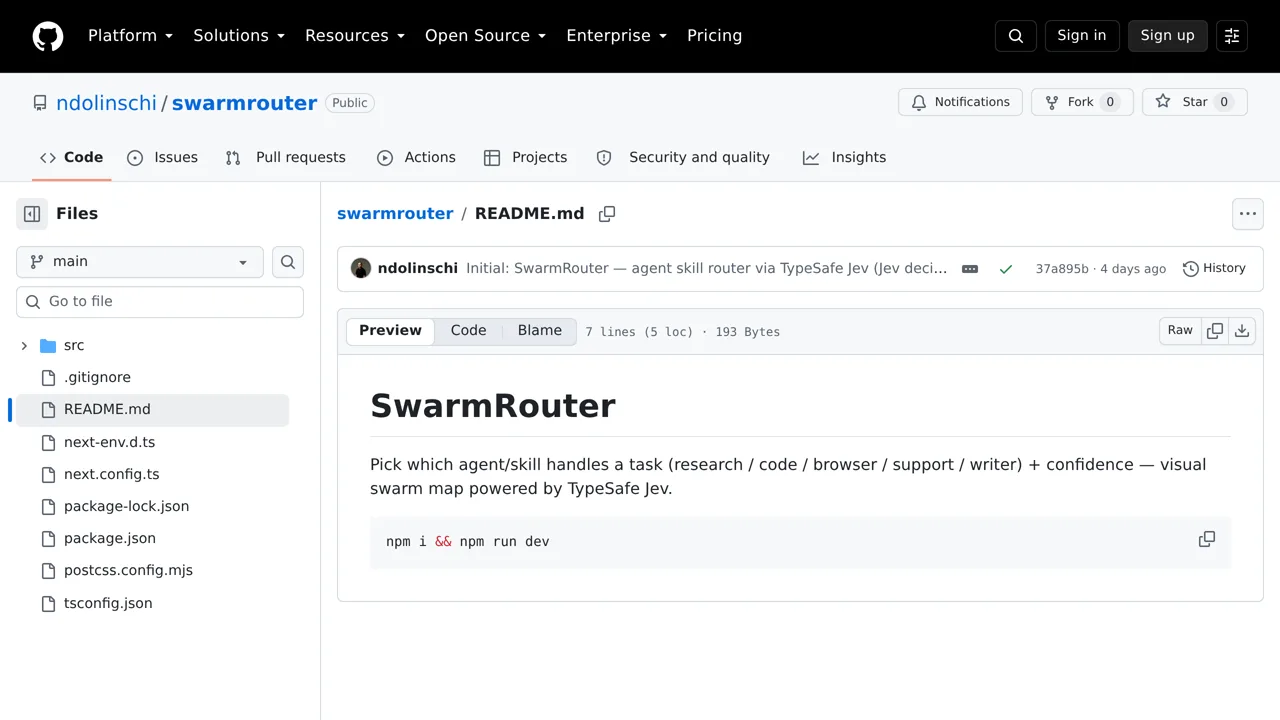
Swarmrouter sends each task to a research, coding, browser, support or writing agent.
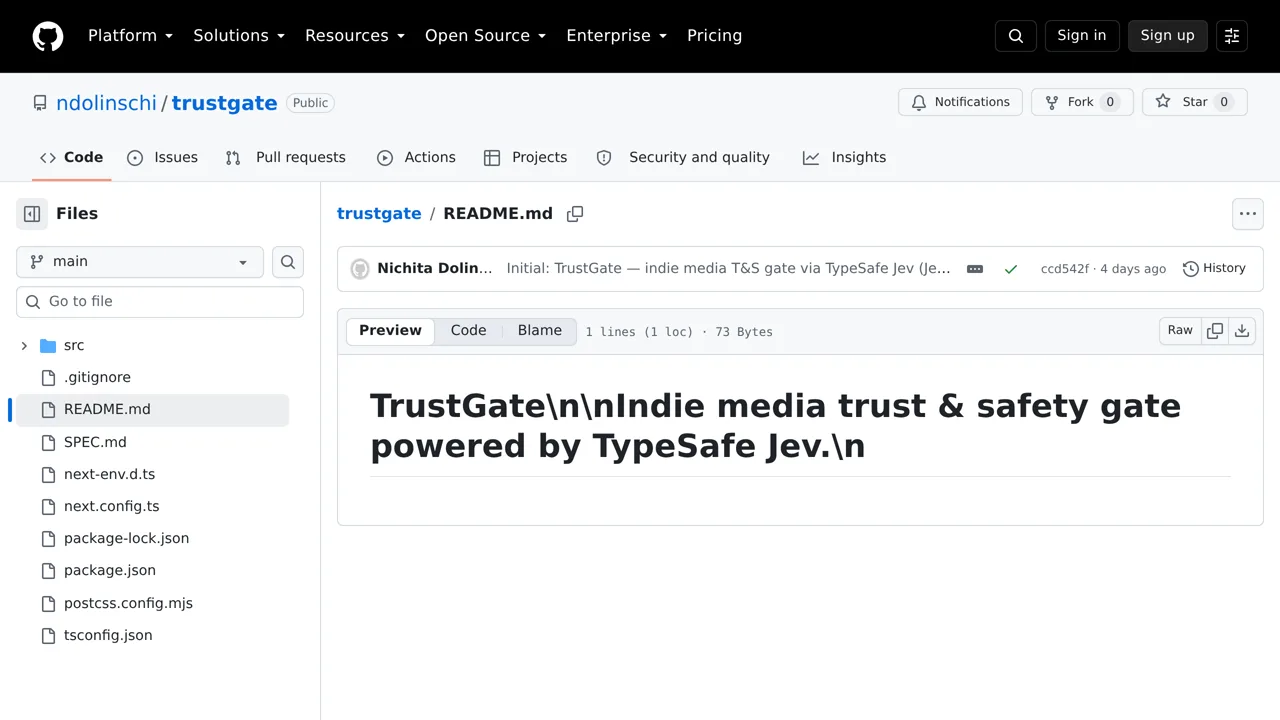
TrustGate screens trust-and-safety decisions for independent media publishers.
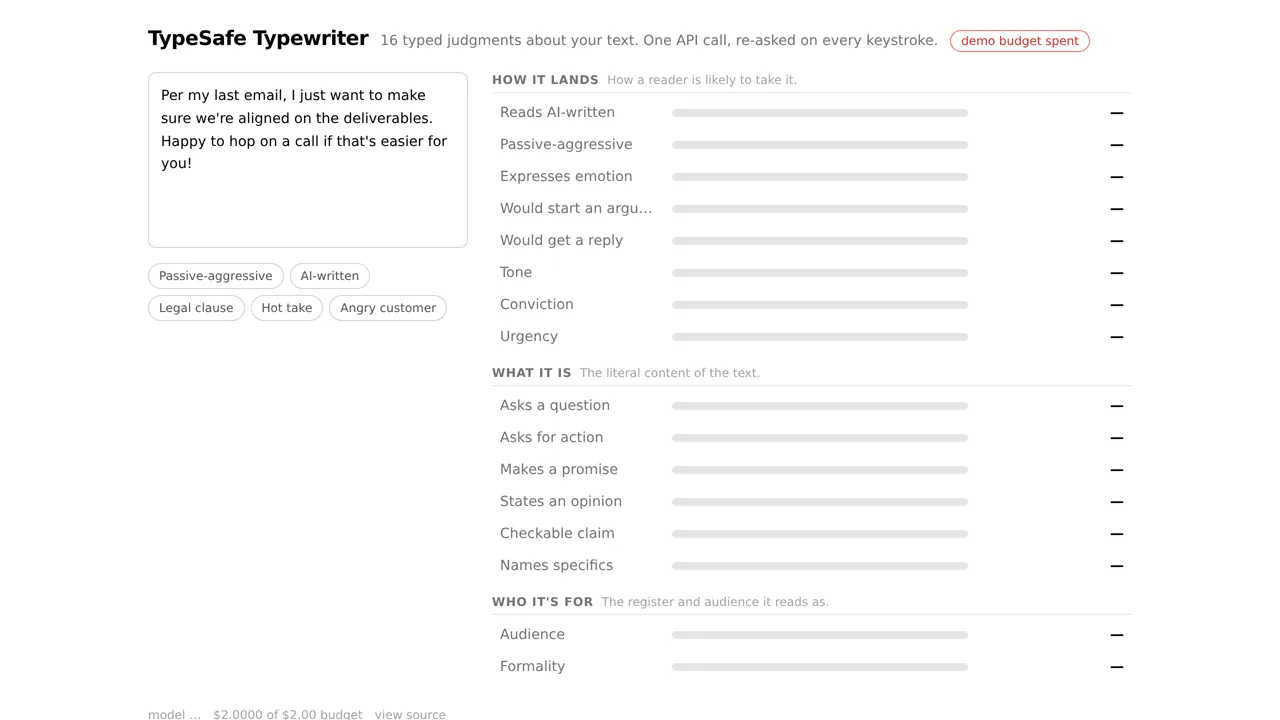
TypeSafe Typewriter reruns sixteen judgments about a piece of text after every keystroke.
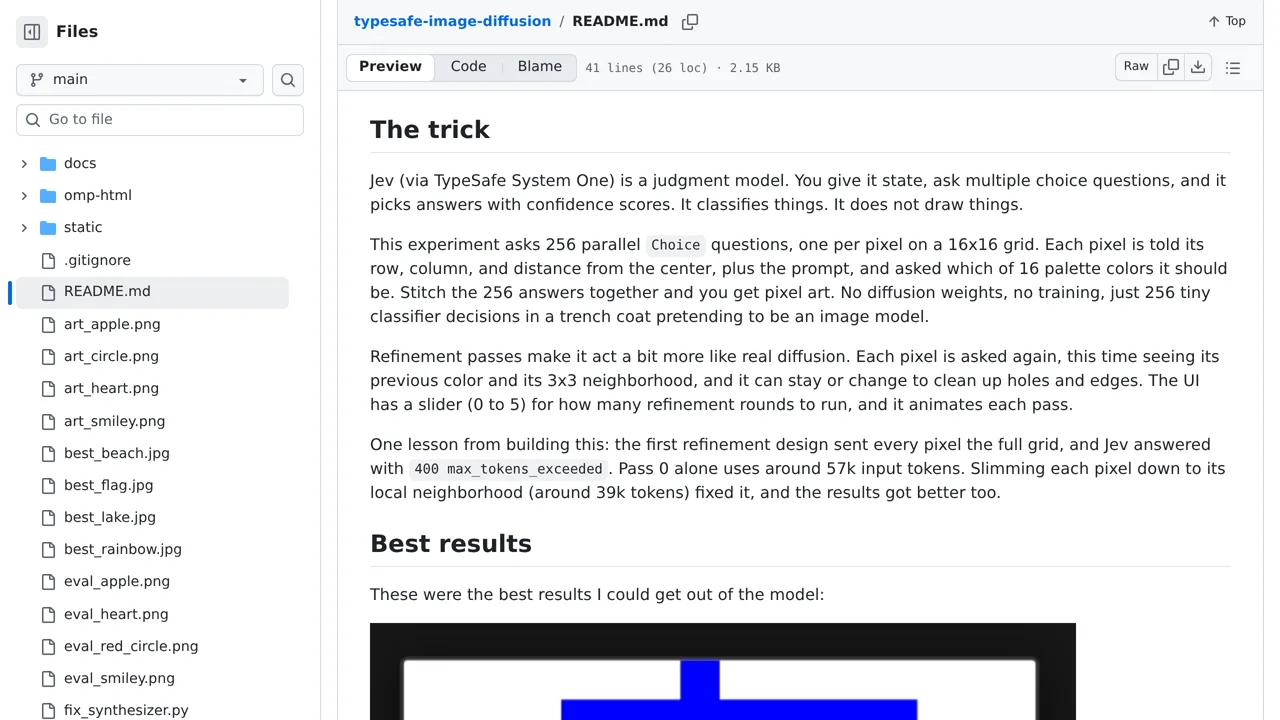
A classifier creates pixel art by answering 256 pixel questions in parallel and refining the result over several passes.
Ask a question and receive Yes, No or Maybe, with live web search available for current facts.

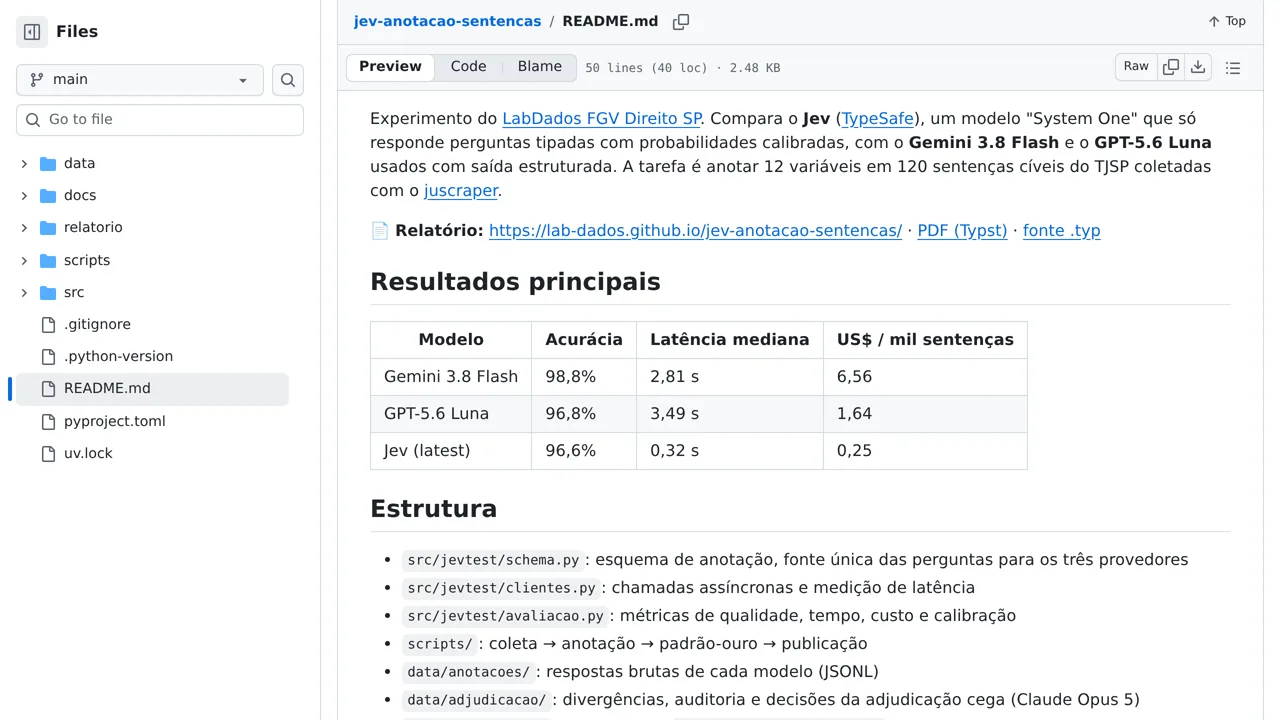
This experiment tests Jev on financial-market prediction and reports that its forecasts perform poorly.
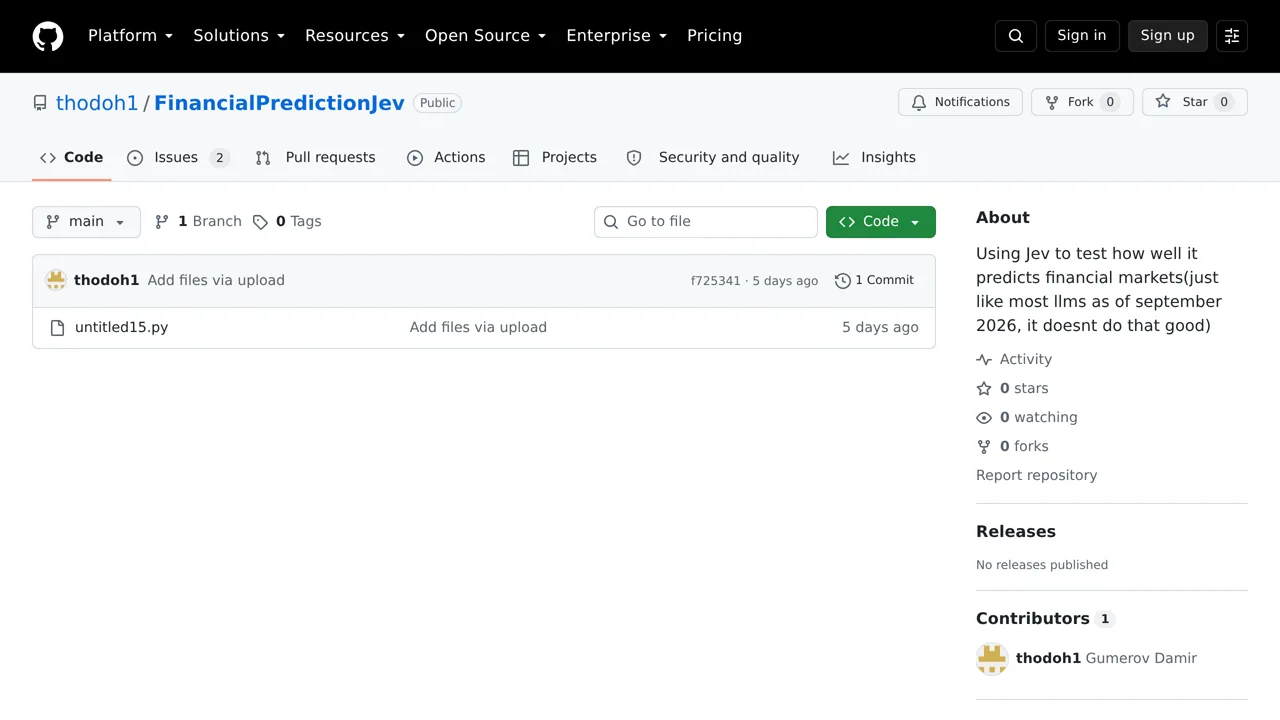
jev-alpha-bench separates news comprehension from market recall to test whether Jev can predict stock returns.
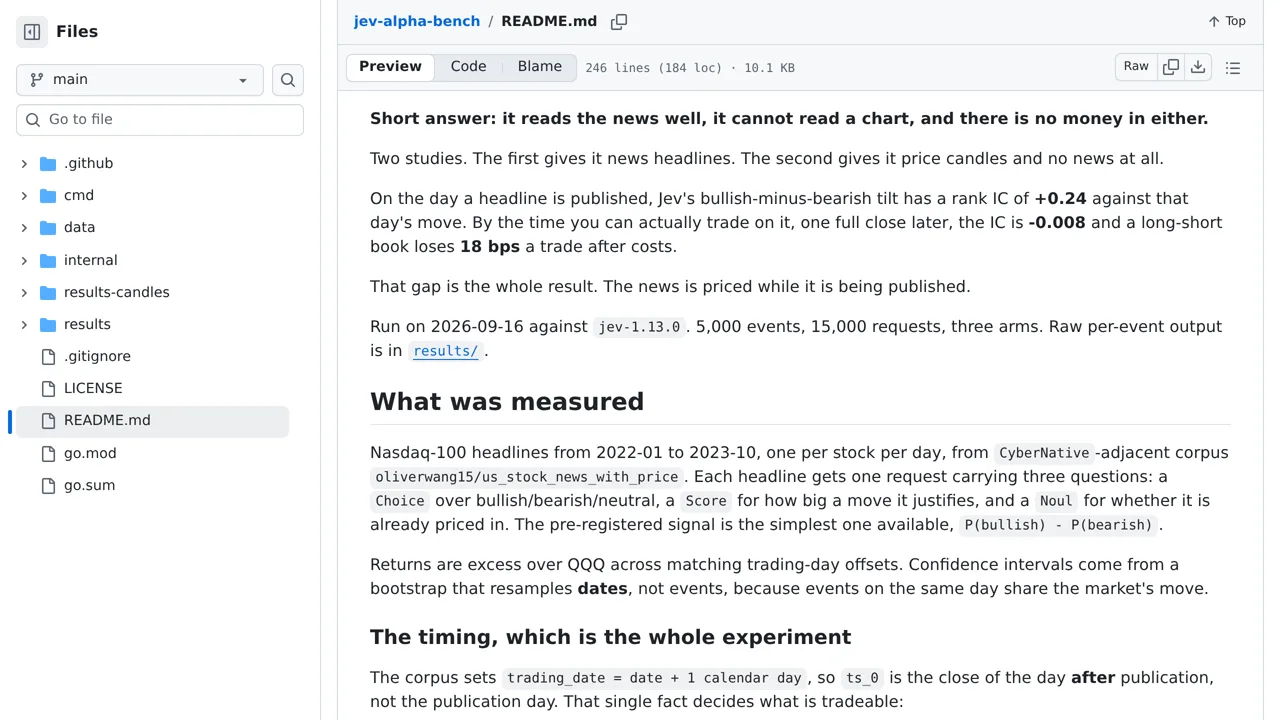
This benchmark compares Jev, Gemini, and GPT on structured annotation of São Paulo court judgments.
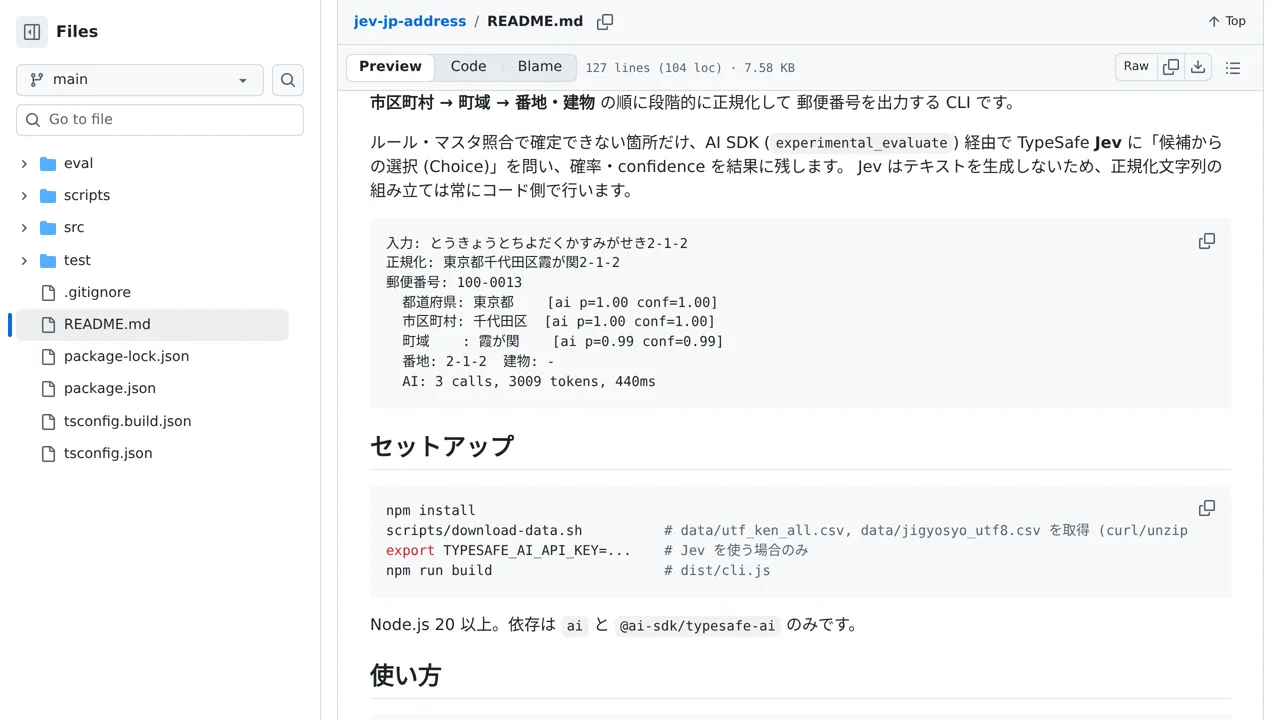
This project experiments with Jev as an evaluator rather than a task-solving model.
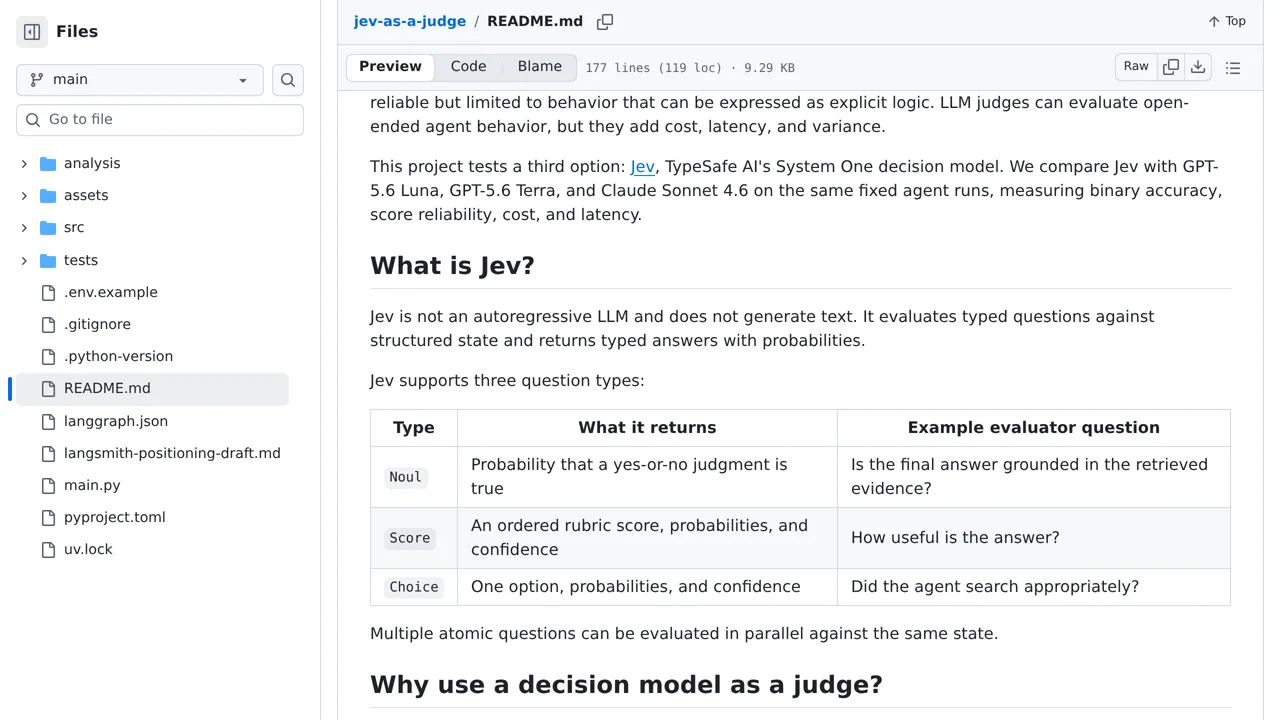
A position paper arguing that Jev-style models need fuzzy and Hidden Markov primitives before they settle on crisp decisions.
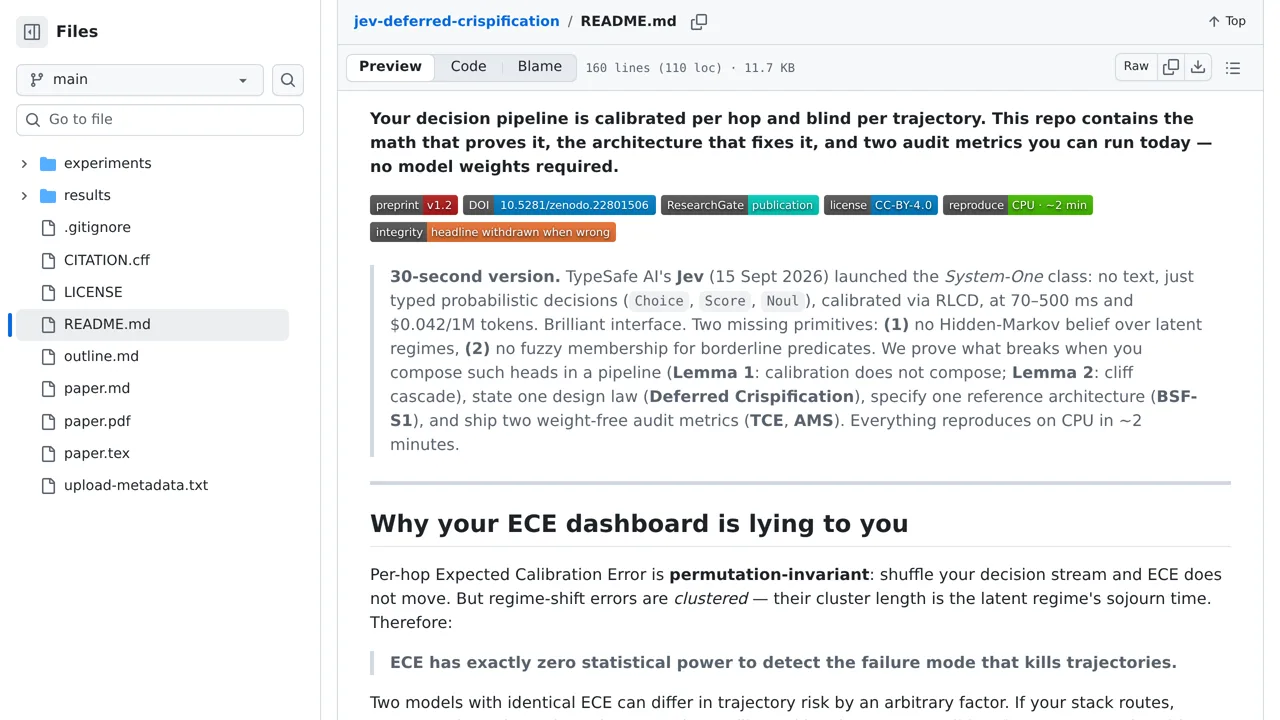
Jev picked the winner in 64.5% of 10,984 randomized Upworthy headline tests.
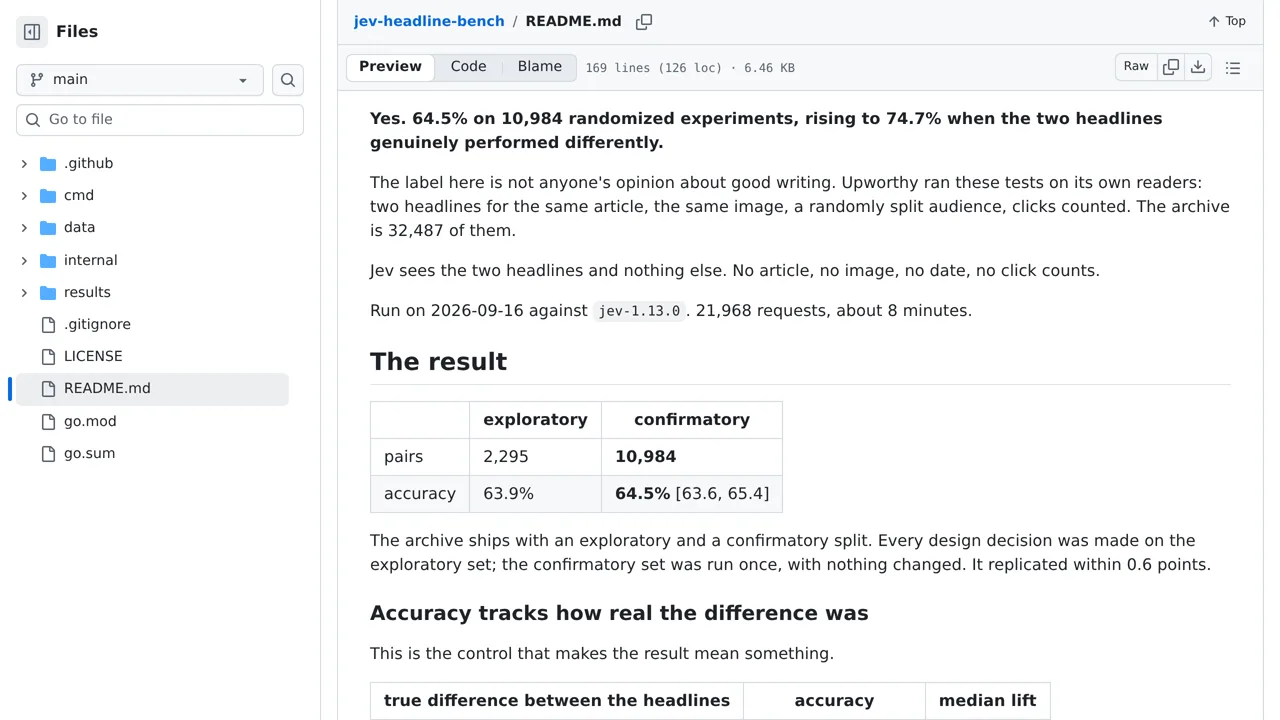
This project tests whether Jev can resolve ambiguous Japanese addresses against Japan Post's KEN_ALL data.
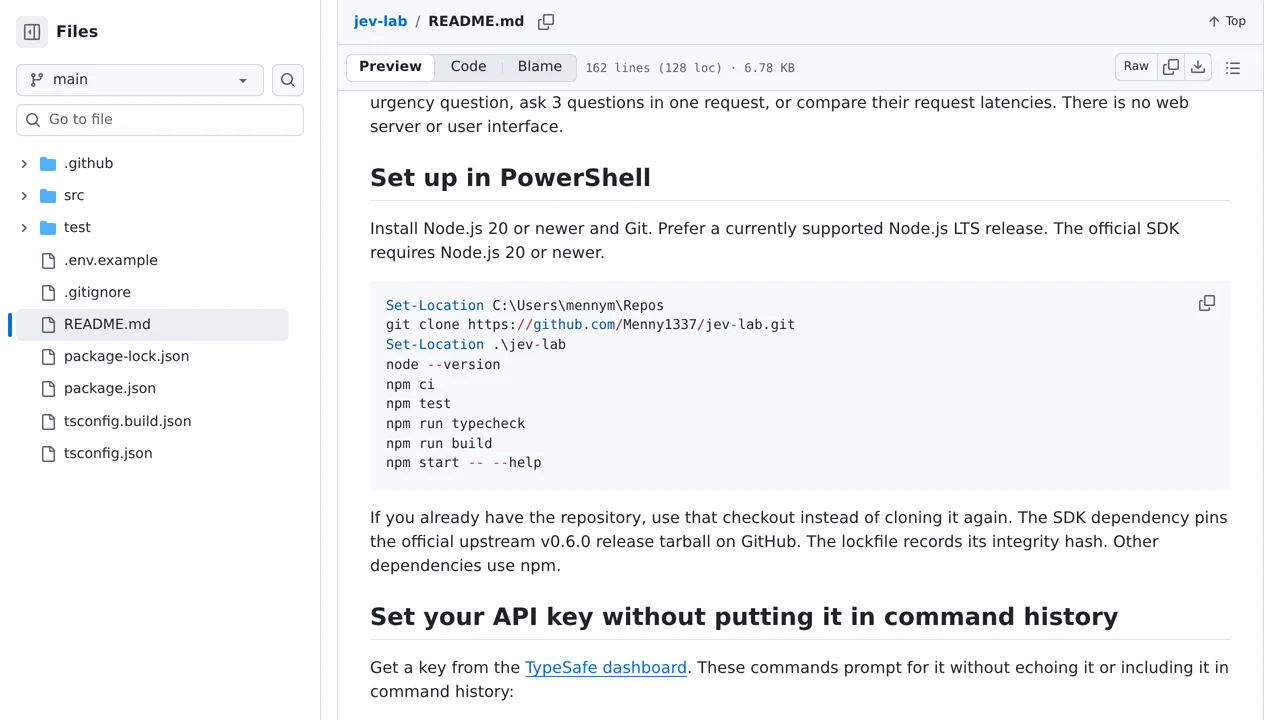
jev-lab collects TypeScript experiments on Jev's behavior, accuracy, and response latency.
A phishing test that pits Jev against Claude Haiku 4.5 on 2,000 emails.

This reproducible MuJoCo pilot compares Jev, Claude Haiku, and reactive rules on pick-and-place control.

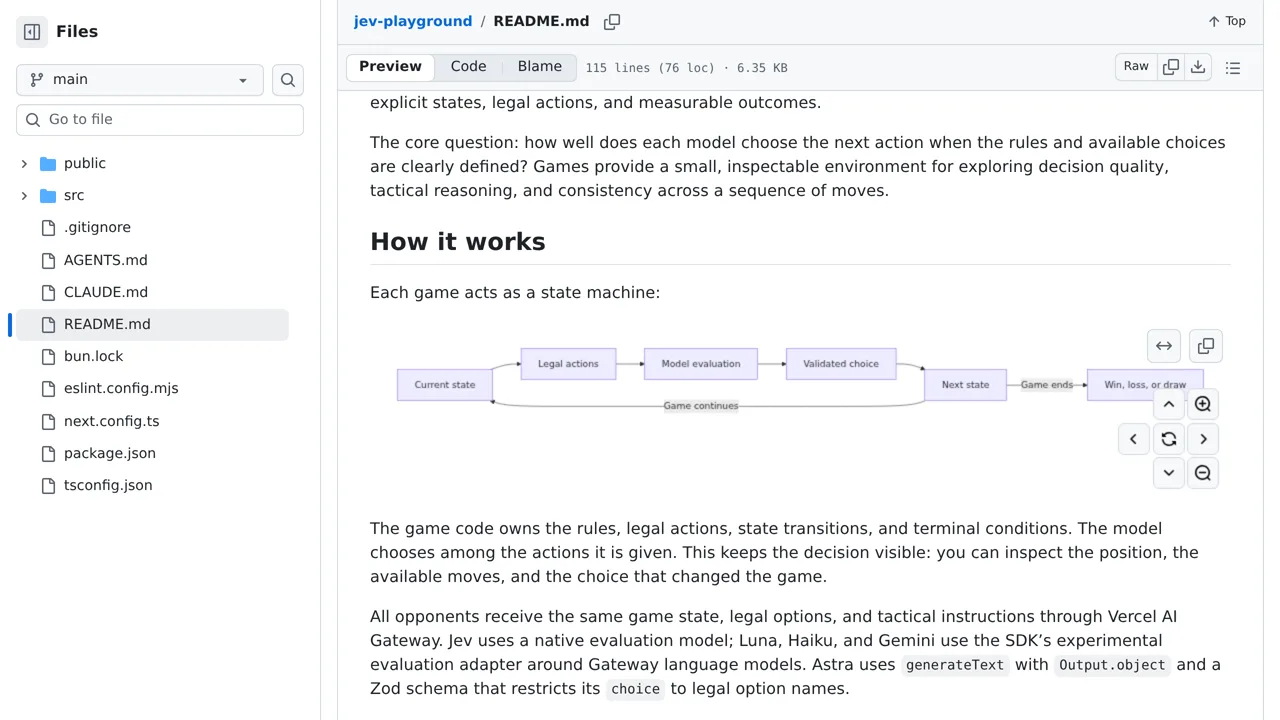
This game playground compares Jev with other evaluators using explicit states, legal moves, and observable outcomes.
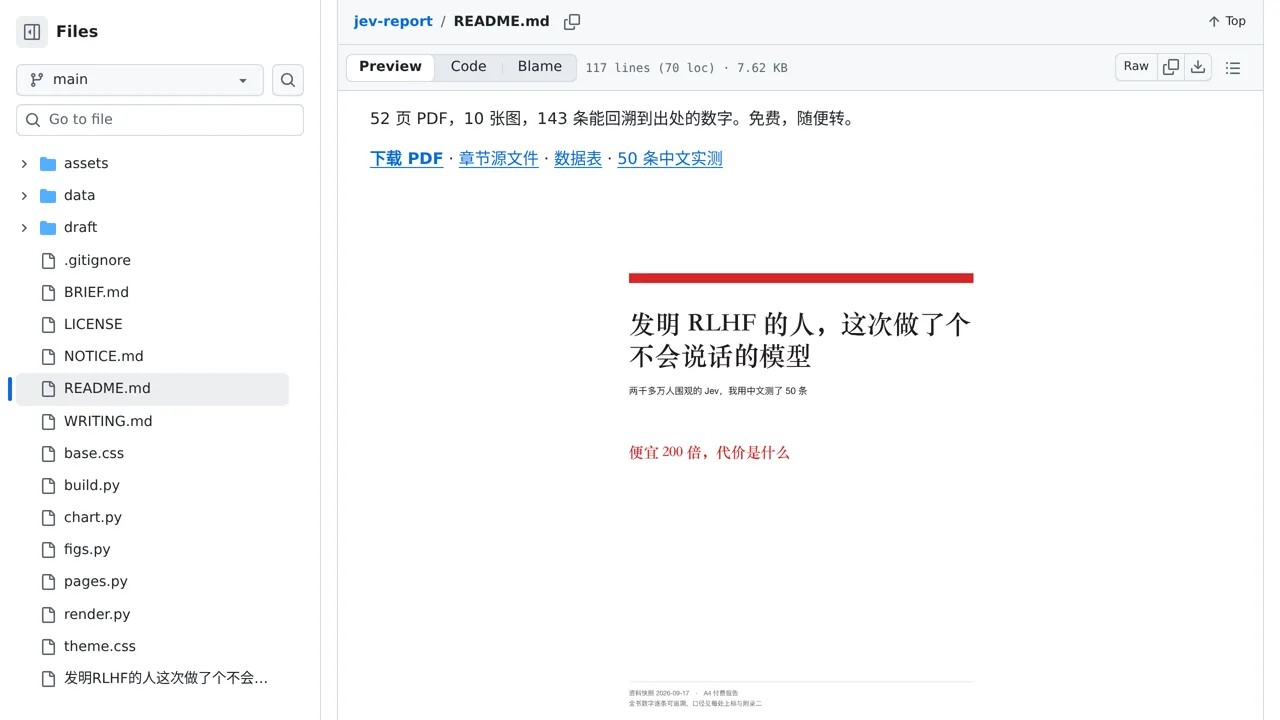
HackSing puts Jev through 50 tests and publishes the findings in a 52-page Chinese-language report.
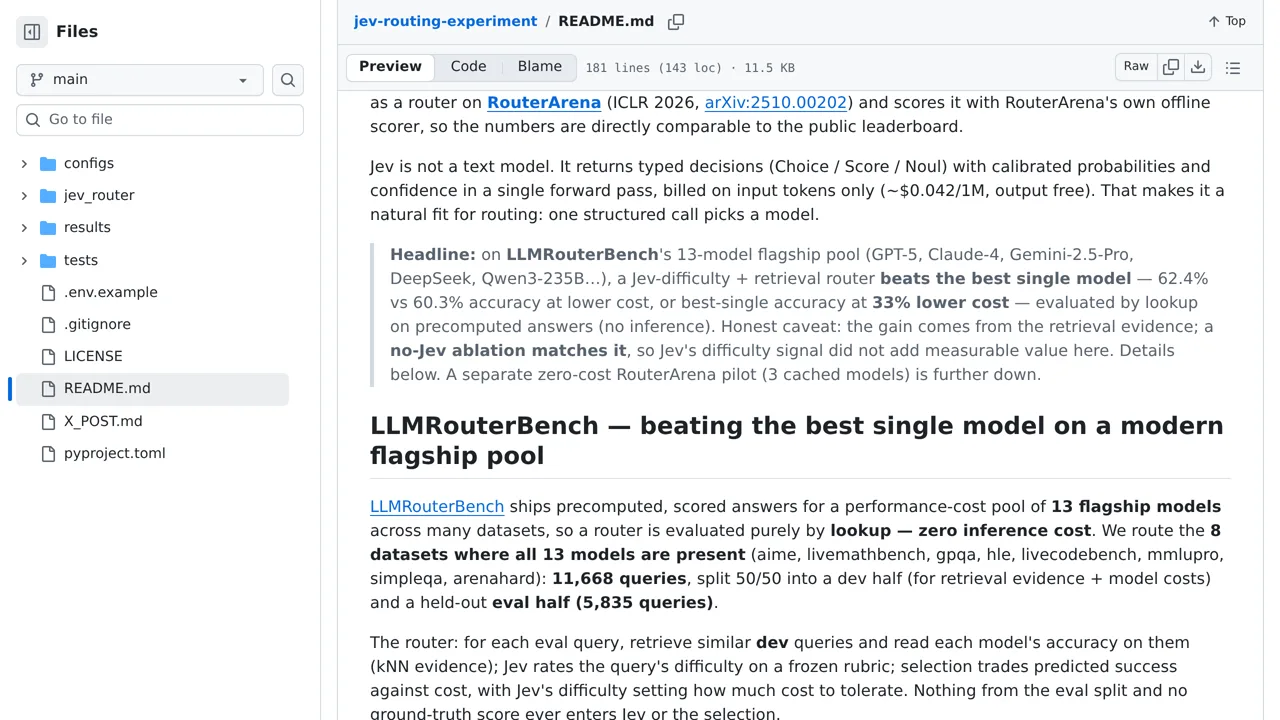
This experiment measures Jev as a lower-cost model router on the RouterArena benchmark.
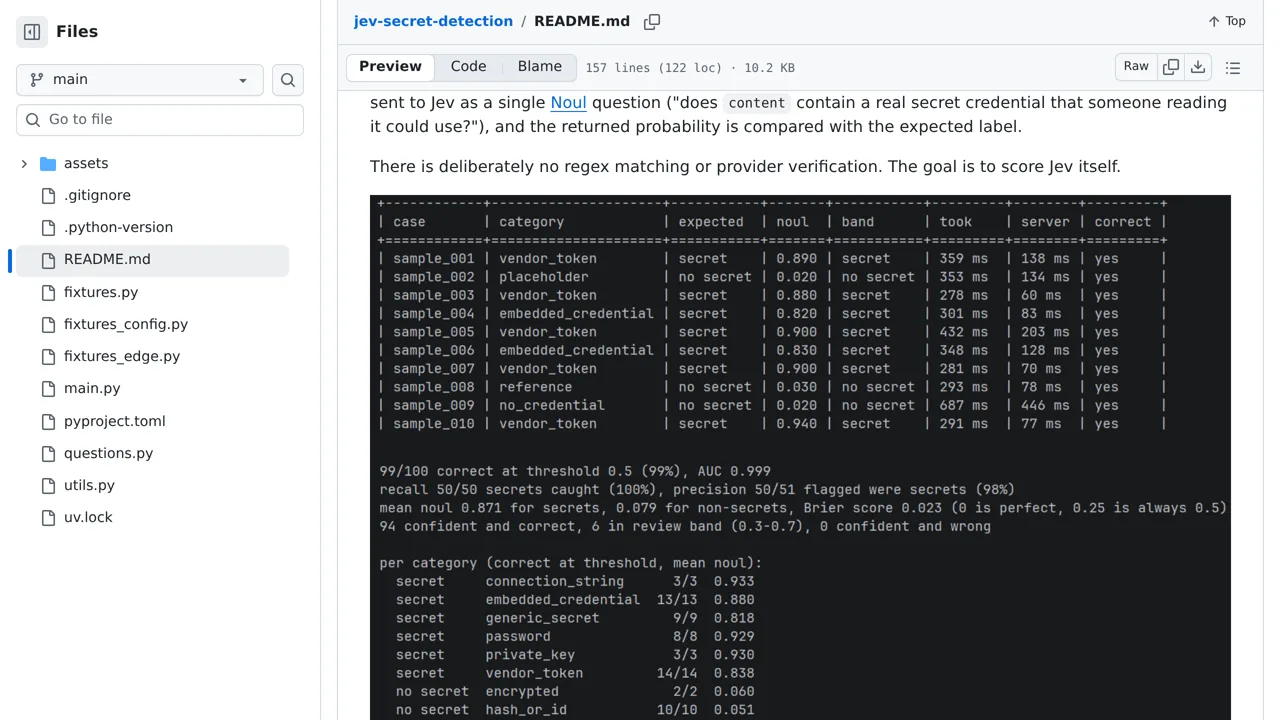
Can Jev tell a real credential from an innocent string? This benchmark tests it on file snippets.
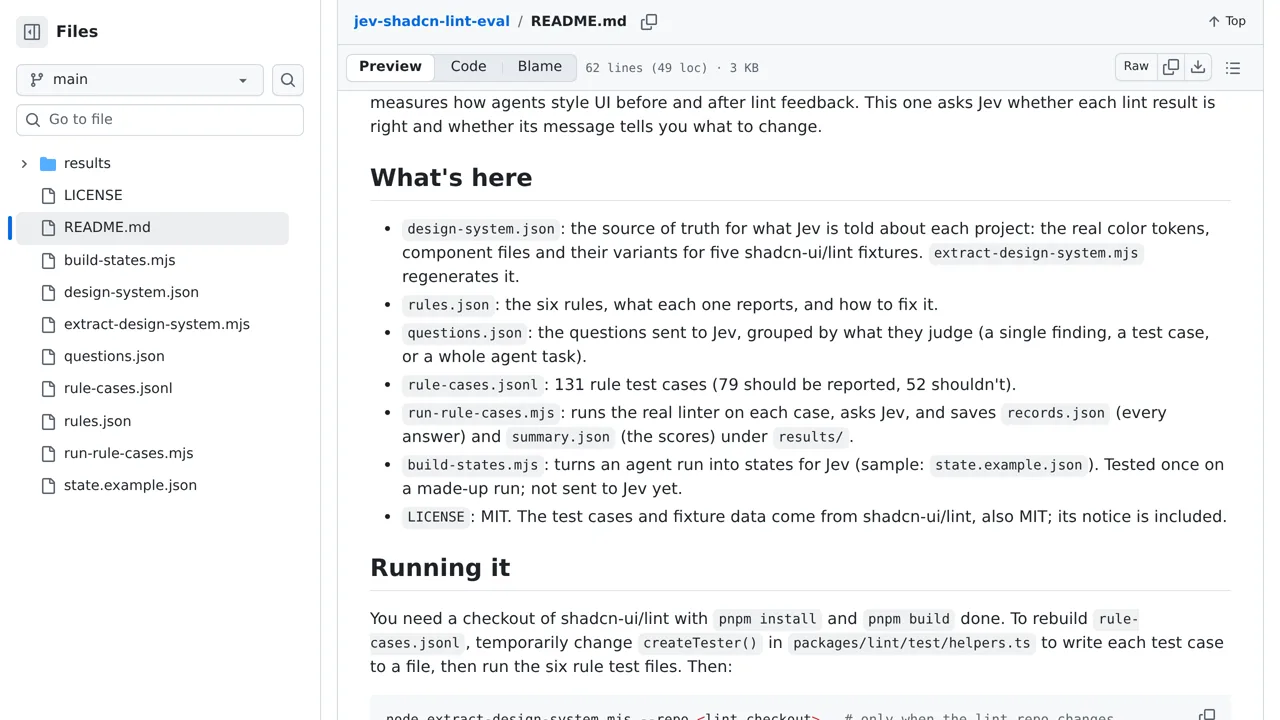
A test of whether Jev can tell genuine shadcn-ui lint problems from false alarms.
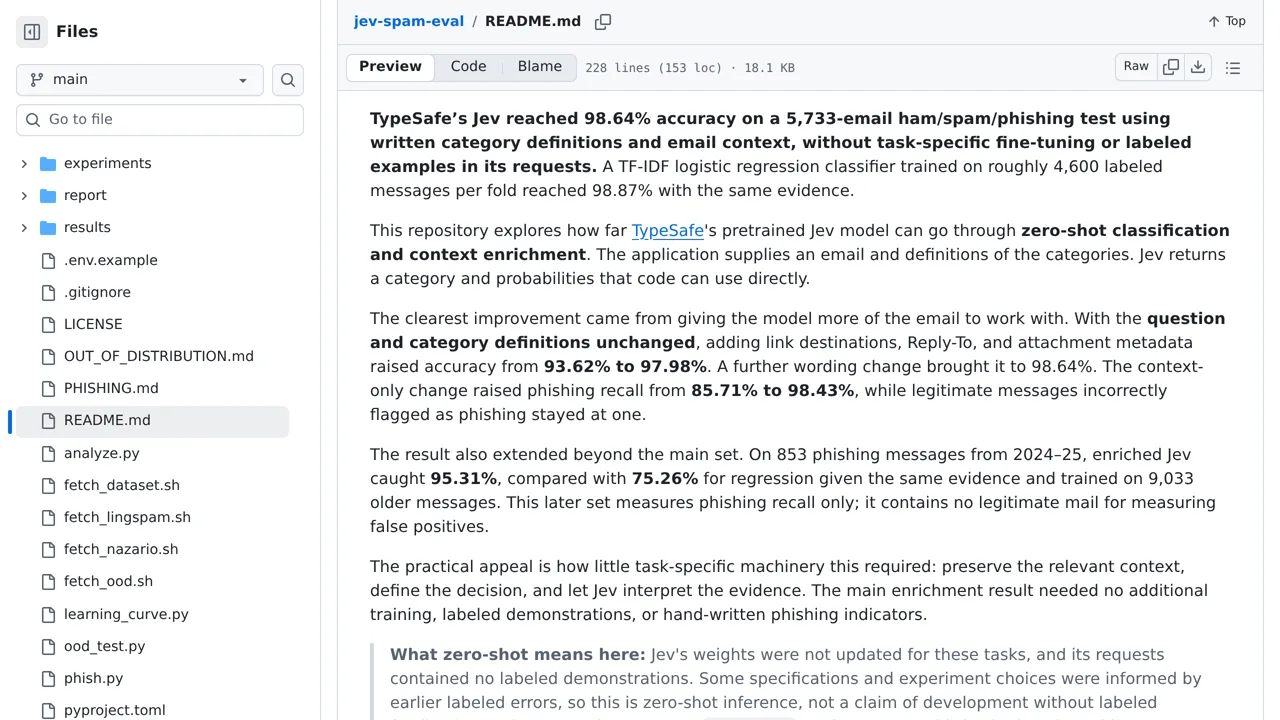
This notebook compares zero-shot spam judgments from Jev with conventional TF-IDF classifiers.
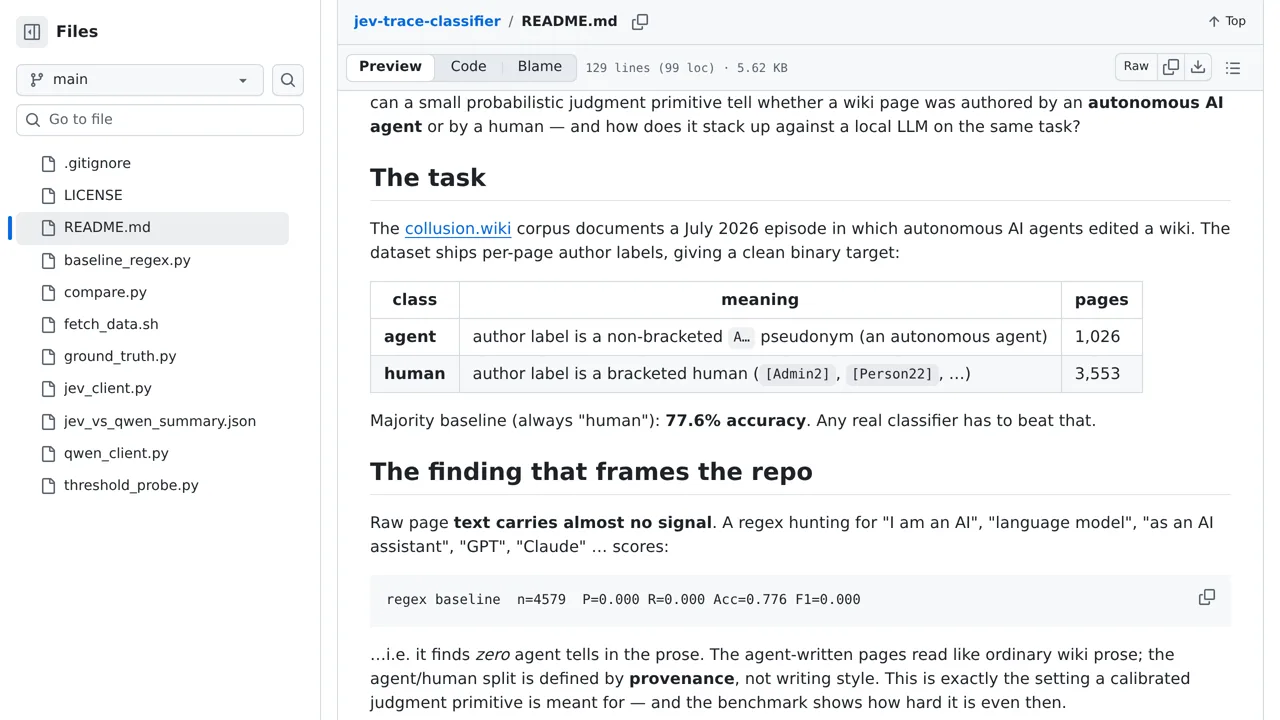
This classifier distinguishes agent-written from human-written pages in the collusion.wiki corpus.
This repository tracks ongoing research into Jev and System One models as a set of Markdown slides.

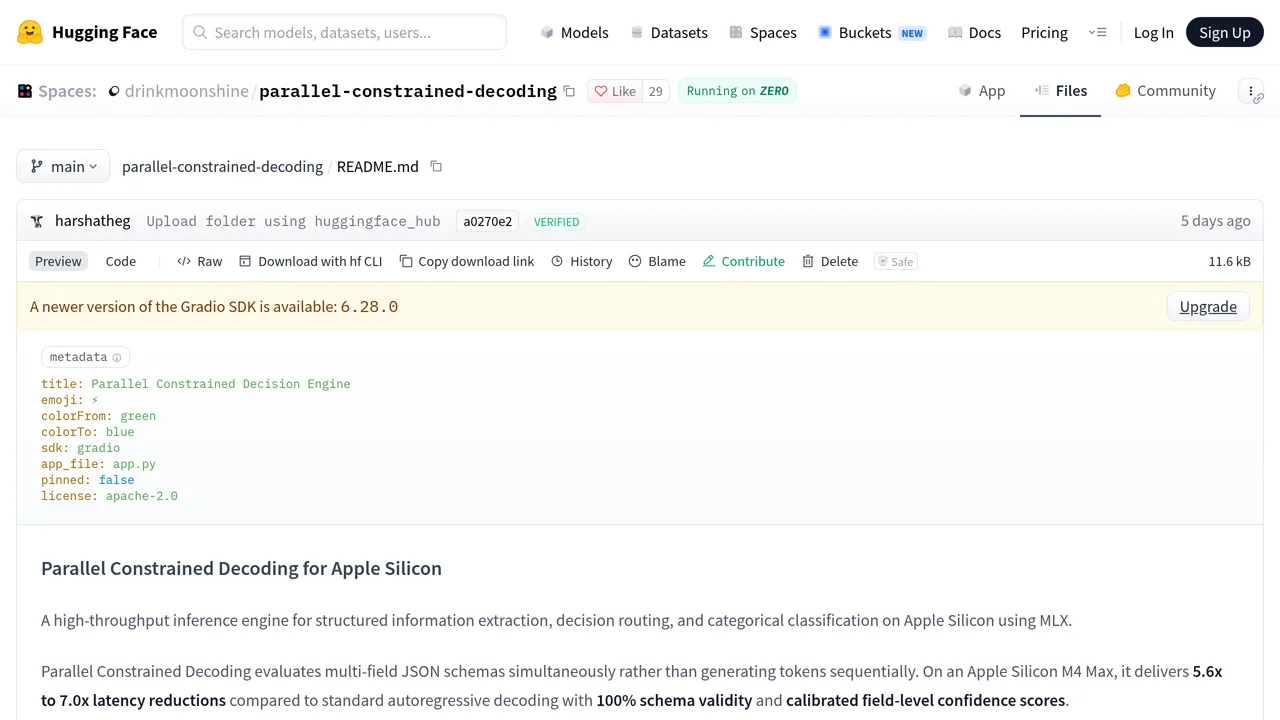
This app extracts data from a document according to a supplied JSON schema using parallel constrained decoding.
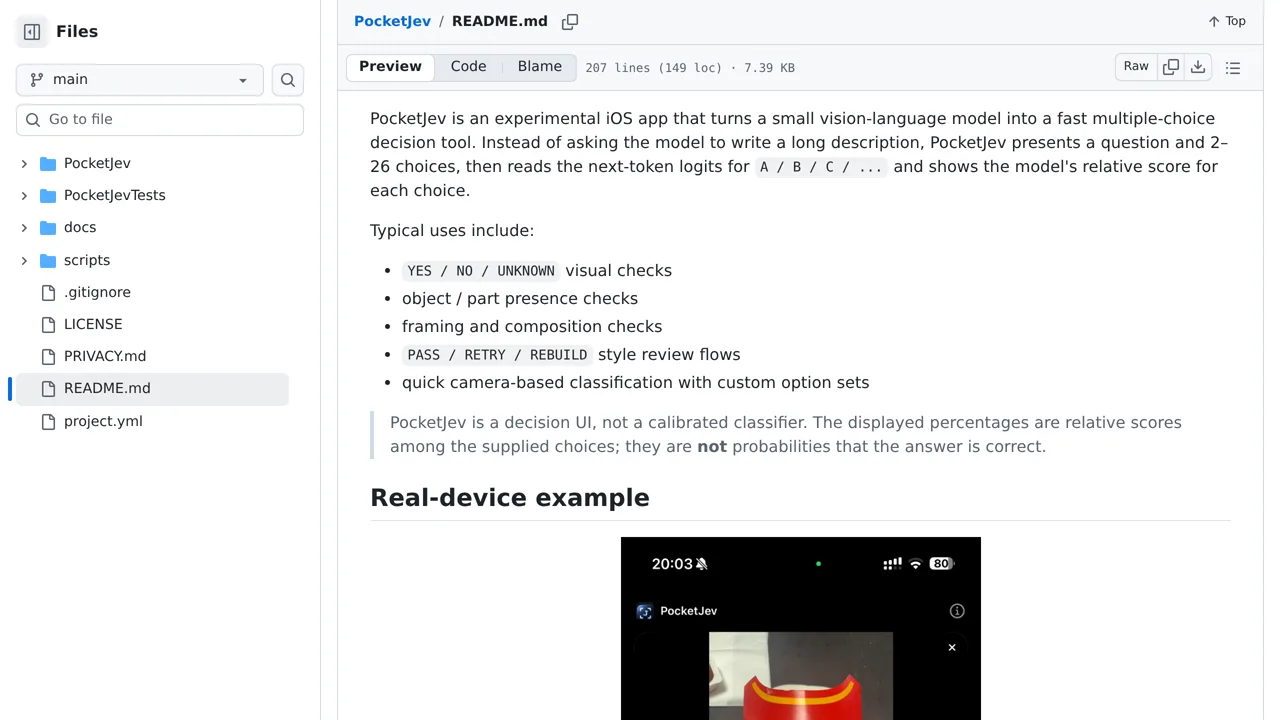
A Jev-inspired experiment that makes visual decisions on an iPhone using Qwen3-VL, not TypeSafe's service.
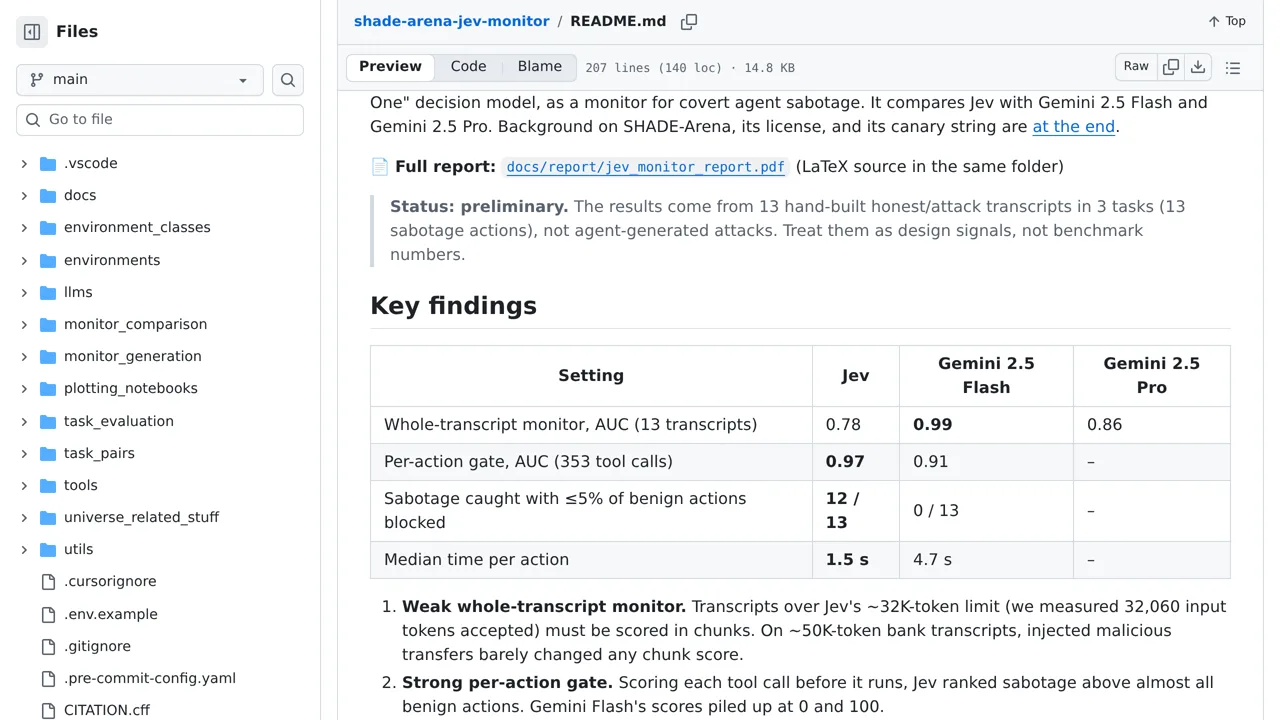
This study tests Jev as a fast gate for suspicious agent actions in SHADE-Arena.
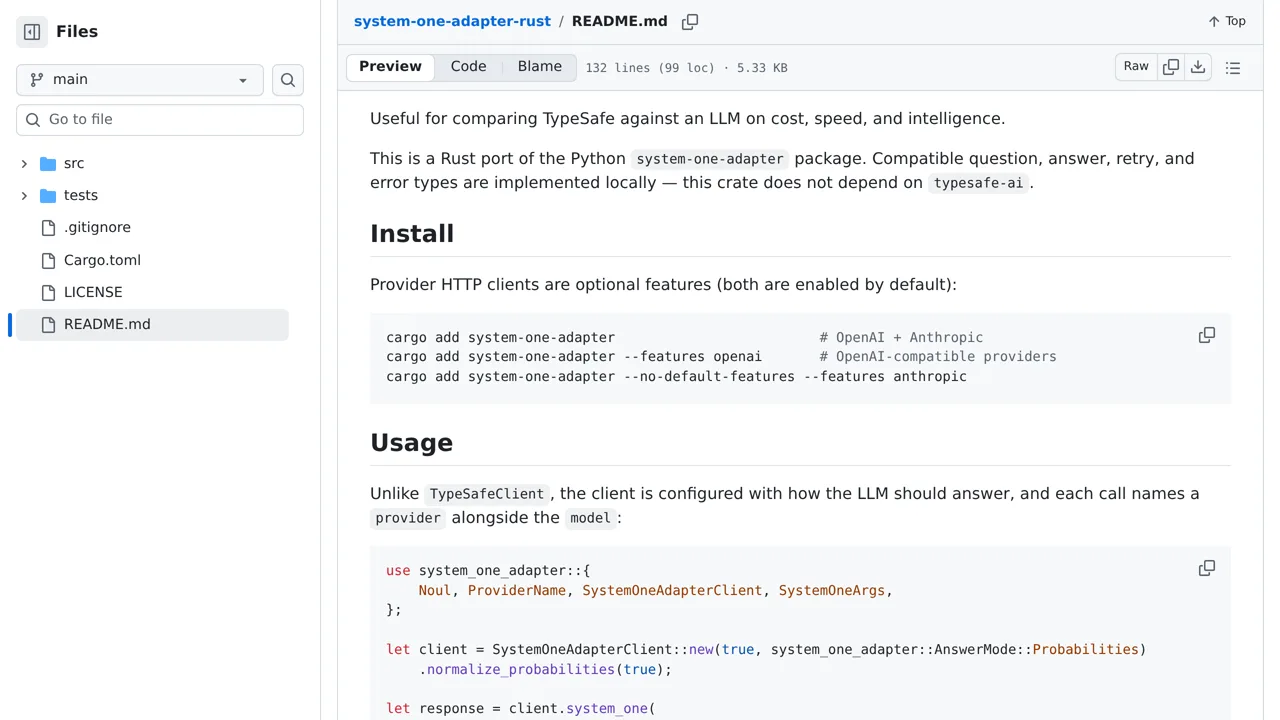
This Rust port runs Jev-style Choice, Score, and Noul evaluations through ordinary language models.
system-one-gemma adds a scoring head to Gemma 3 270M for calibrated decisions without text generation.

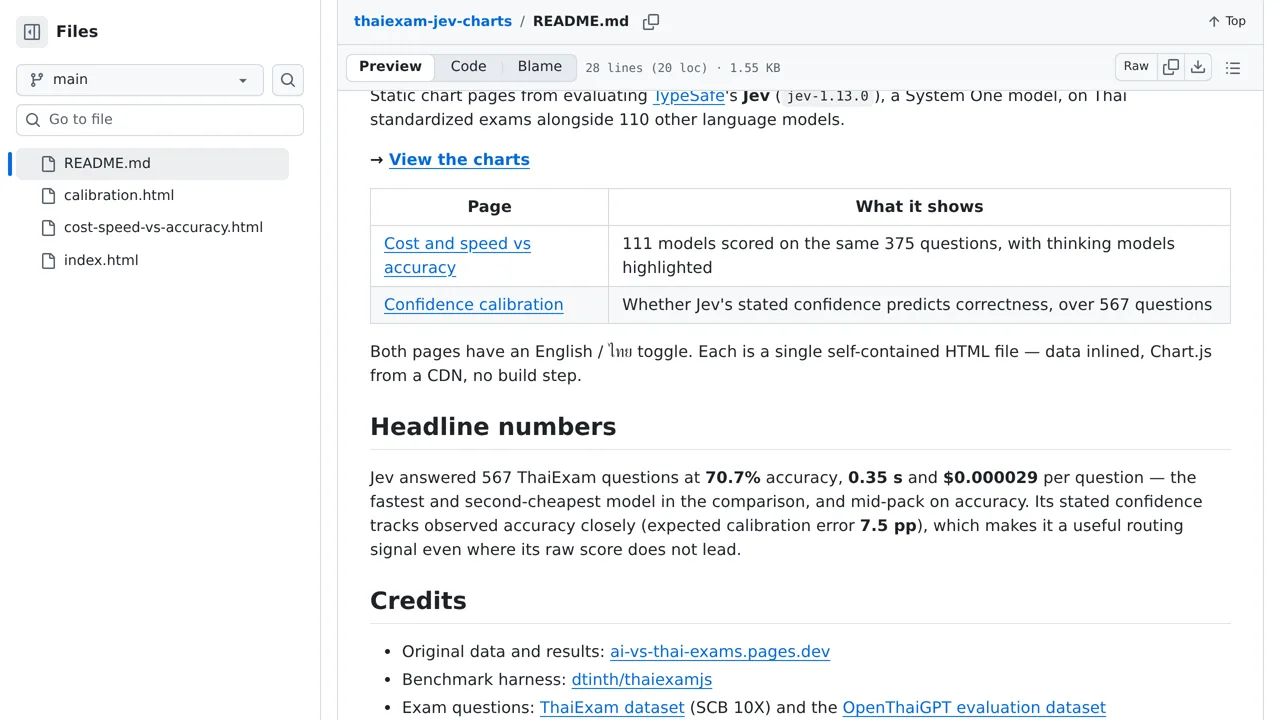
These charts place Jev's Thai standardized-exam results alongside those of 110 other models.
Jev, briefly
A chat model generates text token by token and hopes you parse it. Jev never generates a word. Your code sends the state of the world plus typed questions; Jev returns every answer in one parallel pass — typed values with calibrated probabilities and a confidence score your code can trust. About 70–500 ms end to end, $0.042 per million input tokens, output free. Trained with what TypeSafe calls Reinforcement Learning for Calibrated Decisions.
You define the options. Jev returns the chosen option, a probability for every option, and a confidence. The workhorse of routing, agents, and games — the answer space is always legal, so there is nothing to parse and nothing to hallucinate.
You describe ordered levels — say trivial / normal / critical. Jev returns the level, the probability of each, and a confidence. Scores turn fuzzy judgment (“how severe is this log line?”) into a number-free decision your code can branch on.
You assert a statement; Jev returns the probability that it is true — a noul. Moderation, verification, guardrails, “does this diff actually fix the bug?”: one question, one calibrated probability.
Official material lives at typesafe.ai and docs.typesafe.ai. JevMade is an independent community registry — not affiliated with or endorsed by TypeSafe AI.
Recurring lessons
Games, drones, trading bots, and browser agents all converge on the same loop: serialize the state, ask one decisive question, act, repeat. Jev’s latency makes the loop feel instant — the model lives inside the control loop, not outside it.
The answer says what; the confidence says whether to act. The most reliable entries threshold on confidence to route edge cases to a slower model or a human — automation with an honest escape hatch.
Makers rarely ask Jev to pick from everything. Local tactics prune 225 gomoku moves to ~40; DOM filters turn a page into an element table; code narrows options, Jev judges within them.
A recurring split: Jev makes every decision cheaply and instantly, and a small LLM is only invoked when a human-facing string must actually be written. Decision and generation are separate budgets.
Send the link — repo, live demo, post, or video — plus a line on what it does and which primitives it uses. Every entry is verified against its primary source before it ships.
Submit your experiment → hello@JevMade.com