Read & learn
Guides.
Understand Jev, one idea at a time. Walkthroughs, recipes, and writeups — our notes first, the original next.
A public registry · independent & community-run
Learn, build, and play with Jev — from deep technical guides to creative experiments.
Read & learn
Understand Jev, one idea at a time. Walkthroughs, recipes, and writeups — our notes first, the original next.
Make & explore
See what builders made with Jev. Games, tools, repositories, articles, and more — traced to their sources.
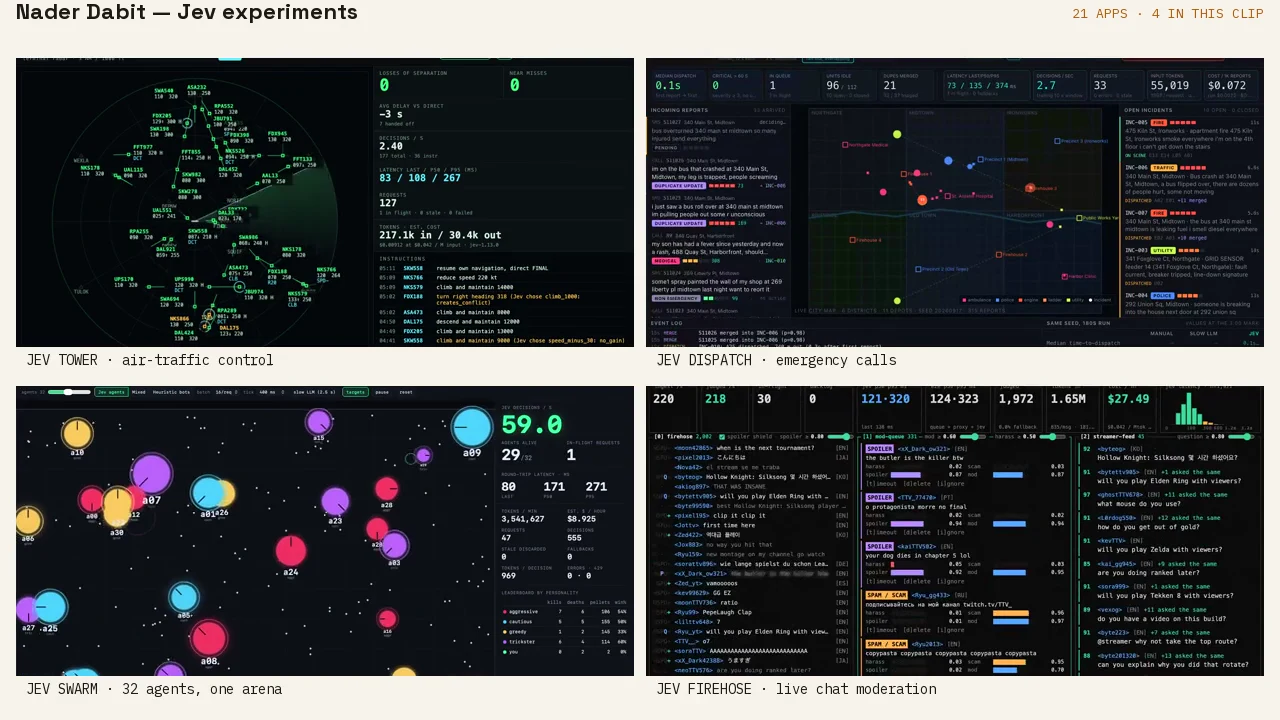
Every category, from games and tools to repositories and writeups, traced to a primary source.
Same ideas.
Different paths.
This is the full registry, not just the featured picks. Figures like speed, cost, and stars are maker-reported or captured snapshots, not JevMade measurements.
1507 experiments · showing 121–180
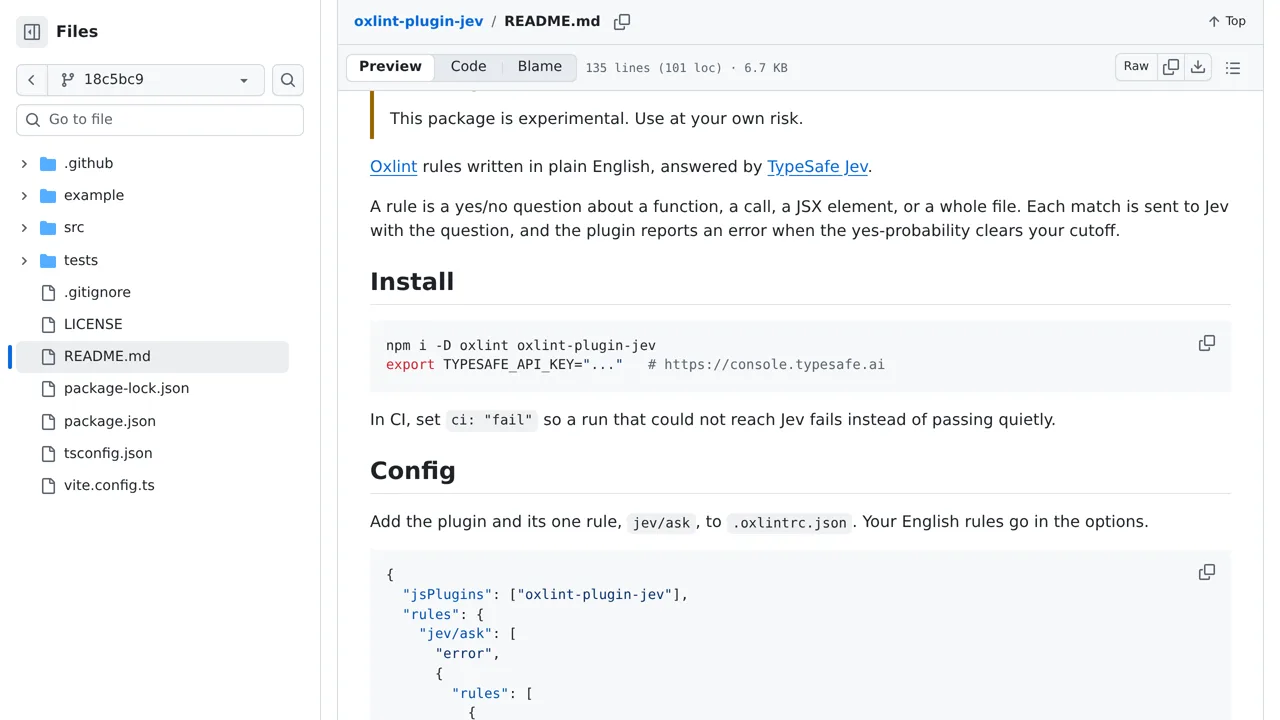
Add plain-English rules to Oxlint and have Jev flag the code that appears to break them.
Run an open Thai-and-English decision model that answers Jev-compatible typed questions in one forward pass.

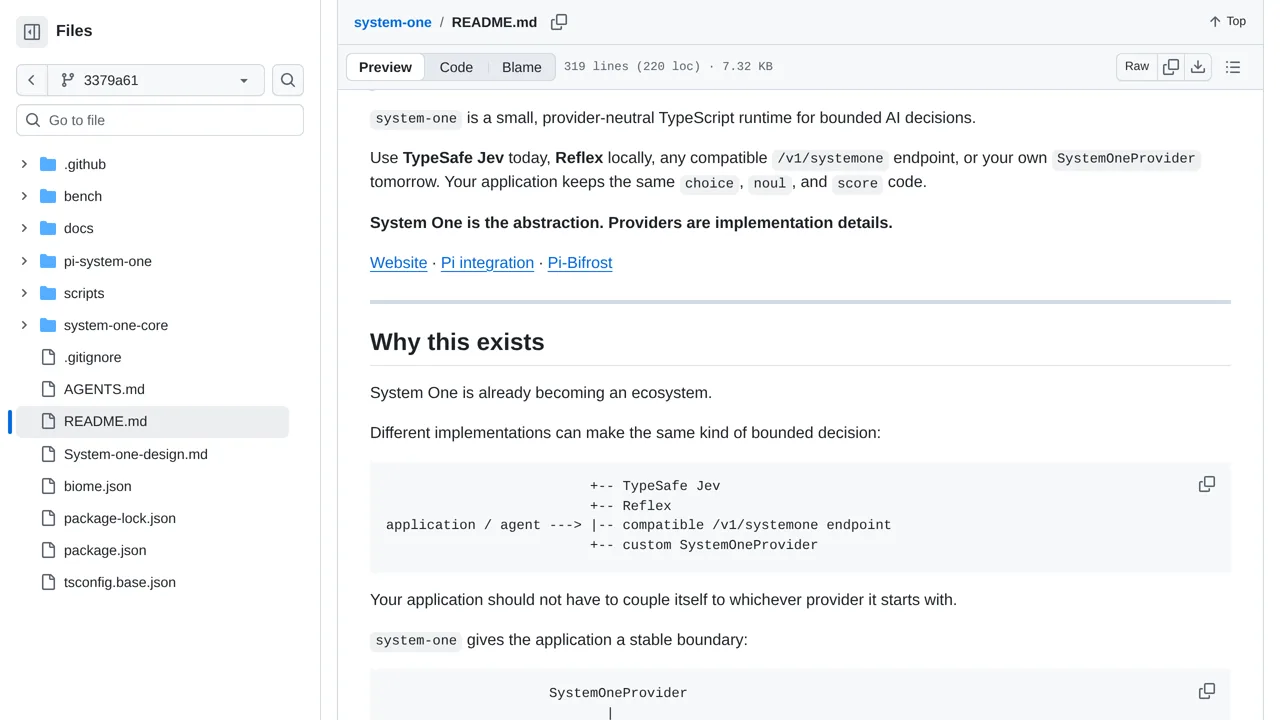
A provider-neutral TypeScript runtime keeps bounded decision code stable across Jev, Reflex, compatible endpoints, and test doubles.
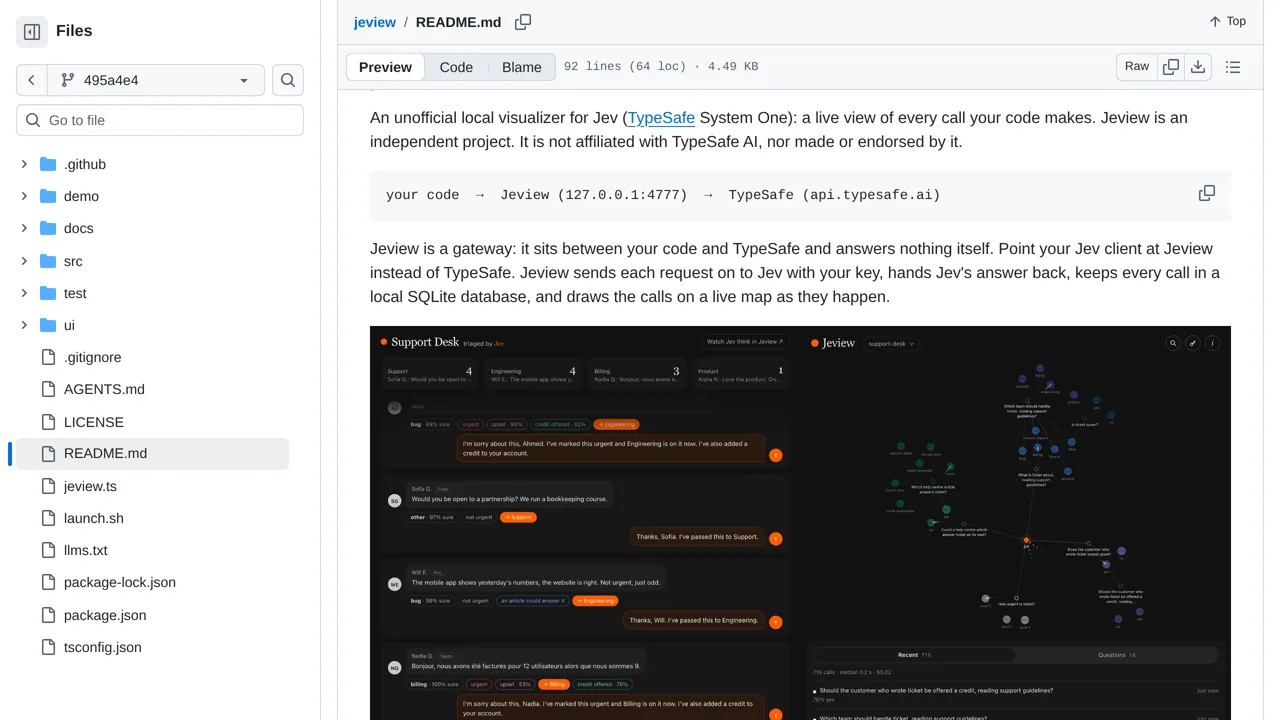
Inspect Jev calls locally as they arrive, with requests, typed answers, timing and usage collected in a live visualizer.
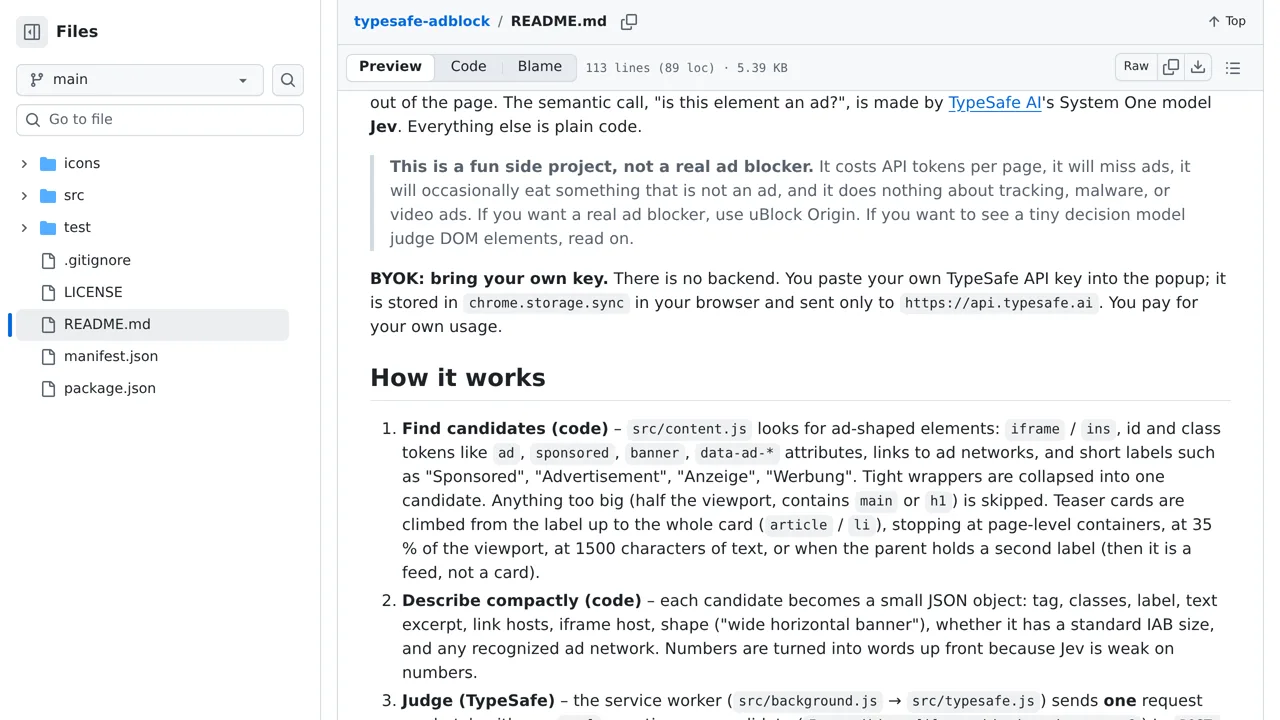
An experimental Chrome extension that asks Jev whether each DOM element is an ad, then removes matching elements.
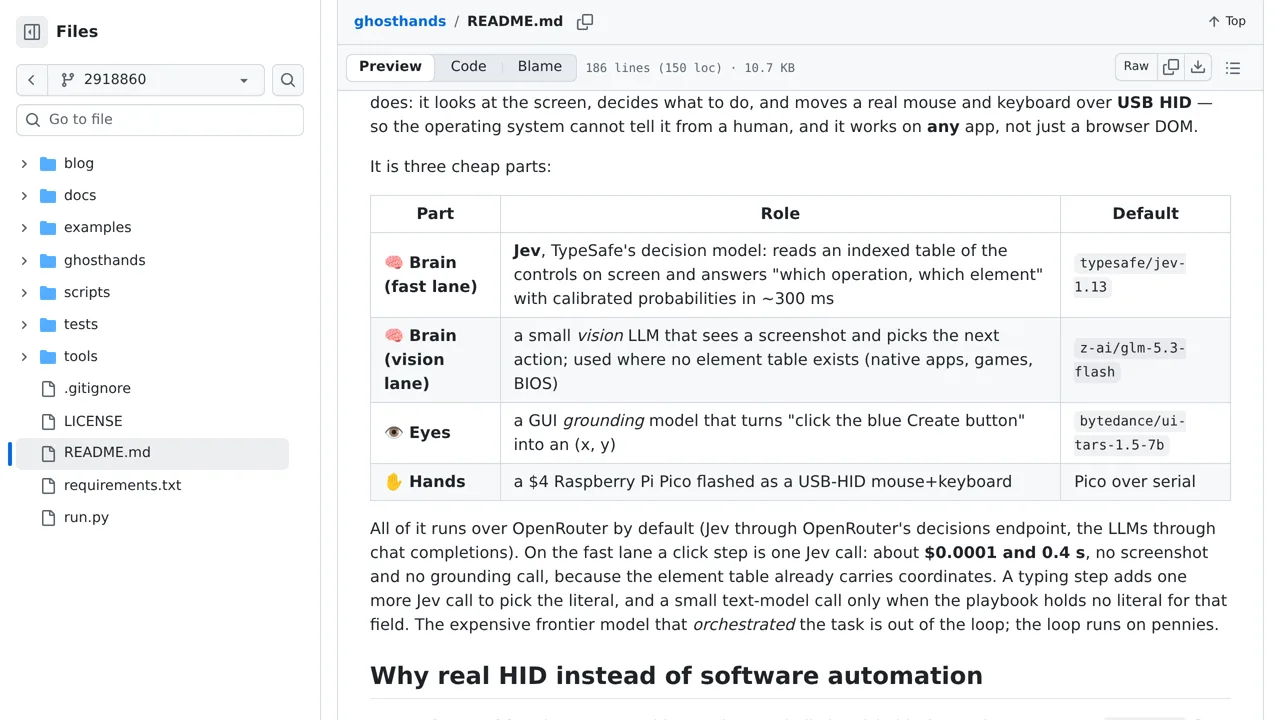
A GUI agent that drives a real computer through USB HID after Jev chooses an operation and indexed screen element.
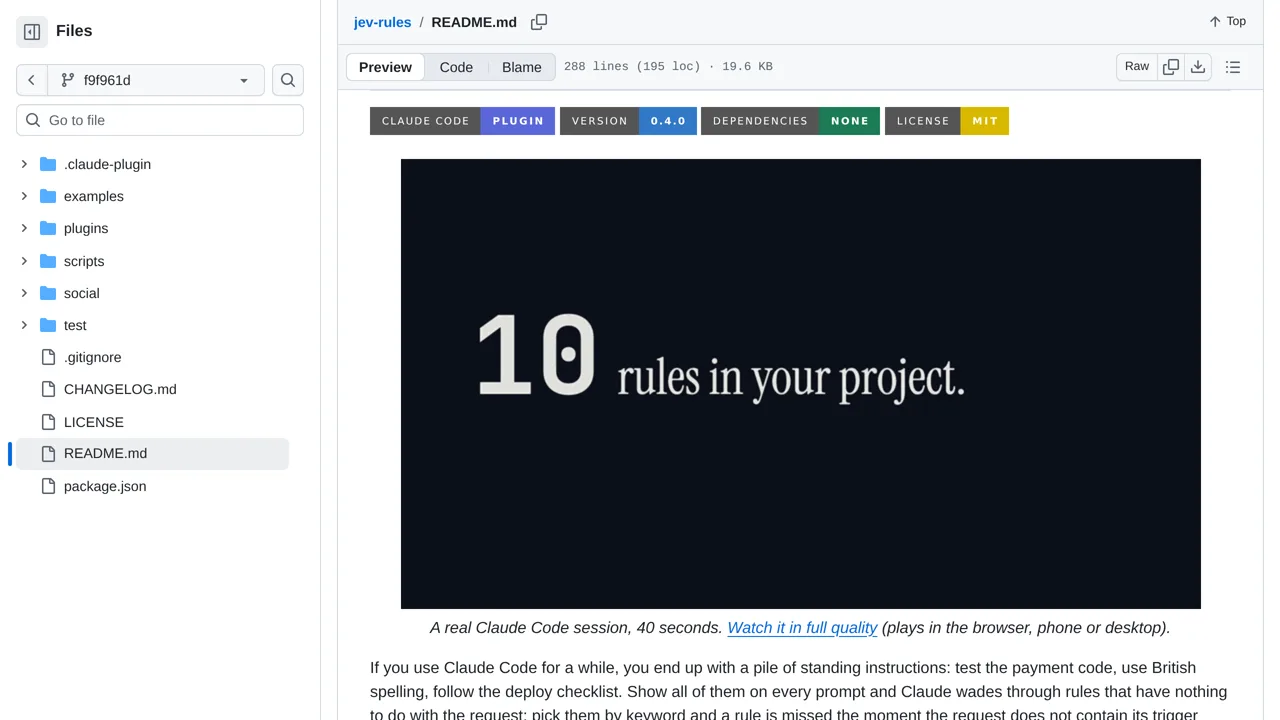
Selects the project rules relevant to a Claude Code prompt or edited file, keeping unrelated instructions out of context.
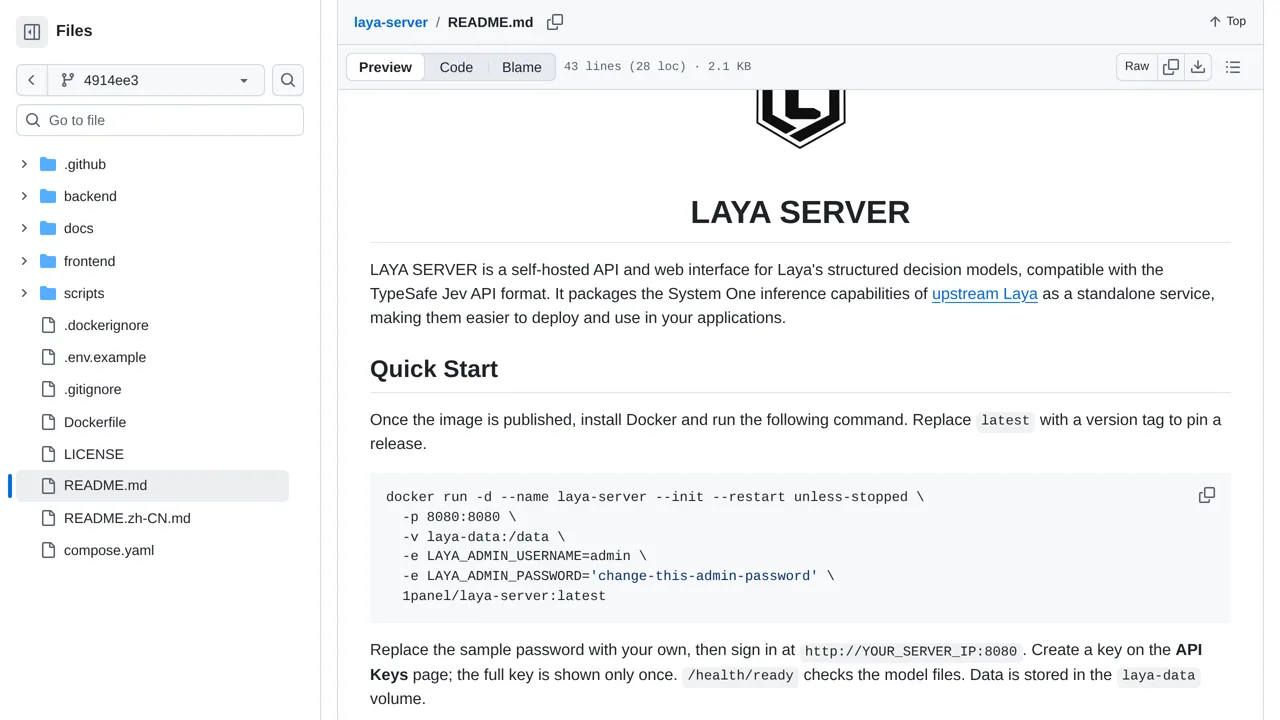
Deploy Laya behind a self-hosted Jev-compatible API with keys, a playground and a web console; it packages Laya, not TypeSafe's Jev.
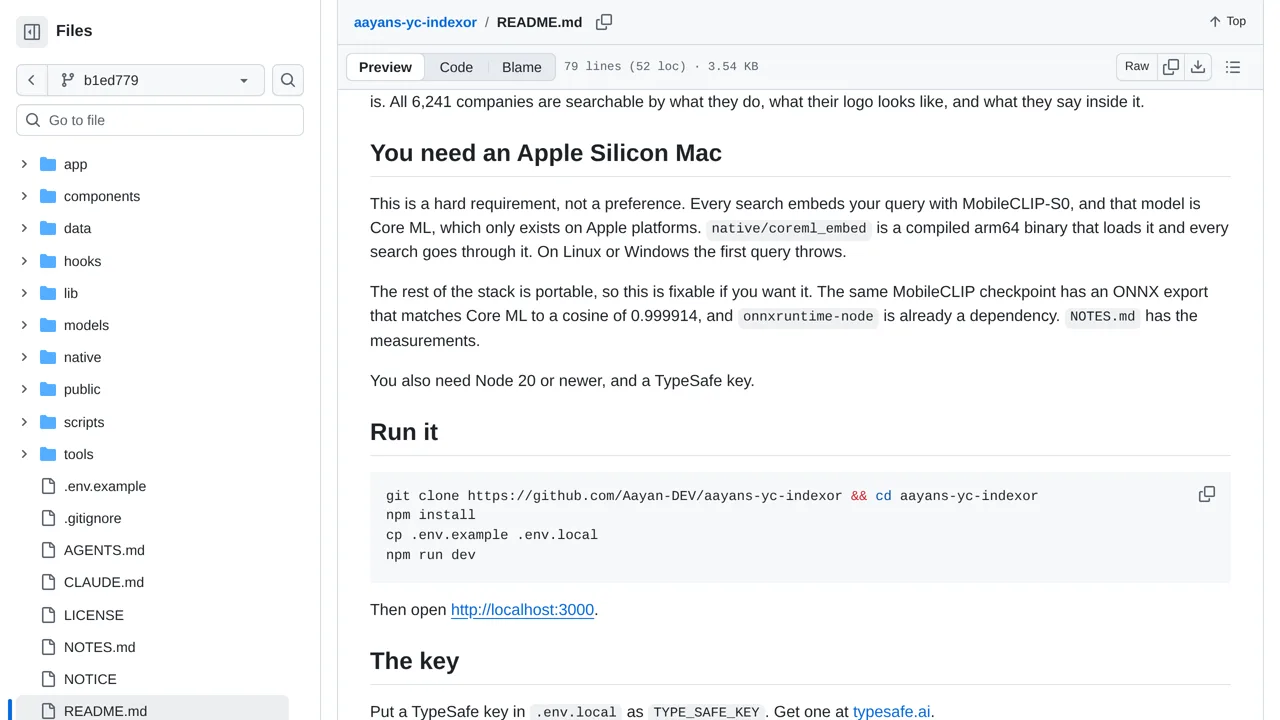
Describe a startup by purpose, logo appearance, or visible text and watch matching YC logos rise from a physics pile.
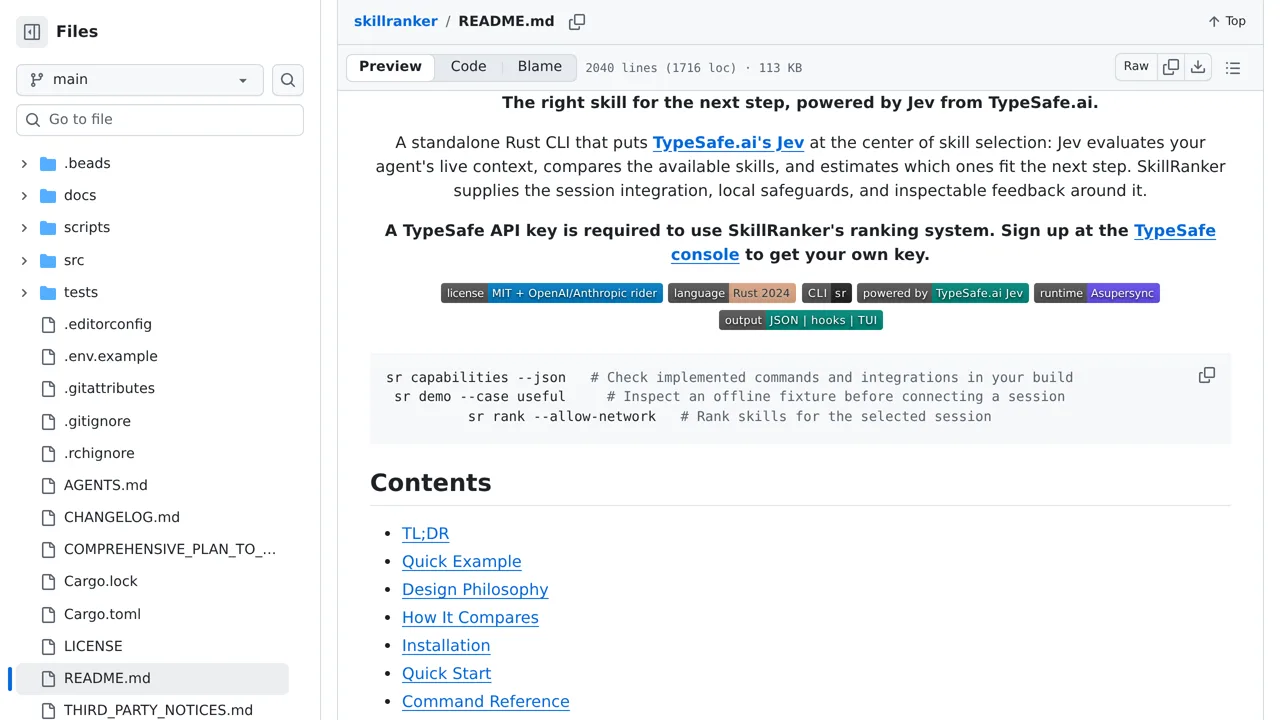
Find an agent skill that fits what you're doing now, with a Rust command-line tool that asks Jev to rank the options.
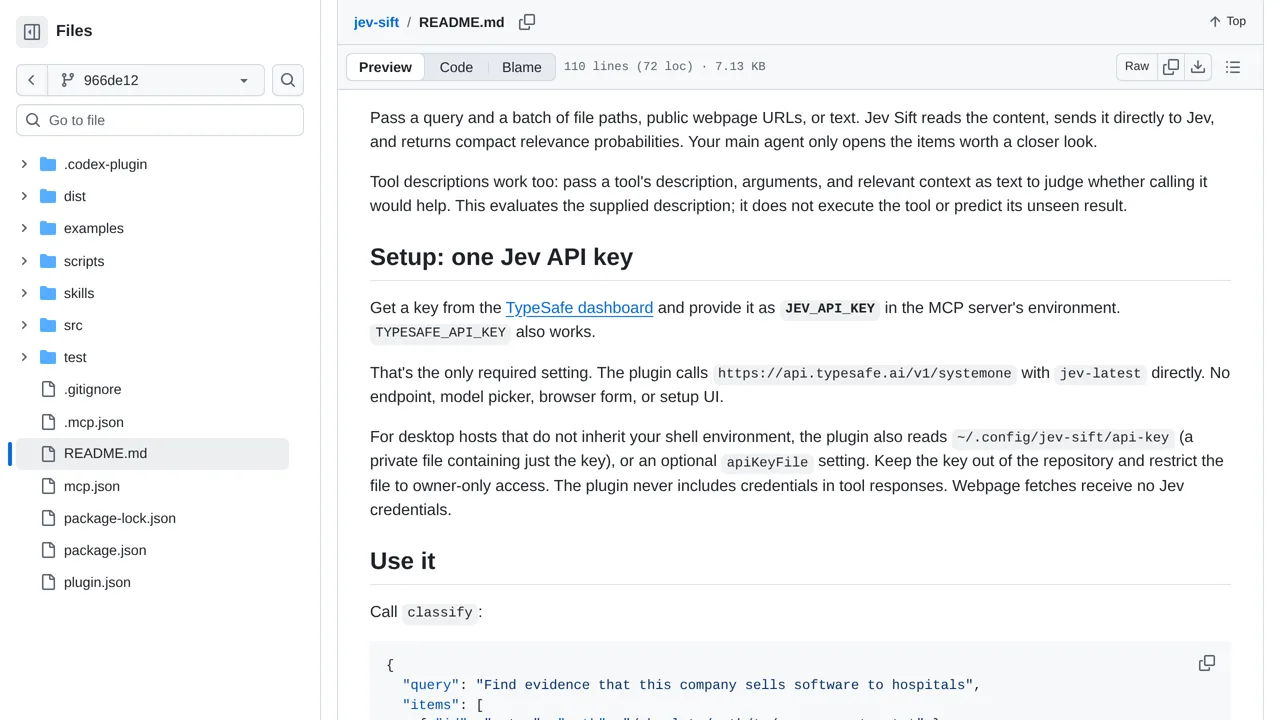
Classifies batches of text before an agent reads them, exposing the filter through a portable plugin and MCP tool.
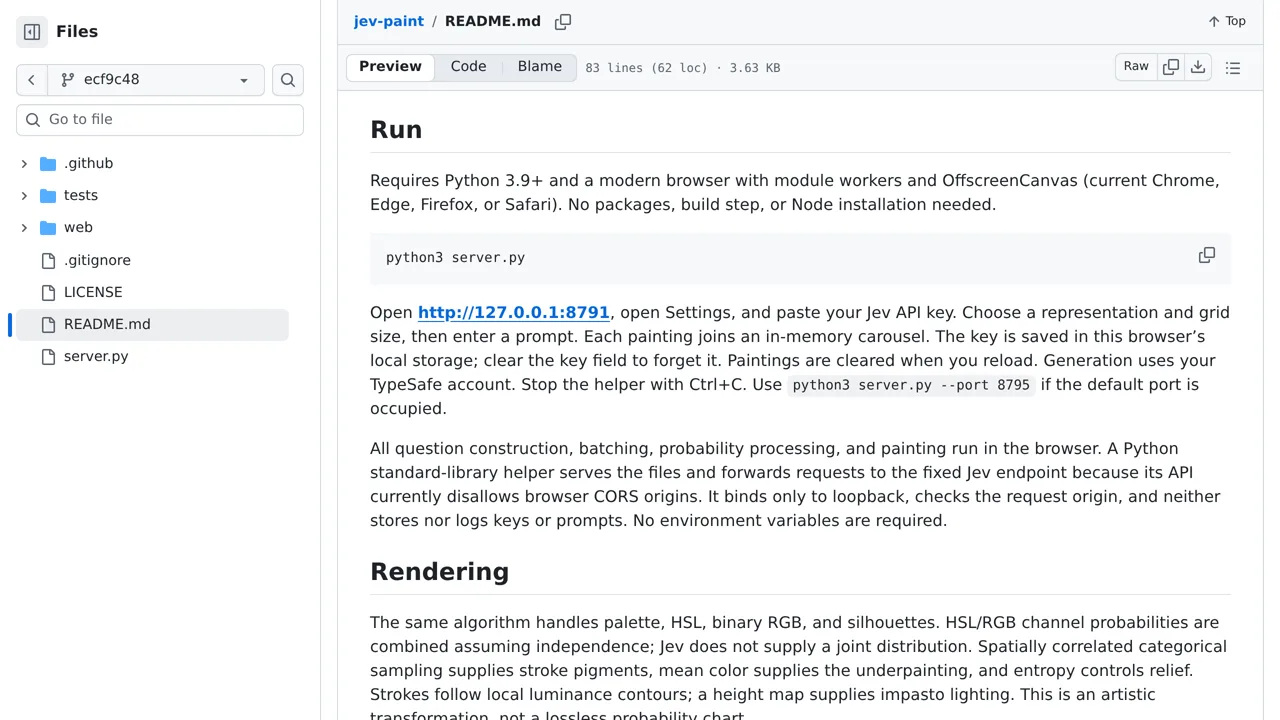
Give Jev an art prompt and watch its color distributions become a textured 560-pixel painting.
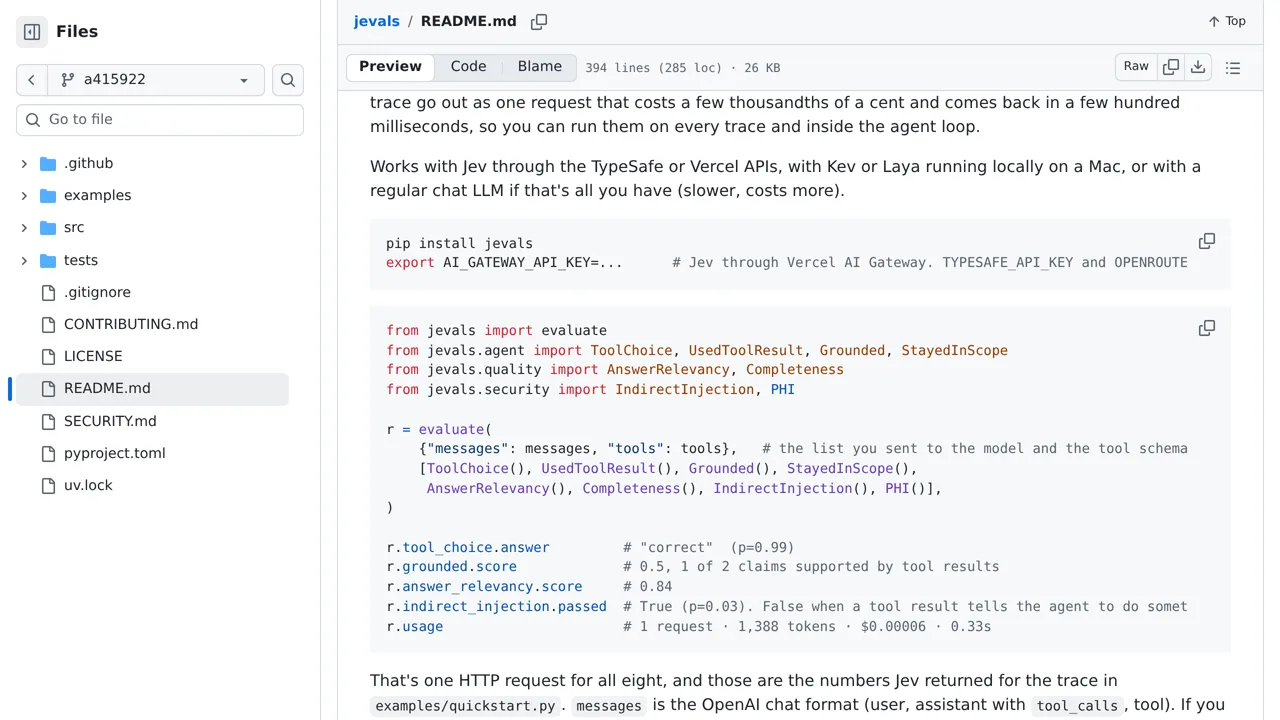
A Python library for checking an agent's work with several Jev questions in one call.
A simulated robot uses layered Jev decisions to close drawers and move a soup can.

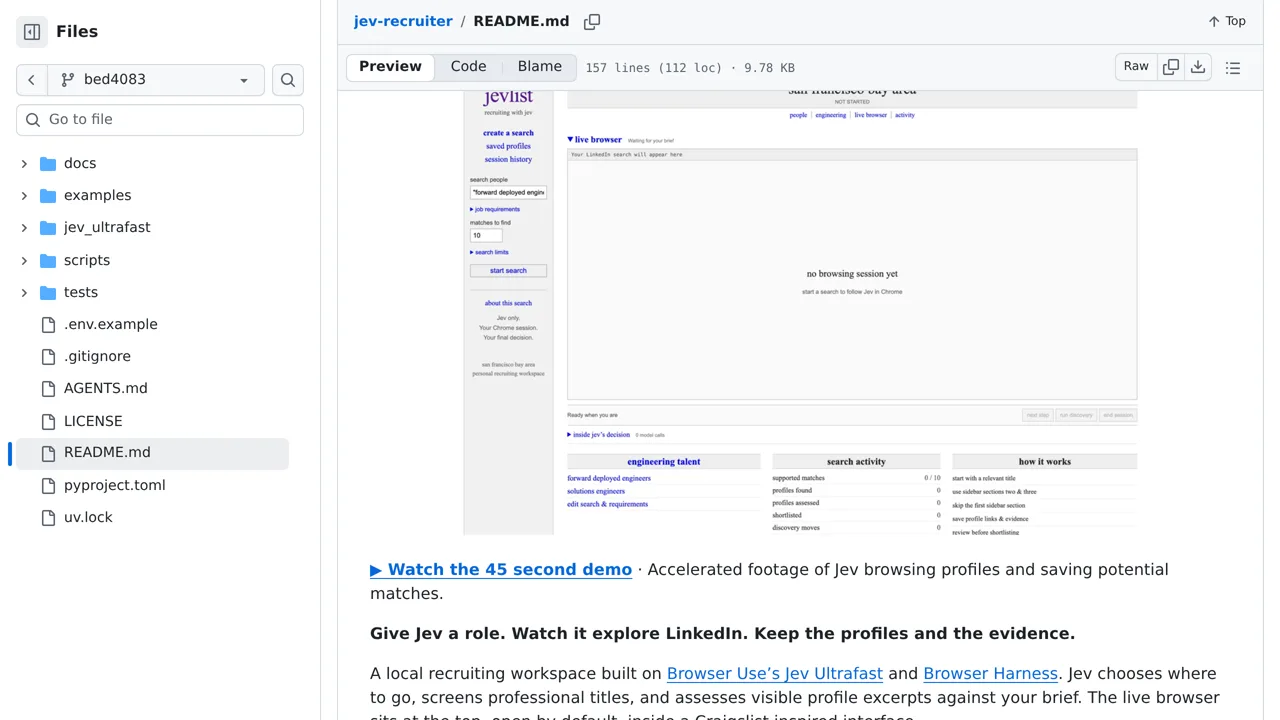
Give a hiring brief to a visible LinkedIn browser and watch Jev navigate, screen titles, and save profile evidence.
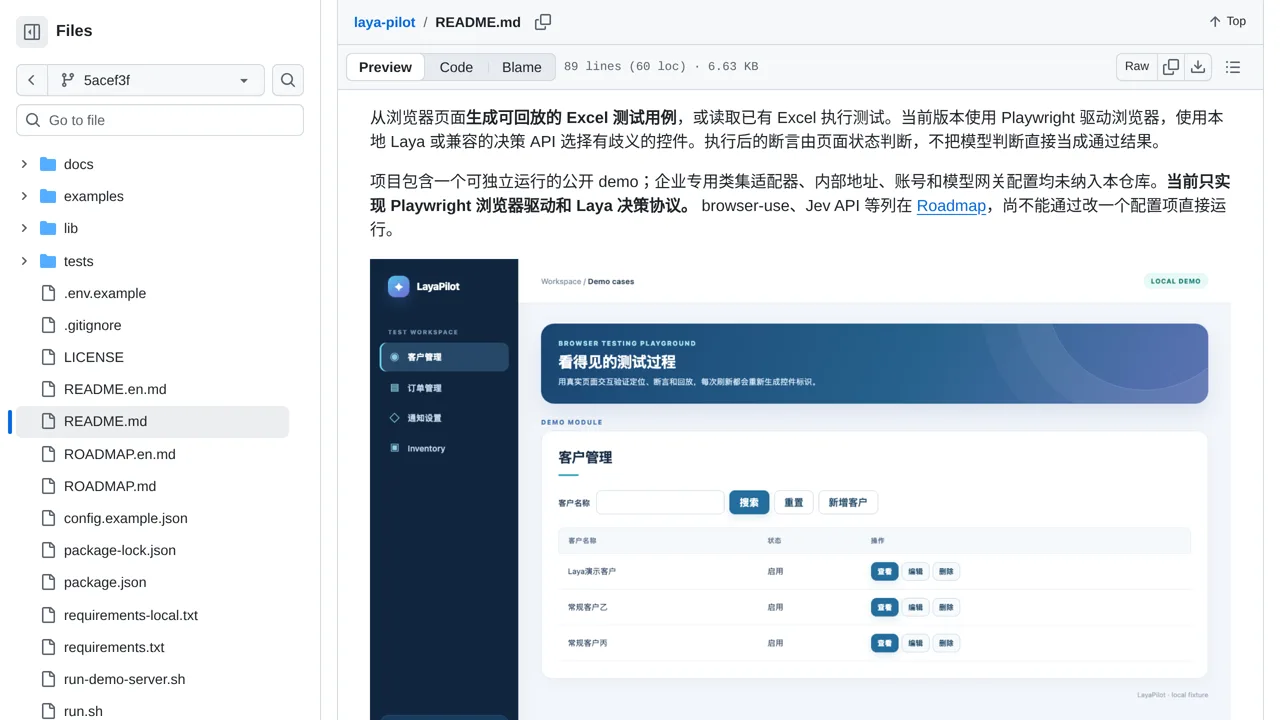
Generate and replay Excel browser tests with Playwright while local Laya resolves ambiguous controls; Jev support is only a roadmap item.
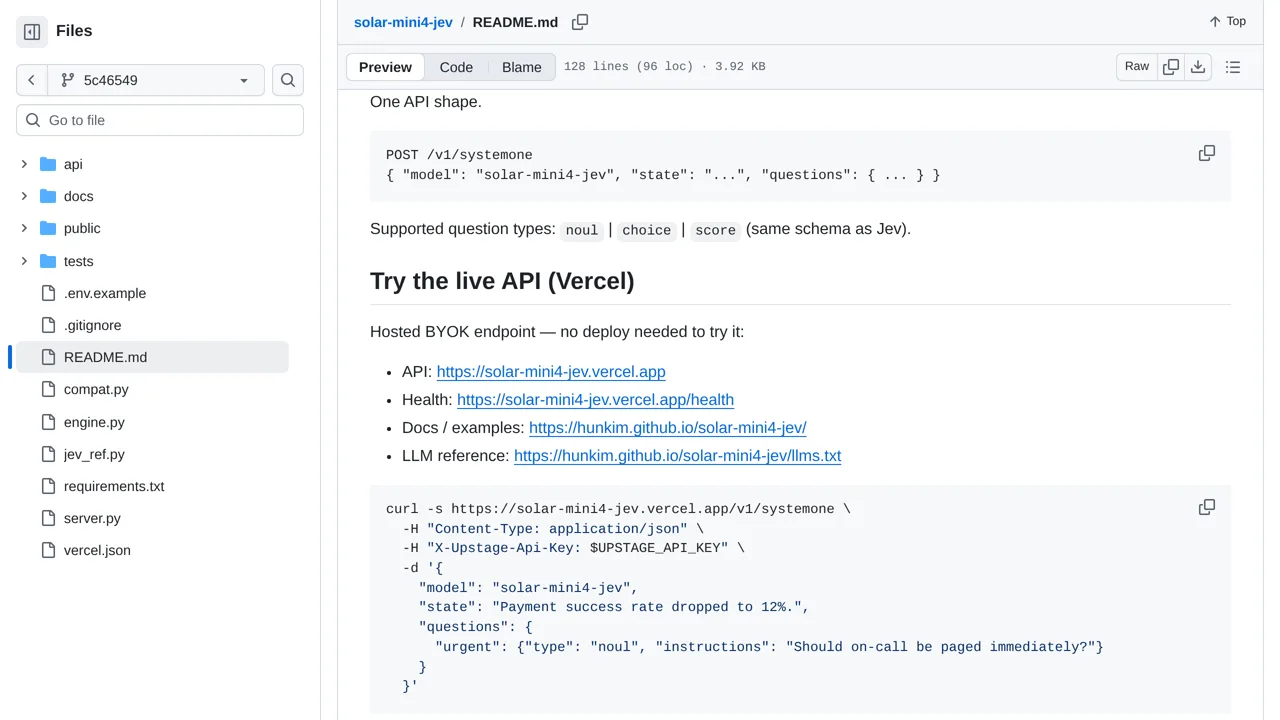
A bring-your-own-key wrapper presents Upstage Solar Pro4 and Solar Mini through the Jev System One request shape.
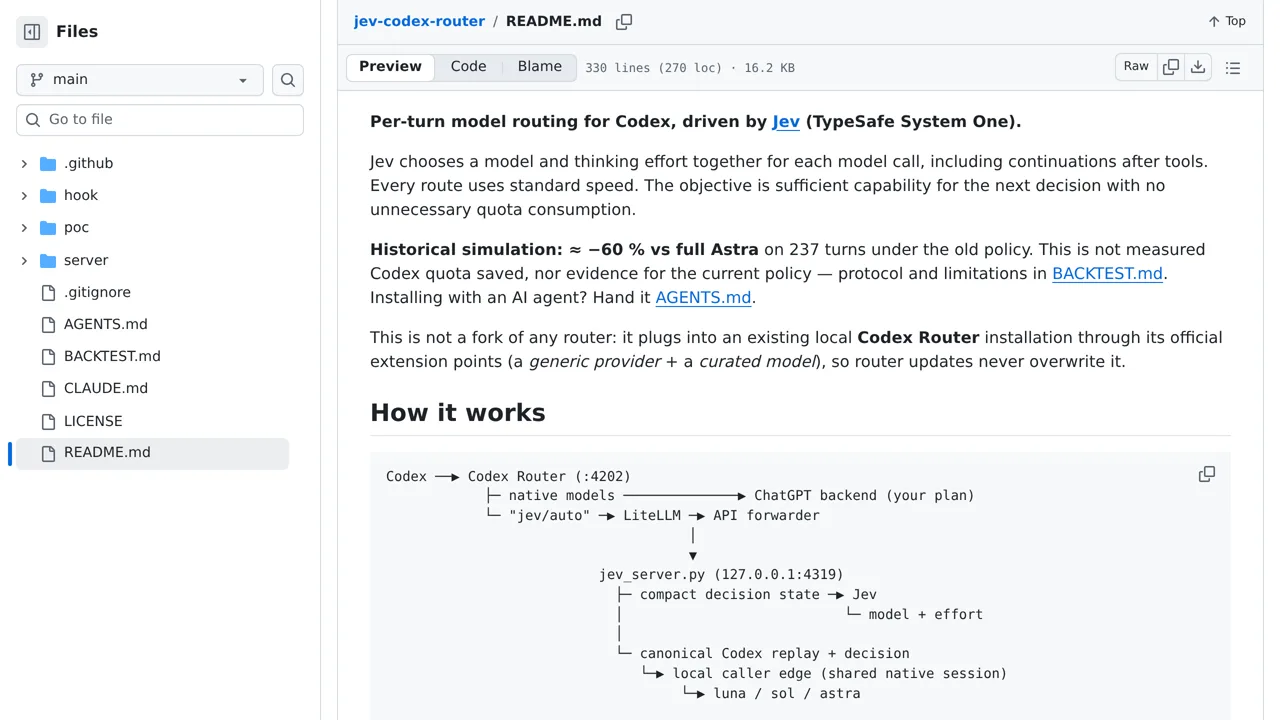
A Codex router that chooses the model, reasoning depth, and speed mode for each turn.
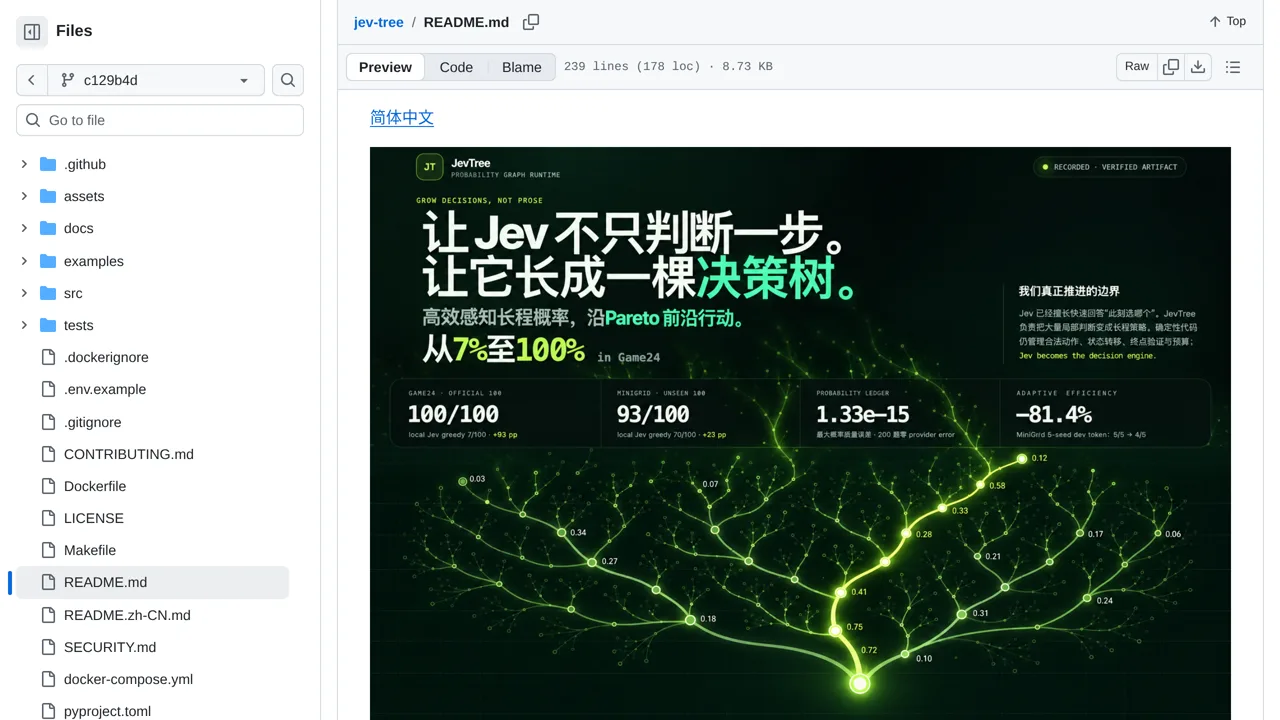
Builds probability trees and graphs for multi-step choices, with examples for Game 24, Blocks World, and MiniGrid.
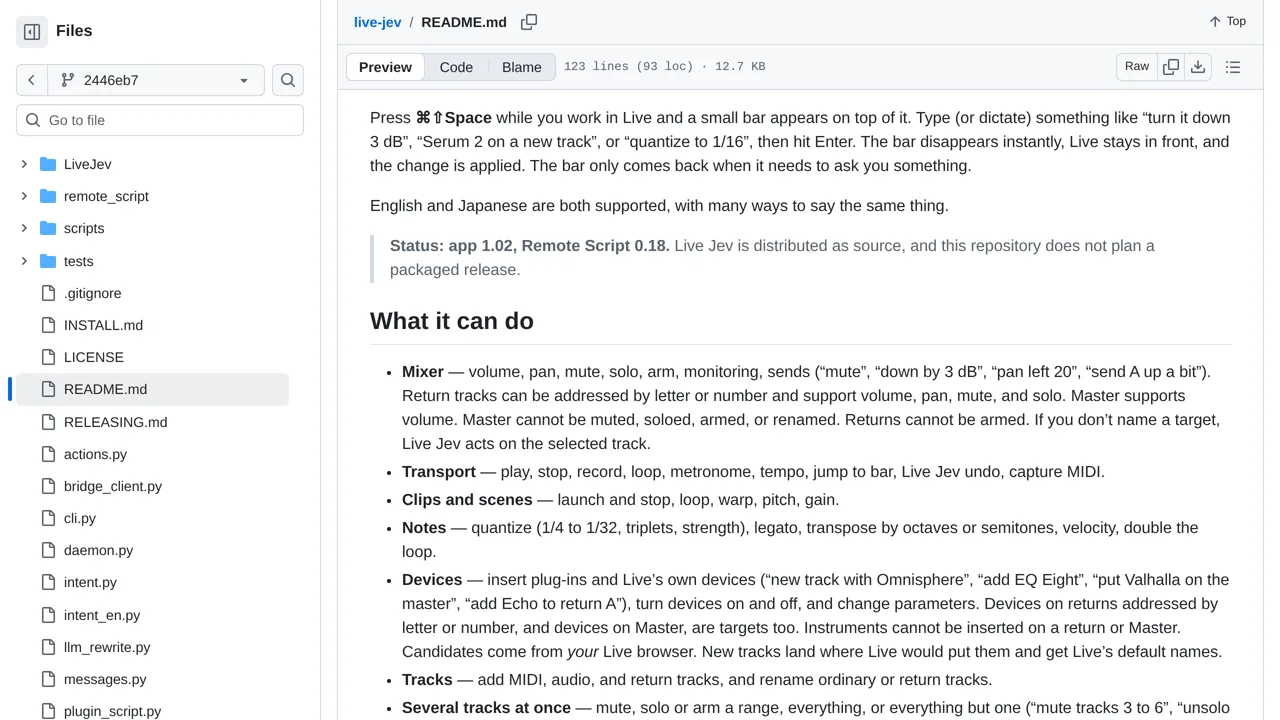
Control Ableton Live in English or Japanese from a short typed or dictated command, with Jev choosing among only currently valid targets and actions.
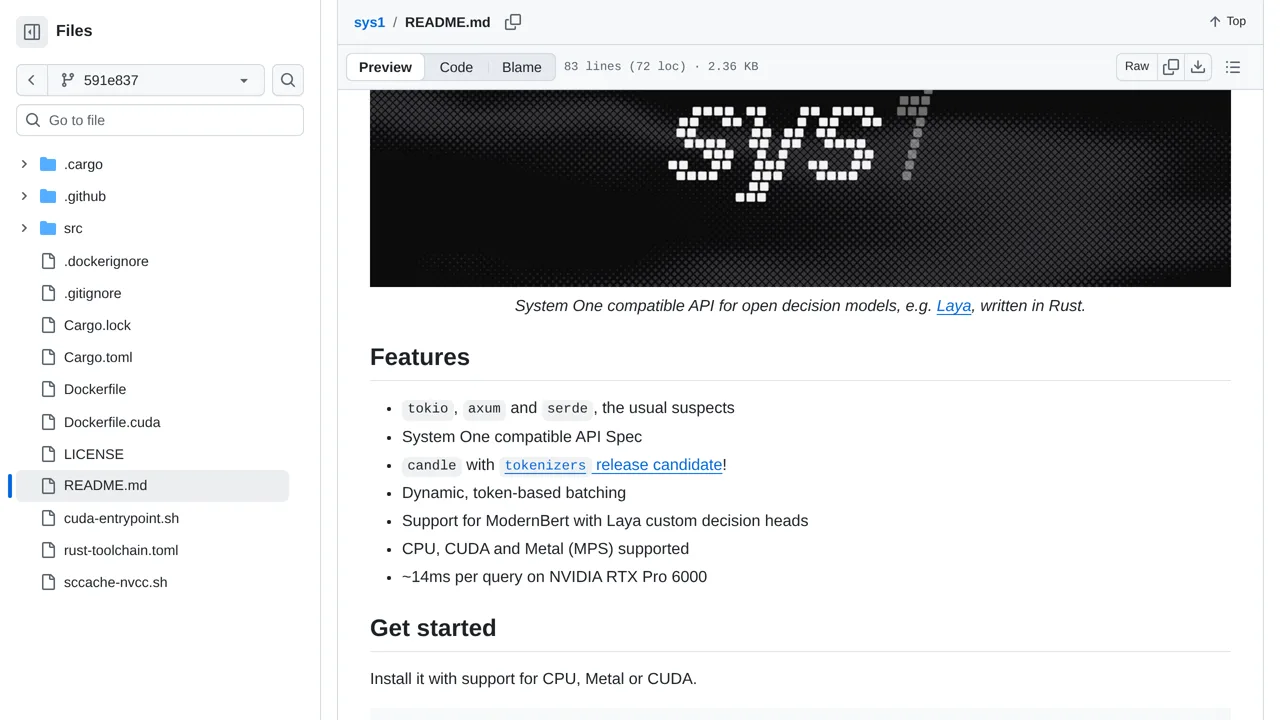
A Rust server runs Laya and other open decision models behind a dynamically batched, Jev-compatible System One API.
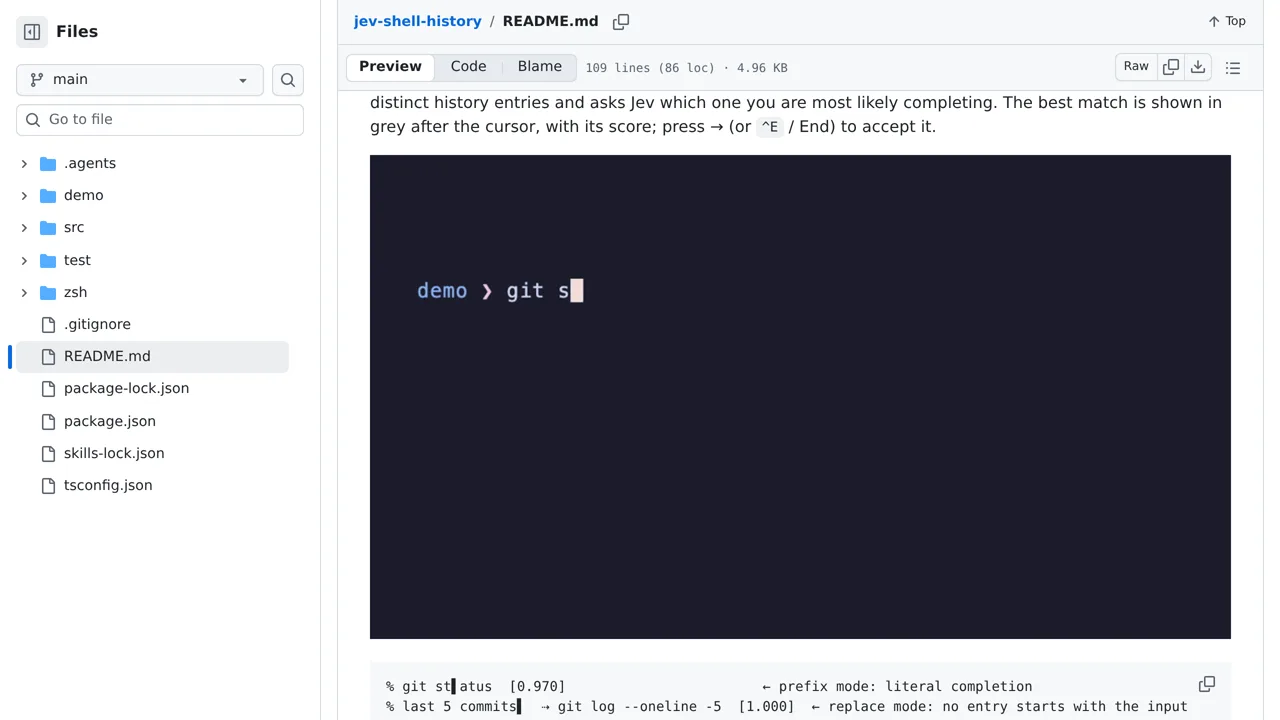
Get Fish-style command suggestions in zsh, ranked by Jev against your shell history.
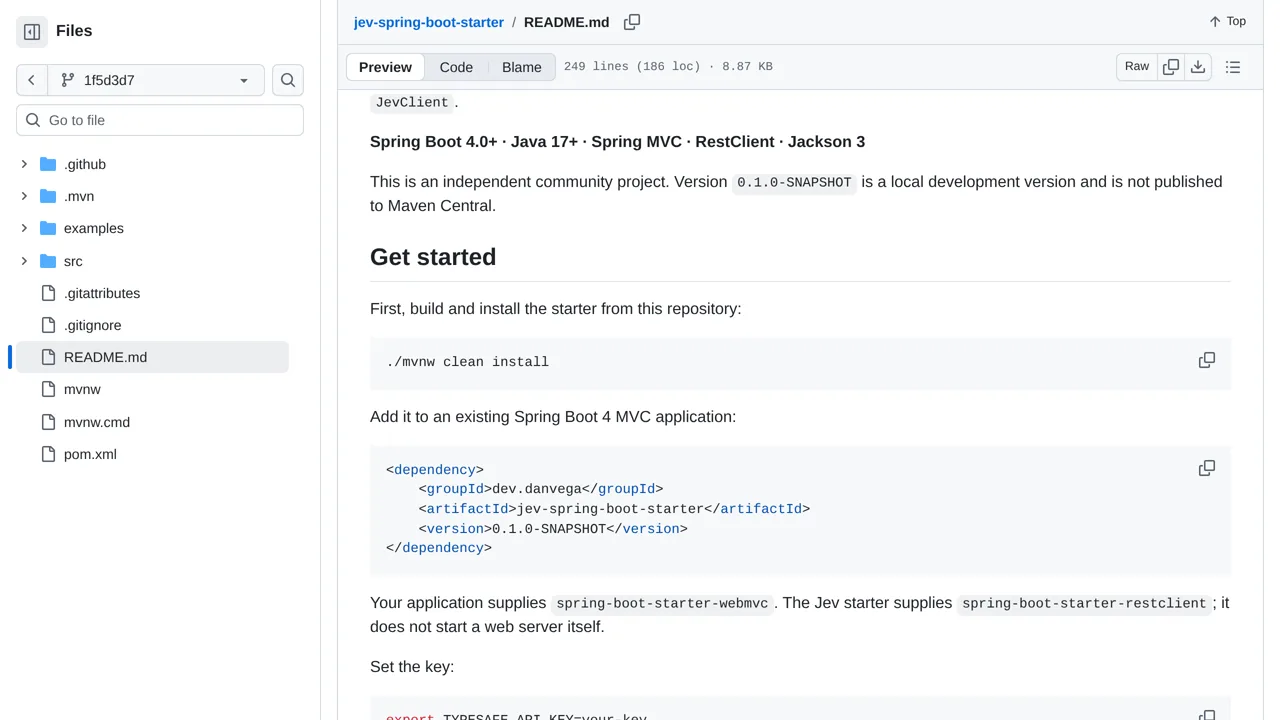
Auto-configures a Spring Boot client for Jev’s typed questions and includes a support-triage example.
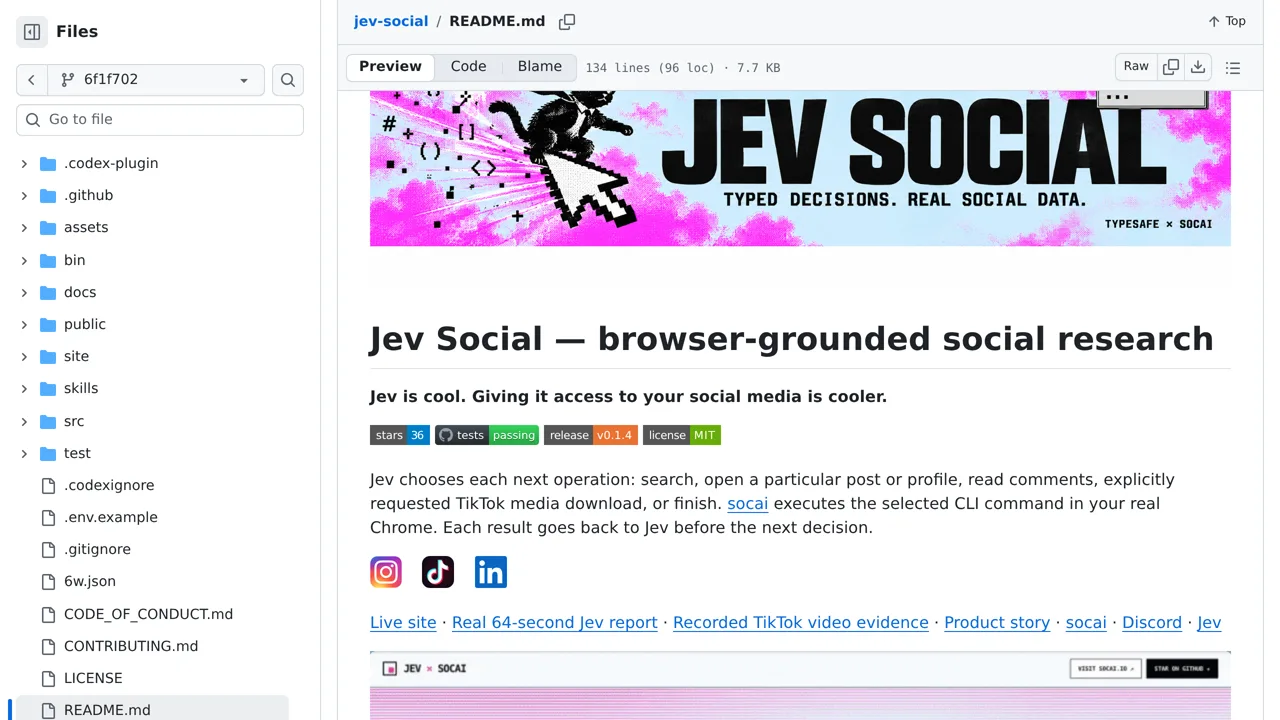
A research agent that uses Jev to decide where to browse on Instagram, TikTok and LinkedIn.
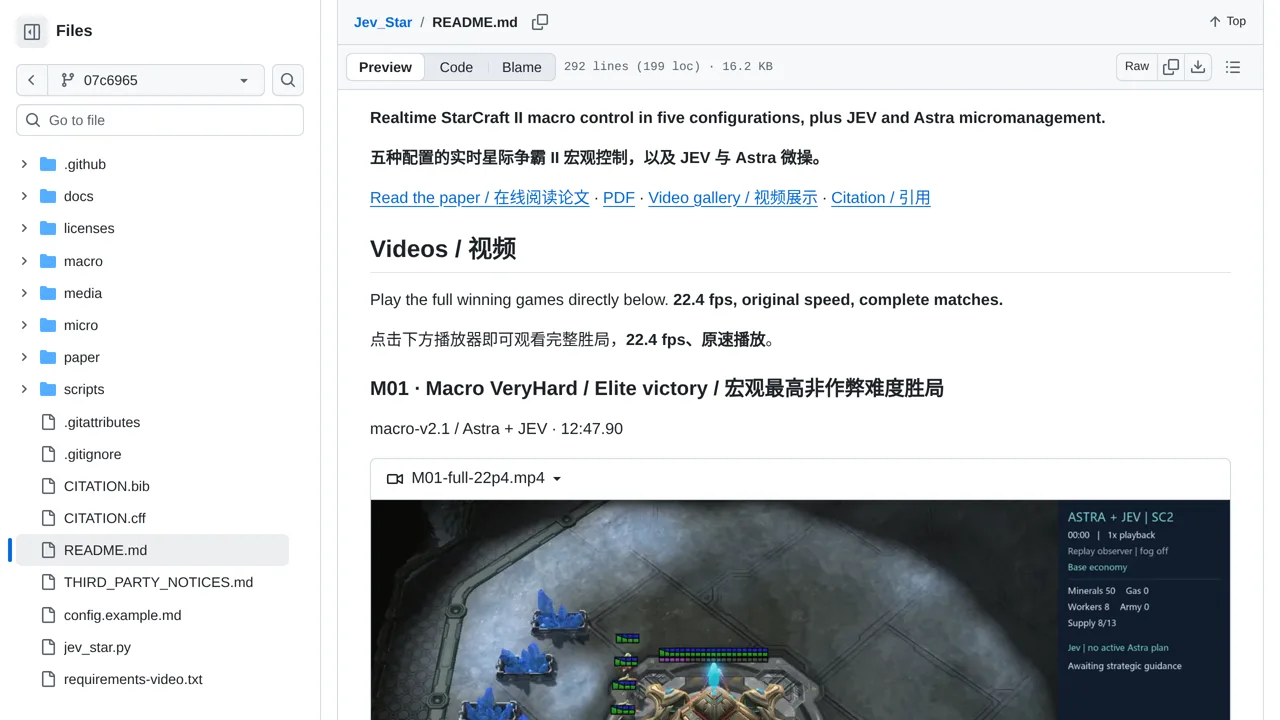
Explores Jev-style decisions for StarCraft II macro and micromanagement across several controller configurations.
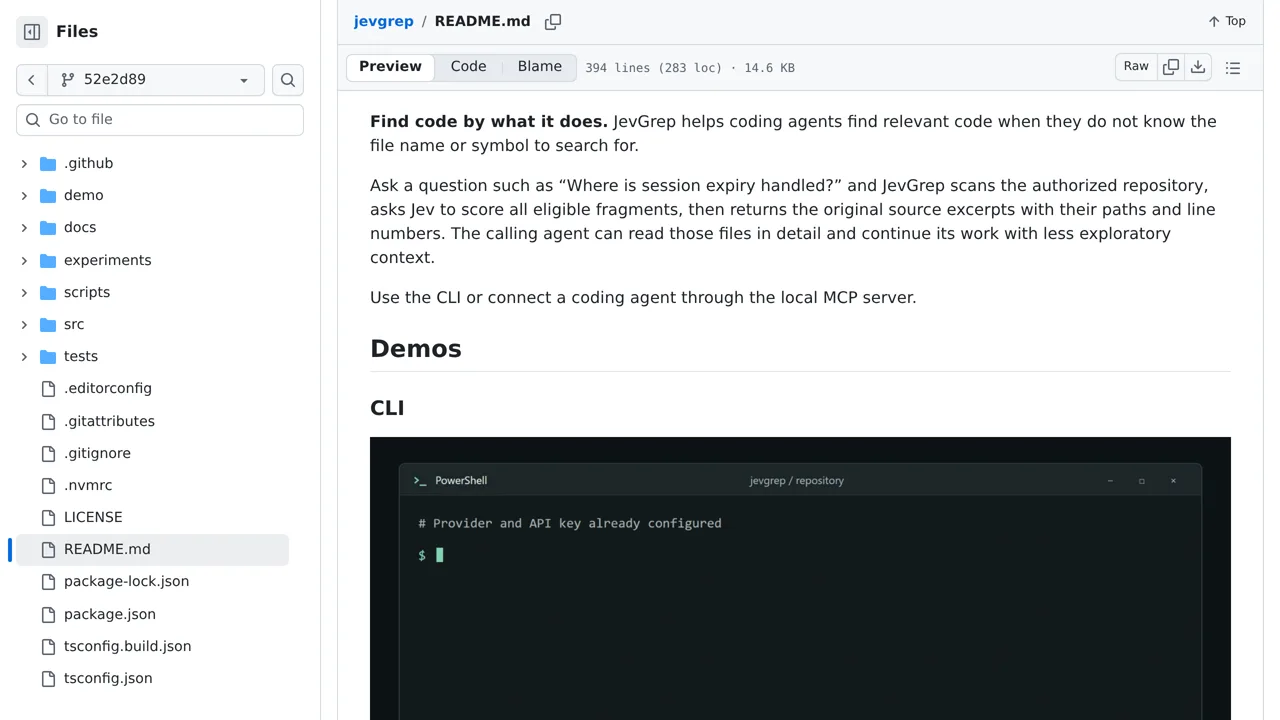
A CLI and MCP server that searches repositories by meaning and returns exact excerpts with paths and line numbers.
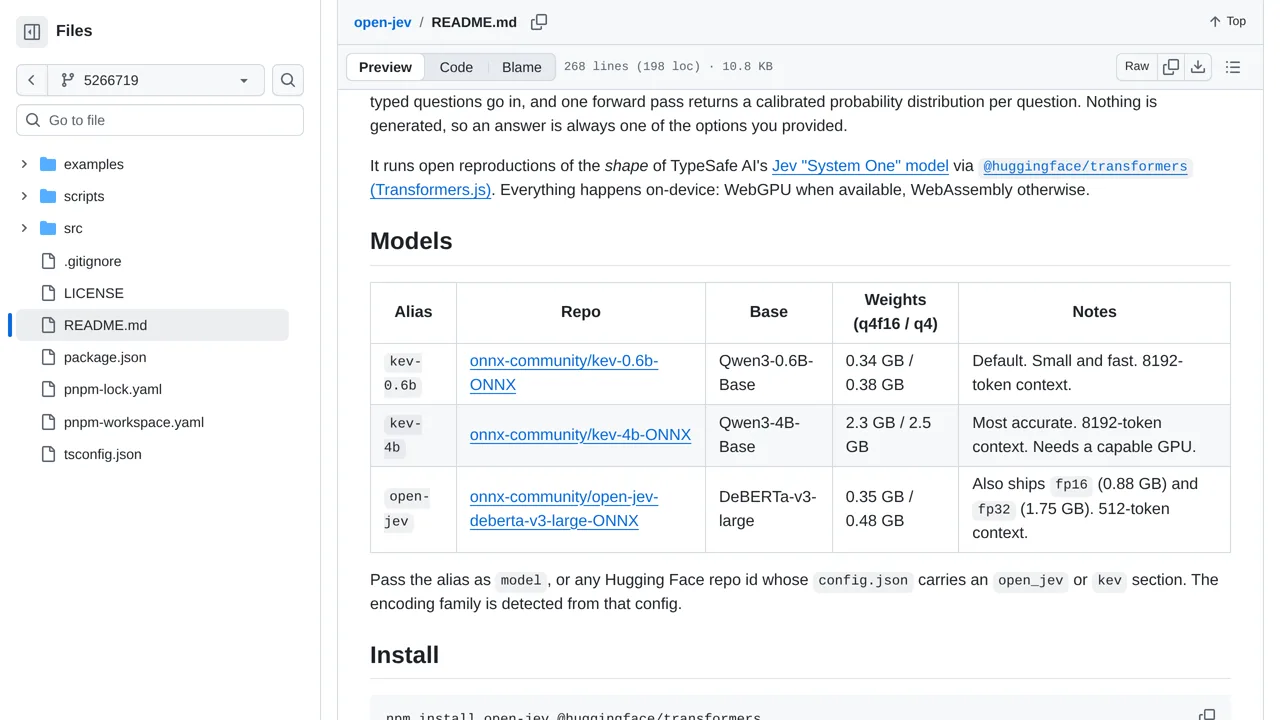
A TypeScript library runs open typed-decision models entirely in the browser through Transformers.js, WebGPU, or WebAssembly.
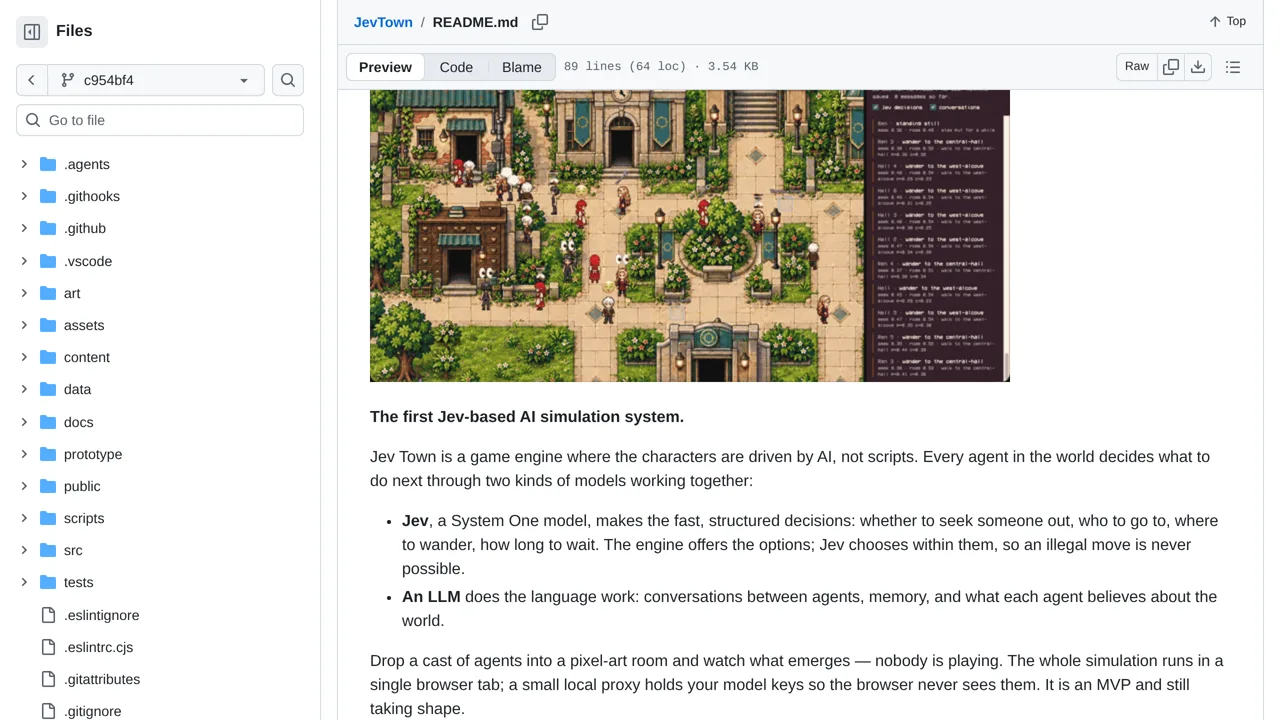
Watch pixel-art residents choose whom to visit, where to wander and how long to wait with Jev while an LLM handles conversation and memory.
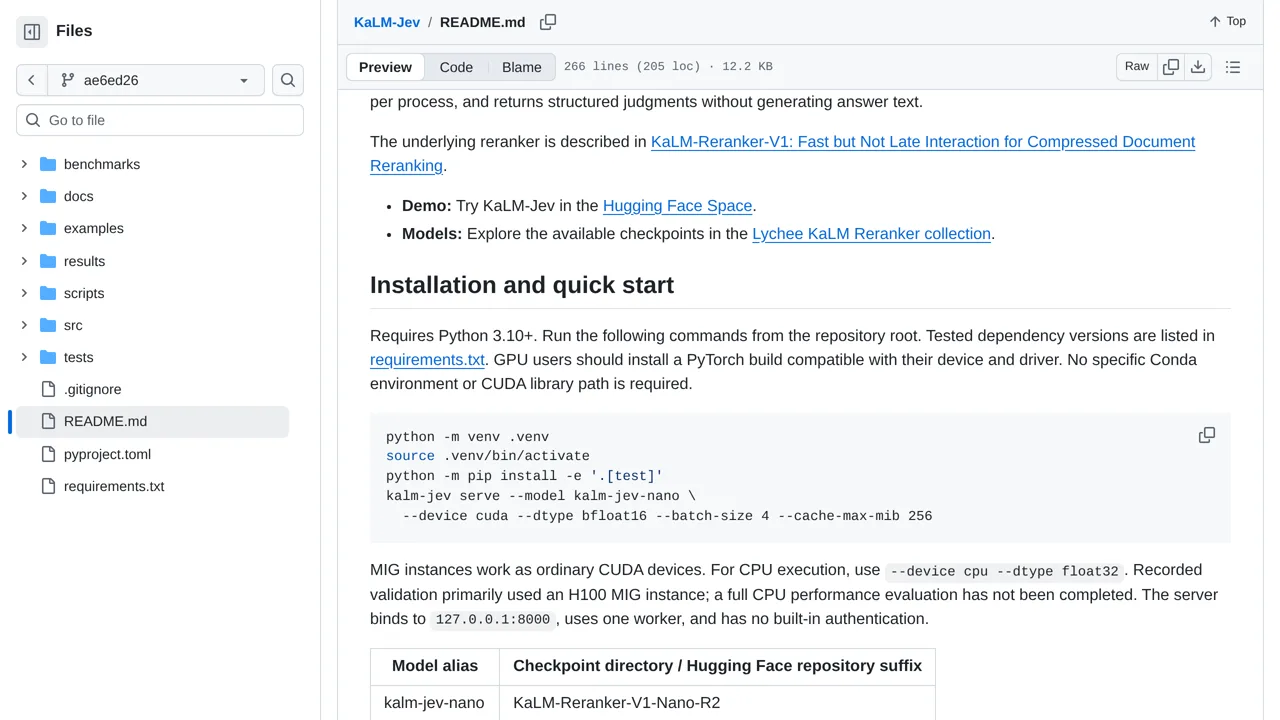
Run Nano, Small or Large open-weight models behind Jev-style Choice, Score and Noul requests; these are independent models, not TypeSafe's Jev.
A gateway that makes a Cerebras-backed model answer in Jev's format, for comparison with the real thing.

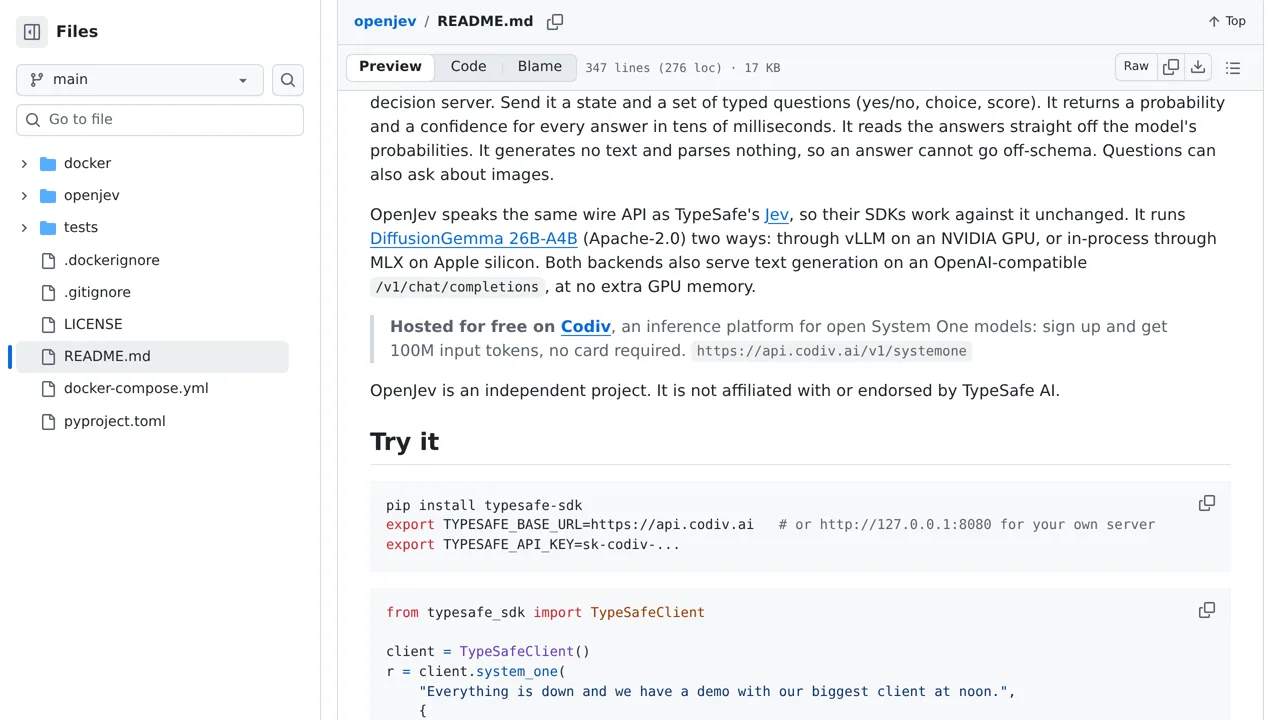
OpenJev is a Jev-compatible decision server built on DiffusionGemma.
Compare Jev and two language models as they control the same simulated xArm7 apple-placement task.

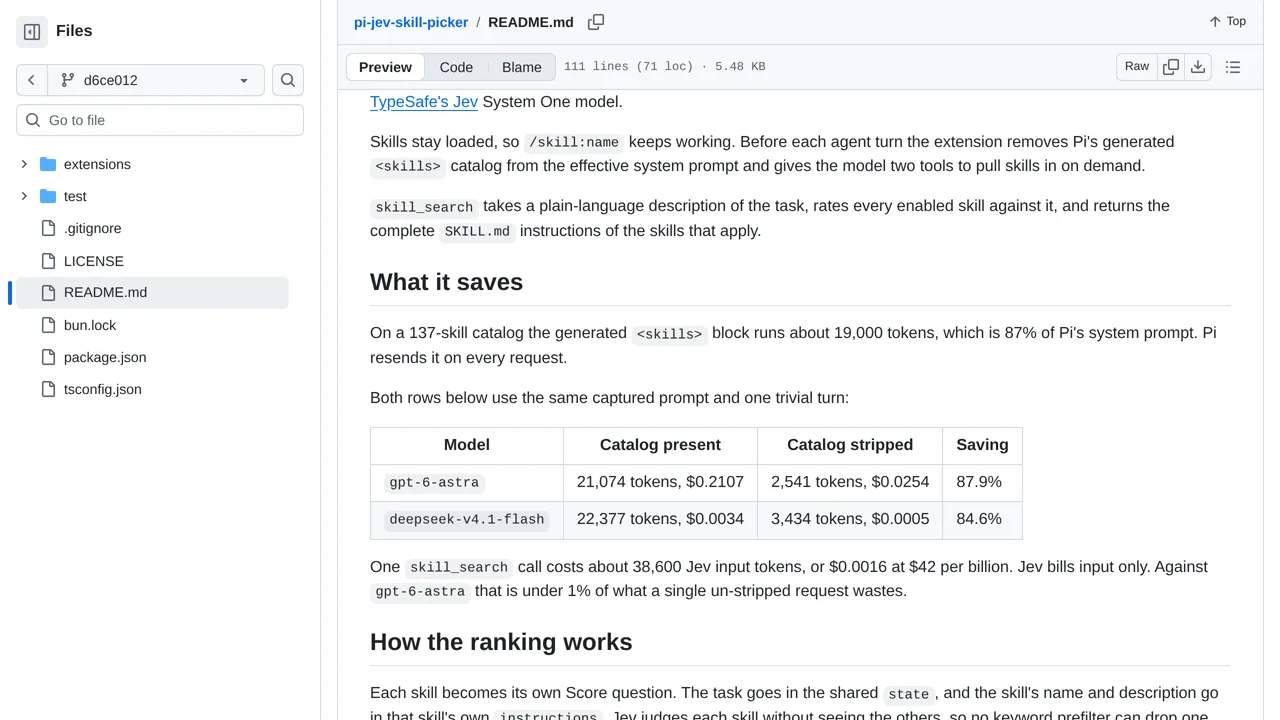
An open reimplementation trains a lightweight decision head for Choice, Score and Noul questions.
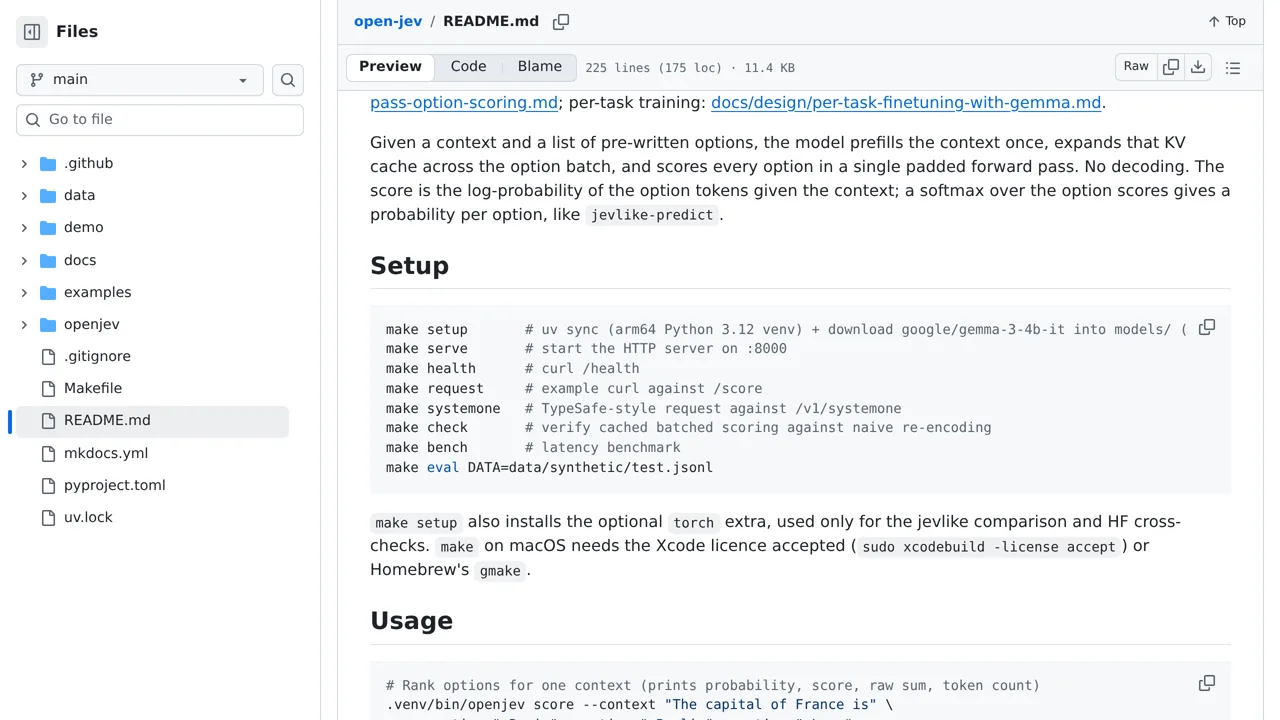
Checks Jev questions against labelled data and reports whether each can gate decisions, rank examples, or carries no useful signal.
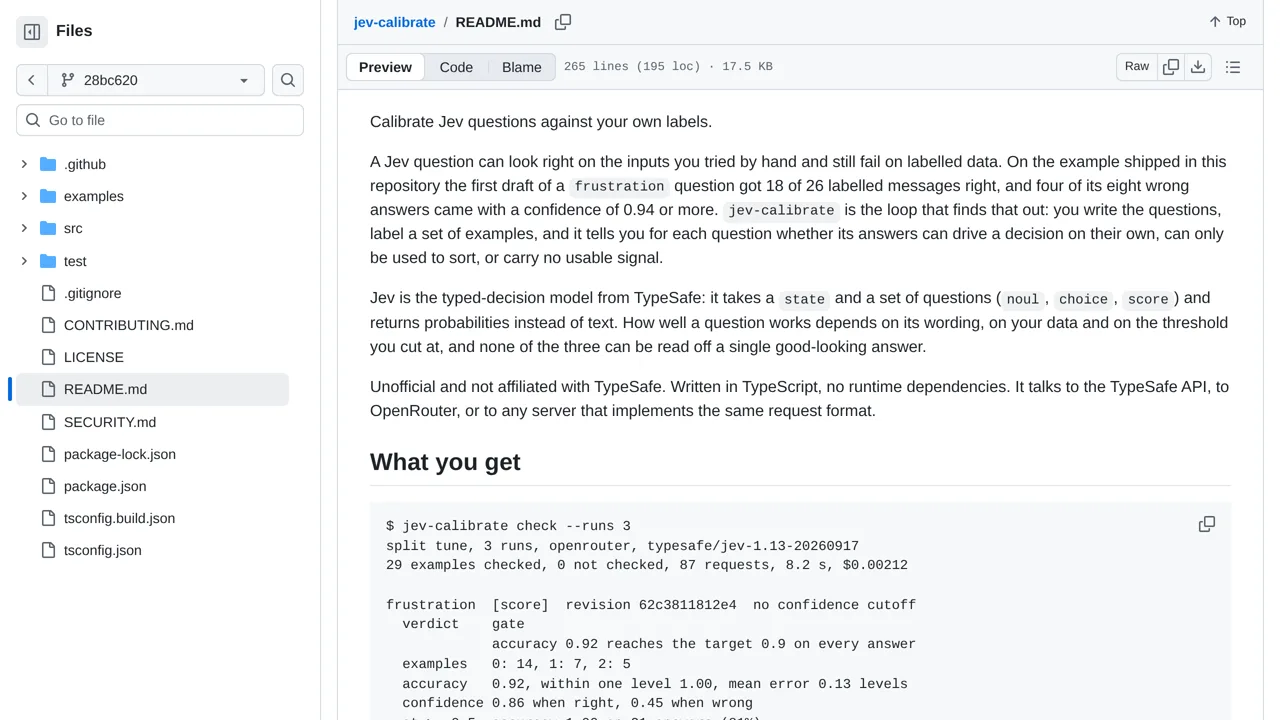
A Pi extension strips the full skills catalog and lets Jev rank which instructions should be loaded on demand.
Build a systematic-review table from verbatim evidence in papers rather than model-written answers.

Provides a fast random baseline that speaks the Jev protocol without reading the prompt.
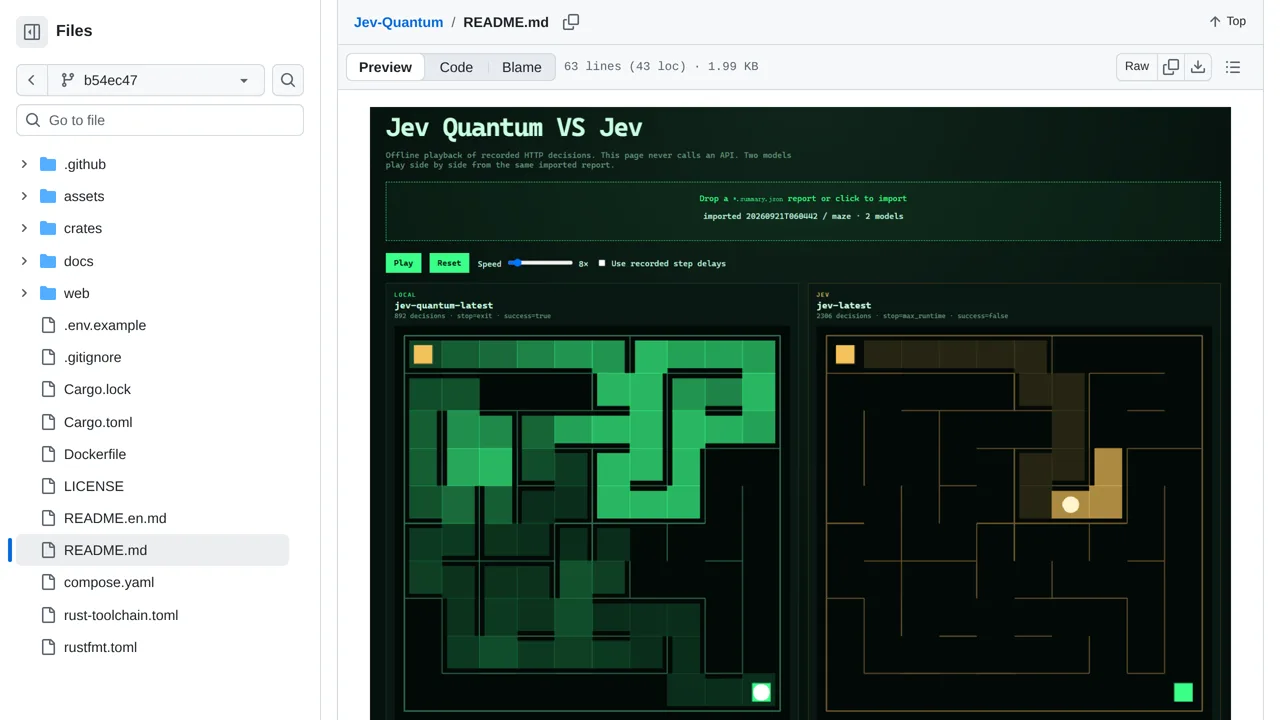
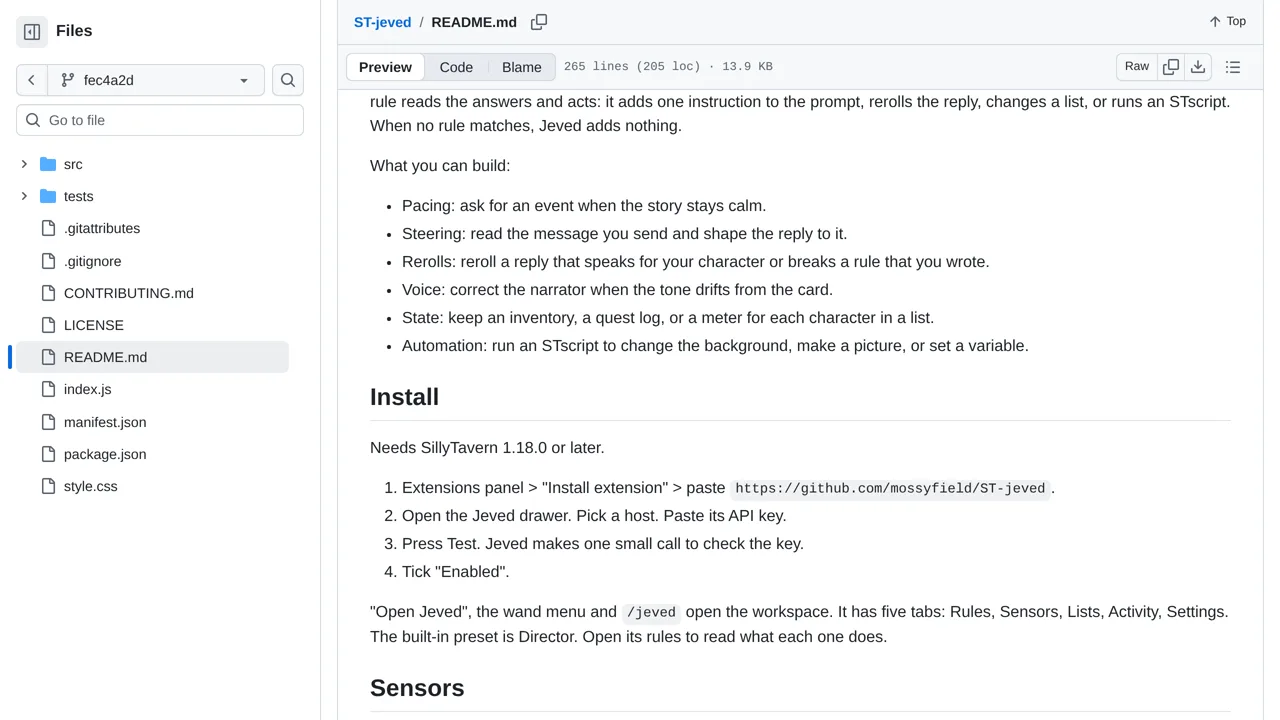
A SillyTavern extension measures chat with custom Jev sensors, then applies matching rules to narration, lists, rerolls, or scripts.
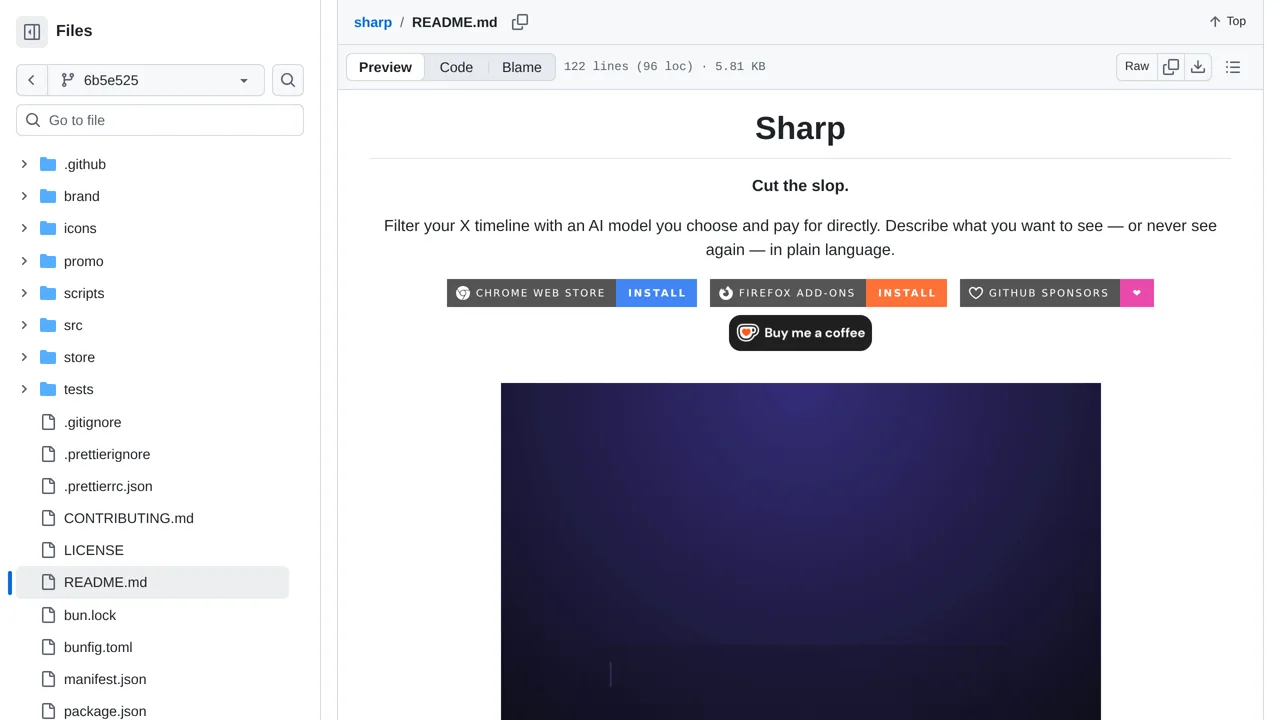
Filter an X timeline with plain-language rules, per-author overrides, and correction feedback using Jev or a chat model.
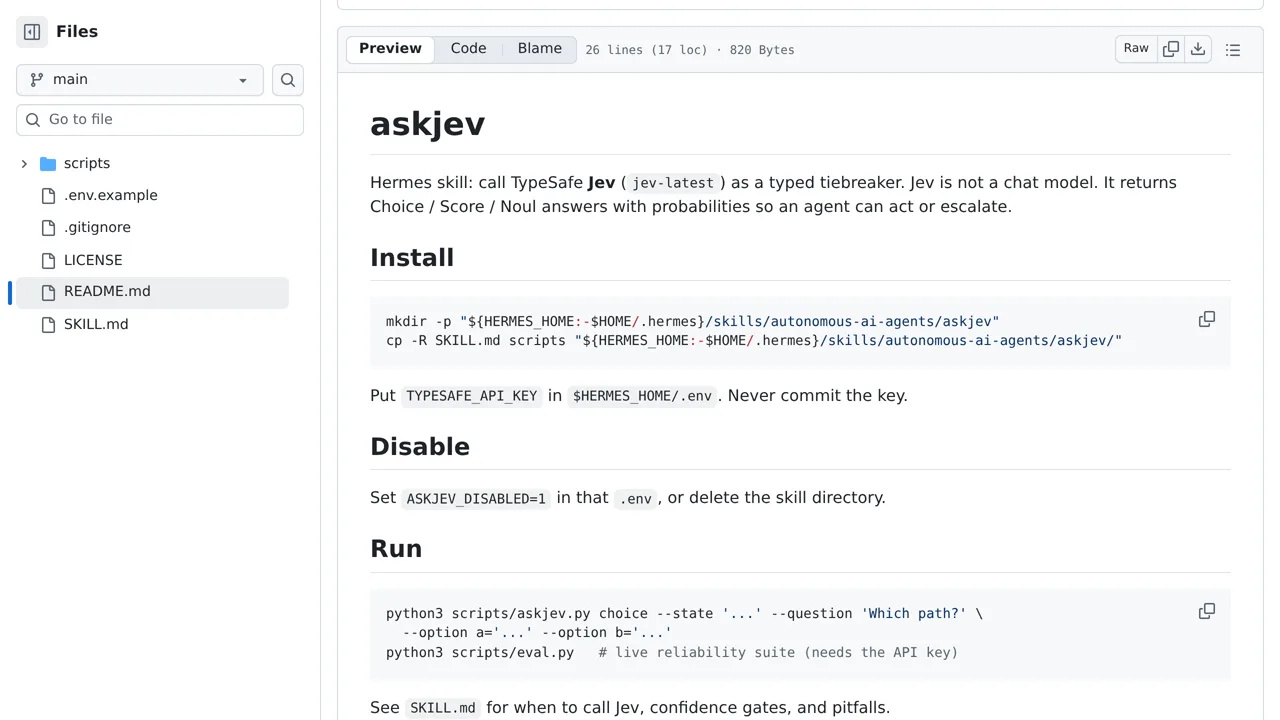
An agent skill that lets Hermes and other agents ask Jev for judgments.
This searchable ecosystem map explains Jev projects in plain language and keeps repository data synchronized from GitHub.
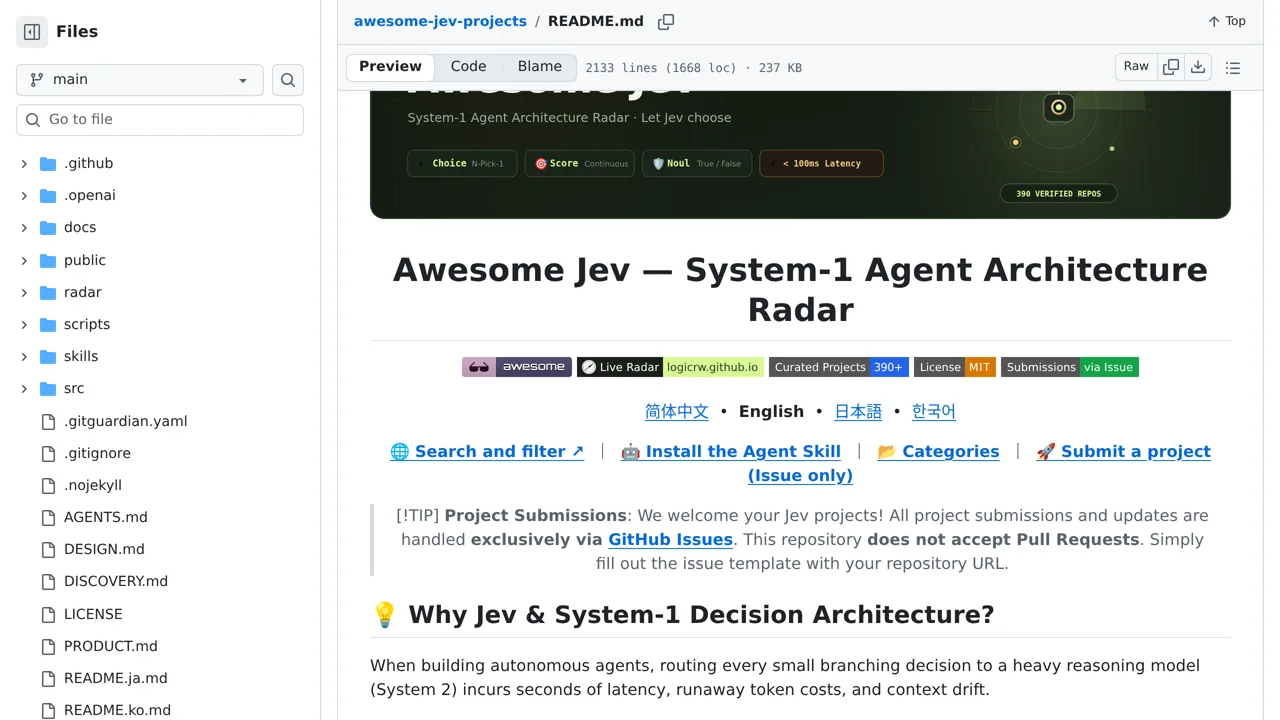
Retrieve memories for their consequence to the current request rather than their embedding similarity.

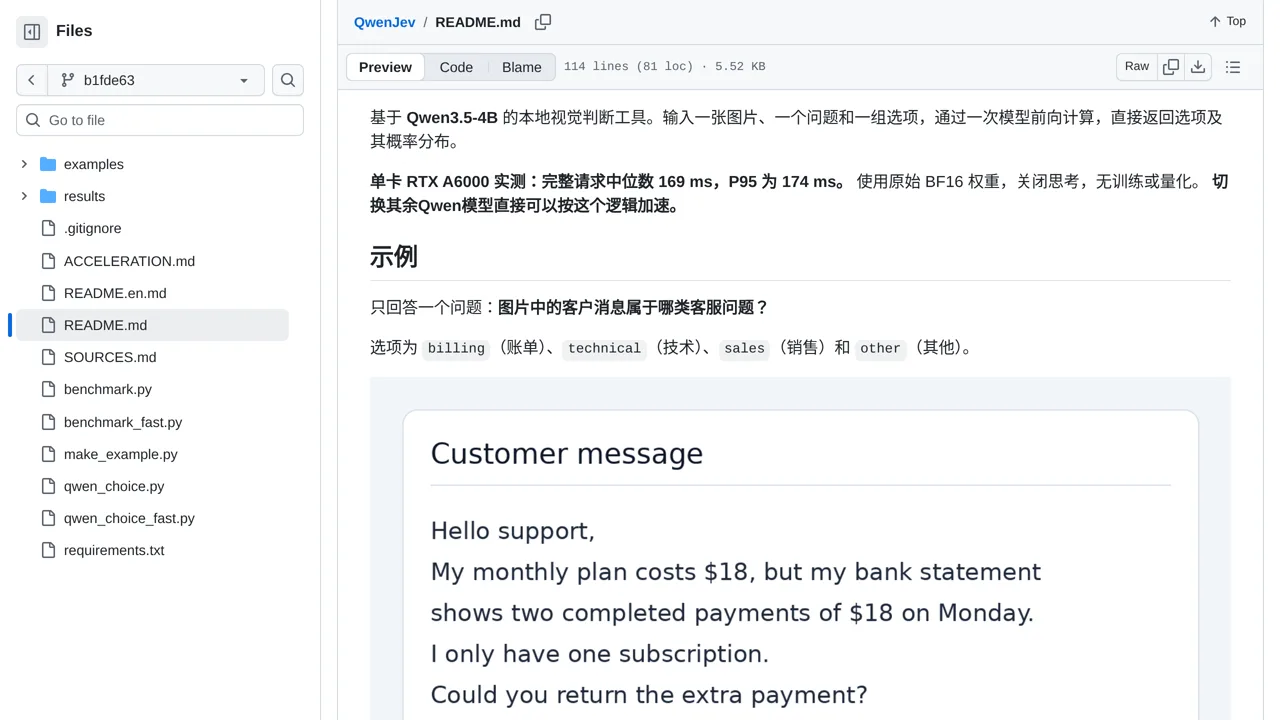
Qwen Choice reads option logits from a local vision-language model to classify one image without generating an answer.
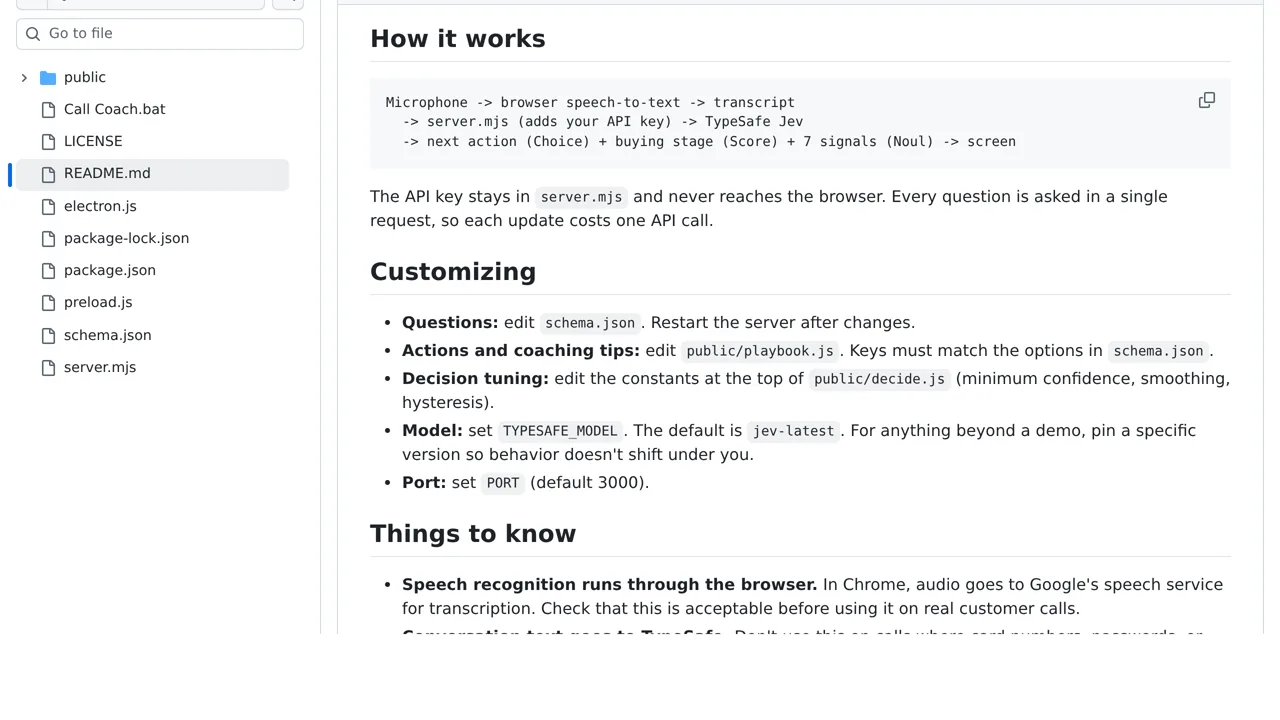
Receive a suggested next move after each sentence in a live sales call, with Jev’s confidence beside it.
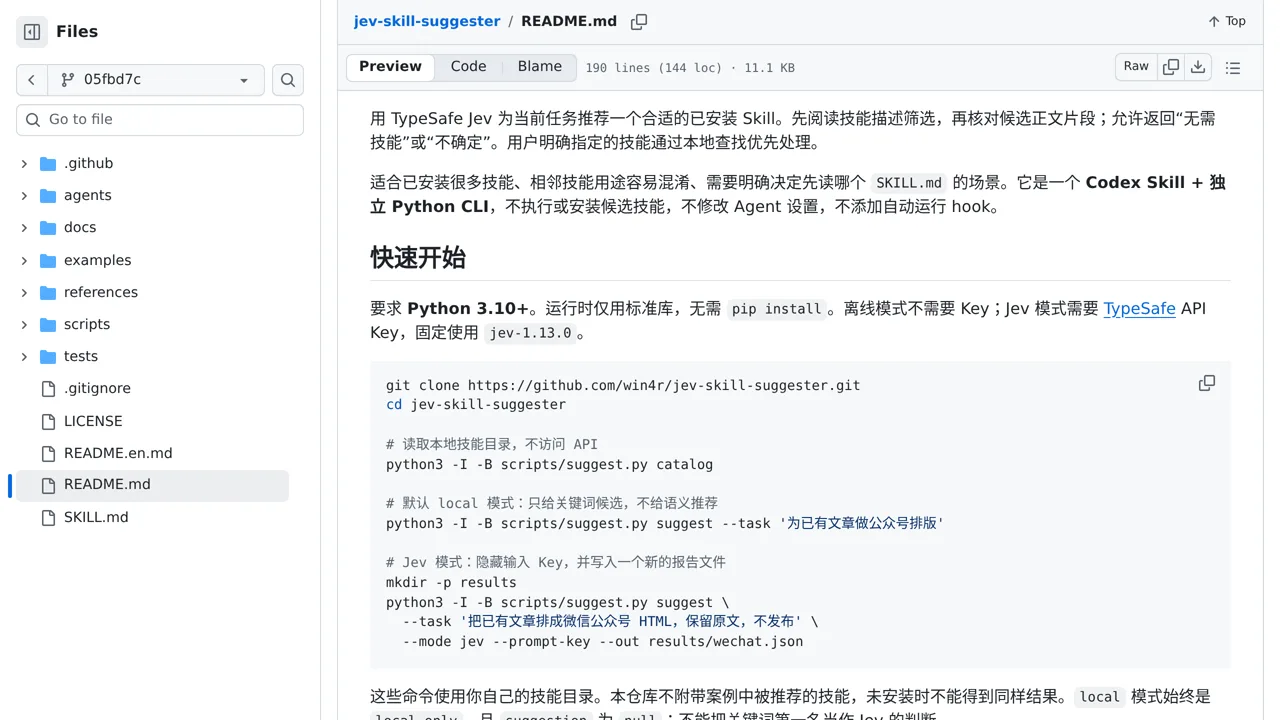
Recommends one installed Codex skill—or honestly none—from the catalog already available on the machine.
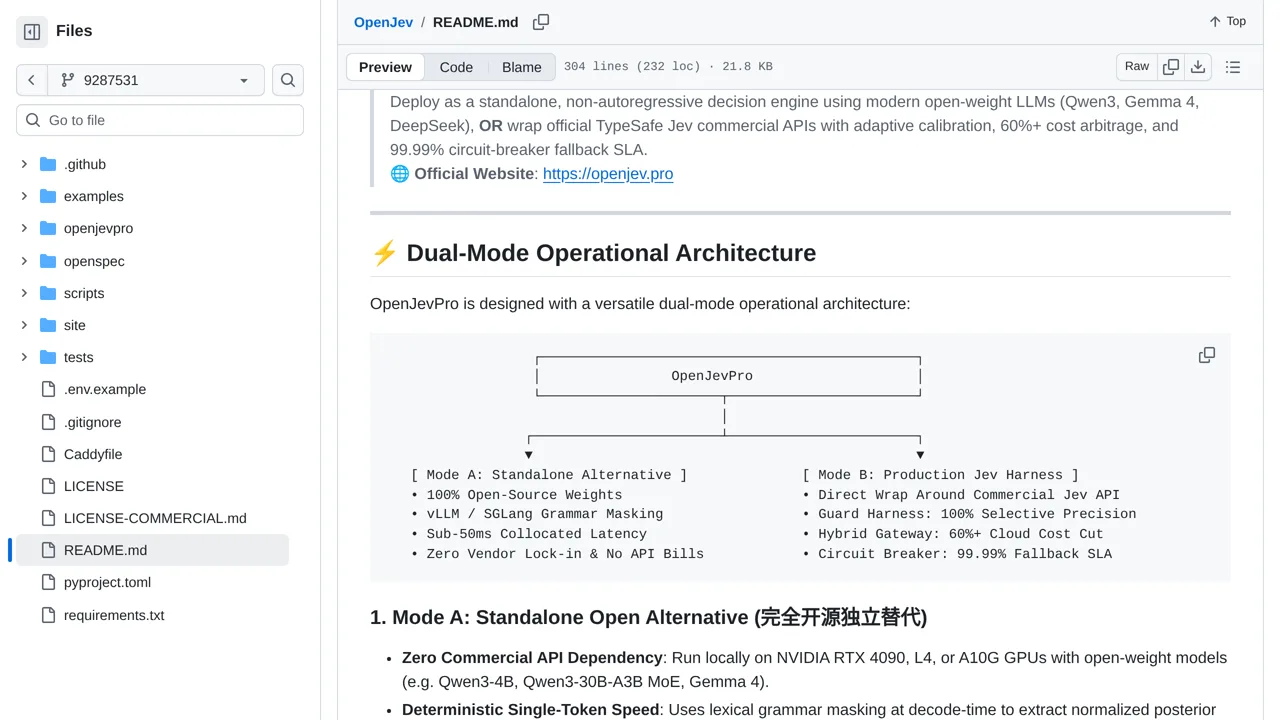
OpenJevPro wraps open-model decisions and official Jev calls with calibration, abstention, benchmarking, and fallback gateways.
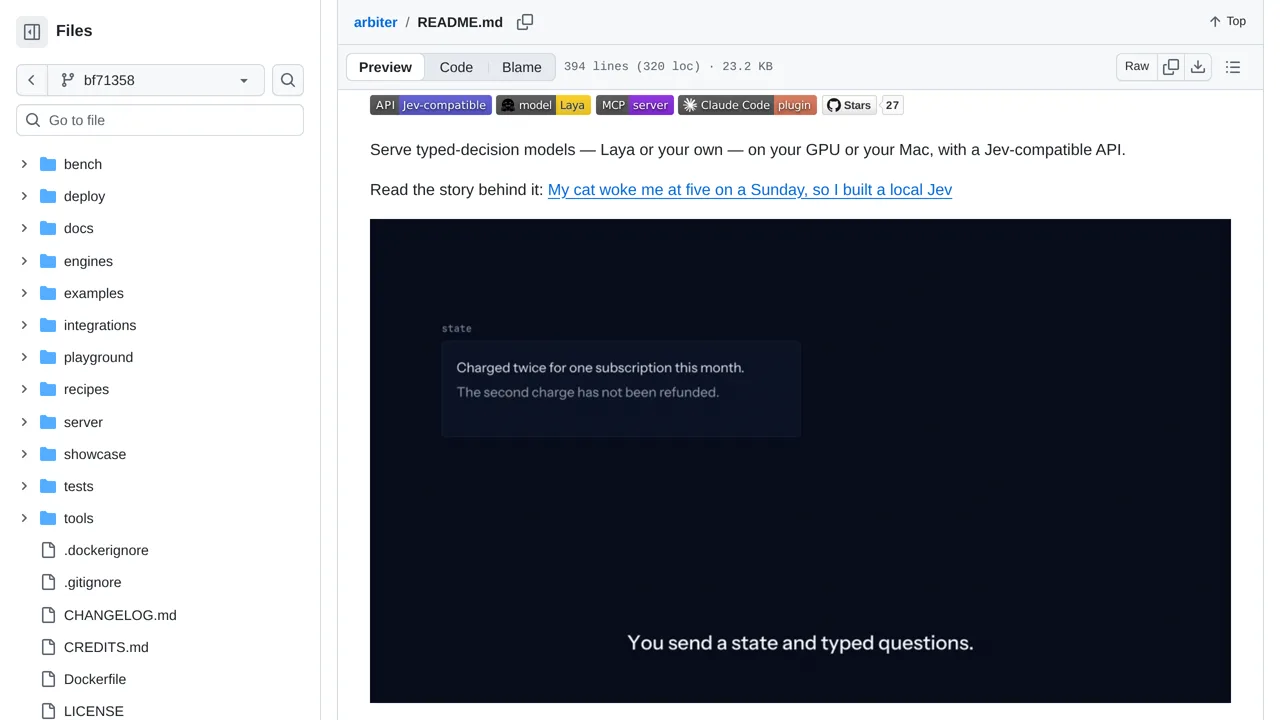
Serves Laya and other local decision models through a Jev-compatible API, with MCP and coding-agent adapters.
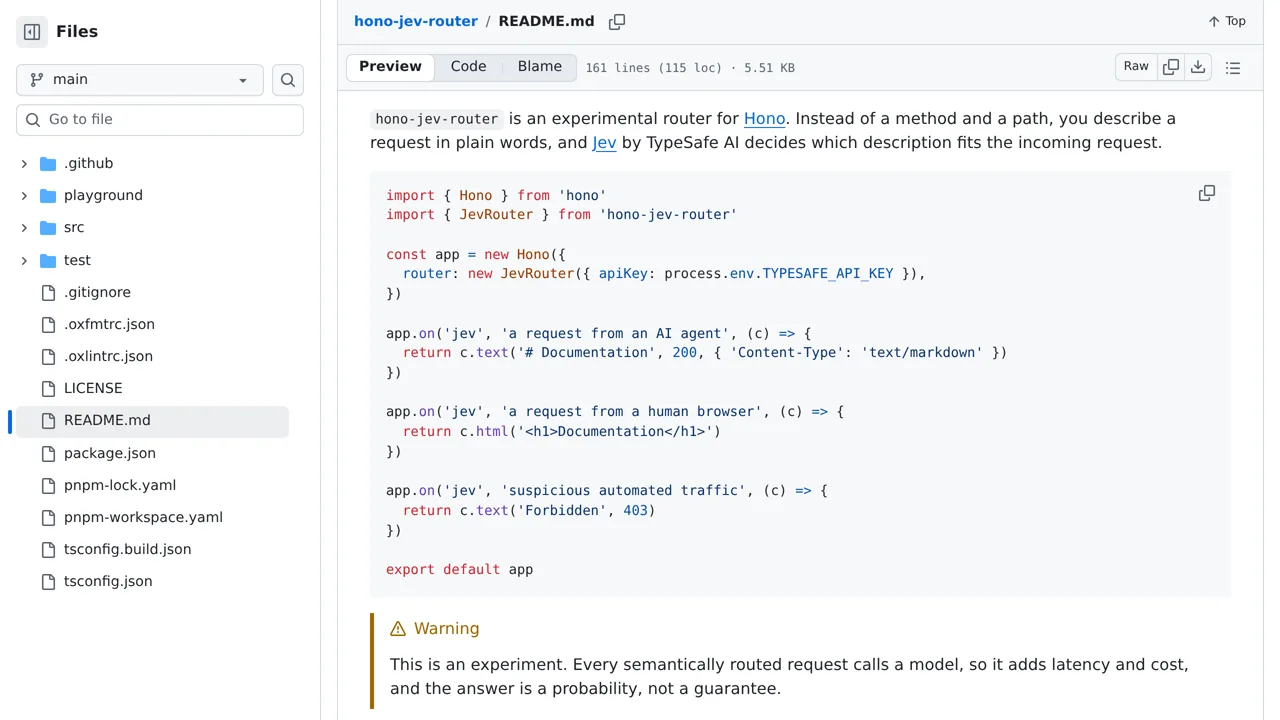
A semantic Hono router that directs HTTP requests according to their meaning.
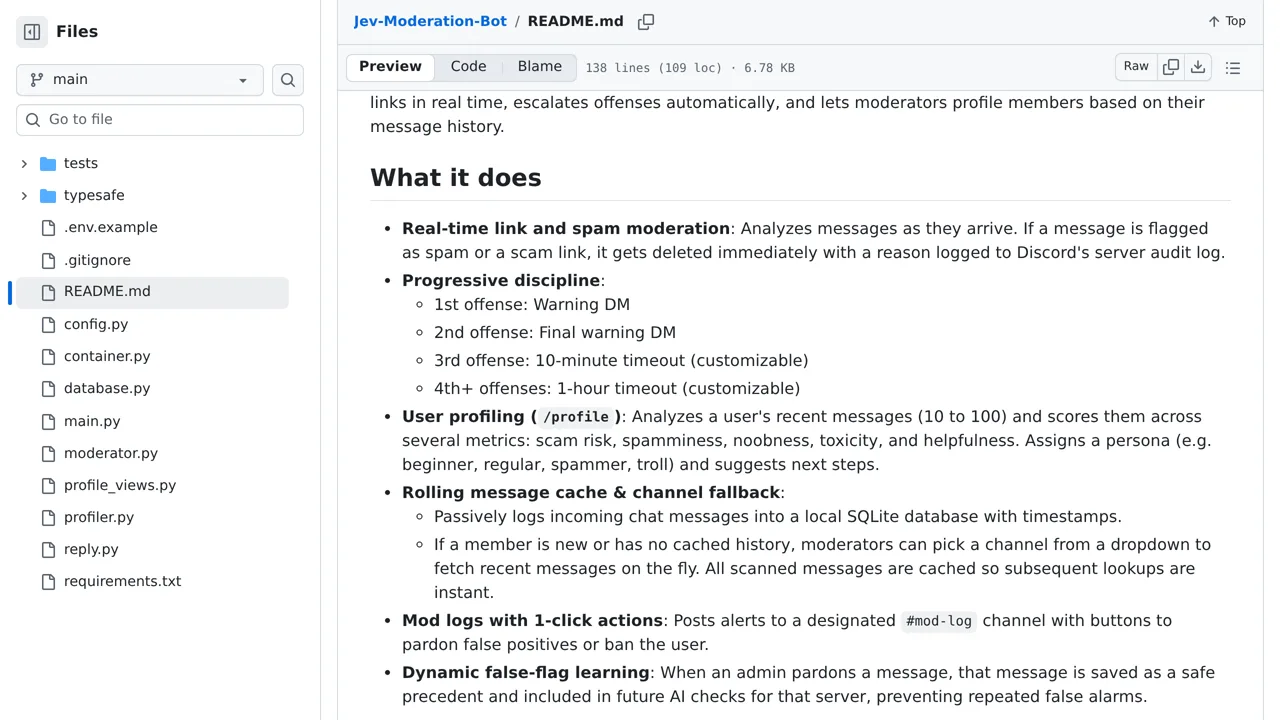
A Discord bot that uses Jev to filter spam and scam links, escalate repeat offenses, and help moderators review member history.
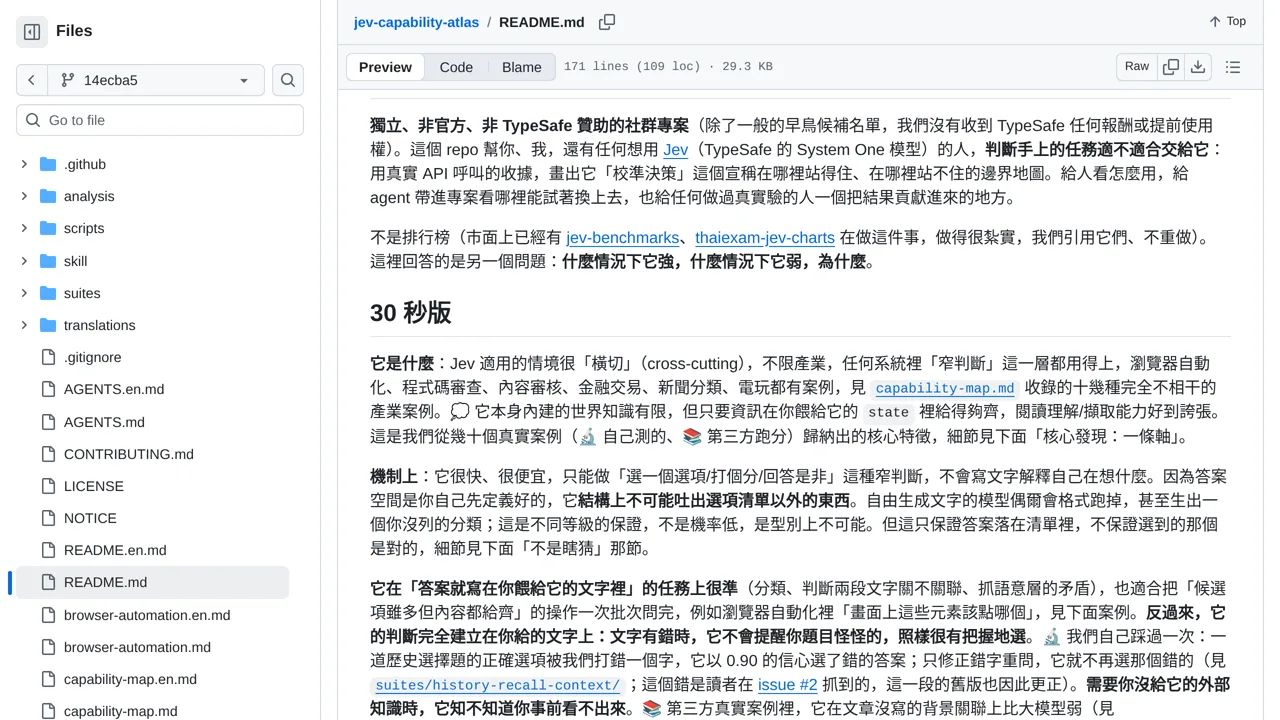
Maps where Jev succeeds or fails using reproducible API receipts, external studies, and bilingual explanations rather than a leaderboard.
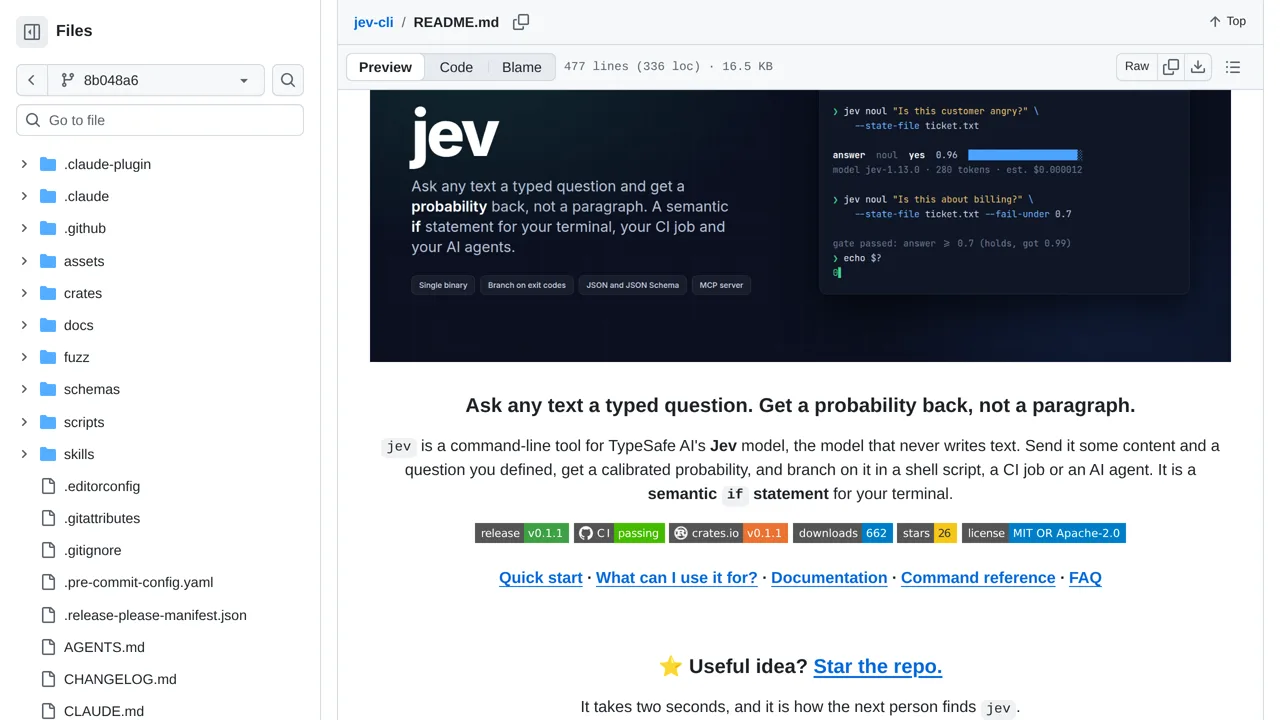
Turns typed questions about text into probabilities, exit codes, JSON, or MCP results for scripts, CI jobs, and agents.
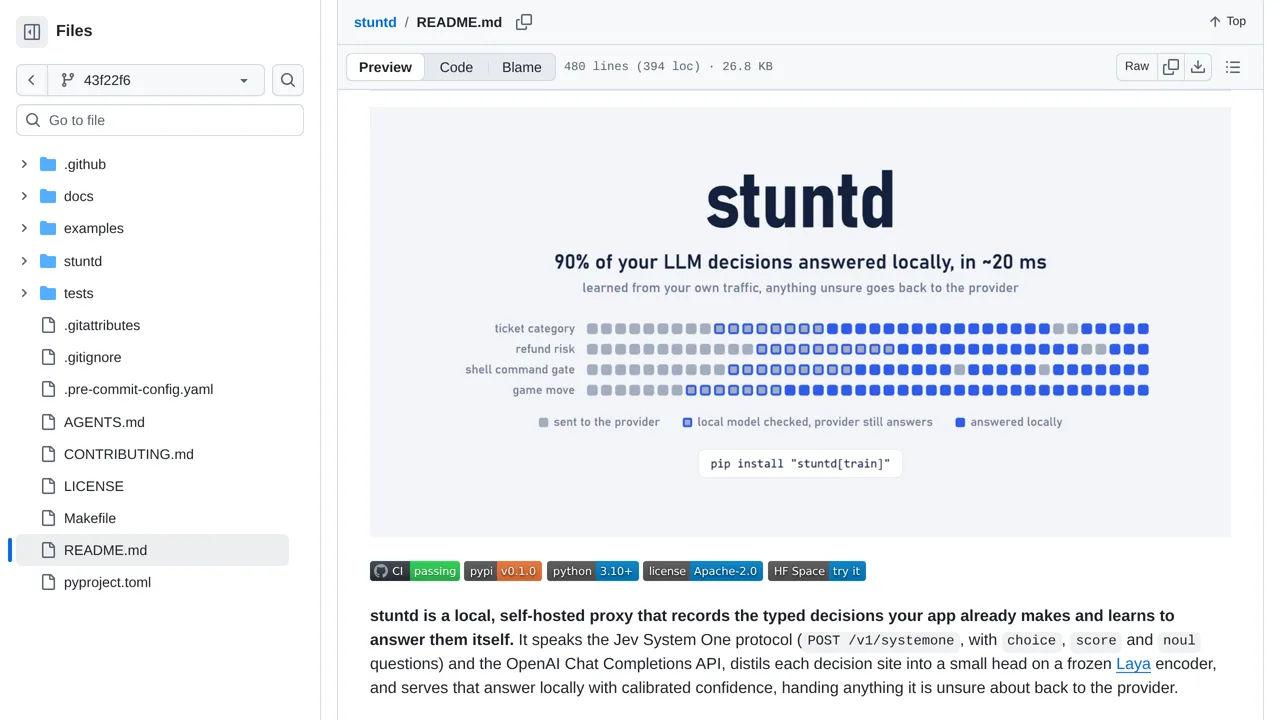
A local proxy records repeated typed decisions, trains small Laya heads, and falls back upstream when confidence is insufficient.
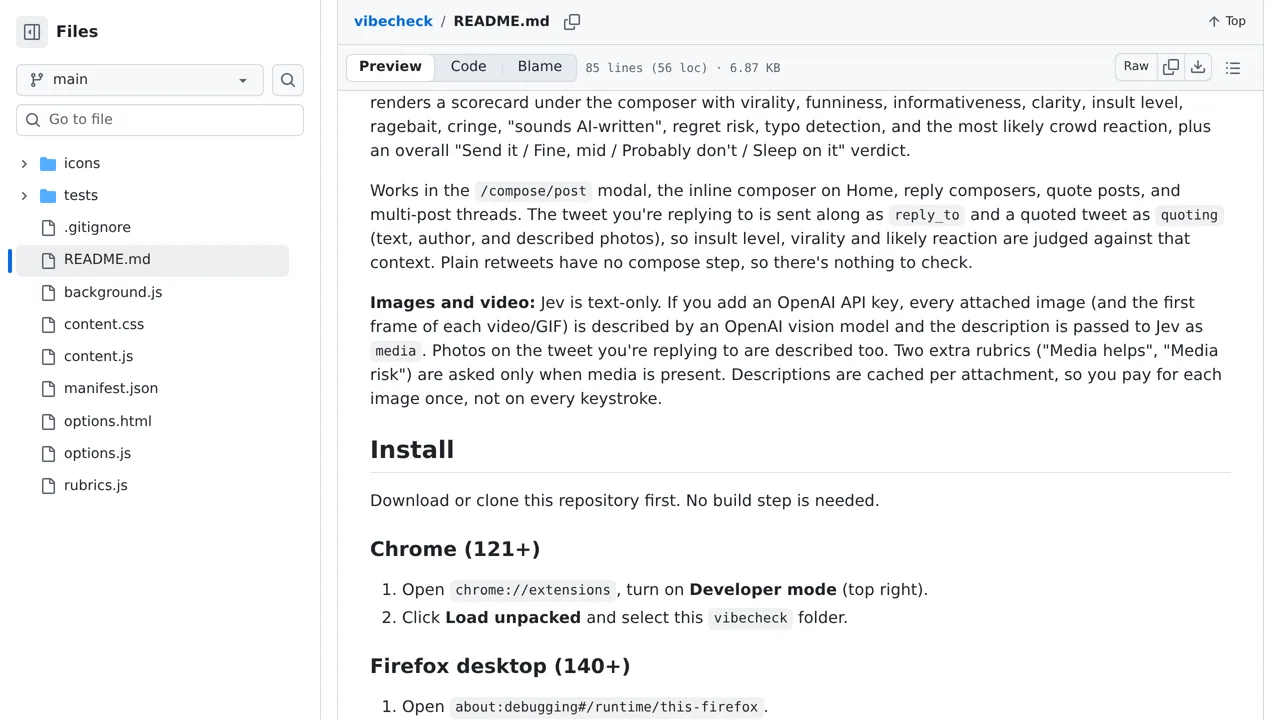
A Chrome extension that uses Jev to check the tone of an X post before it is published.
Decider fine-tunes Qwen3.5-2B to make typed choices with calibrated probabilities in one pass.

Describe a visual world in one sentence and let Jev turn it into a coordinated dashboard design system.
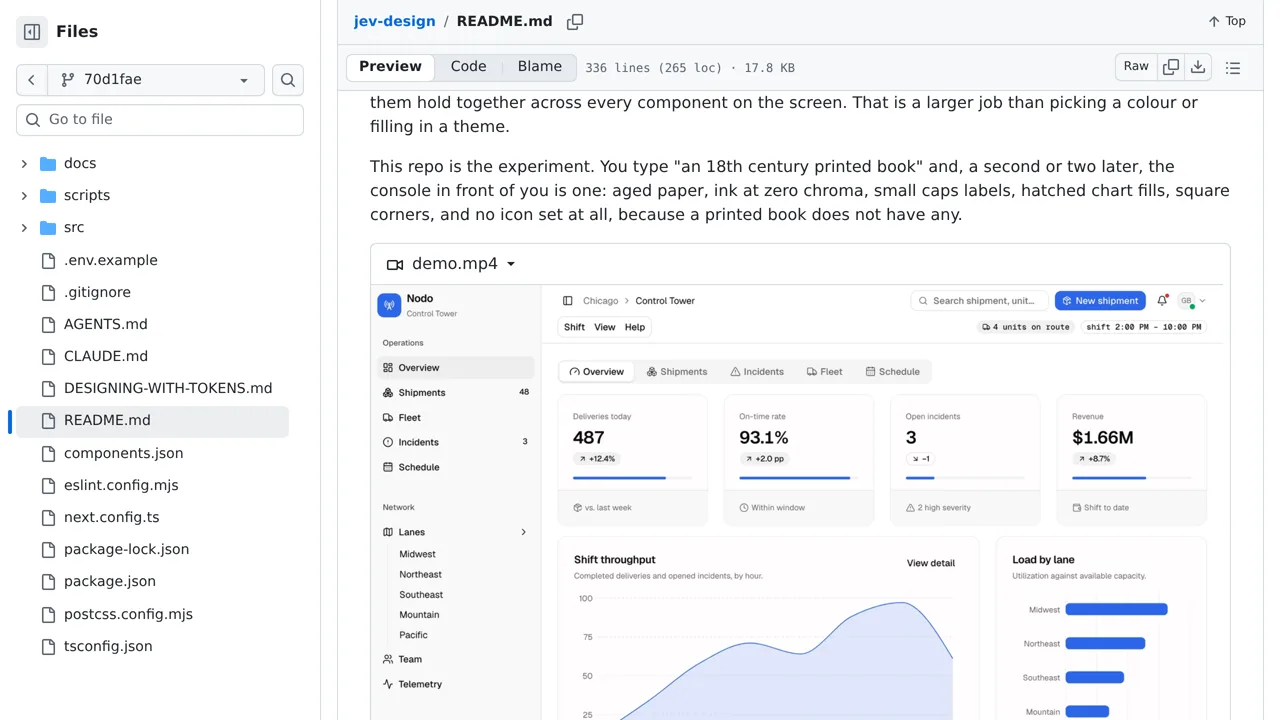
A Solidity review heat map that points auditors toward the contracts and lines Jev considers most likely to hide bugs.
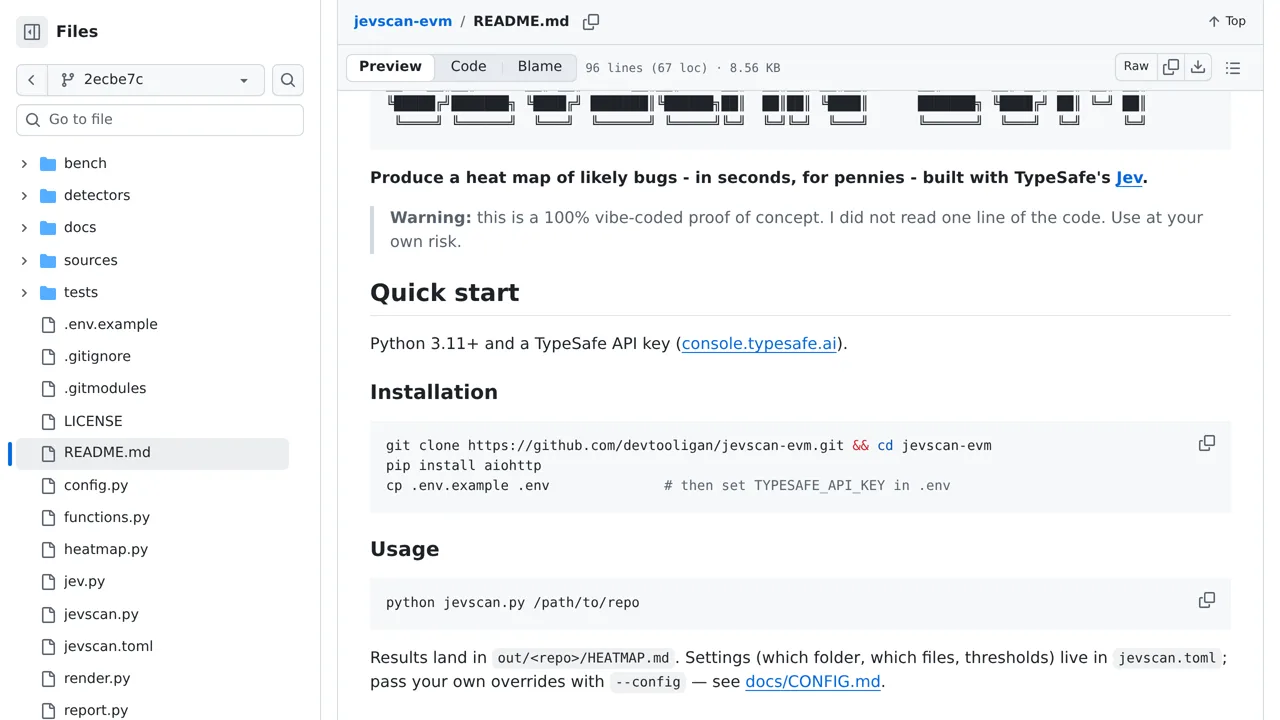
Loki is a personal AI assistant built to adapt as you use it.
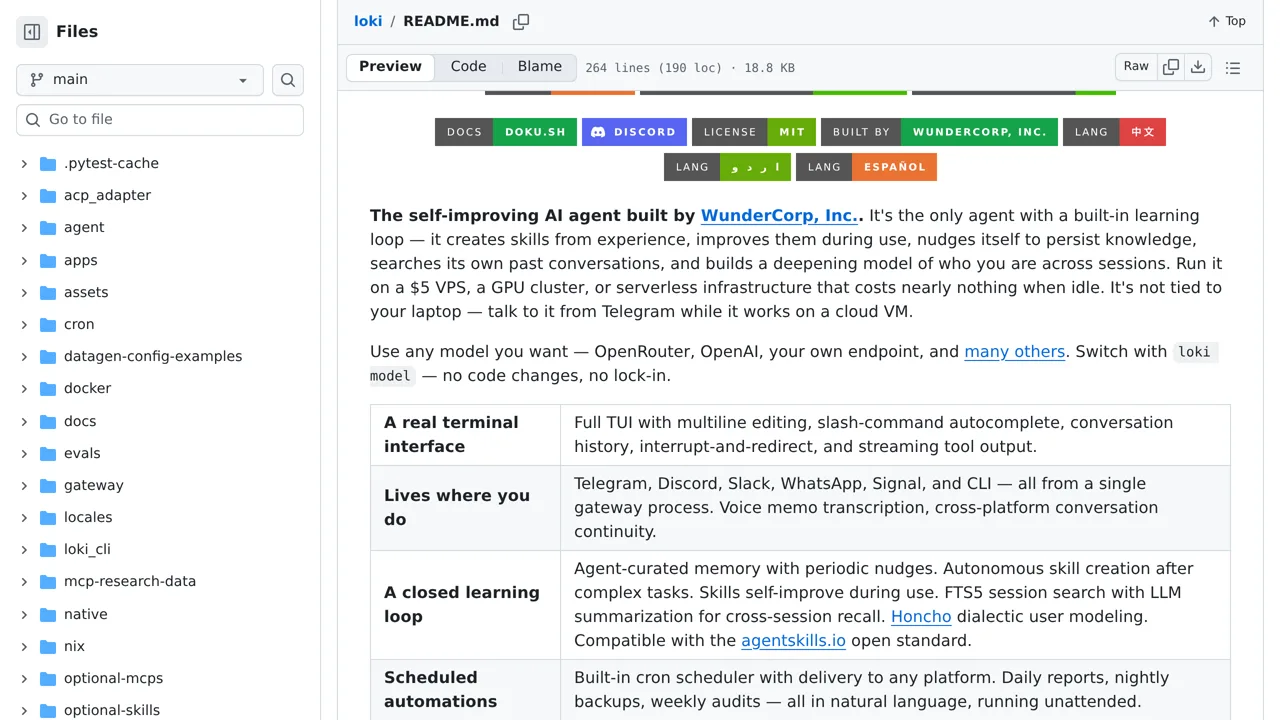
JevMLX adds parallel constrained decisions and schema-valid JSON to MLX models on Apple Silicon.
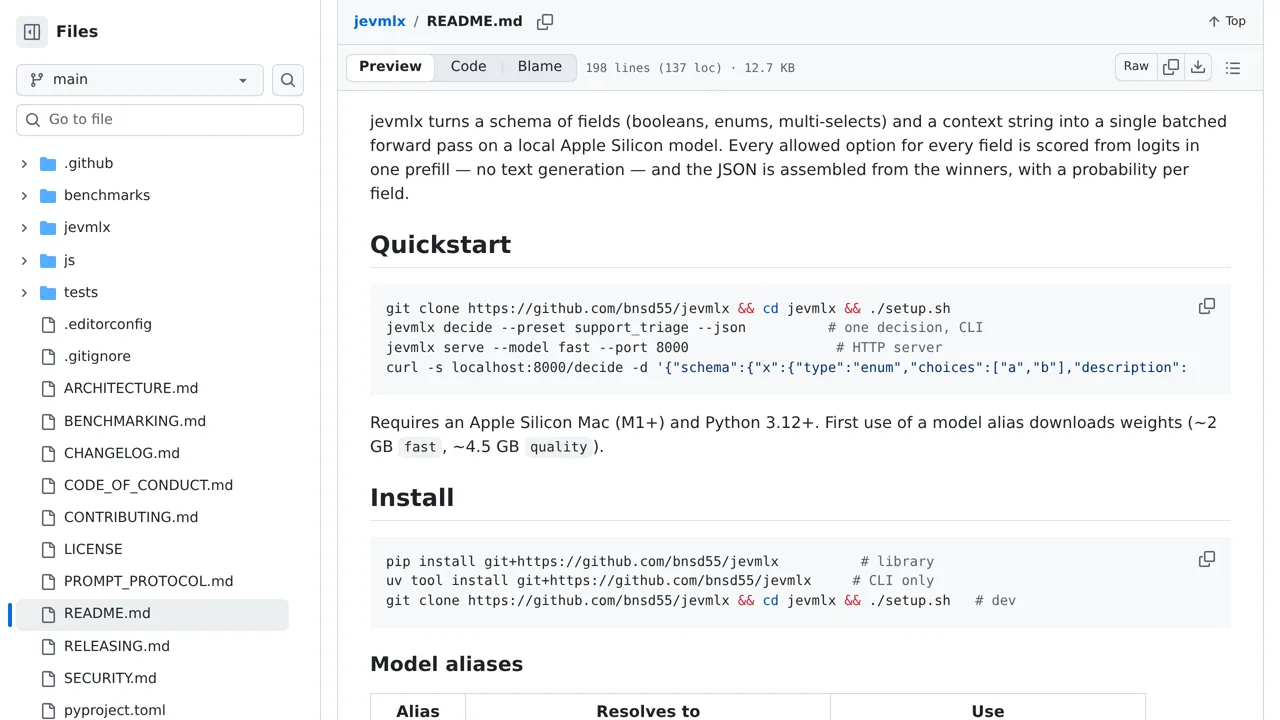
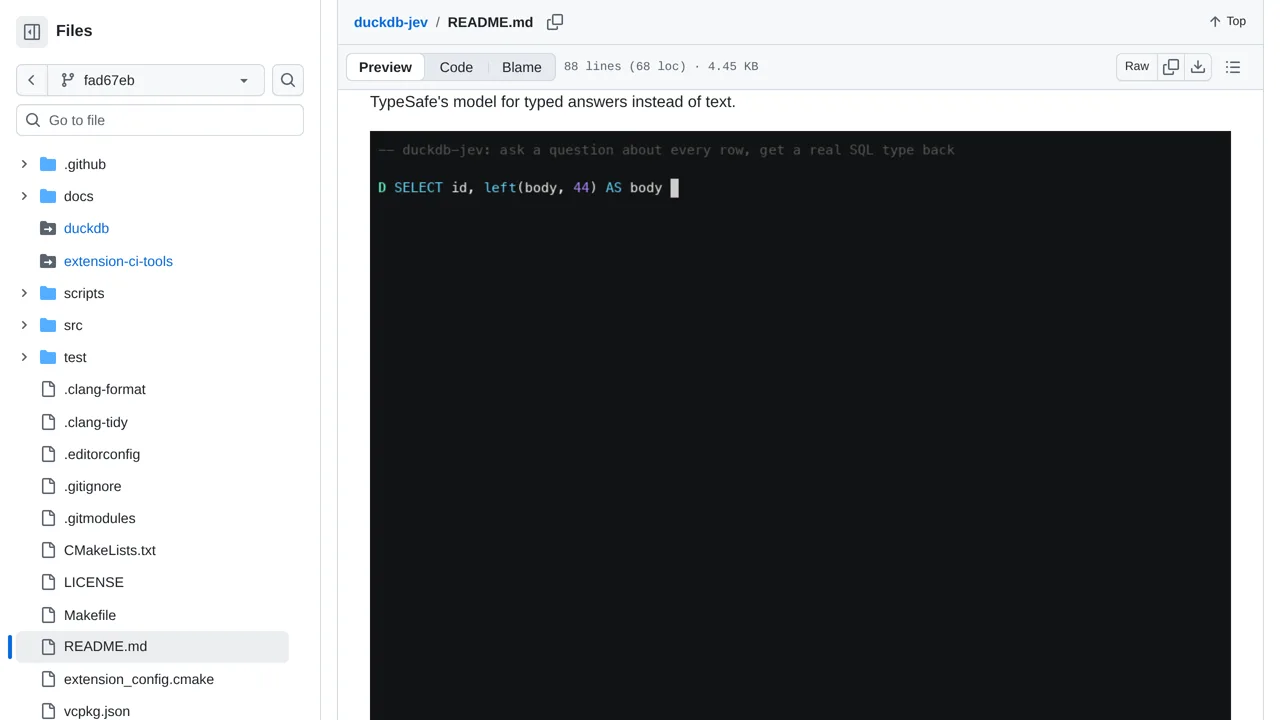
Asks typed Jev questions over DuckDB rows and returns native SQL booleans, enums, scores, and confidence values.
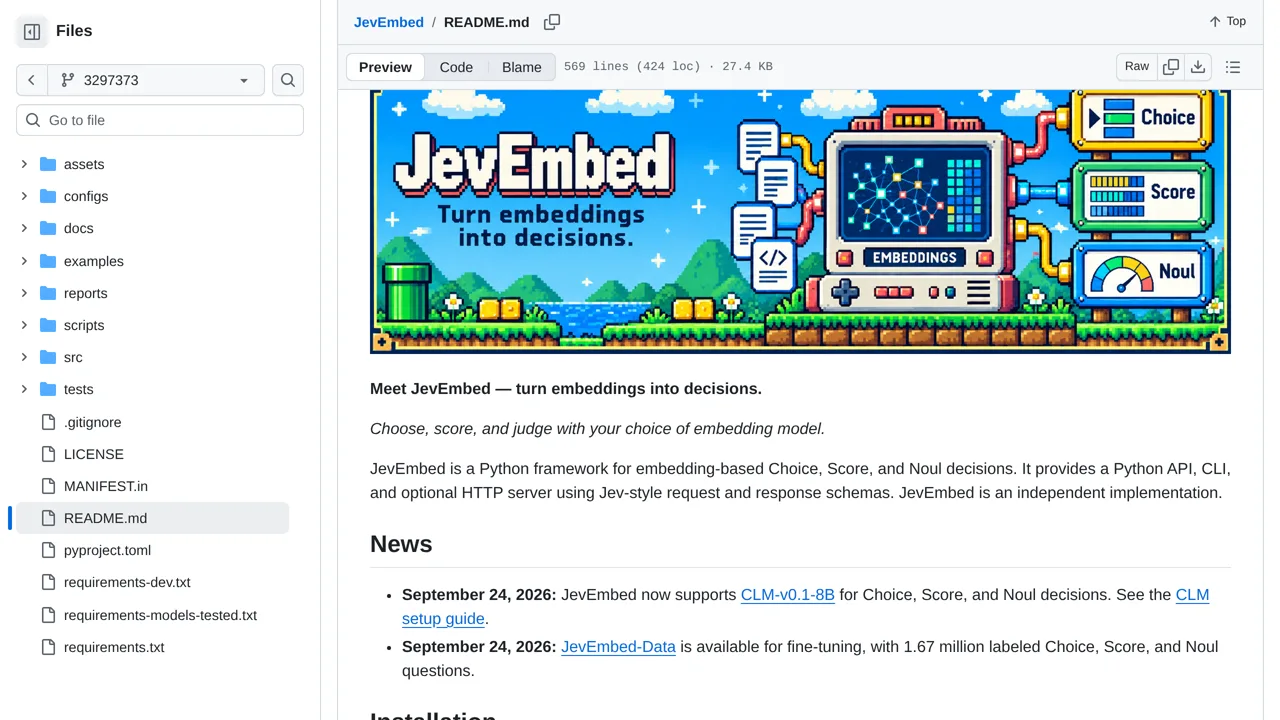
Implements choice, score, and yes/no decisions from embedding similarities instead of a decision-model API.
Jev, briefly
A chat model generates text token by token and hopes you parse it. Jev never generates a word. Your code sends the state of the world plus typed questions; Jev returns every answer in one parallel pass — typed values with calibrated probabilities and a confidence score your code can trust. About 70–500 ms end to end, $0.042 per million input tokens, output free. Trained with what TypeSafe calls Reinforcement Learning for Calibrated Decisions.
You define the options. Jev returns the chosen option, a probability for every option, and a confidence. The workhorse of routing, agents, and games — the answer space is always legal, so there is nothing to parse and nothing to hallucinate.
You describe ordered levels — say trivial / normal / critical. Jev returns the level, the probability of each, and a confidence. Scores turn fuzzy judgment (“how severe is this log line?”) into a number-free decision your code can branch on.
You assert a statement; Jev returns the probability that it is true — a noul. Moderation, verification, guardrails, “does this diff actually fix the bug?”: one question, one calibrated probability.
Official material lives at typesafe.ai and docs.typesafe.ai. JevMade is an independent community registry — not affiliated with or endorsed by TypeSafe AI.
Recurring lessons
Games, drones, trading bots, and browser agents all converge on the same loop: serialize the state, ask one decisive question, act, repeat. Jev’s latency makes the loop feel instant — the model lives inside the control loop, not outside it.
The answer says what; the confidence says whether to act. The most reliable entries threshold on confidence to route edge cases to a slower model or a human — automation with an honest escape hatch.
Makers rarely ask Jev to pick from everything. Local tactics prune 225 gomoku moves to ~40; DOM filters turn a page into an element table; code narrows options, Jev judges within them.
A recurring split: Jev makes every decision cheaply and instantly, and a small LLM is only invoked when a human-facing string must actually be written. Decision and generation are separate budgets.
Send the link — repo, live demo, post, or video — plus a line on what it does and which primitives it uses. Every entry is verified against its primary source before it ships.
Submit your experiment → hello@JevMade.com