Read & learn
Written guides.
Understand Jev, one idea at a time. Walkthroughs, recipes, and writeups — our notes first, the original next.
Learn, build, and play with Jev — from deep technical guides to creative experiments.
Read & learn
Understand Jev, one idea at a time. Walkthroughs, recipes, and writeups — our notes first, the original next.
Watch & learn
See an idea take shape. Tutorials, demos, and deep dives, organized by topic and credited to their creators.
Make & explore
See what builders made with Jev. Games, tools, repositories, articles, and more — traced to their sources.
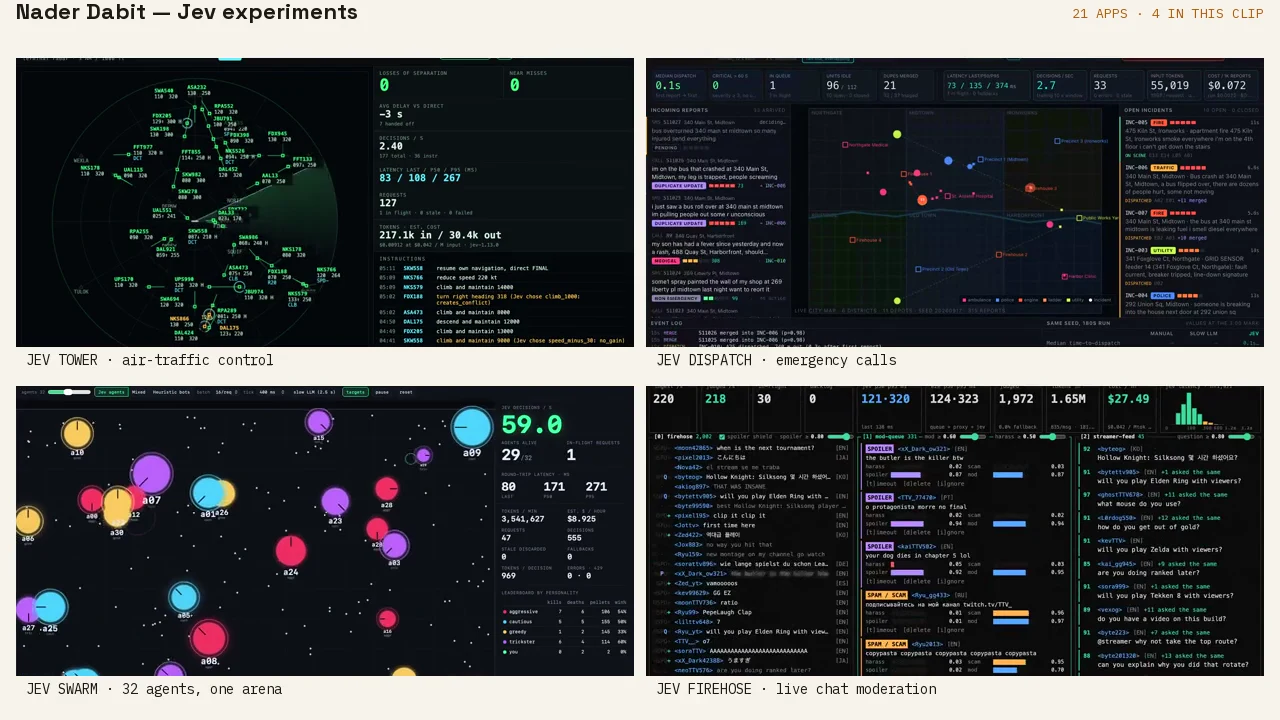
Every category, from games and tools to repositories and writeups, traced to a primary source.
Real-time research powered by
Same ideas.
Different paths.
This is the full registry, not just the featured picks. Figures like speed, cost, and stars are maker-reported or captured snapshots, not JevMade measurements.
2140 experiments · showing 2101–2140
@blastore turns a survey-answer contest into a multiplayer TV game show on Spawn, with an AI host judging the answers.

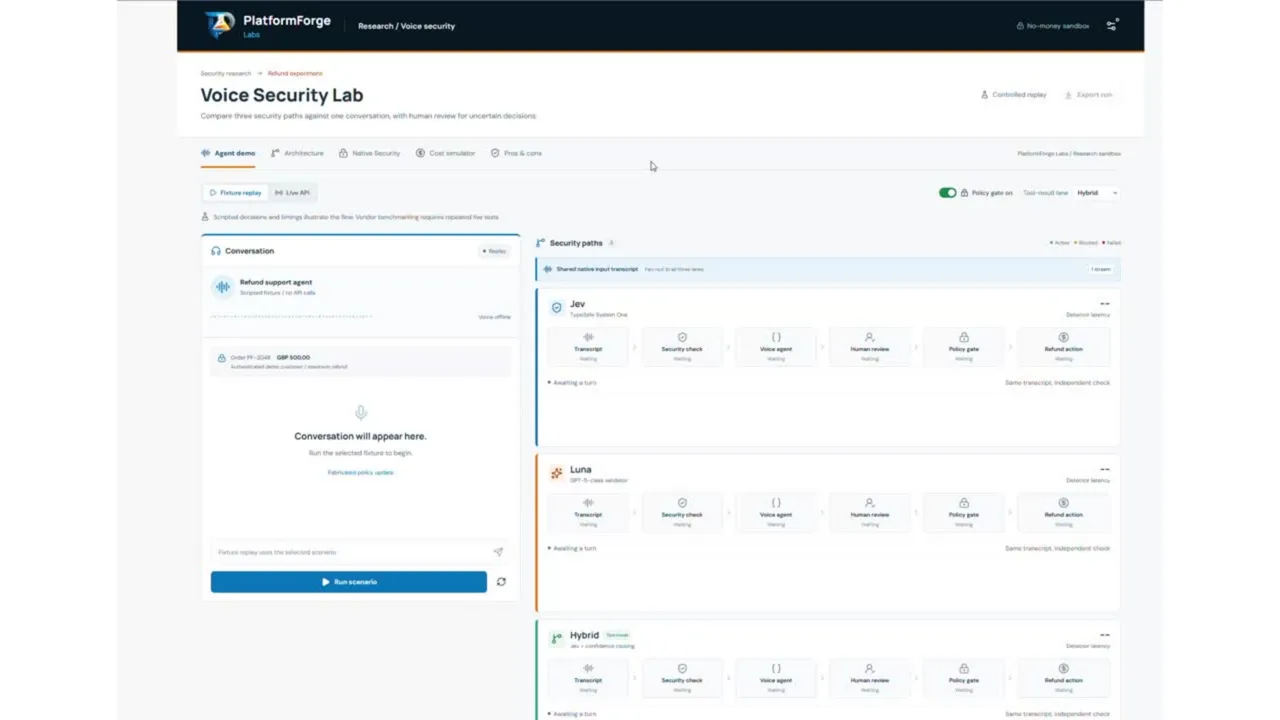
Sebastian Sochacki's voice-agent security walkthrough pits a £1,000 refund request against an order with only £500 left to refund.
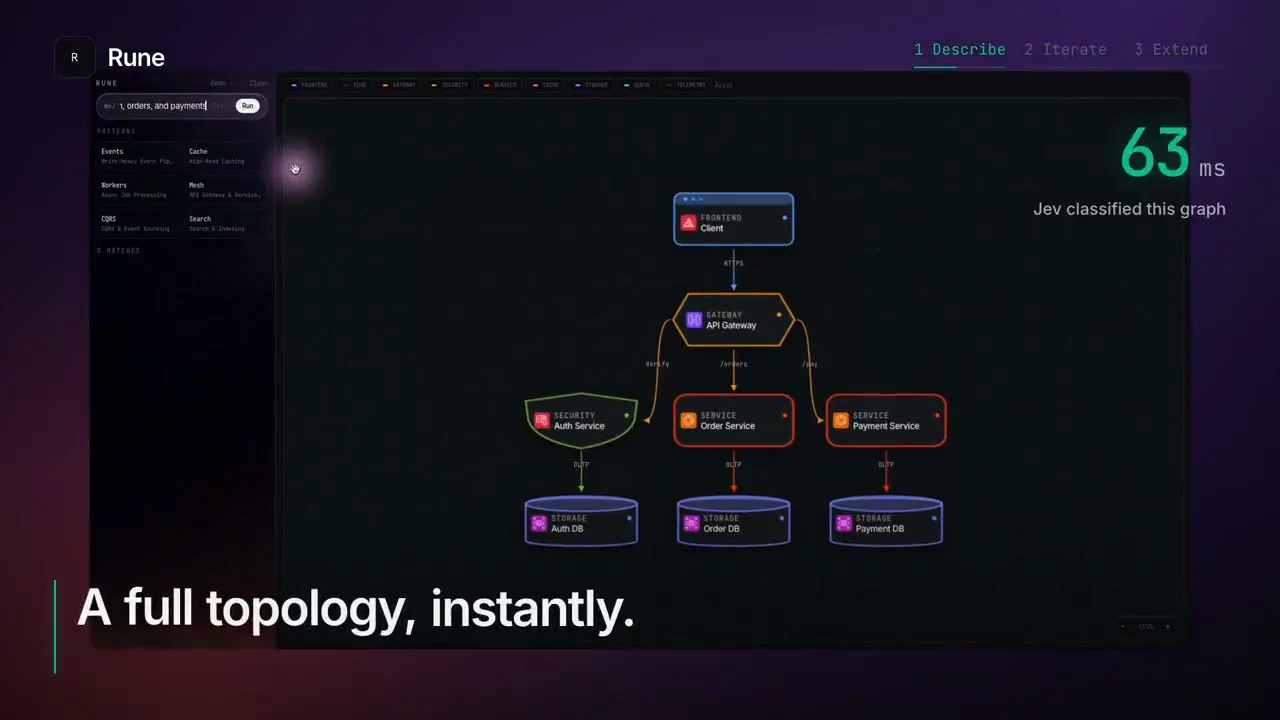
Rune's edited showcase builds on an e-commerce service map, with follow-up prompts adding a cache, read replicas, a queue and workers.
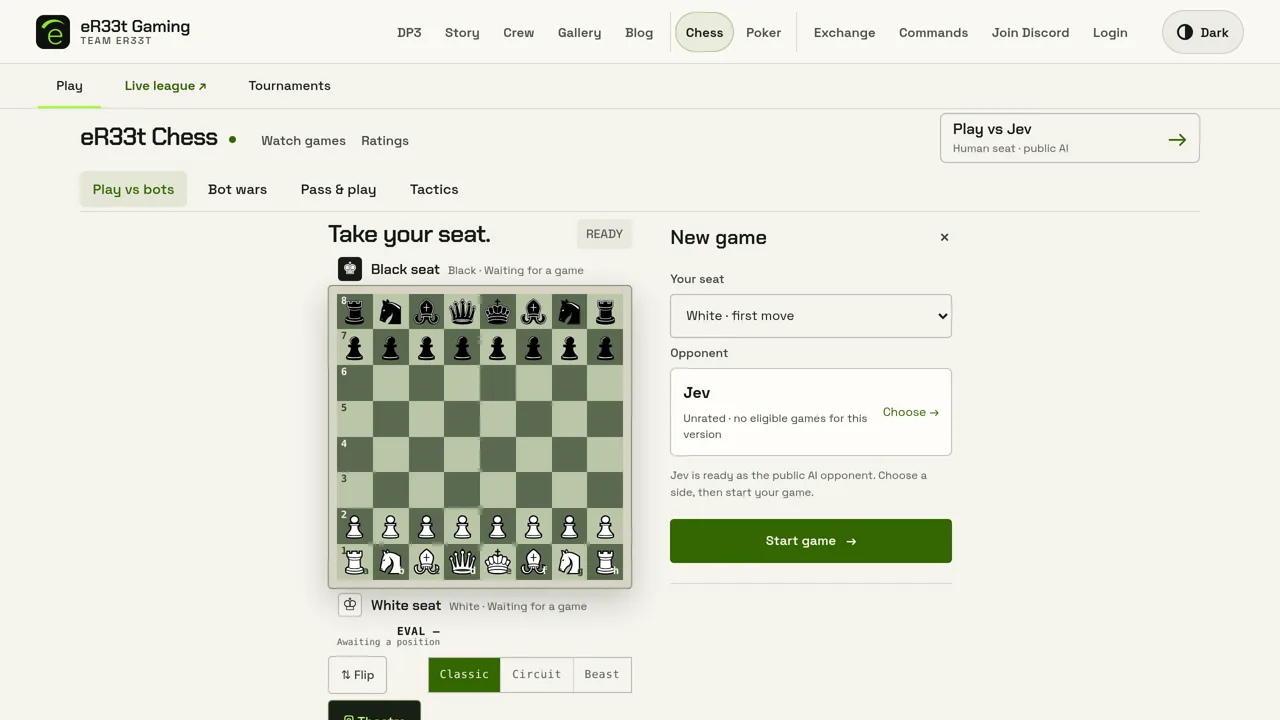
Play a Jev opponent in eR33t's browser chess arena, or explore its bot matchups, tactics and game replays.
ScaleDown hosts models for assigning labels, copying source passages, summarizing documents and trimming the context an agent receives.
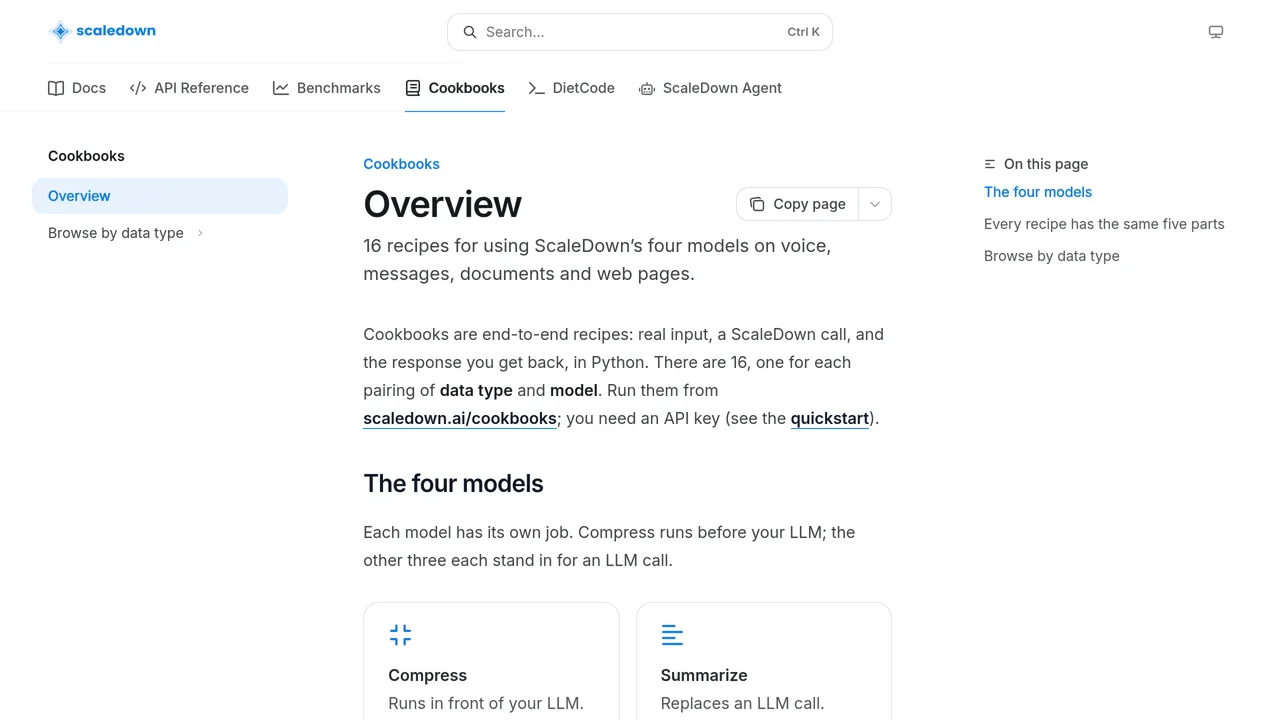
PolicyLM-1.7B scores a message against your moderation categories instead of writing a reply.

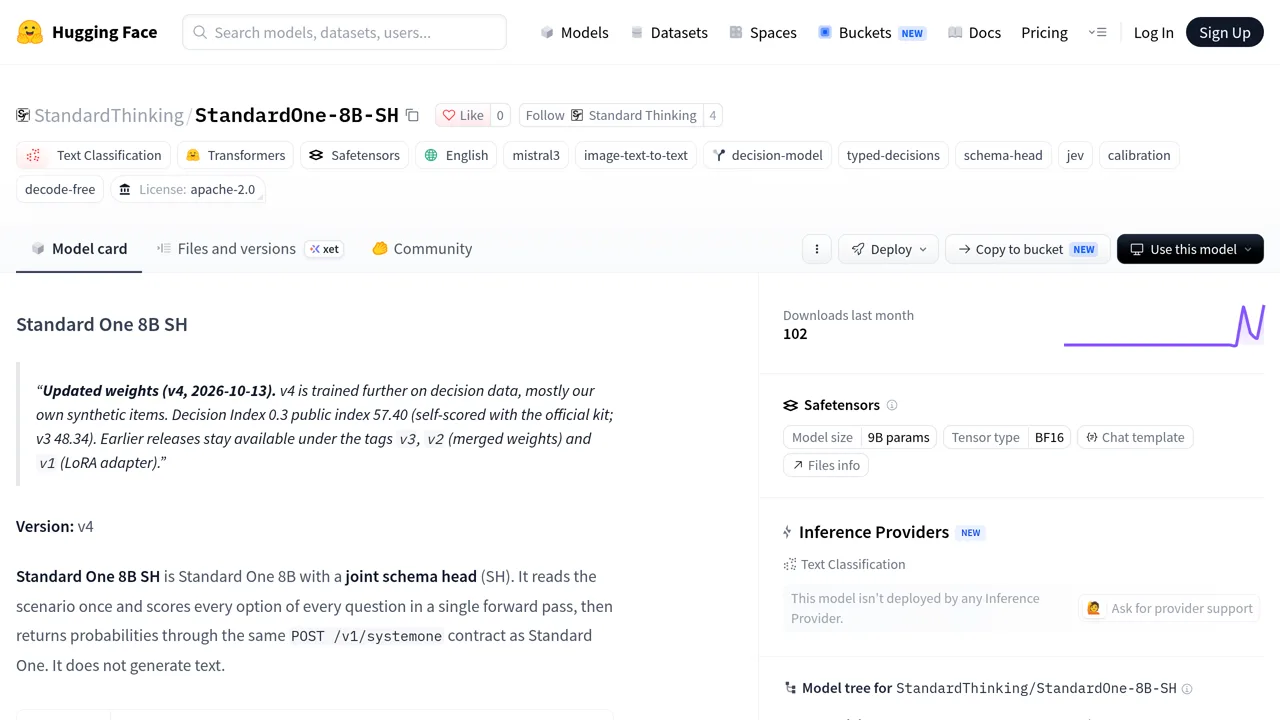
Standard One's open 3B and 8B models answer yes/no, choice and score questions, with SH variants handling several questions about one input in a joint pass.
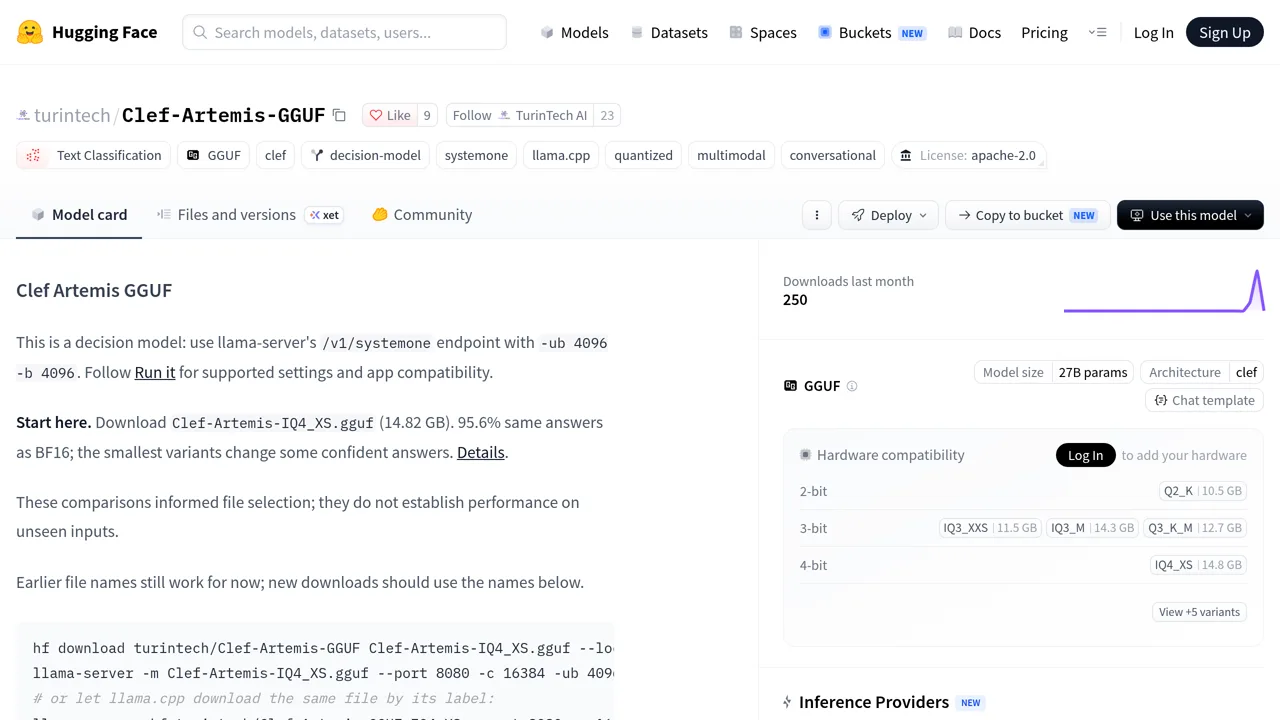
TurinTech's Artemis files compress Clef, Decider and Kev for llama.cpp, balancing memory savings against agreement with the original models' answers.
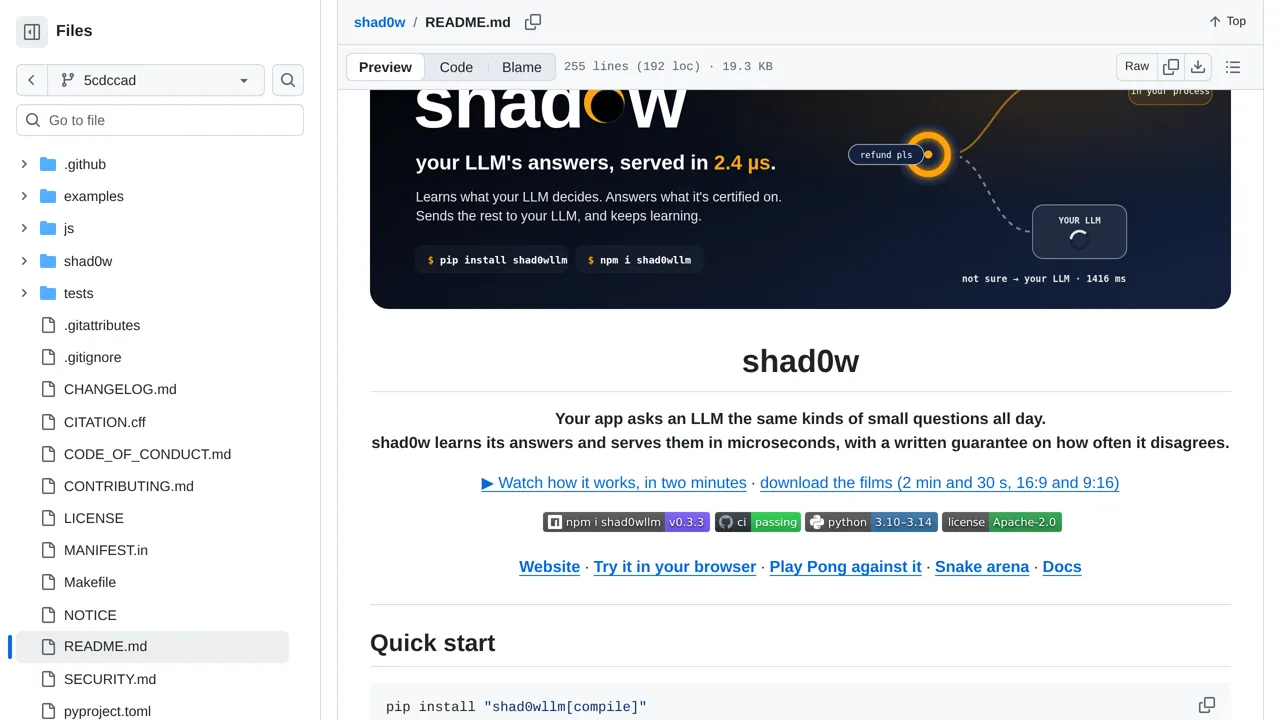
shad0w learns a small local lookup table from a model's fixed-choice answers and sends requests back to that model when the table is unsure.
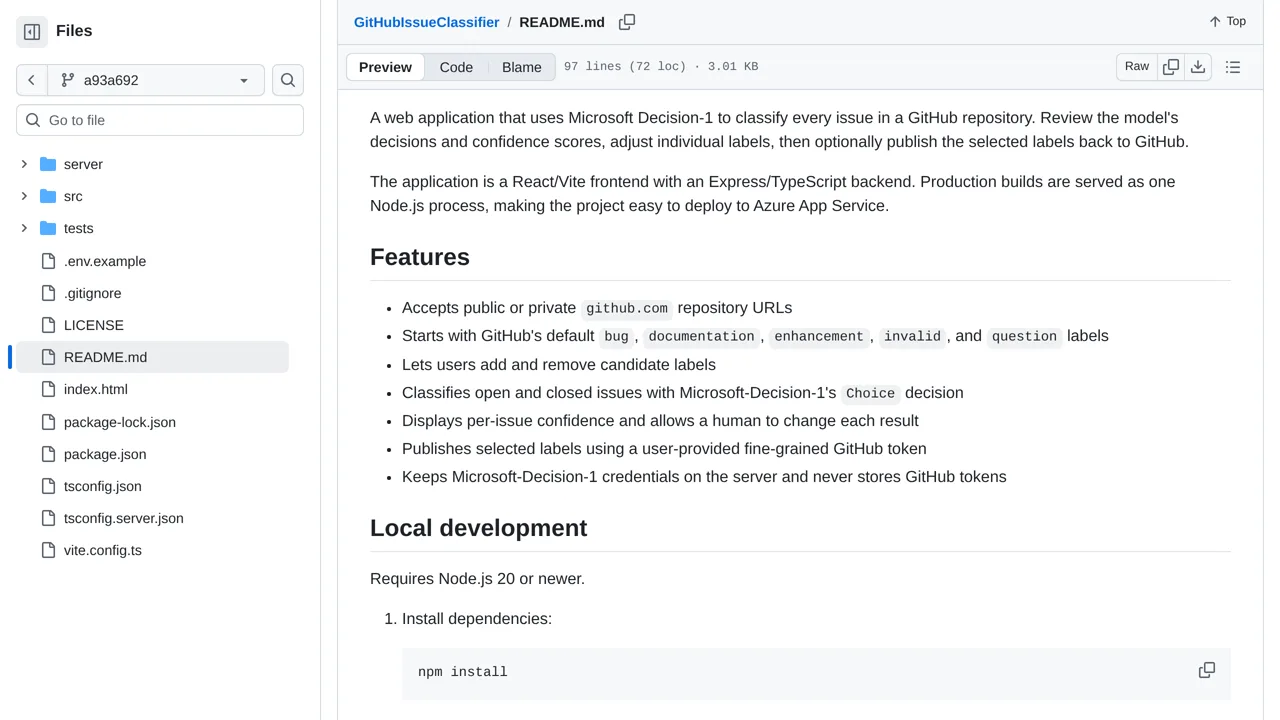
Jennifer Marsman's issue-labeling app lets a person review and edit Microsoft-Decision-1's suggestions before publishing them to GitHub in a separate step.
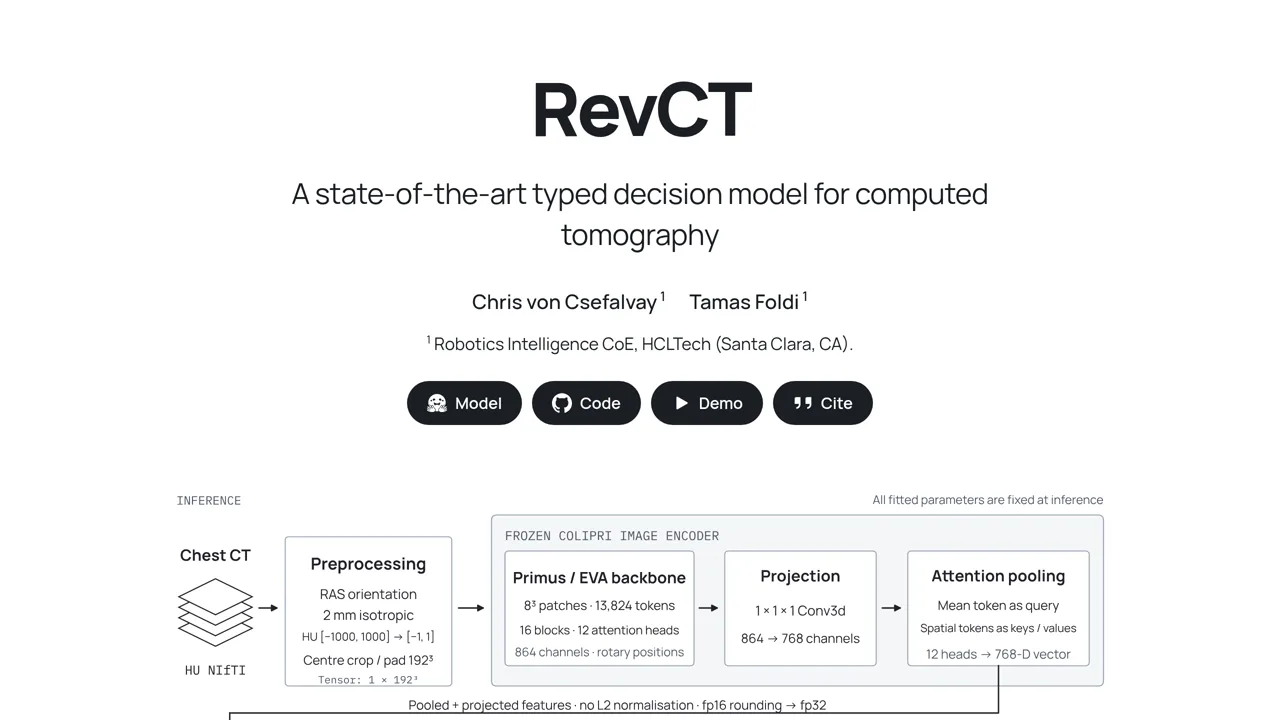
HCLTech's research model RevCT reads a full three-dimensional chest CT scan and scores 18 findings without writing a radiology report.
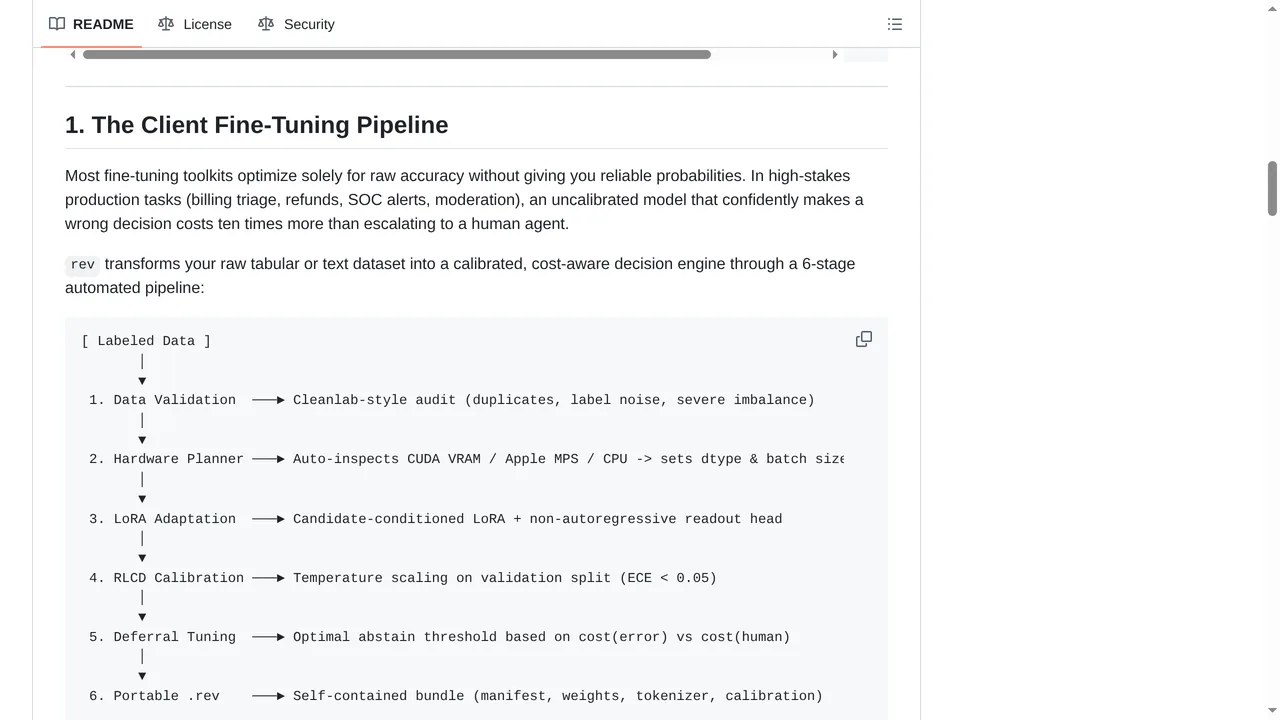
rev trains a local decision model from labeled text and lets uncertain answers go to a person at a chosen cutoff.
The small local Phocinae-Largha-150M-v1 model answers yes/no, choice and score questions, with its maker openly reporting training/test overlap and weak JevBench performance.

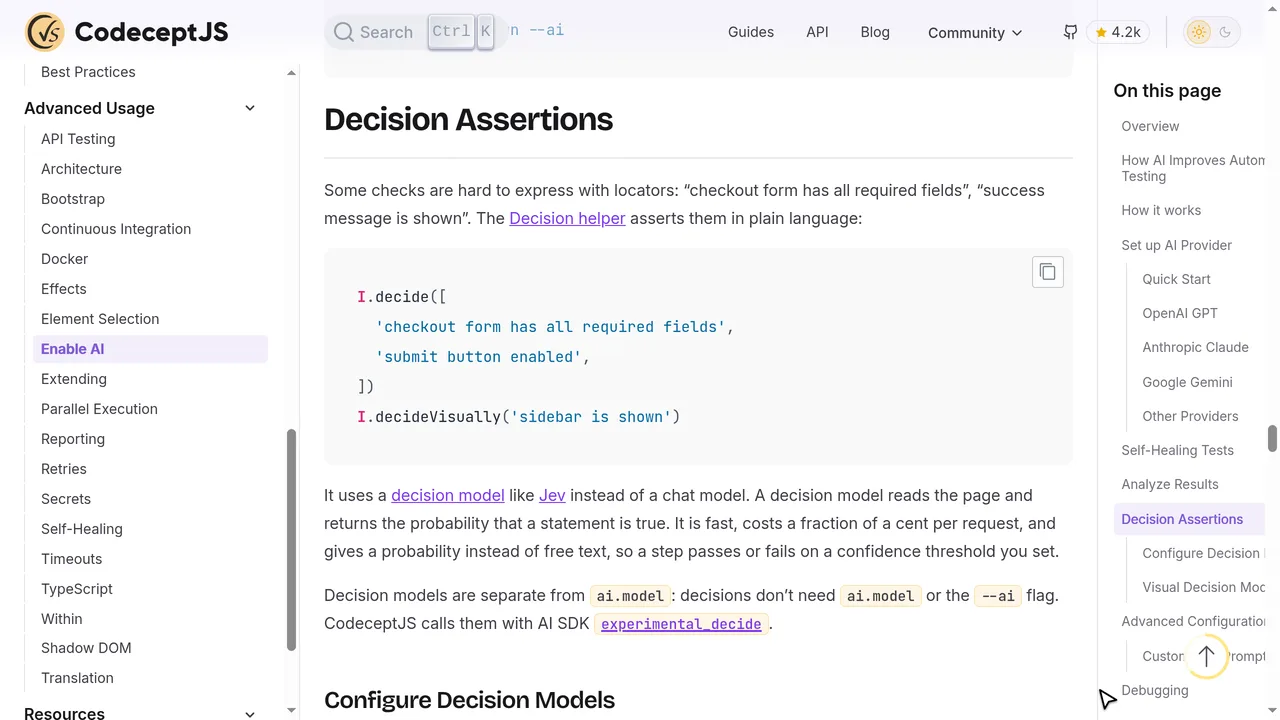
Alongside exact assertions, CodeceptJS offers I.decide and I.decideVisually to check whether a page meets a requirement written in ordinary language.
Viorant's hosted Jev MCP gives compatible assistants tools for evidence checks, text screening, ranking and typed questions through an authenticated remote connection.

Hajime-Y's unofficial NanoJev extension trains ViZDoom's PredictPosition task with feedback across several game steps, then compares the result with supervised training.

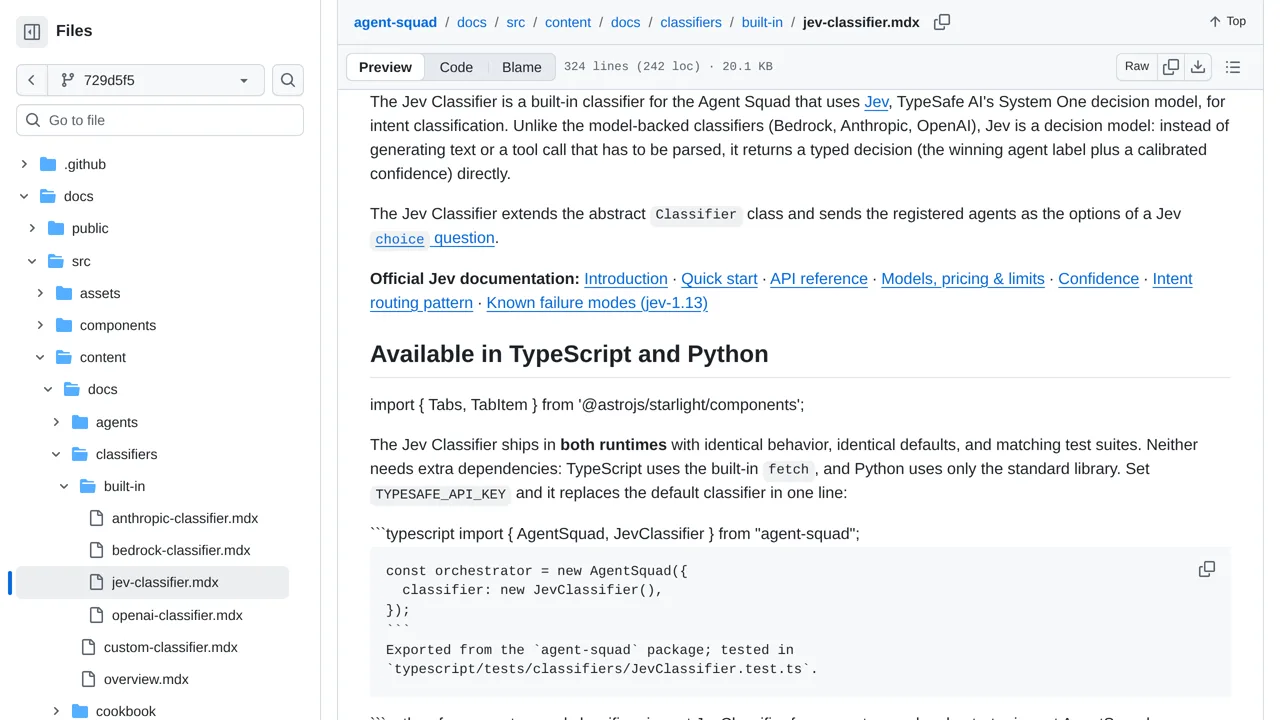
Agent Squad's JevClassifier chooses the next specialist agent by comparing agent descriptions with a message and its conversation history.
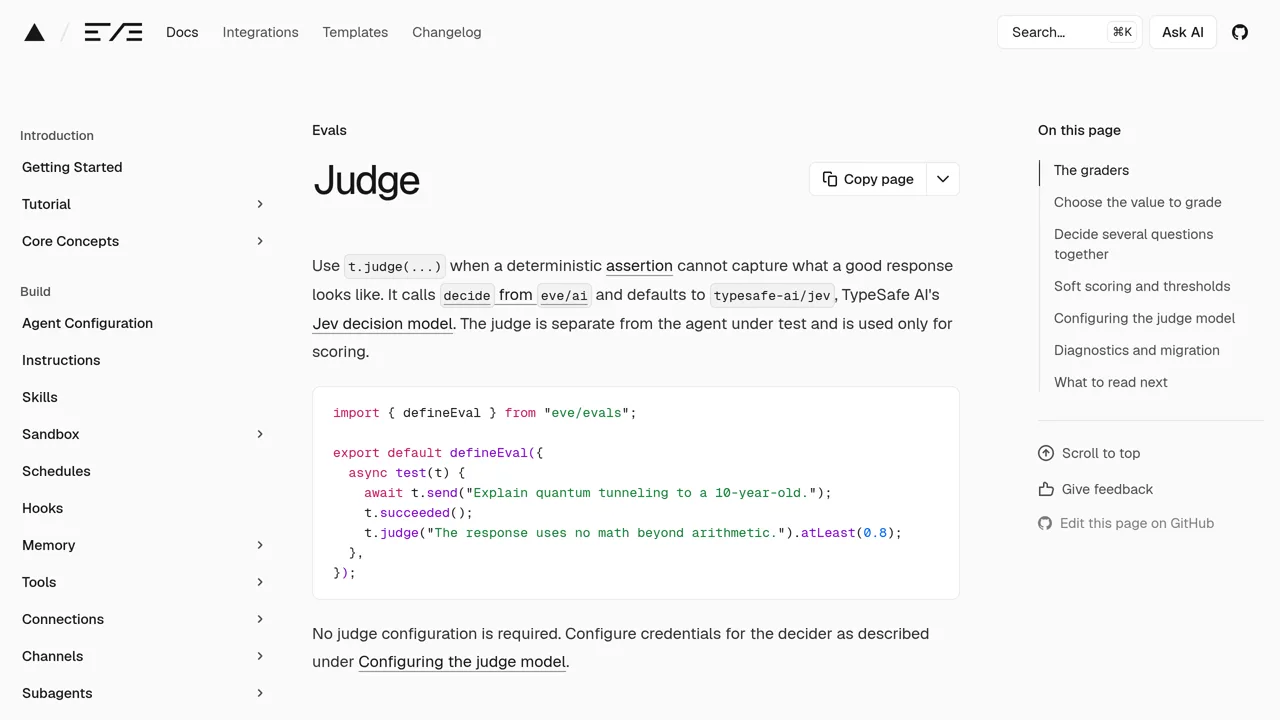
Eve's t.judge checks an agent's response against your criteria, using Jev through Vercel AI Gateway as the default decision model.
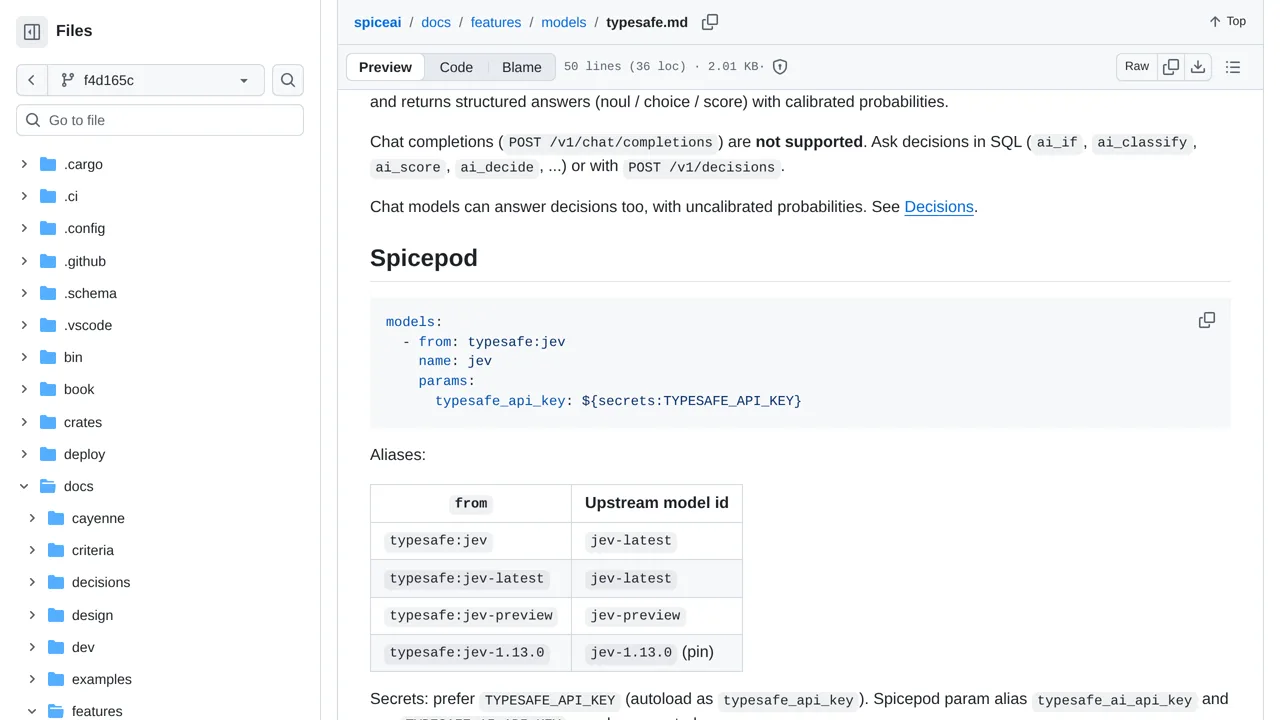
With Spice.ai's TypeSafe provider, SQL queries can ask Jev to filter text, assign categories and score rows using questions with defined answer types.
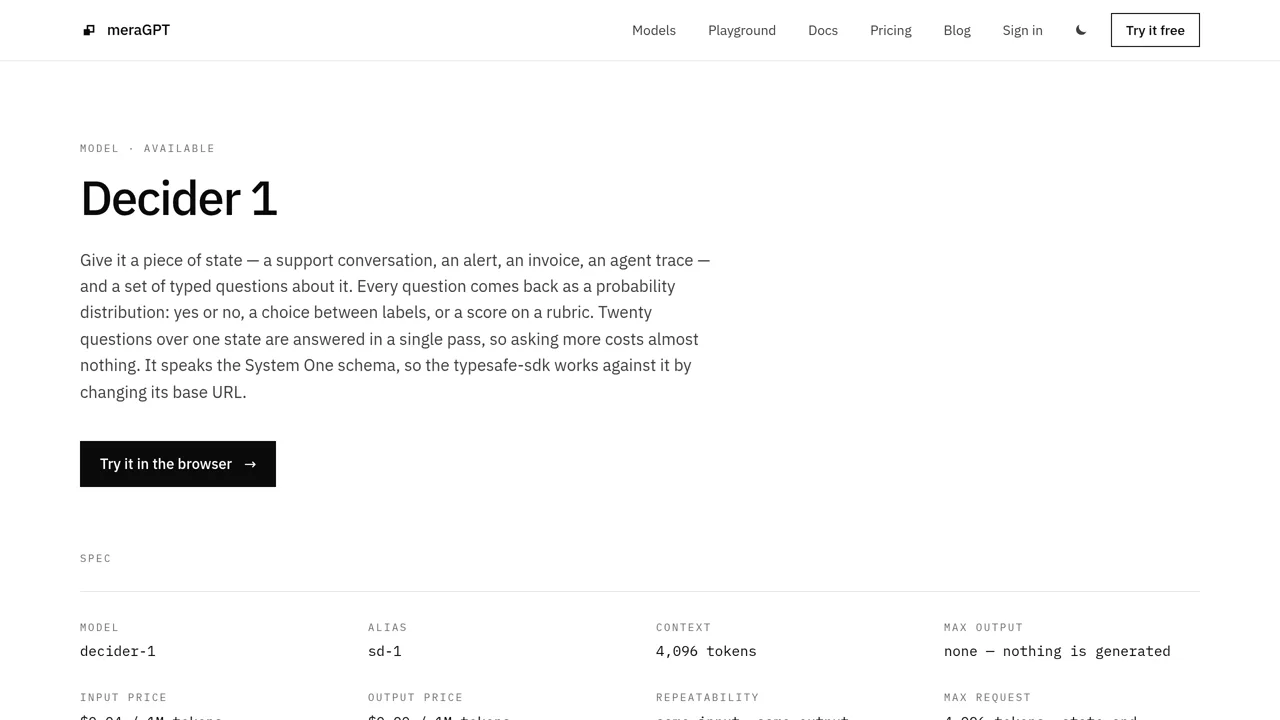
meraGPT's hosted Decider 1 turns text into yes/no probabilities, a chosen label or a rubric score, within the answer shape you specify.
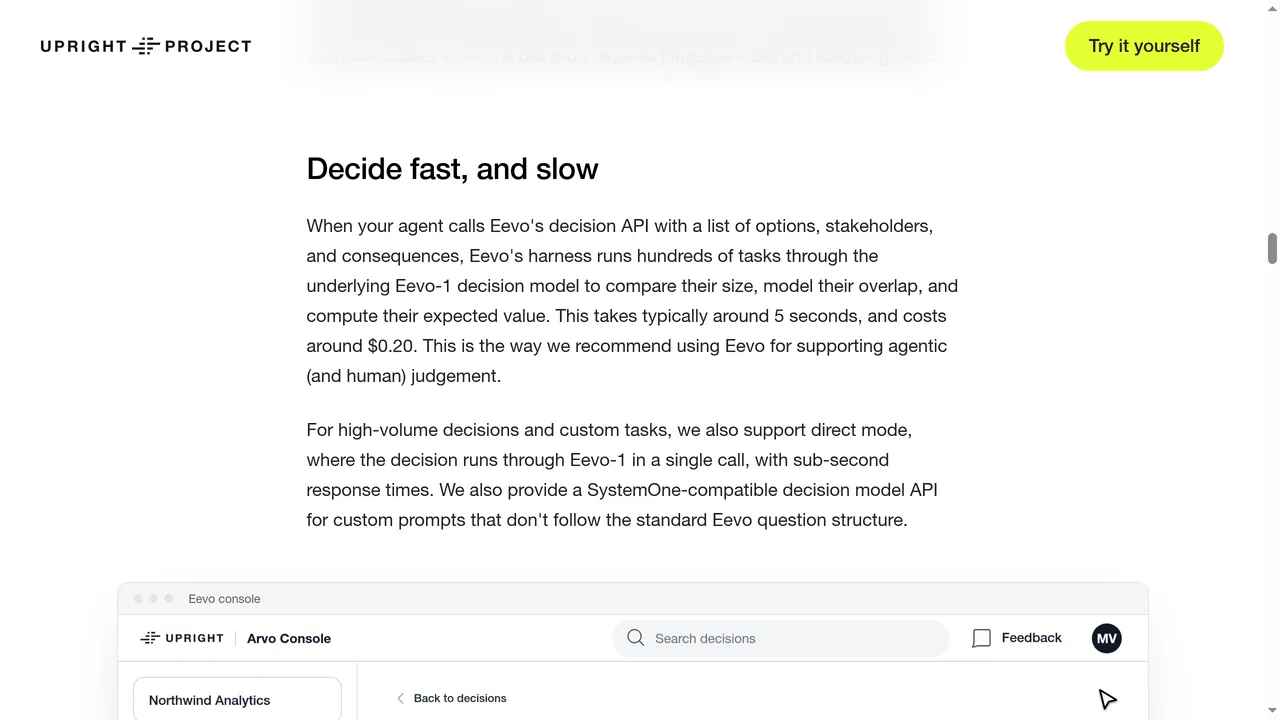
Upright's Eevo weighs how choices could affect different groups, offering a direct decision or a fuller process that makes several model calls.
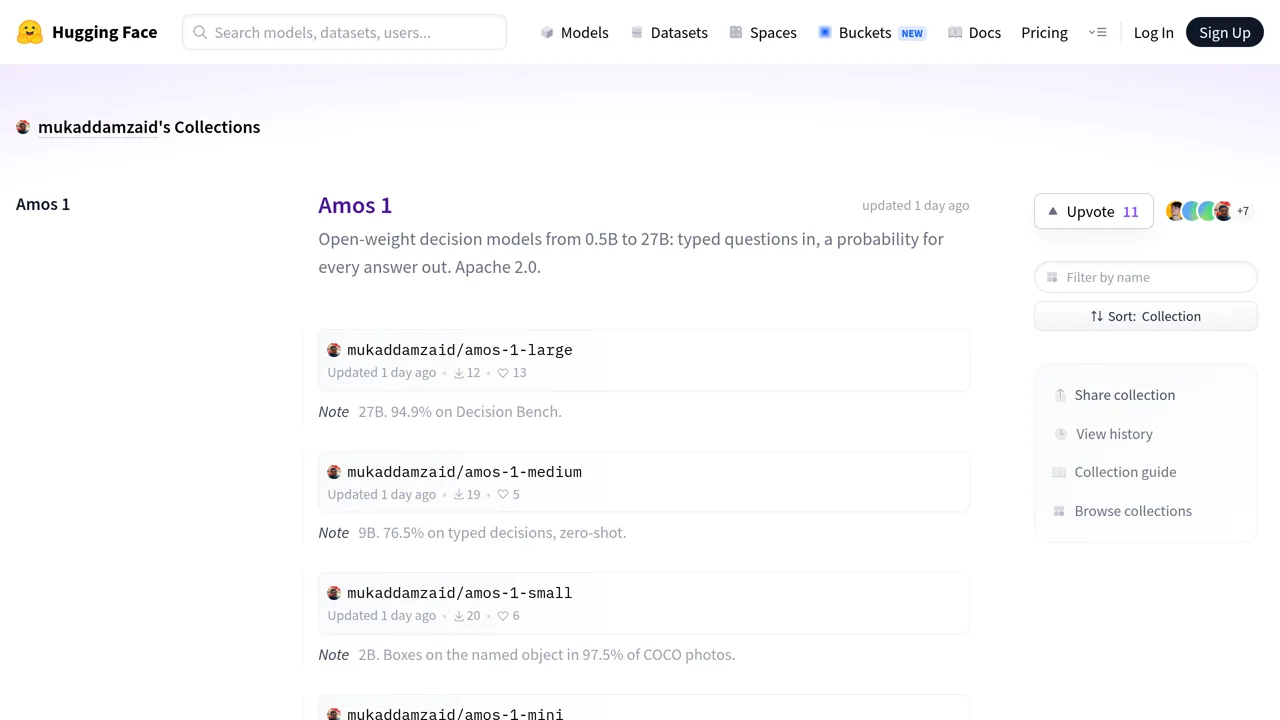
Scira's open Amos 1 family offers small and large models for decisions about text and images, with answer types and object-box support varying by model.
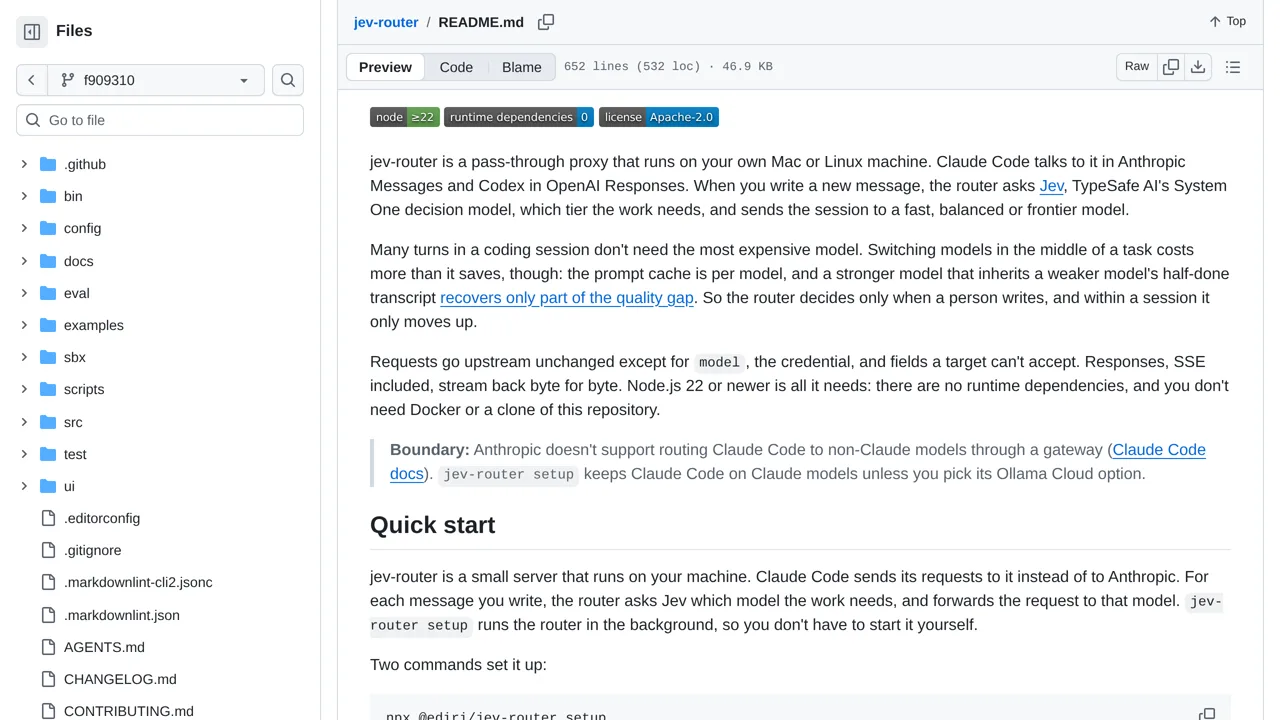
Engin Diri's jev-router asks Jev which model tier a coding turn needs, then forwards Claude Code or Codex to that tier.
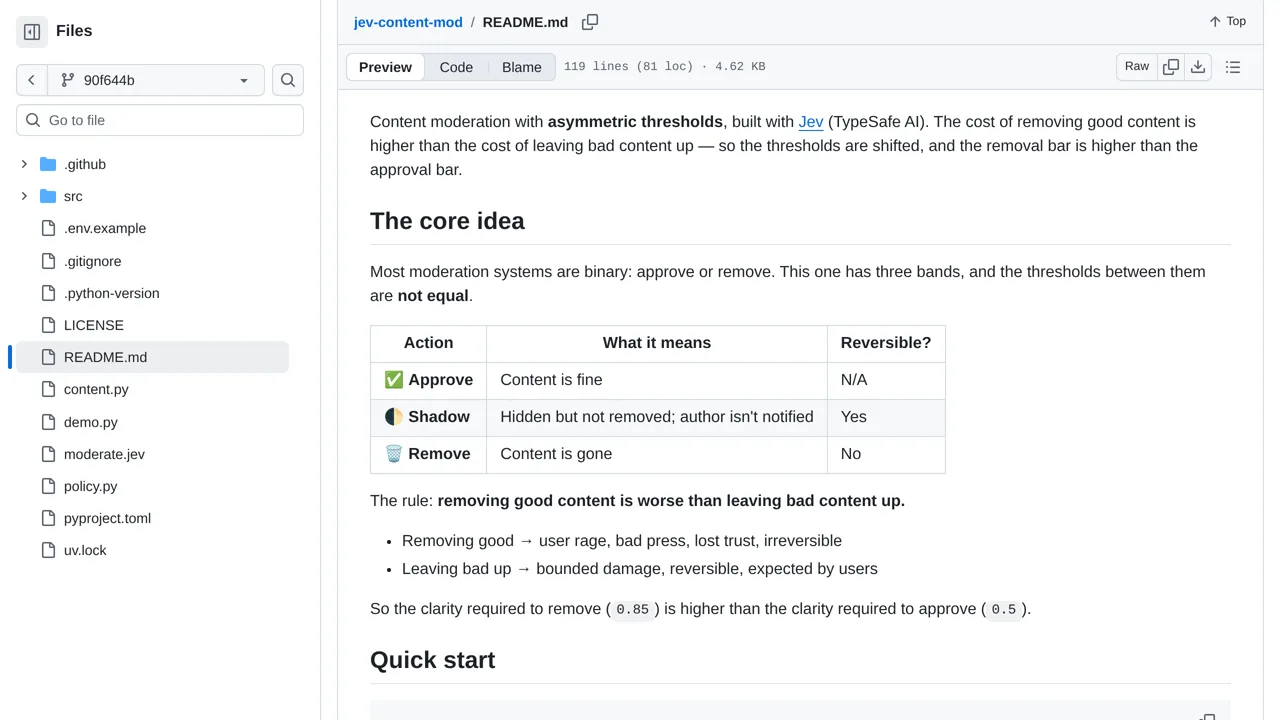
jev-content-mod uses Jev's harm, category and clarity judgments to feed code rules that approve a post, hide it for review or remove it.
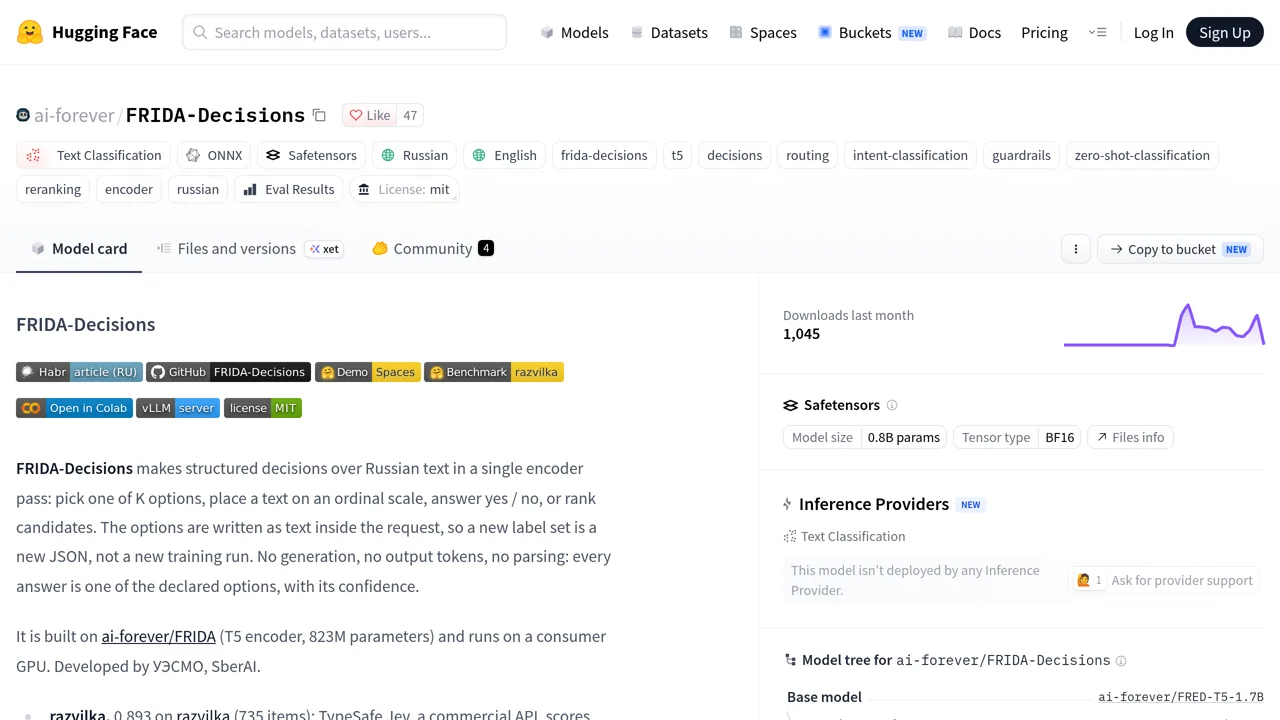
SberAI's open FRIDA-Decisions scores Russian-first inputs locally to return fixed answers and rankings rather than generated prose.
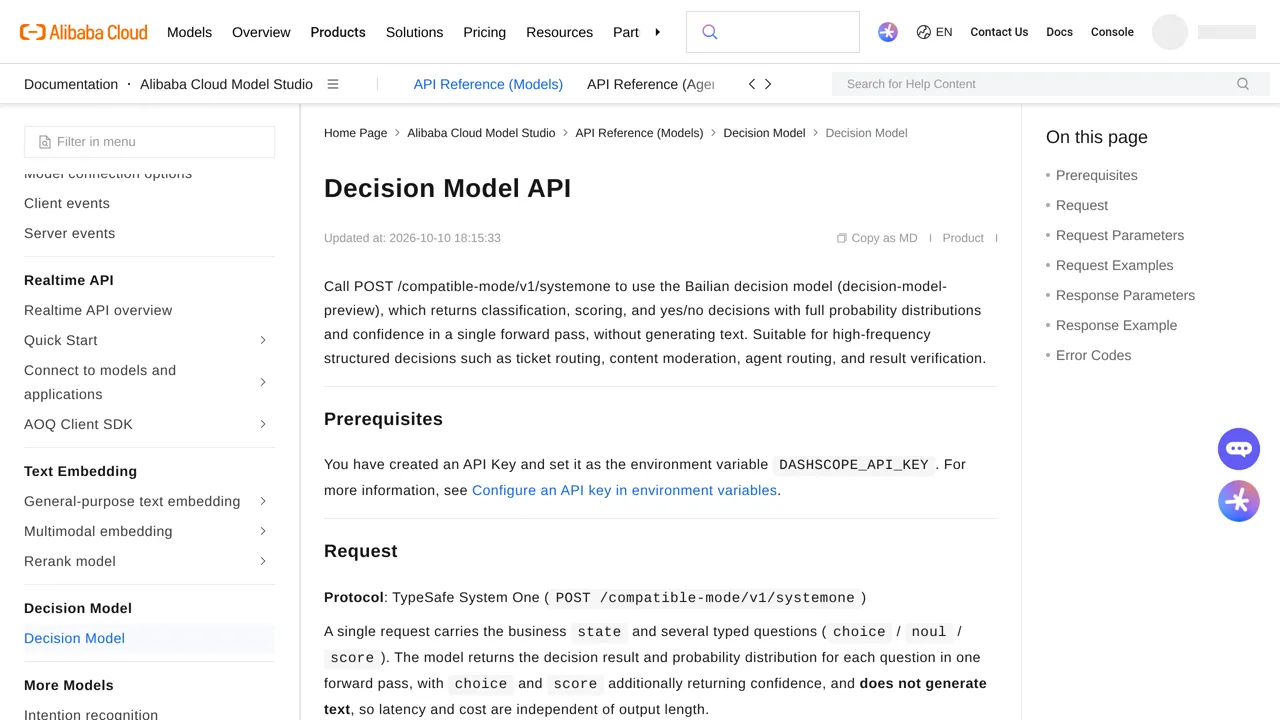
Alibaba Cloud's Bailian service offers decision-model-preview for yes/no, choice and score questions, returning fixed answers and probabilities from an unnamed model.
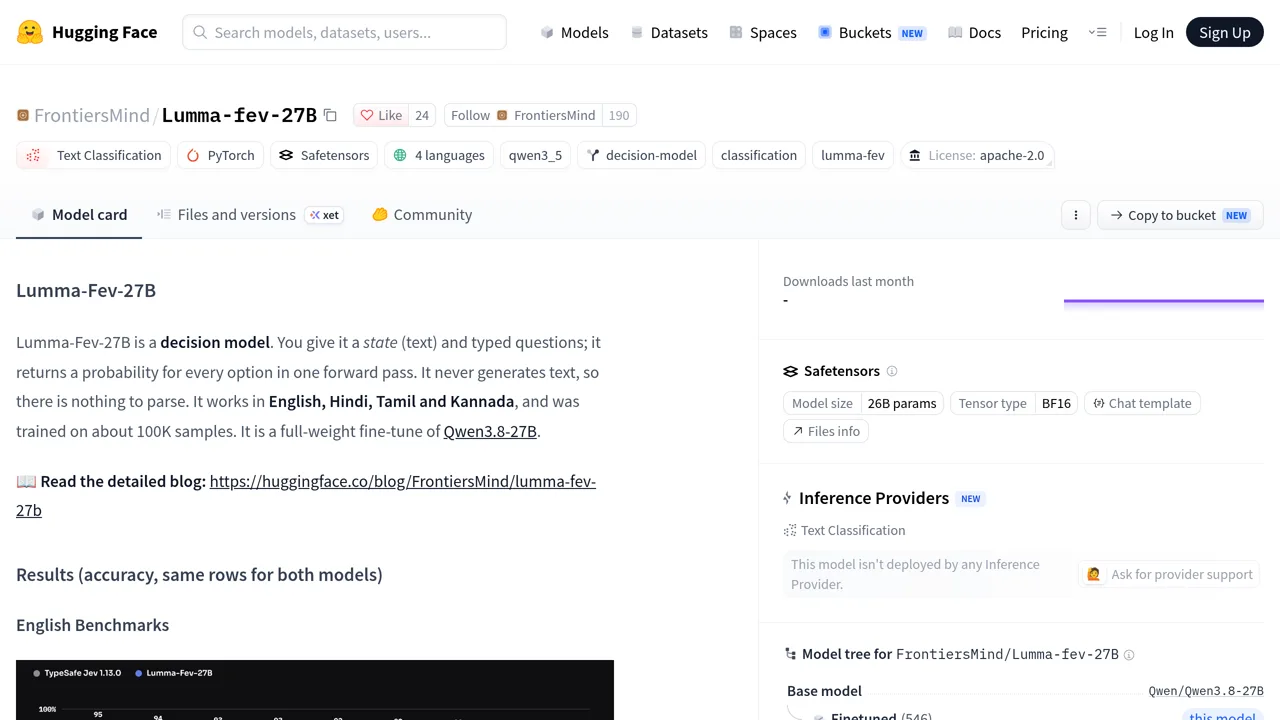
FrontiersMind's Lumma-Fev family comes with a Python client; its 27B model card describes multilingual training from Qwen3.8 for yes/no and choice answers.
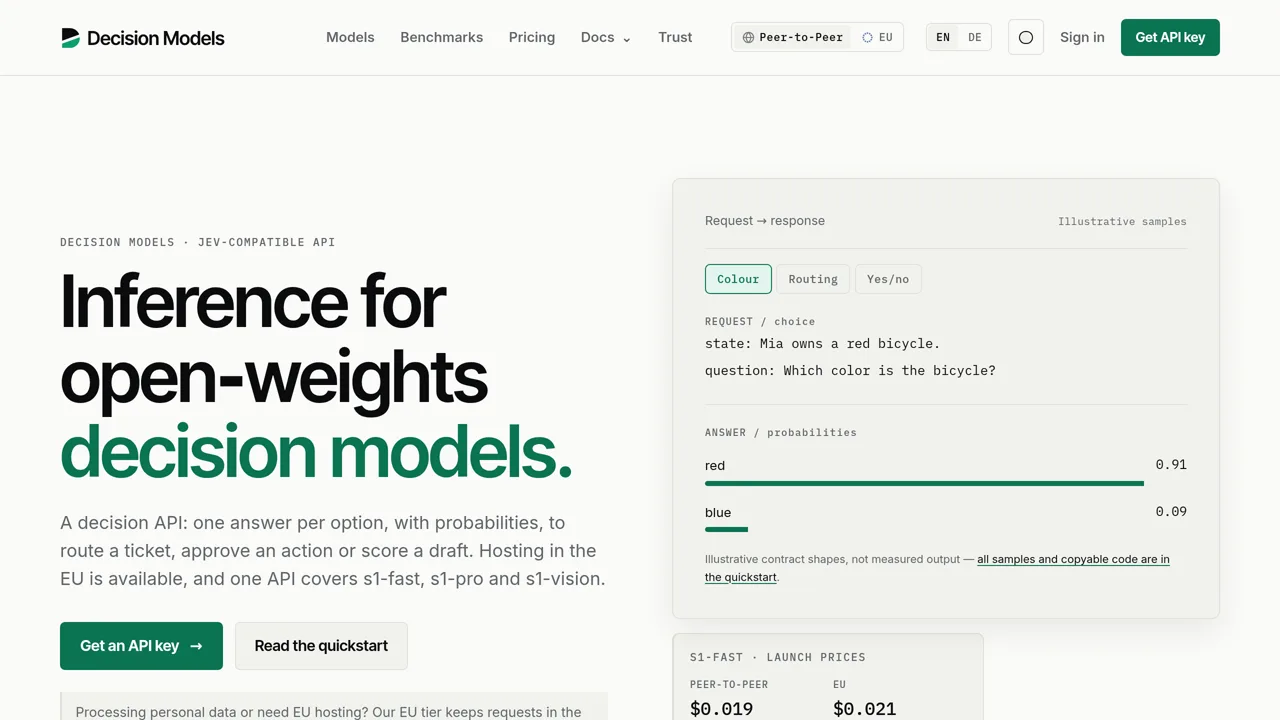
Decision Models hosts existing open text and vision models in one service and provides a migration guide for System One clients.
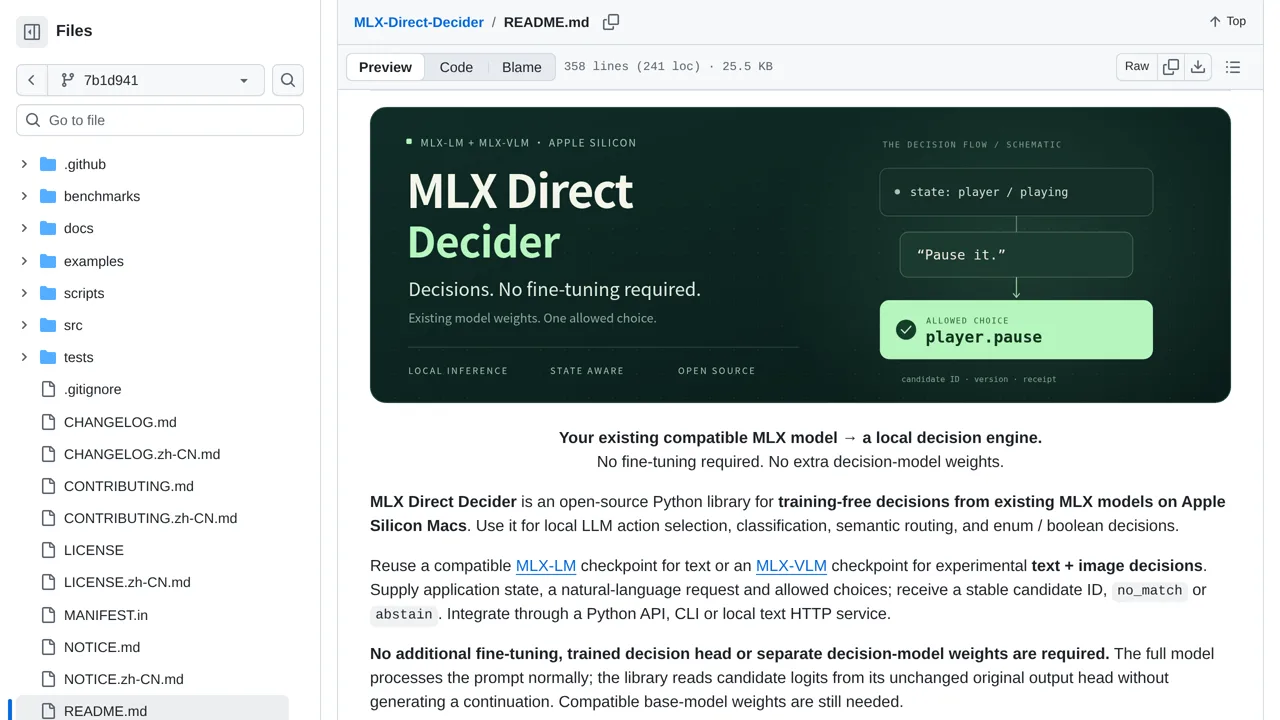
Without extra training, MLX Direct Decider reads an existing MLX model's output scores to select a supplied answer or return no-match or abstain.
Levanto's hosted Sage returns answers in defined shapes, allowing an uncertain yes/no, choice or tags question to come back unanswered as null.

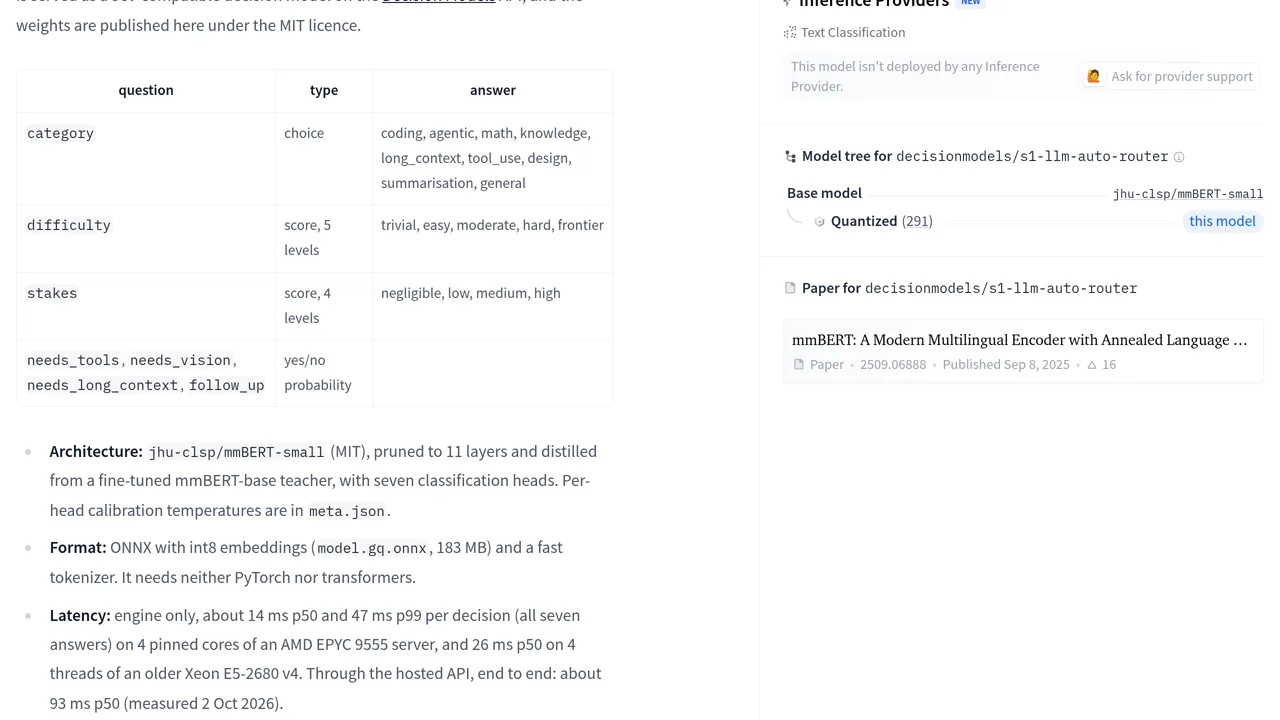
Decision Models' open-weight CPU classifier tags a prompt's task, difficulty and stakes before your code chooses an LLM.
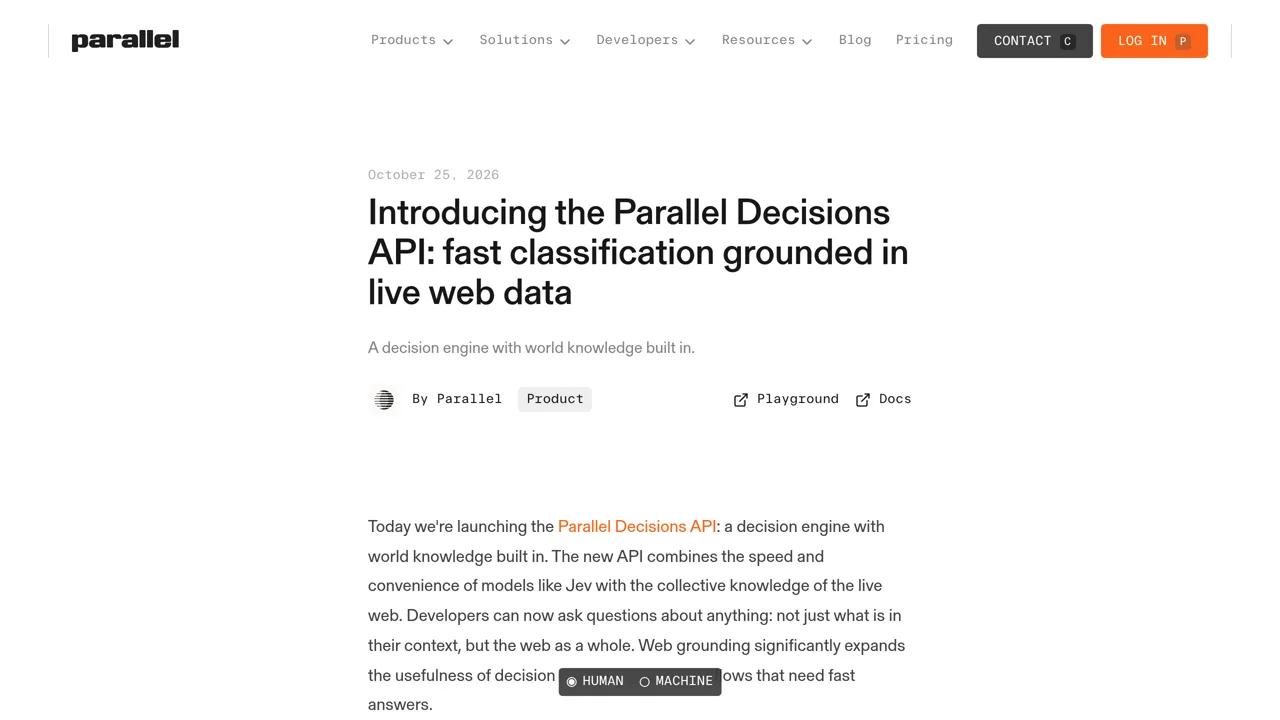
Parallel's hosted decision API looks things up on the live web, then answers yes/no, multiple-choice and score questions with the sources it read.
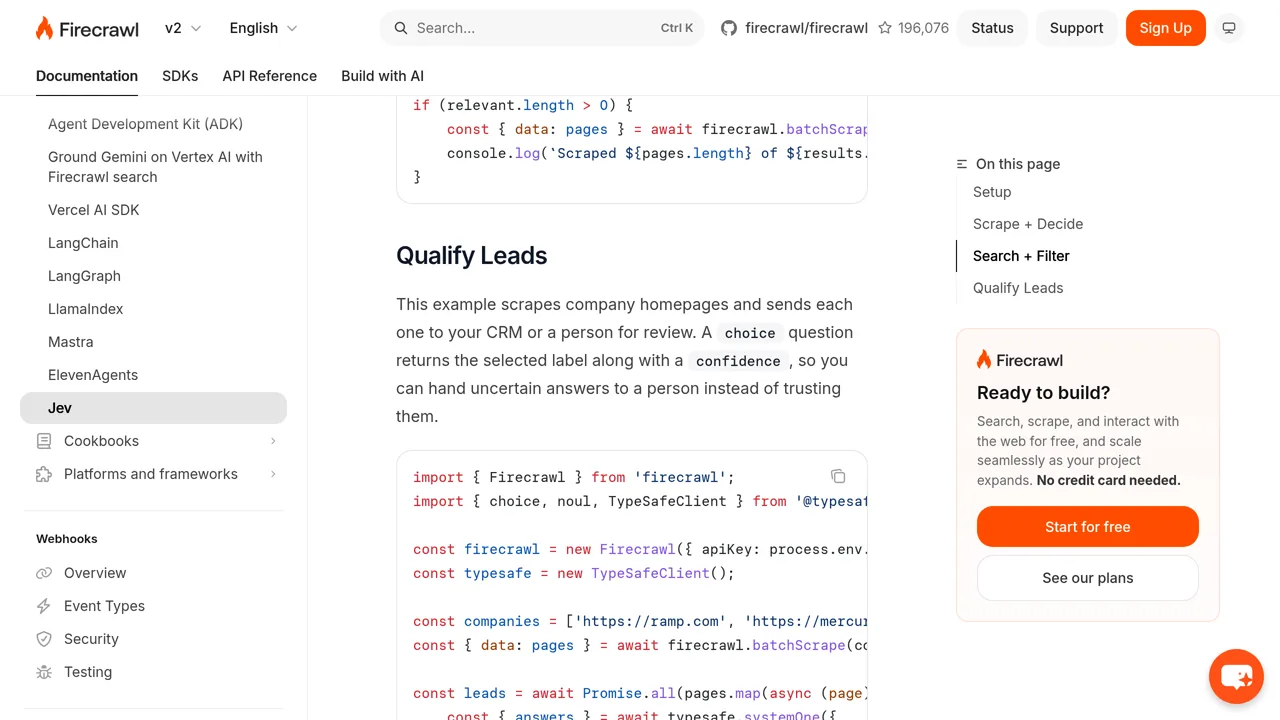
Firecrawl's developer guide feeds scraped pages and search results to Jev, which checks a page for a fact, keeps only relevant results and sorts company sites into leads or a review pile.
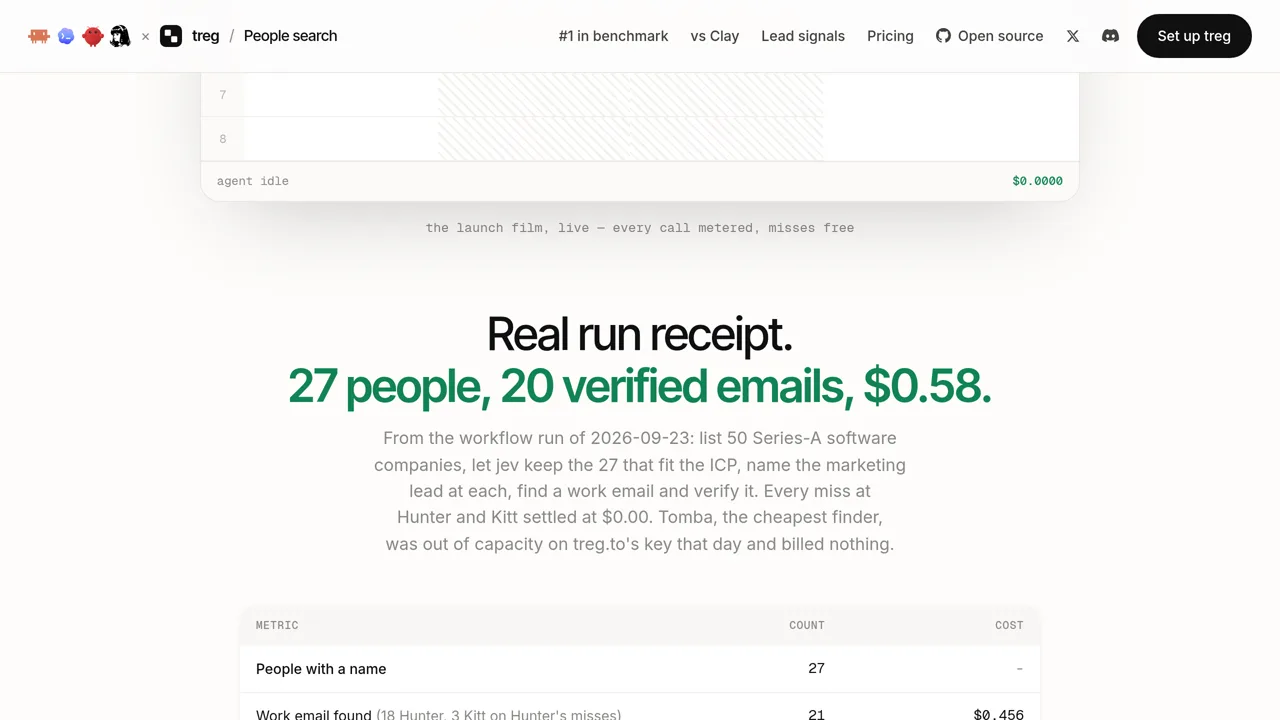
treg's people-search skill lets a coding agent find companies, the people at them and verified work emails, using Jev to drop companies outside your ideal customer profile before paying for lookups.
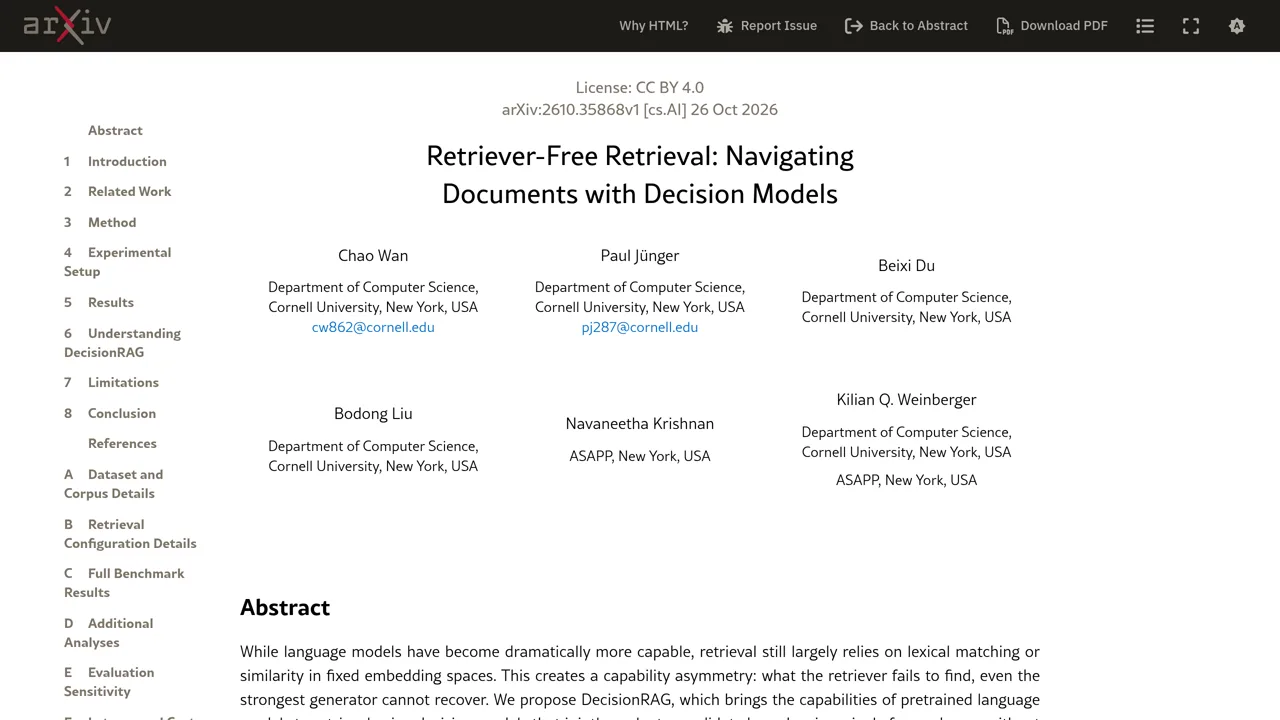
DecisionRAG skips the search index and lets Jev browse a document collection like a library, keeping or dropping topics, then pages, then passages.
Six researchers put 13 decision models and 15 generative AI setups through 1,273 four-option MedQA exam questions, comparing accuracy, cost, speed and how far each model's confidence can be trusted.

Sarvam Prism is an open-weight decision model built on Sarvam 105B: give it a situation, some questions and their options, and it returns a probability for each option in one pass instead of writing an answer.

Tazo listens to raw call audio and picks from options you supply, such as respond or wait, with a probability for each, so a voice agent can make turn-taking and escalation calls without waiting for a transcript.

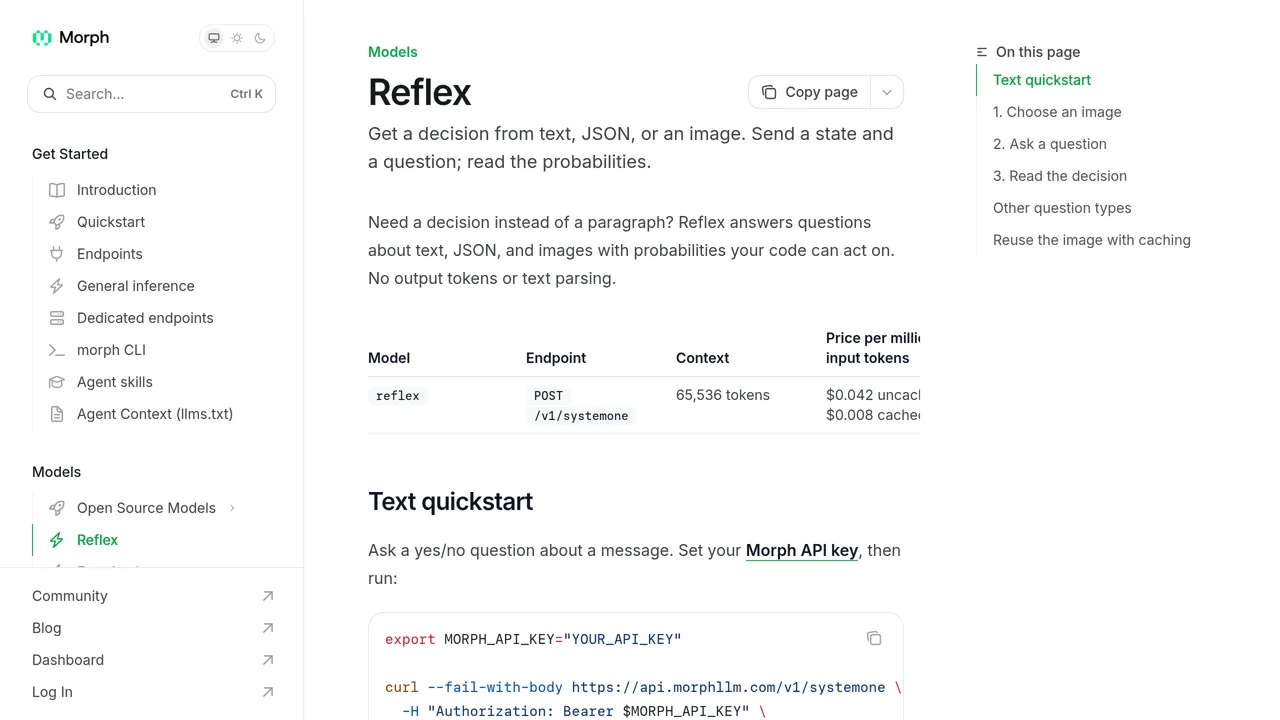
Morph's Reflex is a hosted 27B decision model, based on Qwen 3.5, that answers yes/no, choice and score questions about text, JSON or images, and charges less when the same input comes back with a new question.
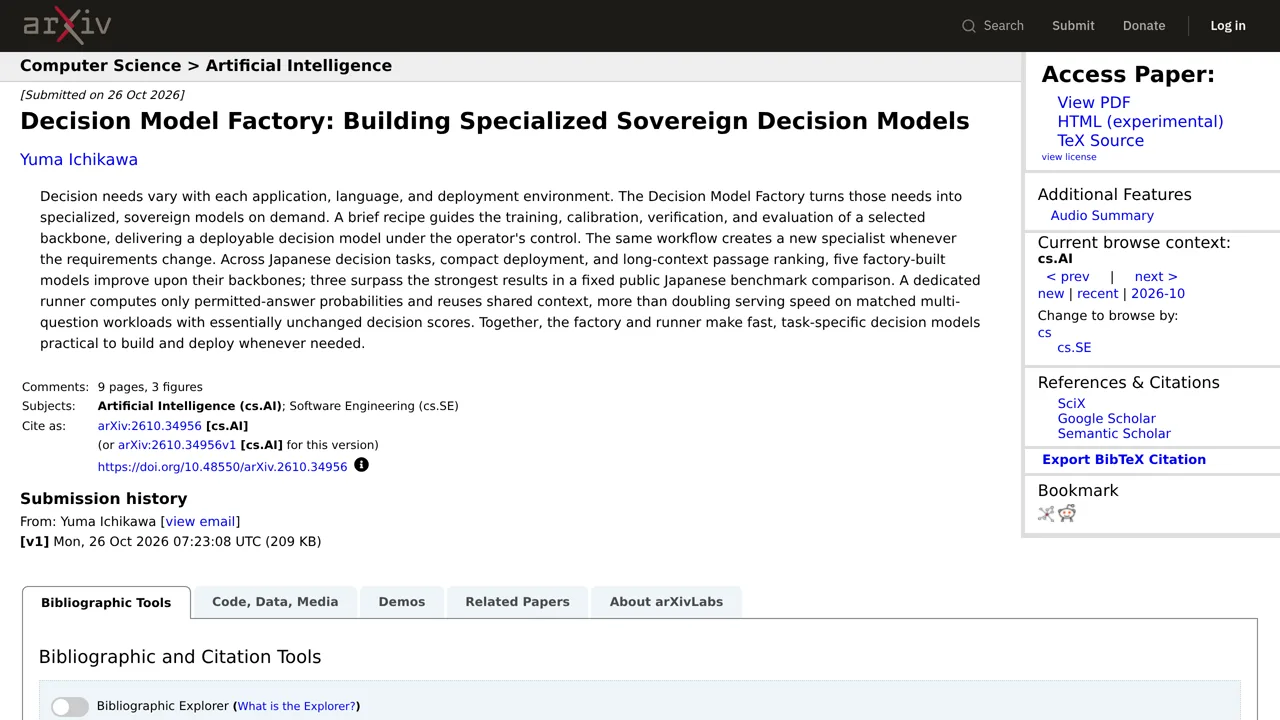
Fujitsu Research's Decision Model Factory turns a short recipe into a specialised decision model: one pipeline trains, calibrates, verifies and evaluates a chosen backbone, so a new language or task changes the recipe, not the pipeline.
Jev, briefly
A chat model generates text token by token and hopes you parse it. Jev never generates a word. Your code sends the state of the world plus typed questions; Jev returns every answer in one parallel pass — typed values with calibrated probabilities and a confidence score your code can trust. About 70–500 ms end to end, $0.042 per million input tokens, output free. Trained with what TypeSafe calls Reinforcement Learning for Calibrated Decisions.
You define the options. Jev returns the chosen option, a probability for every option, and a confidence. The workhorse of routing, agents, and games — the answer space is always legal, so there is nothing to parse and nothing to hallucinate.
You describe ordered levels — say trivial / normal / critical. Jev returns the level, the probability of each, and a confidence. Scores turn fuzzy judgment (“how severe is this log line?”) into a number-free decision your code can branch on.
You assert a statement; Jev returns the probability that it is true — a noul. Moderation, verification, guardrails, “does this diff actually fix the bug?”: one question, one calibrated probability.
Official material lives at typesafe.ai and docs.typesafe.ai. JevMade is an independent community registry — not affiliated with or endorsed by TypeSafe AI.
Recurring lessons
Games, drones, trading bots, and browser agents all converge on the same loop: serialize the state, ask one decisive question, act, repeat. Jev’s latency makes the loop feel instant — the model lives inside the control loop, not outside it.
The answer says what; the confidence says whether to act. The most reliable entries threshold on confidence to route edge cases to a slower model or a human — automation with an honest escape hatch.
Makers rarely ask Jev to pick from everything. Local tactics prune 225 gomoku moves to ~40; DOM filters turn a page into an element table; code narrows options, Jev judges within them.
A recurring split: Jev makes every decision cheaply and instantly, and a small LLM is only invoked when a human-facing string must actually be written. Decision and generation are separate budgets.
Send the link — repo, live demo, post, or video — plus a line on what it does and which primitives it uses. Every entry is verified against its primary source before it ships.
Submit your experimentSign in first so we can reply to you. Submissions are reviewed, not published automatically.