Read & learn
Guides.
Understand Jev, one idea at a time. Walkthroughs, recipes, and writeups — our notes first, the original next.
A public registry · independent & community-run
Learn, build, and play with Jev — from deep technical guides to creative experiments.
Read & learn
Understand Jev, one idea at a time. Walkthroughs, recipes, and writeups — our notes first, the original next.
Make & explore
See what builders made with Jev. Games, tools, repositories, articles, and more — traced to their sources.
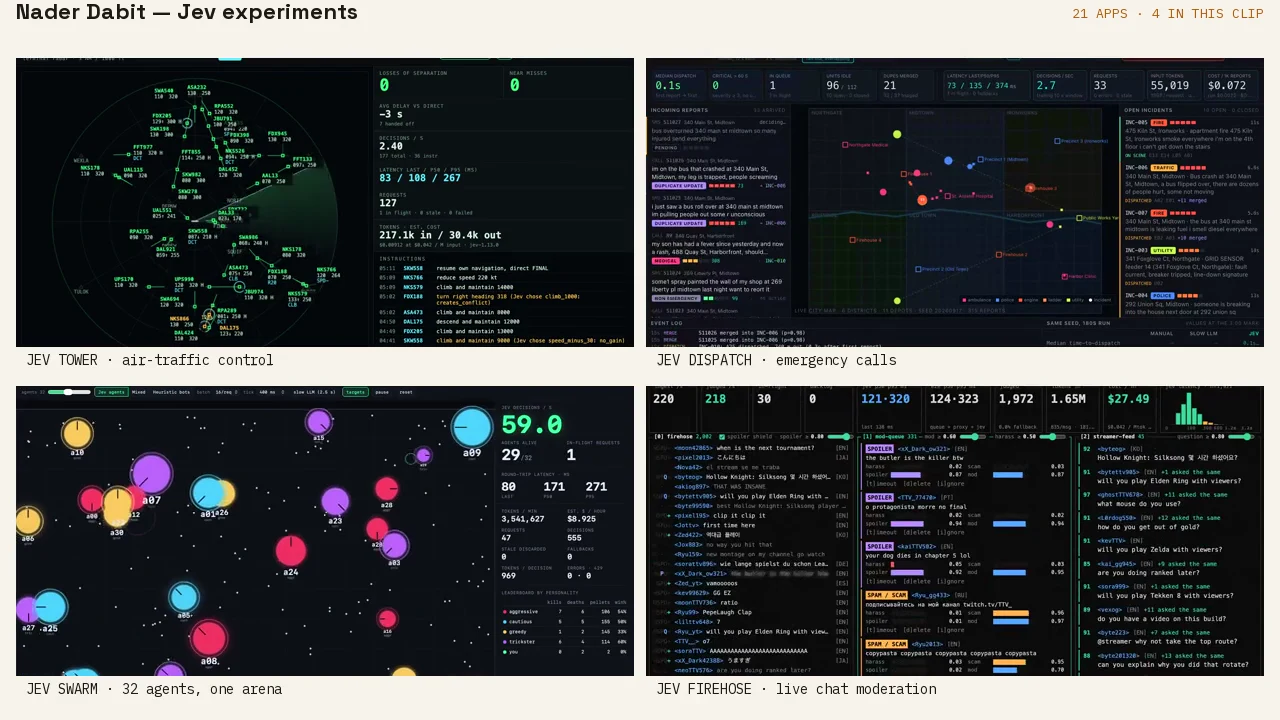
Every category, from games and tools to repositories and writeups, traced to a primary source.
Same ideas.
Different paths.
This is the full registry, not just the featured picks. Figures like speed, cost, and stars are maker-reported or captured snapshots, not JevMade measurements.
1507 experiments · showing 241–300
A Pi extension ranks file excerpts and skill hints with Jev while caching identical judgments and preserving local fallbacks.
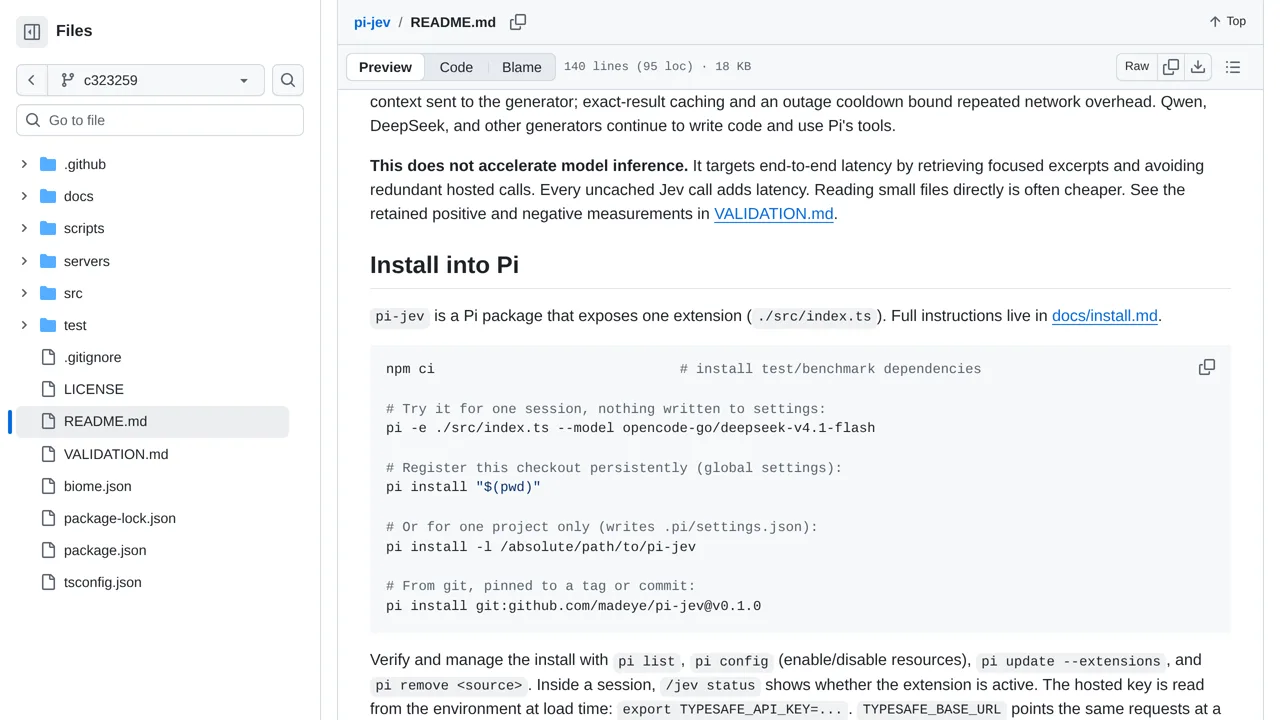
A Pi auto mode that uses Jev to approve shell, write, and edit calls by meaning.
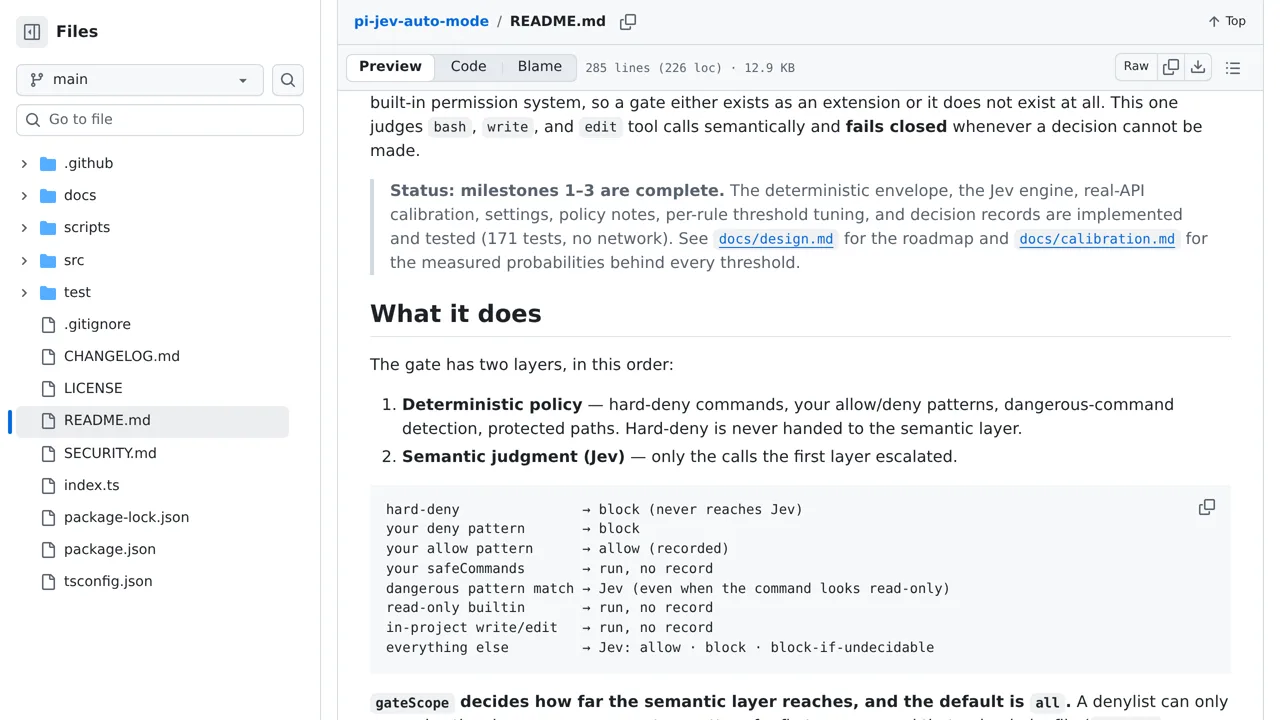
A browser automation toolkit where a language model plans and Jev chooses each action.
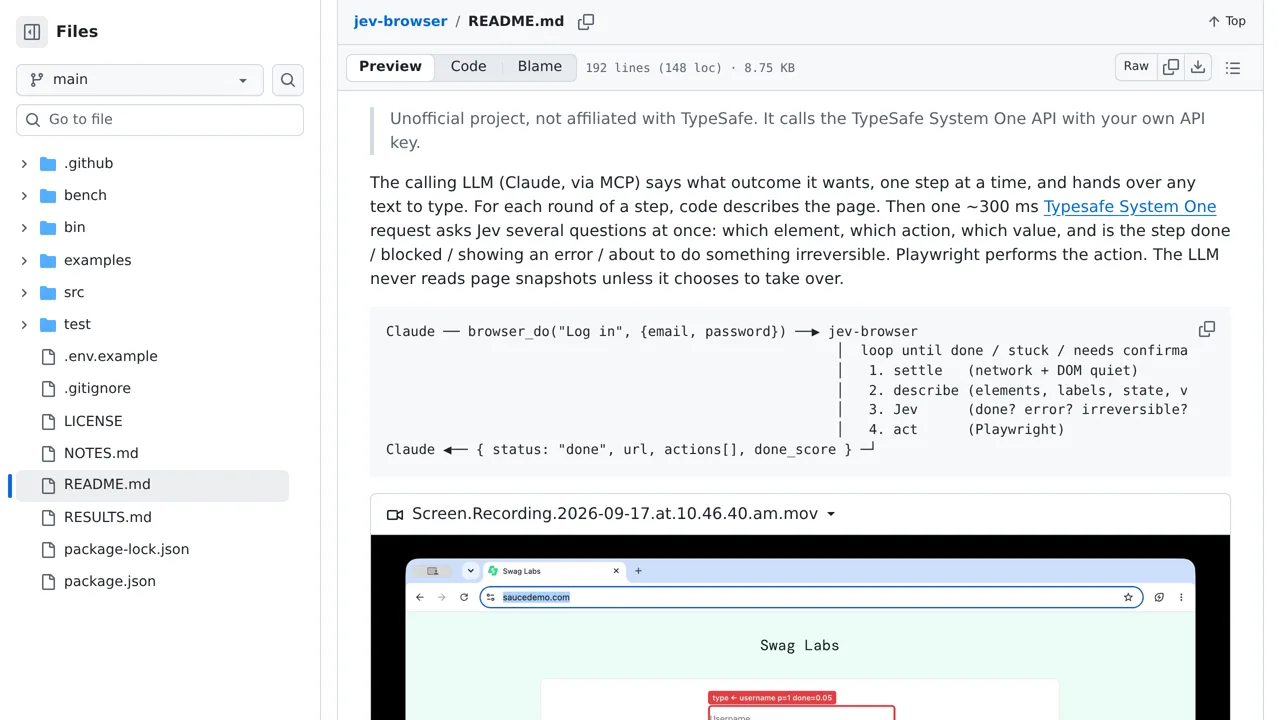
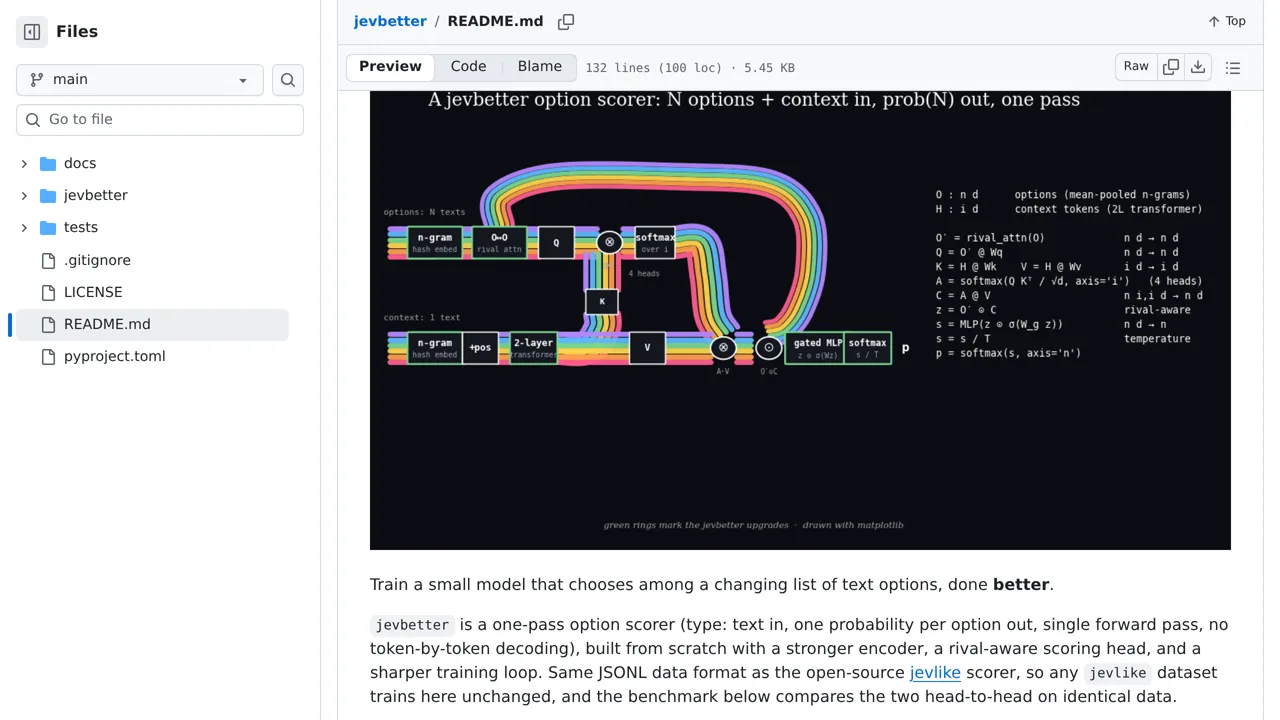
An independent text-scoring model that tries to improve on the jevlike starter project.
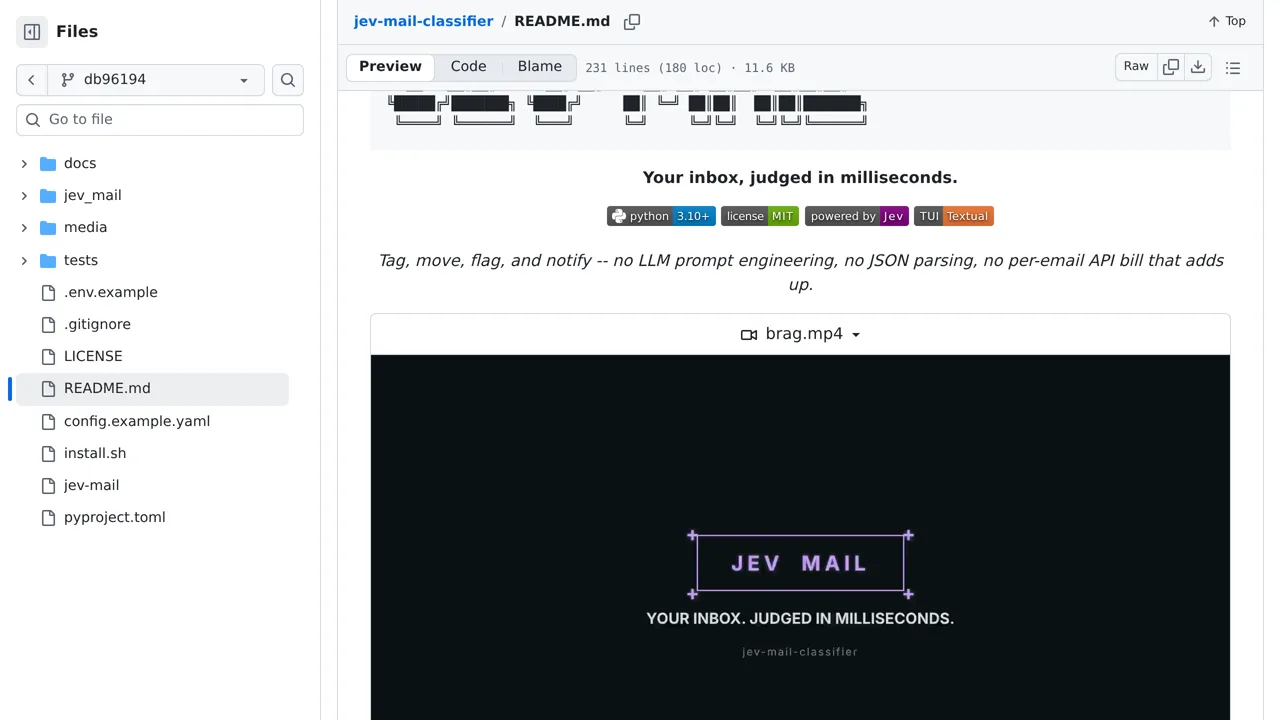
Create inbox rules that use Jev probabilities to tag, move, flag, or notify on matching messages.
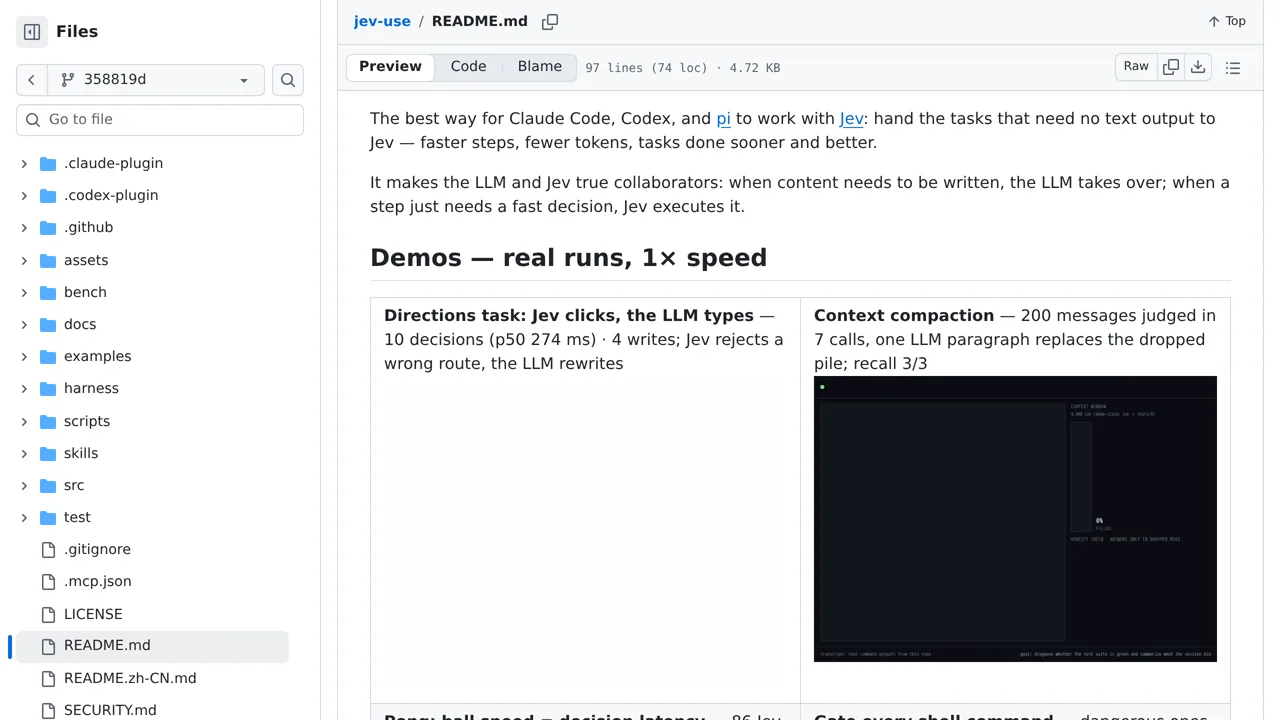
Add bounded routing, risk, compaction and shell-gating decisions to an agent, while its main language model handles the writing.
Drives a mobile app through a QA task and finishes with a clear pass, fail or incomplete result.

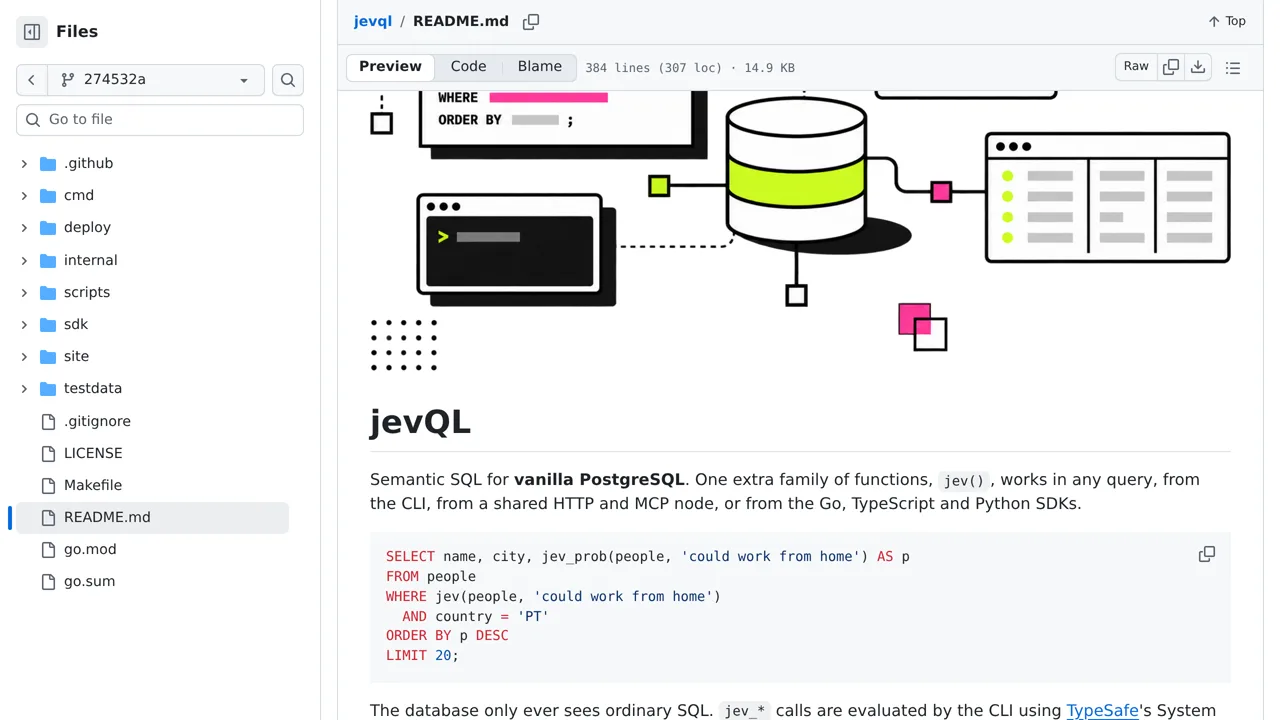
Adds semantic predicates to PostgreSQL queries, evaluating them outside the database and folding typed judgments back into results.
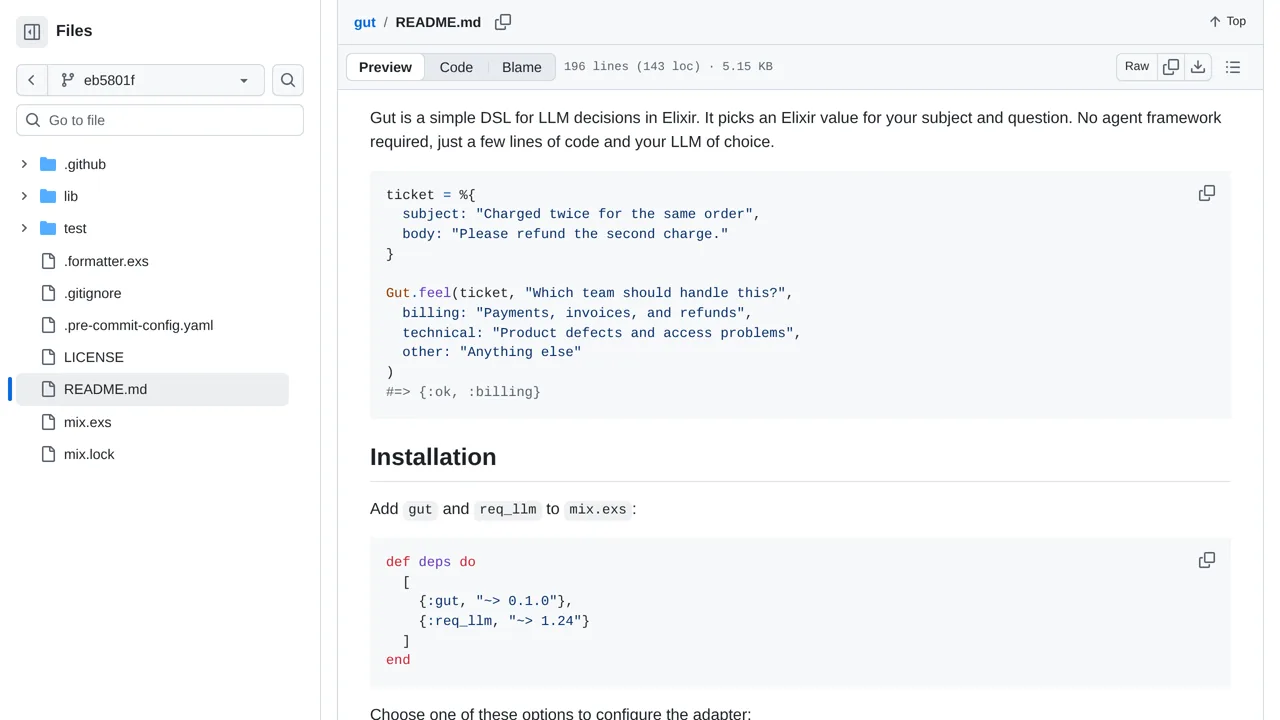
Brings model judgments into ordinary Elixir branching through adapters for Jev and other ReqLLM providers.
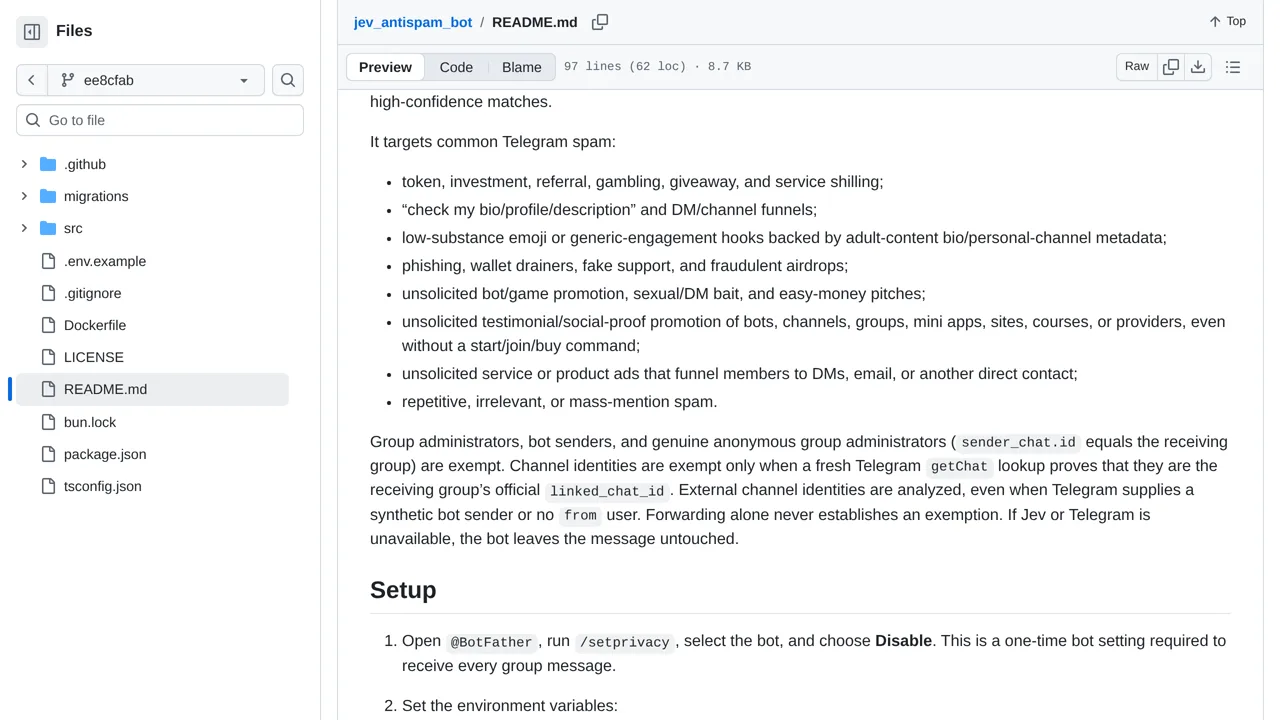
Deletes Telegram group spam only when Jev’s probability clears a configured threshold, leaving messages untouched on failures.
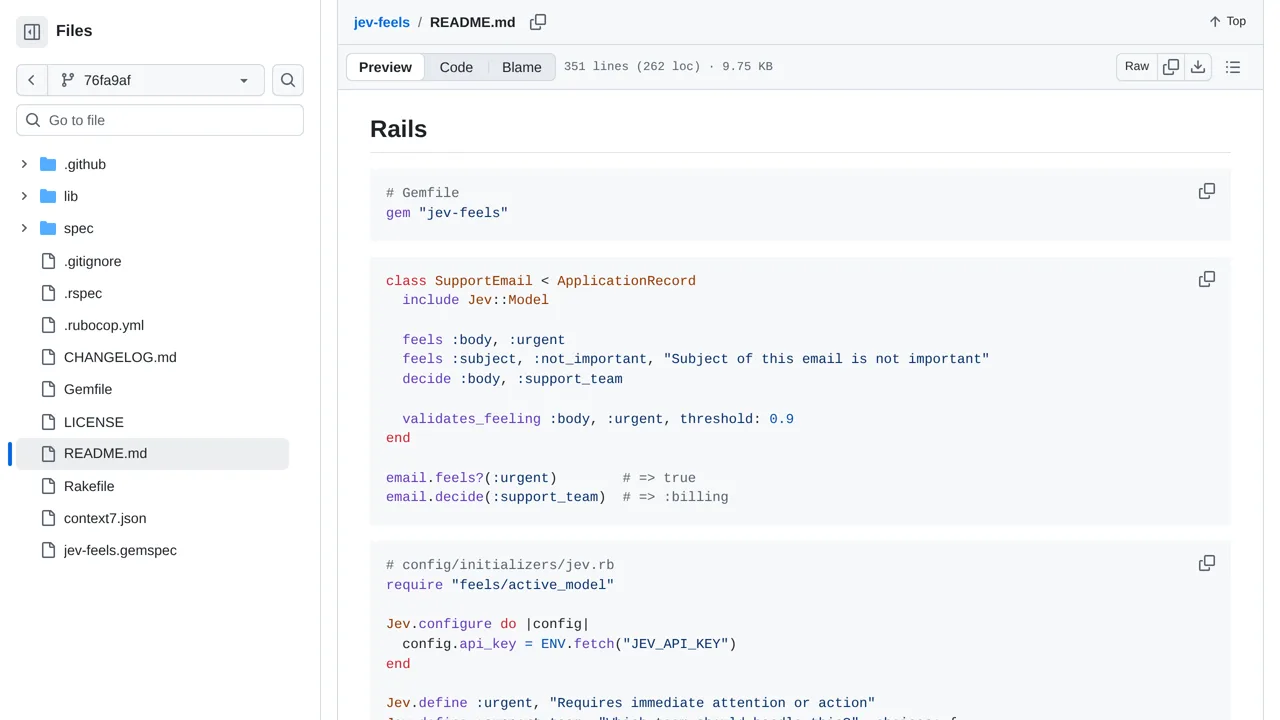
Makes Jev decisions read like Ruby predicates, model validations, pattern matches, and named choices over object fields.
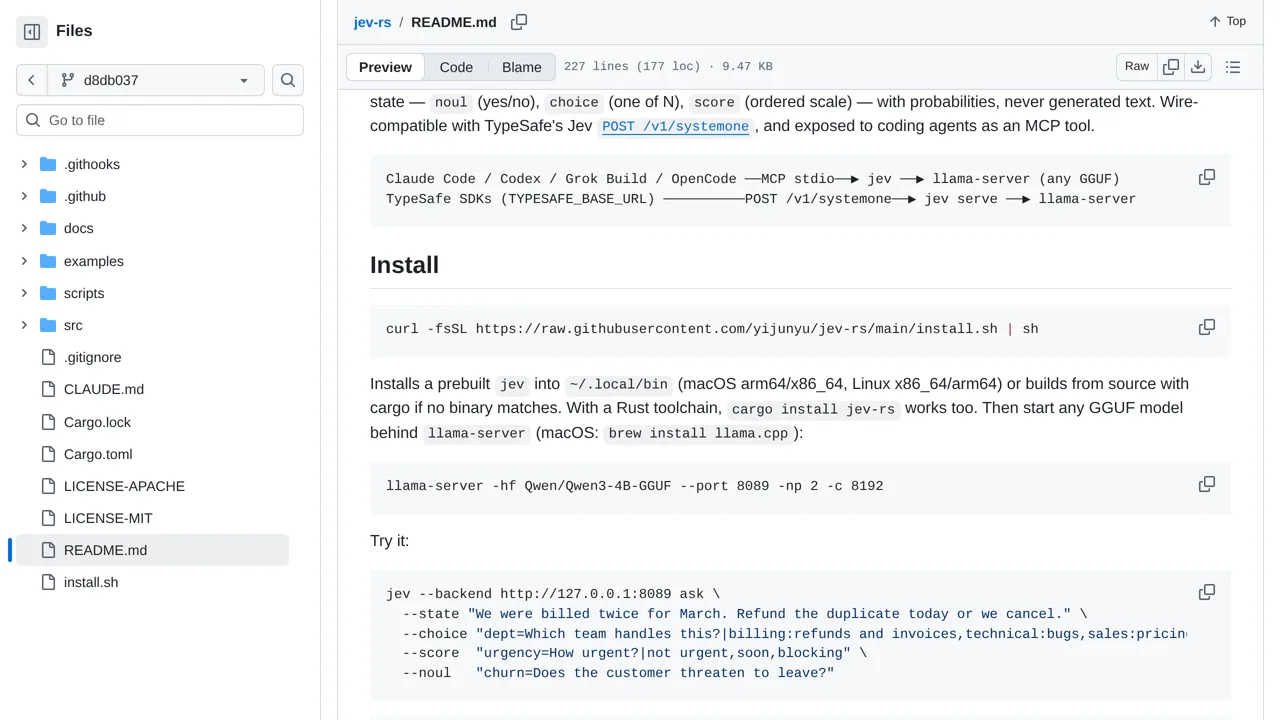
Serves Jev-compatible typed judgements from local or hosted language models through HTTP, CLI, or MCP.
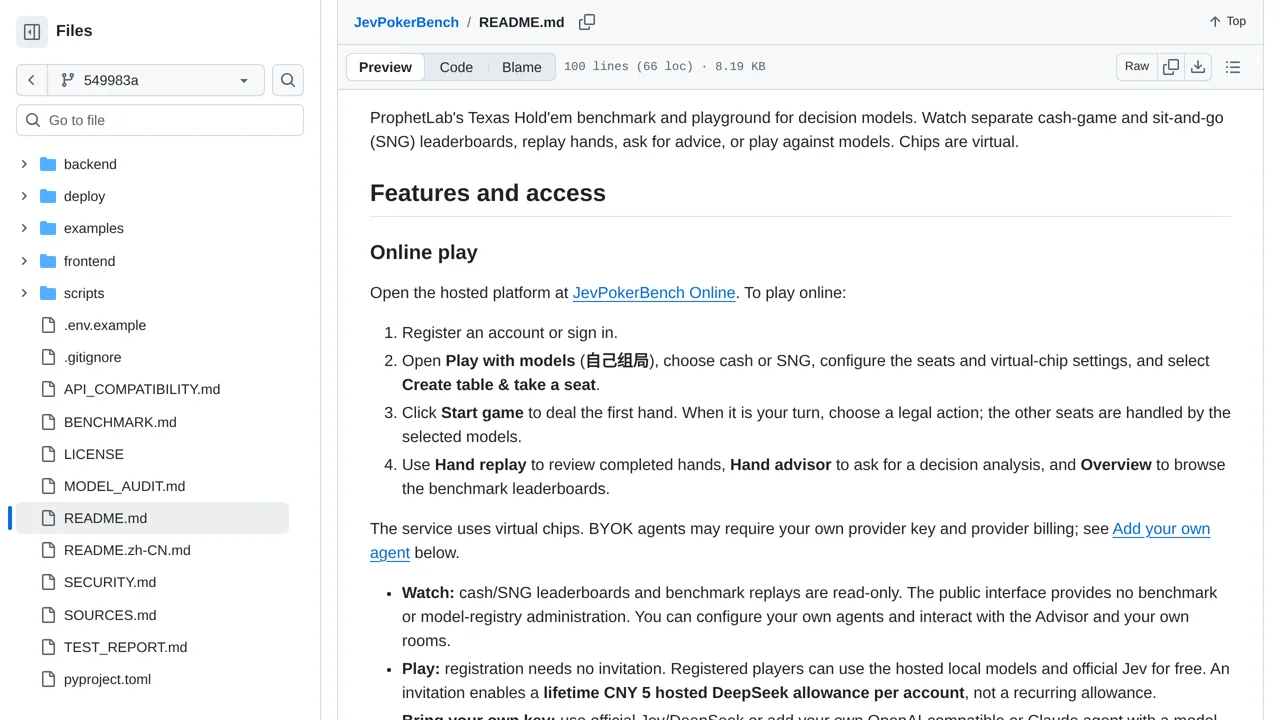
Compare decision models at Texas Hold'em through cash and sit-and-go leaderboards, hand replays and tables for custom agents.
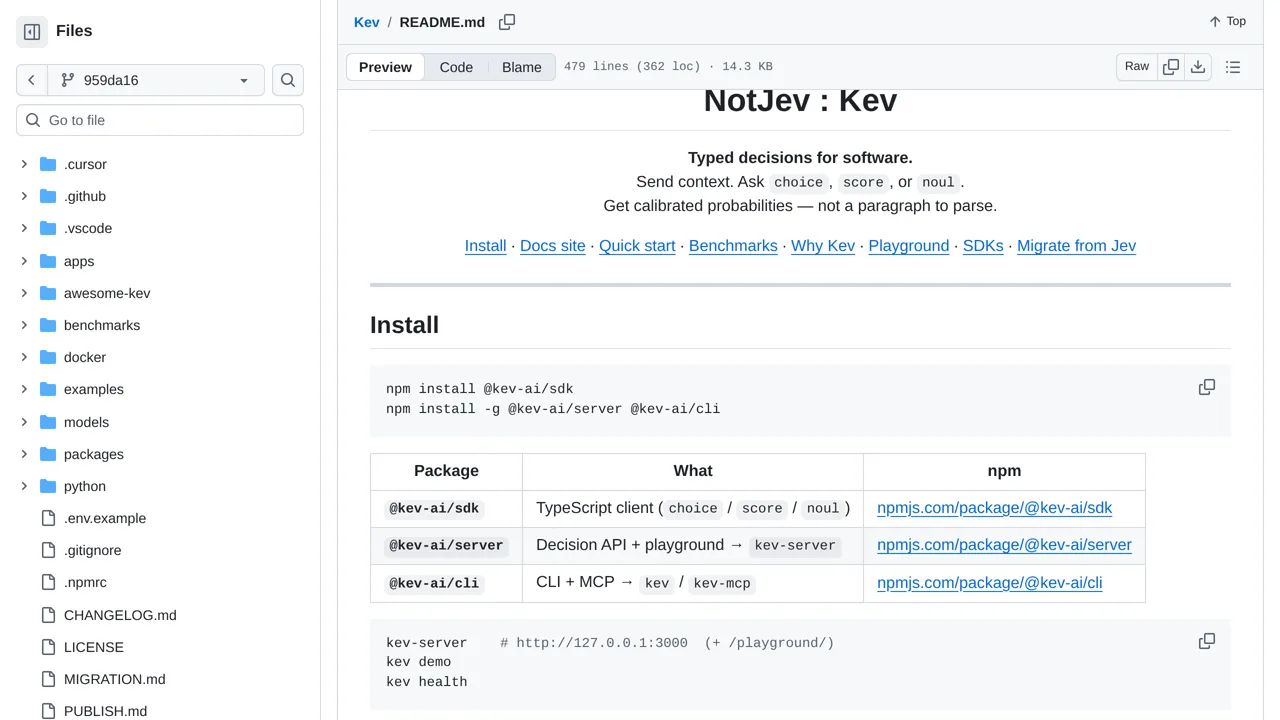
Self-host a Jev-compatible decision engine over Ollama or OpenAI-compatible models, with typed outputs and calibrated probabilities; it does not run TypeSafe's Jev.
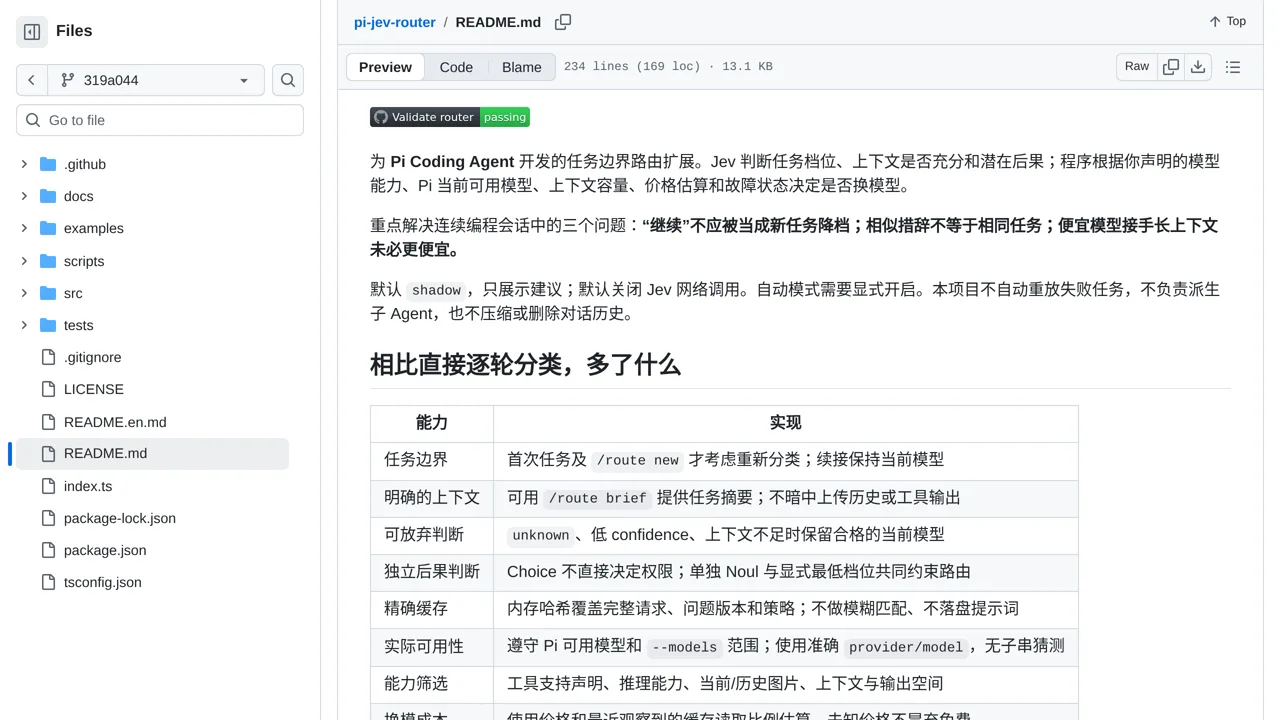
Choose a model at Pi task boundaries with cached Jev classifications, conservative policy rules, and observable failover.
A spatial reference browser for creators, with source-linked collections, metadata highlights, and local Jev query choices.

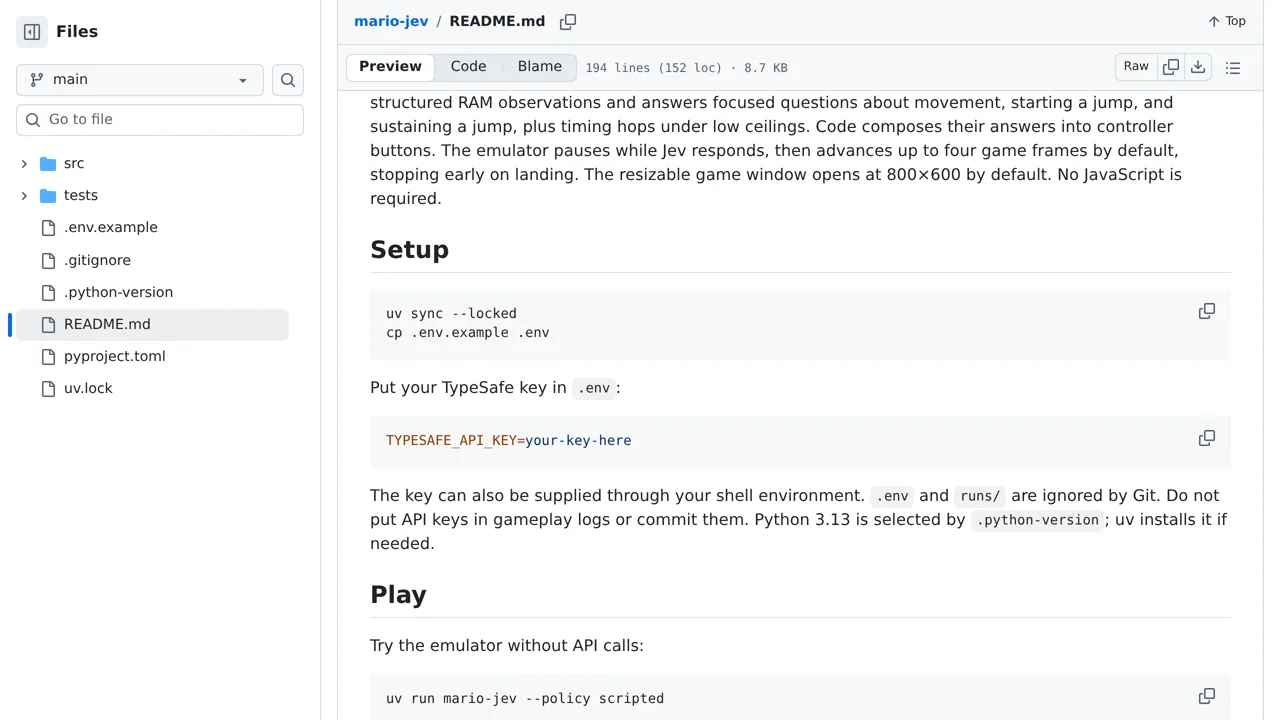
Send Jev through the first level of NES Super Mario Bros.
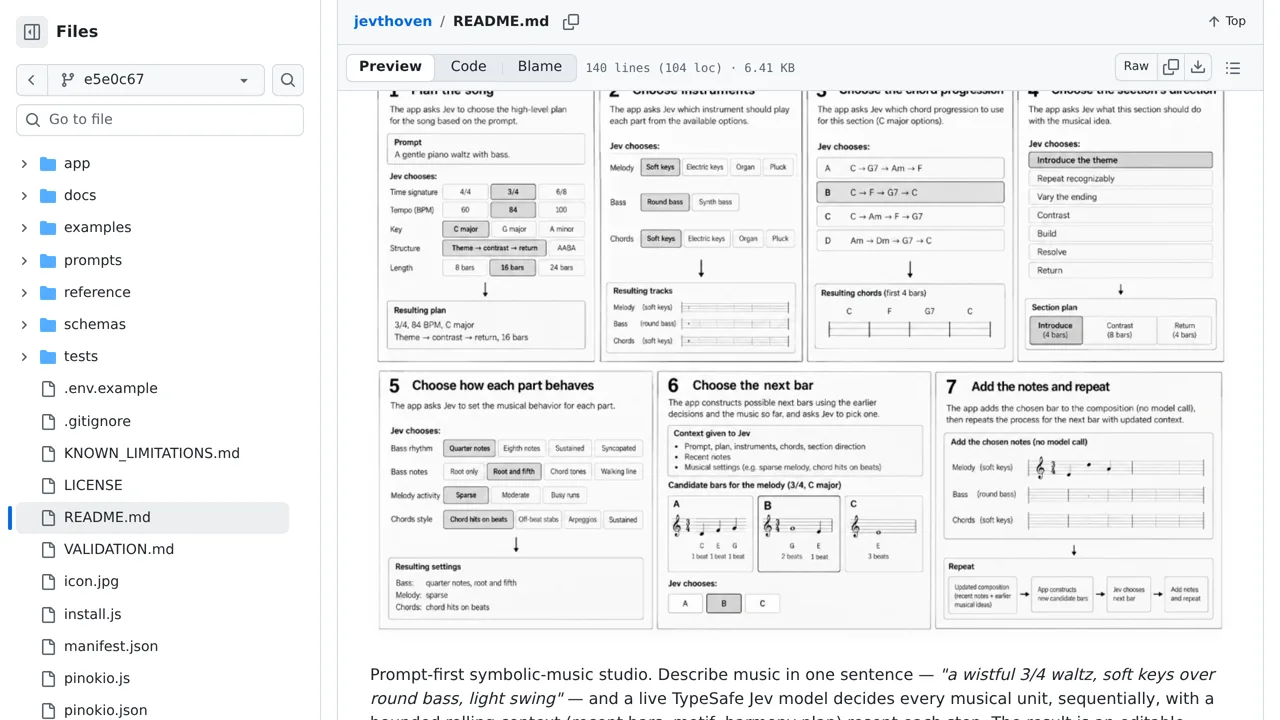
Jev chooses instruments, harmony, and bar patterns for a composition you can refine in a piano roll and export as MIDI.
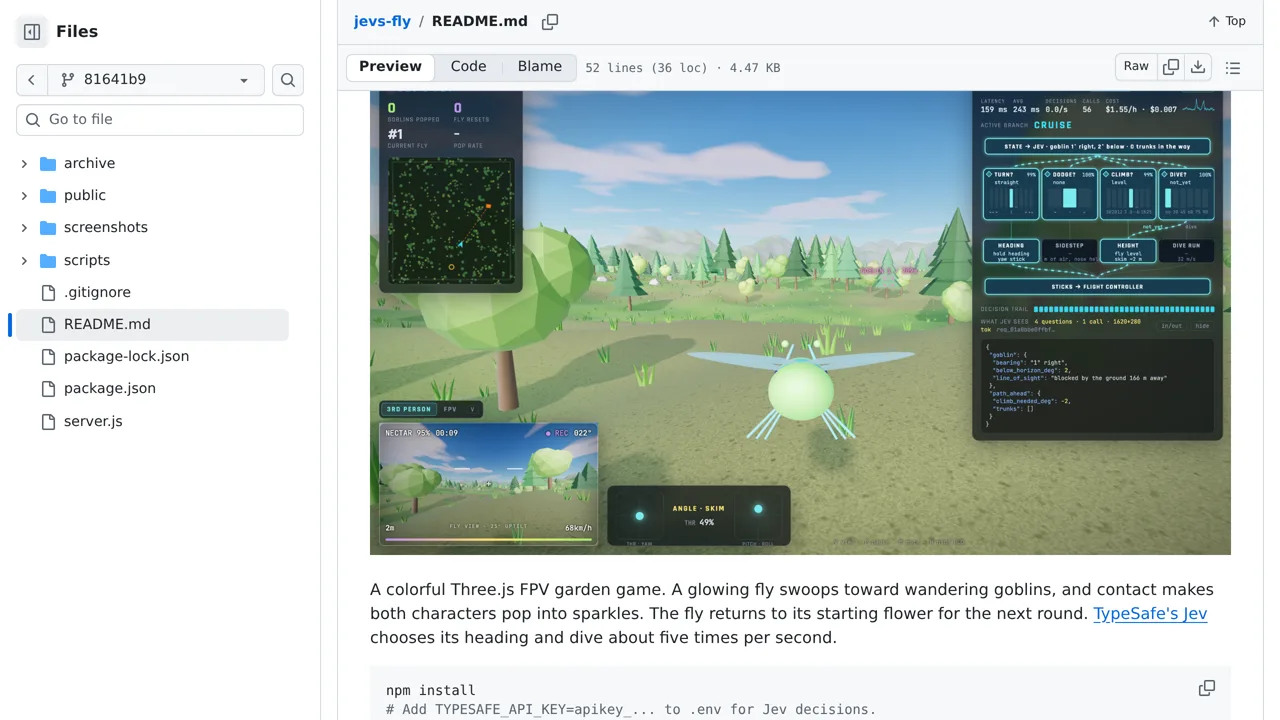
Follow a glowing, Jev-piloted fly through a 3D garden as it dives at wandering goblins.
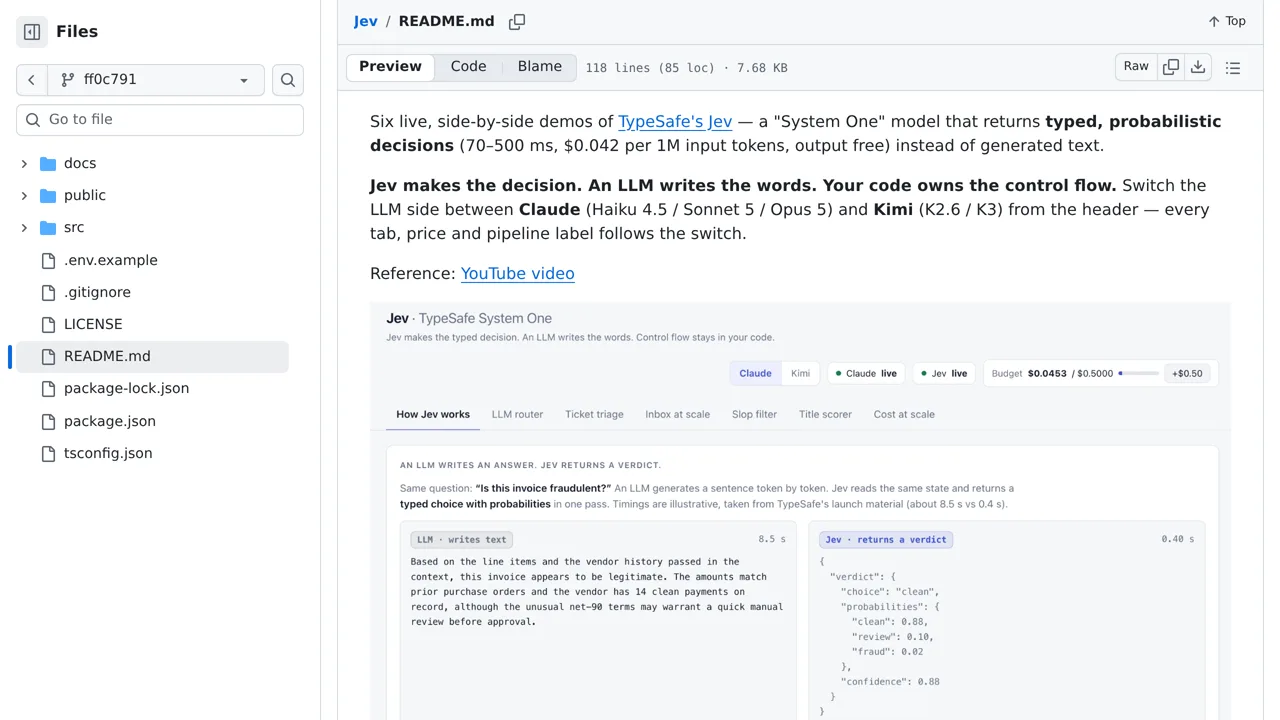
Compare six small demos of Jev handling routing, triage, inbox classification, filtering, and scoring.
A second Twitch chat column that helps you find the questions, jokes or helpful messages among the noise.

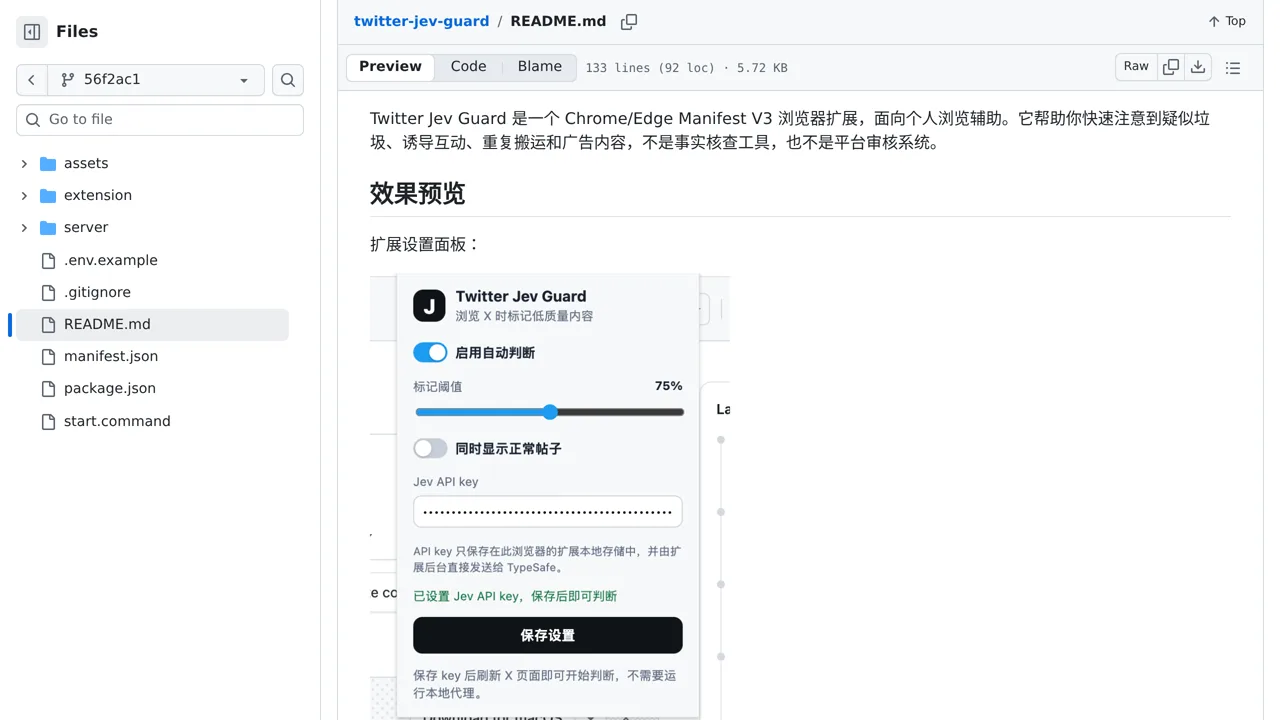
Stamp low-quality X posts with a translucent STOP and mark promotions already identified by the platform as AD.
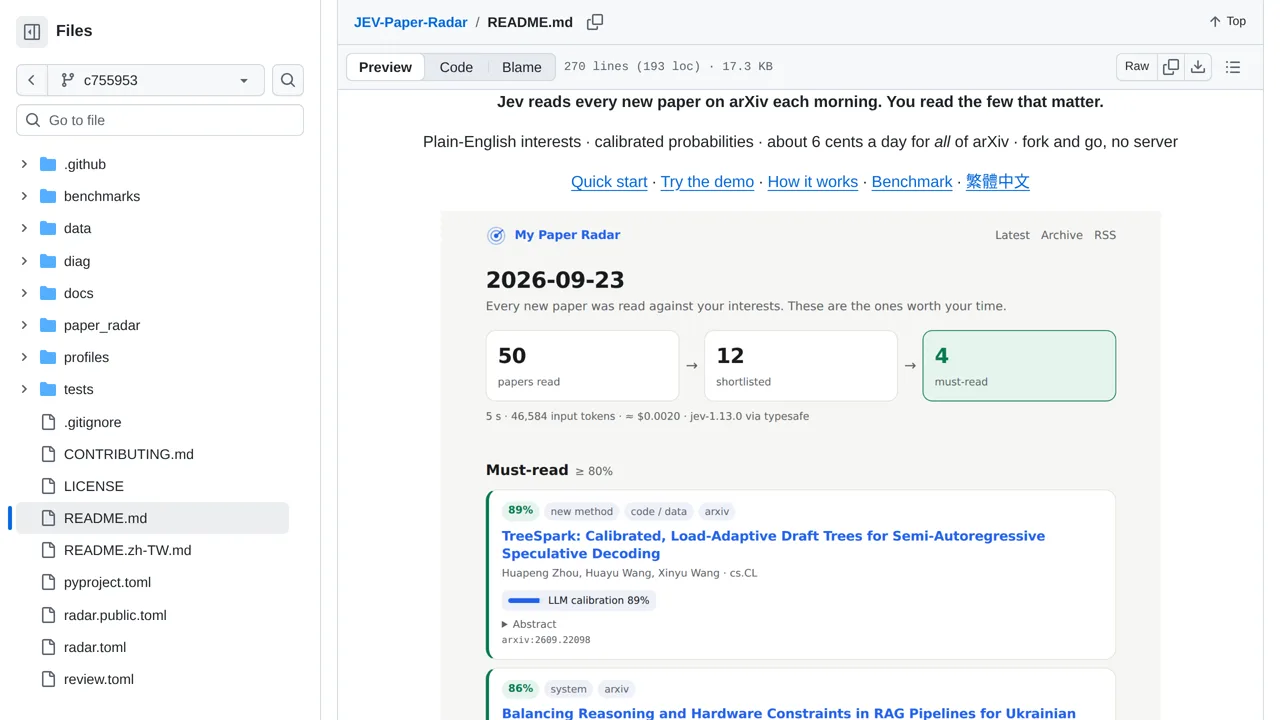
Screens each morning’s arXiv feed against your interests, then publishes the strongest matches with per-interest probabilities.
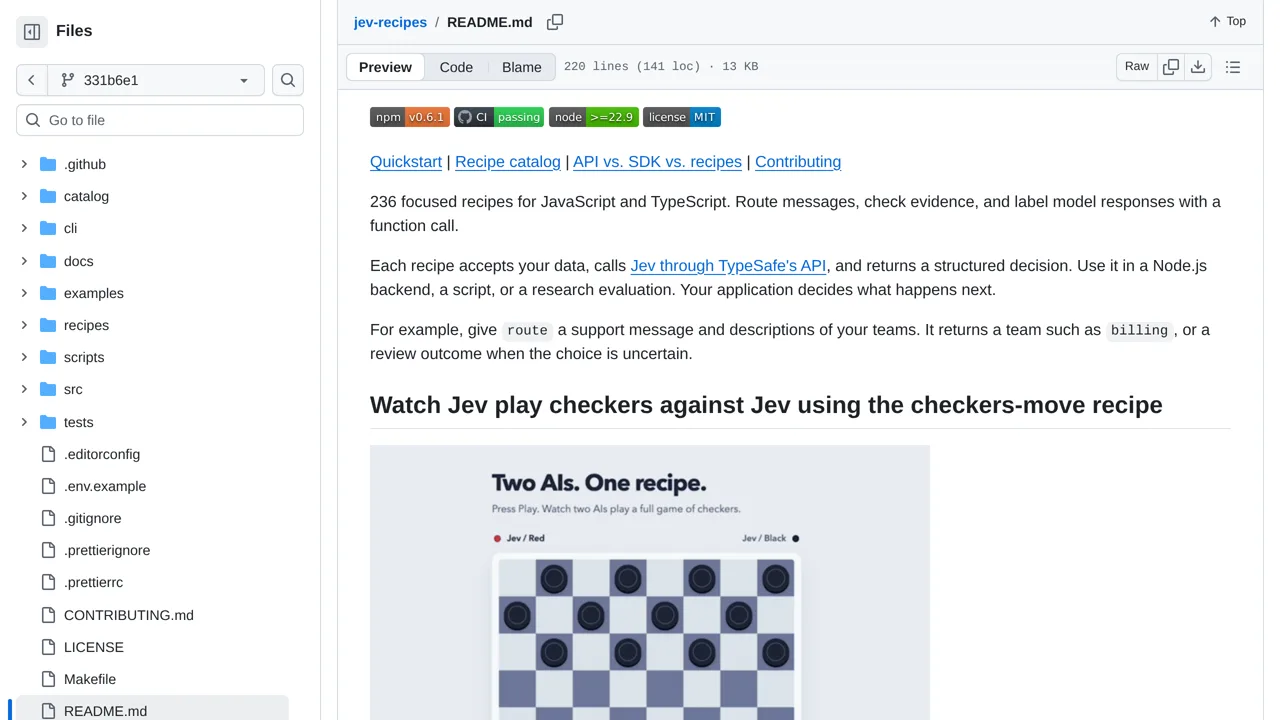
Packages focused Jev decisions—routing, grading, checking, comparison, and labelling—as reusable JavaScript functions.
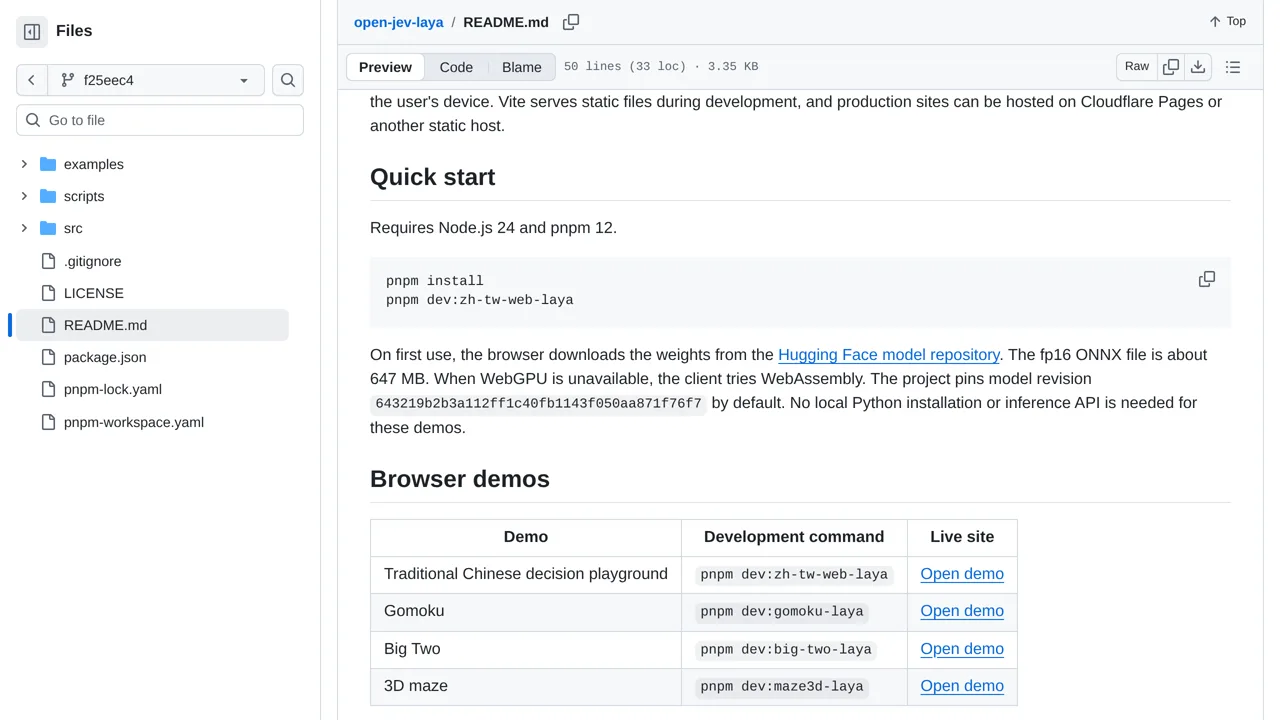
Four browser demos use multilingual Laya weights for typed decisions in Gomoku, Big Two, a maze, and a Chinese playground.
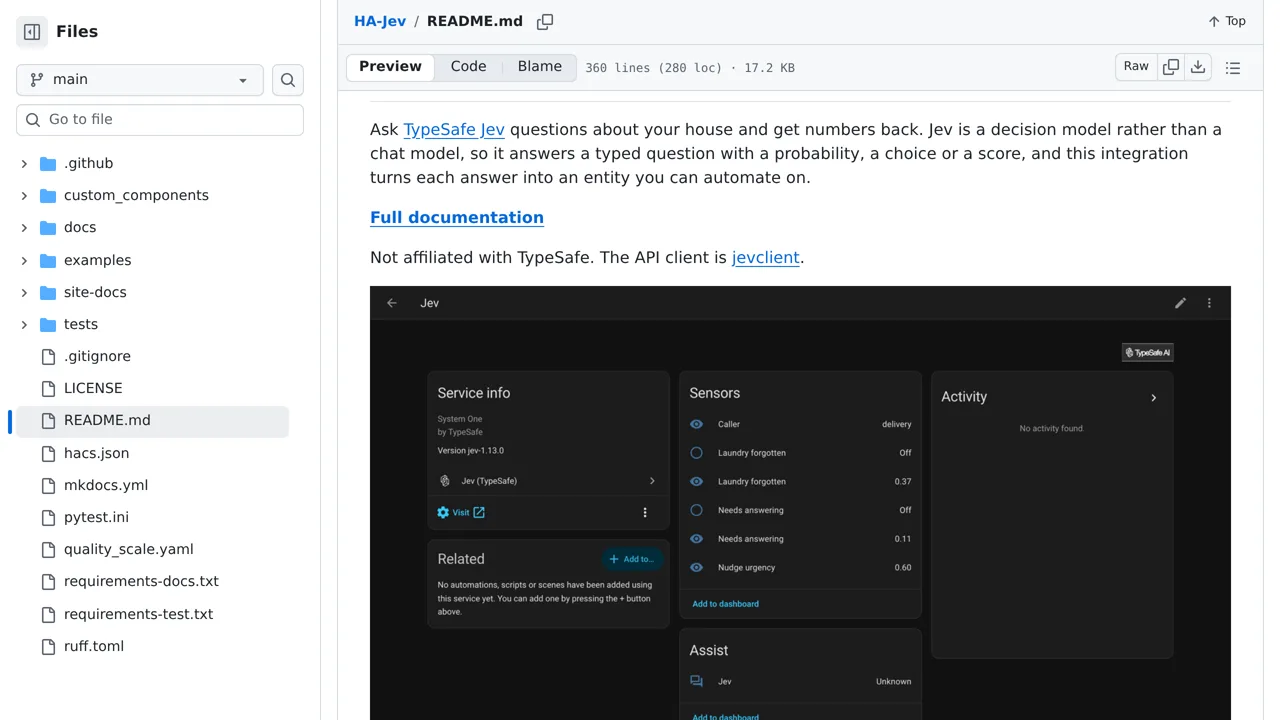
A Home Assistant integration that turns conversational smart-home state into typed Jev device decisions.
A Python MCP server for classifying, scoring, checking, matching, and screening with Jev.
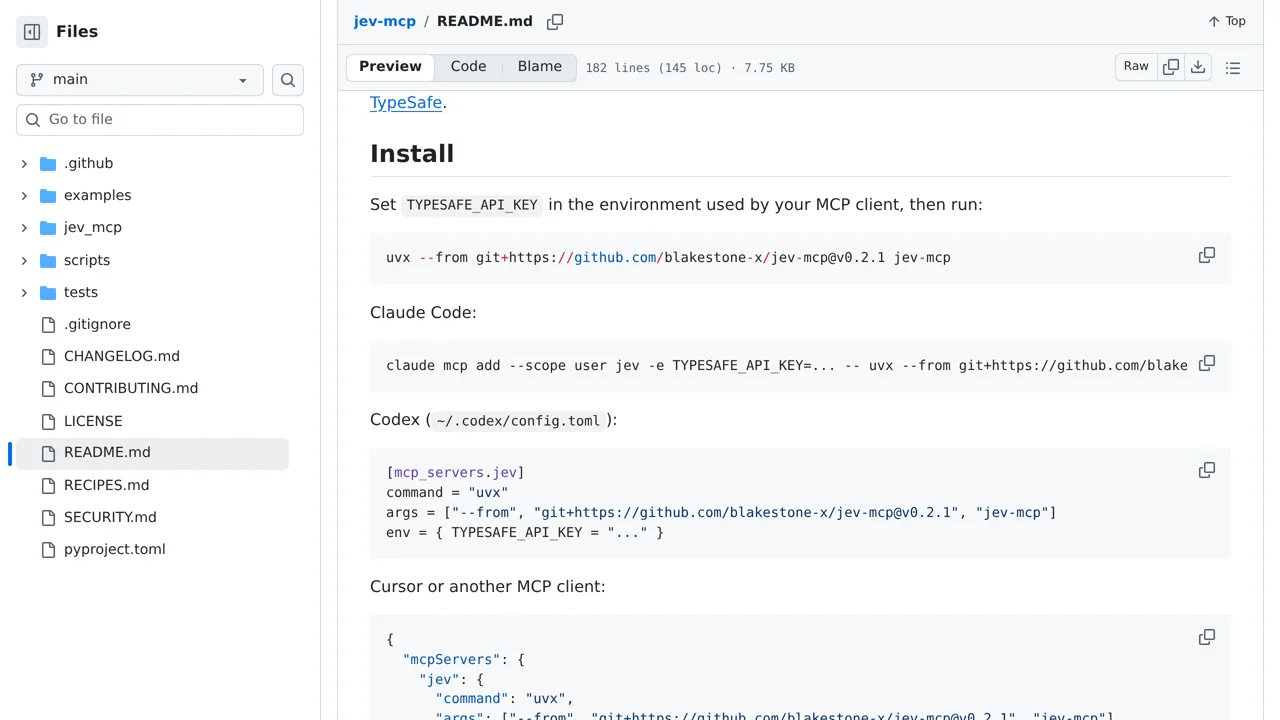
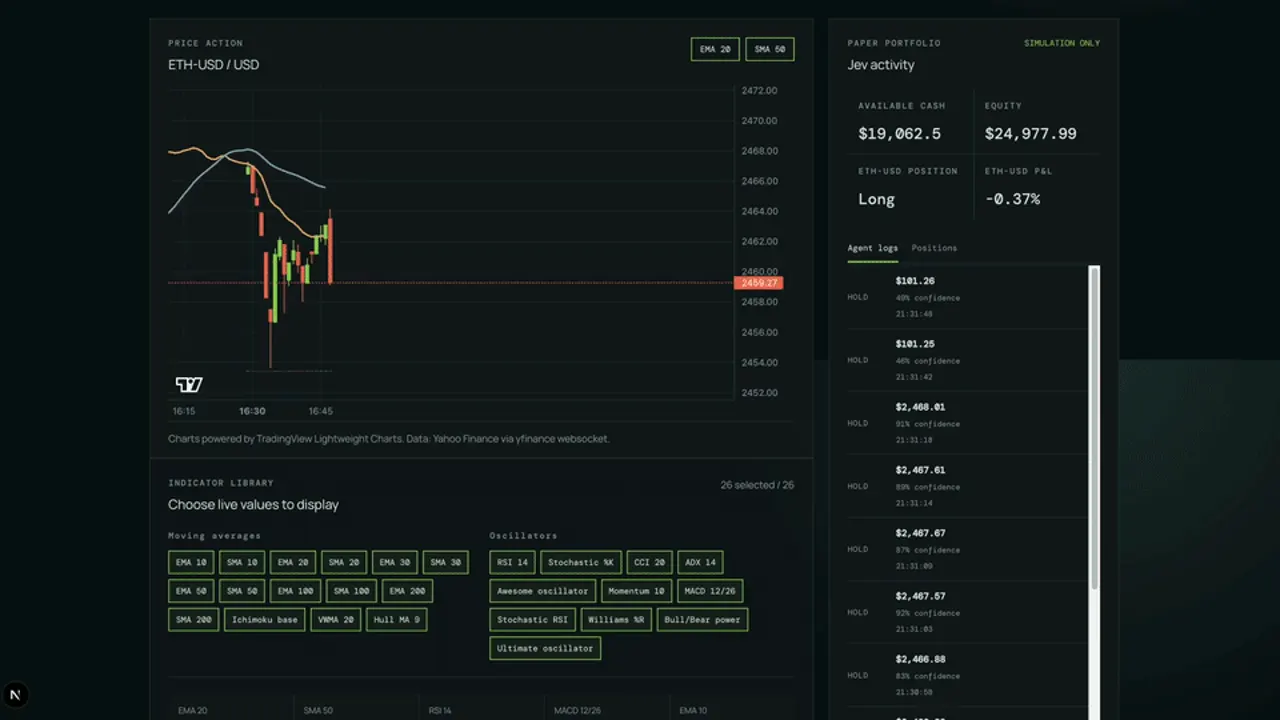
A Python trading bot that uses Jev for market decisions and includes backtesting support.
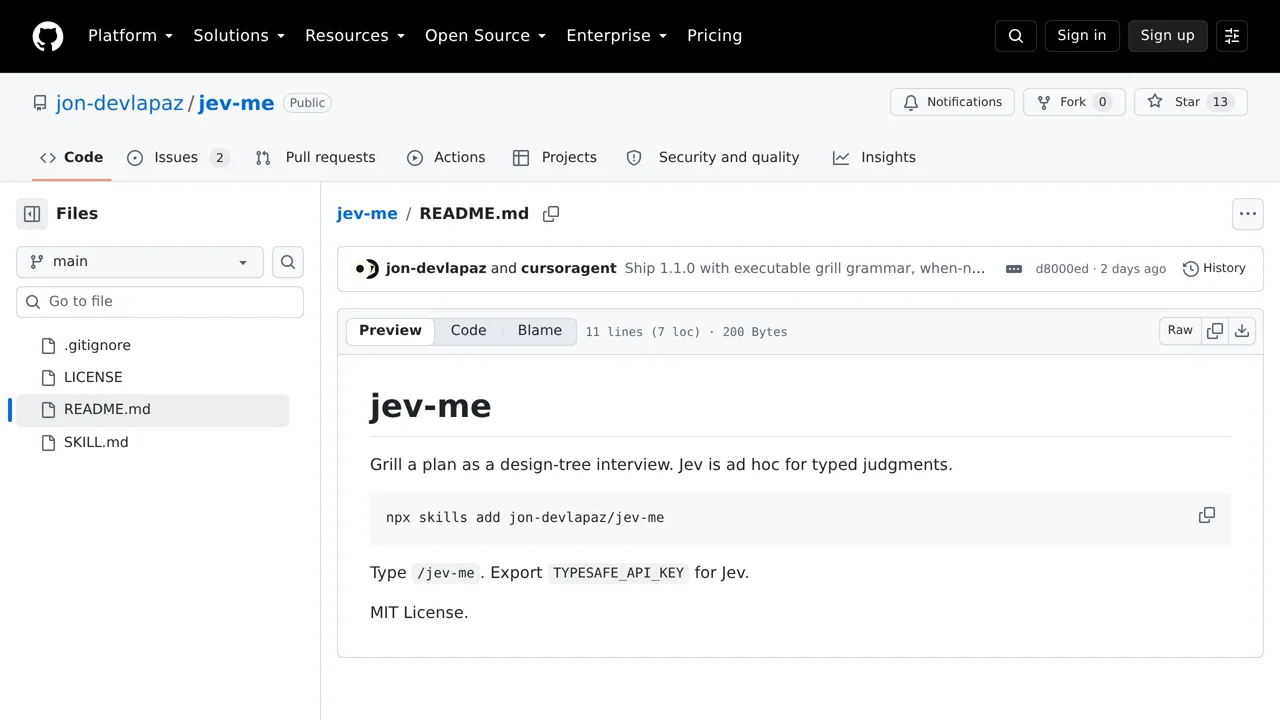
An installable coding-agent skill can ask Jev to critique work after each turn.
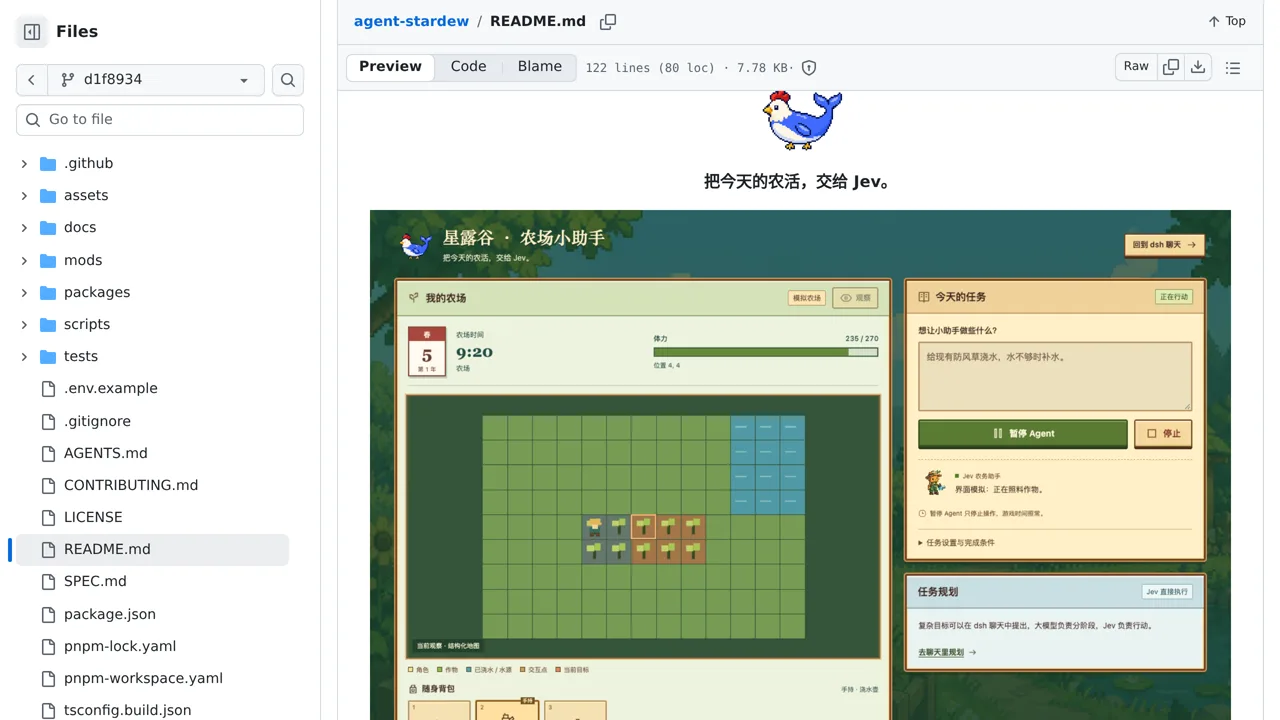
Assign Jev a chore in Stardew Valley and follow each action it chooses from a live control panel.
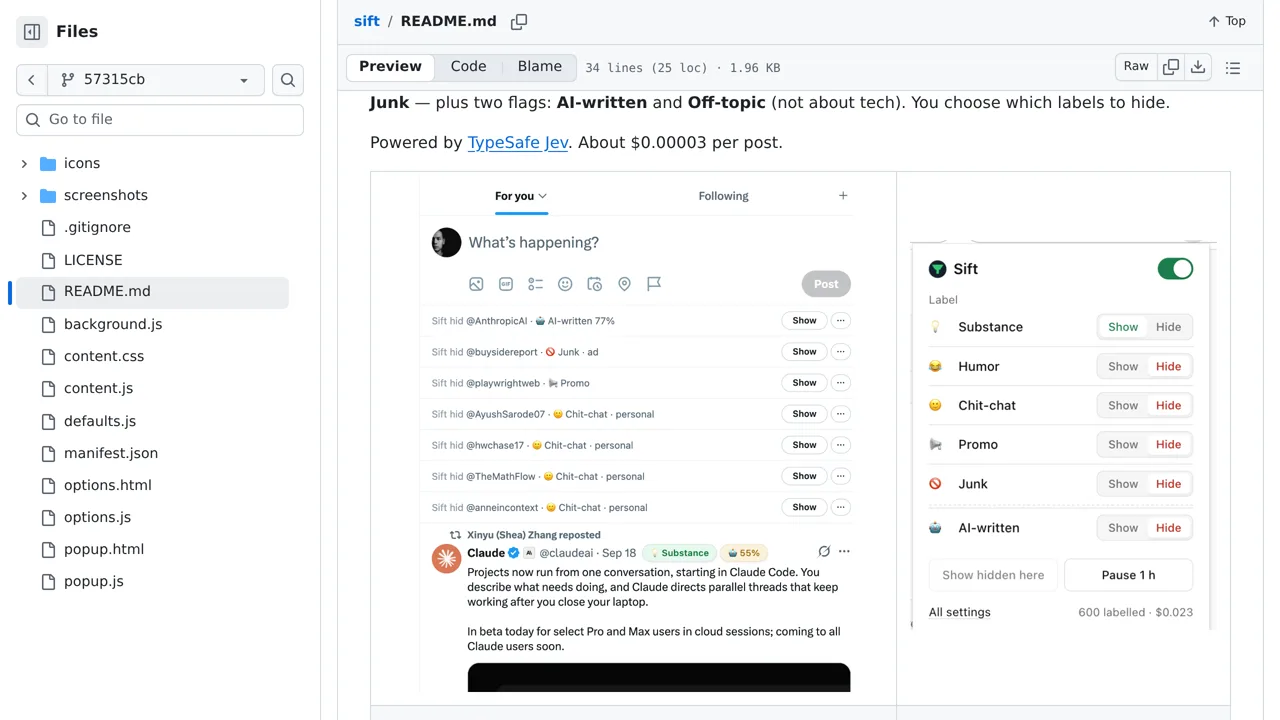
Turn X into a labeled feed of substance, humor, chit-chat, promotion, or junk, with optional off-topic and AI-written filters.
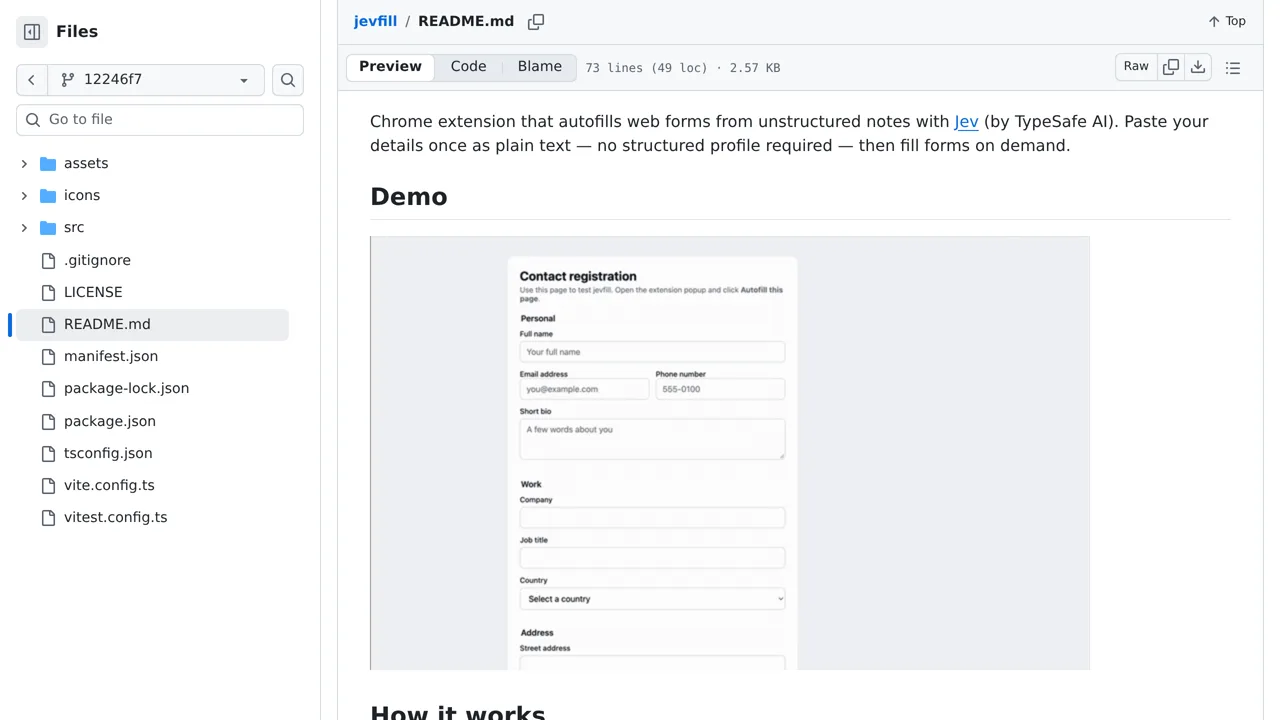
Match ordinary web-form fields to the right lines in your unstructured personal notes.
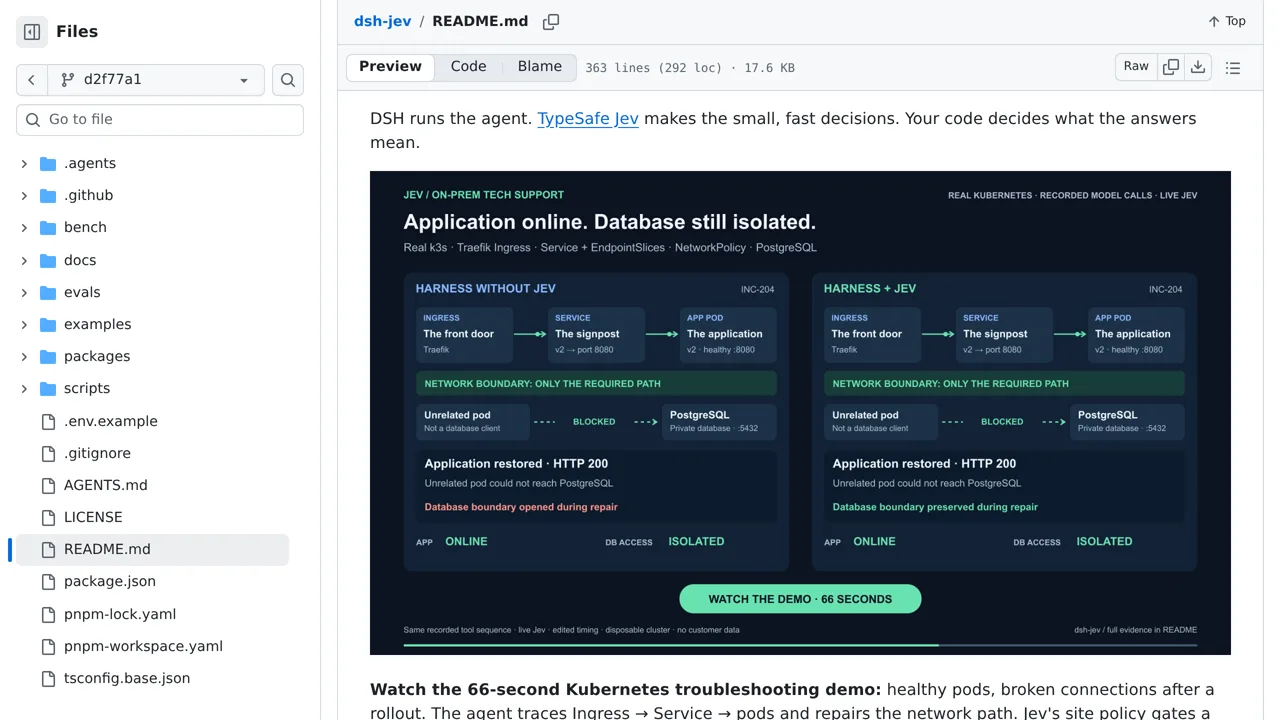
An extension that lets DeepSeek Harness ask Jev to choose tools, check policies and select evidence.
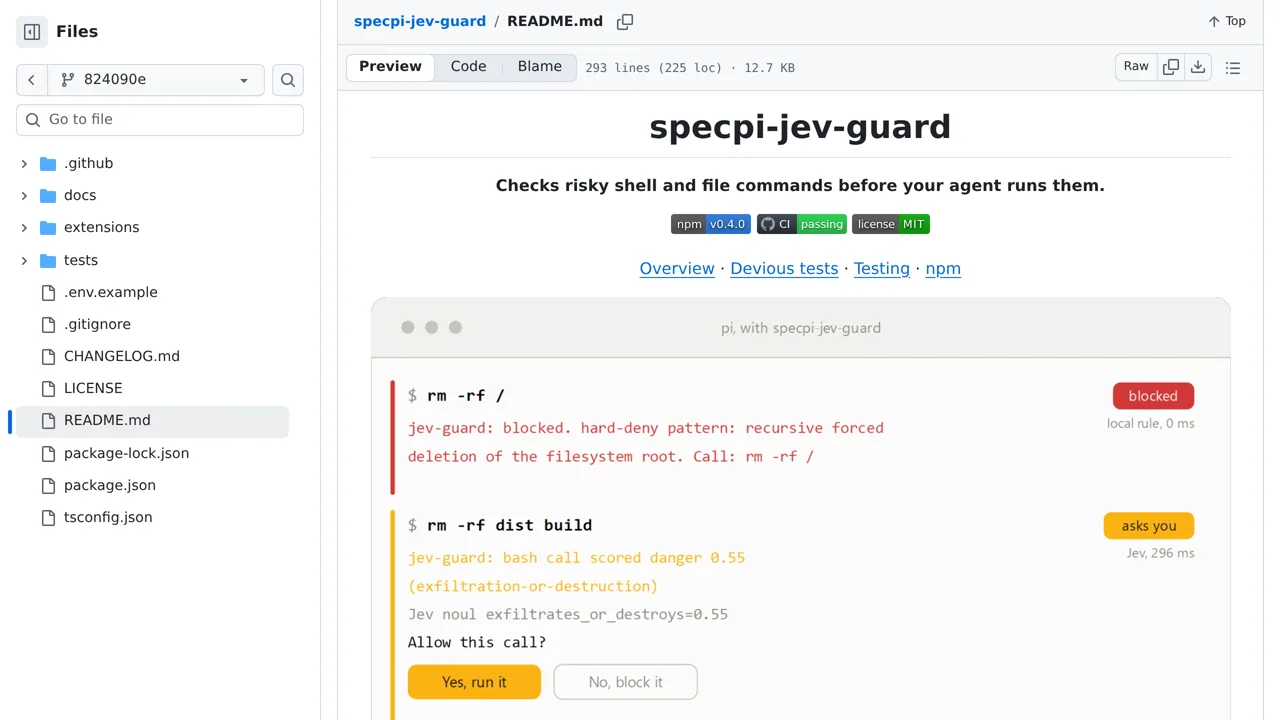
A Pi guard that checks commands with local rules and asks Jev about the ambiguous ones.
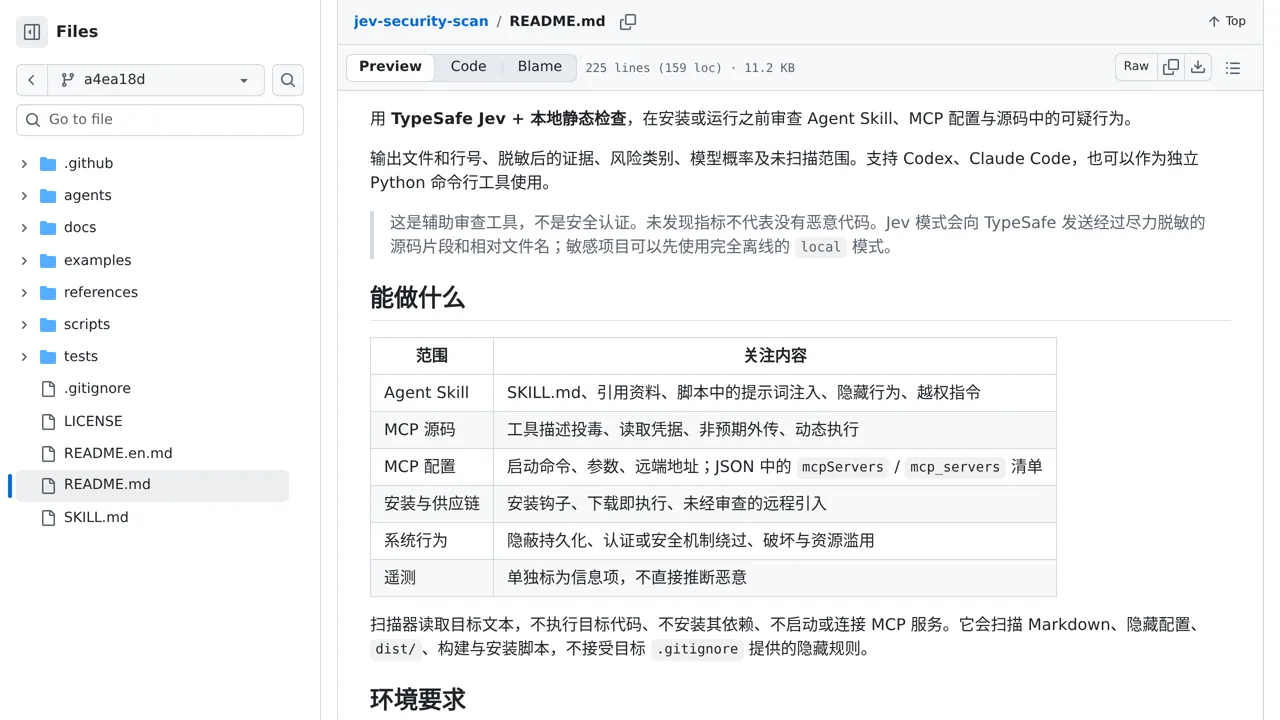
Screens agent skills and MCP code before installation by combining static evidence with security judgments.
A memory layer that asks Jev which facts to keep, retrieve or forget, preserving the original words.

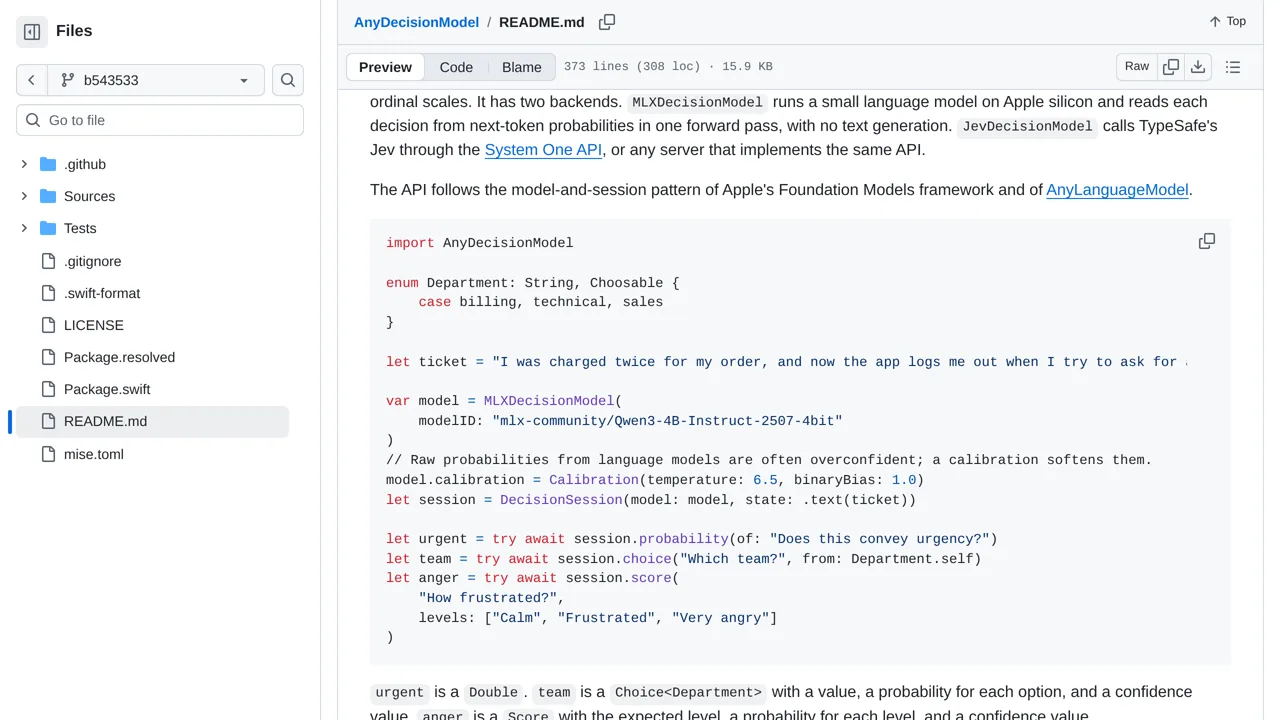
Offers one Swift interface for typed decisions from hosted Jev or local MLX language models.
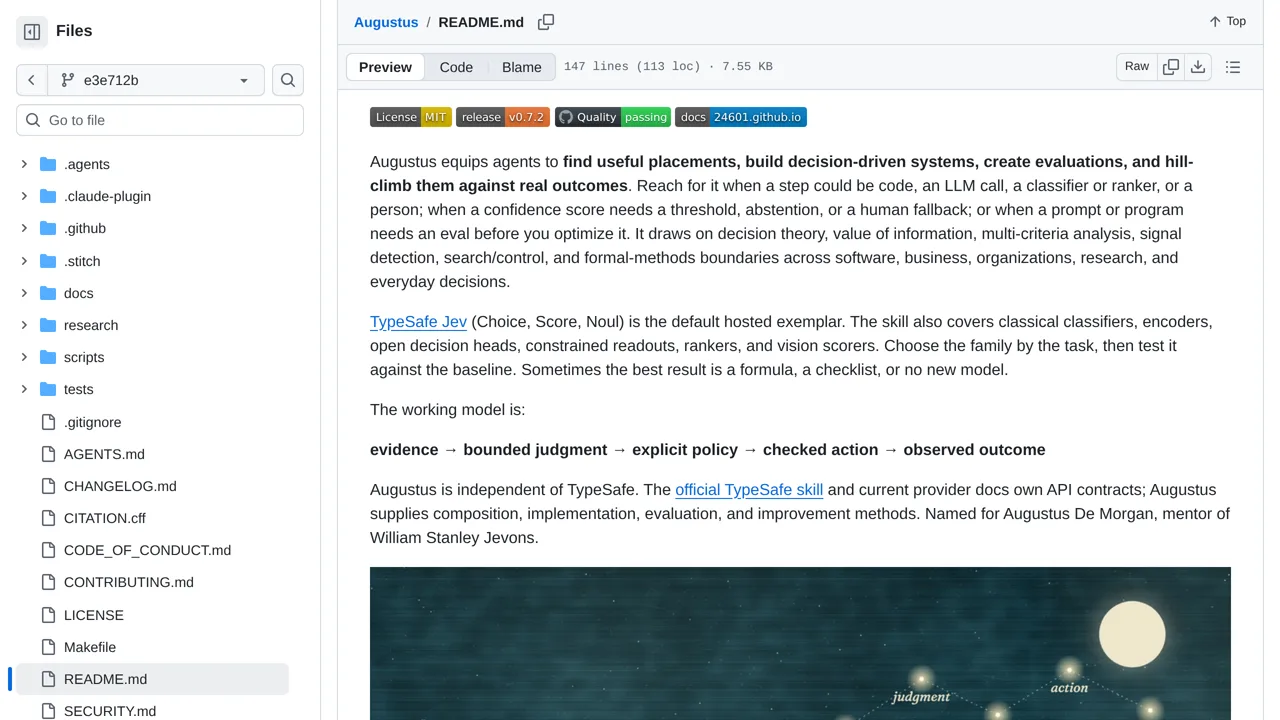
Guides agents through designing and evaluating bounded decision systems, using Jev as one hosted example.
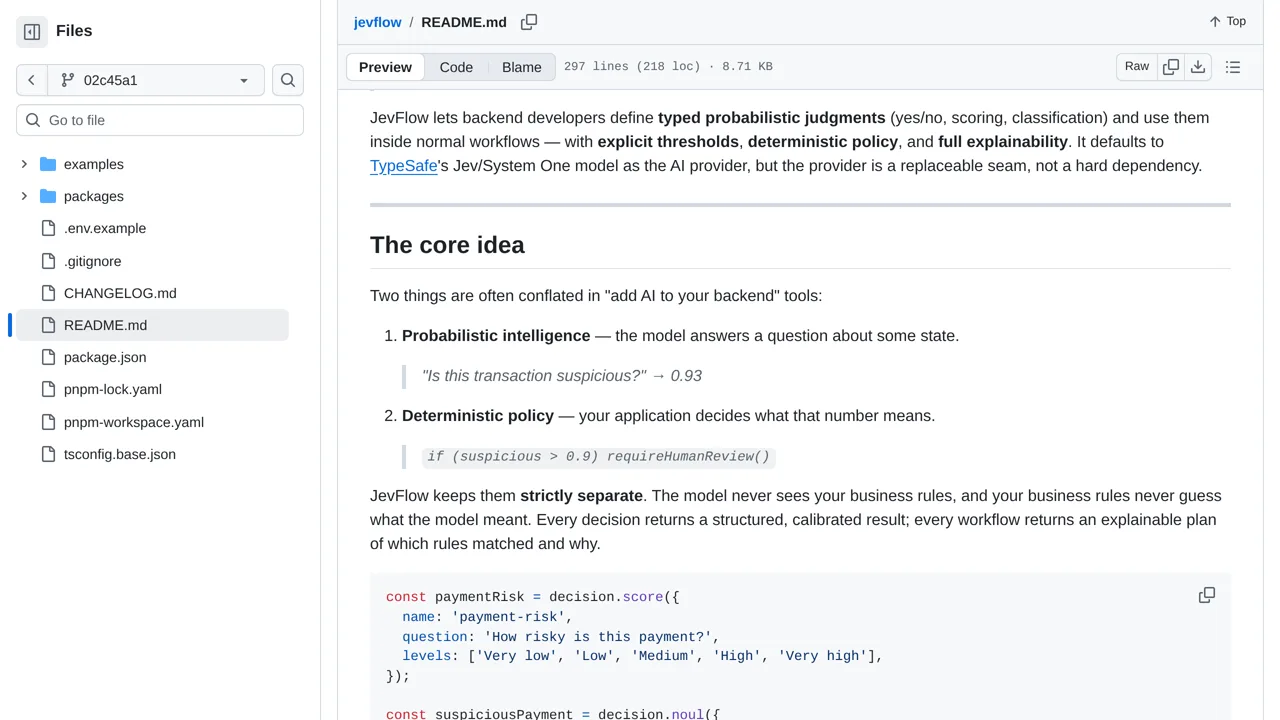
Composes typed decisions, thresholds, and workflows behind a provider interface that includes Jev.
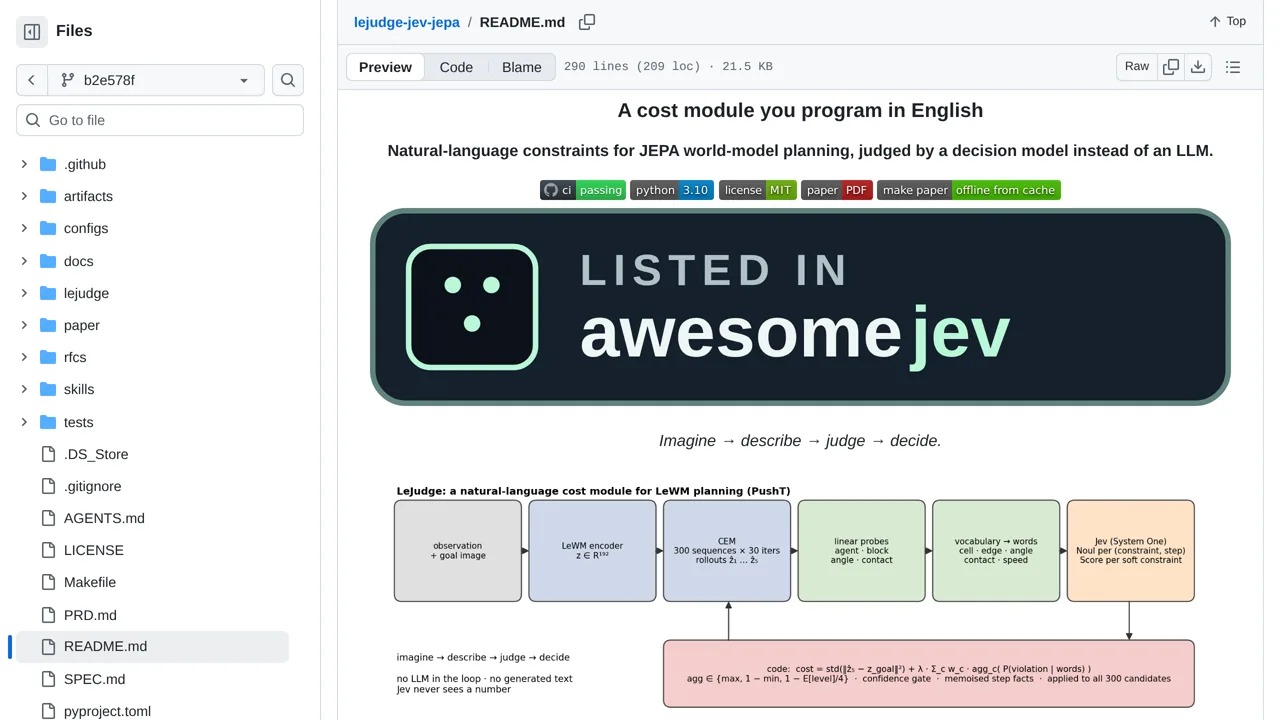
Review pull-request diffs with typed risk questions, then turn Jev's probabilities into findings and a merge-risk verdict.
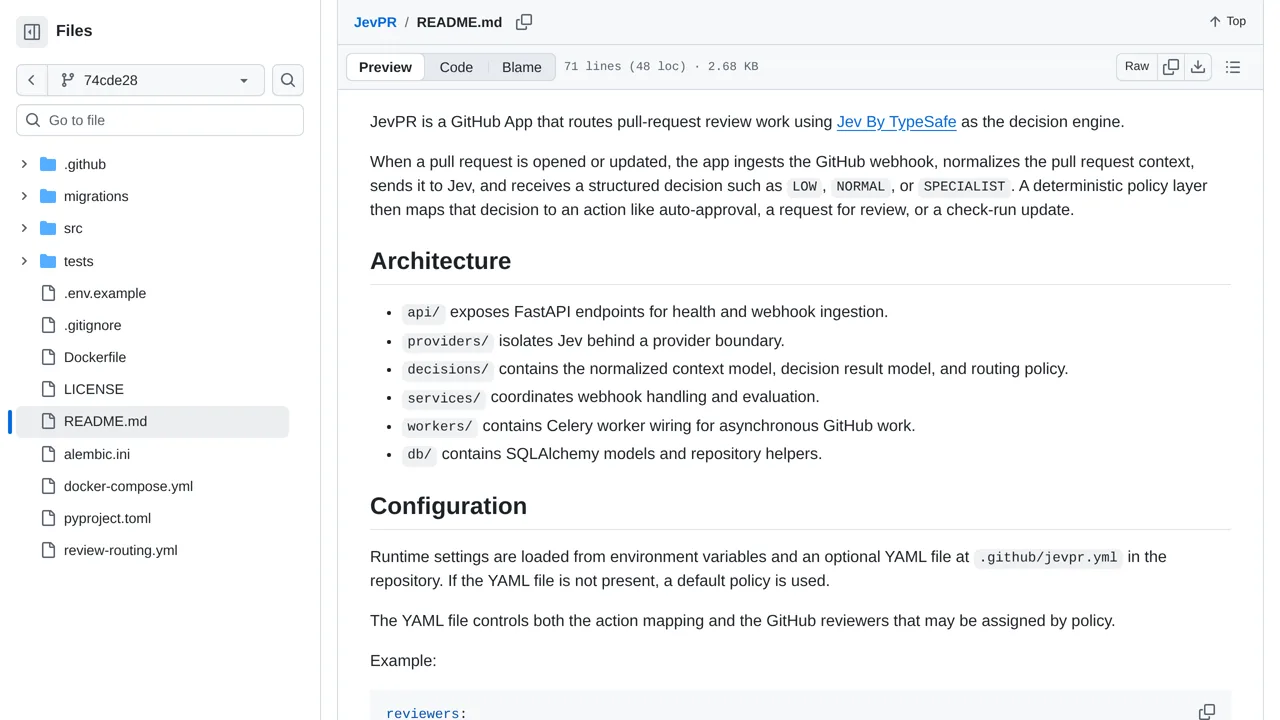
Compose typed decision questions in an experimental language whose Rust runtime executes them and exposes their results to programs; it is Jev-inspired, not Jev.
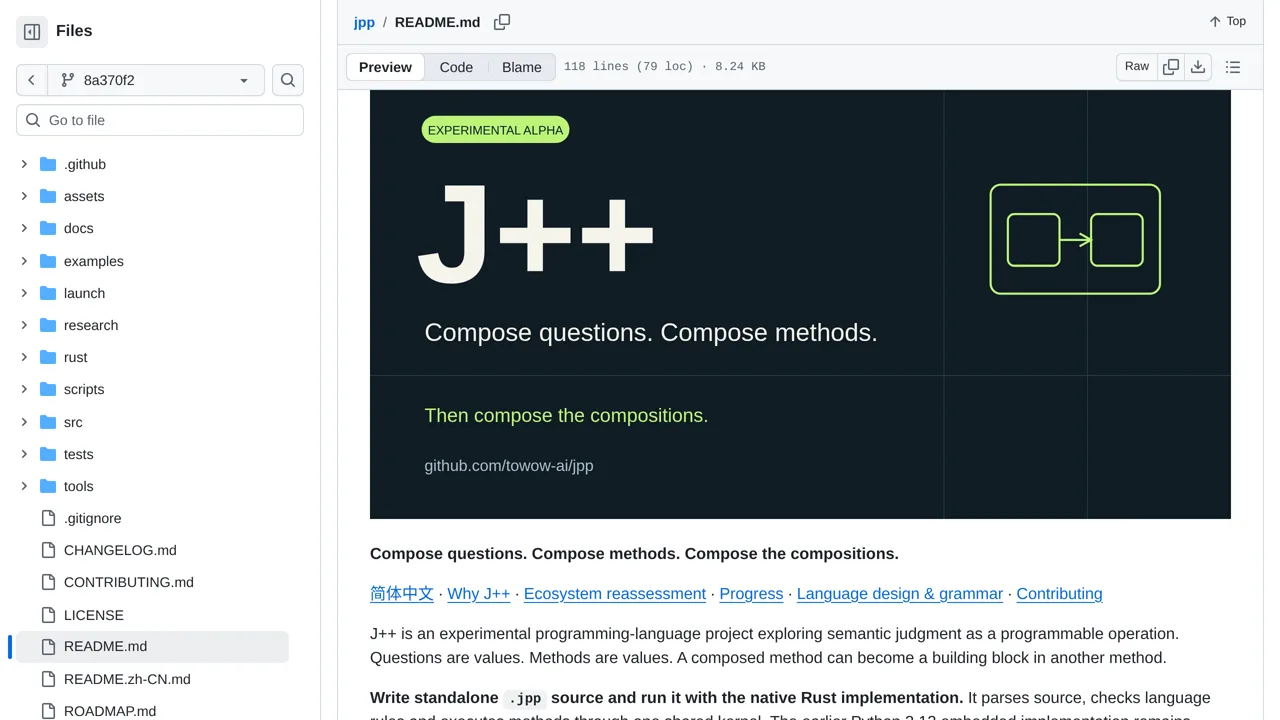
Serve Laya typed decisions through a Rust Candle runtime for local CPU or GPU inference; this is a Jev-compatible alternative, not Jev.
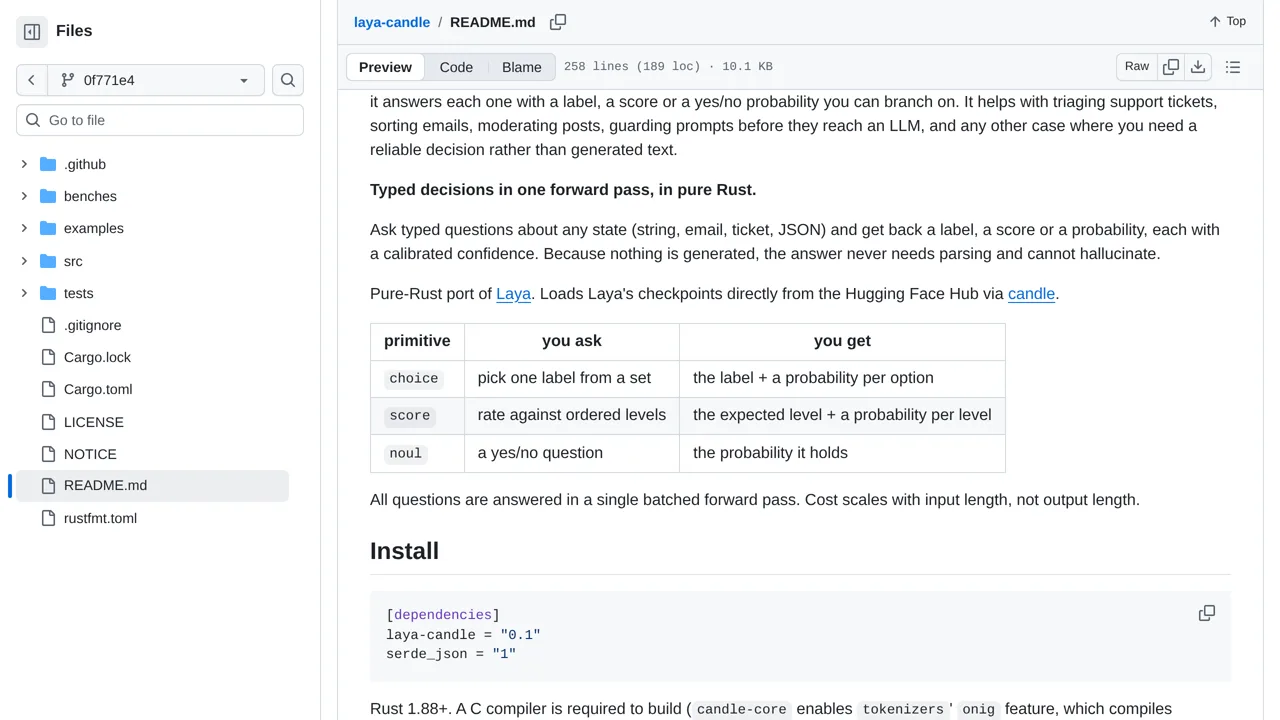
Add natural-language constraints to JEPA planning by asking Jev whether probe-described imagined states violate each rule, then folding probabilities into planning cost.
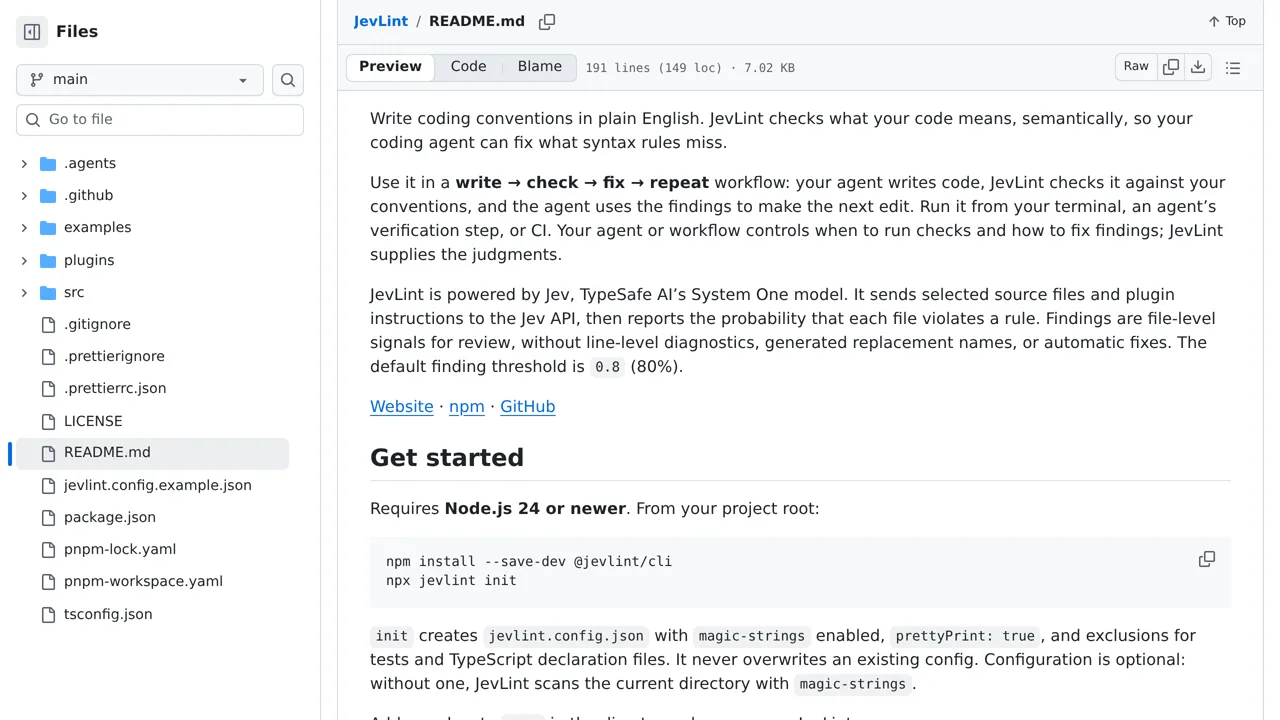
A configurable semantic linter that uses Jev to judge entire files.
A collection of Jev experiments spans support routing and a 3D driving simulation with visible sensor input.

A mobile-friendly playground collects 110 Jev use cases, games, dilemmas and model challenges.
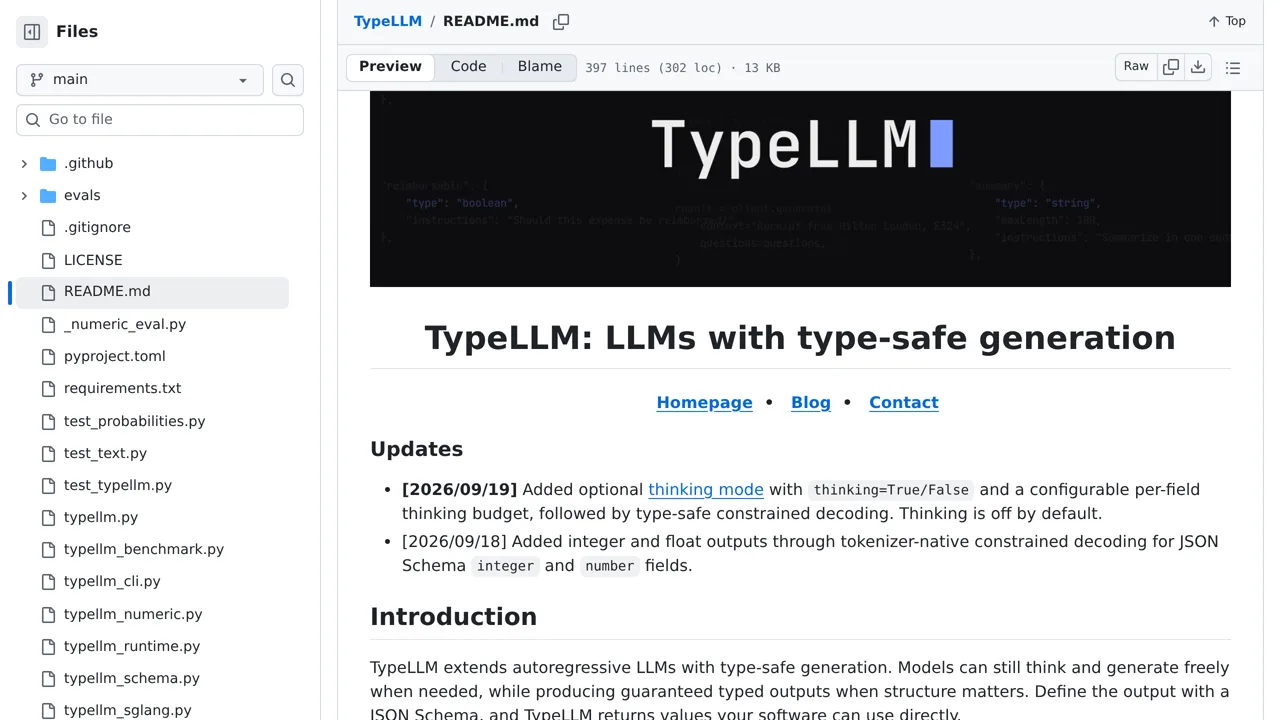
TypeAR studies type-safe constrained decoding for autoregressive language models.
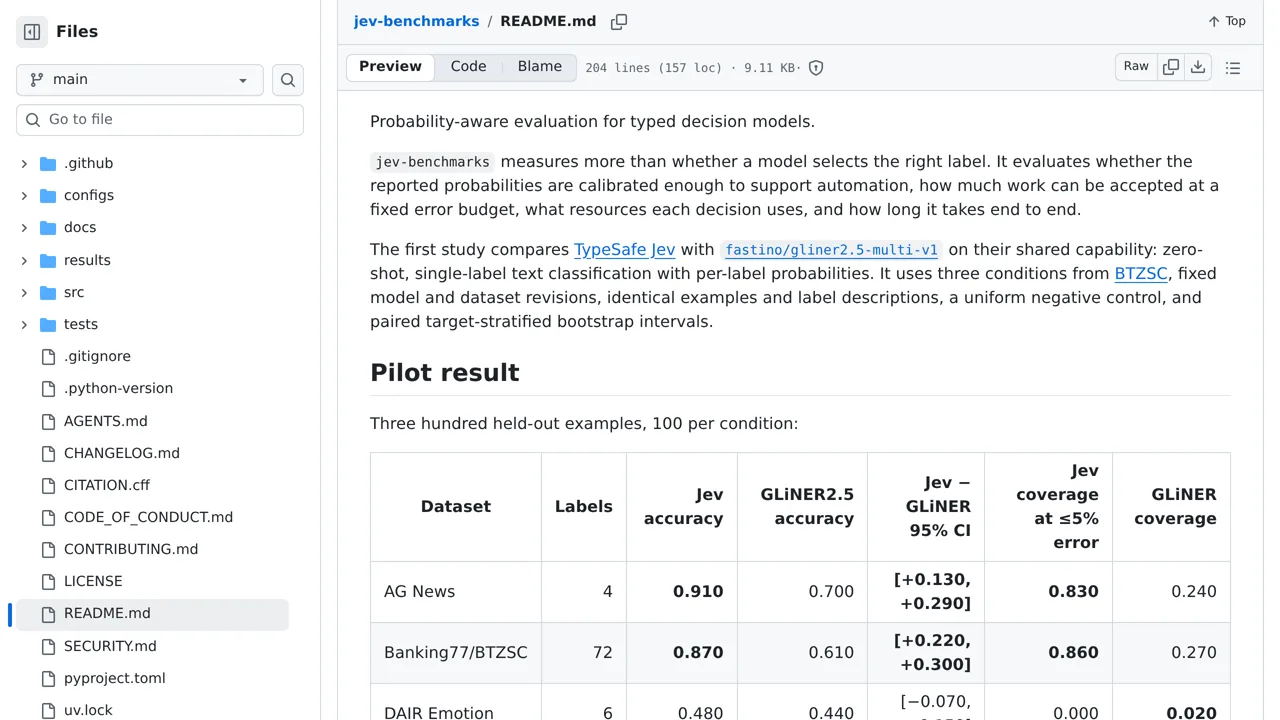
A reproducible evaluation suite measures calibration, selective risk and latency in probabilistic decision models.
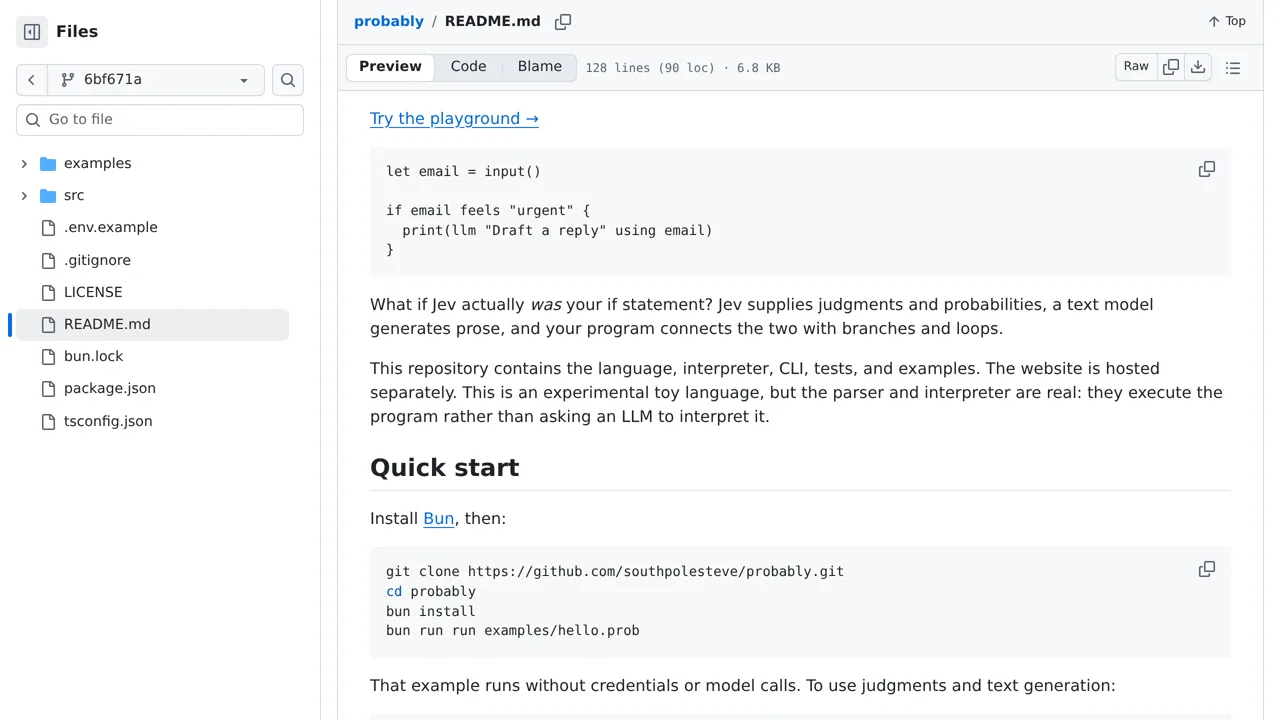
A tiny workflow language where conditions such as “this email feels urgent” resolve to Jev probabilities.
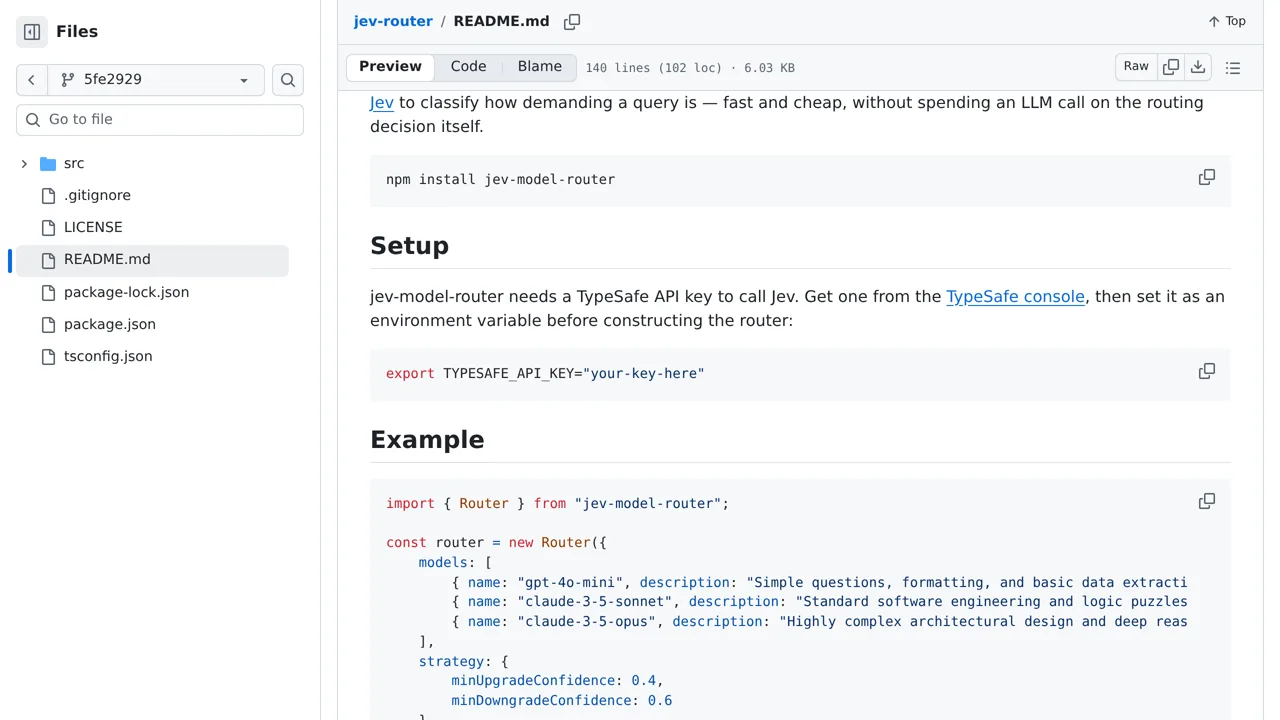
Routes a request among two or three model tiers using one ordered Jev score and explicit upgrade thresholds.
Evaluates synthetic refund-support traces with four typed criteria and records auditable results as an Opik experiment.
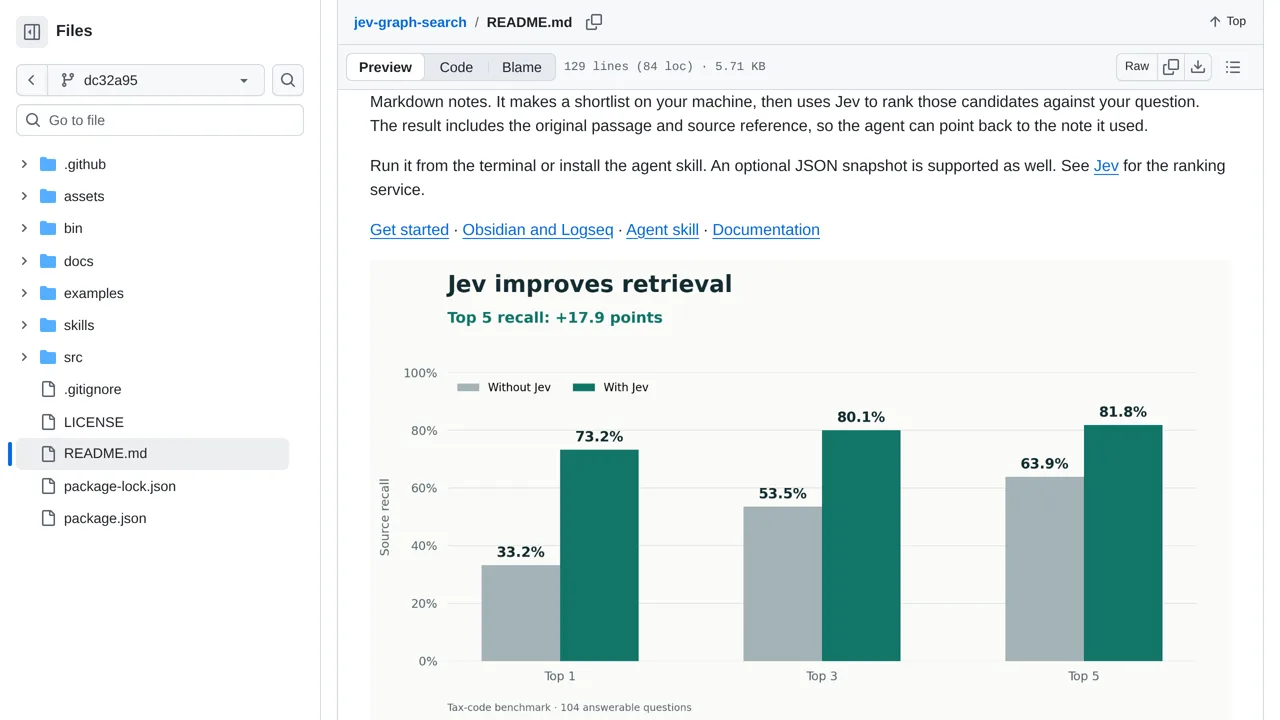
Shortlists local Markdown passages lexically, reranks them with Jev, and returns original text with source references intact.
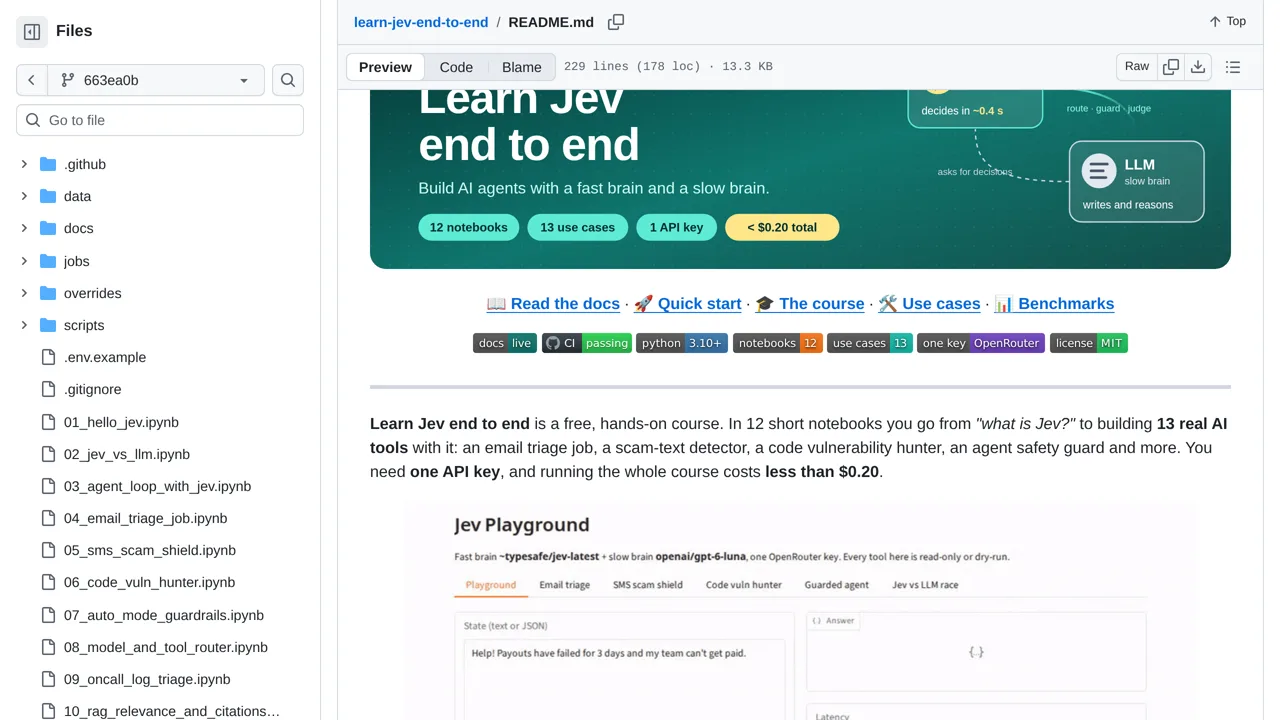
Build thirteen Jev tools across twelve notebooks, from routing and scam checks to agent guards, vulnerability scans and evaluation gates.
Predict a visitor’s next link with Jev, preload it through framework adapters, and display probabilities in an overlay.

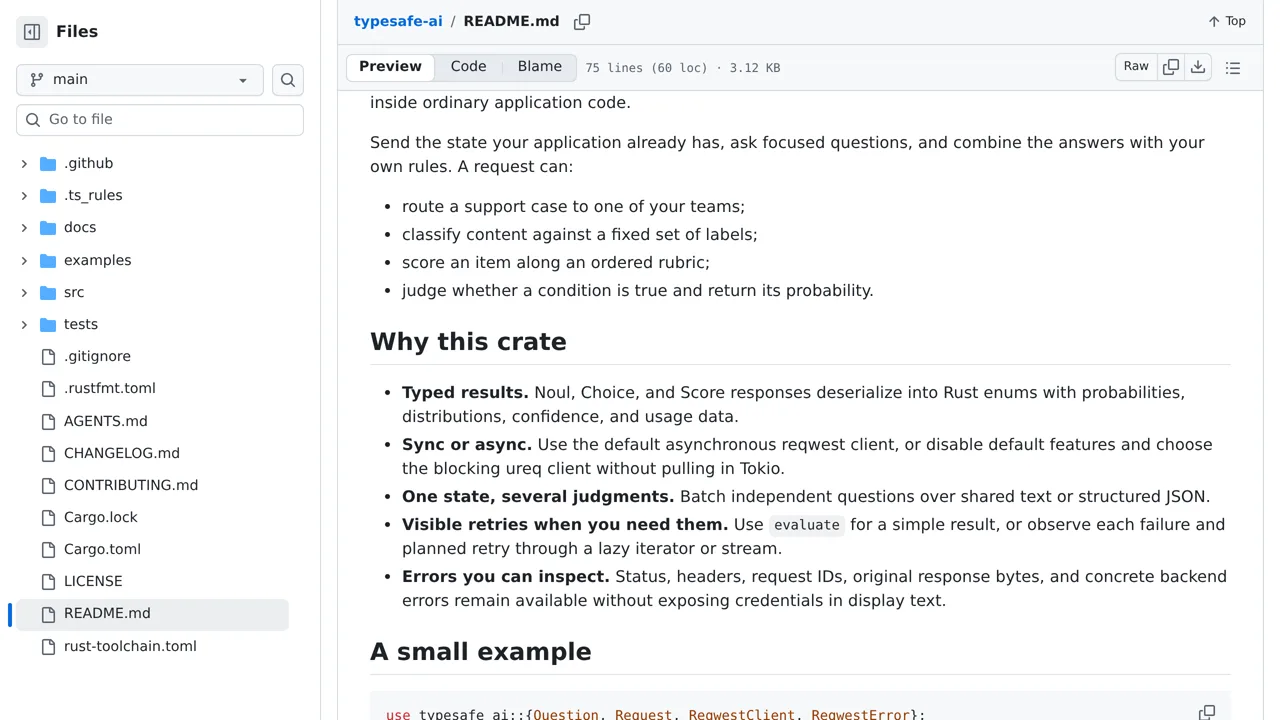
A Rust client for TypeSafe AI with asynchronous and blocking interfaces.
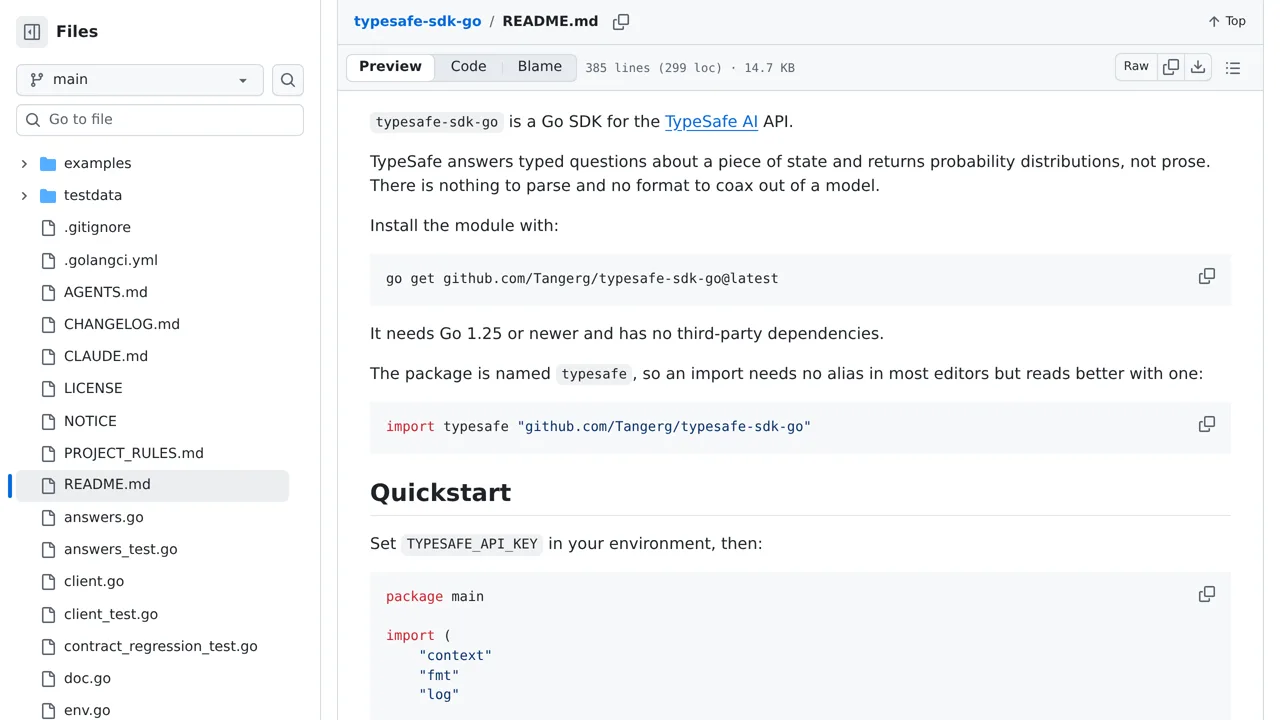
A Go SDK that sends typed questions to TypeSafe AI and returns probability distributions.
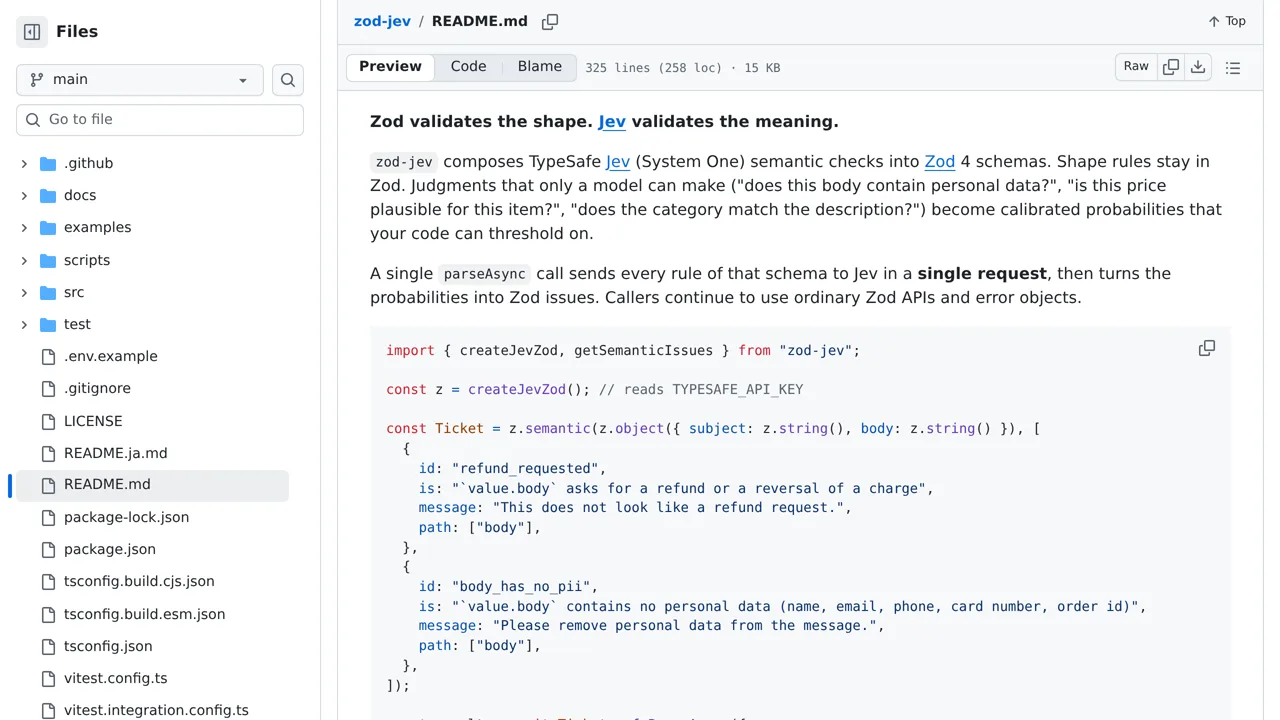
Zod checks whether your data has the right shape. Jev checks whether it makes sense.
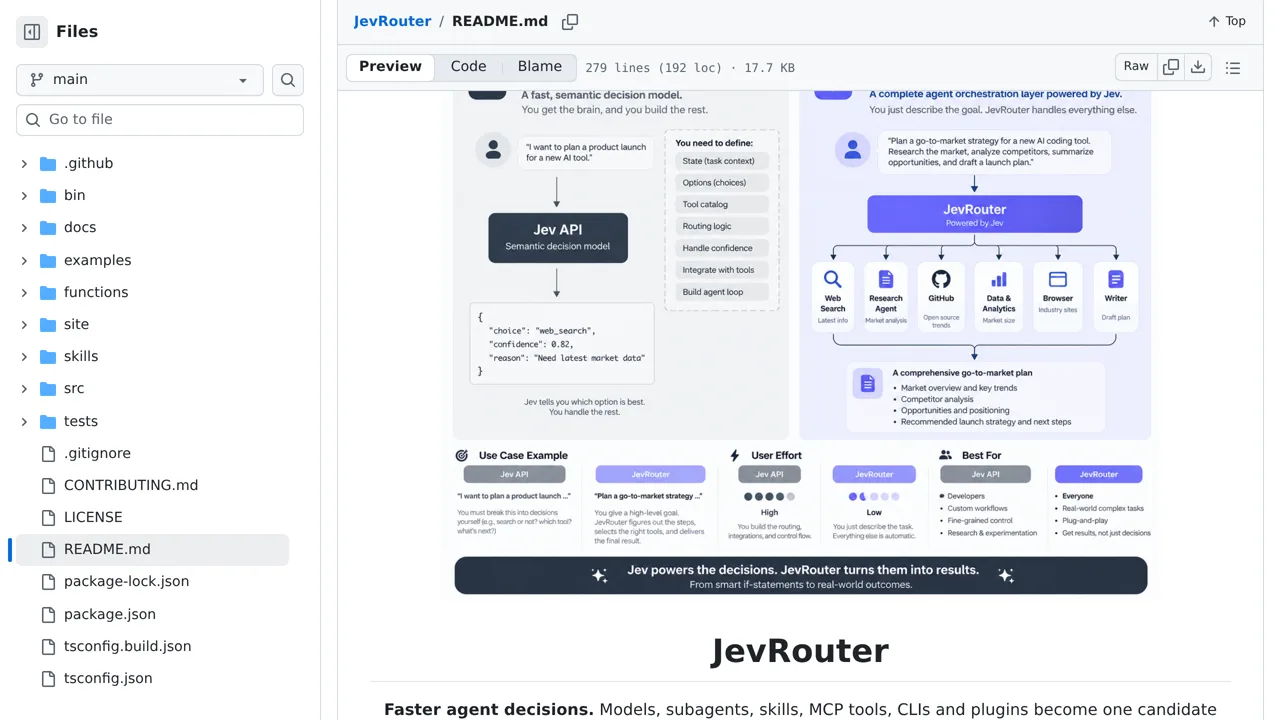
A lightweight Jev router for choosing models, tools, and subagents.
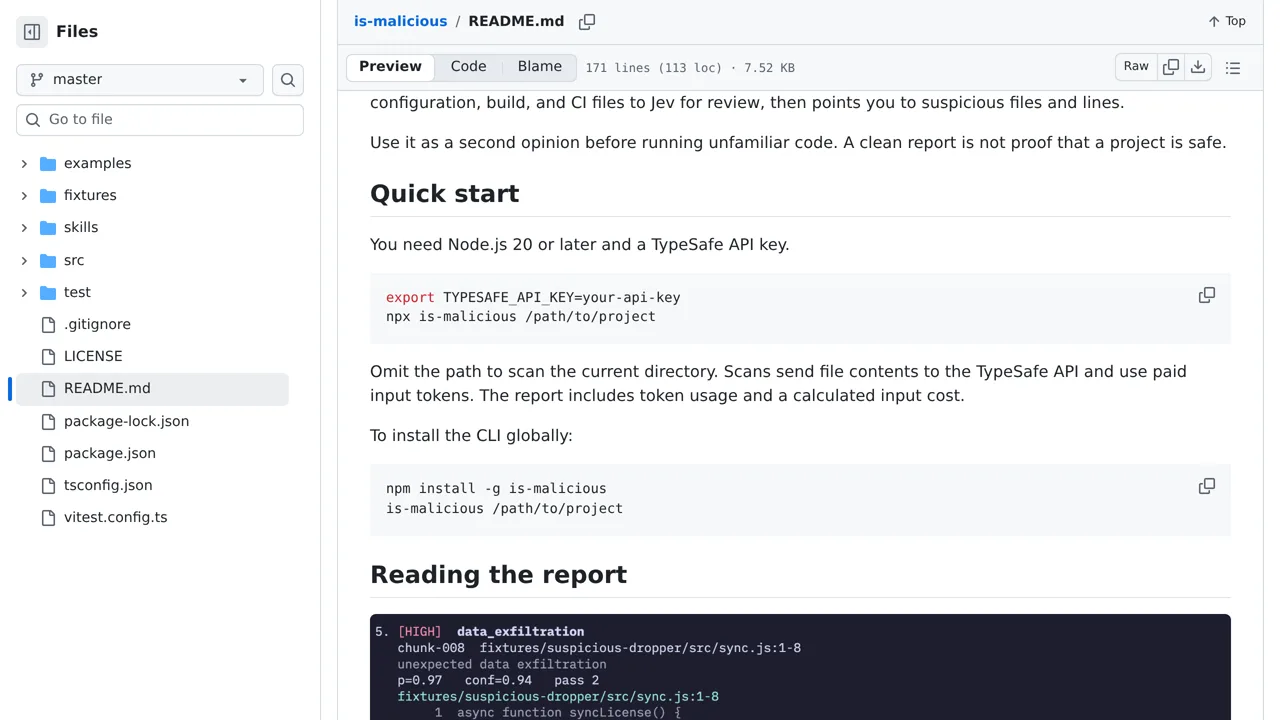
A Jev-powered scanner that checks a codebase for potentially malicious code before you run it.
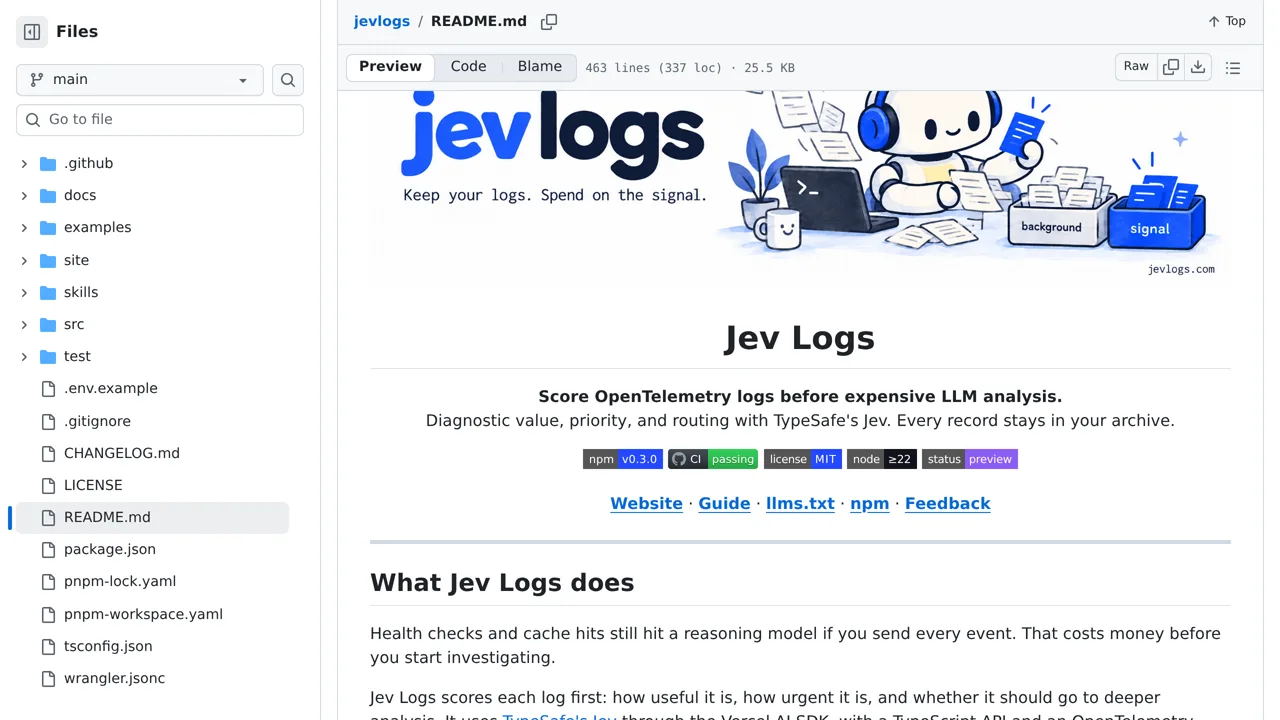
An OpenTelemetry log-triage tool that uses Jev to decide which signals warrant deeper language-model analysis.
Jev, briefly
A chat model generates text token by token and hopes you parse it. Jev never generates a word. Your code sends the state of the world plus typed questions; Jev returns every answer in one parallel pass — typed values with calibrated probabilities and a confidence score your code can trust. About 70–500 ms end to end, $0.042 per million input tokens, output free. Trained with what TypeSafe calls Reinforcement Learning for Calibrated Decisions.
You define the options. Jev returns the chosen option, a probability for every option, and a confidence. The workhorse of routing, agents, and games — the answer space is always legal, so there is nothing to parse and nothing to hallucinate.
You describe ordered levels — say trivial / normal / critical. Jev returns the level, the probability of each, and a confidence. Scores turn fuzzy judgment (“how severe is this log line?”) into a number-free decision your code can branch on.
You assert a statement; Jev returns the probability that it is true — a noul. Moderation, verification, guardrails, “does this diff actually fix the bug?”: one question, one calibrated probability.
Official material lives at typesafe.ai and docs.typesafe.ai. JevMade is an independent community registry — not affiliated with or endorsed by TypeSafe AI.
Recurring lessons
Games, drones, trading bots, and browser agents all converge on the same loop: serialize the state, ask one decisive question, act, repeat. Jev’s latency makes the loop feel instant — the model lives inside the control loop, not outside it.
The answer says what; the confidence says whether to act. The most reliable entries threshold on confidence to route edge cases to a slower model or a human — automation with an honest escape hatch.
Makers rarely ask Jev to pick from everything. Local tactics prune 225 gomoku moves to ~40; DOM filters turn a page into an element table; code narrows options, Jev judges within them.
A recurring split: Jev makes every decision cheaply and instantly, and a small LLM is only invoked when a human-facing string must actually be written. Decision and generation are separate budgets.
Send the link — repo, live demo, post, or video — plus a line on what it does and which primitives it uses. Every entry is verified against its primary source before it ships.
Submit your experiment → hello@JevMade.com