Read & learn
Written guides.
Understand Jev, one idea at a time. Walkthroughs, recipes, and writeups — our notes first, the original next.
A public registry · independent & community-run
Learn, build, and play with Jev — from deep technical guides to creative experiments.
Read & learn
Understand Jev, one idea at a time. Walkthroughs, recipes, and writeups — our notes first, the original next.
Watch & learn
See an idea take shape. Tutorials, demos, and deep dives, organized by topic and credited to their creators.
Make & explore
See what builders made with Jev. Games, tools, repositories, articles, and more — traced to their sources.
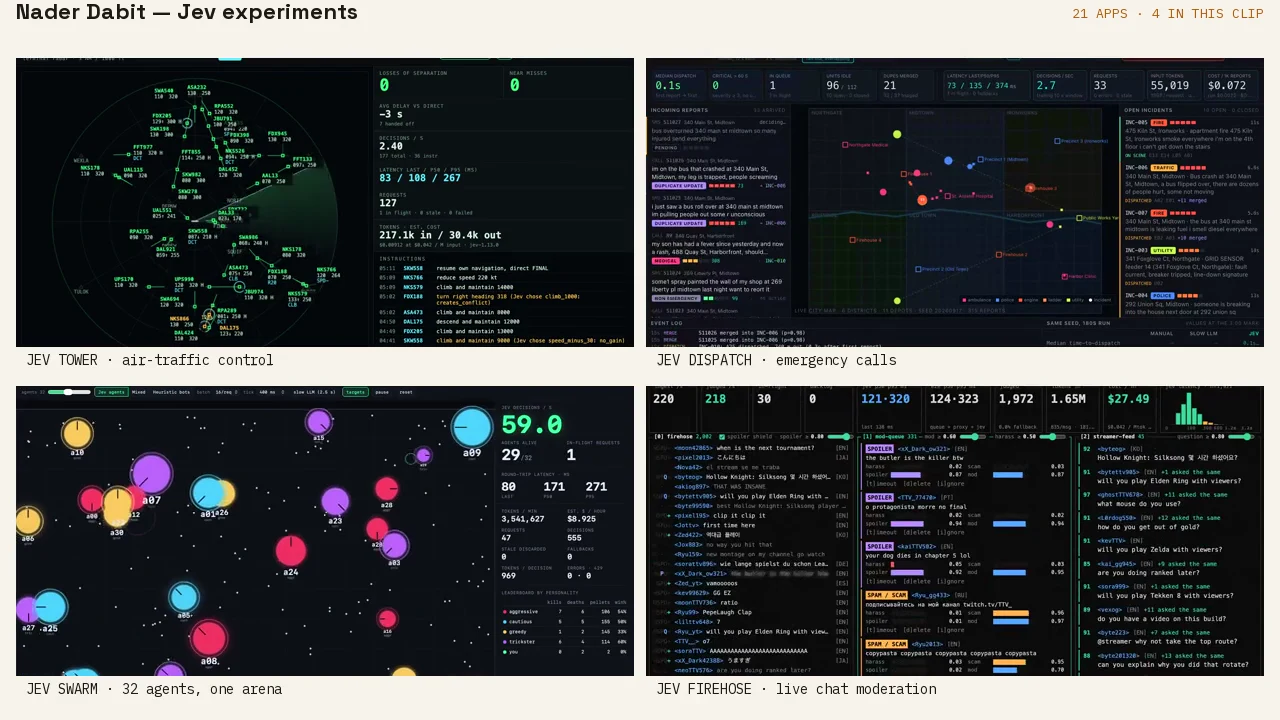
Every category, from games and tools to repositories and writeups, traced to a primary source.
Same ideas.
Different paths.
This is the full registry, not just the featured picks. Figures like speed, cost, and stars are maker-reported or captured snapshots, not JevMade measurements.
1611 experiments · showing 421–480
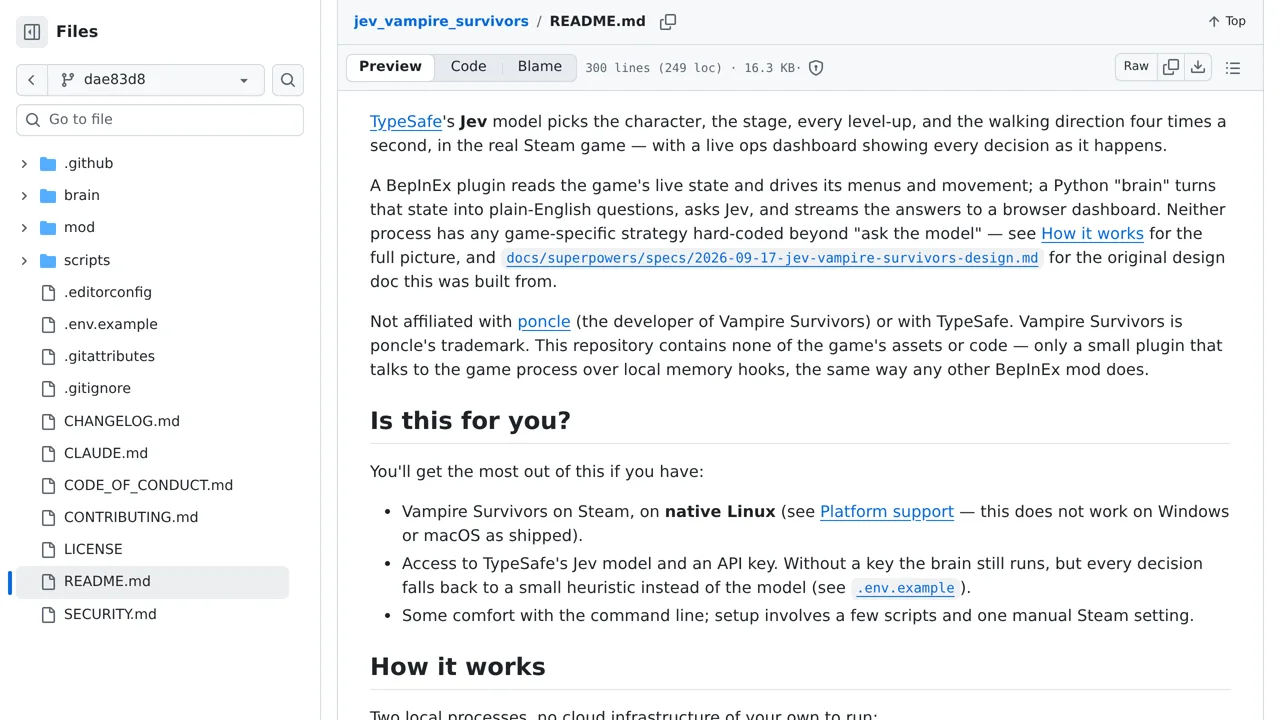
Watch Jev choose a character, stage, upgrades, and movement in the real Linux Steam version of Vampire Survivors.
A book becomes a glowing poster as Jev scores the emotions in its passages.

Browse Taobao or JD while products that may come from non-weekend-friendly workplaces receive a PASS stamp.

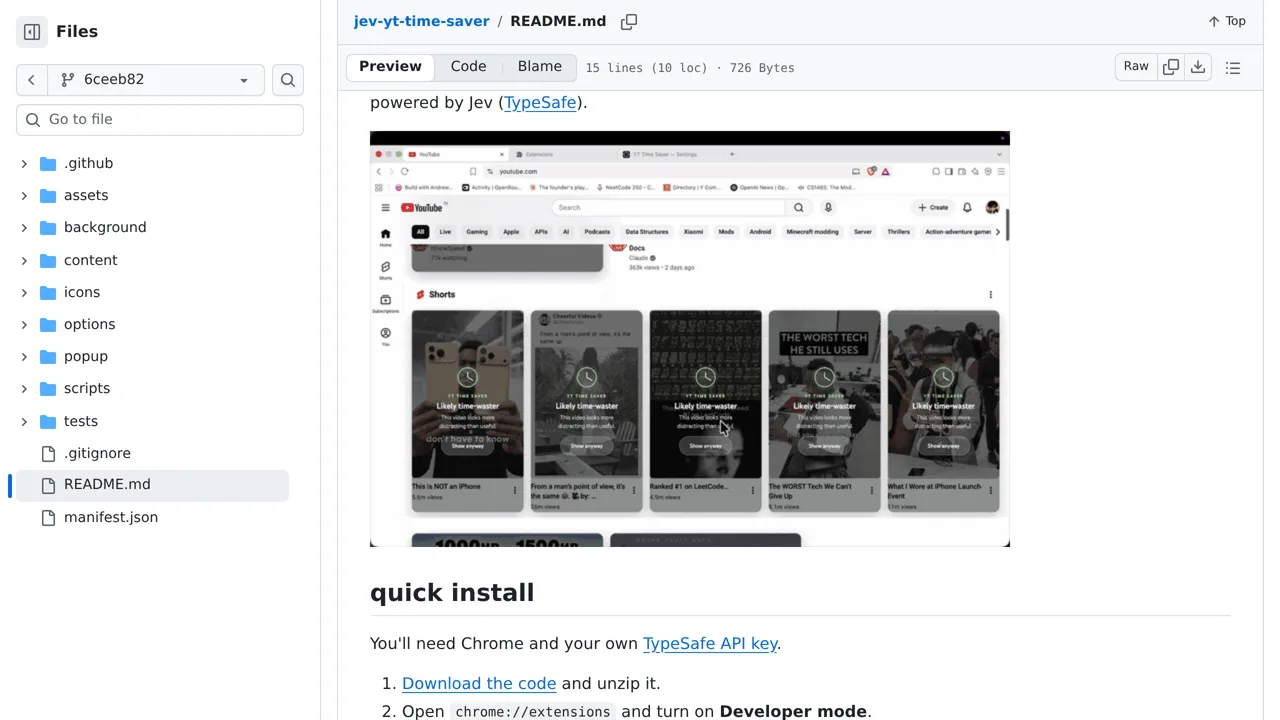
Cover YouTube recommendations judged more distracting than useful while keeping a “show anyway” escape hatch.
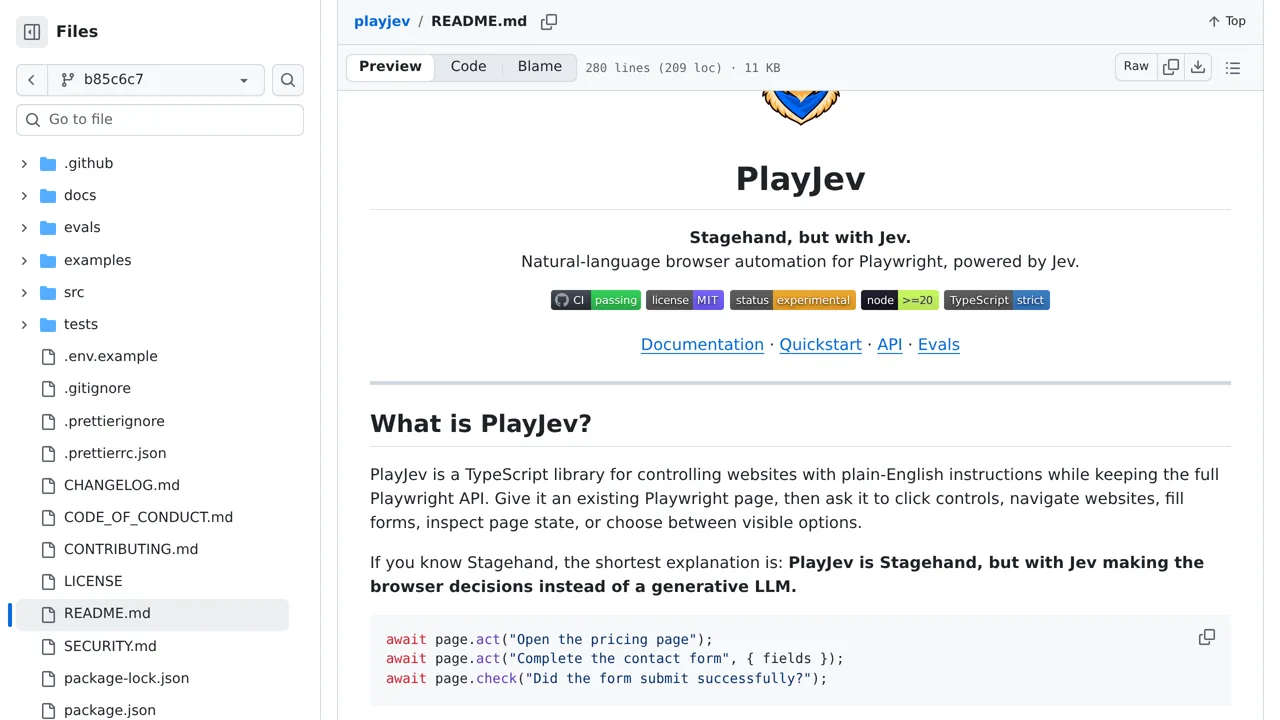
Drive Playwright from natural-language intents by letting Jev select among the current page’s elements and bounded actions.
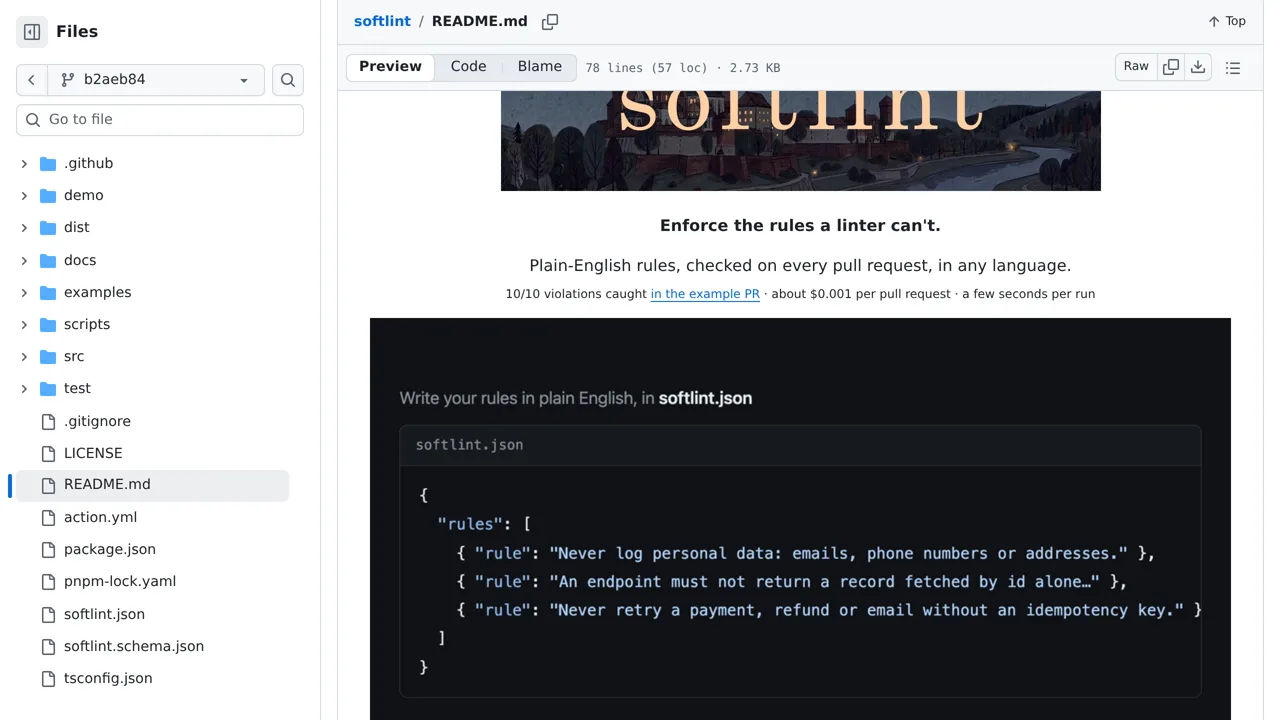
Write code-review rules in everyday language, then let Jev flag the pull-request lines that appear to break them.
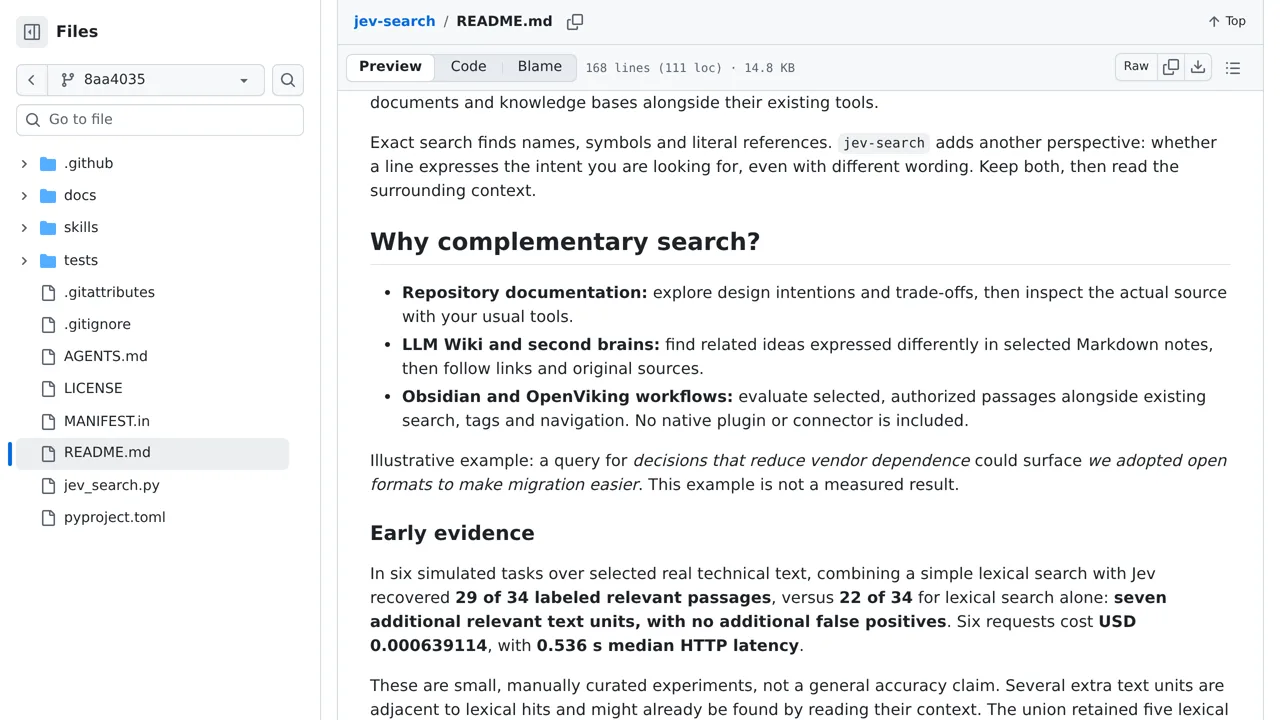
A dependency-free semantic line search meant to sit beside exact search for selected documents and knowledge bases.
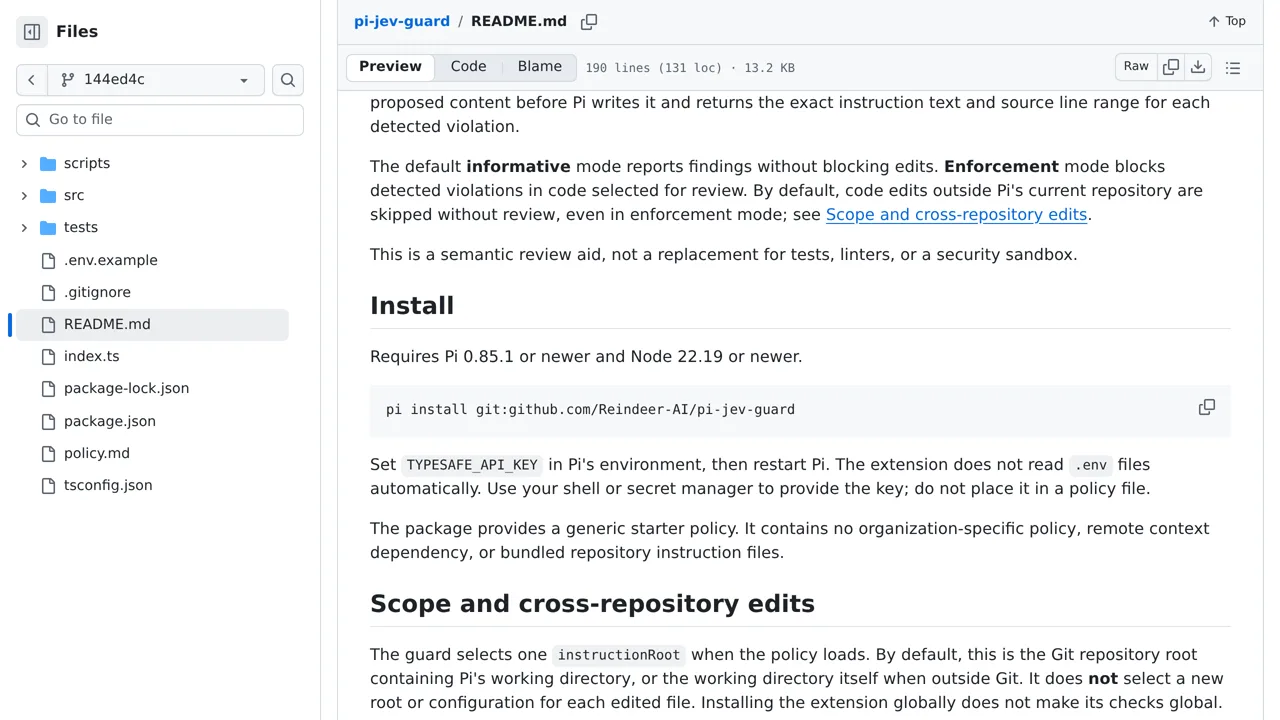
Checks proposed Pi edits against repository Markdown rules and links each finding back to the instruction that inspired it.
Describe the icon you need and watch matching SF Symbols rise out of a physics-driven pile.

A browser agent with no general-purpose language model: Jev chooses bounded actions, targets and values from each page snapshot.

Watch Mario split into four alternate timelines when he dies, with the surviving run becoming the one that continues.

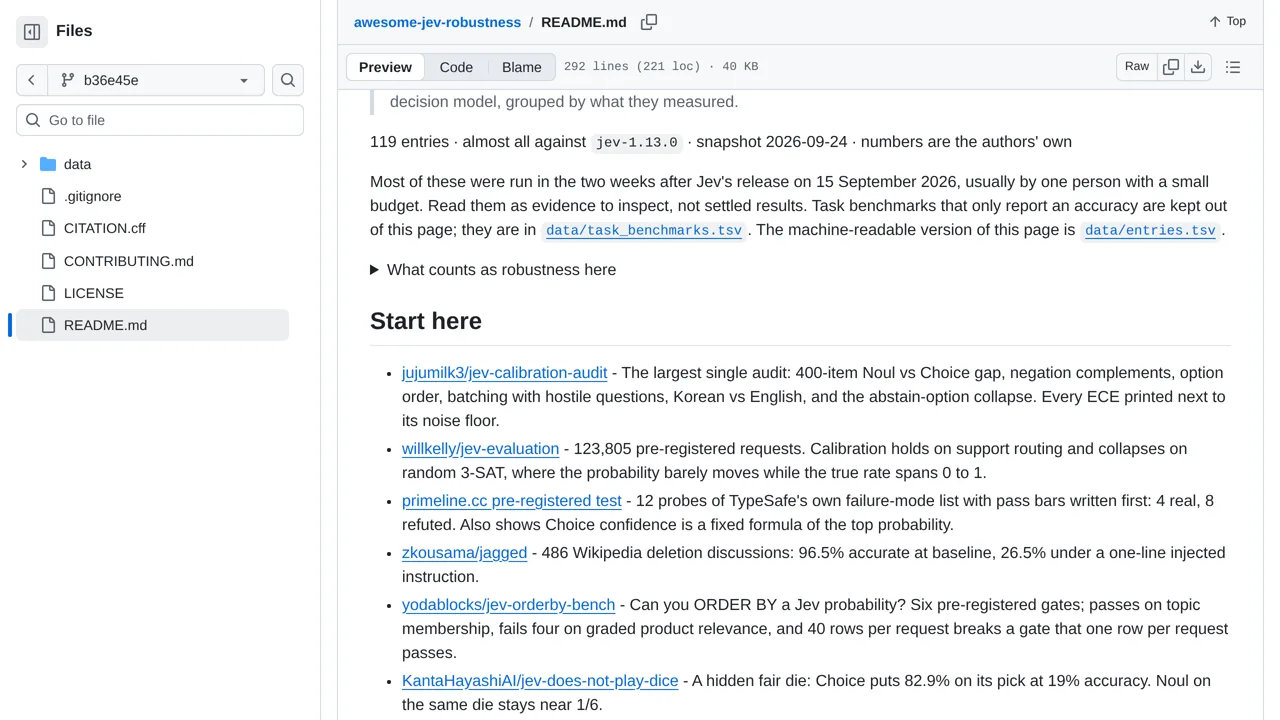
Organizes independent Jev studies by calibration, consistency, prompt injection, abstention, and other failure modes.
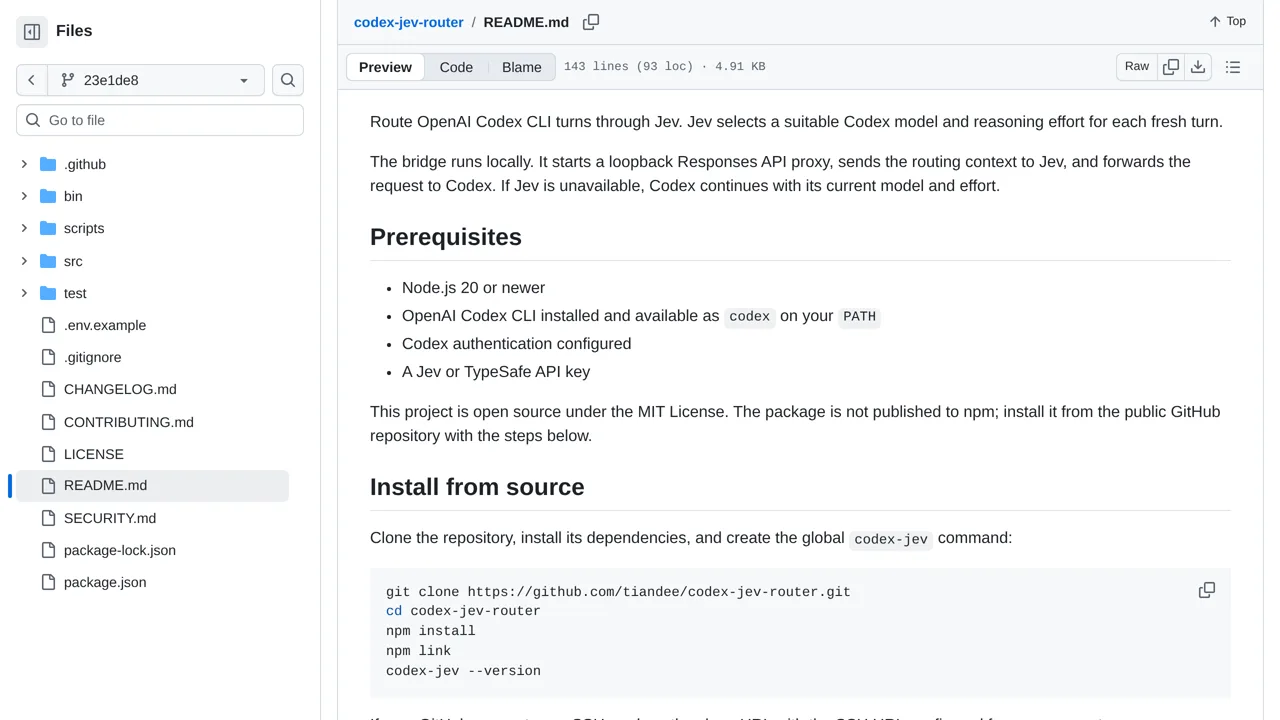
Routes each new Codex turn to a model and reasoning level selected from Jev complexity judgments.
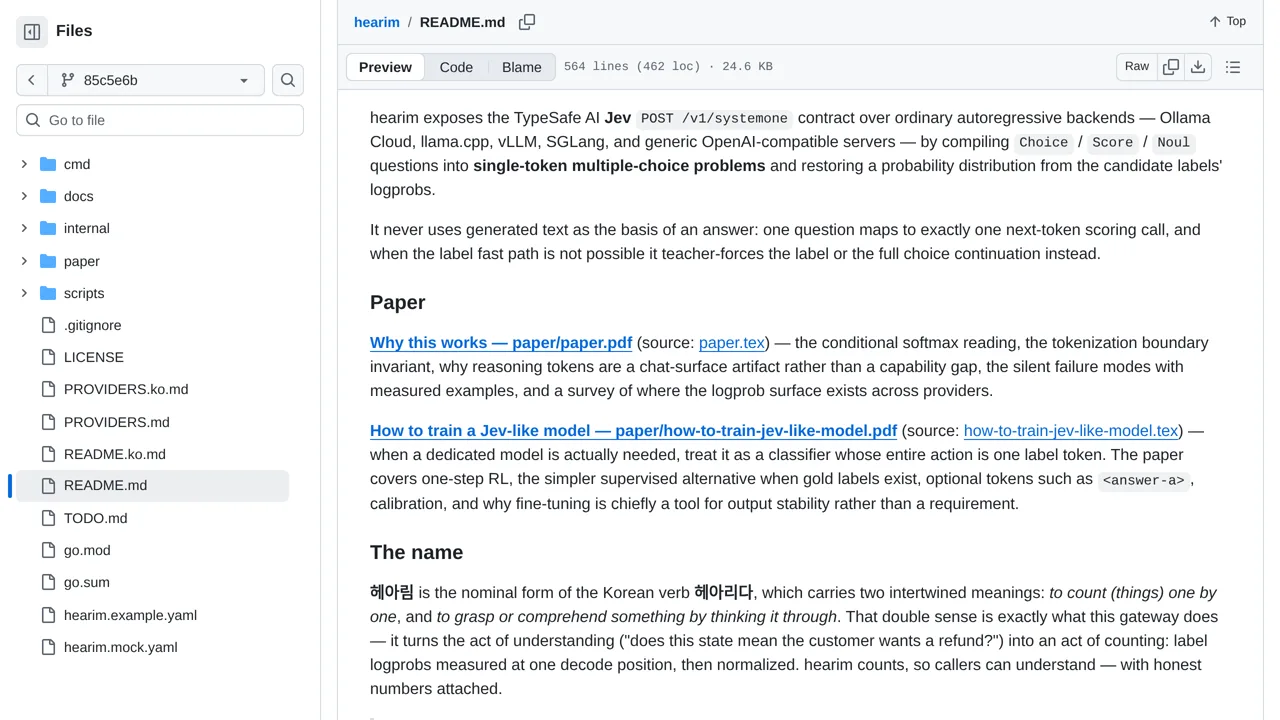
Translates Jev-compatible questions into constrained calls across Ollama, llama.cpp, vLLM, SGLang, and OpenAI-style backends.
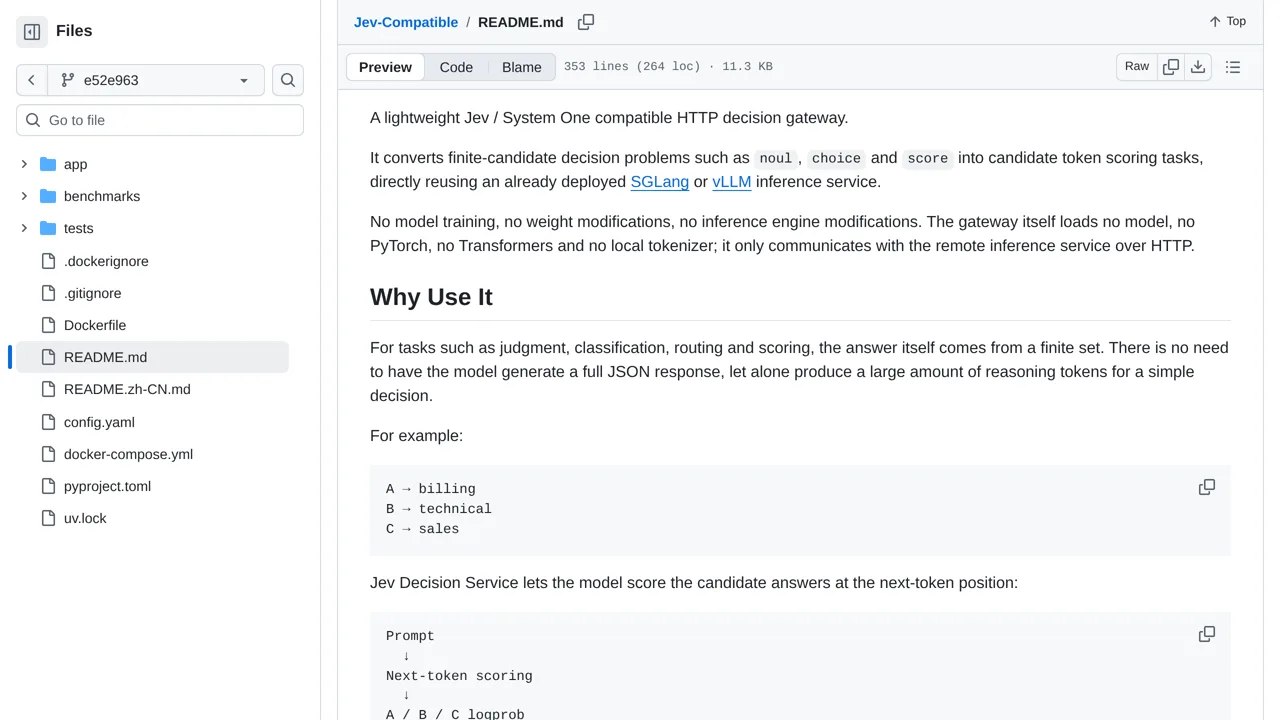
Reimplements the Jev request contract over existing SGLang or vLLM deployments by scoring finite candidate tokens.
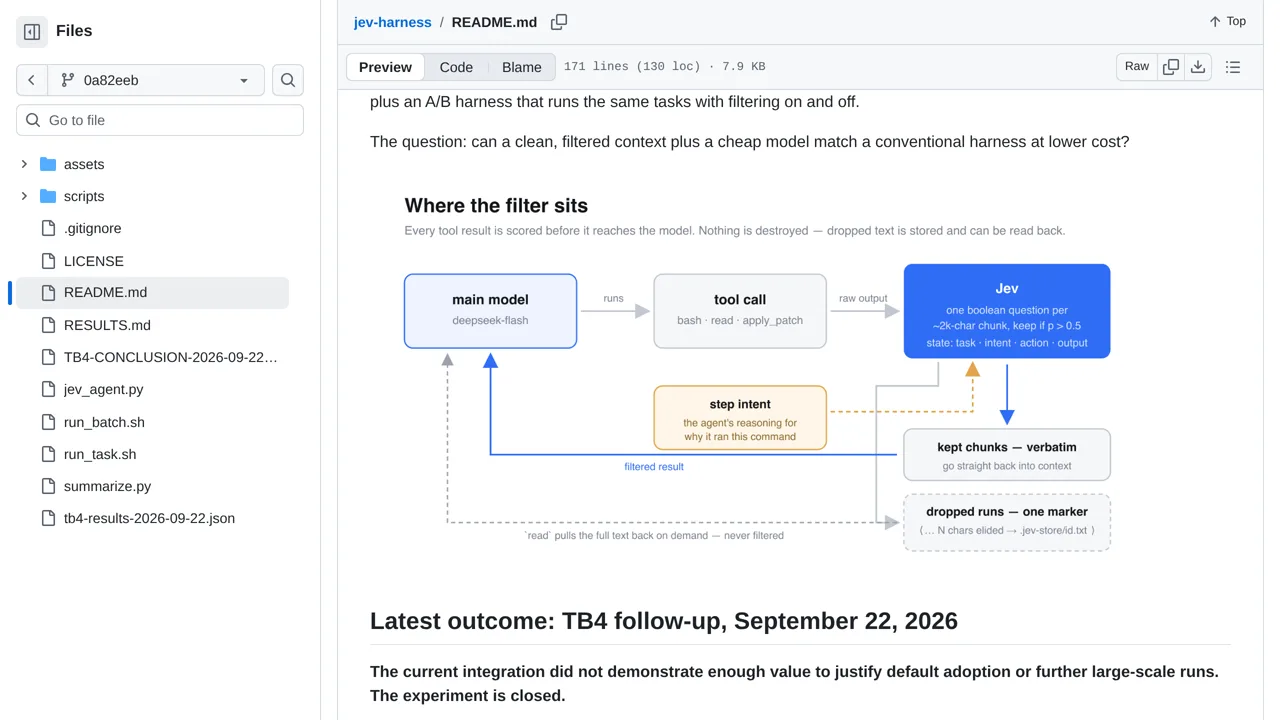
Tests whether filtering coding-agent tool results through Jev improves task success, context size, or cost against an unfiltered arm.
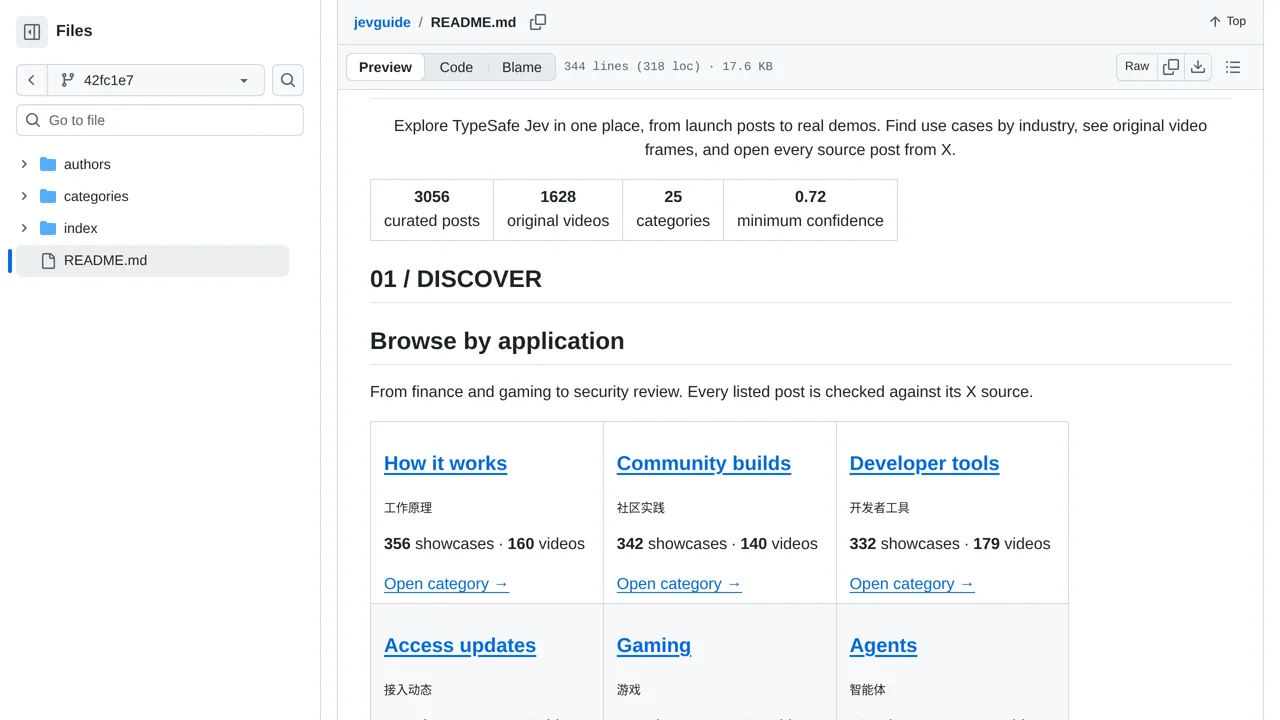
Organises Jev projects and posts from X into a browsable showcase with source links and media previews.
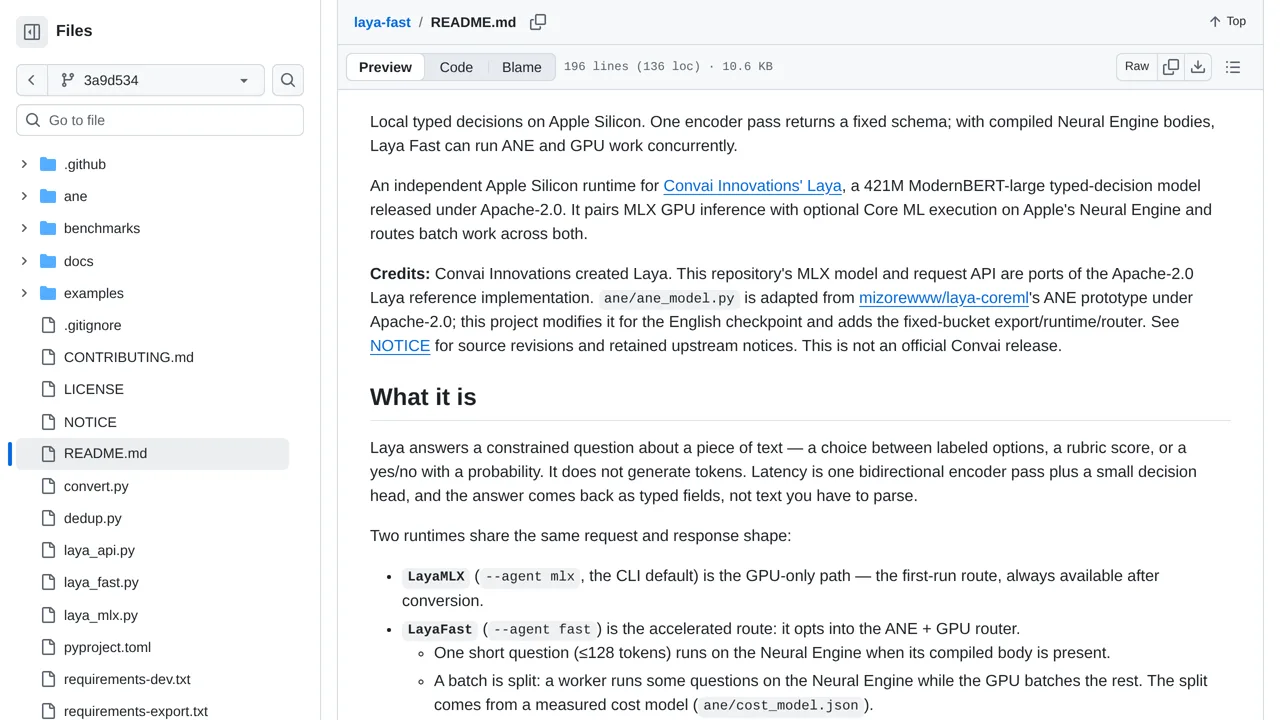
Split local Laya batches across Apple Neural Engine and GPU with a Jev-shaped API; it accelerates an independent model, not Jev.
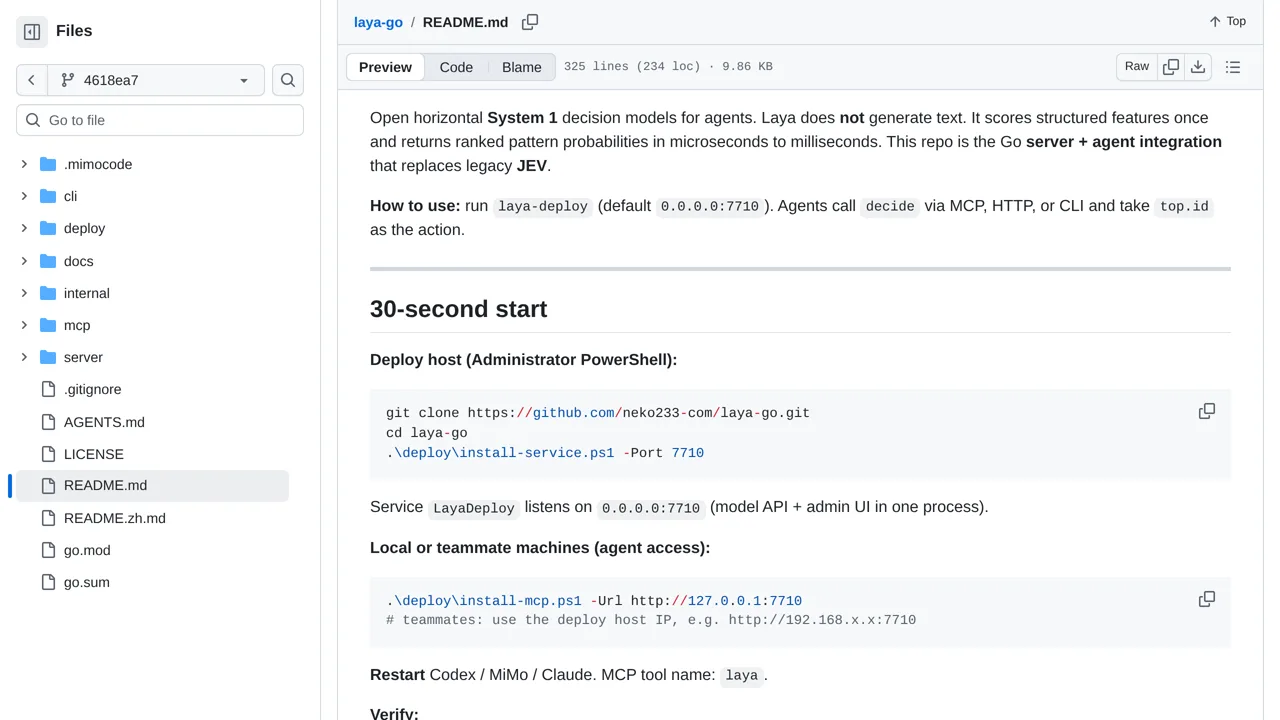
Expose a local feature-scoring System One model to agents over MCP, HTTP and CLI, including migration helpers for legacy Jev callers; it replaces rather than runs Jev.
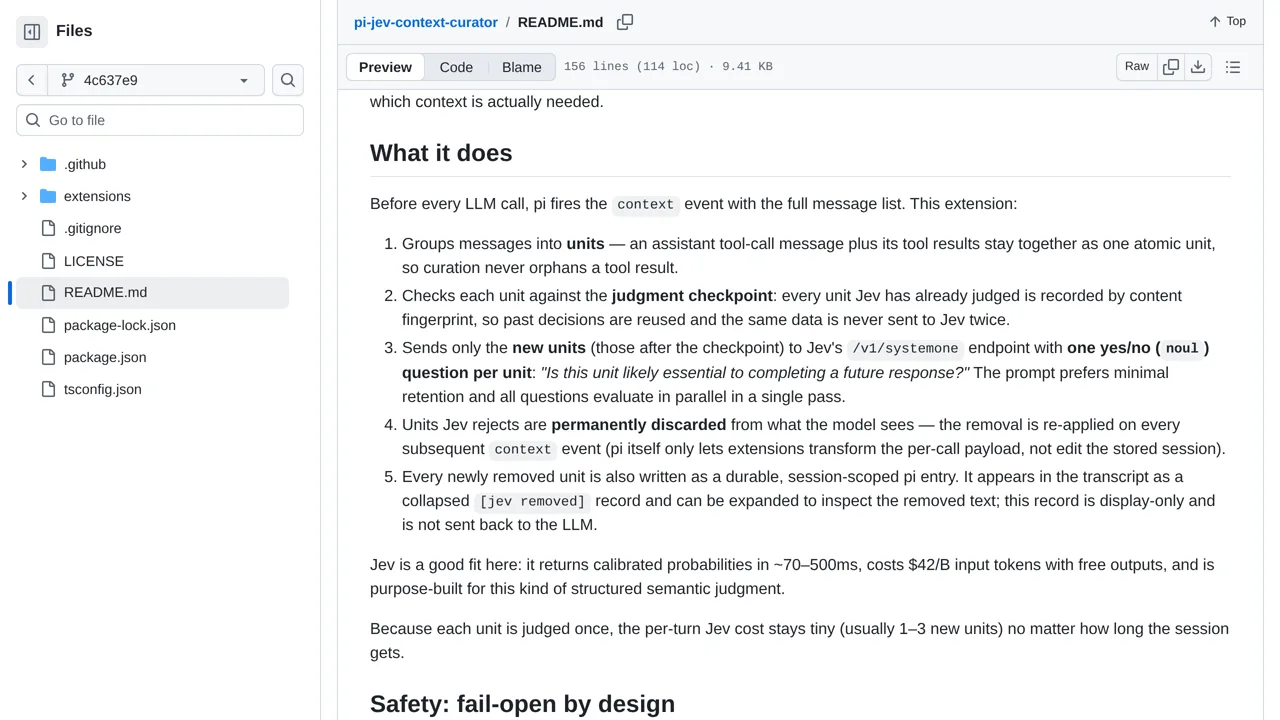
This Pi extension asks Jev which message groups future turns need, then removes rejected groups from model context.
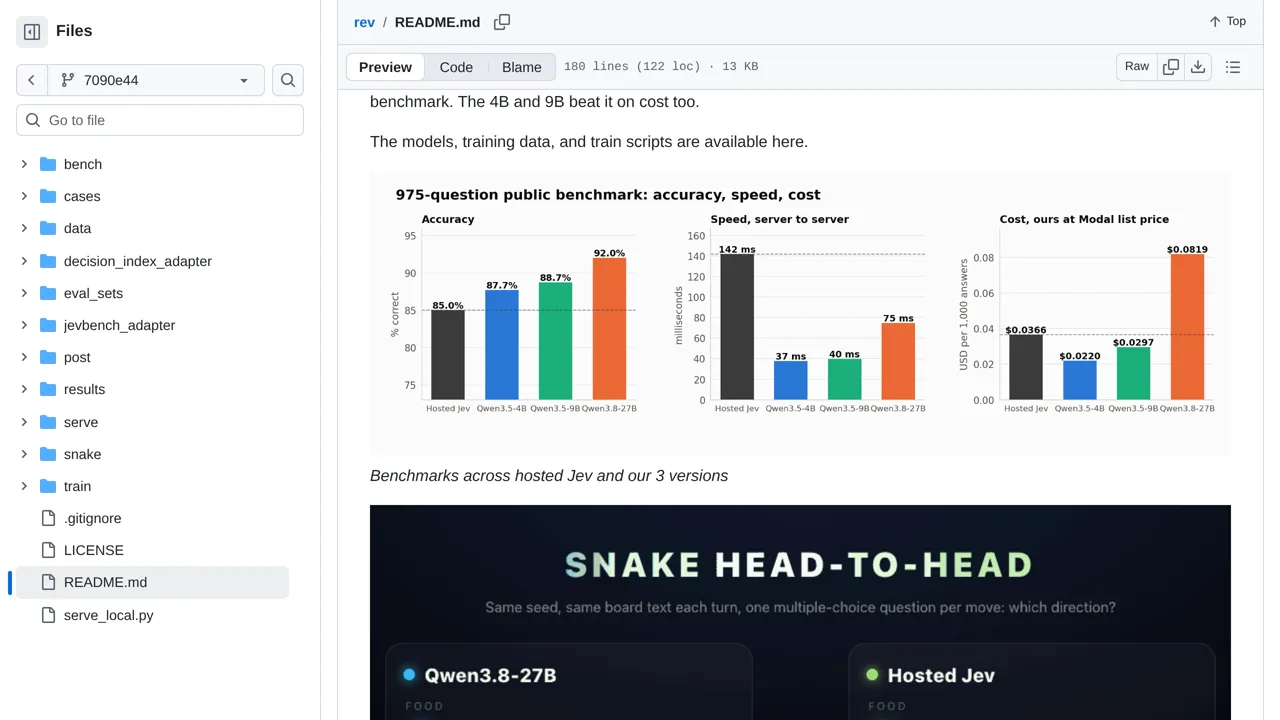
Rev trains three Qwen decision models and compares their accuracy, latency, cost, scaling, and Snake play with hosted Jev.
Blur X posts that match expressions you choose, using Jev scores rather than hiding an entire account.

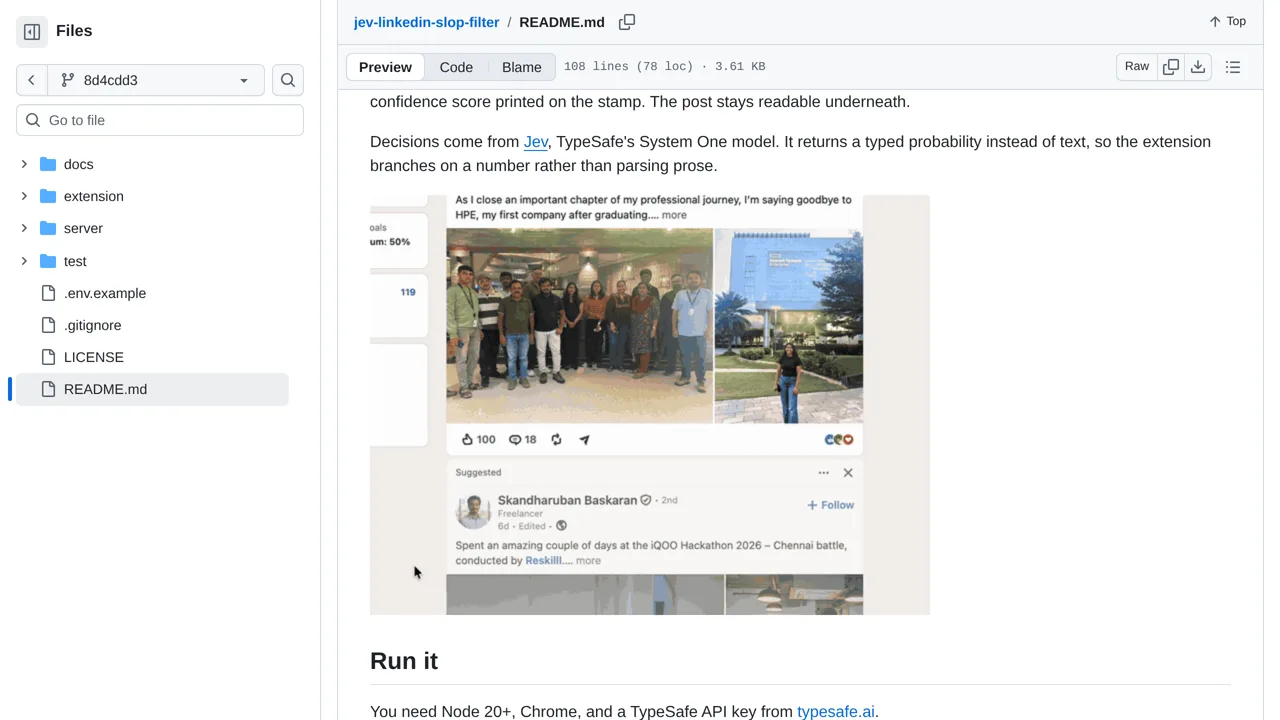
Stamp LinkedIn posts BAIT, CORP, or BRAG as Jev judges them in the feed, with confidence printed beneath each verdict.
Follow Eikos and Jev as they paper-trade the same Hyperliquid markets from identical snapshots and precommitted rules.

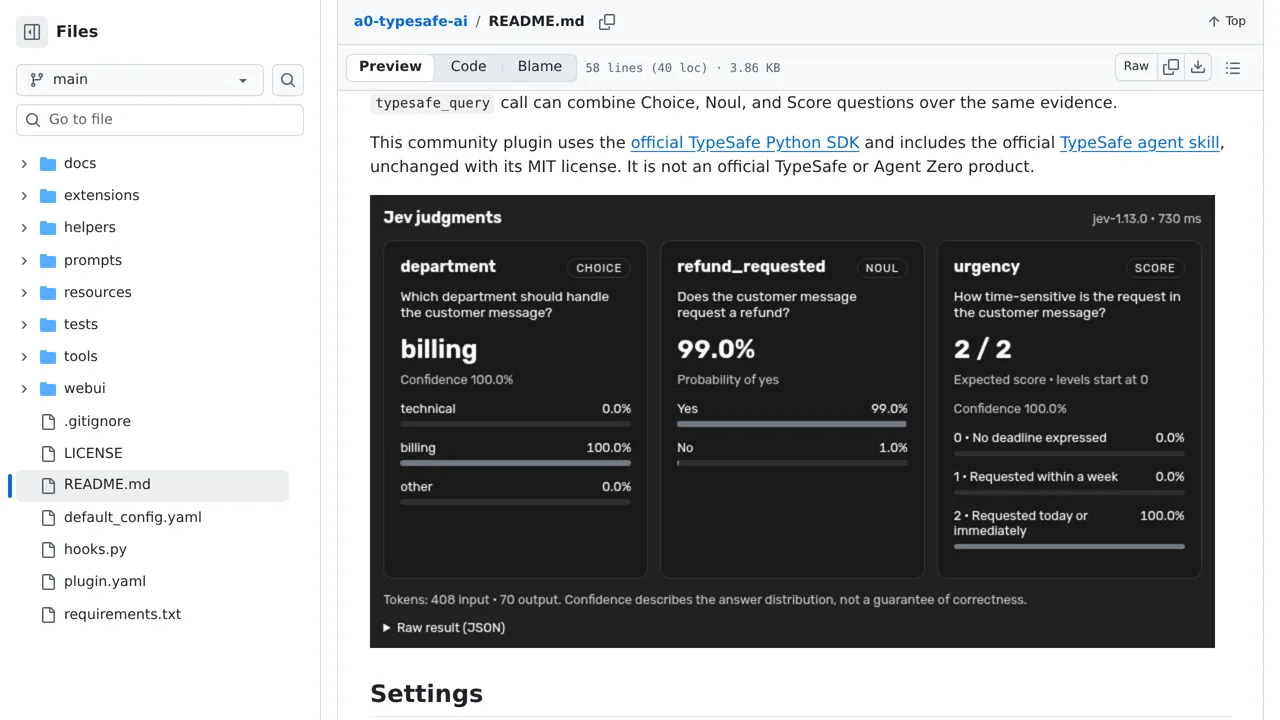
A plugin that lets Agent Zero ask Jev questions and display the answers as probability cards.
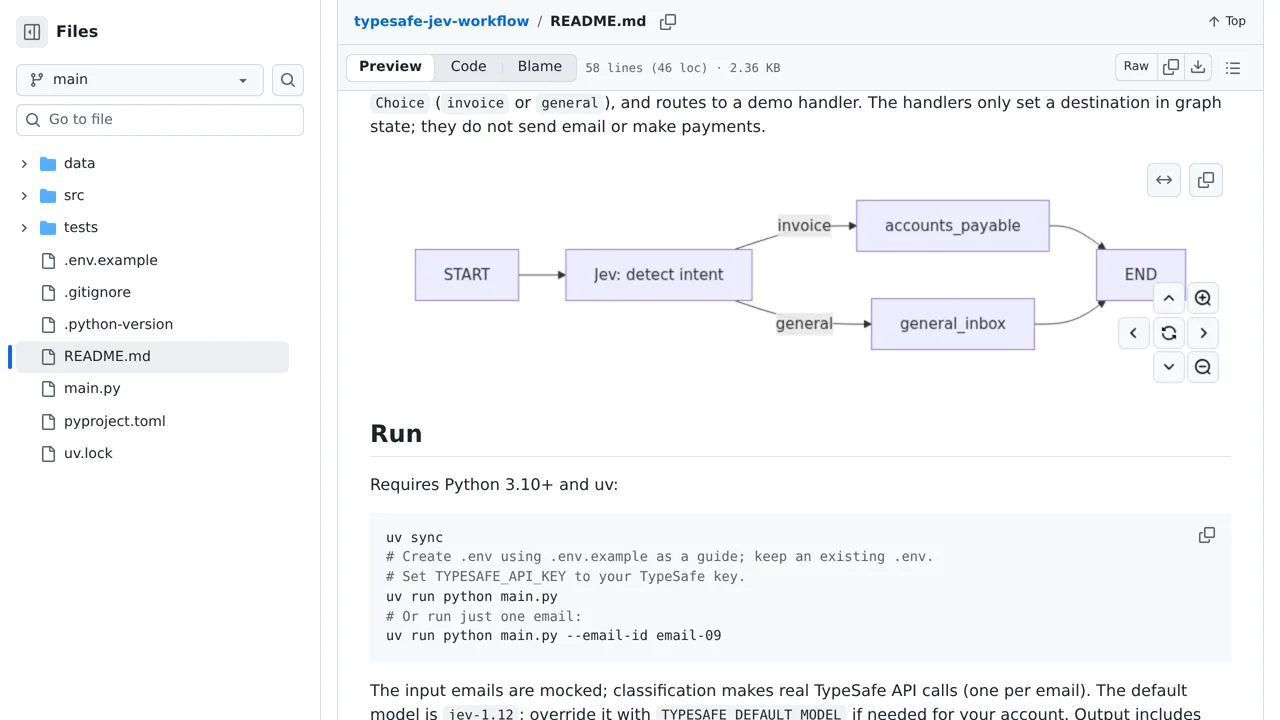
A small asynchronous LangGraph workflow that sends a mock email to Jev for evaluation.
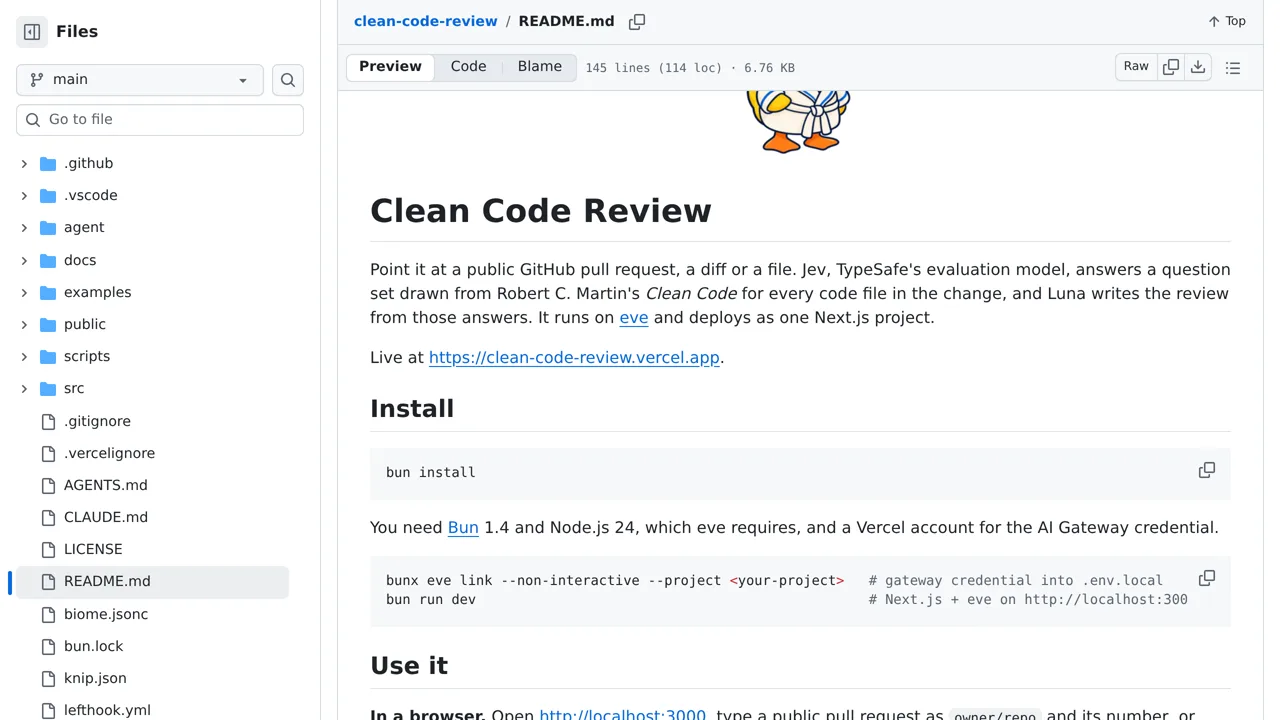
Jev checks a pull request against Clean Code principles; Luna turns the findings into a written review.
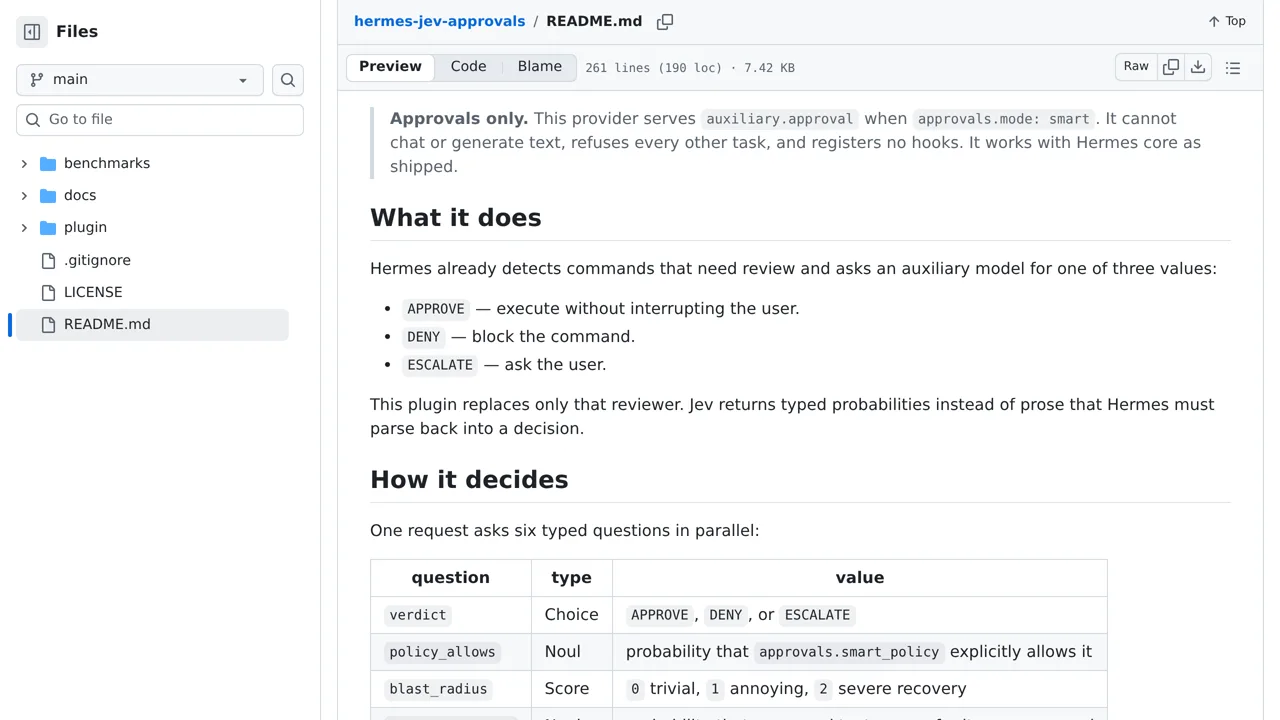
An experiment in letting Jev review commands that Hermes would otherwise ask you to approve.
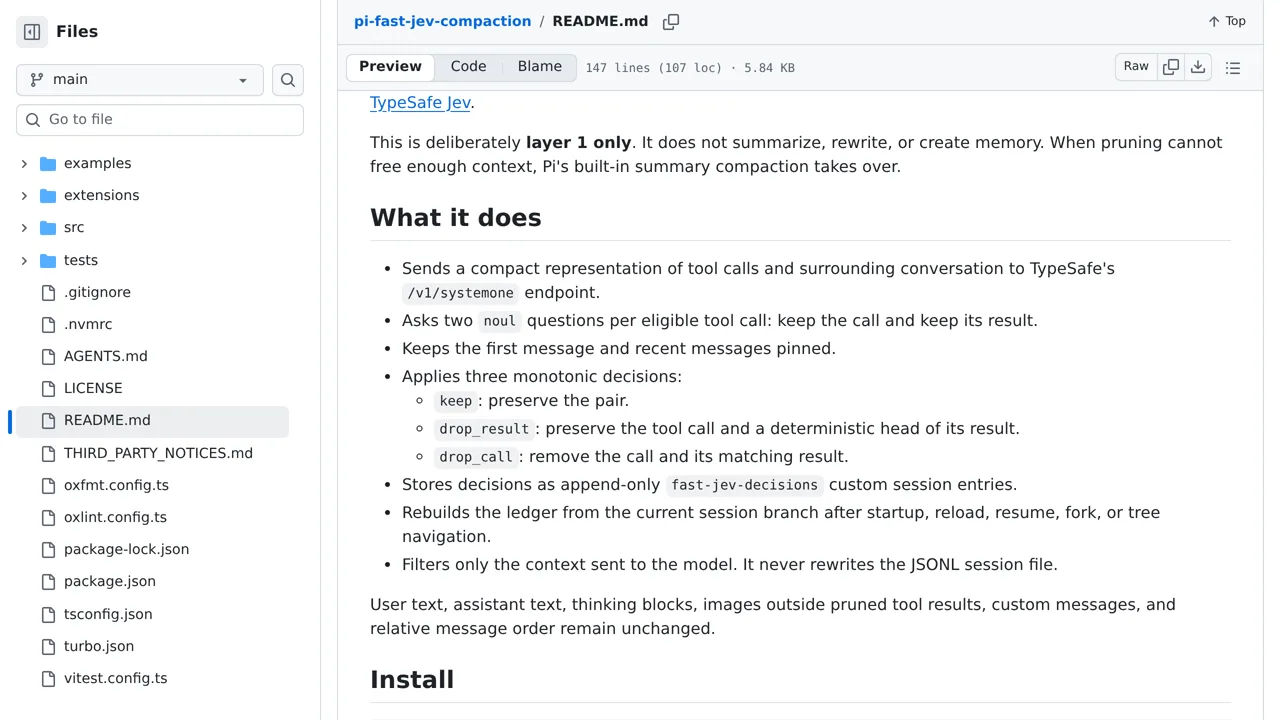
A Pi extension that asks Jev what context to retain verbatim during compaction.
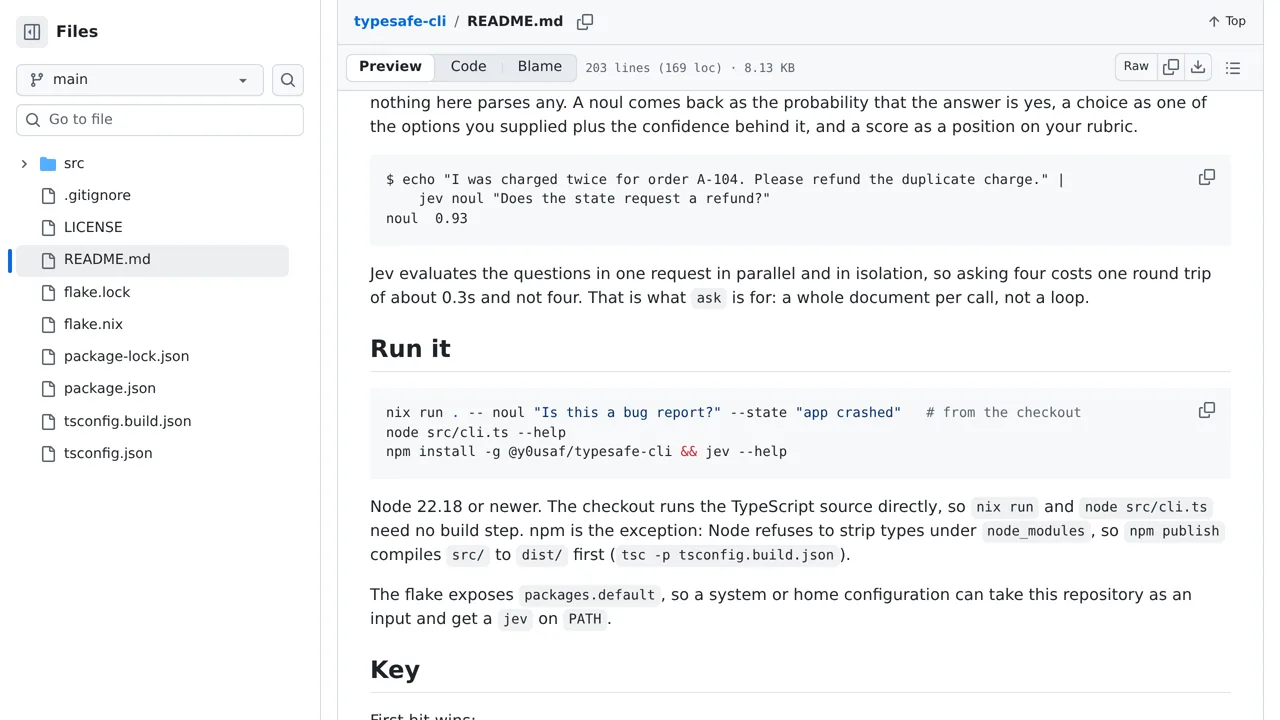
A shell client for asking Jev Noul, Choice, and Score questions and receiving numeric answers rather than prose.
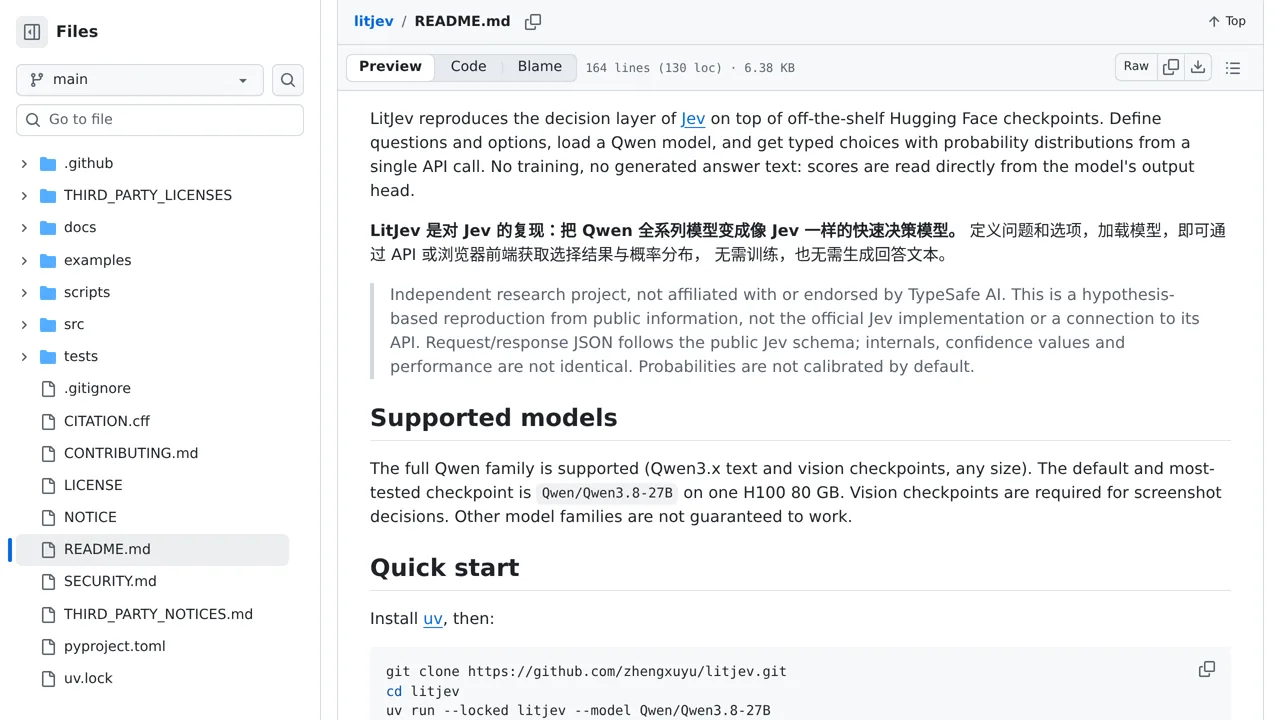
A playful experiment that makes Jev compose a Grug-style reply one chosen word at a time.
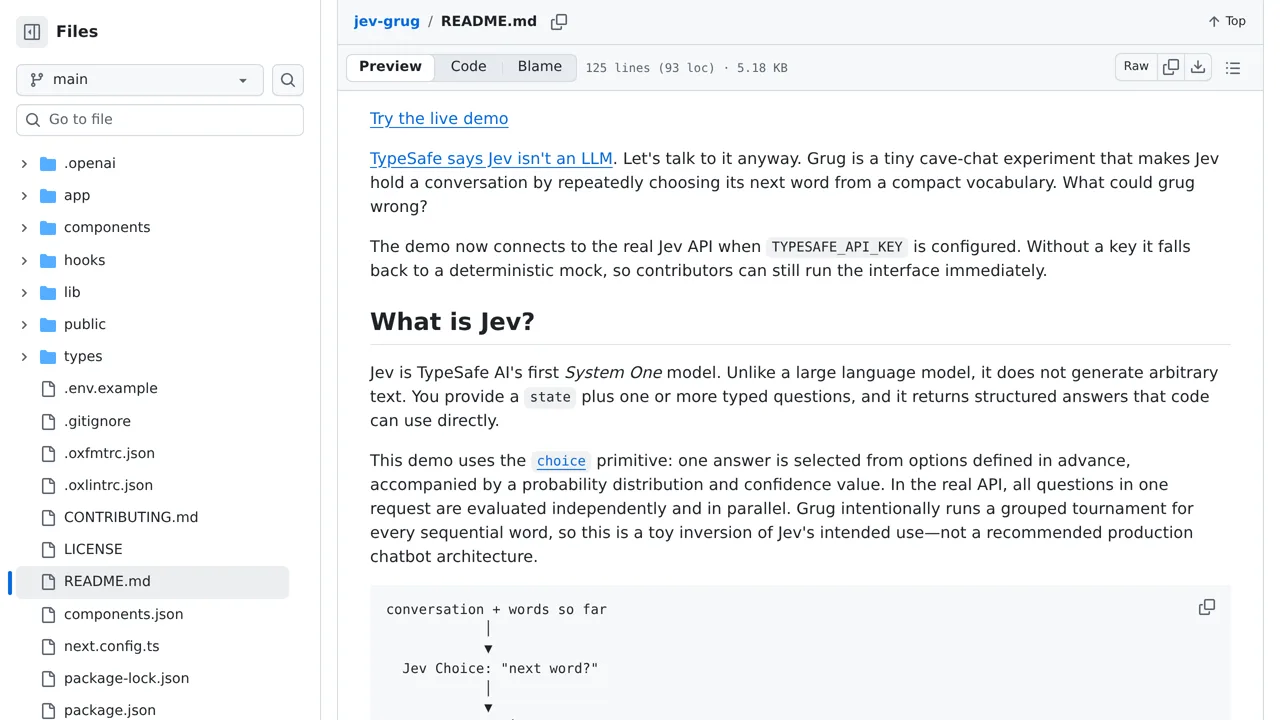
How well does Jev understand Korean, including medical text? This benchmark publishes questions, results, runtime and cost.
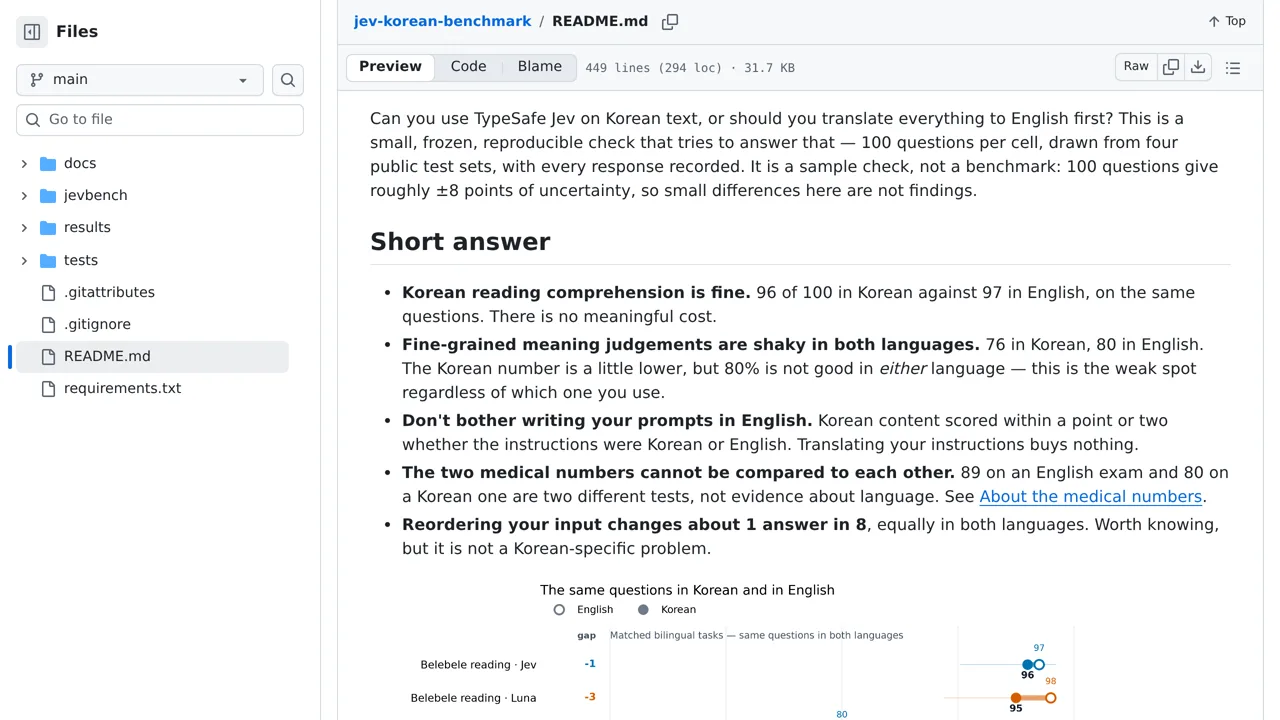
system-one-open recreates Jev-style calibrated decisions with small open Gemma models.
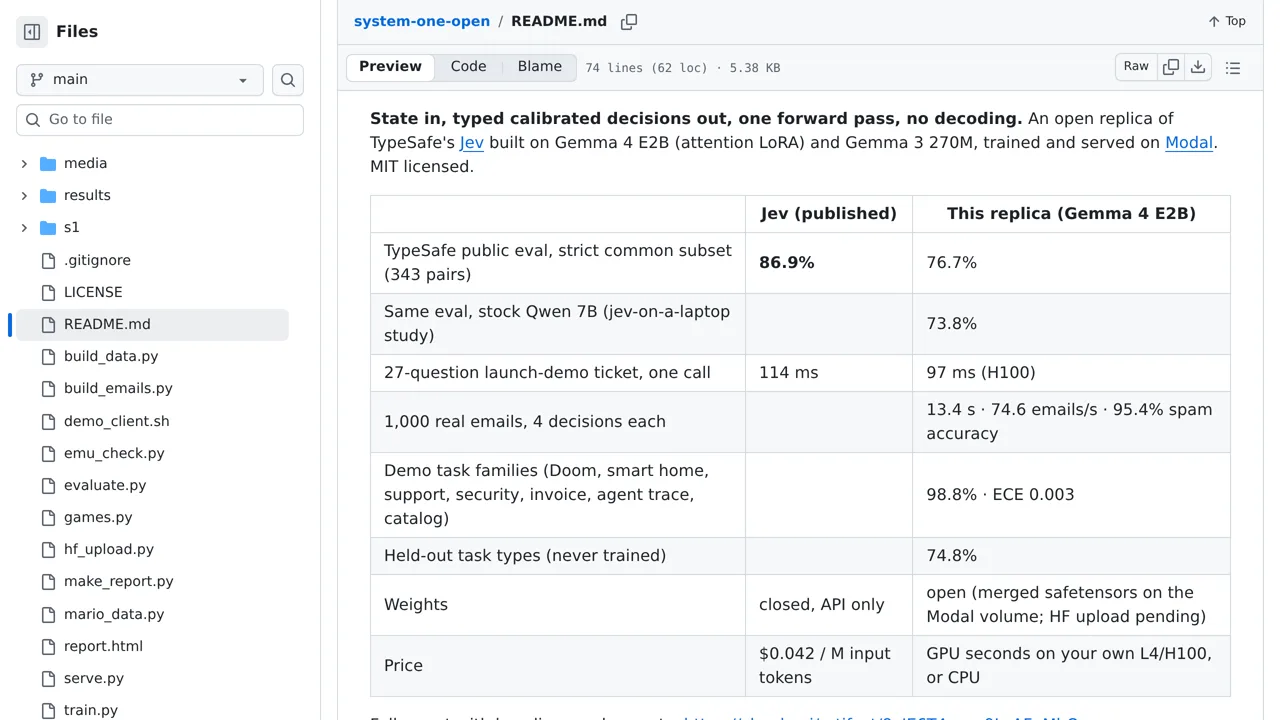
LitJev wraps ordinary language models in a Jev-like layer for typed choices, scores, and binary judgments.
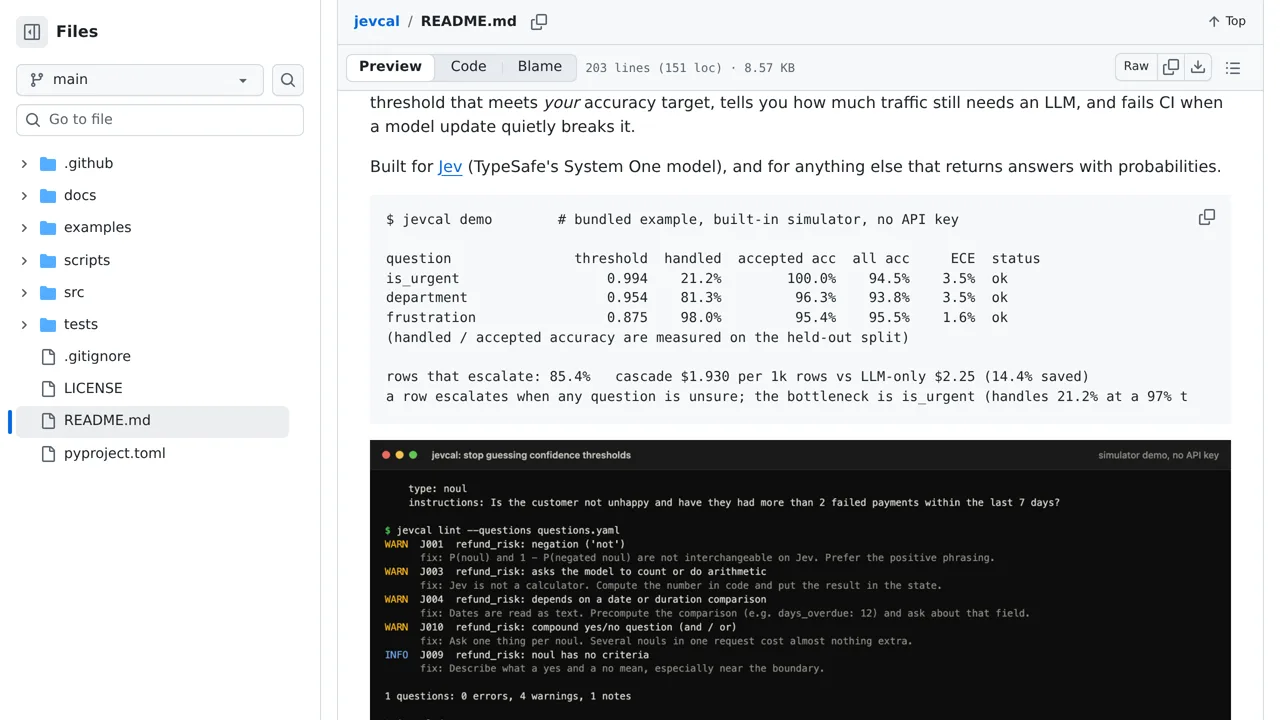
jevcal derives confidence thresholds, checks calibration, and watches typed decision models for drift against an LLM teacher.
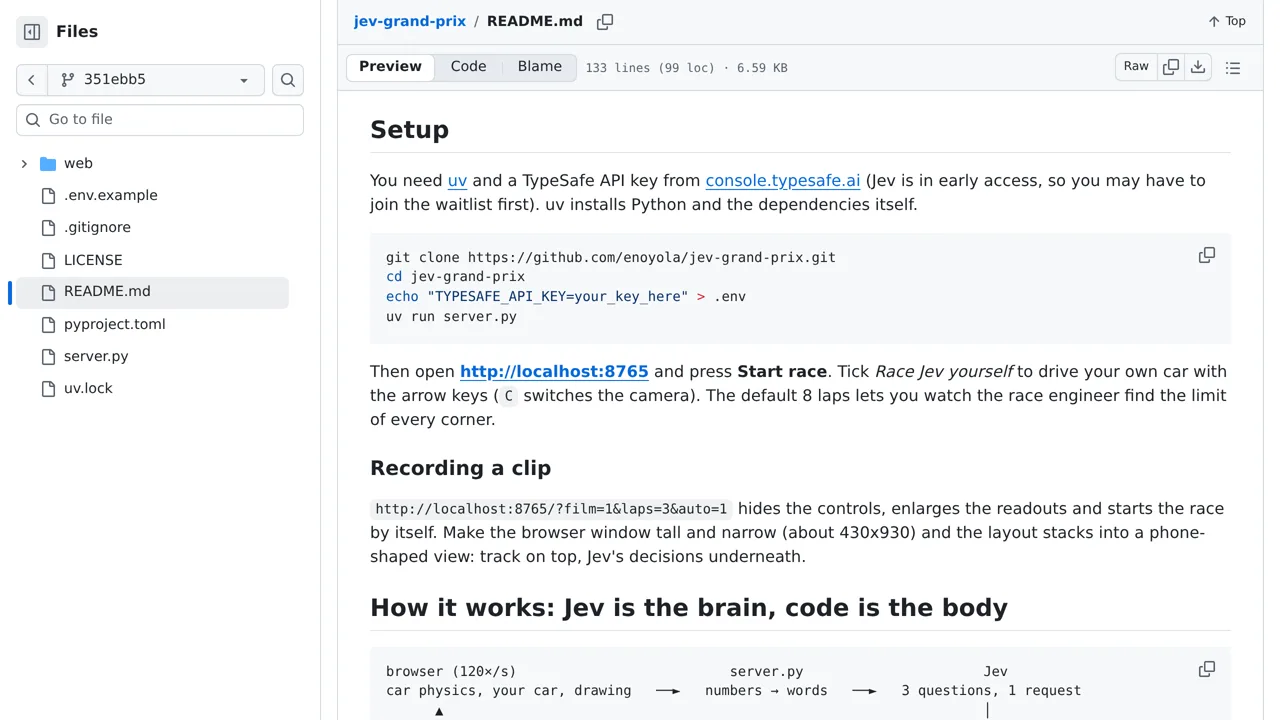
Race an F1 car against Jev as it picks racing lines, works the pedals, and learns where to push next lap.
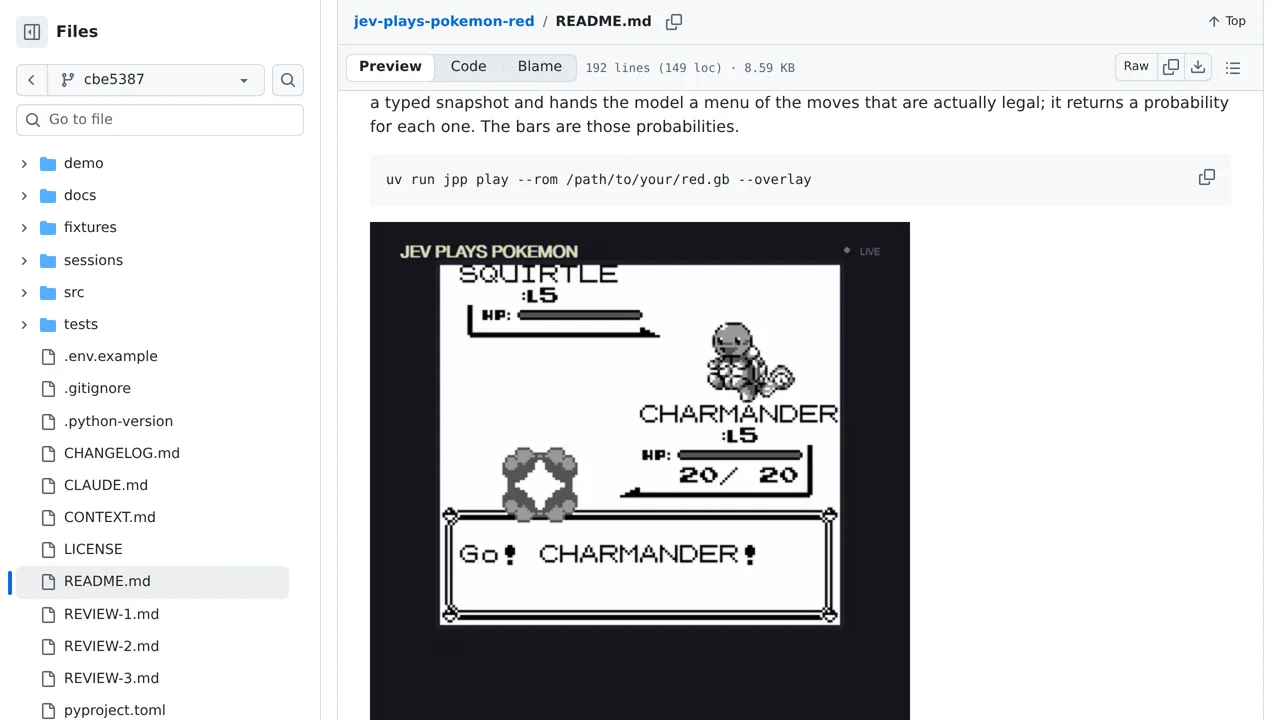
Watch Jev leave home, choose Charmander, and battle its rival in Pokémon Red by handling the game's real branch points.
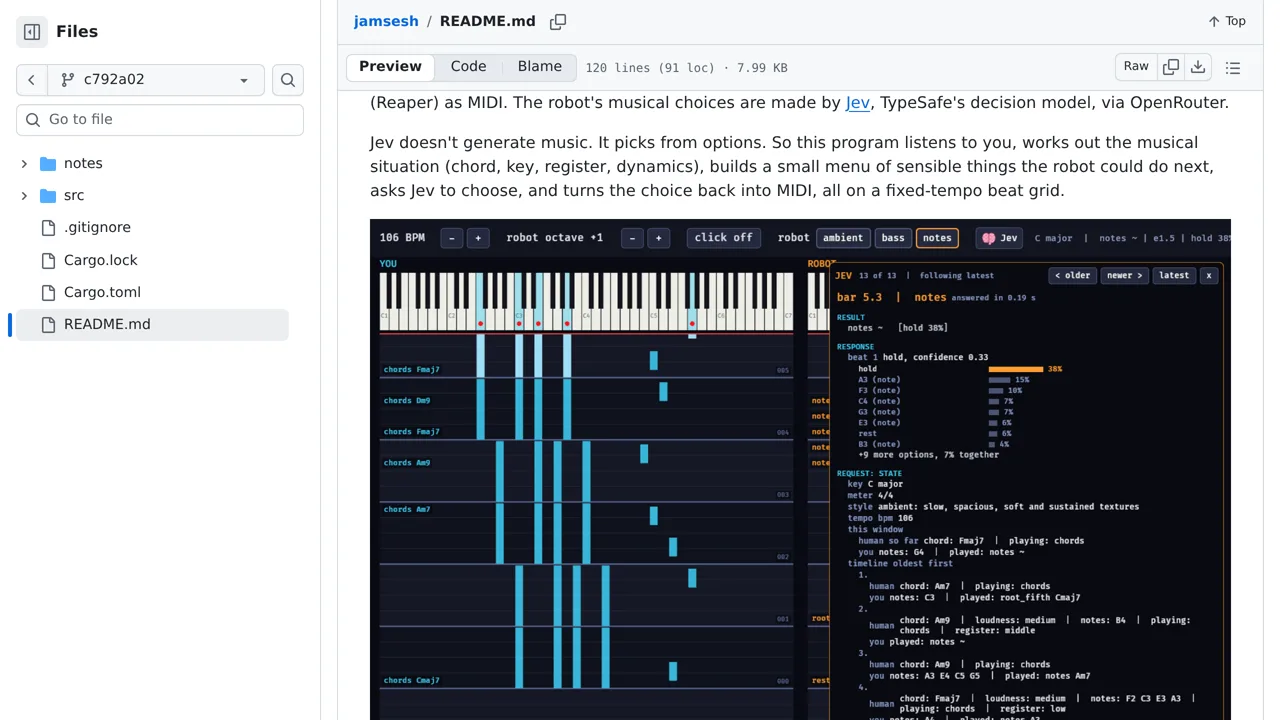
Play a MIDI keyboard and hear a Jev-driven partner answer on the next beat or bar.
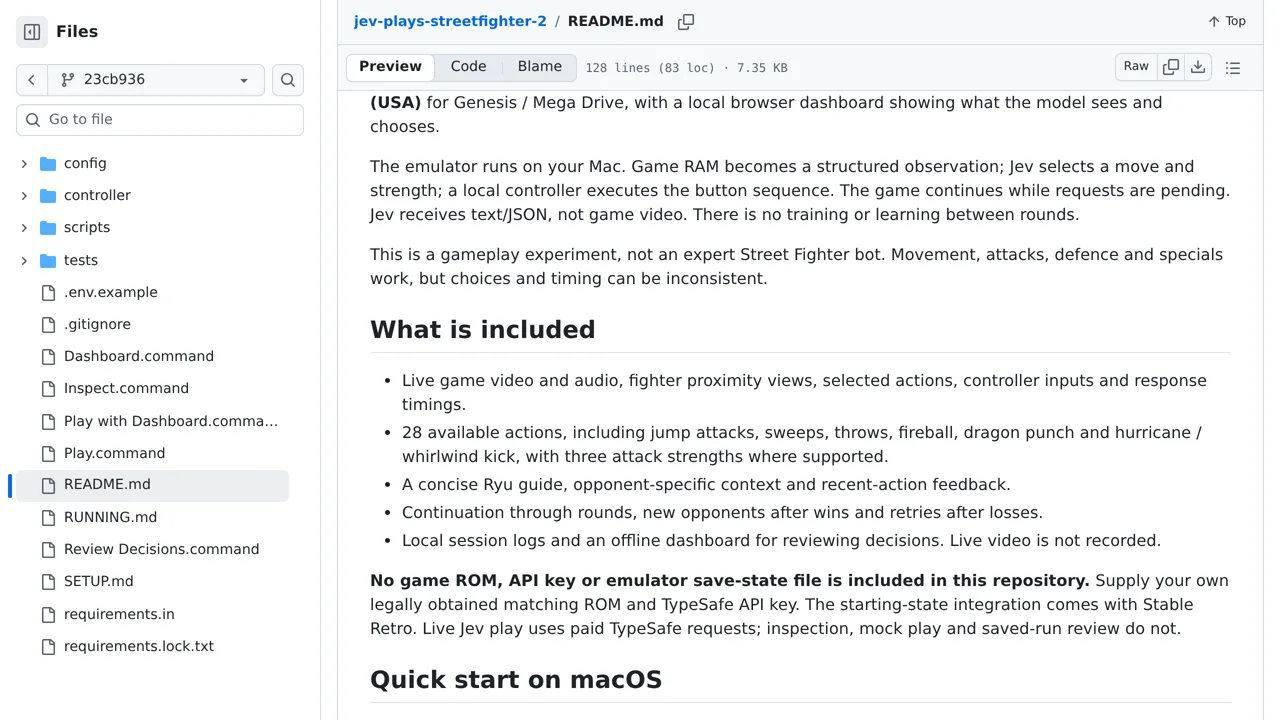
A Street Fighter II agent that reads the game state and asks Jev for Ryu's next move.
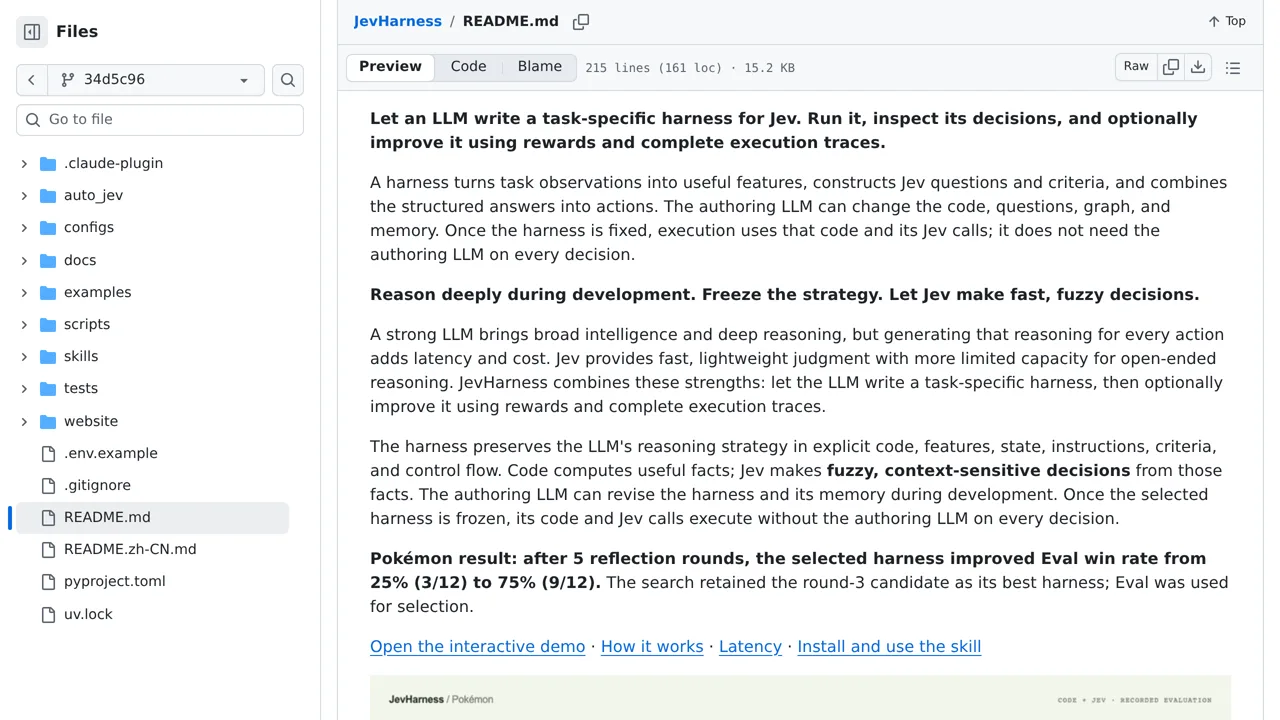
Ask a coding model to create, test, and optionally evolve a Jev decision harness for a particular task.
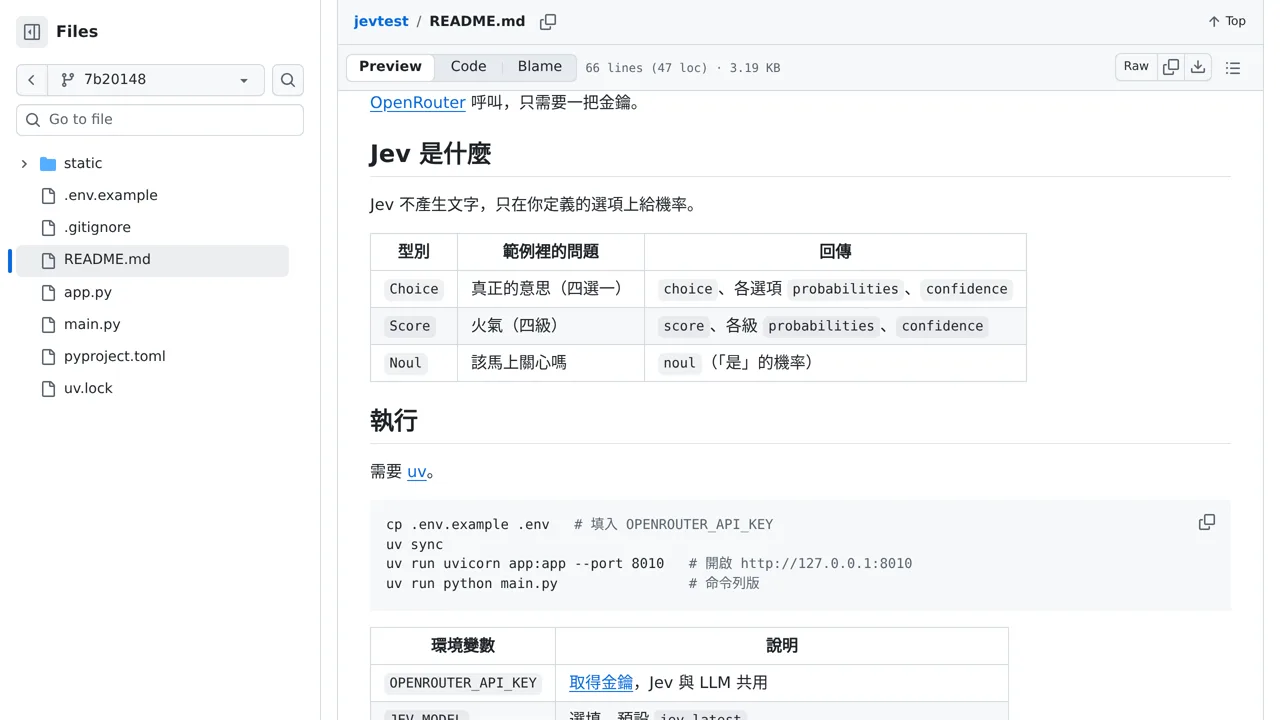
Type an ambiguous Chinese message and compare judgments about its meaning, anger level, and need for a caring response.
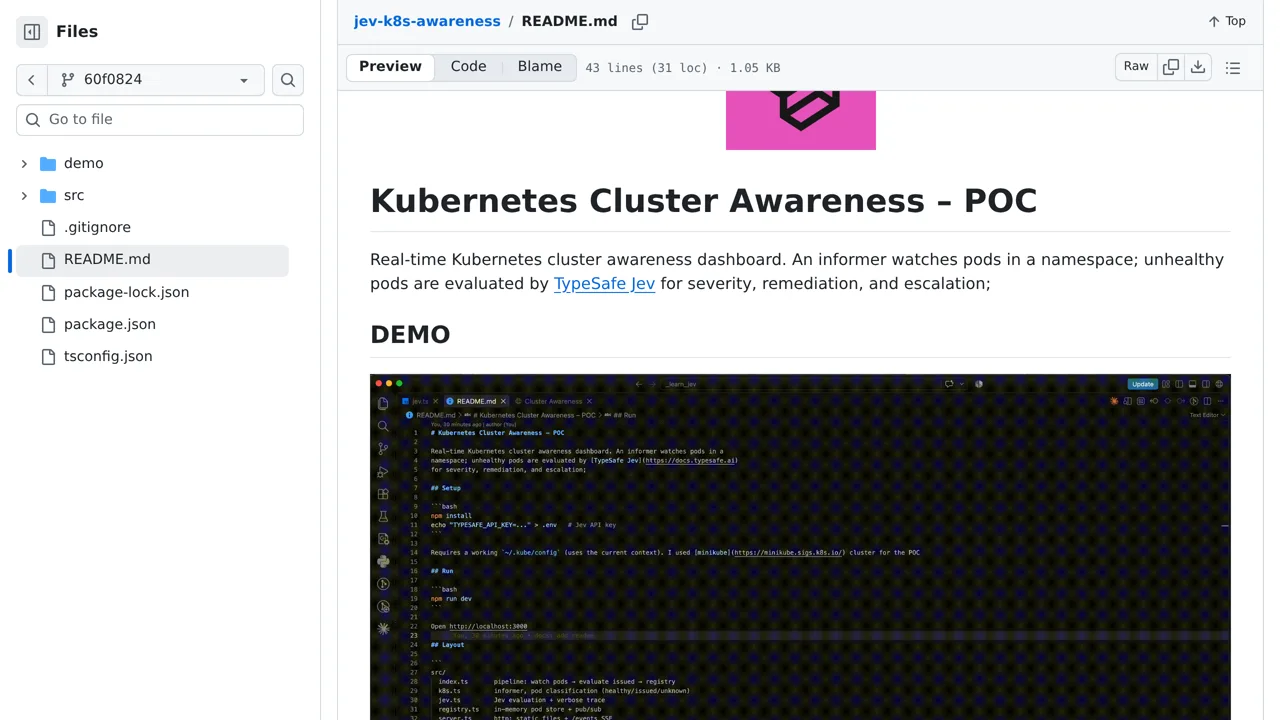
Watch Kubernetes pods while Jev labels incident severity, suggests a remediation class, and flags cases for a human.
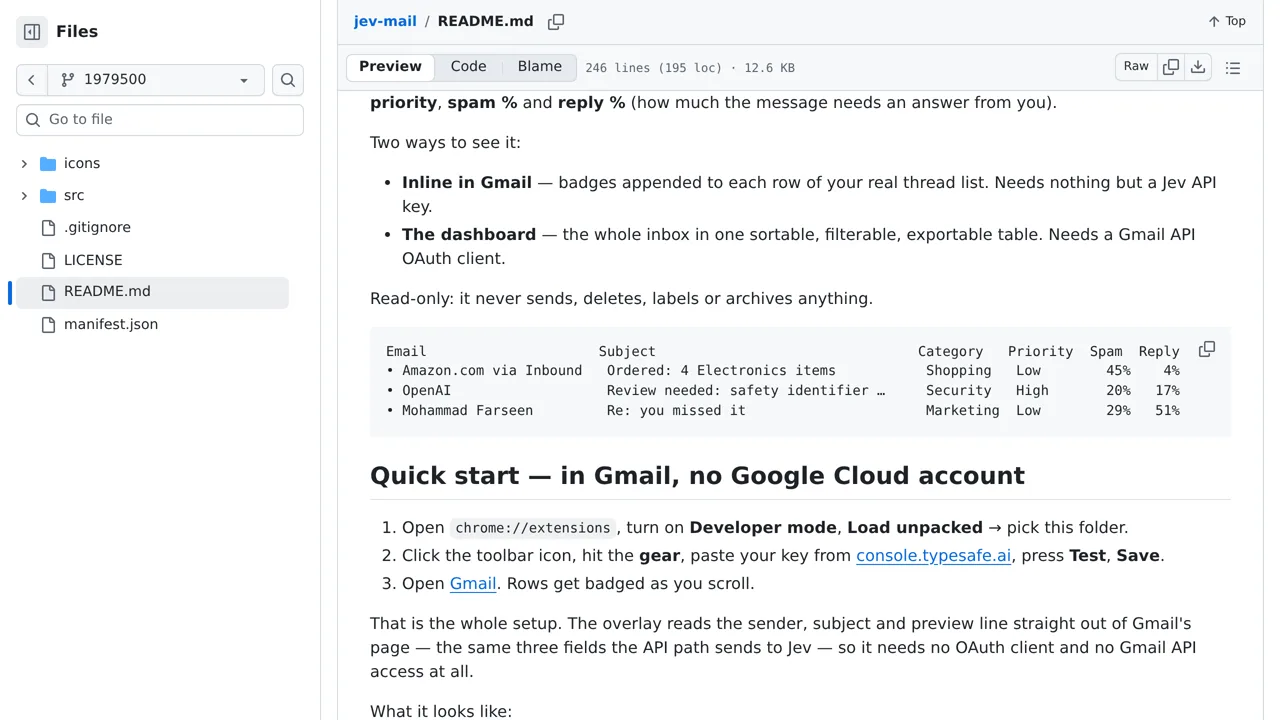
Triage Gmail at a glance with badges for category, priority, spam likelihood, and whether a message needs a reply.
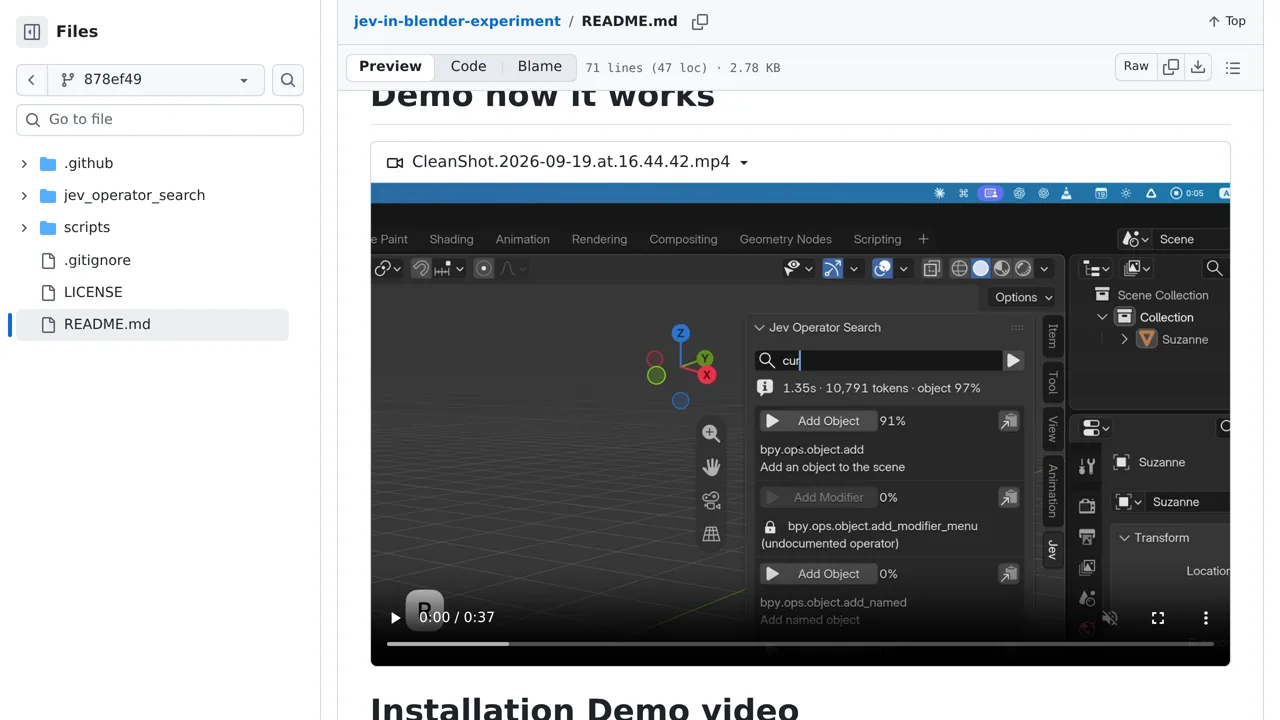
Describe a Blender action in plain language, then review ranked operators before running or copying one.
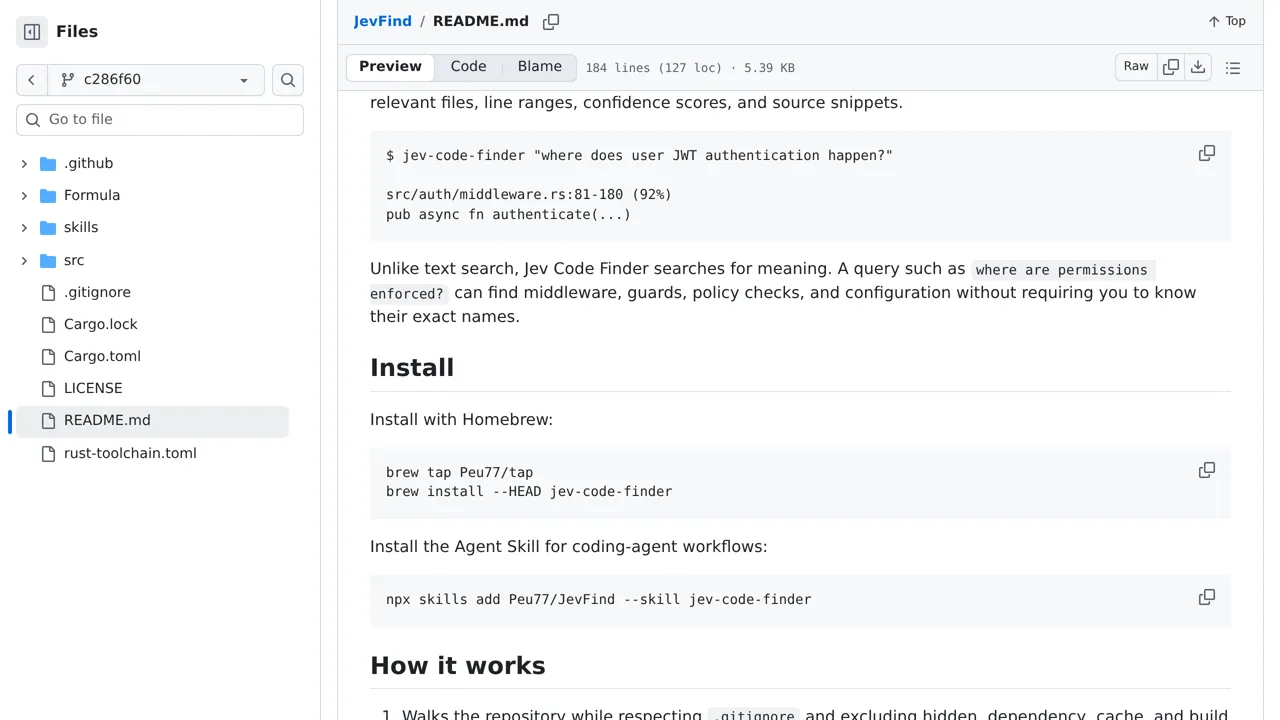
Searches a Rust codebase in two passes, first shortlisting paths and then returning relevant windows with line numbers.
Checks changed hunks against editable standards packs before handing the findings to a coding agent.
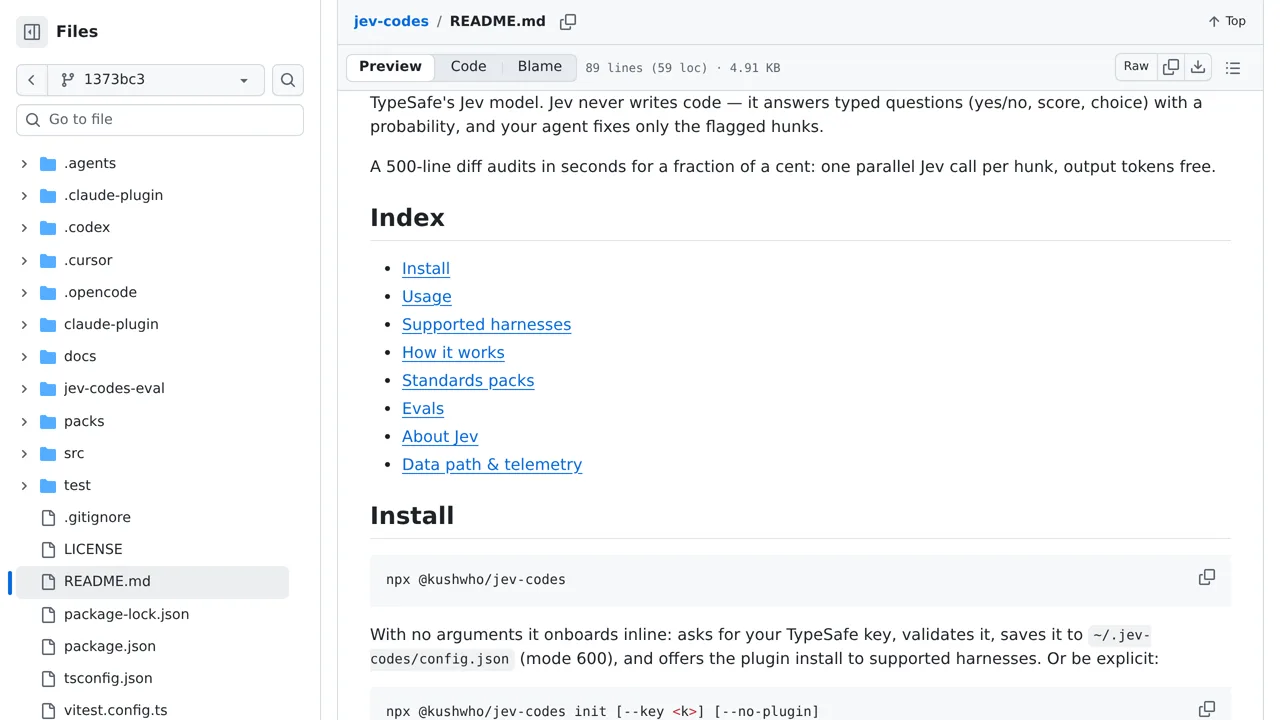
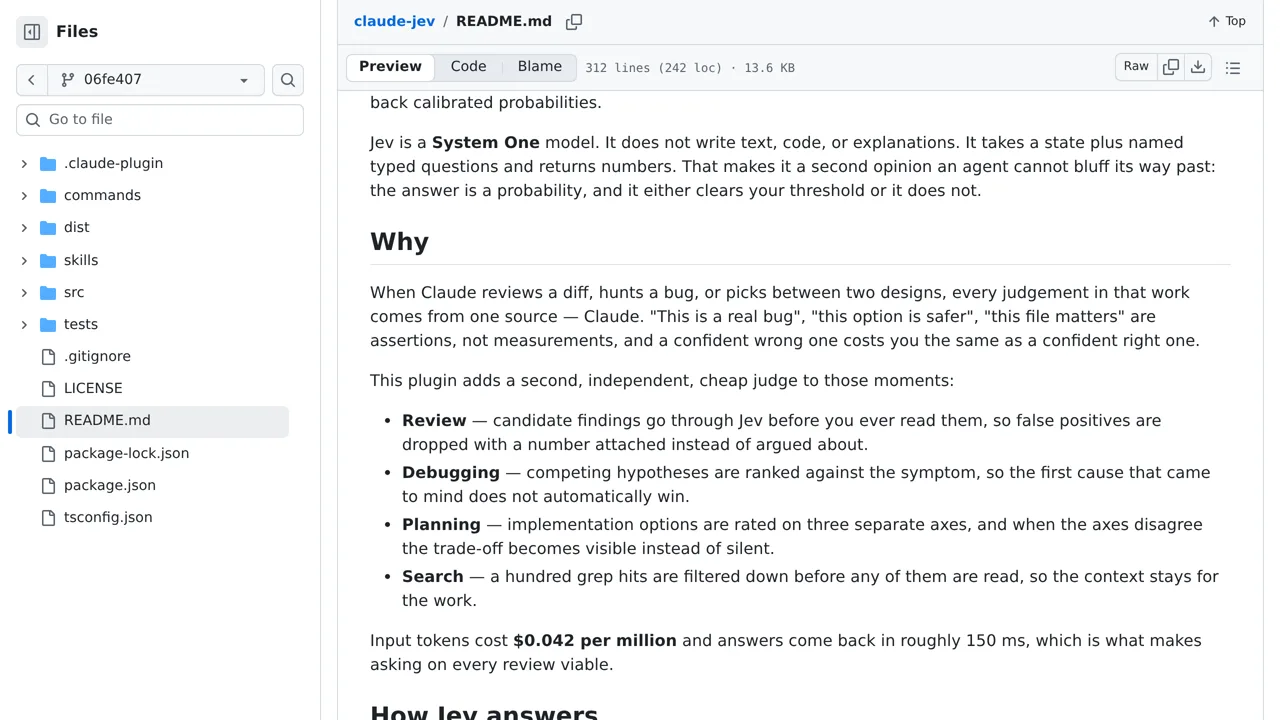
Gives Claude Code's reviews, debugging ideas, plans and searches a separate probabilistic second opinion.
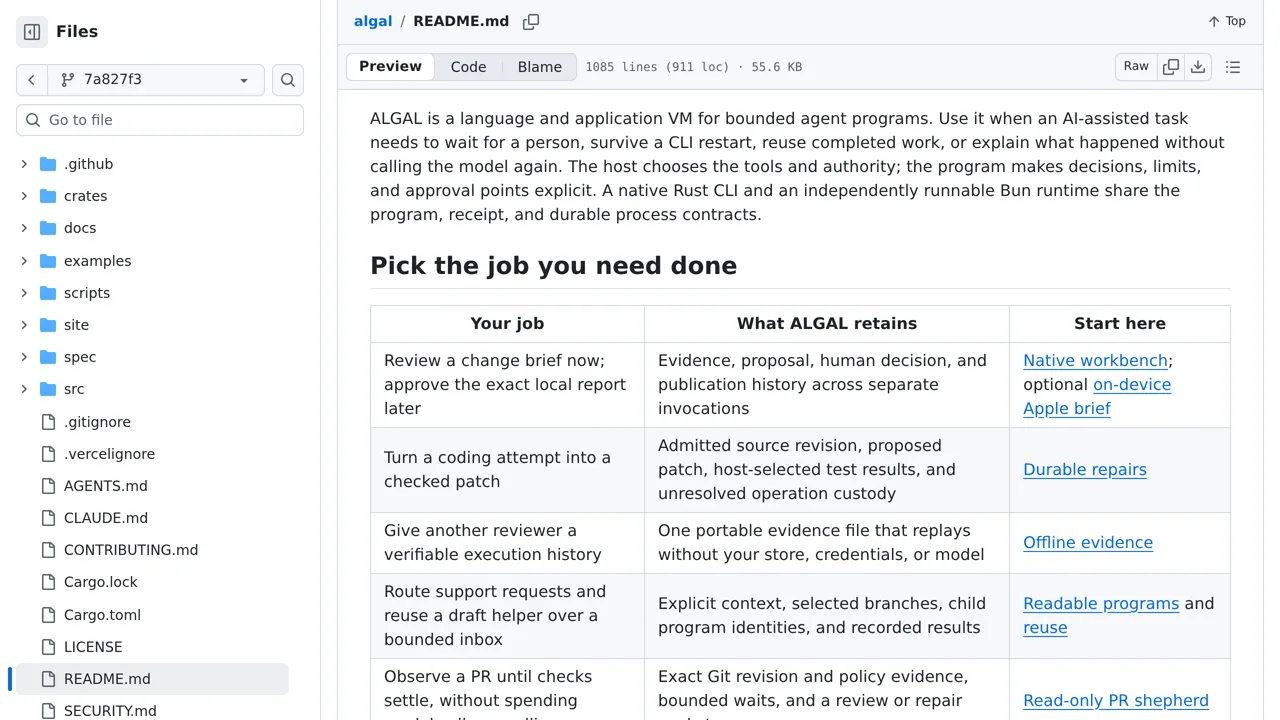
A language and runtime for budgeted agent programs whose declared decisions can be answered by Jev and replayed later.
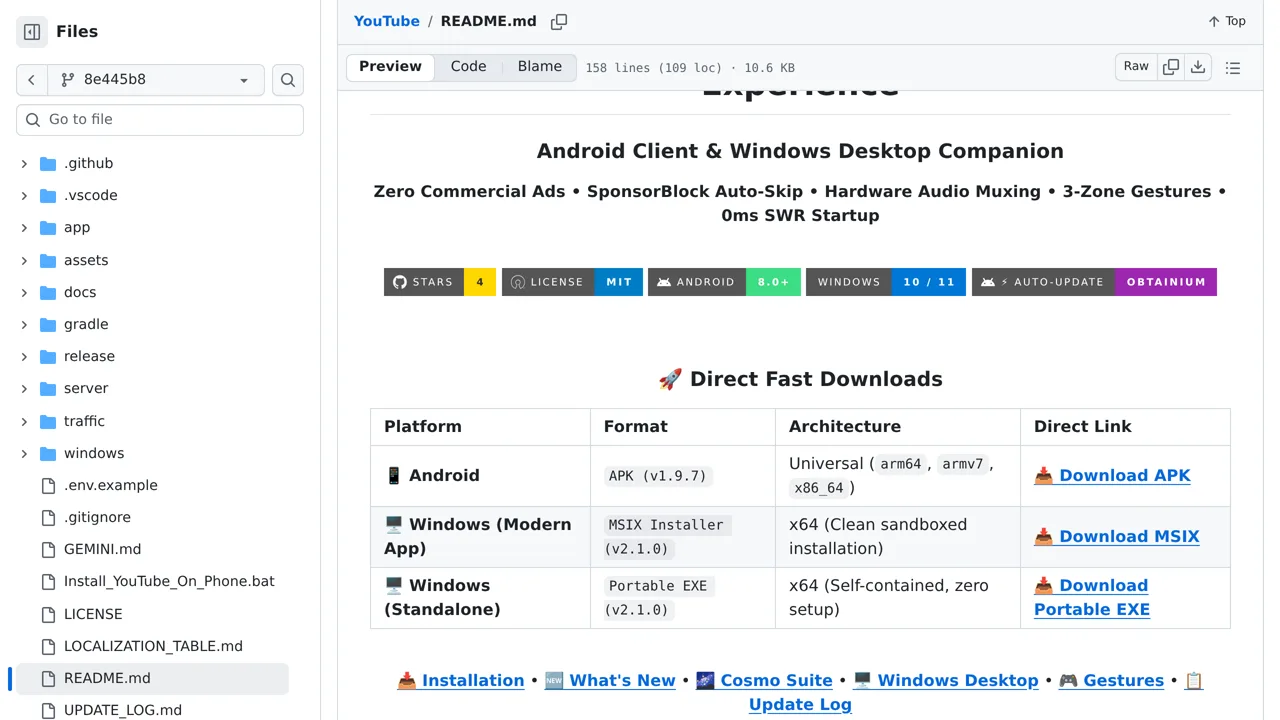
An ad-free YouTube client whose Windows companion experiments with Jev recommendations and quality selection.
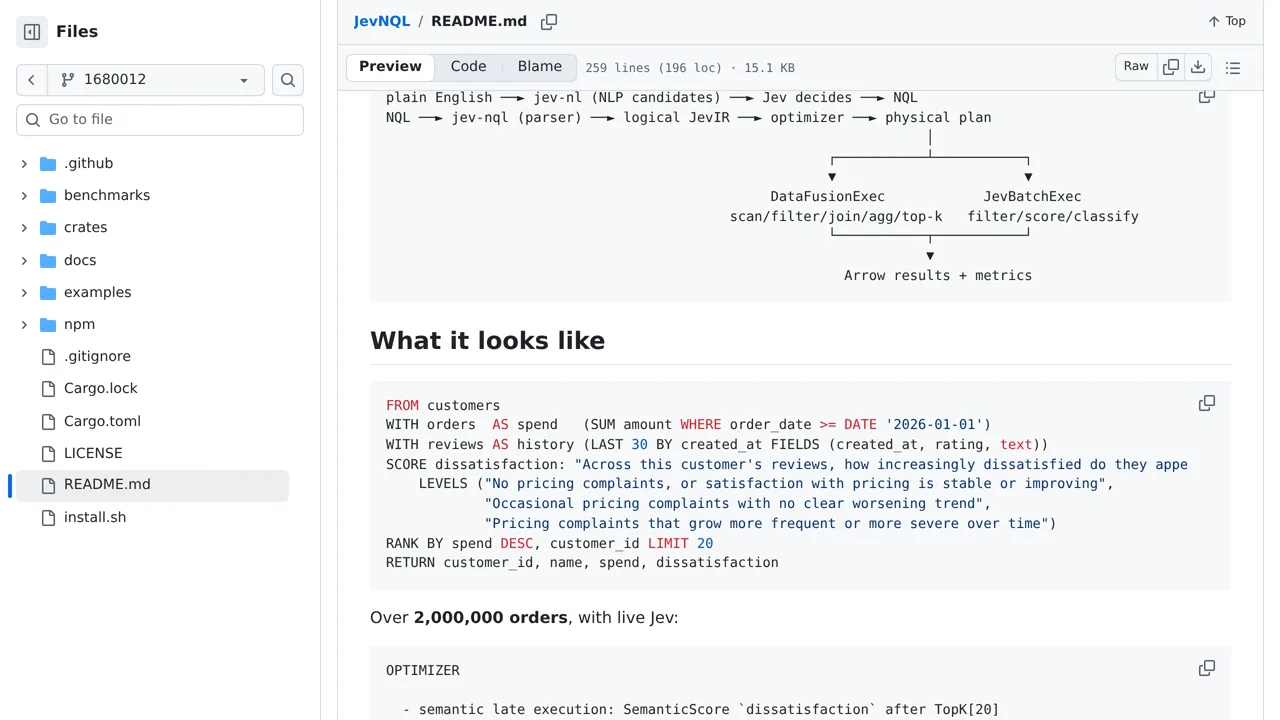
A Rust query language that mixes ordinary analytics with row-by-row semantic judgments from Jev.
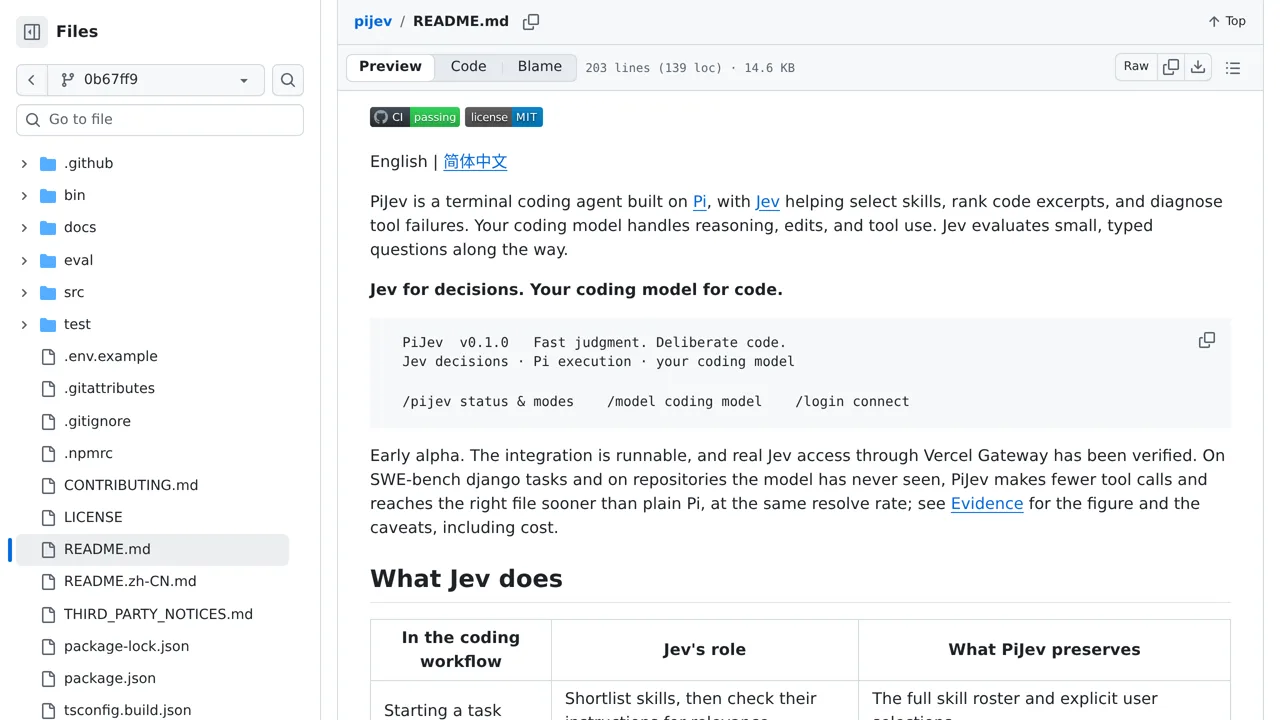
Jev helps Pi choose skills, rank source files and understand failed commands.
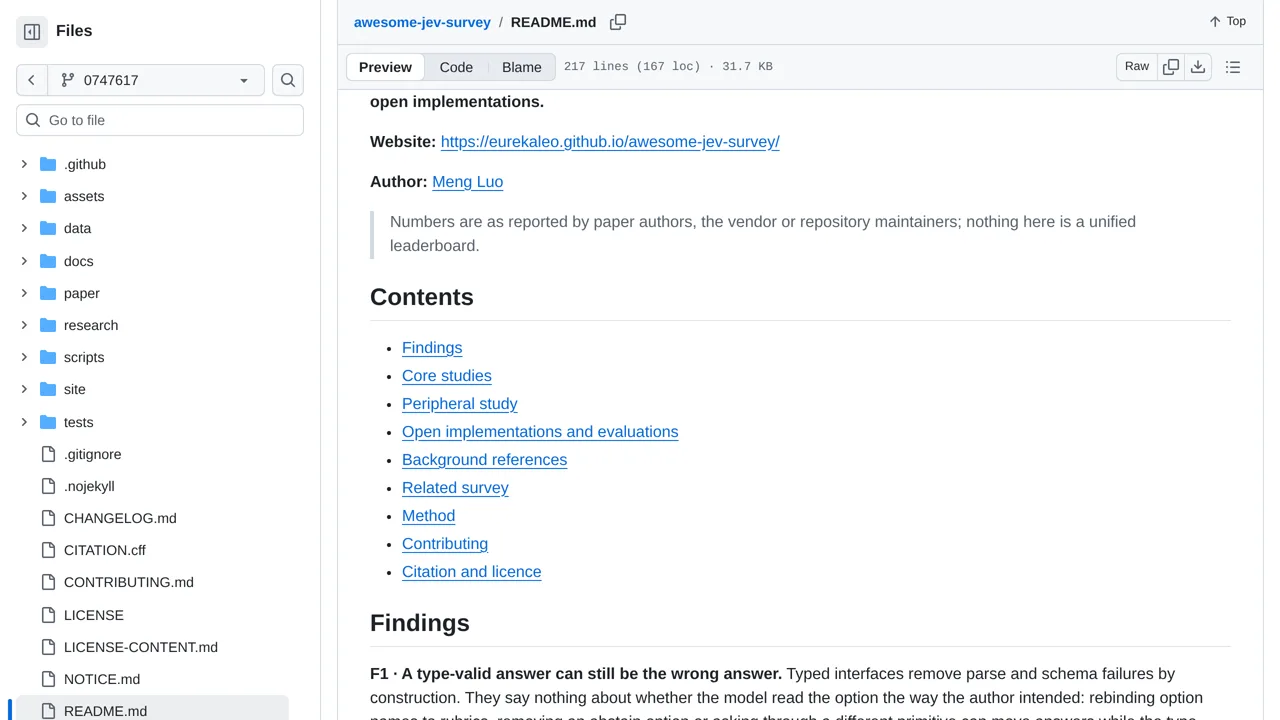
Surveys evidence on Jev and compatible decision models, separating calibration claims, selective control, and open implementations.
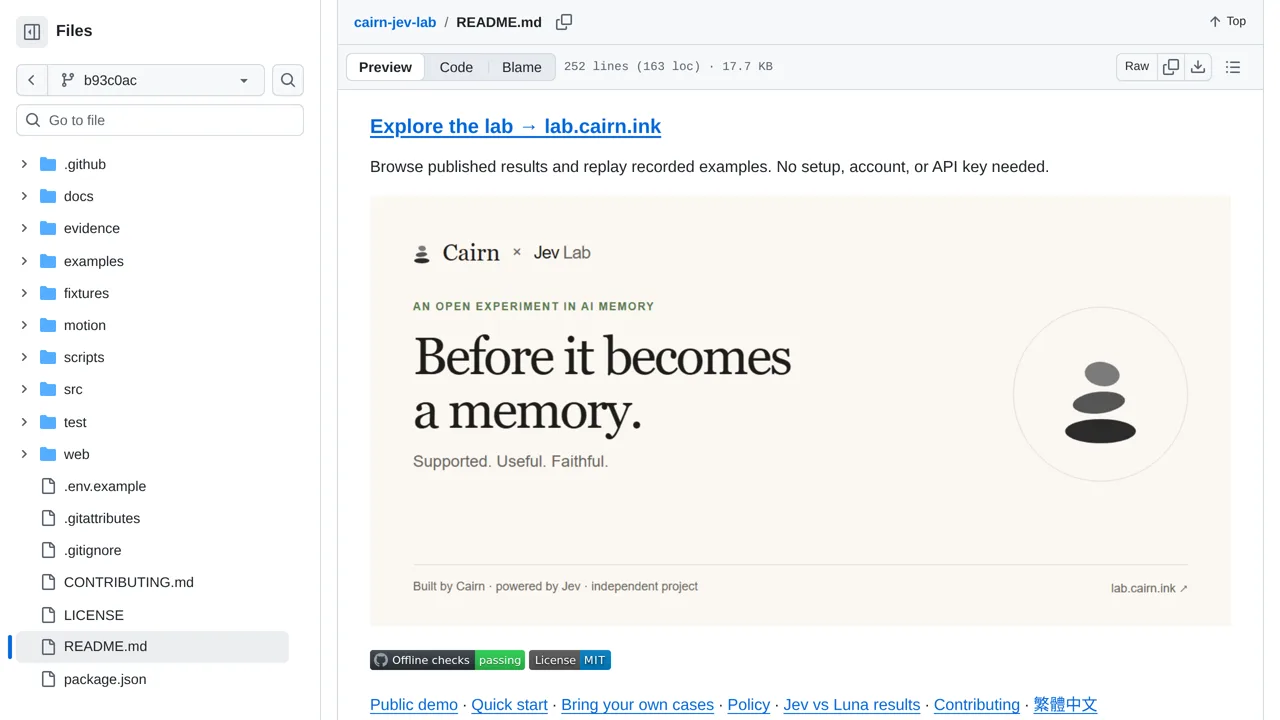
Lets people test which memories Jev would admit, comparing editable cases through an inspectable web interface.
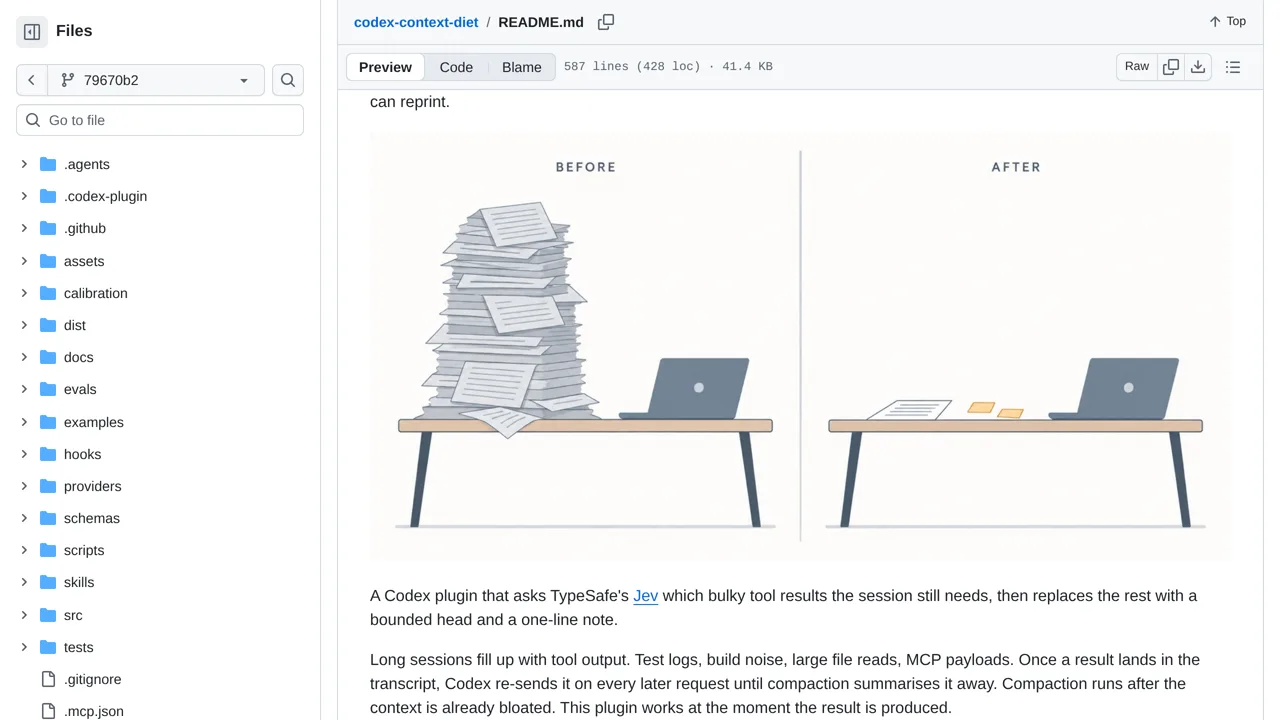
Uses Jev to keep useful Codex tool output while replacing low-value bulk with bounded excerpts.
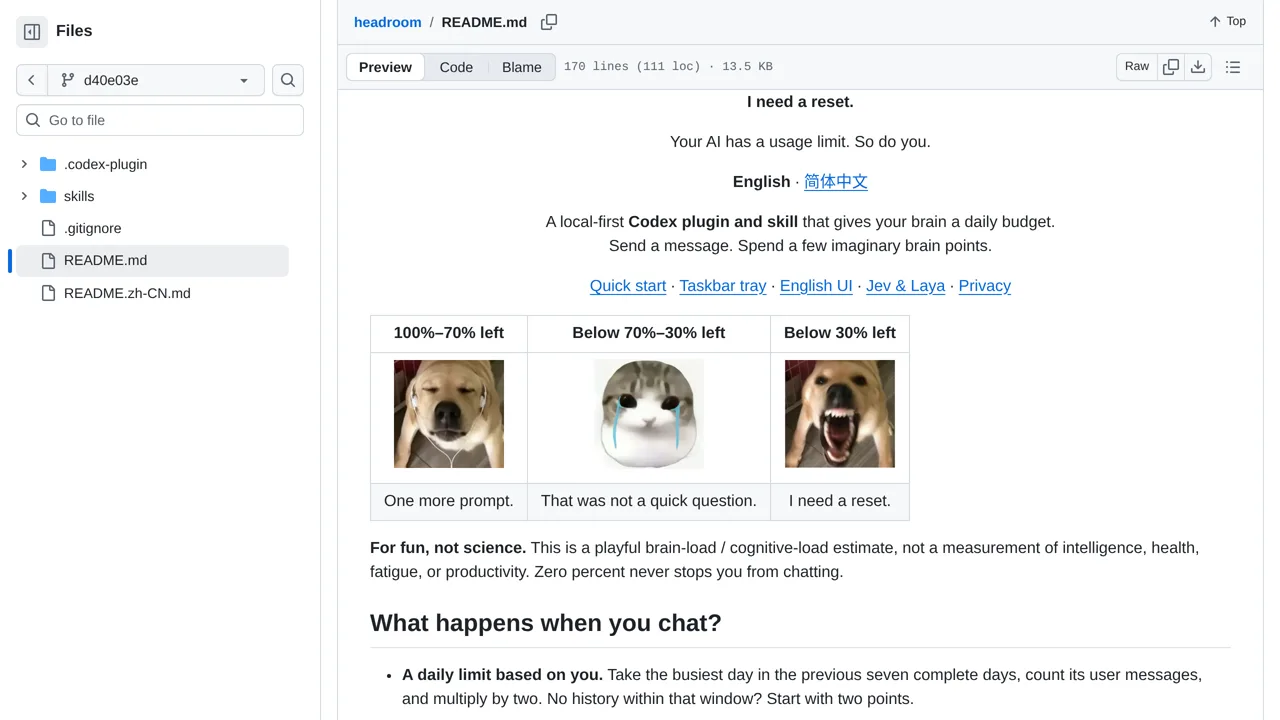
Tracks an imaginary brain budget for Codex using local Laya scores through a Jev-compatible request shape.
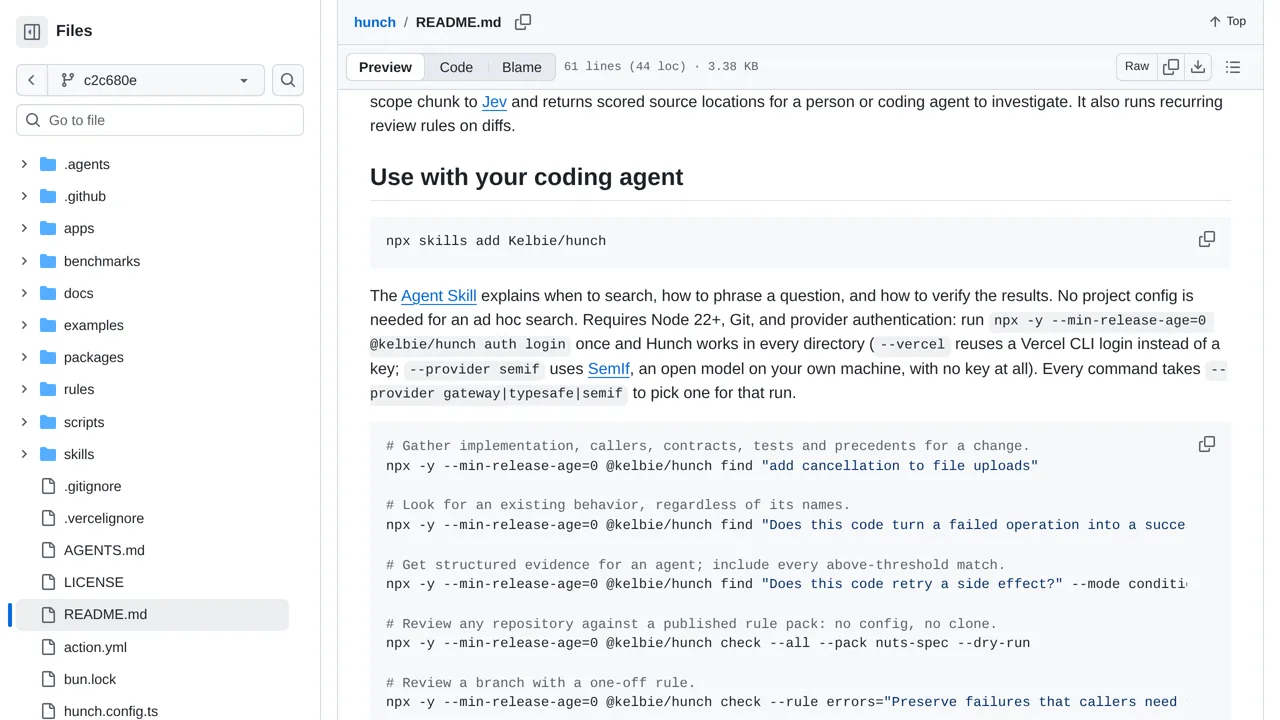
Reviews code against plain-language team rules, using Jev to turn each rule into a probability-backed finding.
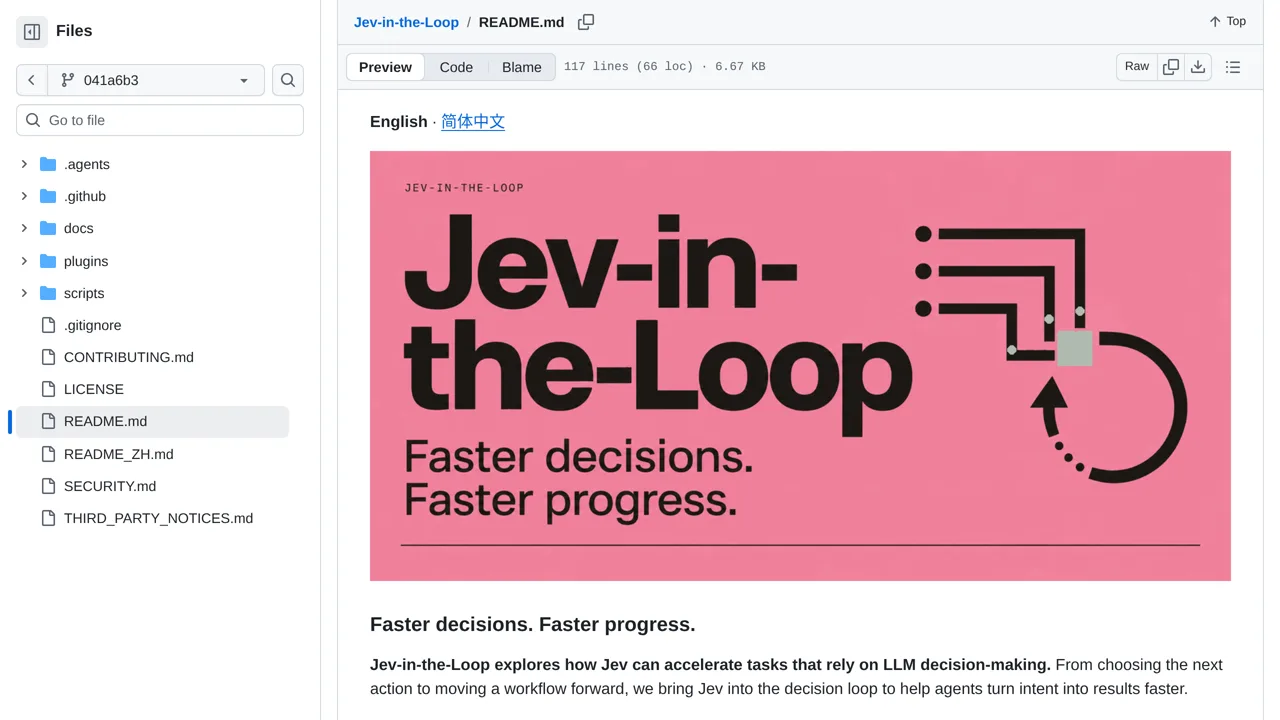
Lets Codex prepare browser goals and text while Jev repeatedly selects the next allowed action, target, and prepared input.
Flags OpenAPI changes whose schemas still match but whose descriptions imply different behaviour.

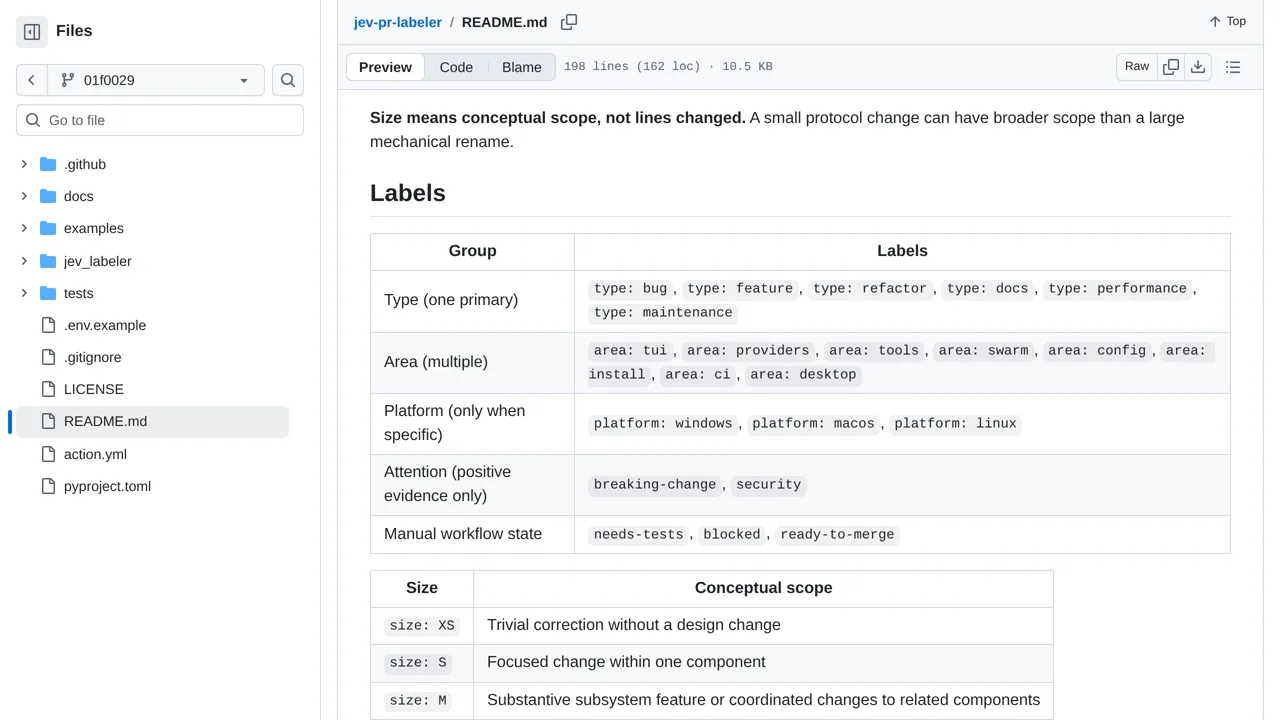
Labels pull requests by type, area, platform, risk, and conceptual scope from their title, body, and diff.
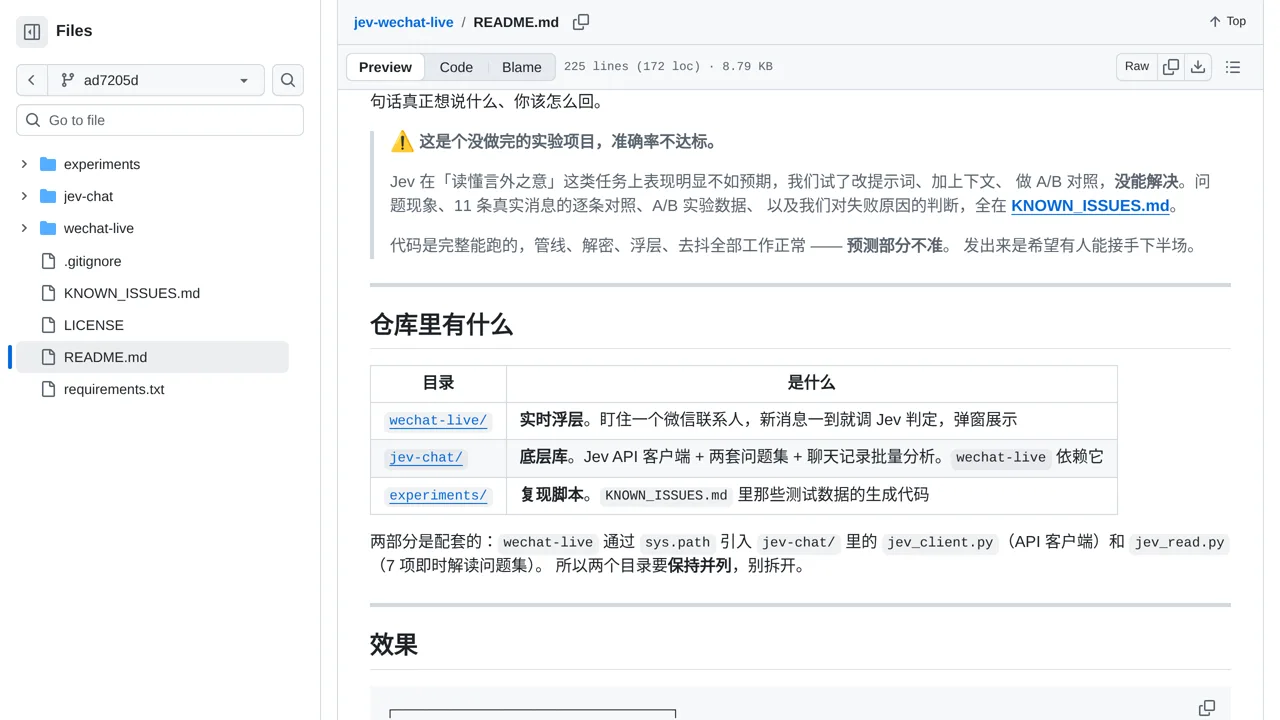
Overlays Jev judgements on live WeChat messages and publishes the experiment’s failed accuracy tests.
Jev, briefly
A chat model generates text token by token and hopes you parse it. Jev never generates a word. Your code sends the state of the world plus typed questions; Jev returns every answer in one parallel pass — typed values with calibrated probabilities and a confidence score your code can trust. About 70–500 ms end to end, $0.042 per million input tokens, output free. Trained with what TypeSafe calls Reinforcement Learning for Calibrated Decisions.
You define the options. Jev returns the chosen option, a probability for every option, and a confidence. The workhorse of routing, agents, and games — the answer space is always legal, so there is nothing to parse and nothing to hallucinate.
You describe ordered levels — say trivial / normal / critical. Jev returns the level, the probability of each, and a confidence. Scores turn fuzzy judgment (“how severe is this log line?”) into a number-free decision your code can branch on.
You assert a statement; Jev returns the probability that it is true — a noul. Moderation, verification, guardrails, “does this diff actually fix the bug?”: one question, one calibrated probability.
Official material lives at typesafe.ai and docs.typesafe.ai. JevMade is an independent community registry — not affiliated with or endorsed by TypeSafe AI.
Recurring lessons
Games, drones, trading bots, and browser agents all converge on the same loop: serialize the state, ask one decisive question, act, repeat. Jev’s latency makes the loop feel instant — the model lives inside the control loop, not outside it.
The answer says what; the confidence says whether to act. The most reliable entries threshold on confidence to route edge cases to a slower model or a human — automation with an honest escape hatch.
Makers rarely ask Jev to pick from everything. Local tactics prune 225 gomoku moves to ~40; DOM filters turn a page into an element table; code narrows options, Jev judges within them.
A recurring split: Jev makes every decision cheaply and instantly, and a small LLM is only invoked when a human-facing string must actually be written. Decision and generation are separate budgets.
Send the link — repo, live demo, post, or video — plus a line on what it does and which primitives it uses. Every entry is verified against its primary source before it ships.
Submit your experiment → hello@JevMade.com