Jev’s first two months: from launch day to a crowded field
TypeSafe AI released Jev on 15 September. Two months later it has a $7.5 billion valuation, a record adoption curve on Vercel and rivals from OpenAI, Google and Microsoft.

On 15 September 2026 TypeSafe AI released Jev, a model that does not write. It reads a question and its possible answers, and it returns a typed answer with a probability for each option. TypeSafe calls it its first “System One Model”.
Two months on, Jev has a price that is measured by the billion, a $7.5 billion company behind it, and rival decision models from OpenAI, Google, Microsoft and others. This is the long version of those two months. Every number below comes with the document that states it, and the posts, videos and podcasts are embedded so you can check them yourself.
- Launch day
- Two names: Kahneman and Jevons
- The first fortnight in numbers
- $40 million, then $870 million
- The rivals arrive
- San Francisco, 11 November
- What to watch
Launch day
TypeSafe’s launch post is signed by its founder, Diogo Almeida. He writes that at OpenAI he “helped build the methods that made language models useful at following instructions and talking with people”, work that “ended up as the research behind ChatGPT”. Jev, he says, is trained with a method the company calls Reinforcement Learning for Calibrated Decisions (RLCD).
The post set the launch price at $0.042 per million input tokens, or $42 per billion. Output tokens are free, “too cheap to meter”. It gives an end-to-end response time of 70 to 500 milliseconds, and says Jev’s Choice type takes up to 255 options.
The headline claims on TypeSafe’s home page, 193.6 times faster and 444.6 times cheaper, come from the company’s own workflow tests. The launch post says so, and adds that “we expect that these are on the higher end of real-world gains.”
Output tokens: FREE (too cheap to meter).
TypeSafe AI, launch post, 15 September 2026
Demand outran supply within days. TechCrunch reported on 18 September that “the company briefly lost the ability to serve users from its API because demand was so high.” The same report said Vercel had replaced an OpenAI model with Jev in a classifier that reviews commands for safety, and got results “five to 18 times more quickly and with greater accuracy”, according to Vercel engineer Pranit Sharma. Almeida told TechCrunch that Jev is trained exclusively on synthetic data.
Not everyone was convinced. A thread on Reddit’s r/LocalLLaMA asked whether Jev does anything simple neural networks could not already do. It drew more than 300 comments.
What does “System One” mean here?
TypeSafe borrows the term from Daniel Kahneman’s book Thinking, Fast and Slow, which contrasts fast, intuitive System 1 thinking with slow, deliberate System 2 reasoning. On 3 November the company wrote that it is “holding firm on calling Jev a System One model instead of a decision model”, the name many developers and rivals have settled on.

Two names: Kahneman and Jevons
Two names: Kahneman and Jevons
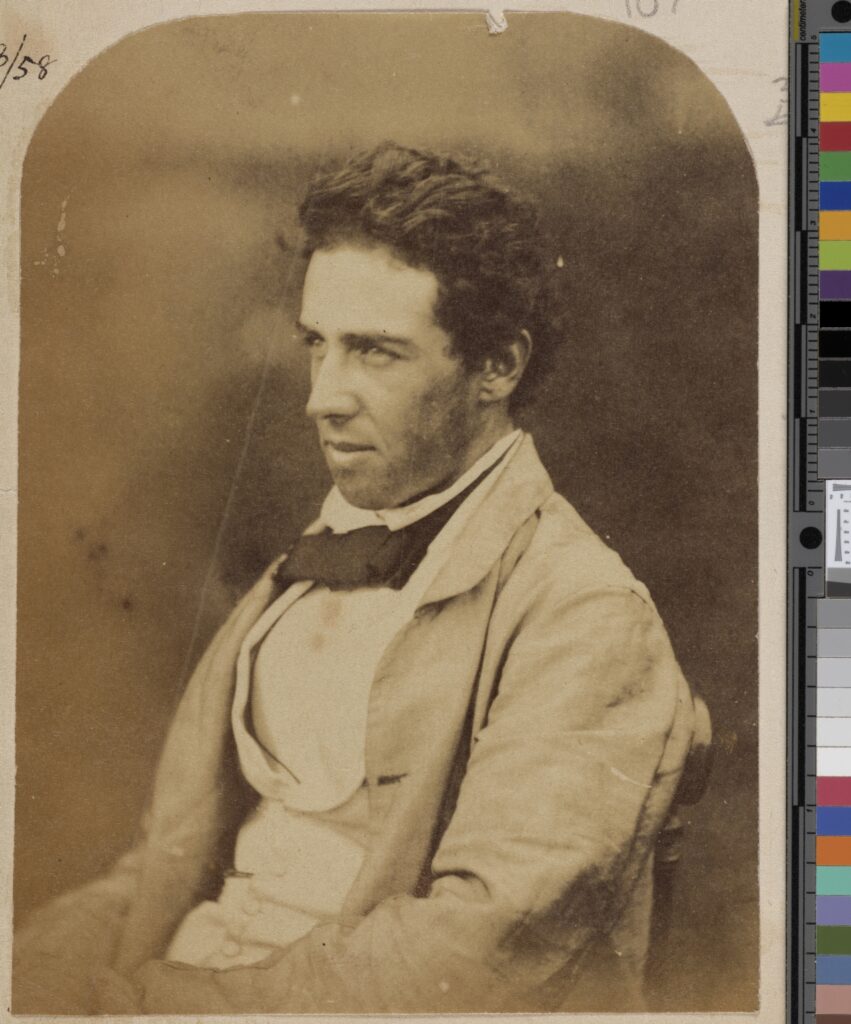
“We named Jev after William Stanley Jevons,” the launch post says. “We expect machine intelligence to follow a similar path to coal, after steam-engine efficiency led to an increase in demand.”
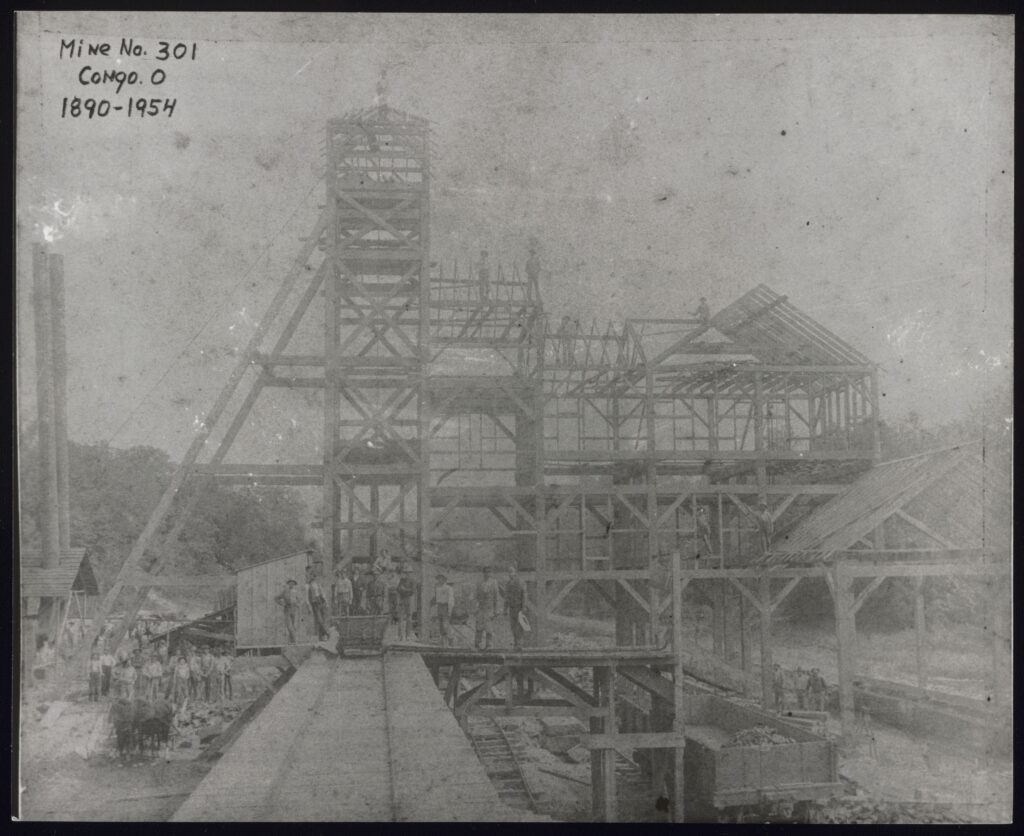
Jevons was an English economist and logician, born in Liverpool on 1 September 1835. In his 1865 book The Coal Question he observed that more efficient use of coal had led to more coal being burned, not less. The idea is now called the Jevons paradox. TechCrunch tied the name to it in its launch coverage.
TypeSafe’s bet is the same shape: if a decision costs a fraction of a cent, software will ask for far more of them. The Vercel figures later in this article are the first public test of that bet.


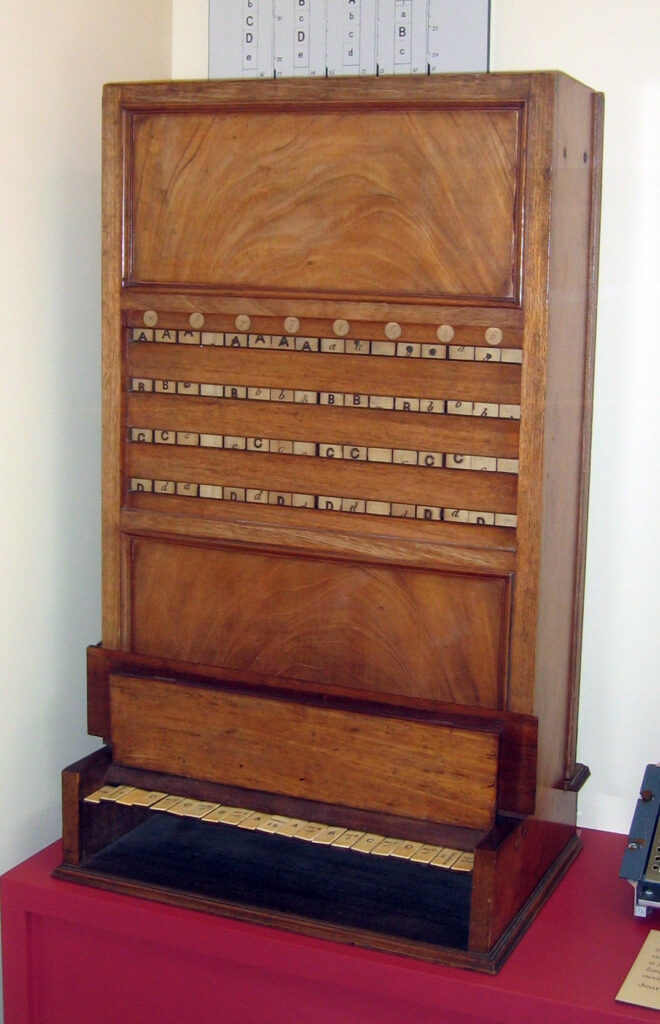
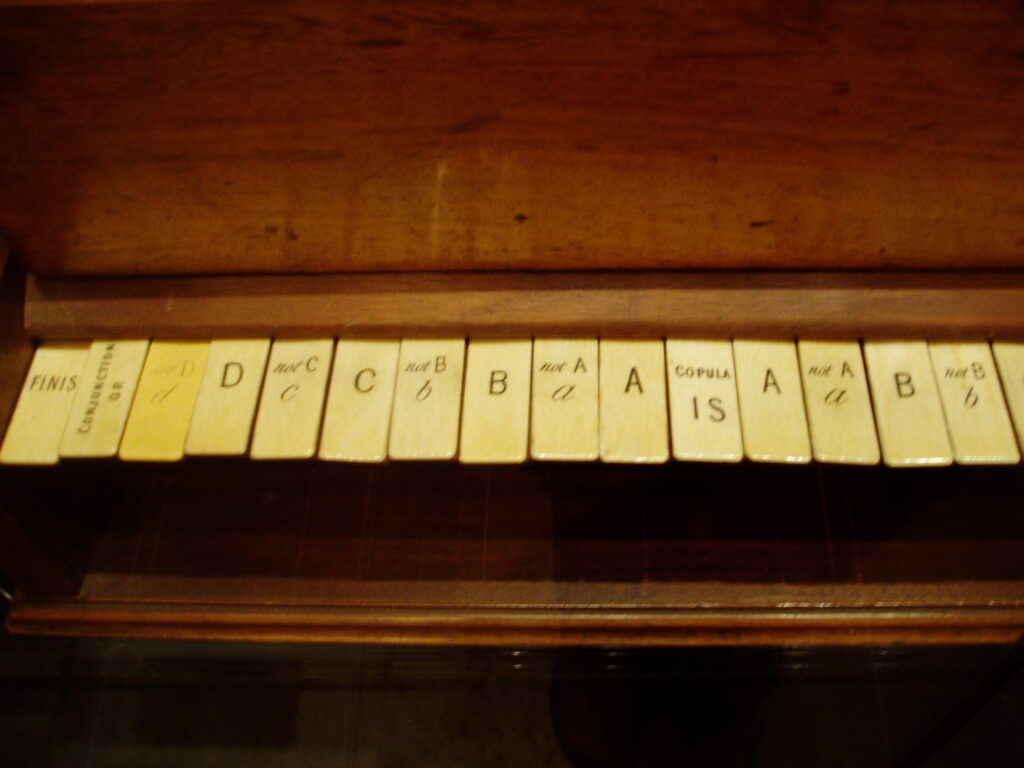
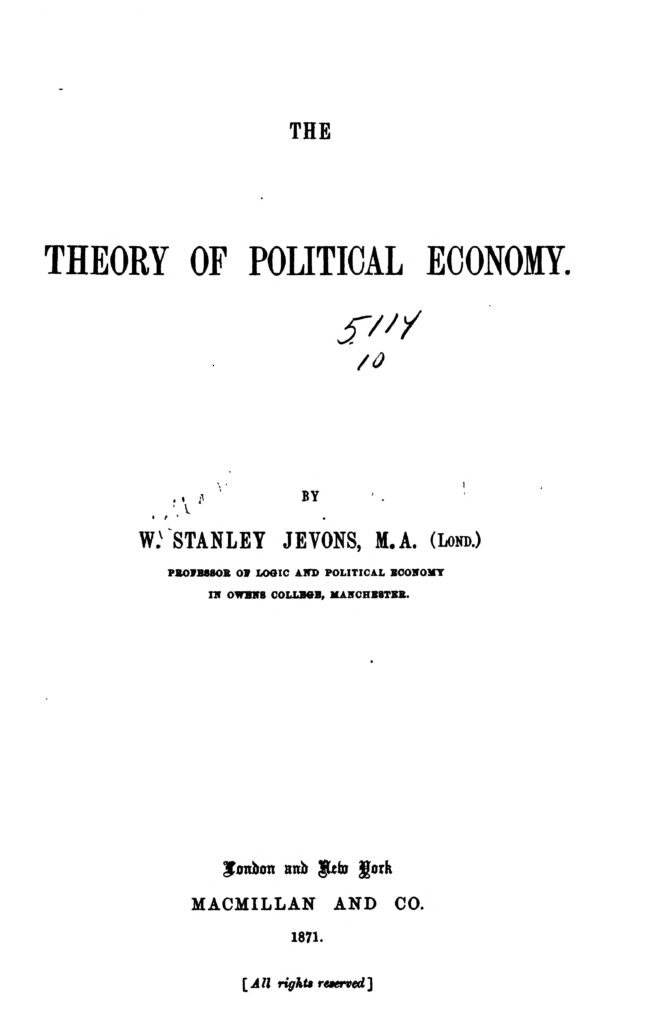
Jevons also built a machine that drew conclusions. In 1869 he had a “logical machine” made to his design, sometimes called the Logic Piano for its likeness to an upright piano, and it was shown to the Royal Society in 1870. His Theory of Political Economy followed in 1871 and The Principles of Science in 1874. He drowned while bathing near Hastings on 13 August 1882.
A keyboard that turns stated premises into a verdict is not Jev, but the family likeness is hard to miss: the operator chooses the terms, and the machine only reports what follows from them.
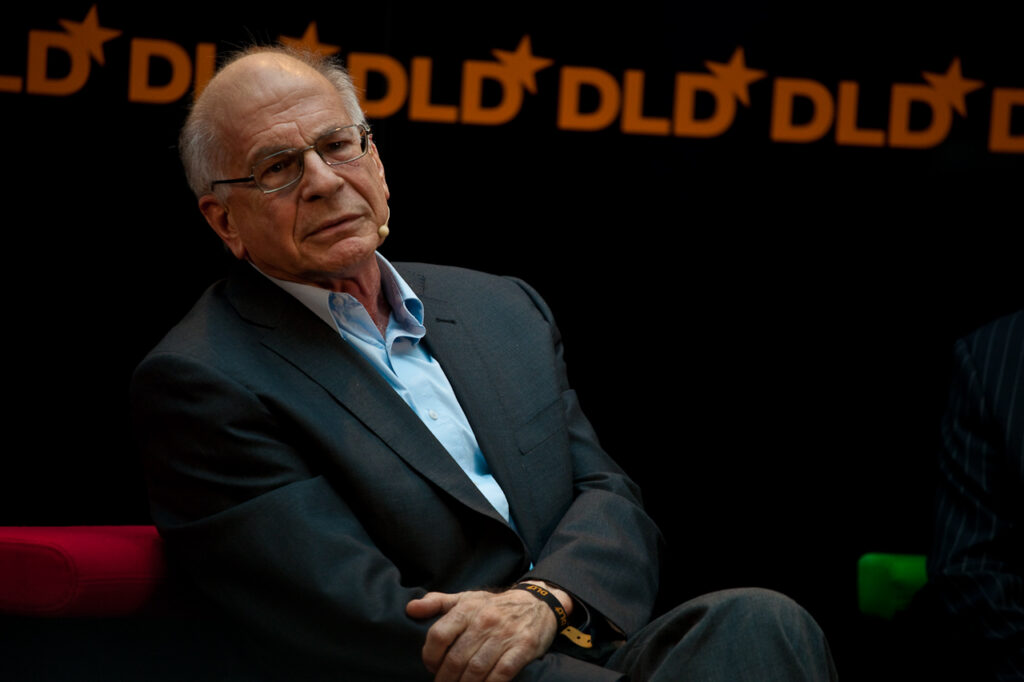
The other name belongs to Daniel Kahneman, the psychologist who shared the 2002 Nobel Memorial Prize in Economic Sciences for work on judgement and decision-making under uncertainty. He died on 27 March 2024. TypeSafe’s launch post credits his Thinking, Fast and Slow for the “System One” label.
Kahneman in 2009. Photo: nrkbeta, CC BY-SA 2.0, via Wikimedia Commons.
In 2013 the White House named him a recipient of the Presidential Medal of Freedom and published a short film about his work. That year he also spoke on BBC Radio 4’s Desert Island Discs.
The first fortnight in numbers
The clearest outside measurement comes from Vercel. Its AI Gateway added Jev on 17 September, and its production index for October, published on 15 October, says “Jev was the fastest-adopted model in AI Gateway history, reaching 35% of paid teams in its first two weeks, but it accounted for just 0.27% of gateway spend over that same period.”
35.3%
of Vercel’s paid AI Gateway teams used Jev within 14 days
0.27%
of the gateway’s spend over the same two weeks
55.6%
of week-one teams came back in week two
| Day after launch | Jev | Gemini 3 Flash | Claude Sonnet 5.5 |
|---|---|---|---|
| Day 1 | 5.9% | 7.4% | 3.1% |
| Day 3 | 14.8% | 11.6% | 6.6% |
| Day 7 | 22.4% | 16.6% | 10.6% |
| Day 14 | 35.3% | 22.2% | 18.1% |
Gemini 3 Flash was ahead on day one. Jev passed it by day three and finished the fortnight well clear. The same report says Jev “received the most requests of any model in September”, yet “accounted for just 1% of the month’s tokens and 0.15% of spend”. That is the Jevons argument in two numbers: a great many calls, each costing almost nothing.
Netlify’s changelog for 17 September says Jev became available through its AI Gateway “with zero configuration required”. Video explainers followed. Claire Zau’s short piece, posted to TikTok and Instagram on 22 September, sums up the pitch: a model that “picks from answer options you define and returns a probability for each”.
$40 million, then $870 million
TypeSafe launched with a $40 million seed round led by DCVC, which Almeida announced the same day. Twenty-four days later the company announced a Series A.
We’ve raised a really big series A led by Andreessen Horowitz, with participation from Sequoia Capital, existing investor DCVC, and the tech illuminati (aka a bunch of the best angel investors).
TypeSafe AI, company blog, 9 October 2026
The same post gives the size: “$870 million at a $7.5B valuation, with Martin Casado joining the board.” TechCrunch’s Marina Temkin reported the same figures that day. TechCrunch also names the company’s three co-founders: Erik Gafni, Sasha Sheng and Diogo Almeida.

On 14 October TypeSafe shipped Jev 1.14.0 “along with experimental features for our dreamers: images, a new type, and longer context”. It files the experimental part under a “danger zone”.
The rivals arrive
Within six weeks most of the large AI vendors had a model that returns typed answers with probabilities. Sebastian Raschka listed them on 13 November.
| Company | Model or product | Date (2026) | Weights | Price per million input tokens | What the company says |
|---|---|---|---|---|---|
| Databricks | ai_decide | 30 September | Hosted | Not stated in the post | “makes fast decisions directly on your data” |
| Cloudflare | Clef, Clef-flash | 1 October; cut 9 October | Open, Apache 2.0 | Clef-flash $0.09, then $0.038 | Clef-flash “is now cheaper than Jev” |
| AWS | Strands Decider 2B | 1 October | Open | Runs locally | “suitable for running on a local CPU or GPU” |
| OpenAI | Decisions API on GPT-6 Luna | 22 October (general availability) | Hosted | $0.10 | “Built with GPT‑6 Luna” |
| Sarvam | Sarvam Prism | 3 November | Open, Apache 2.0 | Not stated in the post | Responds in 44 ms on a B200 GPU |
| Gemini Decision 1 | 11 November | Hosted | $0.10 | Up to 1,000 questions in one pass, 150–250 ms | |
| Liquid AI | d1.2, d1.2-ultra | 16 November | — | Not stated in the post | d1.2-ultra “scores 75, the highest on the index” |
| Microsoft | Microsoft-Decision-1.1 | 17 November (general availability) | Hosted; based on Gemma 4 26B A4B | Same as version 1 | Scores 68, “ahead of Jev 1.14” |
Two details matter when reading that table. Microsoft-Decision-1.1, the version that scores 68, is “based on a mid-sized mixture-of-experts model, Gemma 4 26B A4B”, Microsoft says. And every score in the last column is a company describing its own model on an index it chose to cite.
JevMade covered Microsoft’s release when it happened:
 Jev News · Releases & Updates
Microsoft-Decision-1.1 Goes Generally Available, Scoring 68 on the Decision Index and Adding Image Input
Microsoft made Decision-1.1 generally available on Foundry, OpenRouter and Vercel on 17 November, claiming a 68 on the Artificial Analysis index, ahead of Jev 1.14.
San Francisco, 11 November
Almeida gave a main-stage talk at the AI Engineer Code Summit on 11 November, from 2:05 to 2:23 pm, under the title “I love you so jevving much”. The summit’s own schedule puts it in Continental 4–6 at the Hilton Union Square in San Francisco.
Latent Space, writing up the summit, quoted his line about chat models: “you get Einstein 95% of the time, but Mr. Bean 5% of the time.” The point of a model that states its own probability is to tell those two apart before the code acts.

What to watch
- Spend, not just reach. Vercel’s next index will show whether Jev’s share of requests keeps growing while its share of spend stays tiny.
- Independent scores. Most rival claims above are vendors scoring themselves; benchmarks run by third parties carry more weight.
- Whether the probabilities hold up. That is the subject of our companion article on calibration.
Sources
- TypeSafe AI: Introducing System One Models and Jev (15 September)
- TypeSafe AI: Series A announcement (9 October)
- TypeSafe AI: Jev 1.14.0 (14 October)
- TypeSafe AI: Don’t call it a decision model (3 November)
- TypeSafe AI: Team and careers
- TechCrunch: A new kind of AI model from a ChatGPT inventor is thrilling developers (18 September)
- TechCrunch: The maker of non-text AI model Jev valued at $7.5B (9 October)
- Vercel: AI Gateway Production Index, October 2026
- Netlify changelog: TypeSafe Jev now available in AI Gateway
- Databricks: Introducing ai_decide; Cloudflare: Clef and Clef-omni; Strands Decider 2B
- OpenAI: Decisions API; Google: Gemini Decisions API; Microsoft: Microsoft-Decision-1.1
- Sarvam: Sarvam Prism; Liquid AI: d1.2
- AI Engineer Code Summit 2026 schedule; Latent Space: The Jev Revolution
- Wikipedia: William Stanley Jevons; Jevons paradox; Daniel Kahneman